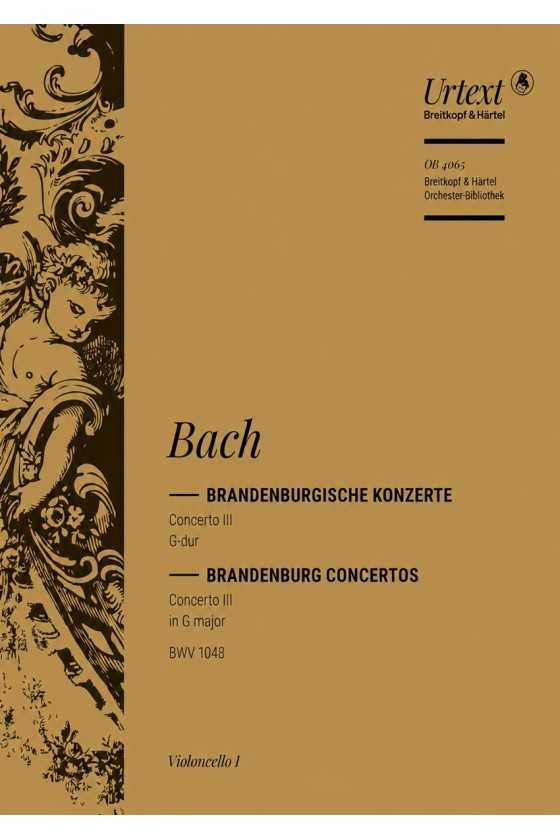
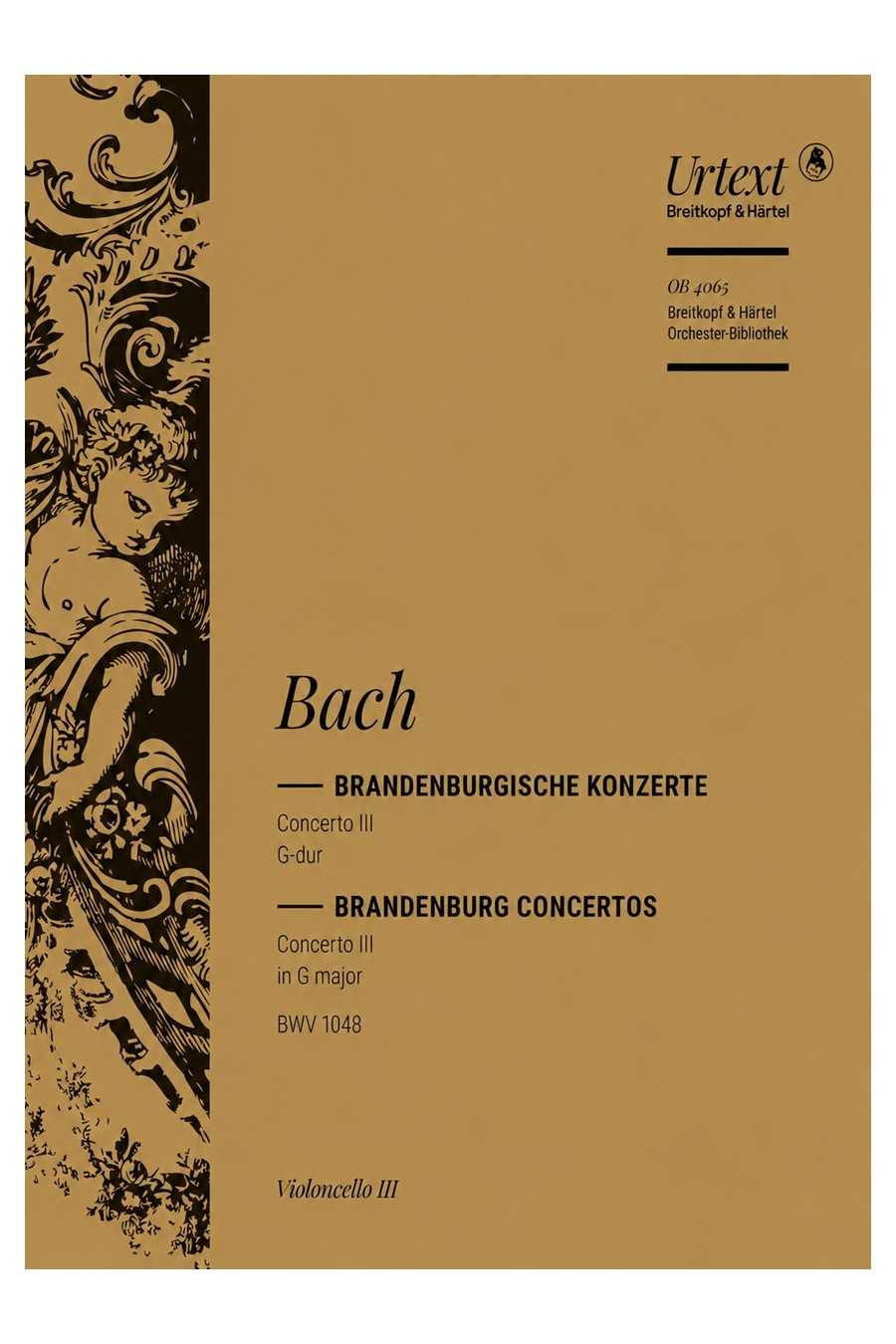
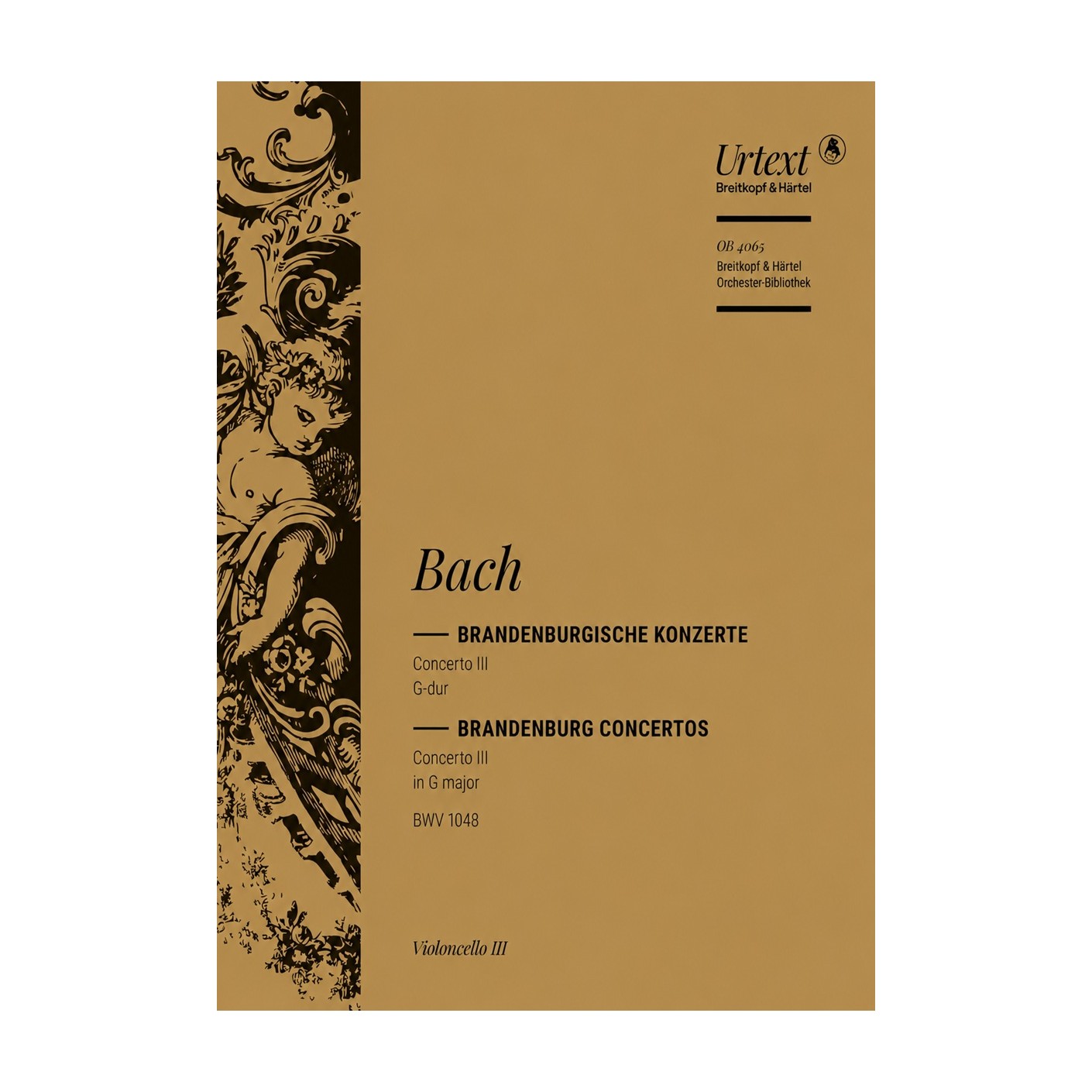
The Cello III Part for Bach’s Brandenburg Concerto No. 3 in G Major, BWV 1048 is part of the Breitkopf & Härtel Urtext orchestral edition, edited by Werner Felix. Designed for practical performance, it provides cellists with a reliable part for this celebrated and energetic Baroque masterpiece.
Key Features:
• Cello III part only
• Bach’s Brandenburg Concerto No. 3
• BWV 1048
• Breitkopf & Härtel Urtext edition
• Edited by Werner Felix
• OB 4065-25
• Ideal for orchestral rehearsal and performance
The Cello I Part for Bach’s Brandenburg Concerto No. 3 in G Major, BWV 1048 is a practical Breitkopf & Härtel orchestral edition. It includes Emil Platen’s optional solution for the concerto’s unusual middle section, where Bach originally supplied only two chords.
Key Features:
• Cello I part only
• Brandenburg Concerto No. 3, BWV 1048
• Published by Breitkopf & Härtel
• Optional middle section by Emil Platen
• Practical orchestral performance material
• Ideal for rehearsal and concert use
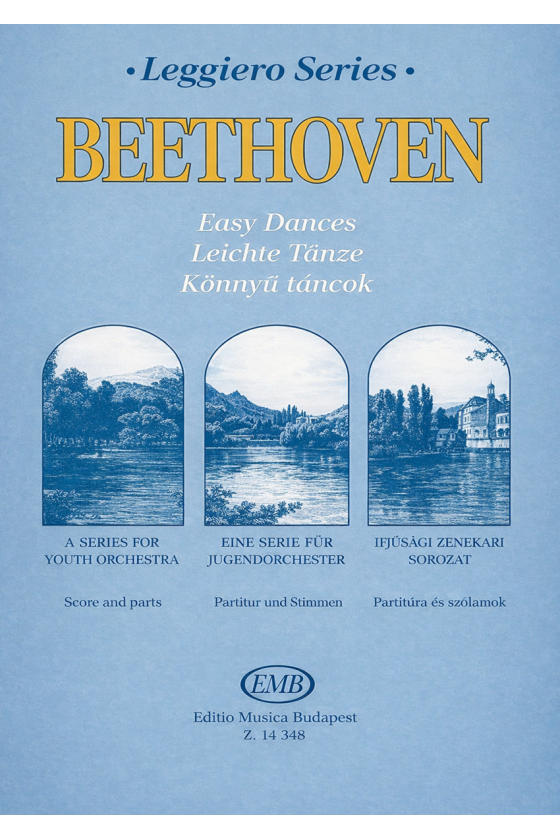
Beethoven Easy Dances for String Orchestra by Ludwig van Beethoven, published by Editio Musica Budapest, is a lively and engaging collection that introduces Beethoven’s music through rhythm, movement, and ensemble play.
Key features
• Cheerful, dance-inspired Beethoven repertoire
• Builds ensemble cohesion and rhythmic confidence
• Accessible yet musically authentic
• Ideal for developing string orchestras