This edition of the Brandenburg Concerto provides a modern performance material for Baroque music that fulfils the requirements of performers.
This edition of the Brandenburg Concerto provides a modern performance material for Baroque music that fulfils the requirements of performers.
The Brandenburg Concerto No. 3 has only two chords instead of a "slow movement". Bach probably intended the solo instruments to perform an improvisation here, as Handel did in his organ concertos. However, while it may be easy for a proficient organ soloist to improvise in Handel's music, it is impossible for the nine solo parts in Bach's piece.
Emil Platen's solution provides an unstructured expansion preceding the two chords written by Bach. It employs all the string instruments and incorporates stylistic elements of the concerto while avoiding the impression of being an independent movement.
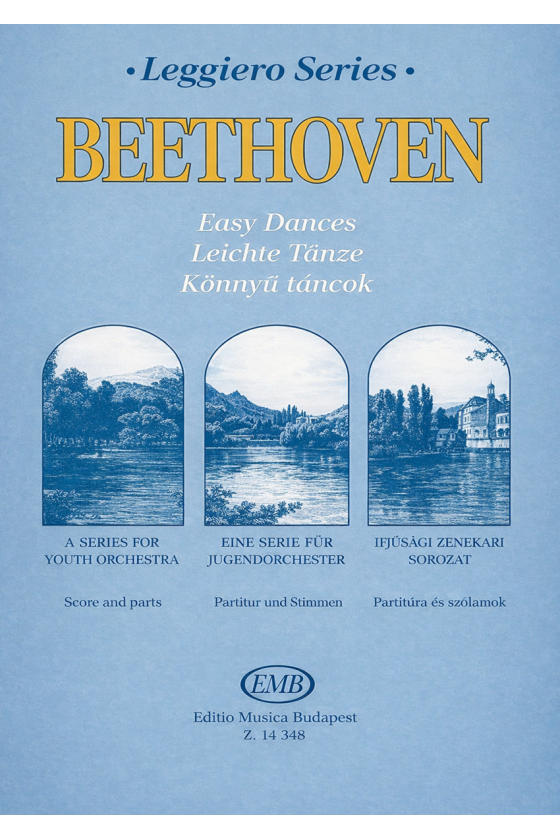
Beethoven Easy Dances for String Orchestra by Ludwig van Beethoven, published by Editio Musica Budapest, is a lively and engaging collection that introduces Beethoven’s music through rhythm, movement, and ensemble play.
Key features
• Cheerful, dance-inspired Beethoven repertoire
• Builds ensemble cohesion and rhythmic confidence
• Accessible yet musically authentic
• Ideal for developing string orchestras
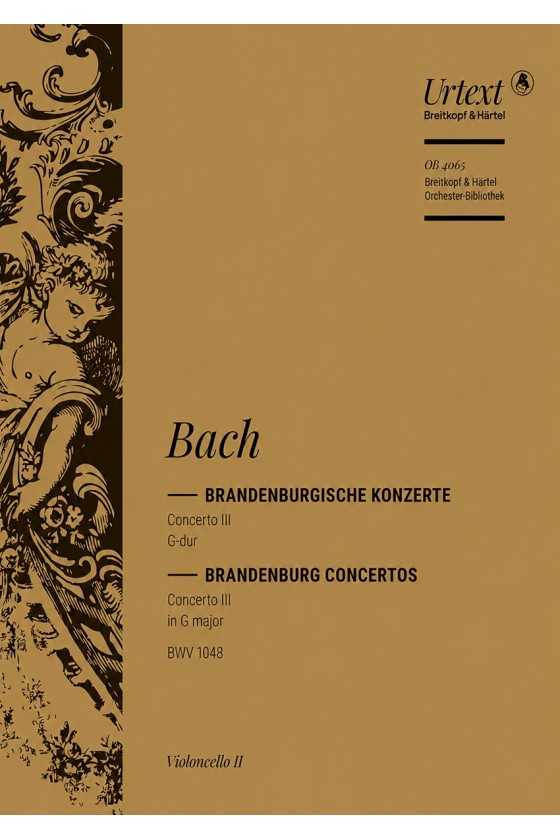
The Cello II Part for Bach’s Brandenburg Concerto No. 3 in G Major, BWV 1048 is a practical Breitkopf & Härtel orchestral edition of this celebrated Baroque work. It also incorporates Emil Platen’s optional solution for the unusual middle section, where Bach originally provided only two chords.
Key Features:
• Cello II part only
• For Brandenburg Concerto No. 3
• BWV 1048
• Published by Breitkopf & Härtel
• Optional middle-section solution by Emil Platen
• Ideal for orchestral rehearsal and performance
Canon in D by Johann Pachelbel, published by Schott, is a beautifully arranged edition for string orchestra of one of the most beloved works in classical music. Ideal for intermediate ensembles, it is perfect for concerts, weddings, festivals, educational performances, and developing Baroque ensemble skills.
Key Features:
• Music by Johann Pachelbel for string orchestra
• Features the celebrated Canon in D
• Suitable for intermediate string ensembles
• Ideal for concerts, weddings, festivals, and educational performances