
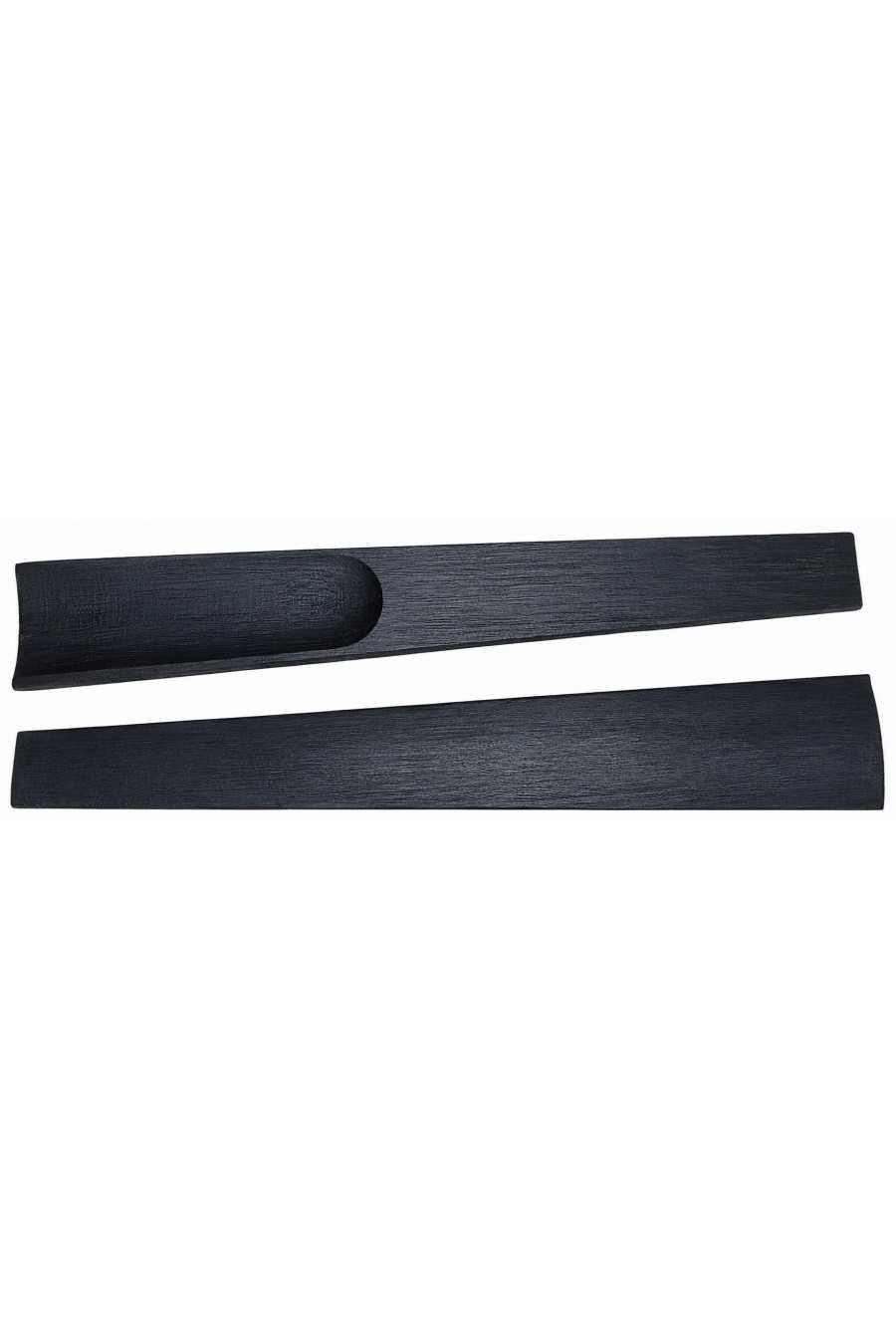
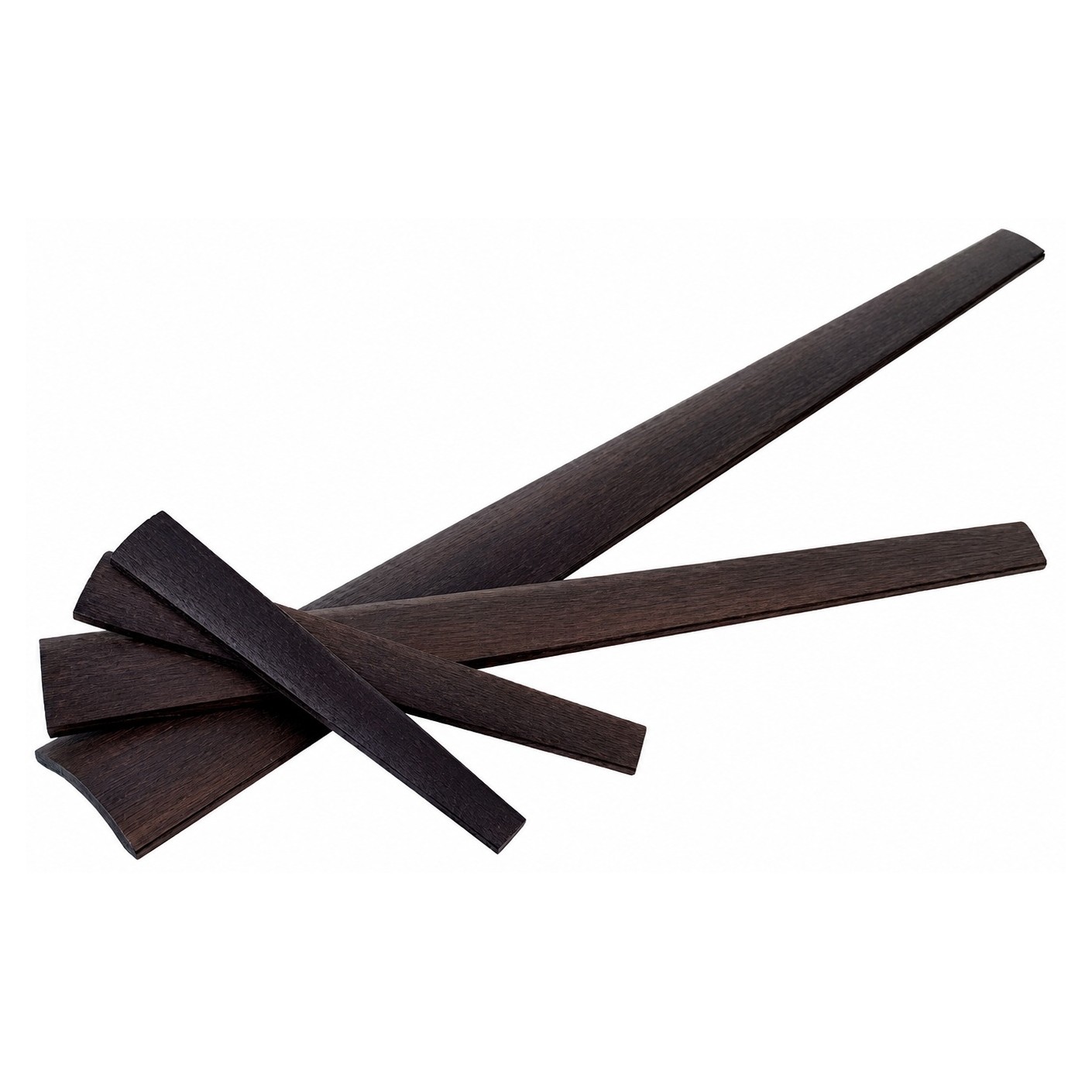
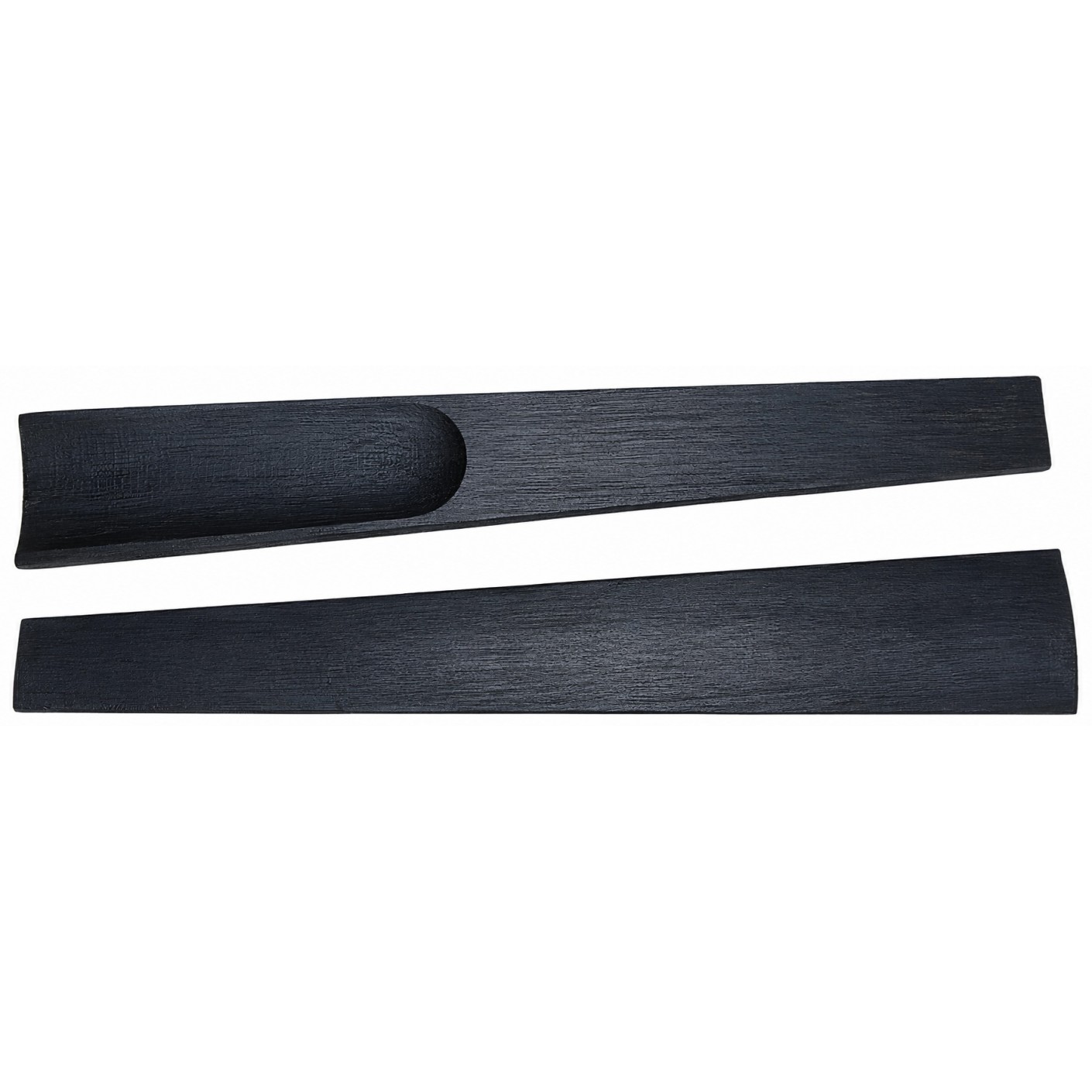
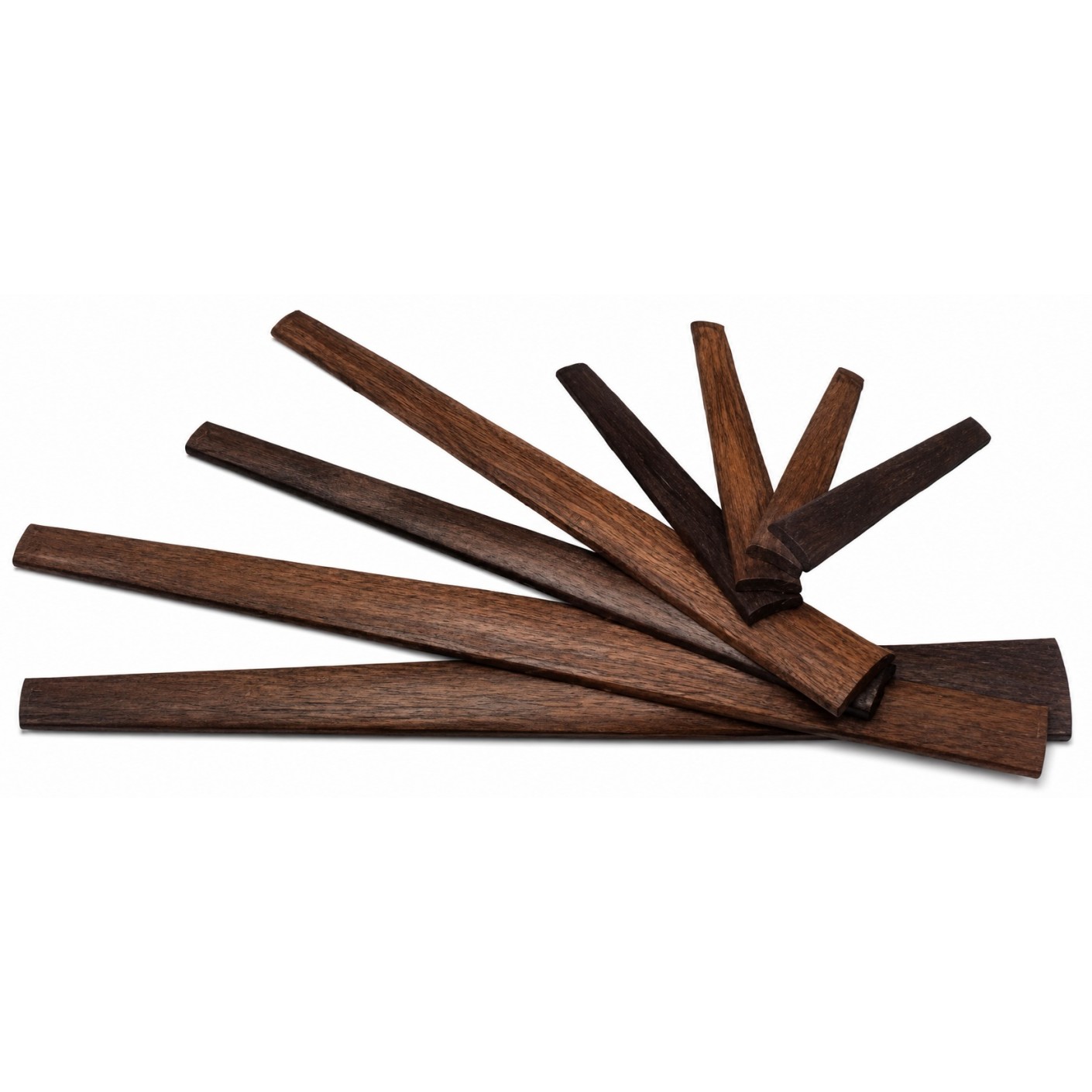
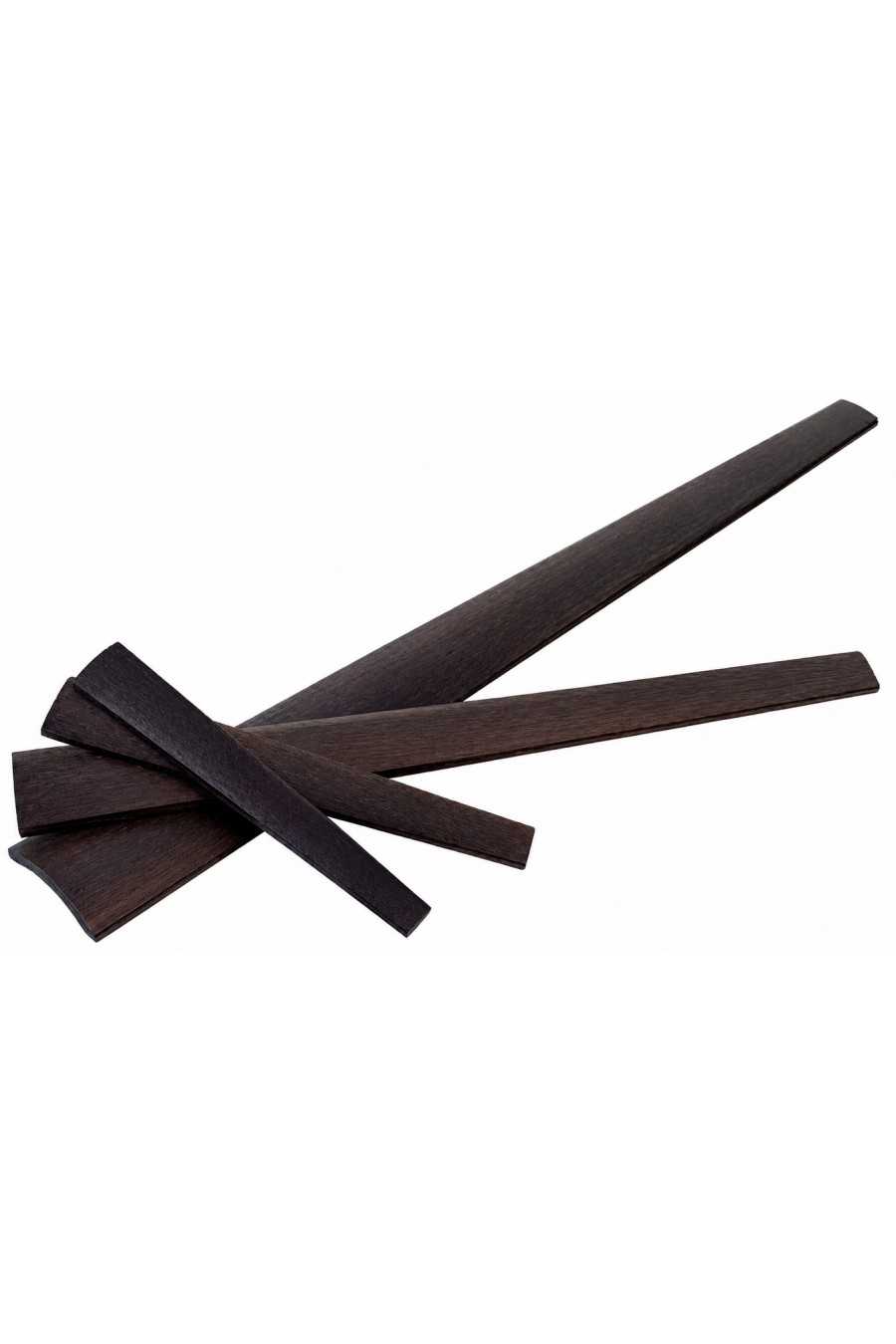
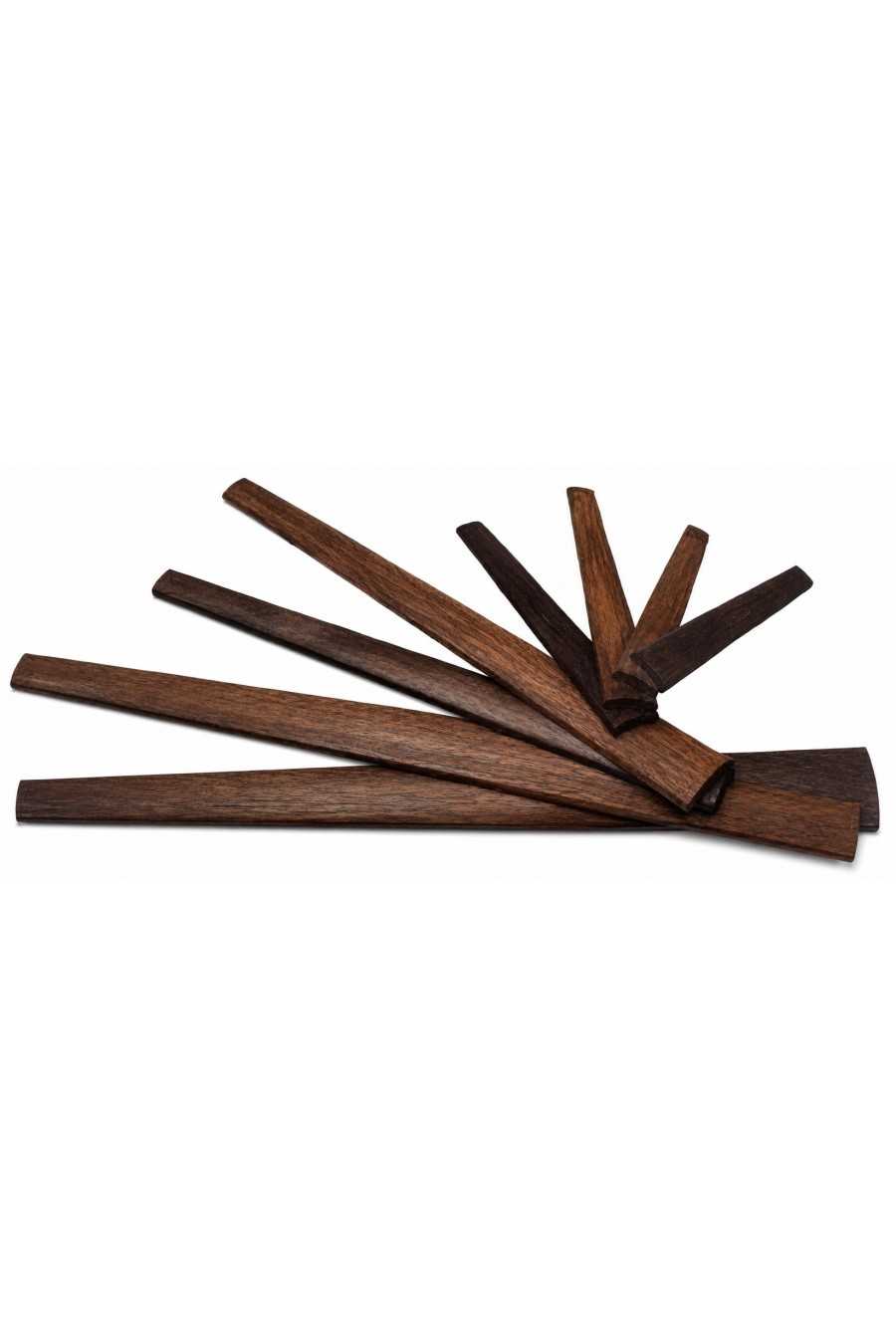
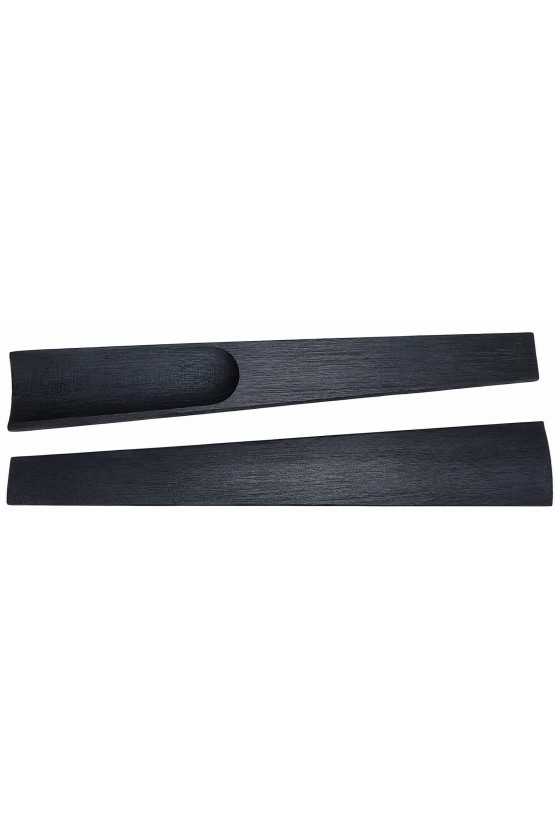
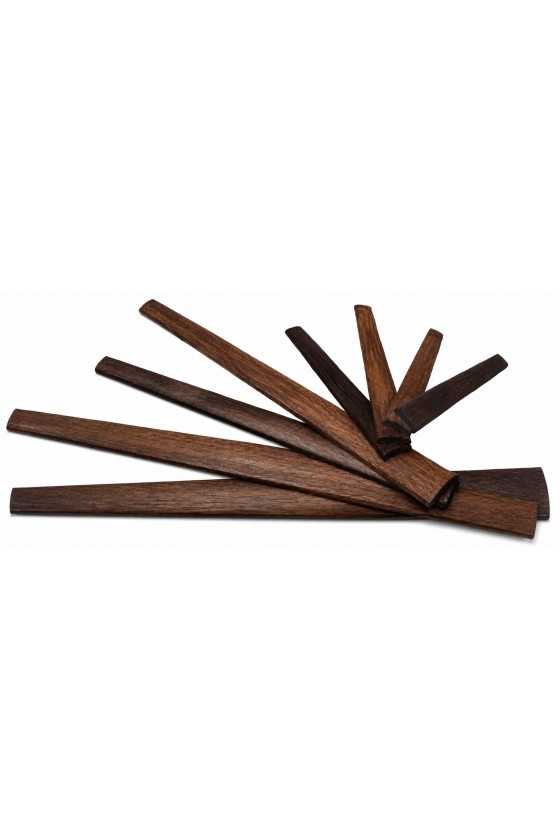
The fingerboard is important for the sound quality and ease of playing the viola. Ebony wood is preferred for its density and acoustic properties. However, it wears out due to string friction, so it's crucial to maintain it with specialized products. Ebony is dense and black, features that contribute to the quality of the instrument.
The neck and fingerboard play a crucial role in determining the sound quality and ease of playing the viola. The fingerboard of the viola is slightly curved in a concave shape to prevent the strings from colliding with the wood while vibrating. Ebony wood is typically used to make the fingerboard due to its ideal density and acoustic properties. However, the fingerboard is prone to wear and tear as the strings continuously brush against it while playing, which can lead to breakages. This is why it's crucial to maintain your instrument by using specialized products or oils.
Ebony is one of the densest types of wood available. Its uniform black colour is a crucial visual feature. The quality of the fingerboard is determined by the intensity of the black colour and the fibres being tightly packed and straight. These traits enhance the quality of the instrument.
