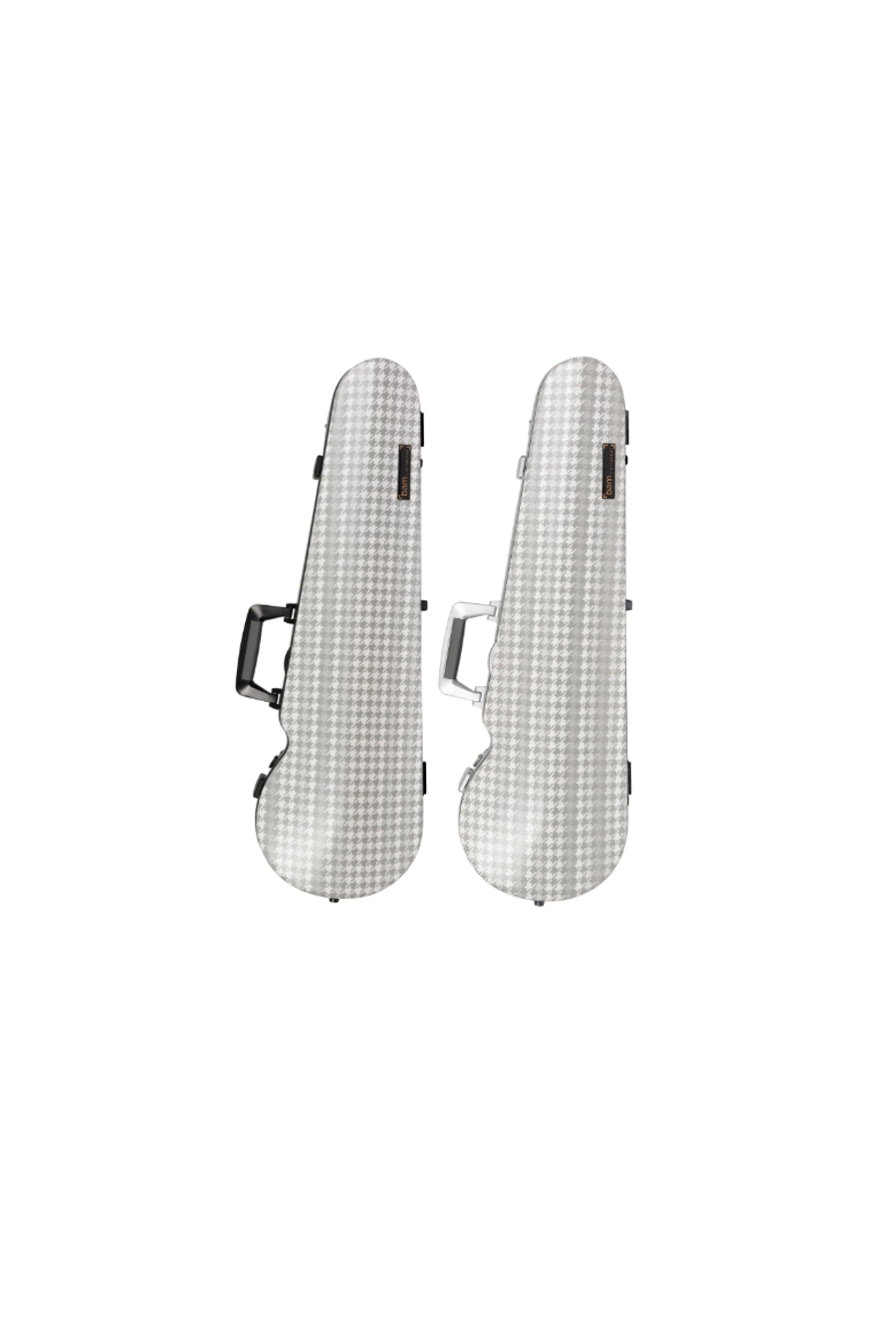
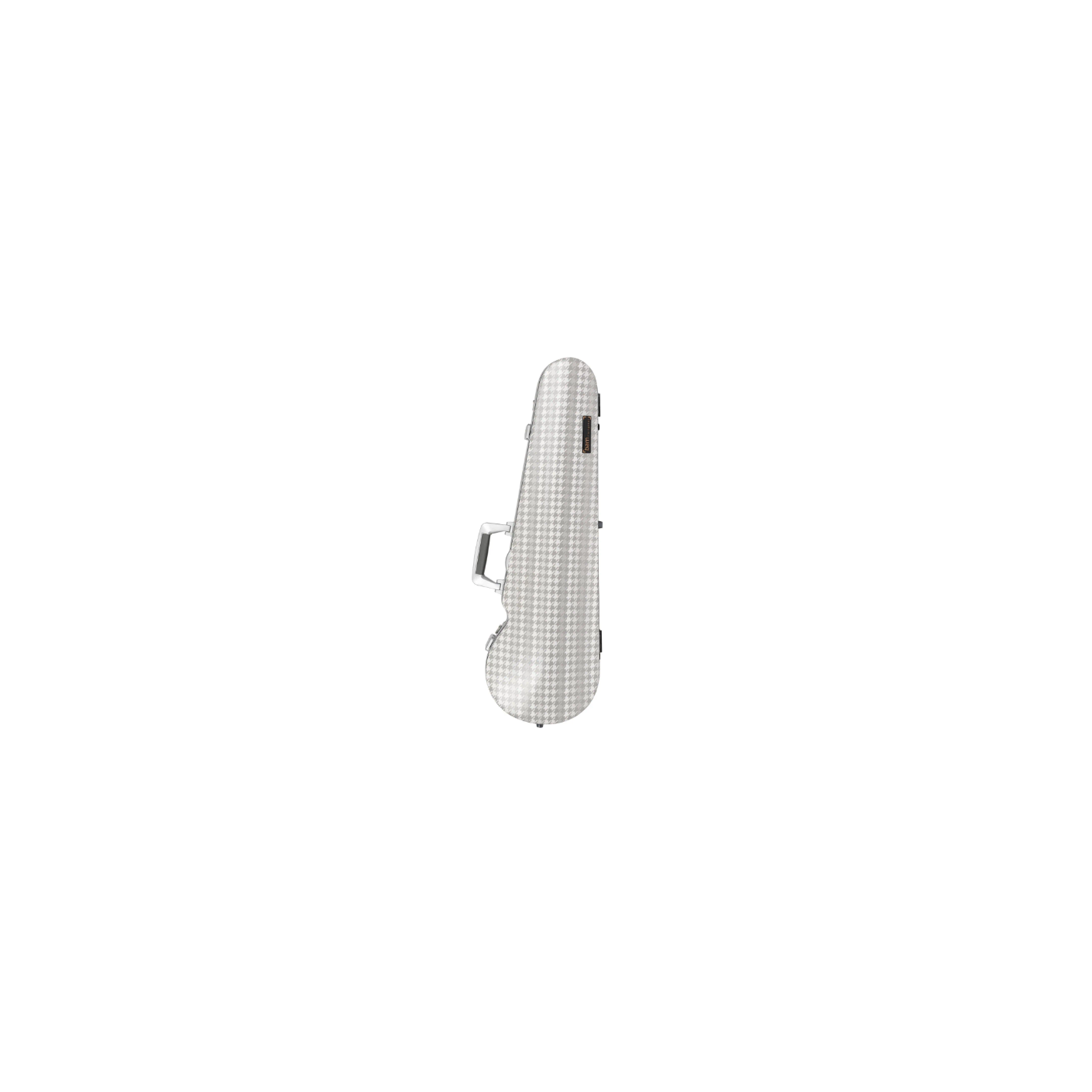
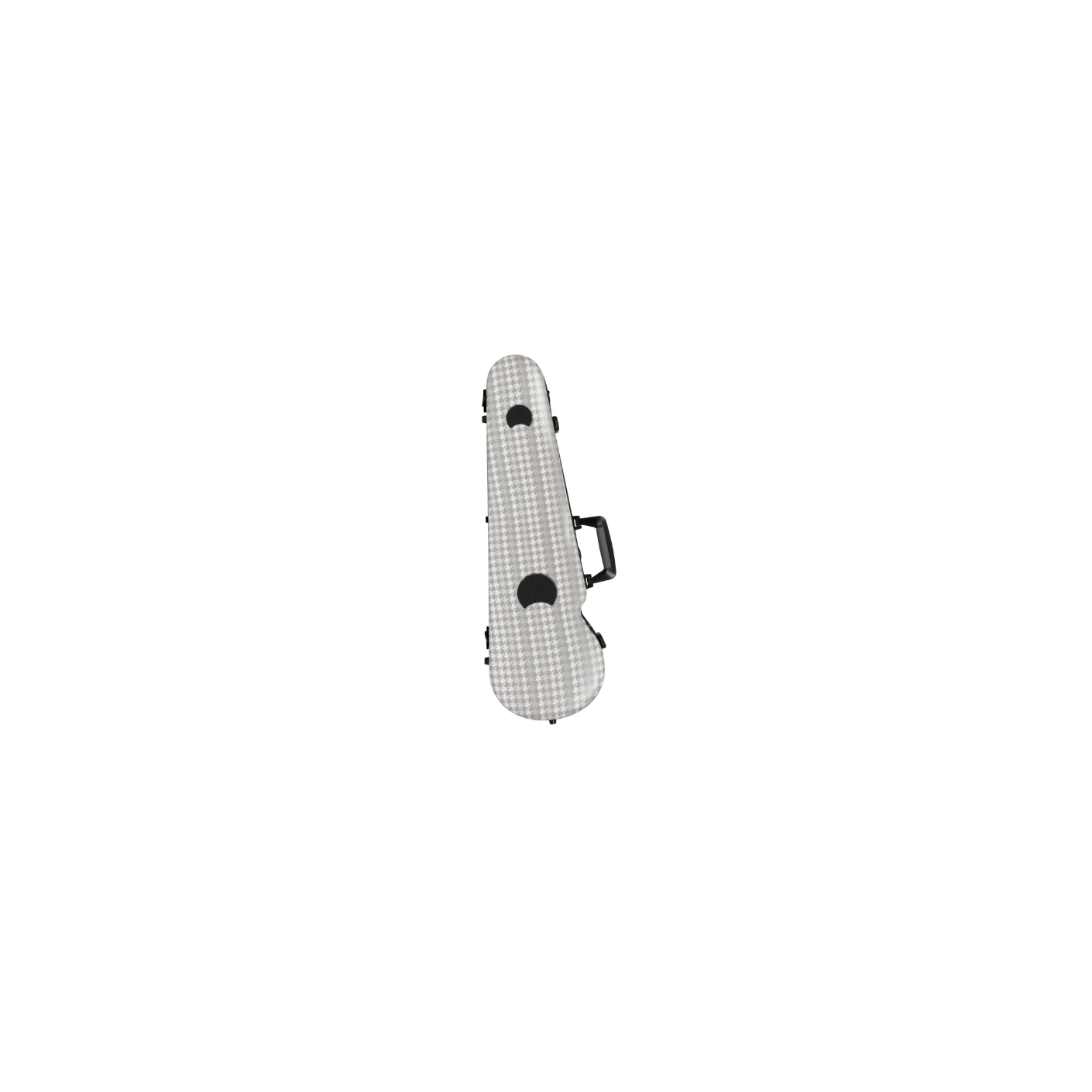
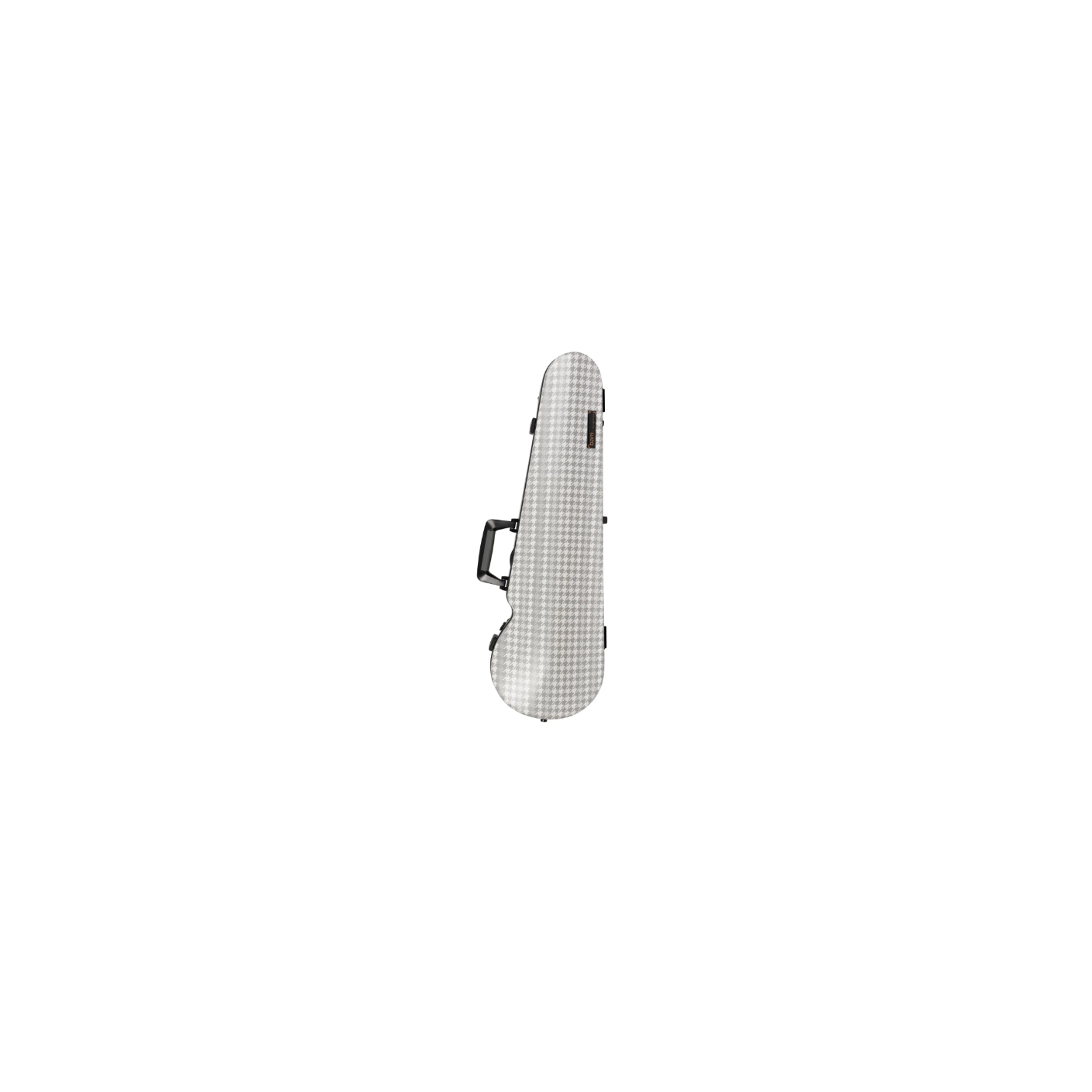
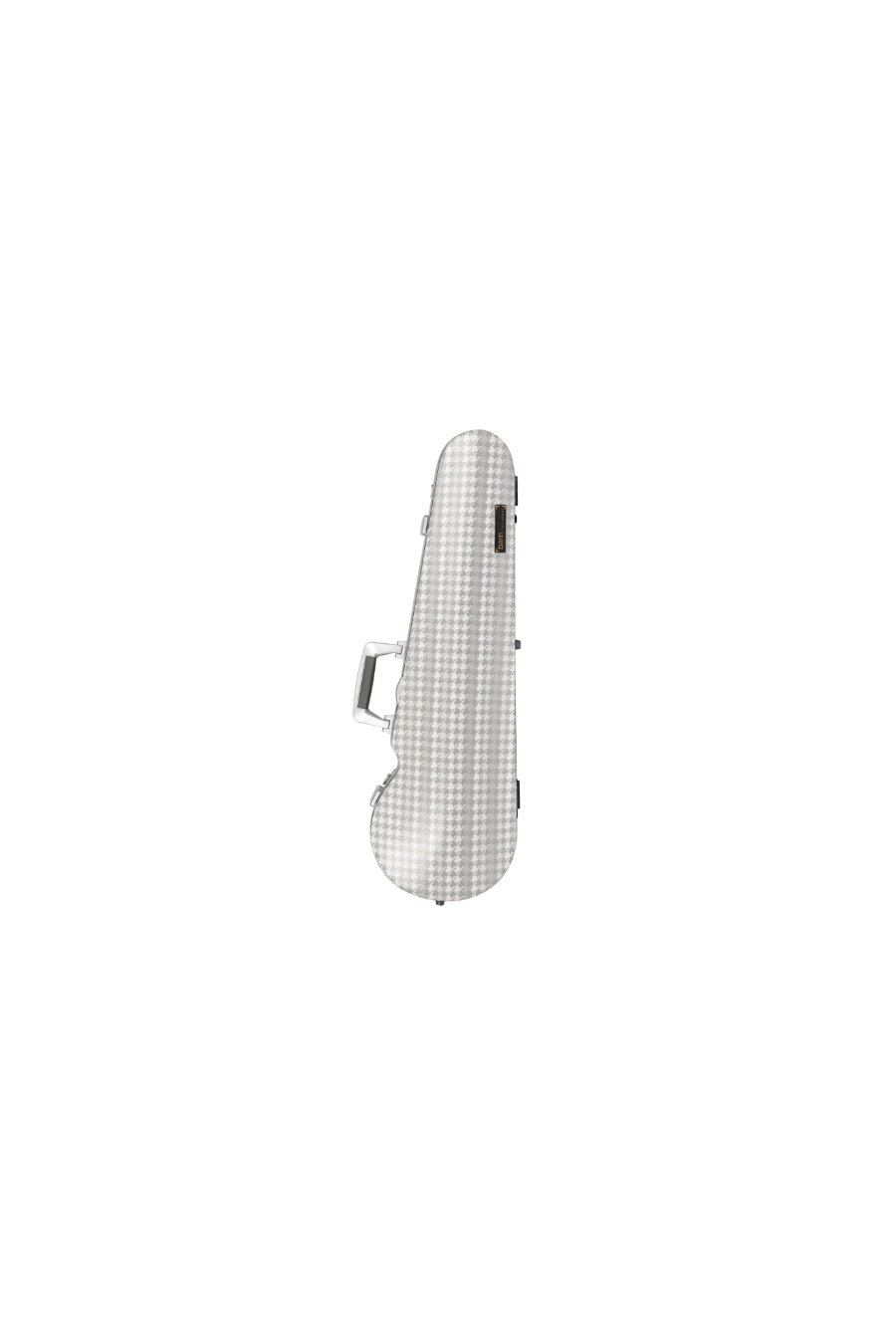
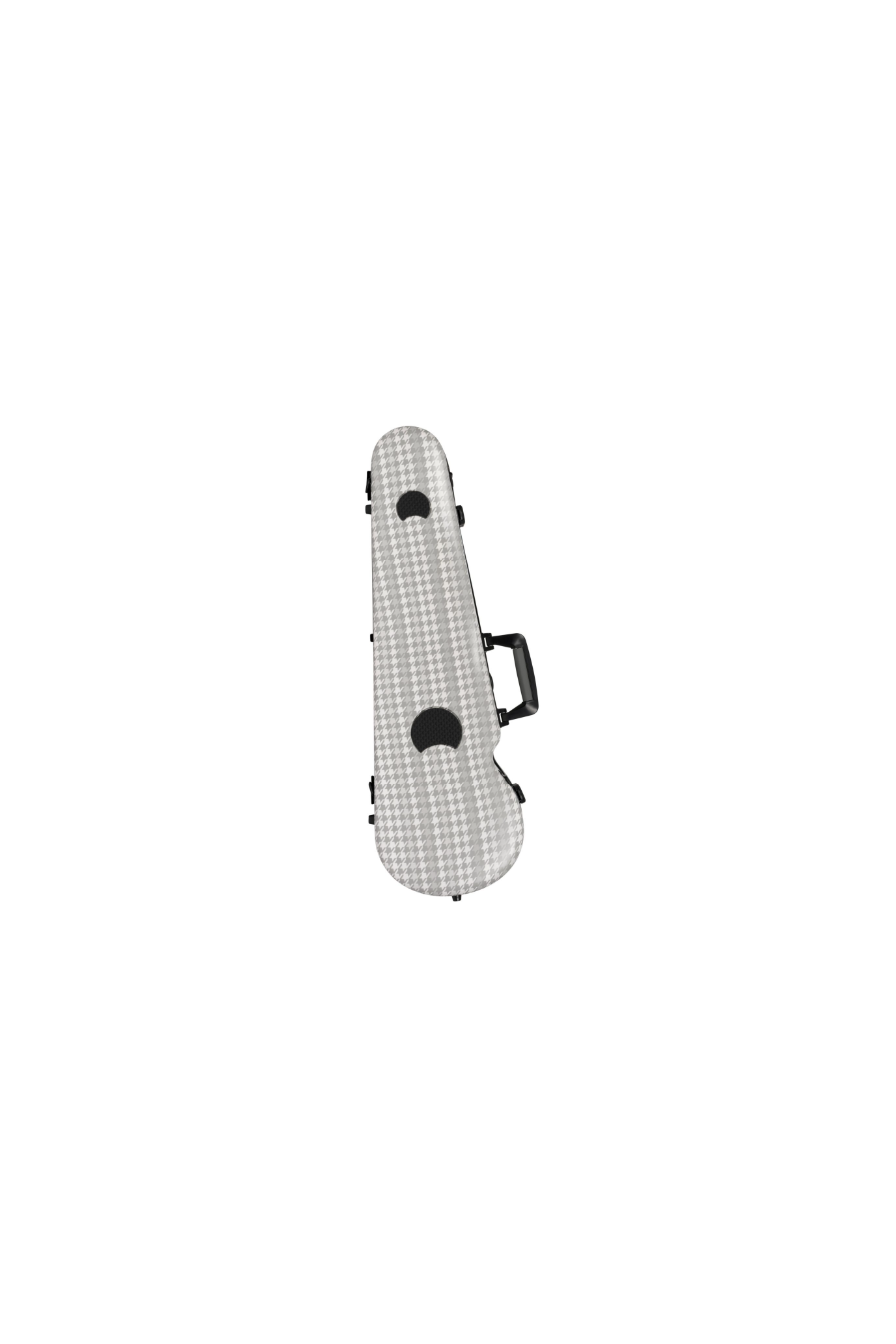
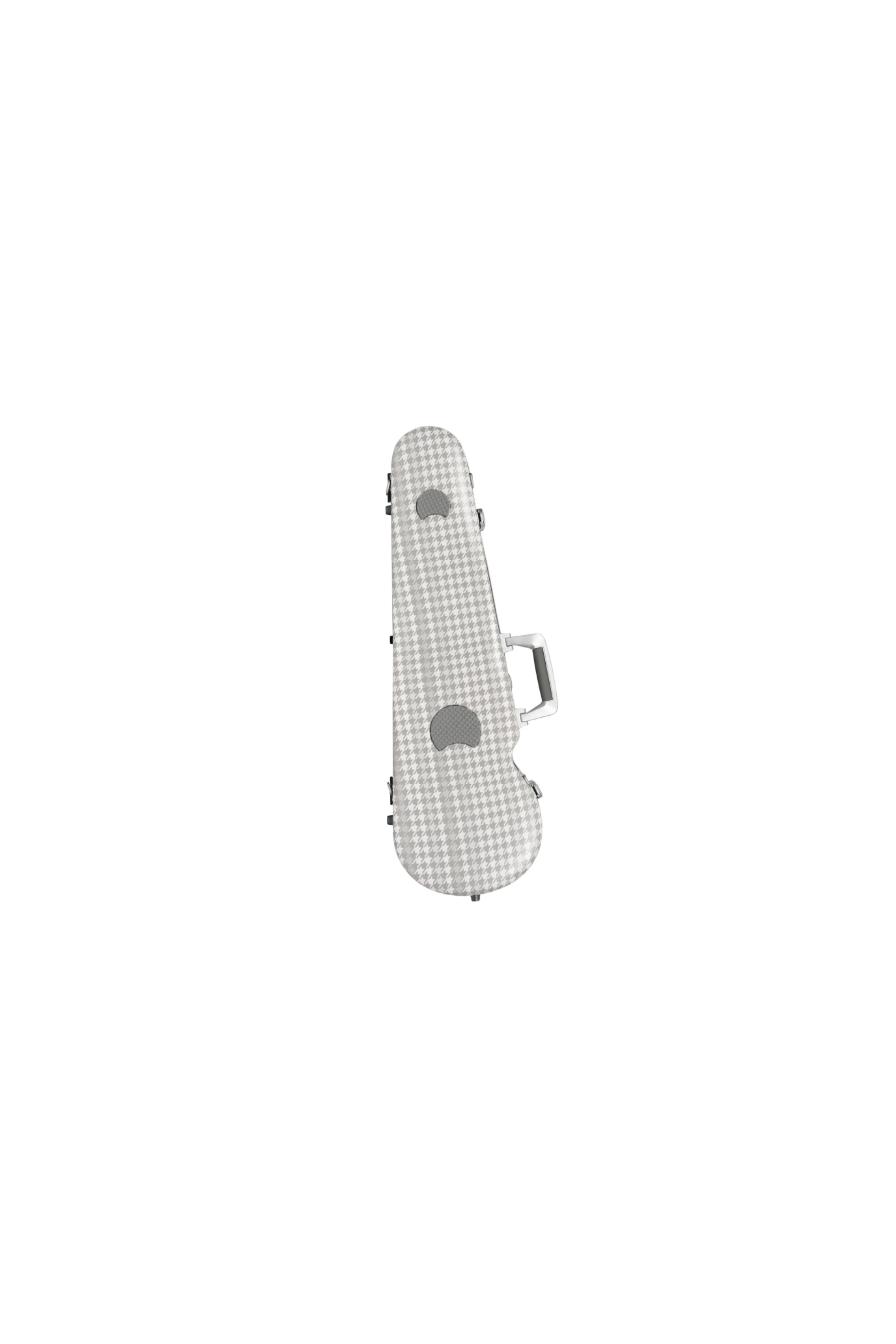
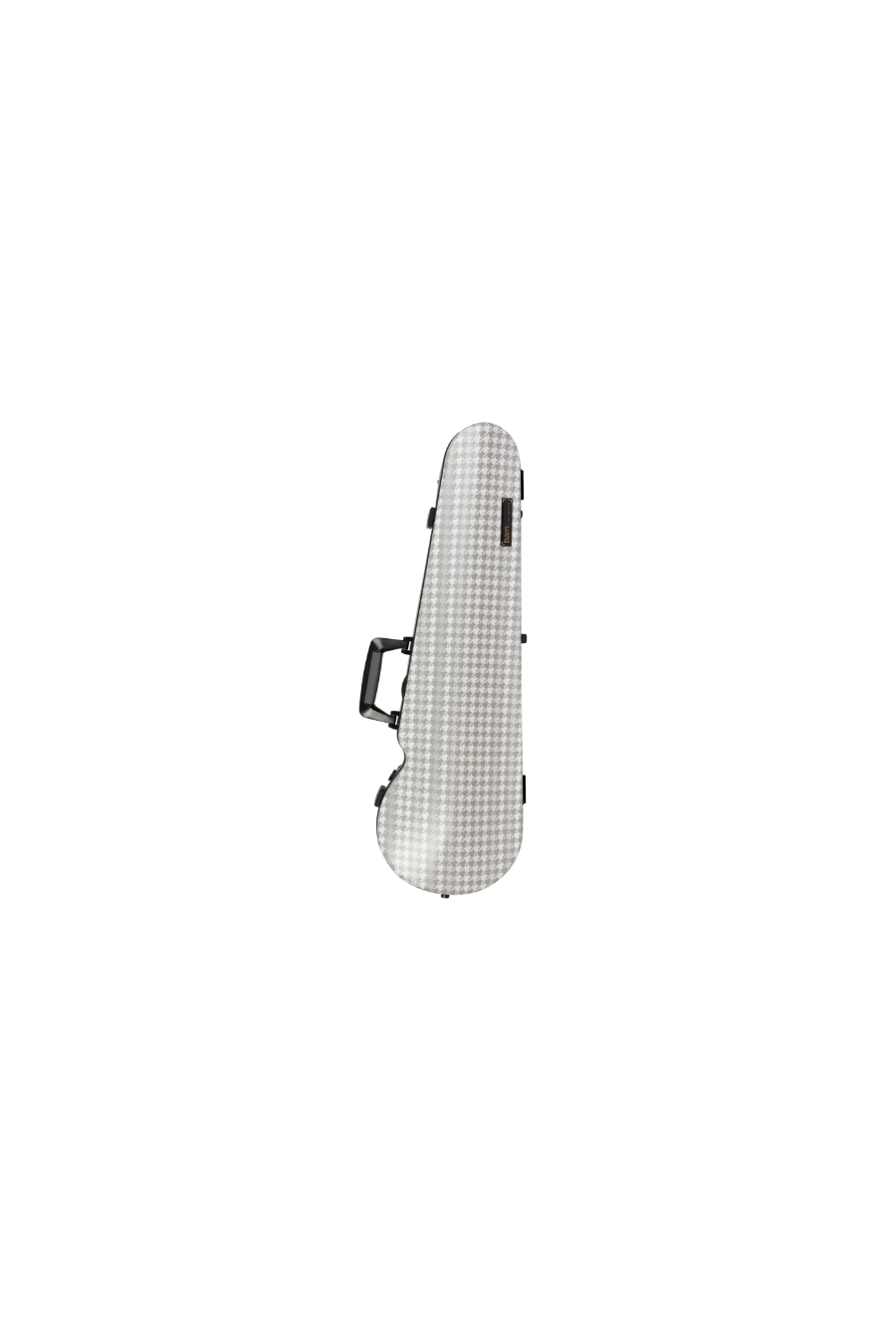
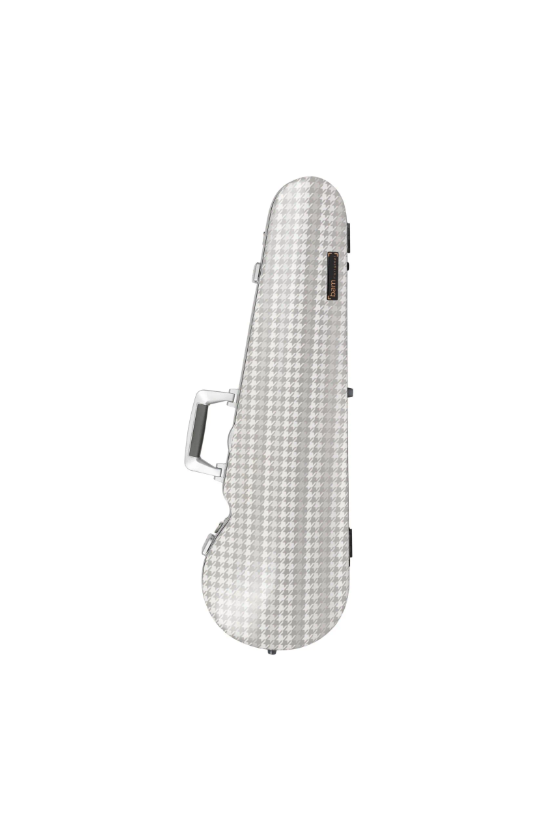
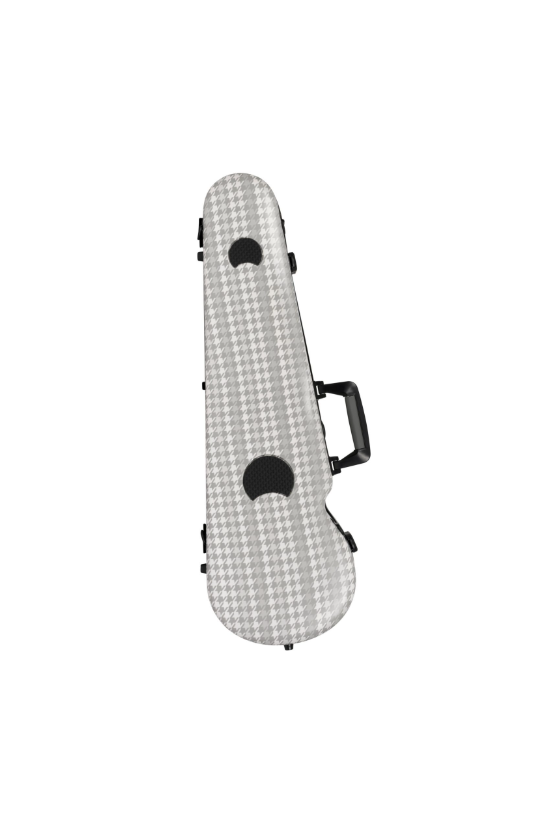
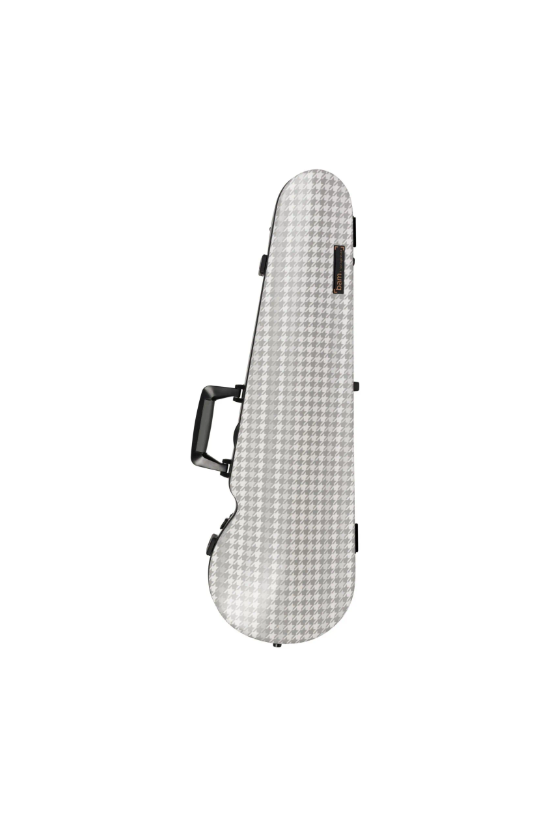
BAM Cabourg Hightech Contoured Violin Case - Limited Edition
The Hightech expertise made in France
REFERENCE : CAB2002XL
Body Length: 38 cm
Upper bout: 17 cm
Lower bout: 22 cm
79x25x18 cm
INSIDE FEATURES :
- Suspension of the instrument on injected foam cushions
- Inside removable accessory pouch
- 2 bow holders
- Strap for a "Kun" style shoulder rest
OUTSIDE FEATURES :
- Shells made of the Bam Hightech technique : a triple-ply structure made of high performance materials (ABS, injected solid polyurethane foam, PETG)
- Outstanding protection and ultralight weight
- 2 comfortable neoprene anti-slip backpack straps with security screw hooks
- 2 BAM latches with key
- Very comfortable bi-material side handle
- Subway handle
- Male/female airtight seal
- Anti-slip and anti-wear rubber patches on the bottom outer shell
8 other products in the same category:
The Violin Collection - G. Schirmer Instrumental Library
A collection of 10 pieces, ranging between Bach, Barber, Beethoven, Dvorak, Franck, Mozart, Previn, Tchaikovsky and John Williams.
GEWA Air 2.1 Oblong Violin Case 4/4
Protect your full-size violin with the GEWA Air 2.1 Oblong Case—lightweight, impact-resistant, and built for modern musicians on the move.
• Durable, lightweight Air Shell construction
• Thermal insulation for climate protection
• Ergonomic carrying options
• Secure bow and accessory storage
• Weatherproof, scratch-resistant finish
Harvey, String Crossing for the Cello Book One, The Open String Book
Improve your cello bowing technique! This book teaches string-crossing technique on the cello with open-string studies that allow you to focus on the right hand.
Through the use of staccato bowing to encourage precisely-timed string crossing, these cello studies can help you develop bow control, smooth and even string crossing, and a more beautiful tone.
This book could be followed by String Crossing for the Cello, Book Two, which uses double stops to work on balance between two strings as a fundamental principle behind string crossing.