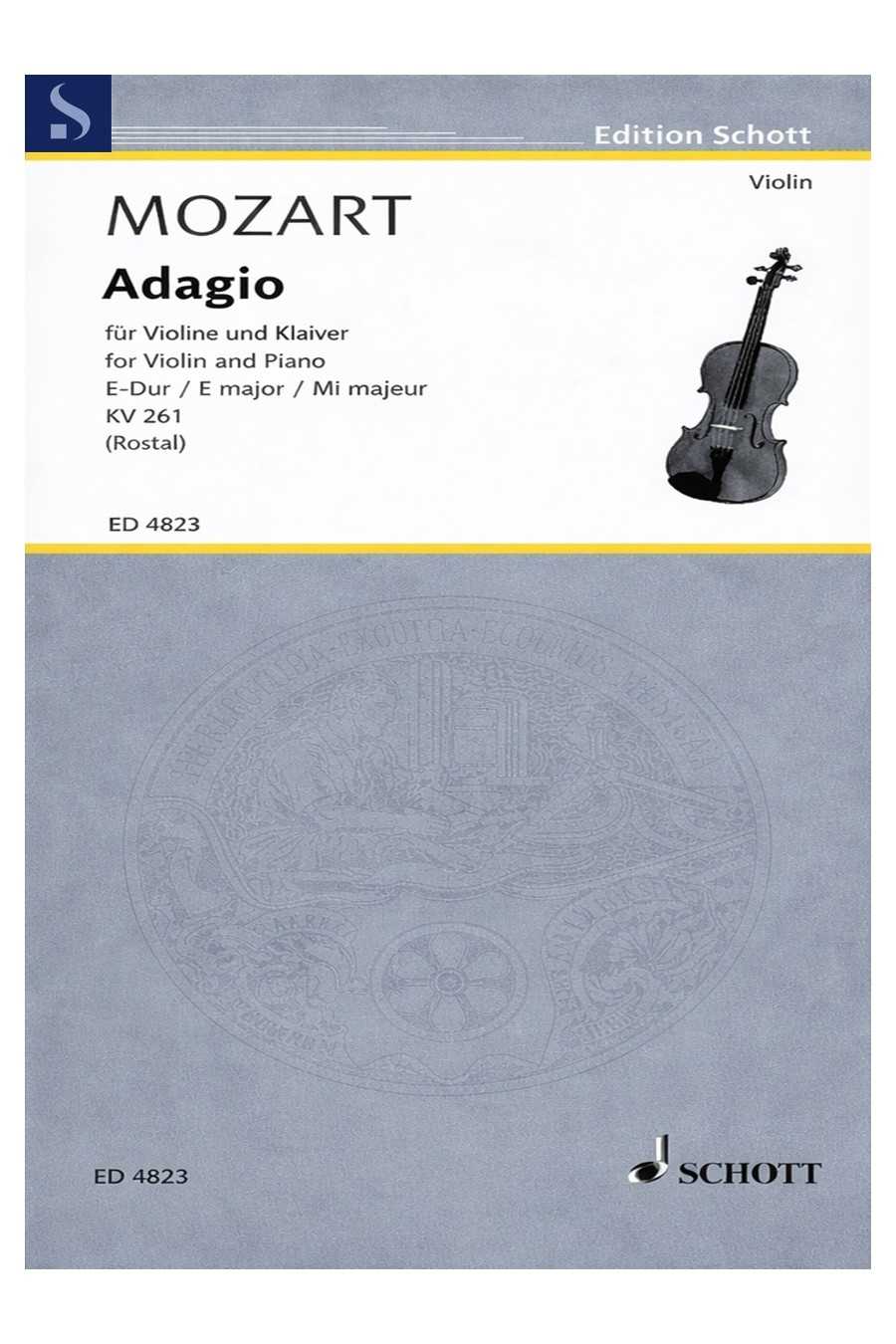
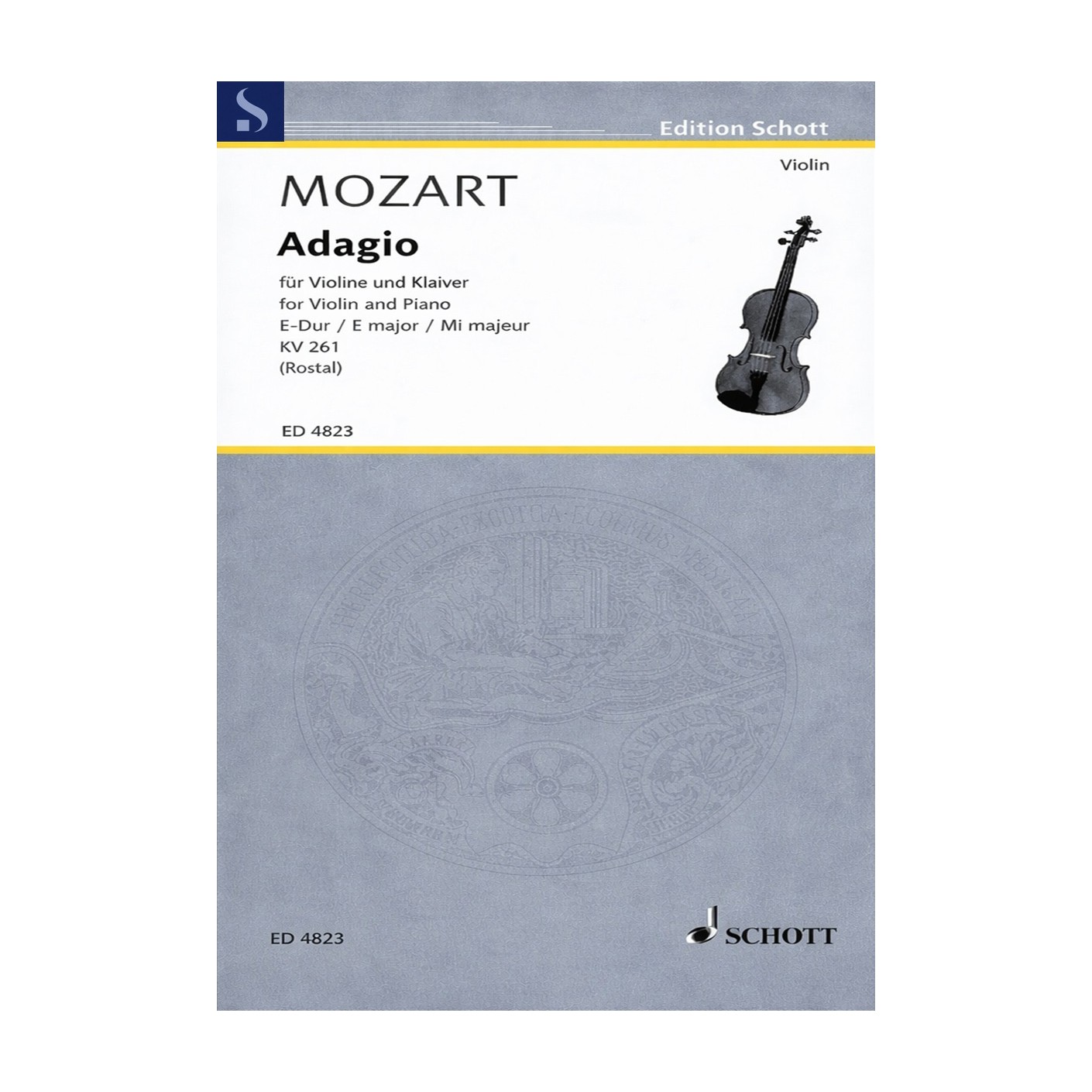
Mozart’s Adagio in E Major, KV261 for Violin (Schott) is a lyrical and expressive work, ideal for showcasing the violin’s singing tone and musical sensitivity.
Key Features:
• Elegant, heartfelt slow movement
• Standalone concert or recital piece
• Clear Schott edition
• Great for auditions and special performances
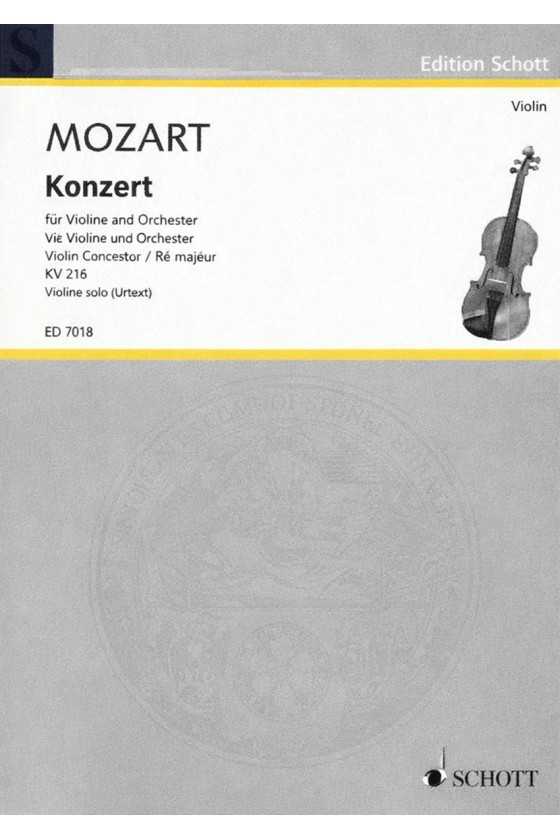
Mozart’s Concert for Violin in G Major, K216 (Schott) features graceful melodies, sparkling passages, and Classical elegance—an inspiring choice for violinists at any advanced level.
Key Features:
• Reliable Schott edition
• Lyrical and brilliant solo writing
• Three contrasting movements
• Ideal for recitals and competitions
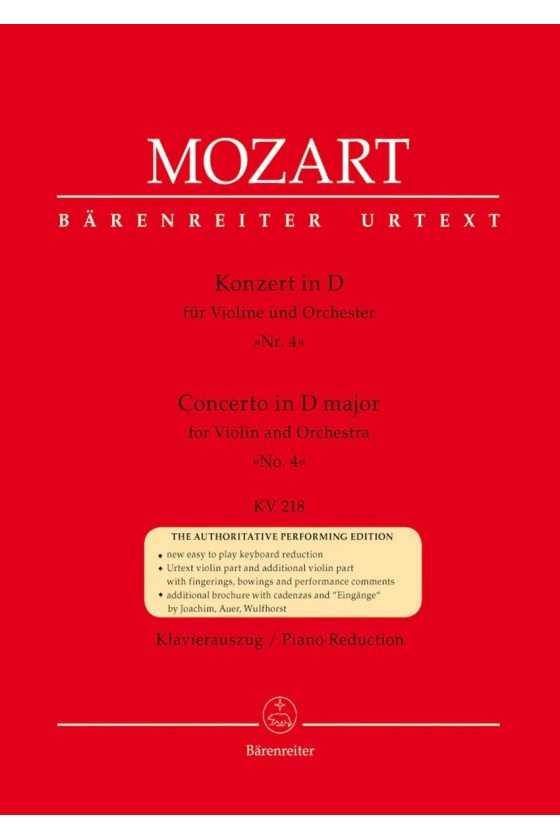
Mozart’s Violin Concerto No. 4 in D Major, K. 218 (Barenreiter), is a radiant Classical masterpiece featuring graceful melodies, lively rhythms, and virtuosic passages—perfect for showcasing artistry and technique.
Key Features:
• Clear, reliable Barenreiter edition
• Lyrical and sparkling solo writing
• Three contrasting movements
• Great for recitals and auditions
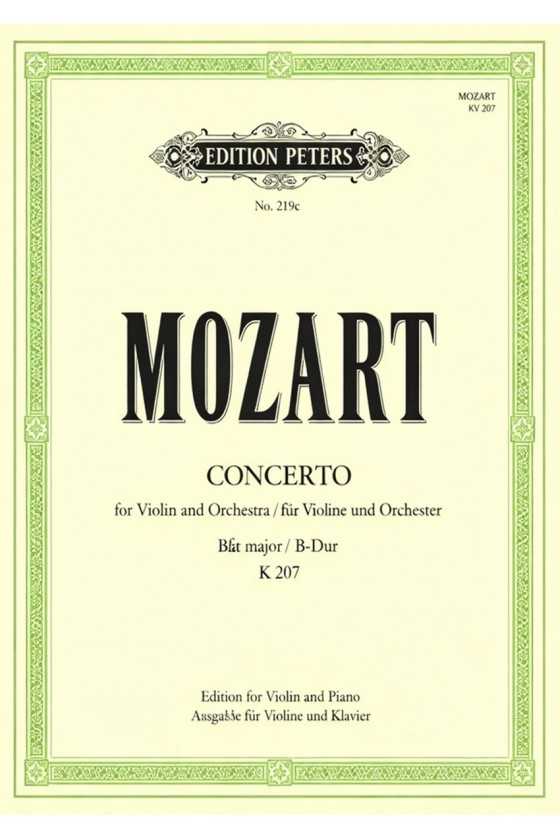
Mozart’s Violin Concerto in B-flat Major (Peters) shines with youthful energy, lyrical elegance, and a performer-friendly score—perfect for study, recitals, and technical growth.
Key Features:
• Reliable Peters edition
• Lively, expressive solo passages
• Ideal for developing violinists
• Great for recitals and auditions
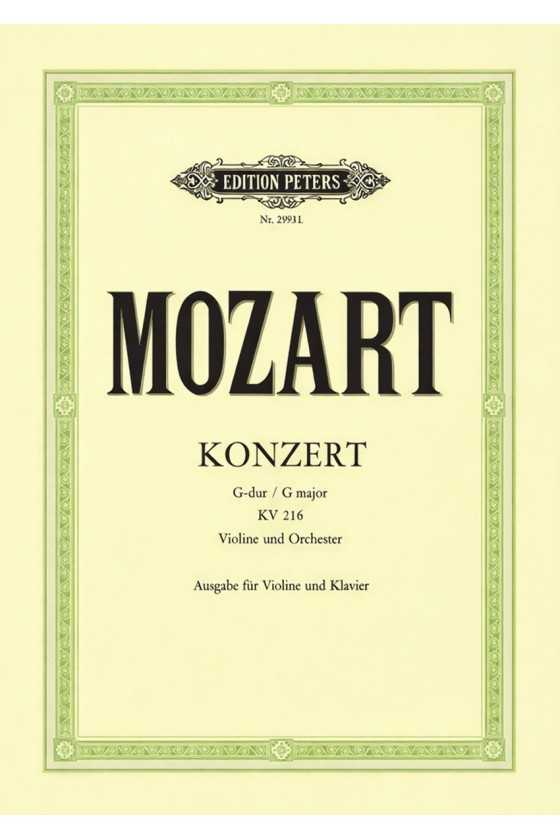
Discover the timeless beauty of Mozart’s Concerto No. 3 in G Major, K 216 for Violin and Orchestra, presented in the esteemed Peters Edition. This essential edition is perfect for both performers and music lovers seeking authenticity and clarity.
Key Features:
• Complete score and solo violin part
• Renowned Peters Edition—trusted by musicians worldwide
• Clear, easy-to-read engraving for smooth rehearsal
• Ideal for concerts, competitions, and studyThis essential edition is perfect for both performers and music lovers seeking authenticity and clarity.
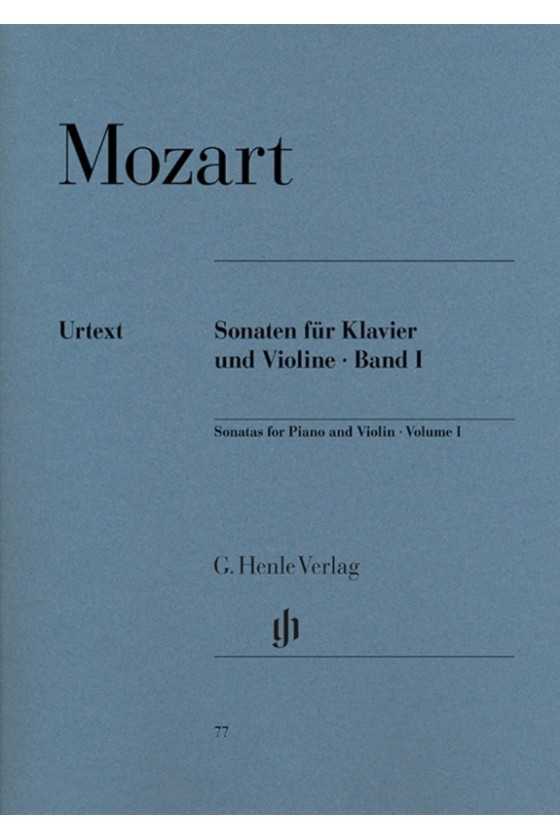
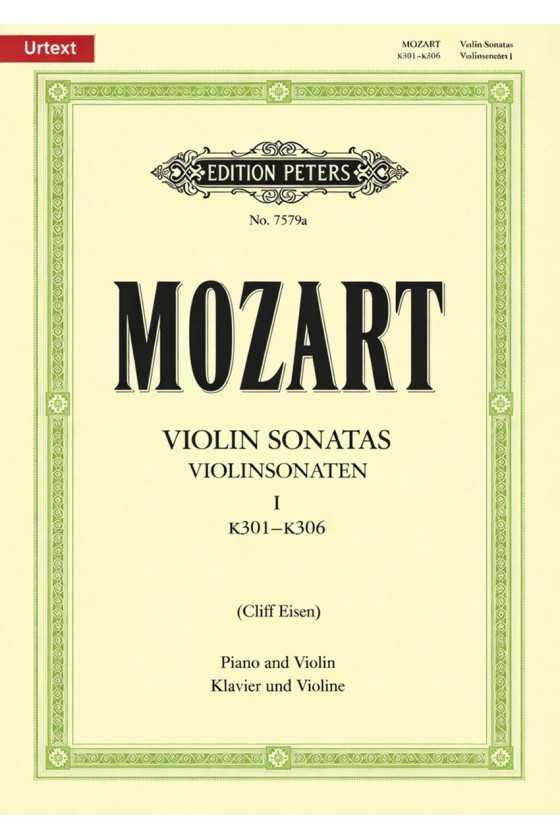
Mozart’s Sonatas No. 1–6, K301–K306 for Violin and Piano Vol. 1 (Henle) collects six Paris-era masterpieces in a renowned urtext edition—perfect for performers seeking expressive depth and scholarly reliability.
Key Features:
• Six sonatas from Mozart’s Paris journey
• Editorial work by Seiffert, Lampe, and Röhrig
• Detailed fingerings, bowings, and notes
• Trusted Henle Urtext for study and performance
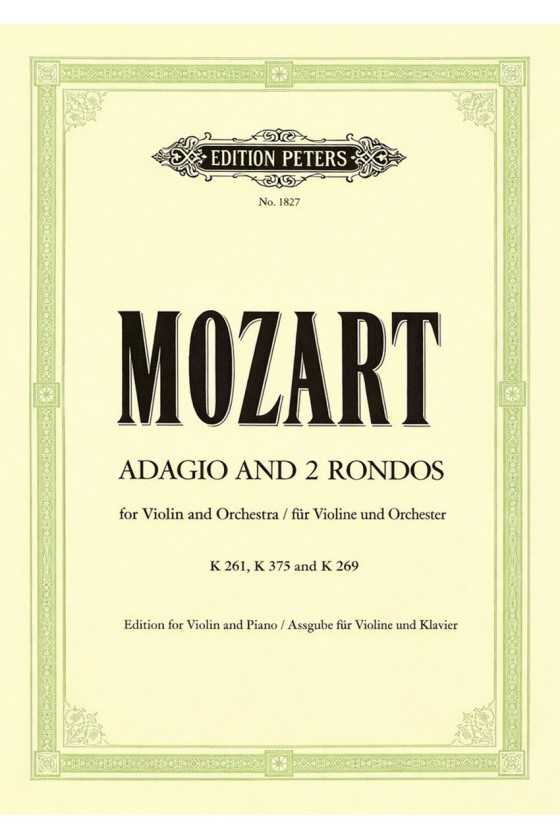
Delight in the expressive beauty of Mozart’s Adagio K261 and Rondos K269 & K373 for Violin and Piano, presented in this Peters edition — an essential collection for the inspired musician.
Key Features:
• Includes violin and piano parts for all three works
• Trusted Peters edition for quality and clarity
• Ideal for advanced players and performers
• Excellent choice for recitals and study
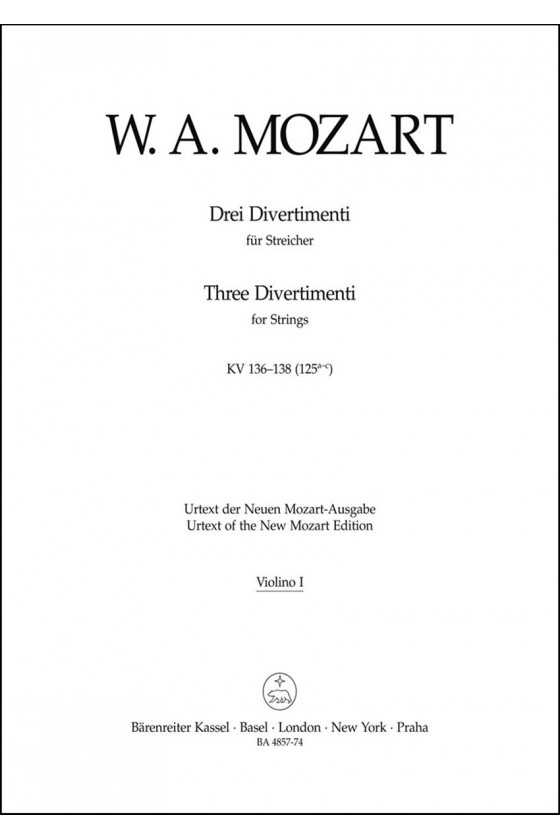
Bring Mozart’s youthful energy to your music stand with the Three Divertimenti (K136–138) 1st Violin Part Only (Barenreiter) — perfect for practice and performance prep.
Key Features:
• 1st violin part for all three divertimenti
• Trusted Barenreiter edition
• Clear and accurate notation
• Great for auditions, study, and ensemble work