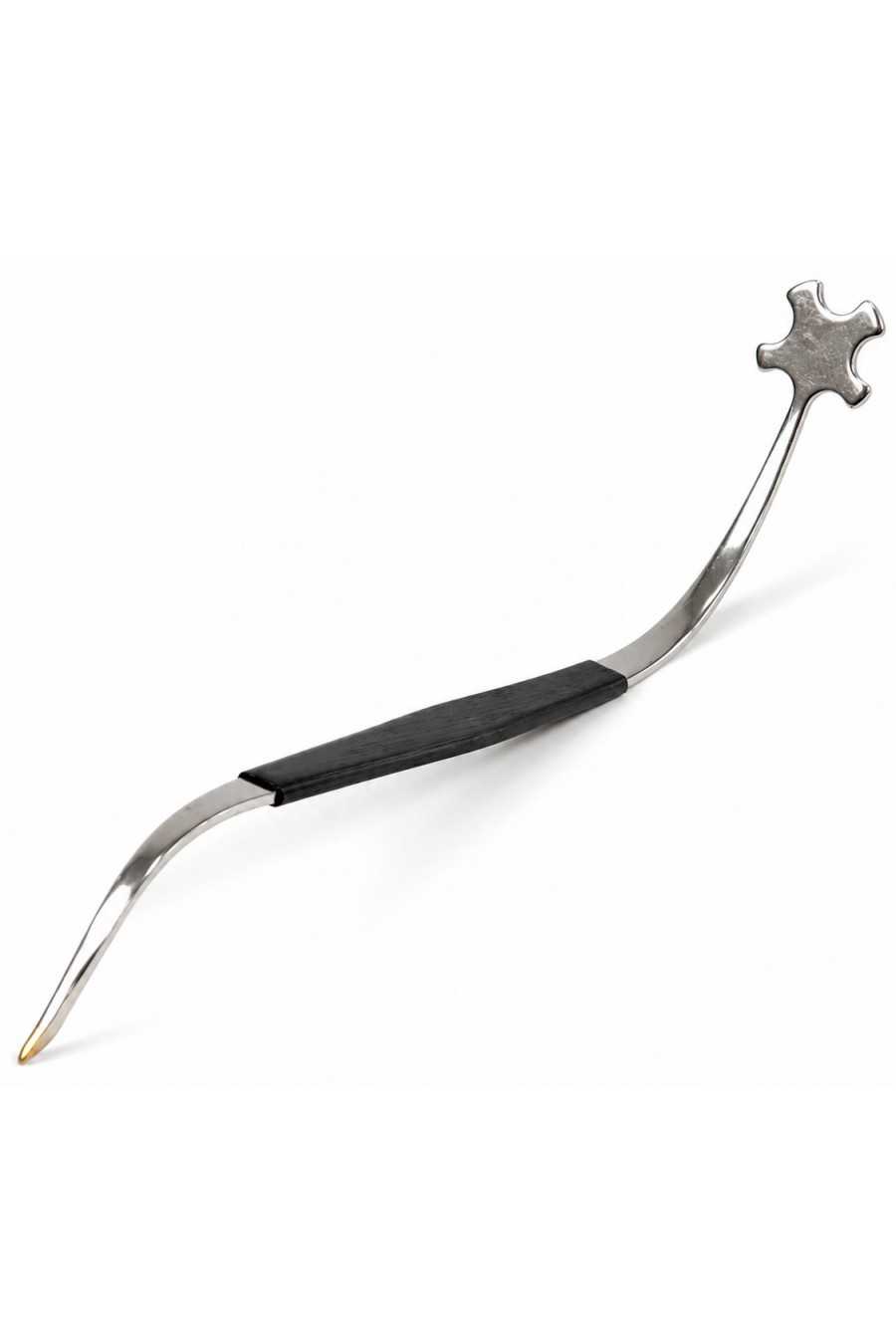
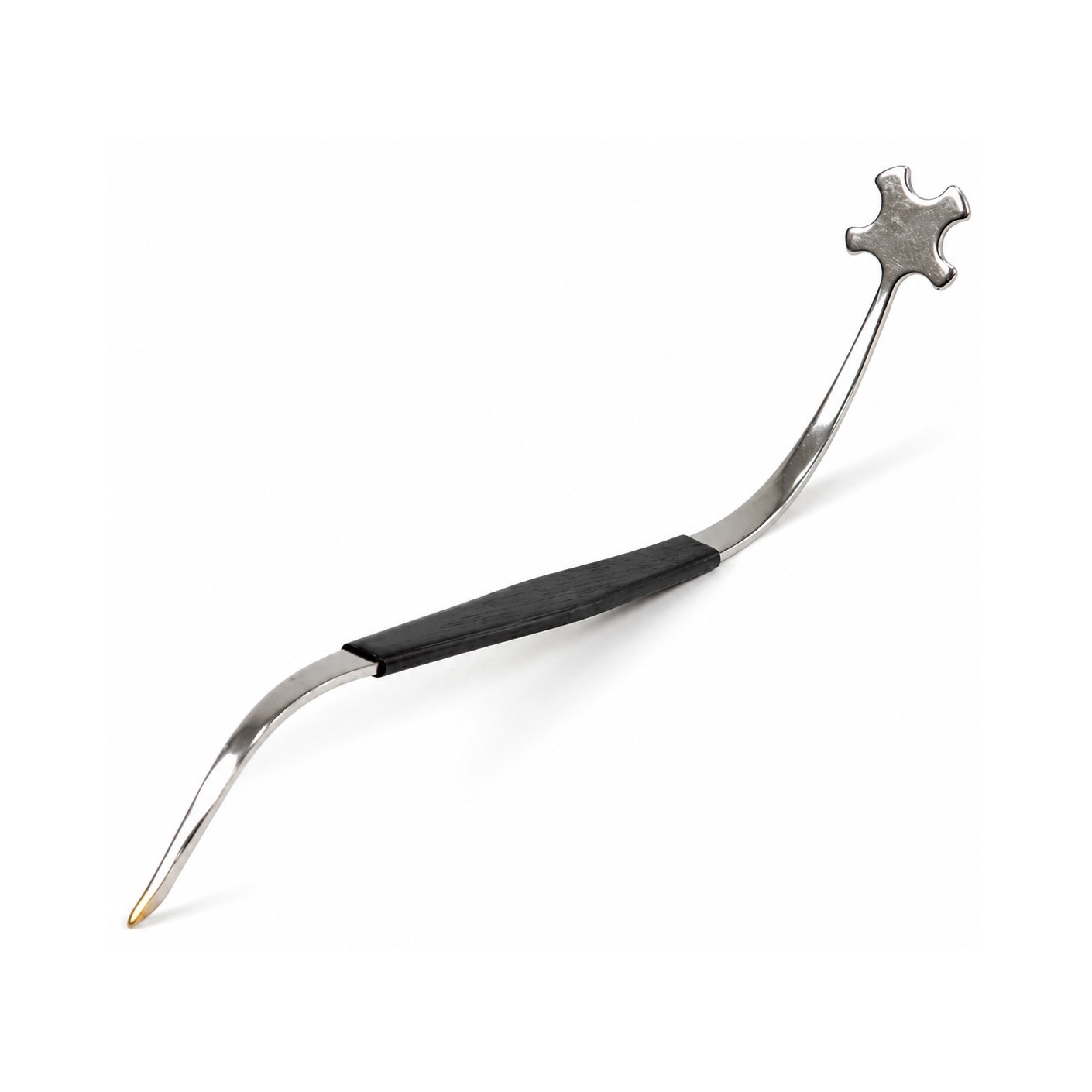
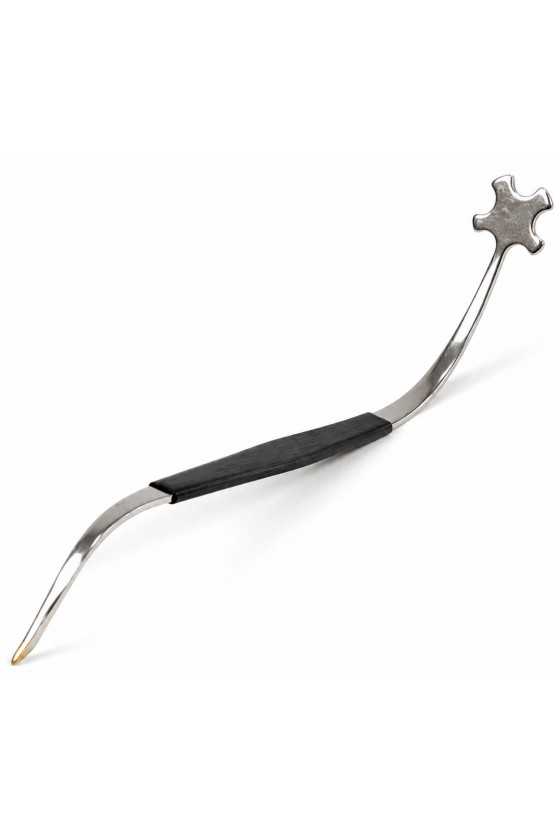
The Violin Soundpost Setter from Germany is a professional-quality tool for accurately placing and adjusting violin soundposts. Manufactured to high standards, it provides the precision and reliability required for instrument setup, repair, and restoration.
Key Features:
• Made in Germany
• Precision soundpost installation tool
• Durable professional-quality construction
• Suitable for violin setup and repair
• Easy to handle and use
• Essential tool for luthiers and technicians
• Ideal for maintenance and restoration work
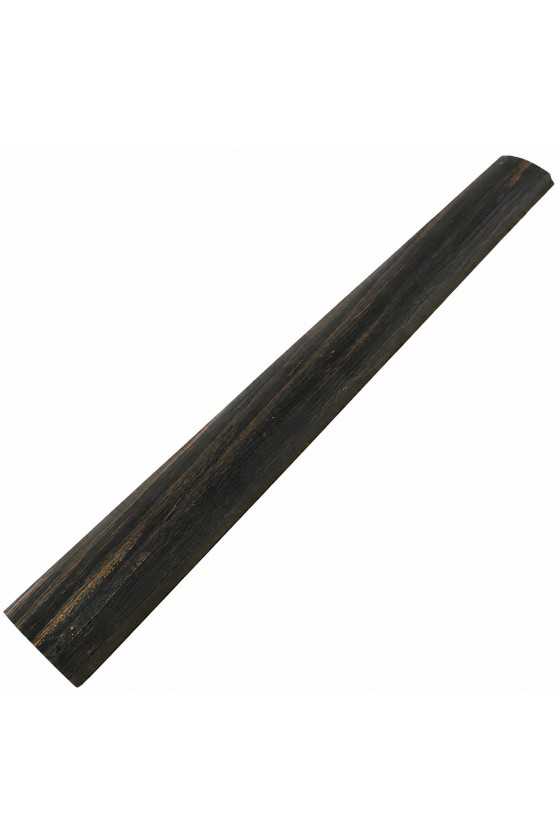
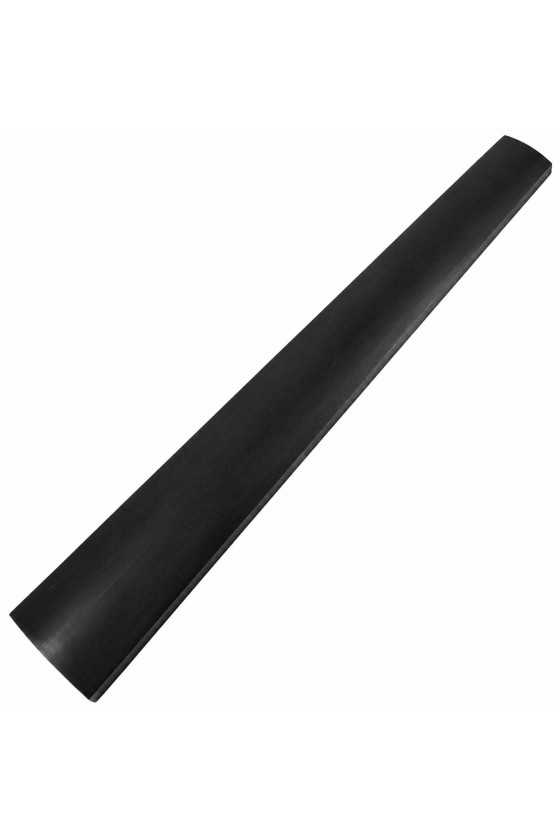
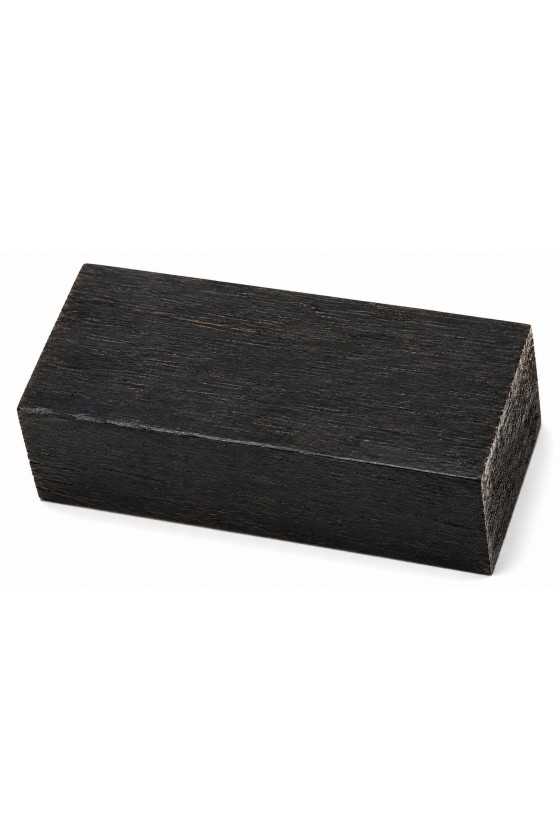
African B Grade ebony is highly coveted by instrument makers due to its exceptional quality. It is dense, hard, and durable, making it ideal for crafting high-quality instruments. Ebony is commonly used for violin fingerboards due to its hardness, stability, acoustic properties, and traditional appearance.
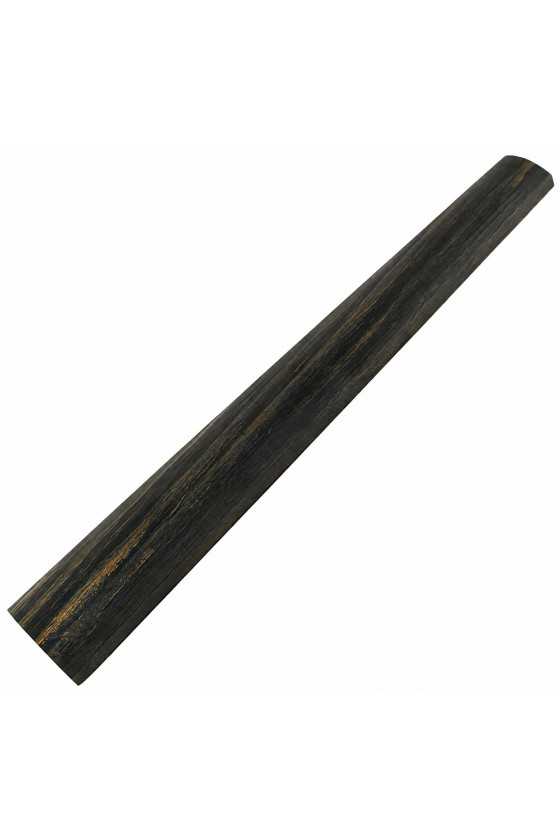
African A Grade ebony is highly coveted by instrument makers due to its exceptional quality. It is dense, hard, and durable, making it ideal for crafting high-quality instruments. Ebony is commonly used for violin fingerboards due to its hardness, stability, acoustic properties, and traditional appearance.
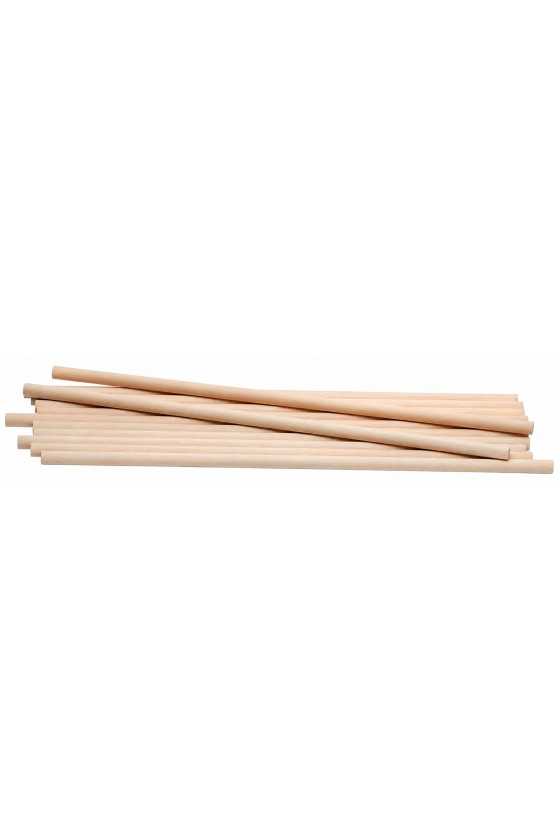
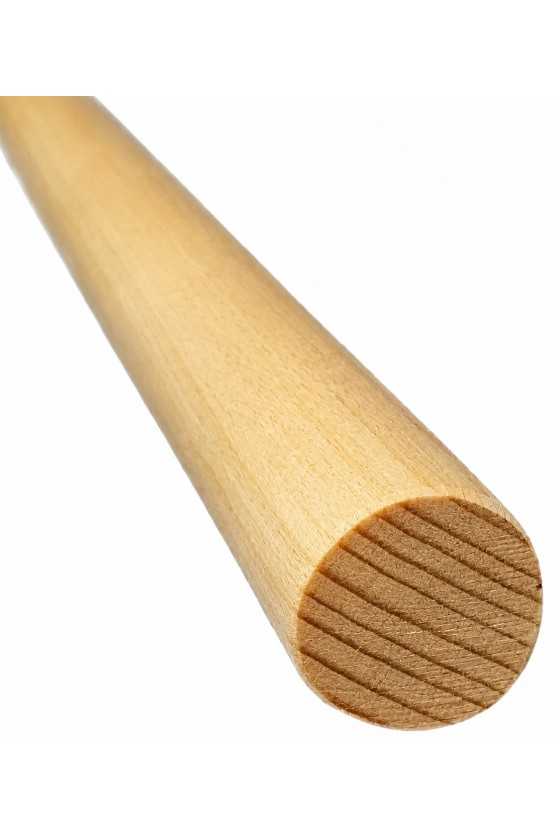
The Violin Sound Post – Raw Material (Unfitted) is a premium spruce soundpost blank made in Germany. Split and turned for strength and acoustic performance, it is supplied unfitted for custom shaping and installation by a qualified luthier.
Key Features:
• Premium spruce soundpost blank
• Split and turned construction.
• Made in Germany
• Supplied unfitted for custom fitting
Note: Professional fitting is strongly recommended. Animato Strings can provide expert soundpost fitting and adjustment services to ensure the best possible tonal performance and structural integrity for your violin.
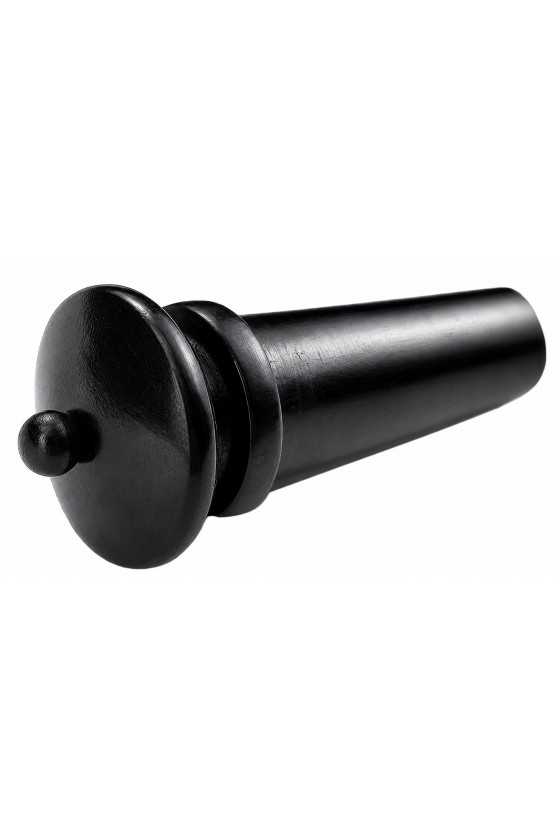
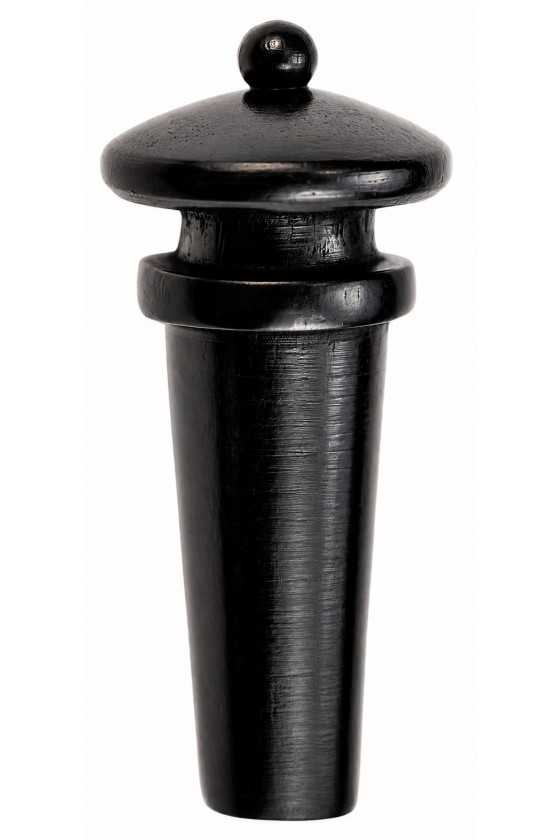
The Violin Ebony Endpin – Hill Model with Black Ball is a high-quality ebony fitting featuring a classic Hill-style design and stylish black ball detail. Supplied unfitted, it is ideal for violin or viola repairs, restorations, and upgrades.
Key Features:
• Made from high-quality ebony
• Suitable for violin or viola
• Traditional Hill-style design
• Decorative black ball accent
• Lightweight and durable
• Professional-quality finish
• Ideal for repairs and restorations
• Supplied unfitted
Note: Professional fitting is recommended. Animato Strings can provide expert installation and setup services to ensure the endpin is correctly fitted and performs as intended.
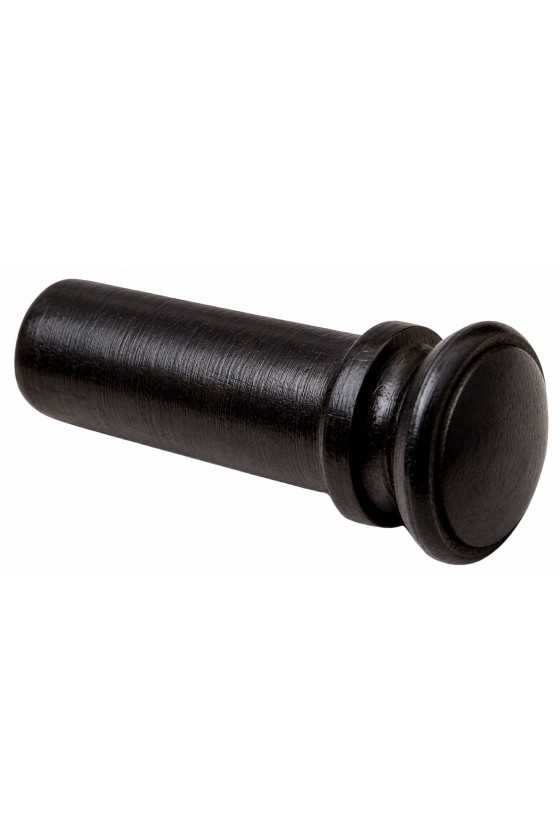
Ebony Violin/Viola Endpin. Standard. Thick shaft
The Violin Ebony End Pin (Unfitted) is a durable, high-quality ebony fitting designed for violins and violas. Featuring a standard design with a thick shaft, it provides reliable support for the tailpiece assembly and is ideal for repairs, restorations, and instrument upgrades.
Key Features:
• Made from high-quality ebony
• Suitable for violin and viola
• Standard endpin design
• Thick shaft construction
• Lightweight and durable
• Professional-quality finish
• Ideal for repairs and restorations
• Supplied unfitted
Note: Professional fitting is recommended. Animato Strings can provide expert installation and setup services to ensure the endpin is correctly fitted and performs as intended.
Ebony is commonly used for violin fingerboards due to its hardness, stability, acoustic properties, and traditional appearance. Among the different grades of ebony, German Master Grade ebony is highly coveted by instrument makers due to its exceptional quality.
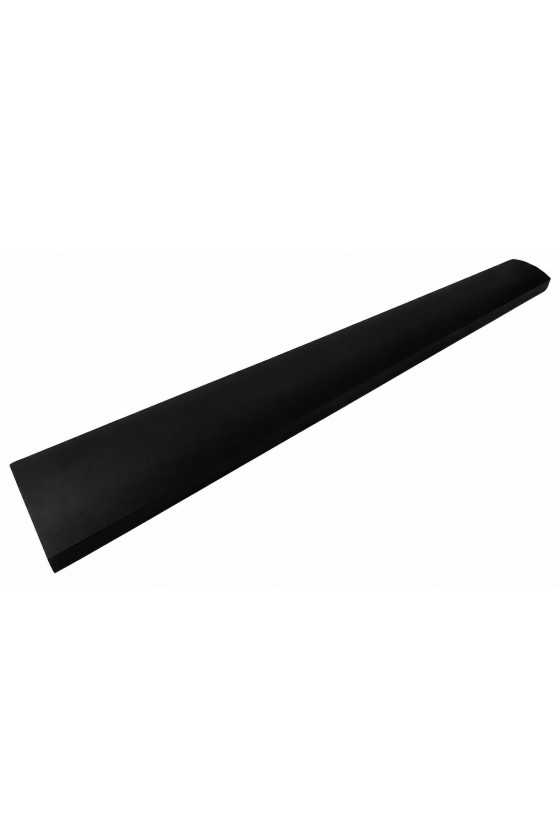
The Violin Ebony Fingerboard – Indian A Grade (Unfitted) is a high-quality fingerboard made from carefully selected Indian ebony. Durable, wear-resistant, and acoustically responsive, it provides the performance and reliability that have made ebony the preferred fingerboard material for violins for centuries.
Key Features:
• Made from premium Indian A Grade ebony
• Unfitted for custom shaping and installation
• Dense and durable hardwood construction
• Smooth, comfortable playing surface
• Excellent wear resistance
• Attractive natural grain and character
• Contributes to clear and responsive tone
• Ideal for violin making, repair, and restoration
• Trusted choice for luthiers and musicians
The Unfinished Nut for Violin or Viola is a vital setup component that defines the vibrating string length, string spacing, and string height above the fingerboard. Supplied unfinished for precise shaping and fitting, it is ideal for instrument repairs, restorations, and custom setups.
Key Features:
• Suitable for violins and violas
• Unfinished for custom fitting
• Defines vibrating string length
• Sets string spacing and height
• Helps establish scale length
• Ideal for repairs and restorations
• Suitable for luthiers and instrument makers
Note: Professional fitting is recommended. Animato Strings can provide expert installation and setup services to ensure the nut is correctly fitted and performs as intended.