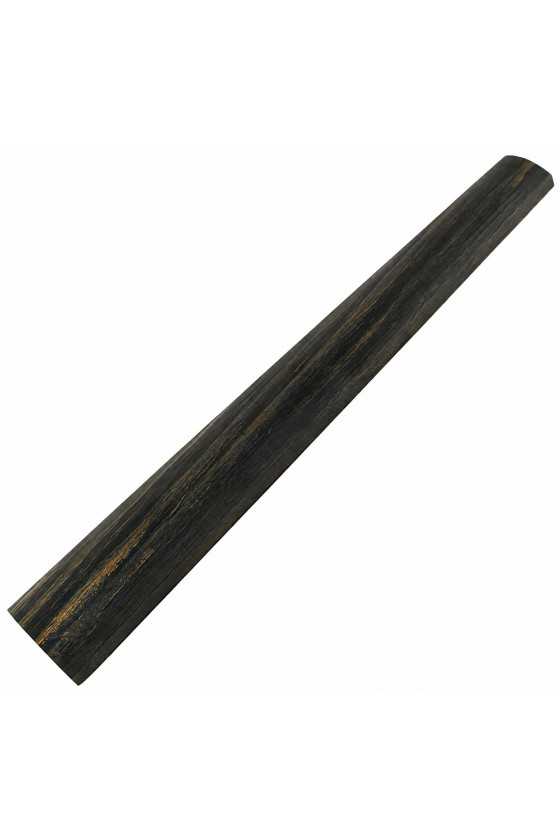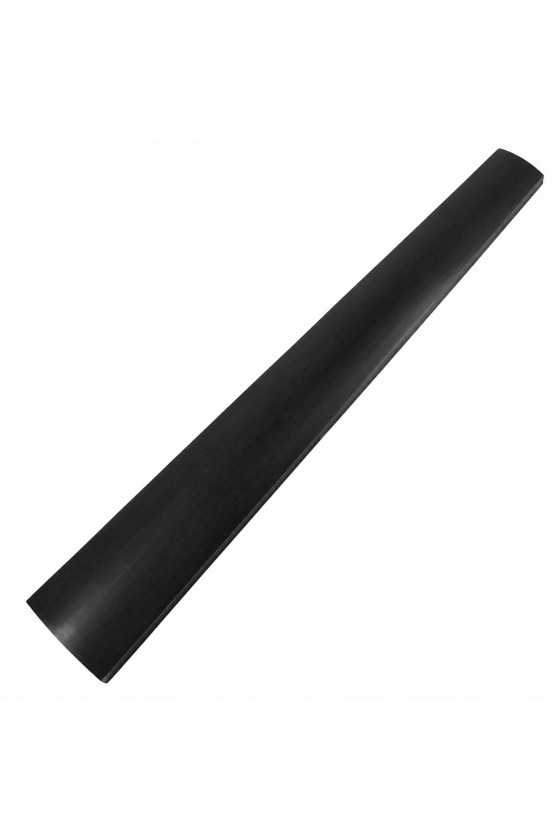
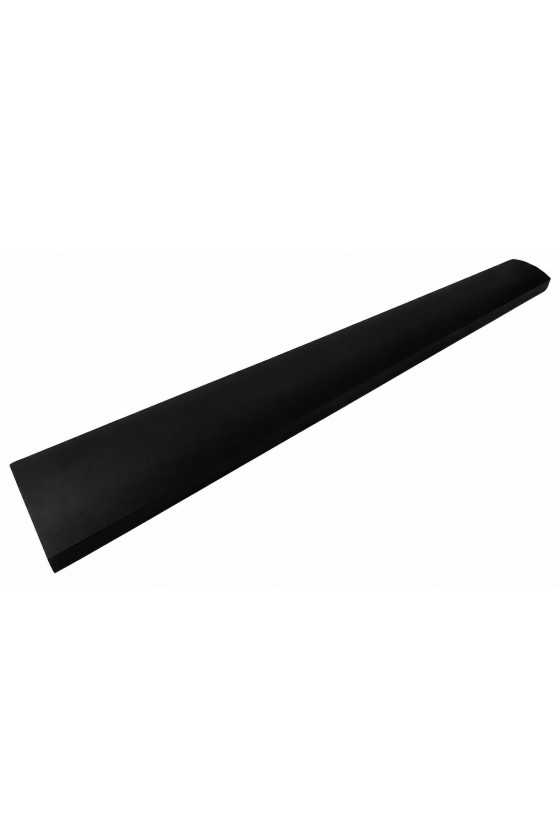
Ebony is commonly used for violin fingerboards due to its hardness, stability, acoustic properties, and traditional appearance. Among the different grades of ebony, German Master Grade ebony is highly coveted by instrument makers due to its exceptional quality.
Among the different grades of ebony, German Master Grade ebony is highly coveted by instrument makers due to its exceptional quality.
German Master Grade ebony is exceptionally dense and hard, which makes it incredibly durable. Its strength and stability ensure it is free from cracks and knots, making it an ideal choice for crafting high-quality instruments.
Ebony is a dense, dark hardwood that has been a popular choice for the fingerboards of violins for centuries. This wood is highly prized for its striking appearance, deep black colour and distinctive grain patterns. However, it is not just its aesthetic qualities that make it famous - ebony is also incredibly hard and durable, able to withstand the constant pressure and friction of the violinist's fingers without wearing down or losing their shape. Also, ebony is well-known for its excellent acoustic properties, contributing to the clear and bright tone characteristic of the finest violins. As a result, ebony remains the gold standard for fingerboard materials in the world of stringed instruments and is the choice of discerning musicians and luthiers alike.
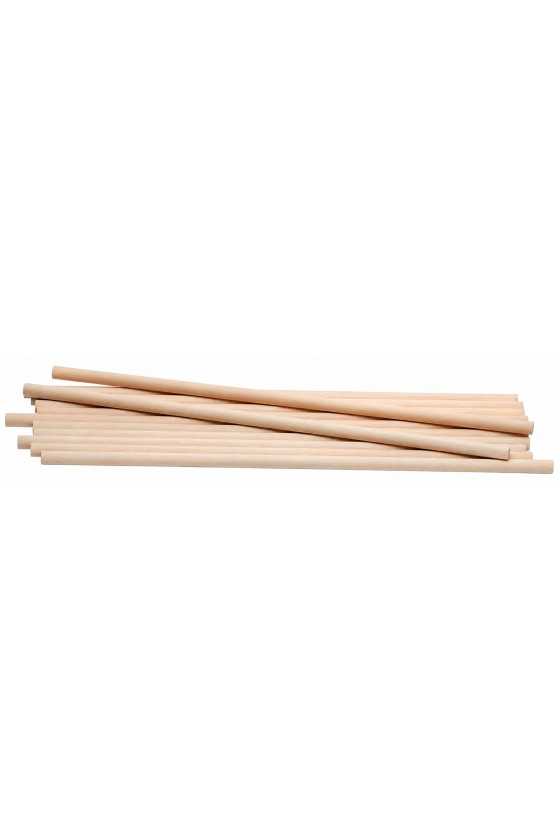
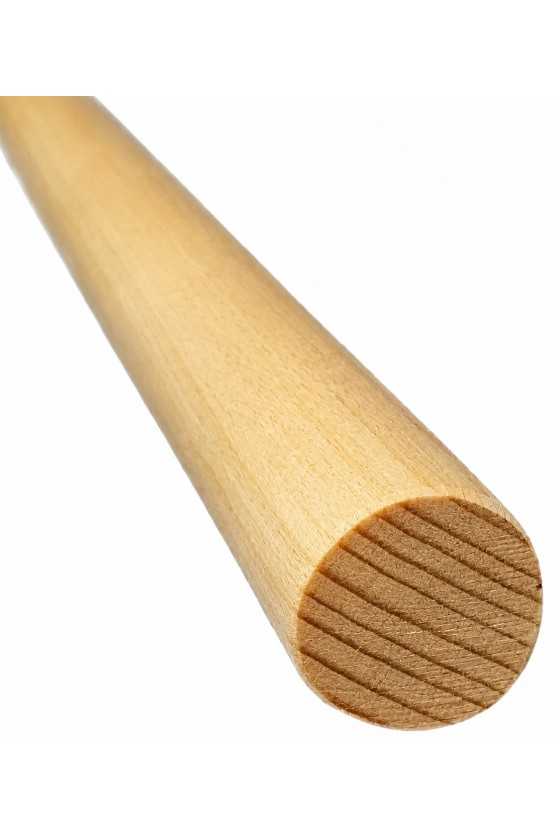
The Violin Sound Post – Raw Material (Unfitted) is a premium spruce soundpost blank made in Germany. Split and turned for strength and acoustic performance, it is supplied unfitted for custom shaping and installation by a qualified luthier.
Key Features:
• Premium spruce soundpost blank
• Split and turned construction.
• Made in Germany
• Supplied unfitted for custom fitting
Note: Professional fitting is strongly recommended. Animato Strings can provide expert soundpost fitting and adjustment services to ensure the best possible tonal performance and structural integrity for your violin.
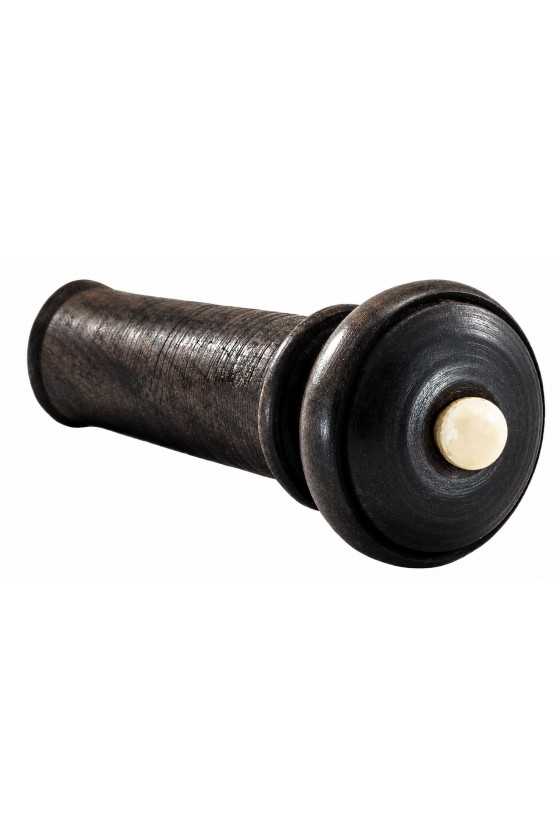
The Violin Ebony Endpin – Hill Model with White Ball is a premium-quality ebony fitting featuring a classic Hill-style design and elegant white ball detail. Supplied unfitted, it is an excellent choice for violin repairs, restorations, and upgrades.
Key Features:
• Made from high-quality ebony
• Traditional Hill-style design
• Decorative white ball accent
• Lightweight and durable
• Smooth professional finish
• Suitable for repairs and restorations
• Complements ebony violin fittings
• Supplied unfitted
Note: Professional fitting is recommended. Animato Strings can provide expert installation and setup services to ensure the endpin is correctly fitted and functions optimally.
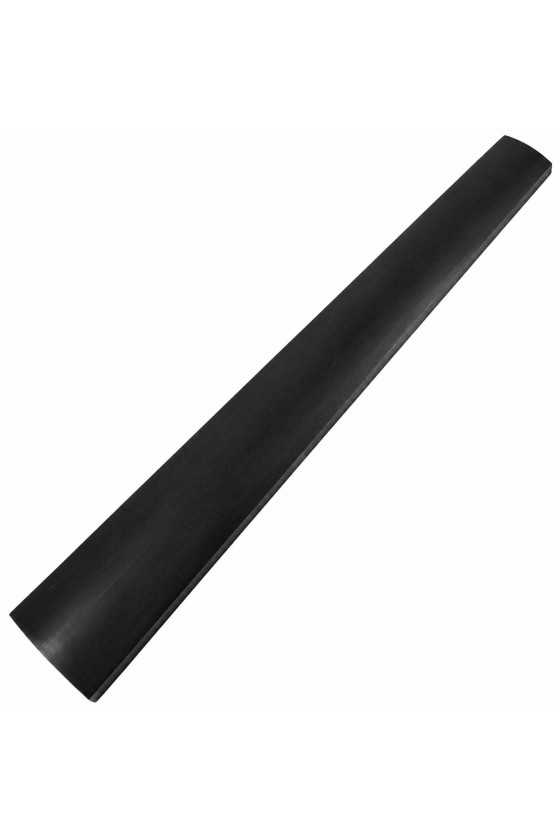
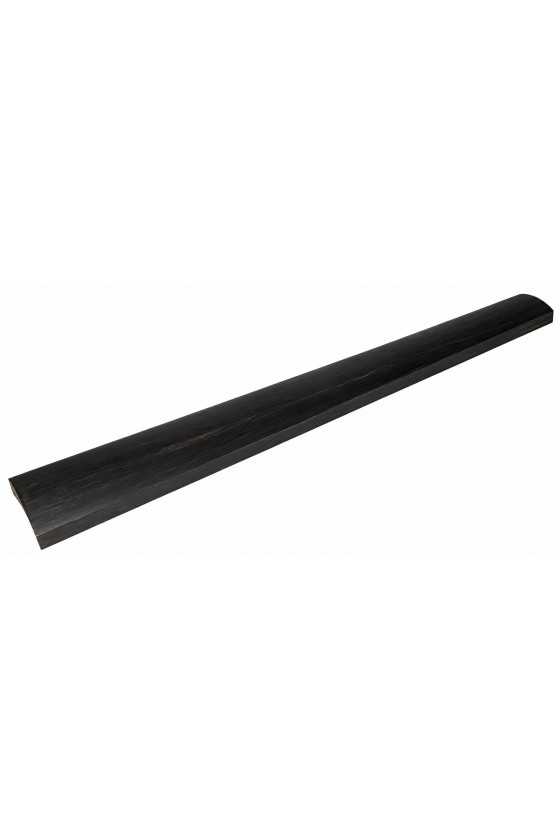
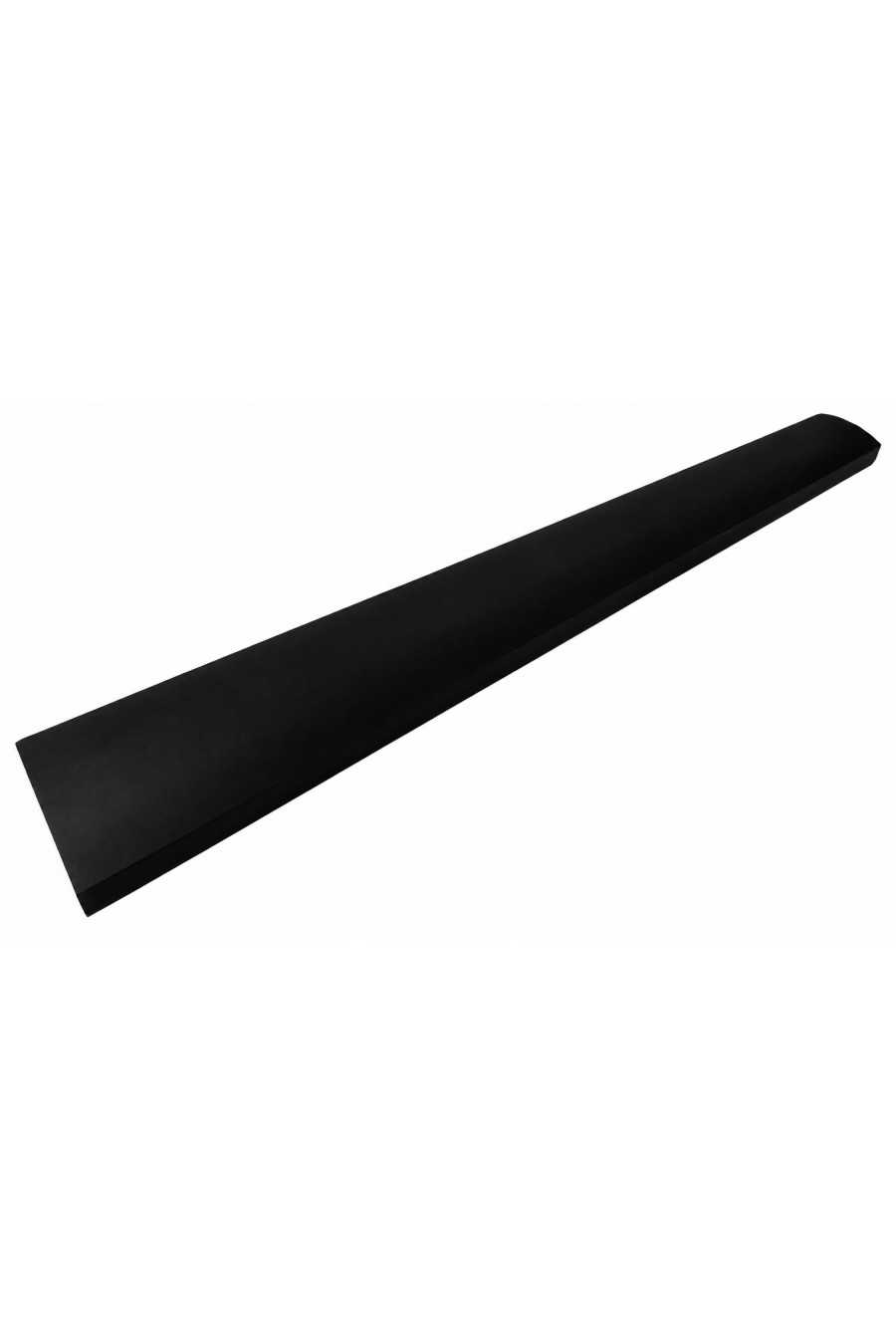
The Violin Ebony Fingerboard – Indian A Grade (Unfitted) is a high-quality fingerboard made from carefully selected Indian ebony. Durable, wear-resistant, and acoustically responsive, it provides the performance and reliability that have made ebony the preferred fingerboard material for violins for centuries.
Key Features:
• Made from premium Indian A Grade ebony
• Unfitted for custom shaping and installation
• Dense and durable hardwood construction
• Smooth, comfortable playing surface
• Excellent wear resistance
• Attractive natural grain and character
• Contributes to clear and responsive tone
• Ideal for violin making, repair, and restoration
• Trusted choice for luthiers and musicians
African A Grade ebony is highly coveted by instrument makers due to its exceptional quality. It is dense, hard, and durable, making it ideal for crafting high-quality instruments. Ebony is commonly used for violin fingerboards due to its hardness, stability, acoustic properties, and traditional appearance.
Ebony is commonly used for violin fingerboards due to its hardness, stability, acoustic properties, and traditional appearance.
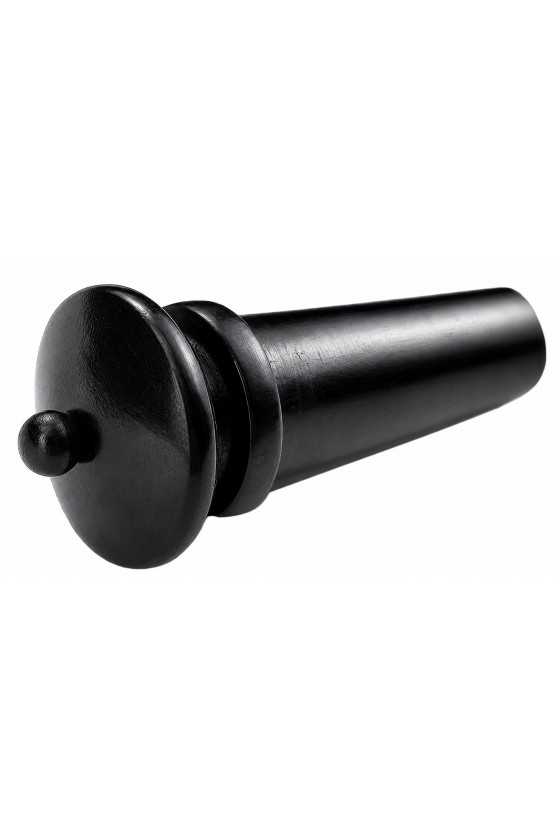
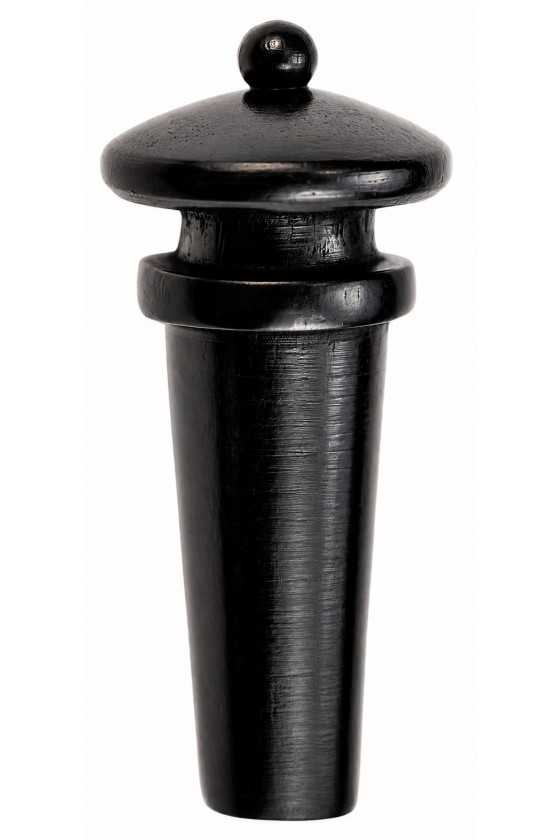
The Violin Ebony Endpin – Hill Model with Black Ball is a high-quality ebony fitting featuring a classic Hill-style design and stylish black ball detail. Supplied unfitted, it is ideal for violin or viola repairs, restorations, and upgrades.
Key Features:
• Made from high-quality ebony
• Suitable for violin or viola
• Traditional Hill-style design
• Decorative black ball accent
• Lightweight and durable
• Professional-quality finish
• Ideal for repairs and restorations
• Supplied unfitted
Note: Professional fitting is recommended. Animato Strings can provide expert installation and setup services to ensure the endpin is correctly fitted and performs as intended.
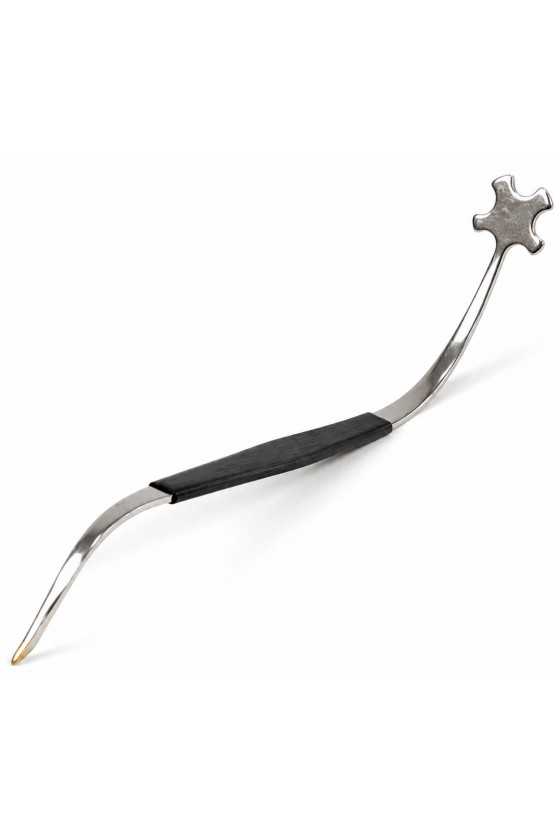
The Violin Soundpost Setter from Germany is a professional-quality tool for accurately placing and adjusting violin soundposts. Manufactured to high standards, it provides the precision and reliability required for instrument setup, repair, and restoration.
Key Features:
• Made in Germany
• Precision soundpost installation tool
• Durable professional-quality construction
• Suitable for violin setup and repair
• Easy to handle and use
• Essential tool for luthiers and technicians
• Ideal for maintenance and restoration work
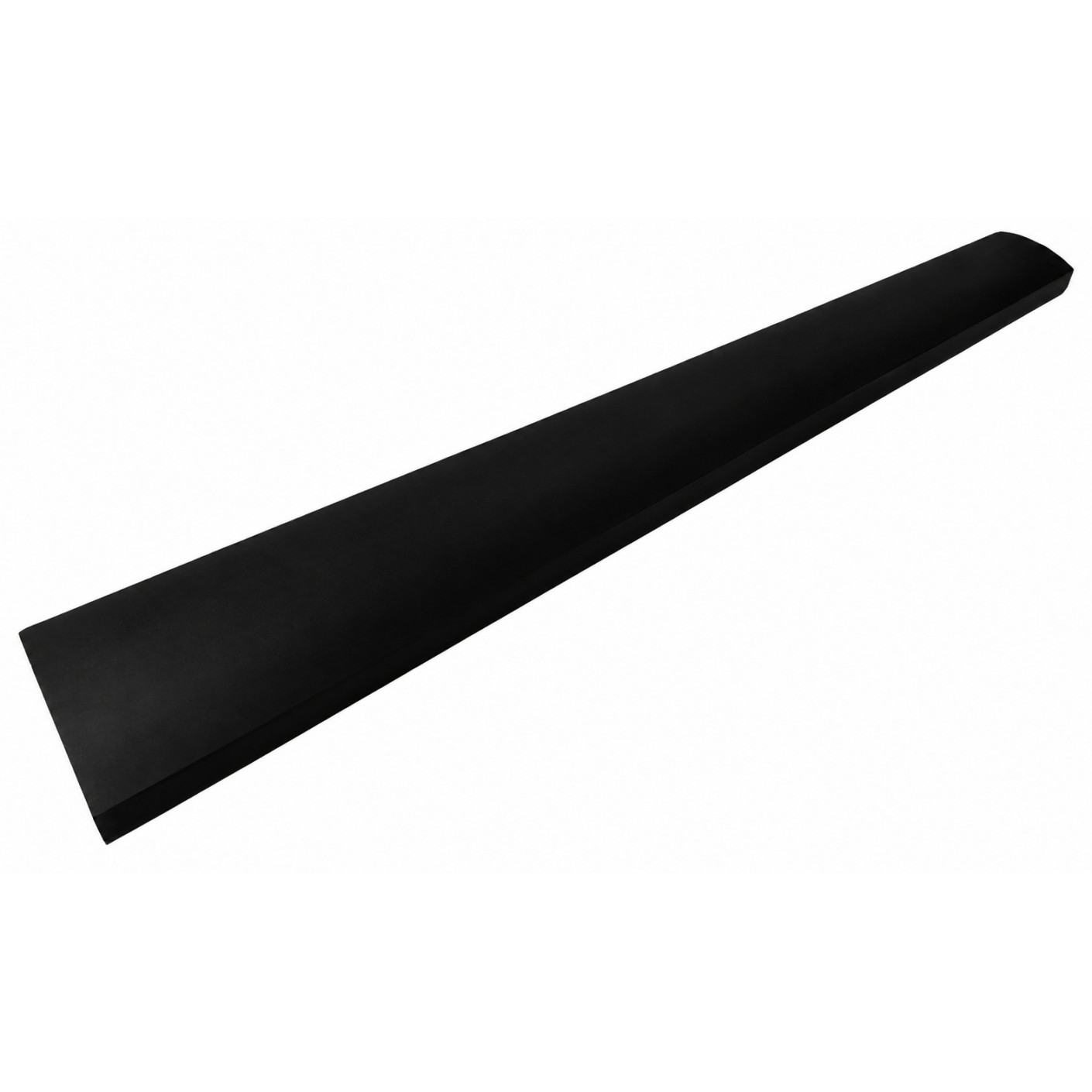
The Violin Ebony Fingerboard – Indian B Grade (Unfitted) is a durable, high-quality fingerboard made from dense Indian ebony. Measuring approximately 23mm at the nut and 42mm at the bridge, it offers excellent wear resistance, a smooth playing surface, and the tonal qualities that have made ebony the preferred fingerboard material for violins.
Key Features:
• Made from Indian B Grade ebony
• Unfitted for custom shaping and installation
• Stained ebony finish
• Approximately 23mm at the nut and 42mm at the bridge
• Hard-wearing and durable construction
• Smooth and comfortable playing surface
• Excellent acoustic properties
• Ideal for violin making, repair, and restoration
• Trusted choice for luthiers and musicians