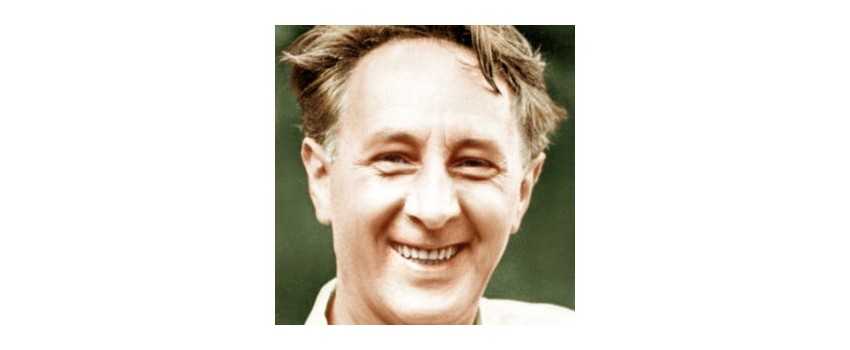
Bohuslav Martinů (8 December 1890 – 28 August 1959) is one of the most celebrated Czech composers of the 20th century. Born in Polička, a small town in the Czech Republic, Martinů showed an early interest in music and began studying the violin and piano at a young age. At 16, he enrolled at the Prague Conservatory, where he studied composition and continued developing his skills as a musician.
Early Life and Musical Training
Martinů was born on December 8, 1890, to a shoemaker and his wife. His family was poor, but his parents recognized his musical talents and encouraged him to pursue a music career. Martinů's early training was focused on the violin, and he became quite skilled, eventually playing in the Czech Philharmonic Orchestra.
After enrolling in the Prague Conservatory, Martinů began studying composition under Josef Suk, a renowned Czech composer and violinist. Martinů quickly showed promise as a composer, and his first major work, the String Quartet No. 1, was performed while he was still a student.
World War I interrupted Martinů’s studies at the Prague Conservatory, during which he served in the Czech Army. After the war, he returned to the Conservatory to complete his studies, and in 1920, he graduated with a degree in composition.
Martinů's Style and Musical Influences
Martinů's music is difficult to categorize, as it reflects various influences and styles. His early works were influenced by Czech folk music, and he often incorporated elements of traditional Czech dance music into his compositions. Later in his career, he experimented with jazz and neoclassical styles, and his music became more abstract and complex.
One of Martinů's most famous works is the opera Julietta, which he composed in 1936. The opera is based on a play by Georges Neveux, and it tells the story of a man searching for a woman he met in a dream. Julietta is known for its intricate score, which incorporates elements of jazz and neoclassicism, and its dreamlike atmosphere, which has been compared to the works of Surrealist artists.
Another notable work by Martinů is Symphony No. 6, which he composed in 1953. The symphony is considered one of his most challenging works, both for the performers and the audience. It is known for its complex rhythms and unconventional use of instruments, including a piano played with a rubber ball.
Legacy and Impact on the Czech Music Scene
Martinů's legacy is far-reaching, and his music continues to be performed and celebrated worldwide. In the Czech Republic, he is considered one of the country's greatest composers, and his contributions to Czech music are recognized and celebrated.
In addition to his contributions to classical music, Martinů contributed significantly to the literary and artistic scenes. During his time in Paris, he became friends with artists like Picasso and Cocteau, and his music was often performed alongside their works. He also collaborated with writers and poets, including Paul Éluard and Max Jacob, and his music was featured in several films. Today, orchestras and ensembles worldwide perform Martinů’s music. His works are known for their complexity and beauty, inspiring musicians and music lovers alike.
Conclusion
Bohuslav Martinů was a Czech composer whose music and life continued to fascinate and inspire people worldwide. His diverse influences and experimental style have made him one of the most celebrated composers of the 20th century, and his contributions to Czech music and culture are enduring. From his early days studying the violin and piano in Polička to his collaborations with some of the greatest artists of his time, Martinů's legacy is one of innovation, creativity, and beauty.
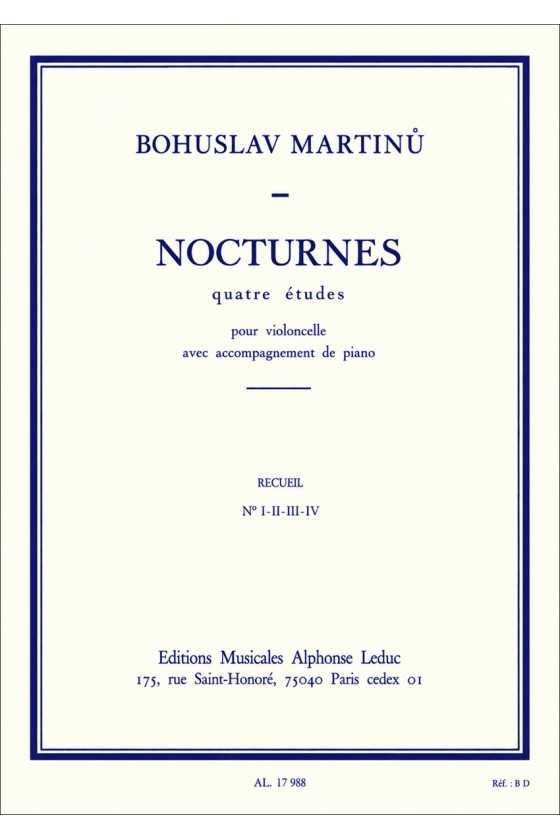
The Martinů Nocturnes Nos. 1–4 for Cello (Leduc) contains four expressive 20th-century works by Bohuslav Martinů. With lyrical, atmospheric writing, the collection explores the cello’s tonal colours while developing phrasing, dynamics, technique, and interpretation.
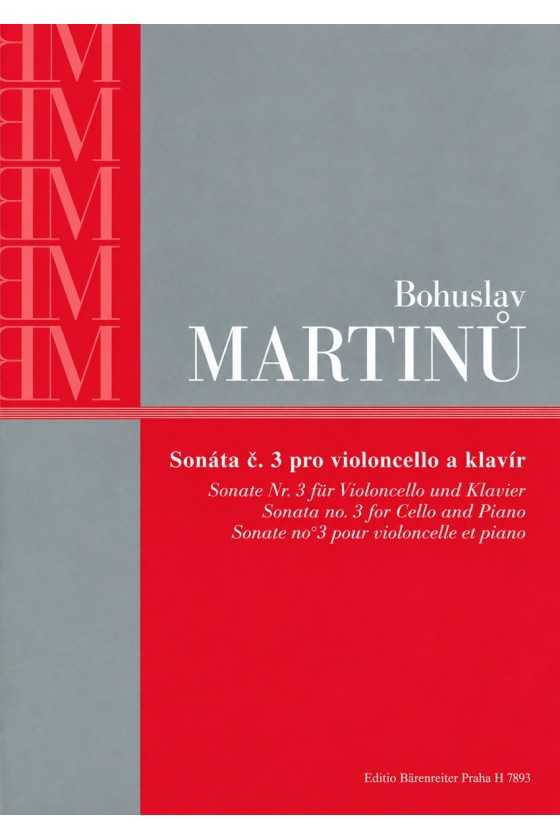
The Martinů Sonata No. 3 for Cello (Bärenreiter) is a major 20th-century work by Bohuslav Martinů, composed in 1952. Combining lyrical passages, rhythmic energy, and contrasting moods, it offers substantial repertoire for advanced study and performance.
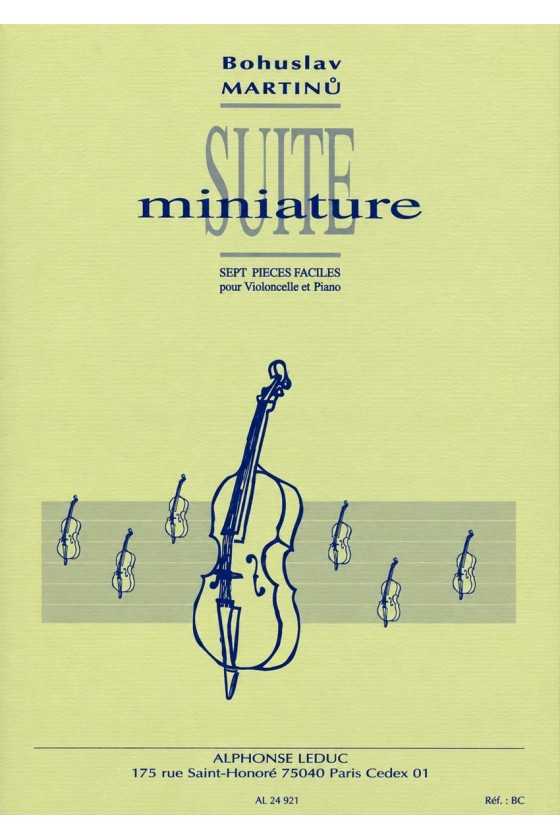
The Martinů Suite Miniature for Cello and Piano is a 20th-century work by Czech composer Bohuslav Martinů. Influenced by French music, Stravinsky, and jazz, Martinů developed a distinctive style combining rhythmic vitality with expressive writing, making this suite valuable repertoire for cello and piano.
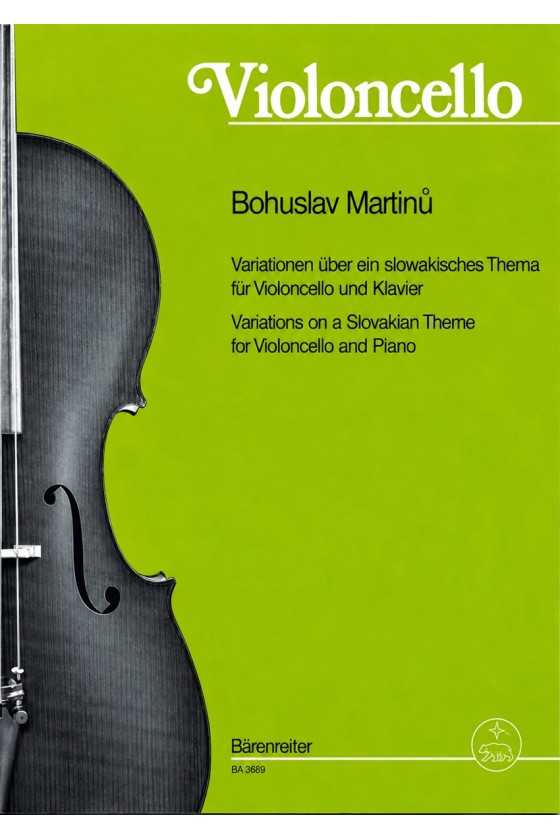
The Martinů Variations on a Slovakian Theme for Cello (Bärenreiter) is a 20th-century work by Czech composer Bohuslav Martinů. Influenced by Roussel, Debussy, Stravinsky, and jazz, Martinů developed a distinctive musical language. This work combines Slovak folk-inspired material with lyrical expression and rhythmic energy, providing engaging repertoire for advanced study and performance.
Lively rhythms and inventive textures shape Martinů’s Duo No. 1 for Violin and Cello, featuring Preludium and Rondo movements. A captivating addition to chamber repertoire, inspired by jazz and French modernism.
The Martinů Variations on a Theme of Rossini for Cello and Piano (Boosey & Hawkes) is a virtuosic work Bohuslav Martinů composed in 1942. Built around a Rossini-derived theme, it combines lyrical writing, rhythmic energy, and brilliant technical passages for cello and piano.
The Martinů Rhapsody-Concerto for Viola and Piano (Bärenreiter) is a 1952 work by Czech composer Bohuslav Martinů, edited by Jürgen Sommer. Combining lyrical expression with rhythmic energy and demanding viola writing, it is an important work for advanced study and performance.
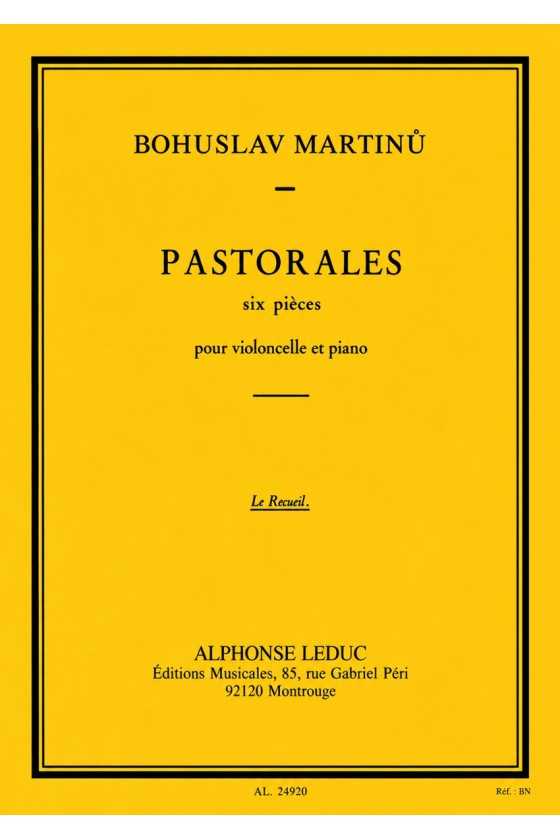
The Martinů 6 Pastorales for Cello and Piano (Leduc) contains six 20th-century pieces by Bohuslav Martinů. Combining lyrical writing, rhythmic energy, and contrasting musical characters, the collection provides engaging repertoire for developing expression, technique, and cello-piano ensemble playing.