Open 6 Days: Tuesdays-Saturdays 9-4, Sun 10-2, Mondays closed.

Cassadó, Gaspar

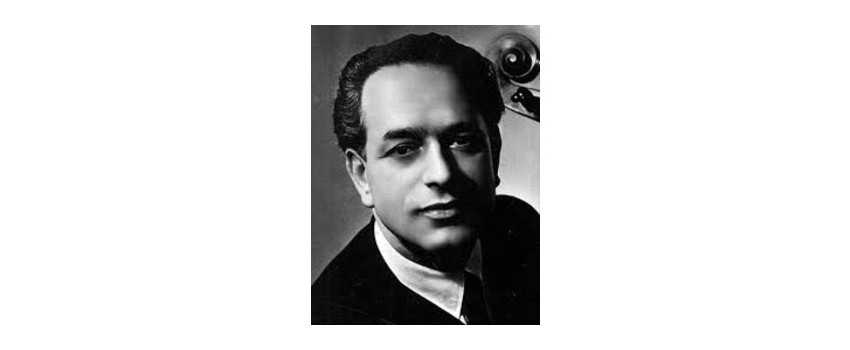
Gaspar Cassado was a man of many talents. He was not only a brilliant cellist but also a prolific composer, conductor, and teacher. Born on September 30, 1897, in Barcelona, Spain, Cassado showed early signs of musical genius. He began playing the cello at six and quickly rose to become one of the most prominent cellists of the 20th century. 

Early Life and Education

Cassado was born into a musical family. His father, Joaquín Cassadó, was a composer, and his mother, Agustina Comaposada, was a pianist. When Cassado was six, his father taught him how to play the cello. Cassado showed remarkable talent and quickly became a child prodigy, performing in public at seven. Cassado's family recognized his talent and encouraged him to pursue a music career. He studied cello with Pau Casals, the renowned Spanish cellist, and composition with Joaquín Rodrigo, the famous Concierto de Aranjuez composer. World War I interrupted Cassado’s education, but he continued to perform and compose during the war. After the war, he resumed his studies and graduated from the Paris Conservatoire in 1921.

Cassado's Career as a Cellist

Cassado's career as a cellist took off in the 1920s. He toured extensively throughout Europe, Asia, and the Americas, performing with some of the world's leading orchestras. Cassado's virtuosity on the cello was unparalleled, and he became known for his passionate performances and technical brilliance. Unfortunately, the Spanish Civil War interrupted Cassado’s career as a soloist in 1936. He returned to Spain and joined the Republican Army as a medic. After the war, he resumed his career as a cellist and focused more on his compositions. Cassado's most famous work is his Suite for Solo Cello. The piece is a tour-de-force for the cello, highlighting Cassado's instrument mastery. It is a challenging piece to play and is considered one of the most important works for solo cello in the 20th century.

Cassado's Compositions and Musical Style

Cassado's compositions are characterized by their Spanish flavor and his love of folk music. He was influenced by the works of Manuel de Falla and Joaquín Rodrigo and incorporated elements of Spanish folk music into his compositions. Cassado's music is known for its lyrical melodies, complex harmonies, and virtuosic cello writing. Cassado's compositions range from solo works, such as his Suite for Solo Cello, to chamber music, such as his Trio for Violin, Cello, and Piano, to orchestral works, such as his Concerto for Cello and Orchestra. Cellists worldwide perform his music regularly, and his works have become staples of the cello repertoire.

Cassado's Legacy in the Music World

Cassado's legacy in the music world is significant. He was one of the most important cellists of the 20th century, and his compositions continue to be performed and recorded today. Cassado's influence on the cello world can be seen in the works of other prominent cellists, such as Yo-Yo Ma, who has cited Cassado as an inspiration. In addition to his contributions to the cello world, Cassado was also a respected conductor and teacher. He conducted many of the world's leading orchestras and taught at the Siena Music Festival and the Prades Festival. His students included some of the most prominent cellists of the 20th century, such as Maurice Gendron and Jacqueline du Pré.

Cassado's Influence on Spanish Music

Cassado's influence on Spanish music must be balanced. He was one of the pioneers of the Spanish musical Renaissance, which sought to promote Spanish music and culture worldwide. Cassado's compositions incorporated Spanish folk music elements and helped establish a distinctly Spanish sound in classical music. However, Cassado also worked to promote the music of his contemporaries. For example, he was a champion of the works of Manuel de Falla and Joaquín Rodrigo and helped to establish their music as an important part of the classical repertoire. Cassado's contributions to Spanish music have had a lasting impact, and his legacy inspires new generations of Spanish musicians.

Conclusion

Gaspar Cassado was a musical genius who left an indelible mark on the classical music world. His virtuosity on the cello and innovative compositions inspire musicians worldwide. Cassado's legacy is one of passion, dedication, and excellence, and his life serves as a reminder of the power of music to uplift and inspire.

Cello Compositions of Gaspar Cassadó | Animato Strings
  • Home
  • Perform
  • Cello Sheet Music
  • Composers Cello A-C
  • Cassadó, Gaspar


  • Casorti, Bow Technique Op. 50 (Peters)

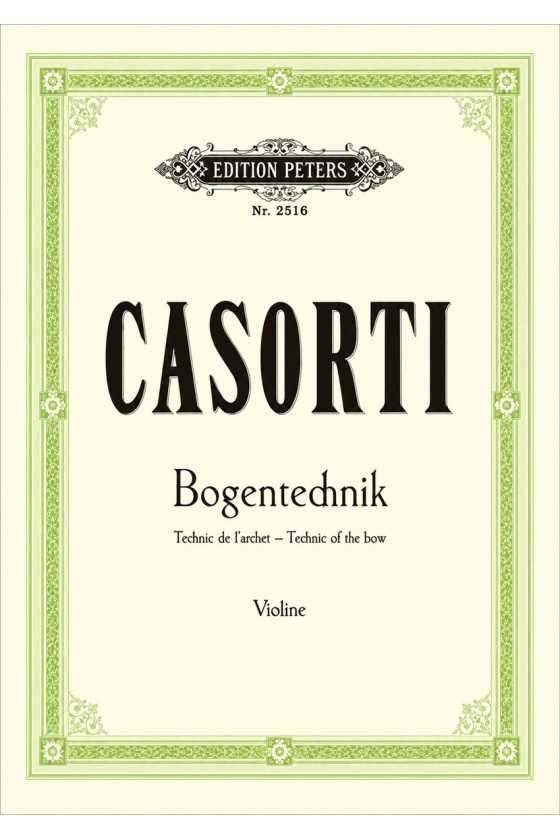
    August Casorti’s Bowing Technique, Op. 50 is a focused technical study for solo violin, designed to develop a supple wrist, flexible right-hand fingers and confident control of the bow. Combining practical observations with exercises in bow strokes, articulation and tone production, this Edition Peters edition is an excellent resource for building a more expressive and controlled bowing technique.

    Key Features:

    For solo violin

    Composed by August Casorti

    Focuses specifically on bowing technique

    Develops wrist and finger flexibility

    Covers bow strokes, articulation and tone

    Text in English, German and French

    Published by Edition Peters

    Catalogue No. EP 2516

    ISMN 979-0-0140-1180-2

    $29.95 Price

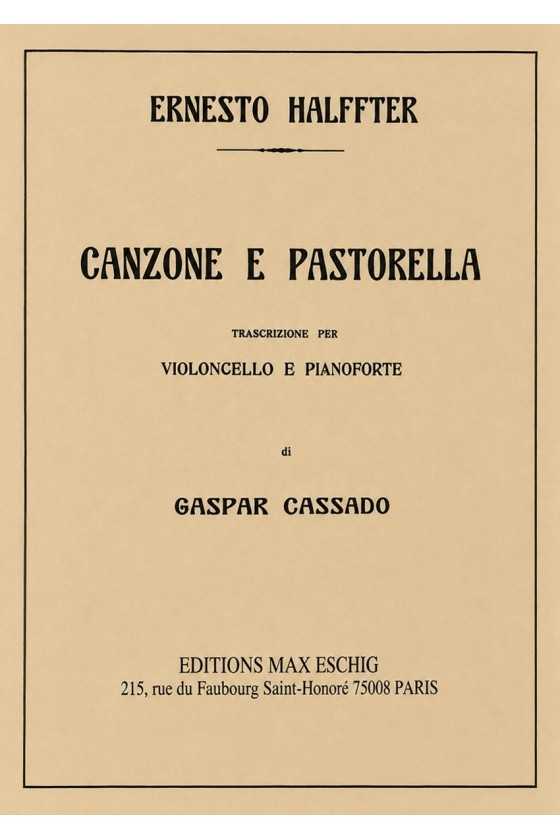
    Cassado, Canzone E Pastorella For Cello And Piano

    Canzone e Pastorella is an expressive Spanish work by Ernesto Halffter, transcribed for cello and piano by Gaspar Cassadó in 1934. Combining lyrical writing with a lighter pastoral character, it offers cellists rewarding recital repertoire for developing tonal colour, phrasing and expressive control.

    Key Features:

    For cello and piano

    Composed by Ernesto Halffter

    Transcribed by Gaspar Cassadó

    Dating from 1934

    Published by Éditions Max Eschig

    Catalogue No. ME 4335

    ISMN 979-0-045-01839-9

    Expressive 20th-century Spanish repertoire

    $34.95 Price

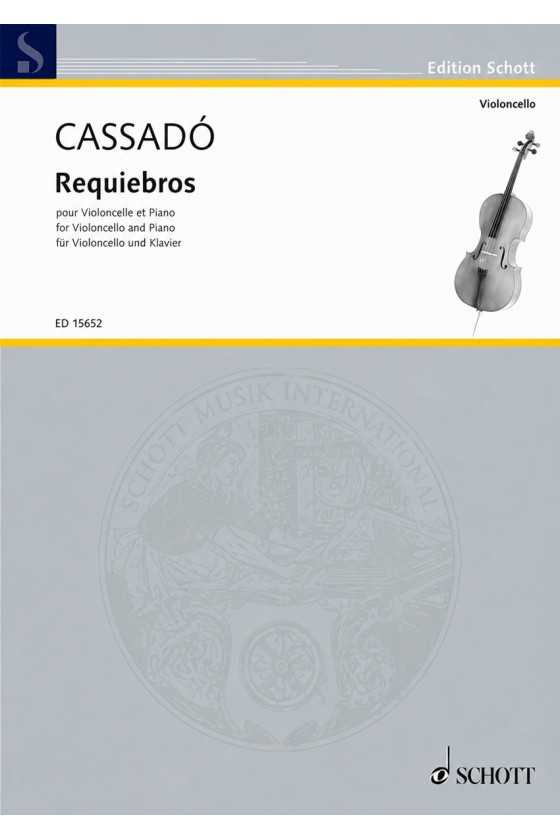
    Cassado, Requiebros For Cello And Piano (Schott)

    Gaspar Cassadó’s Requiebros is a colourful and passionate work for cello and piano, combining lyrical expression with brilliant virtuoso writing. Published in 1931 and dedicated to Pablo Casals, this Schott Music edition in D major provides advanced cellists with an exciting recital piece for developing tonal colour, expressive phrasing and technical confidence.

    Key Features:

    For cello and piano

    Composed by Gaspar Cassadó

    Key: D major

    Dedicated to Pablo Casals

    Published by Schott Music

    Catalogue No. ED 1562

    ISBN 978-3-7957-9558-0

    16 pages

    Advanced-level repertoire

    $44.95 Price

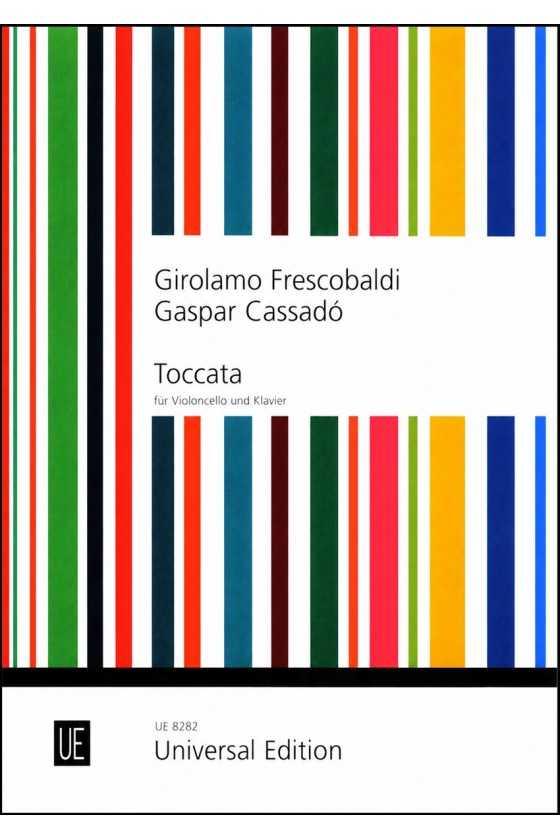
    Cassado, Toccata For Cello And Piano (Universal)

    Gaspar Cassadó’s Toccata, traditionally published as a work by Frescobaldi arranged for cello and piano, is a brilliant Baroque-inspired virtuoso showpiece. Modern scholarship attributes the composition itself to Cassadó. Published by Universal Edition, it combines rapid passagework, energetic rhythms and demanding cello technique, making it excellent recital repertoire for advanced performers.

    Key Features:

    For cello and piano

    Associated with Gaspar Cassadó

    Baroque-inspired virtuoso concert work

    Traditionally attributed to Girolamo Frescobaldi

    Published by Universal Edition

    Catalogue No. UE 8282

    ISBN 978-3-7024-1848-9

    ISMN 979-0-008-01019-4

    Advanced level

    $53.95 Price

    Boxed:

    Sticky Add To Cart

    Font: