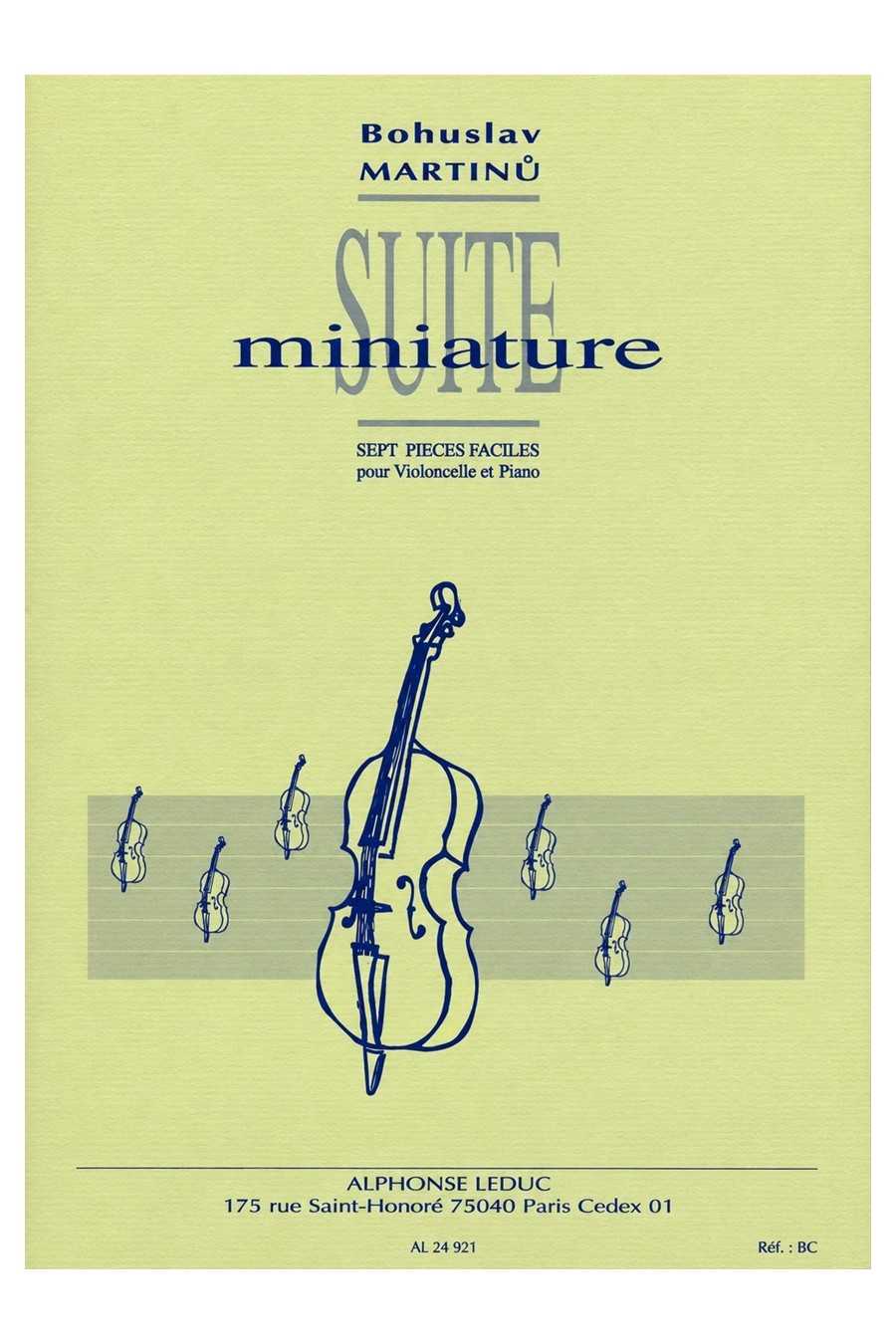
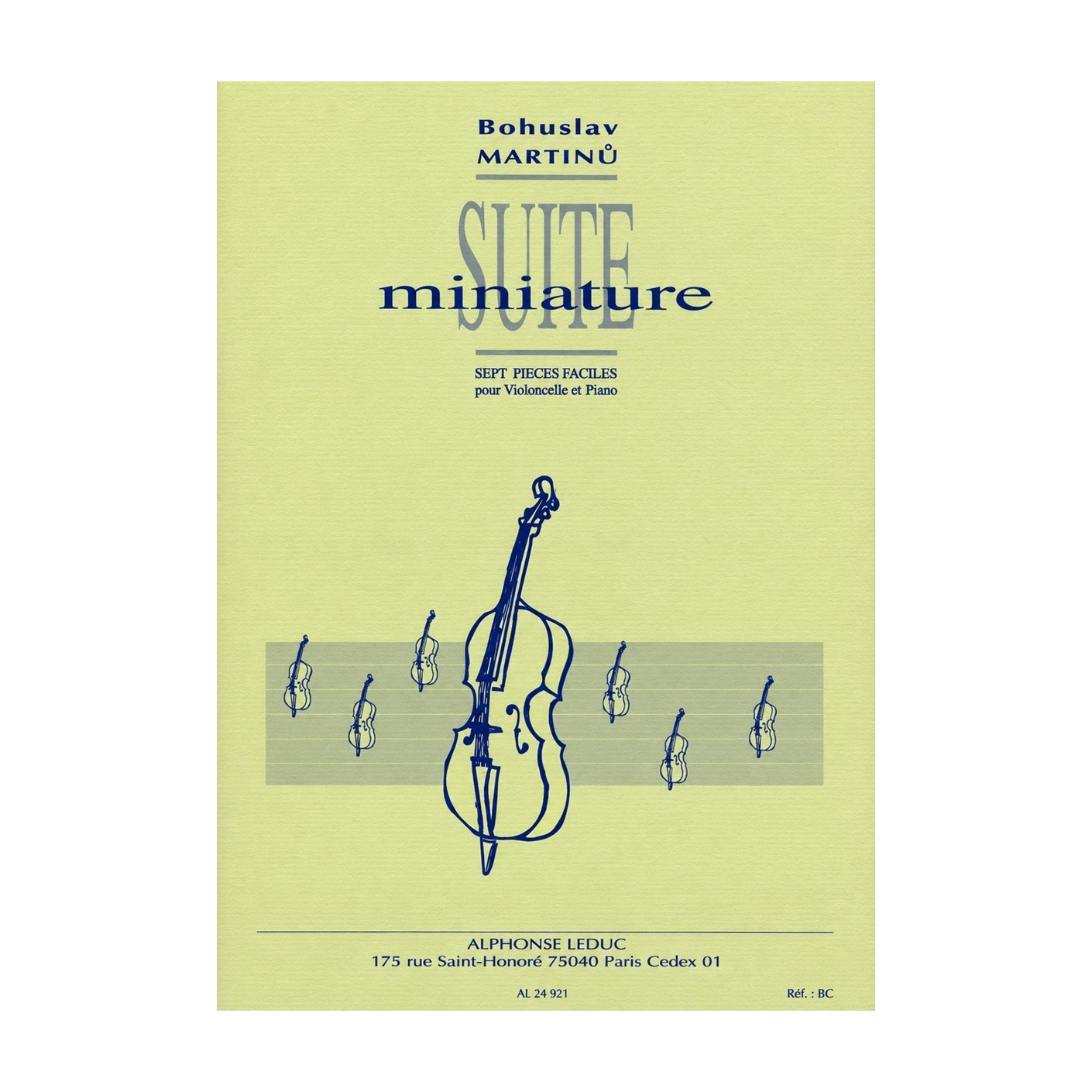
The Martinů Suite Miniature for Cello and Piano is a 20th-century work by Czech composer Bohuslav Martinů. Influenced by French music, Stravinsky, and jazz, Martinů developed a distinctive style combining rhythmic vitality with expressive writing, making this suite valuable repertoire for cello and piano.
Key Features:
• Composer: Bohuslav Martinů
• Work: Suite Miniature
• For: Cello and Piano
• Period: 20th Century
• Czech repertoire
• Rhythmic and expressive
• Study and performance
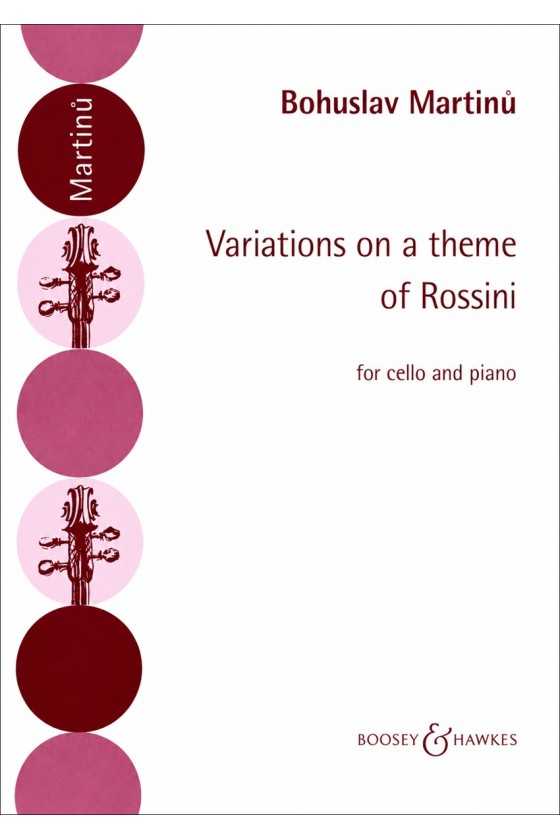
The Martinů Variations on a Theme of Rossini for Cello and Piano (Boosey & Hawkes) is a virtuosic work Bohuslav Martinů composed in 1942. Built around a Rossini-derived theme, it combines lyrical writing, rhythmic energy, and brilliant technical passages for cello and piano.
Key Features:
• Composer: Bohuslav Martinů
• Work: Variations on a Theme of Rossini
• For: Cello and Piano
• Composed: 1942
• Publisher: Boosey & Hawkes
• Period: 20th Century
• Virtuosic repertoire
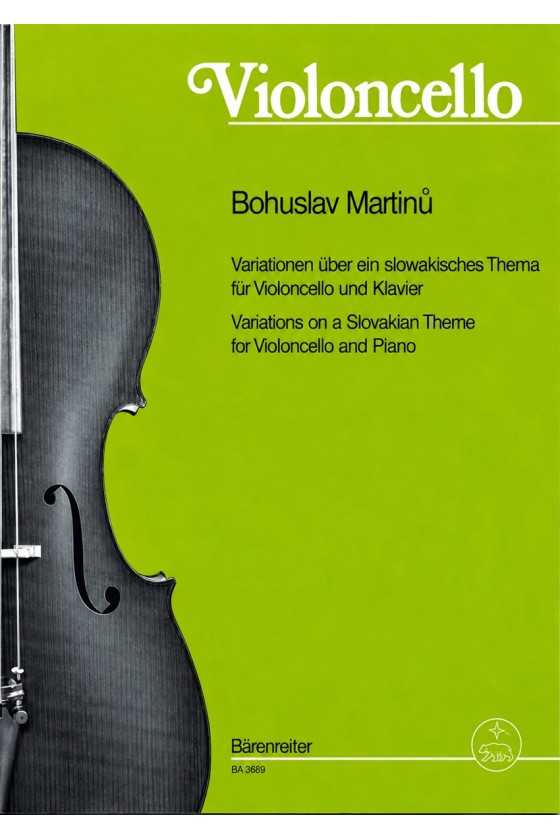
The Martinů Variations on a Slovakian Theme for Cello (Bärenreiter) is a 20th-century work by Czech composer Bohuslav Martinů. Influenced by Roussel, Debussy, Stravinsky, and jazz, Martinů developed a distinctive musical language. This work combines Slovak folk-inspired material with lyrical expression and rhythmic energy, providing engaging repertoire for advanced study and performance.
Key Features:
• Composer: Bohuslav Martinů
• Work: Variations on a Slovakian Theme
• Instrument: Cello
• Publisher: Bärenreiter
• Period: 20th Century
• Folk-inspired
• Rhythmic and expressive
• Study and performance
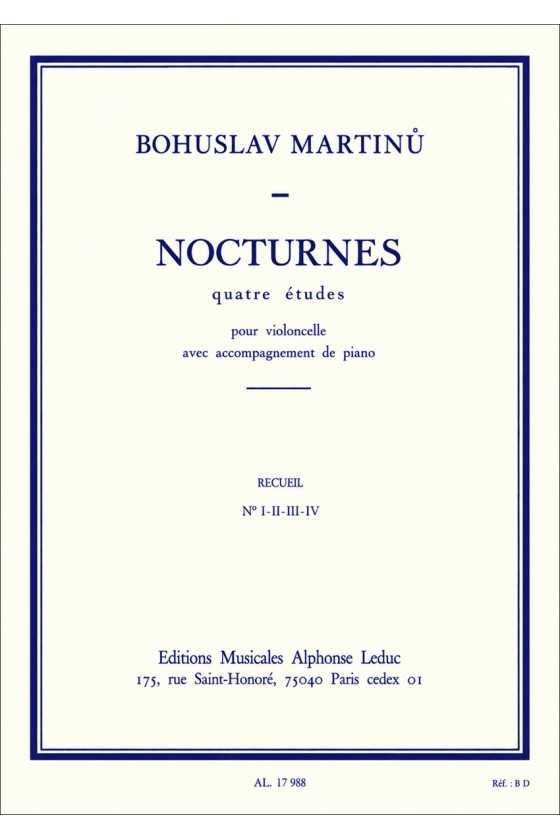
The Martinů Nocturnes Nos. 1–4 for Cello (Leduc) contains four expressive 20th-century works by Bohuslav Martinů. With lyrical, atmospheric writing, the collection explores the cello’s tonal colours while developing phrasing, dynamics, technique, and interpretation.
Key Features:
• Composer: Bohuslav Martinů
• Works: Nocturnes Nos. 1–4
• Contents: Four pieces
• Instrument: Cello
• Publisher: Leduc
• Period: 20th Century
• Expressive repertoire
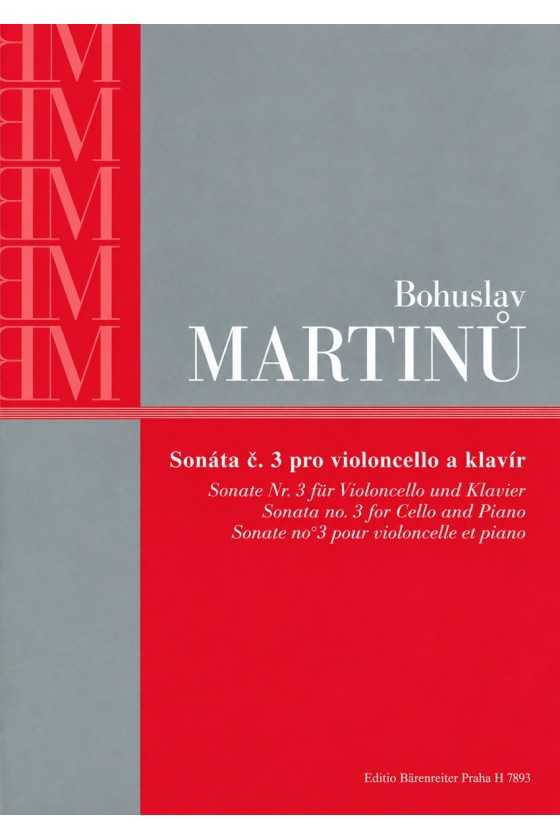
The Martinů Sonata No. 3 for Cello (Bärenreiter) is a major 20th-century work by Bohuslav Martinů, composed in 1952. Combining lyrical passages, rhythmic energy, and contrasting moods, it offers substantial repertoire for advanced study and performance.
Key Features:
• Composer: Bohuslav Martinů
• Work: Sonata No. 3
• Composed: 1952
• Publisher: Bärenreiter
• Period: 20th Century
• Czech repertoire
• Advanced performance work
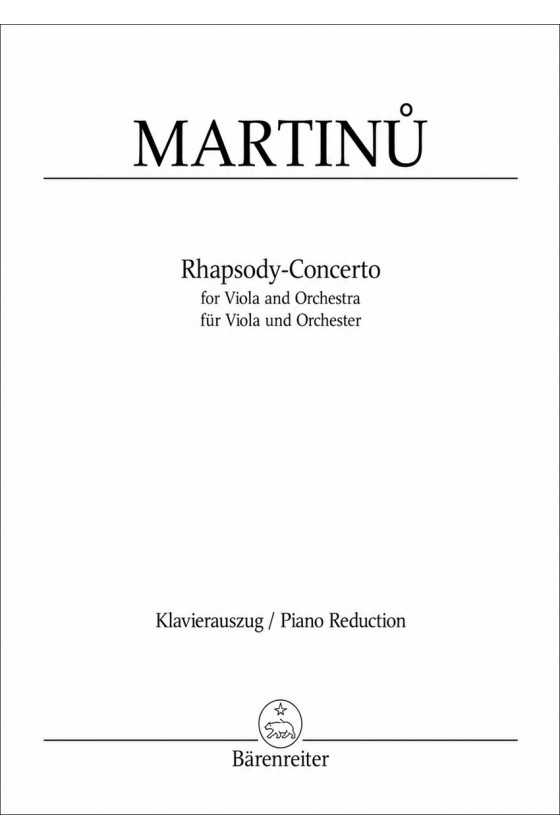
The Martinů Rhapsody-Concerto for Viola and Piano (Bärenreiter) is a 1952 work by Czech composer Bohuslav Martinů, edited by Jürgen Sommer. Combining lyrical expression with rhythmic energy and demanding viola writing, it is an important work for advanced study and performance.
Key Features:
• Composer: Bohuslav Martinů
• Work: Rhapsody-Concerto
• For: Viola and Piano
• Editor: Jürgen Sommer
• Publisher: Bärenreiter
• Composed: 1952
• Advanced repertoire
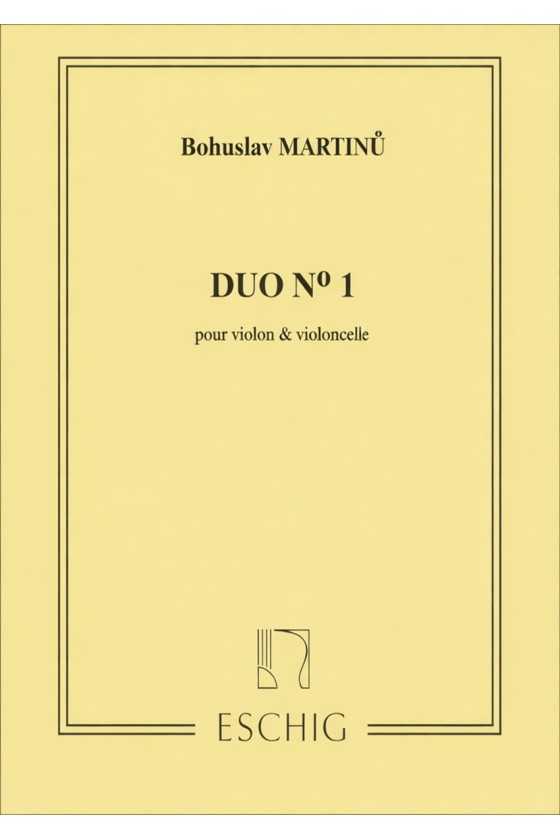
Lively rhythms and inventive textures shape Martinů’s Duo No. 1 for Violin and Cello, featuring Preludium and Rondo movements. A captivating addition to chamber repertoire, inspired by jazz and French modernism.
Key Features:
• Two contrasting movements
• Rhythmic energy and expressive writing
• Suitable for advanced students and ensembles
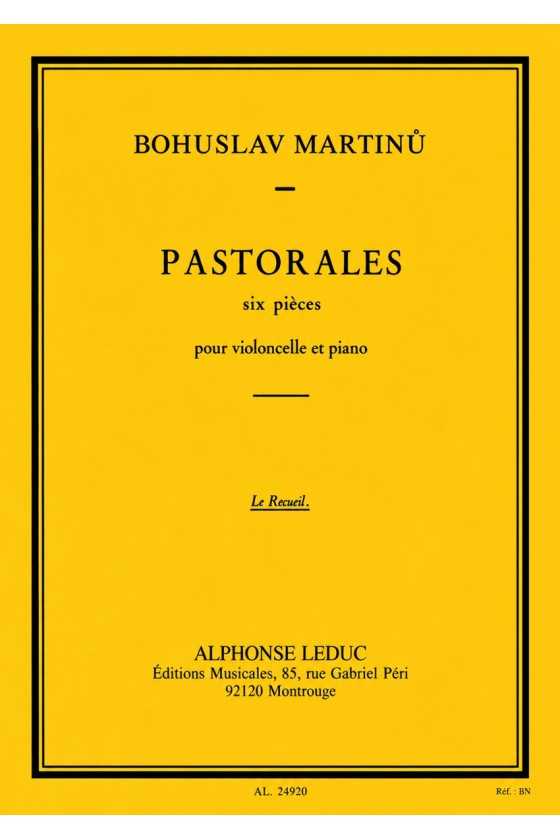
The Martinů 6 Pastorales for Cello and Piano (Leduc) contains six 20th-century pieces by Bohuslav Martinů. Combining lyrical writing, rhythmic energy, and contrasting musical characters, the collection provides engaging repertoire for developing expression, technique, and cello-piano ensemble playing.
Key Features:
• Composer: Bohuslav Martinů
• Work: 6 Pastorales
• For: Cello and Piano
• Contents: Six pieces
• Publisher: Leduc
• Period: 20th Century
• Study and performance