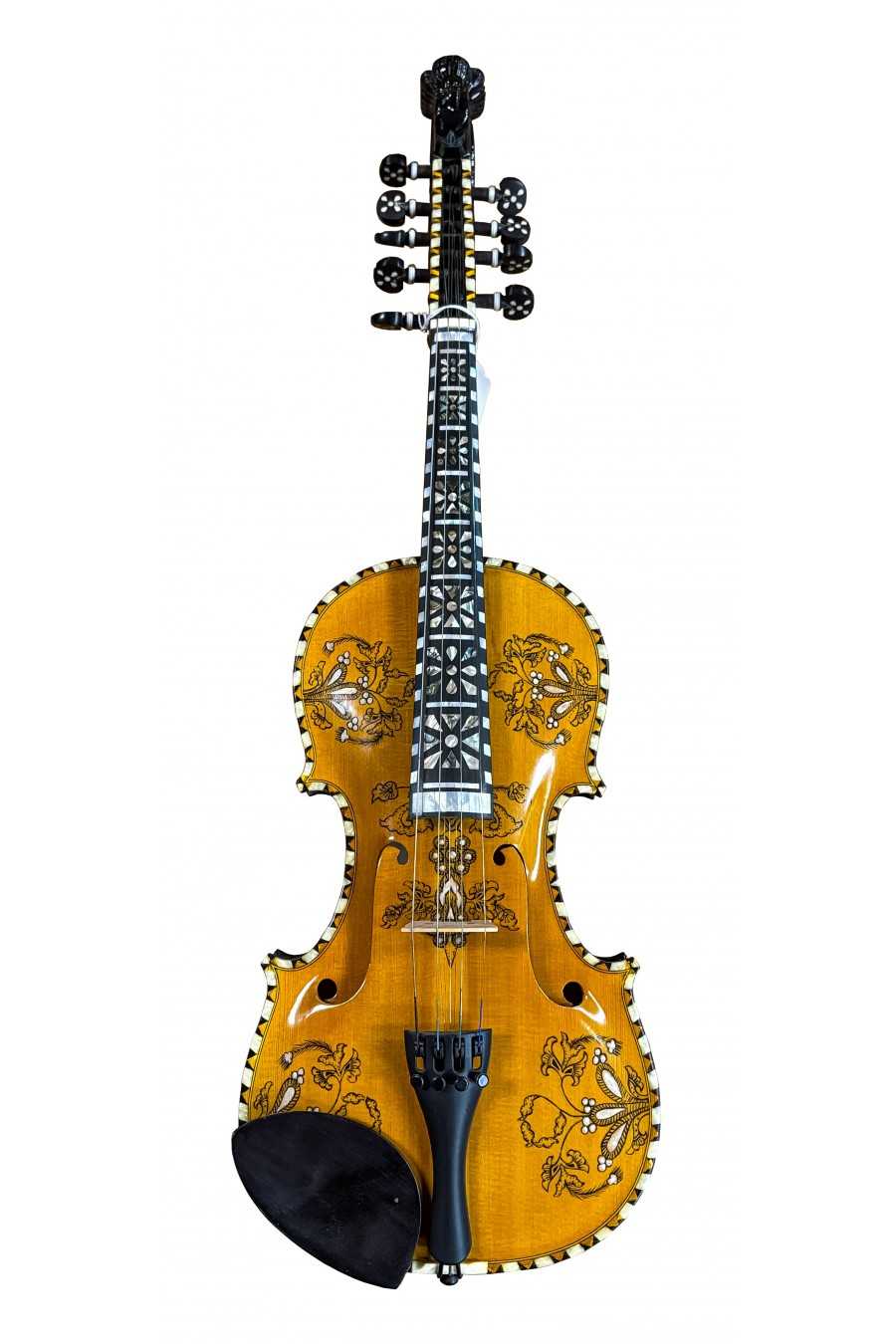
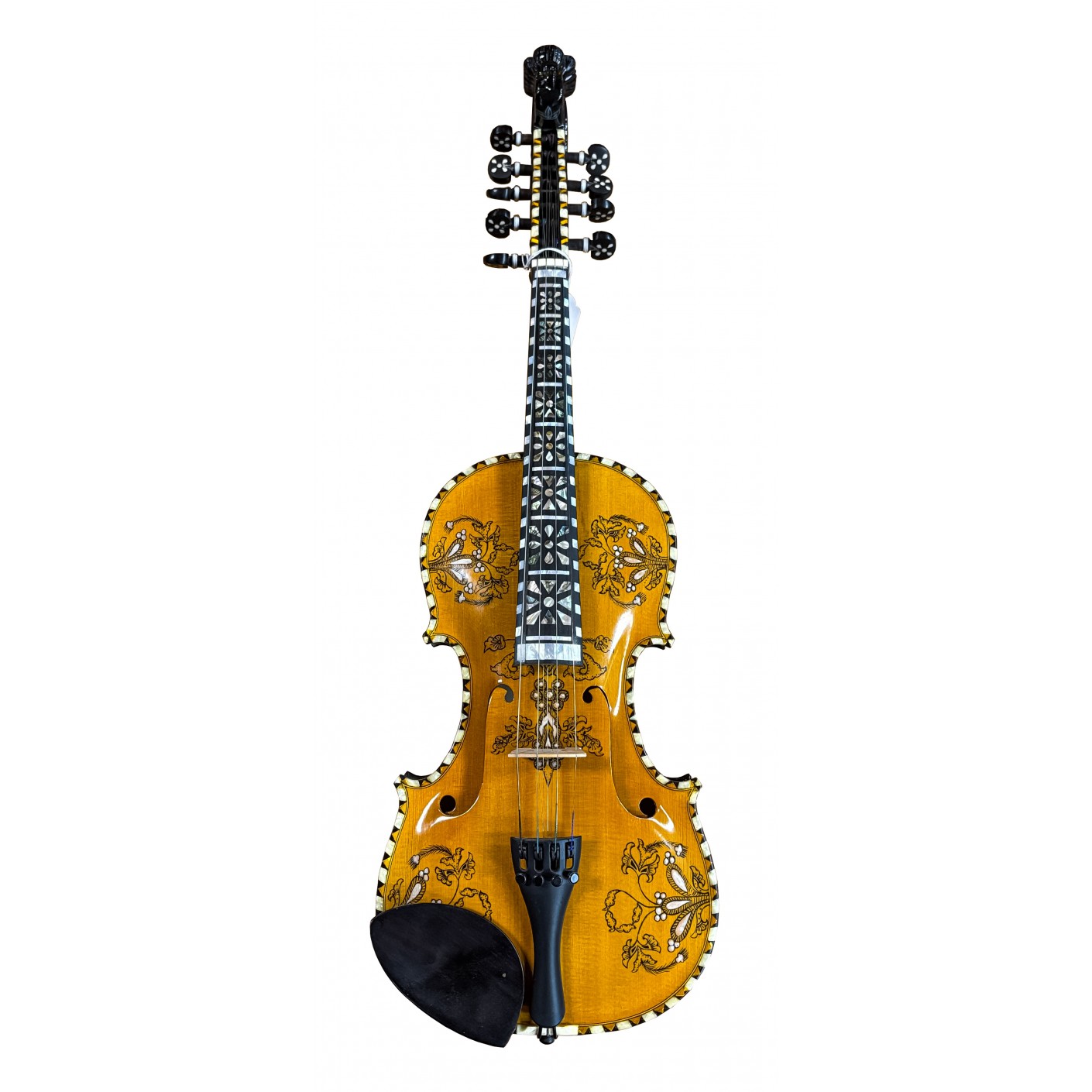
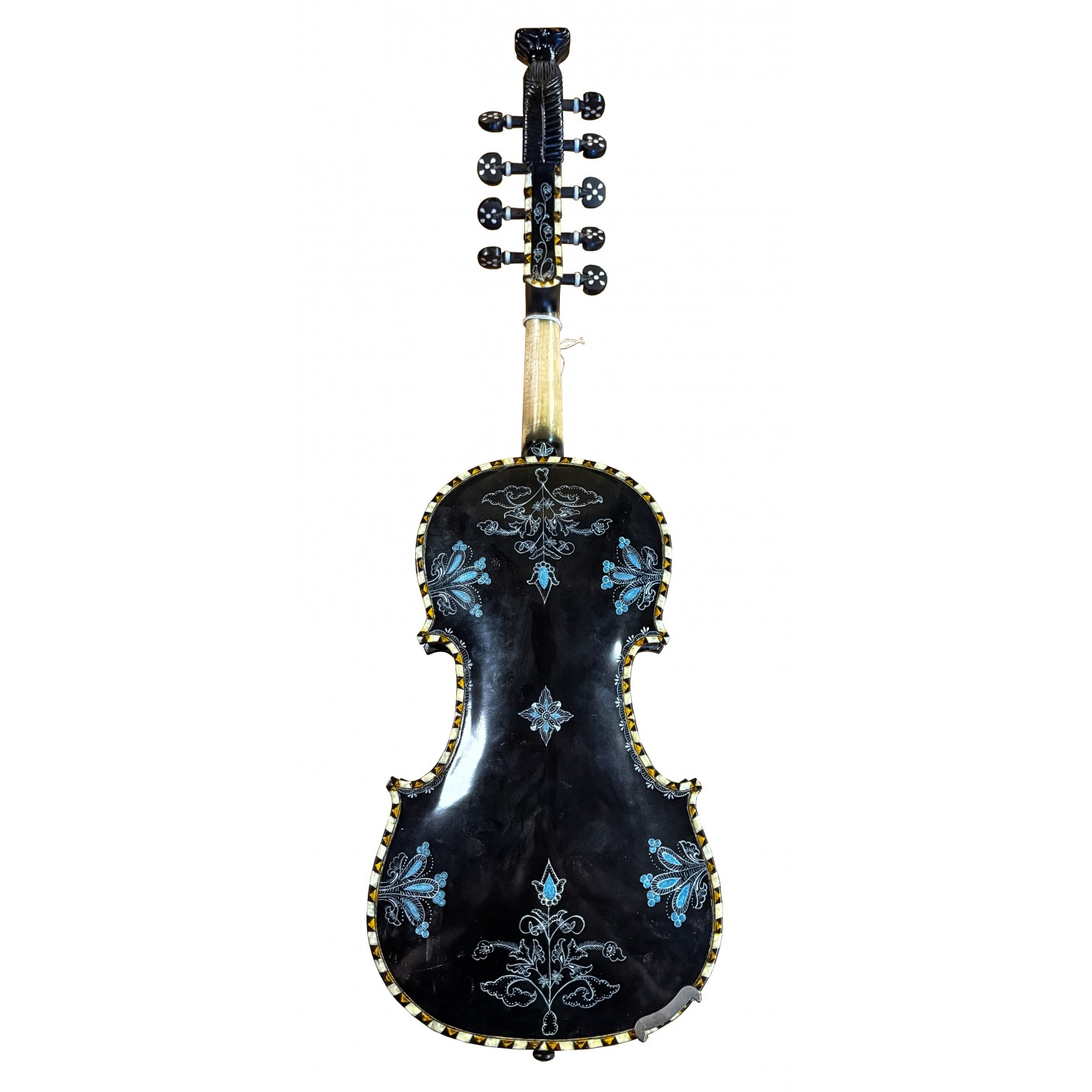
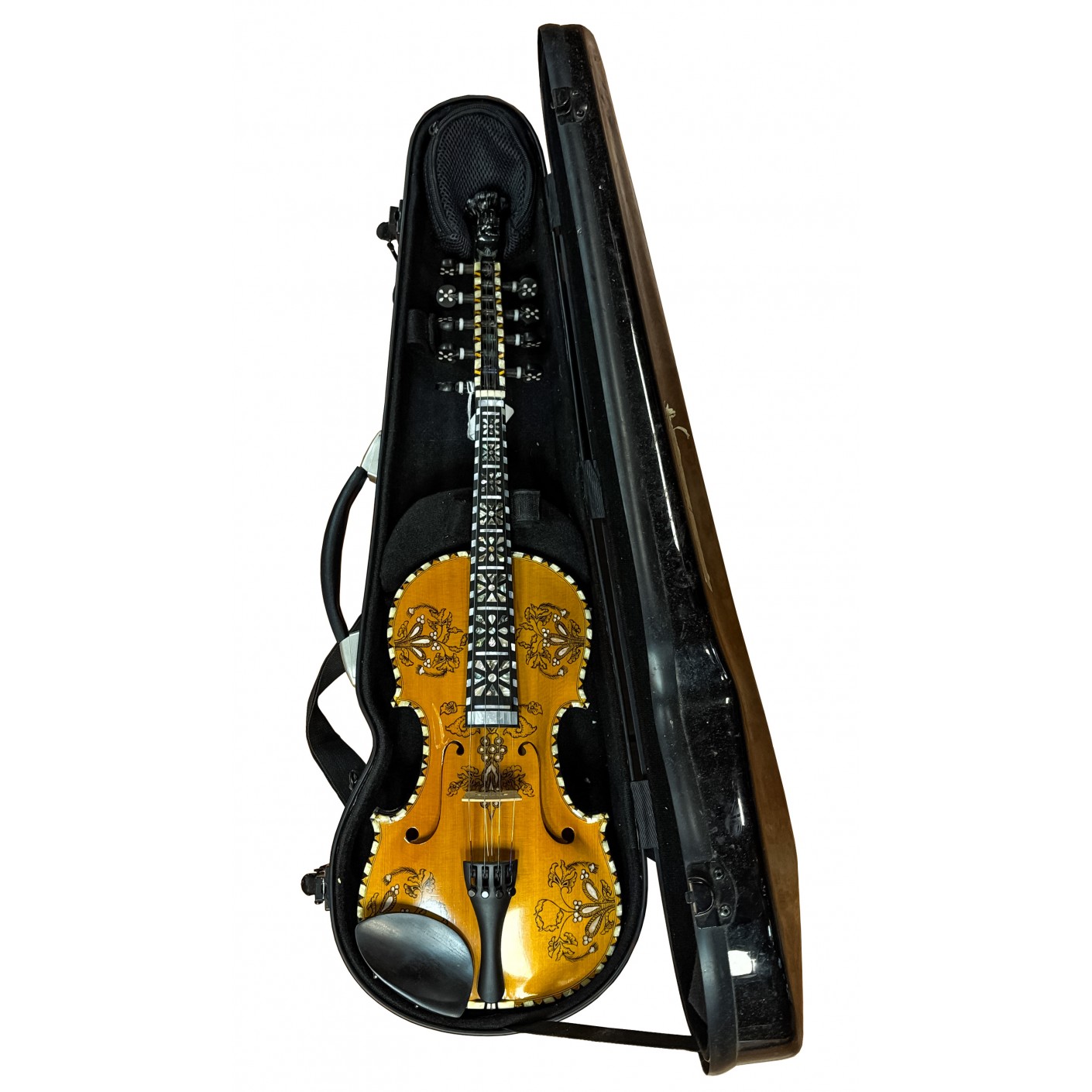
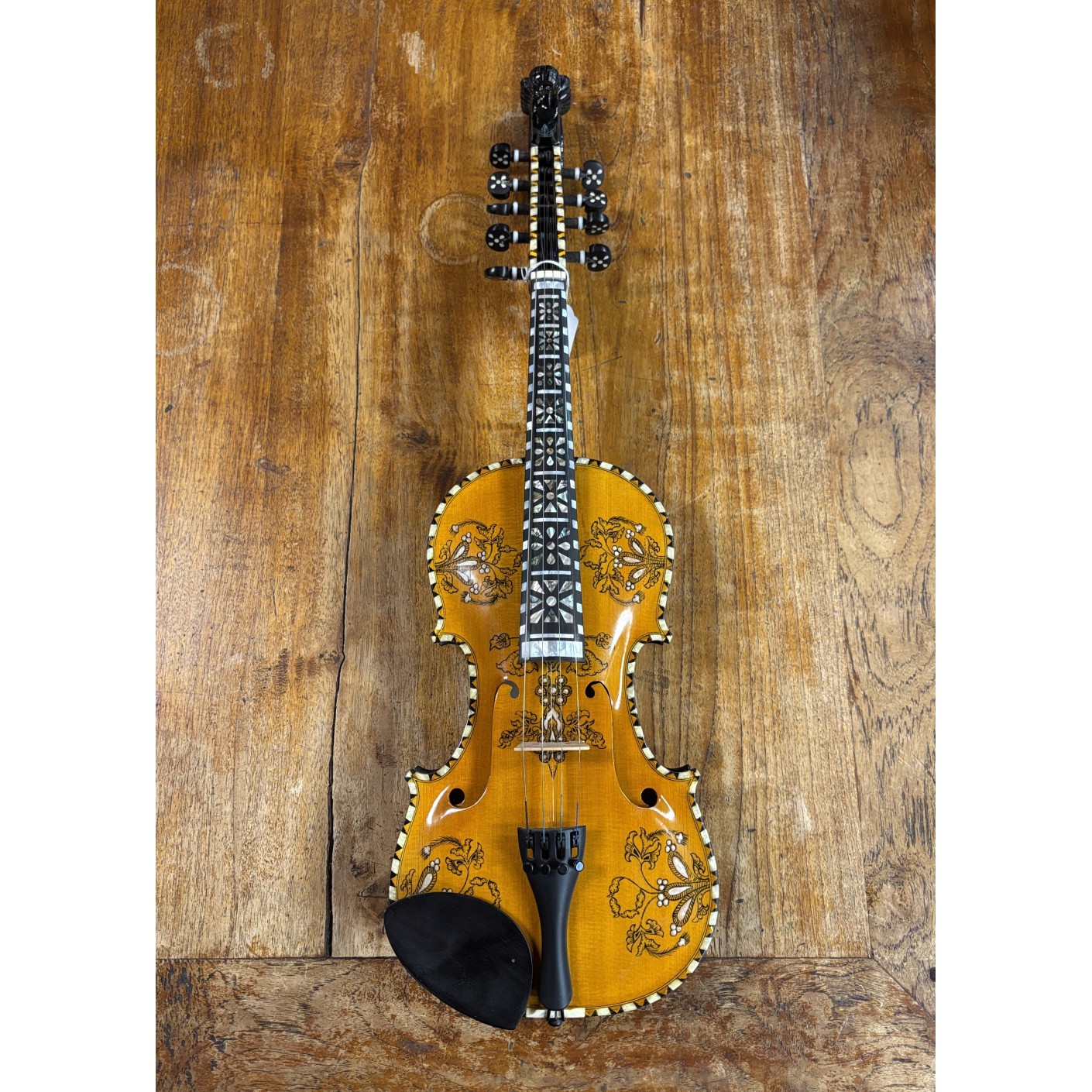
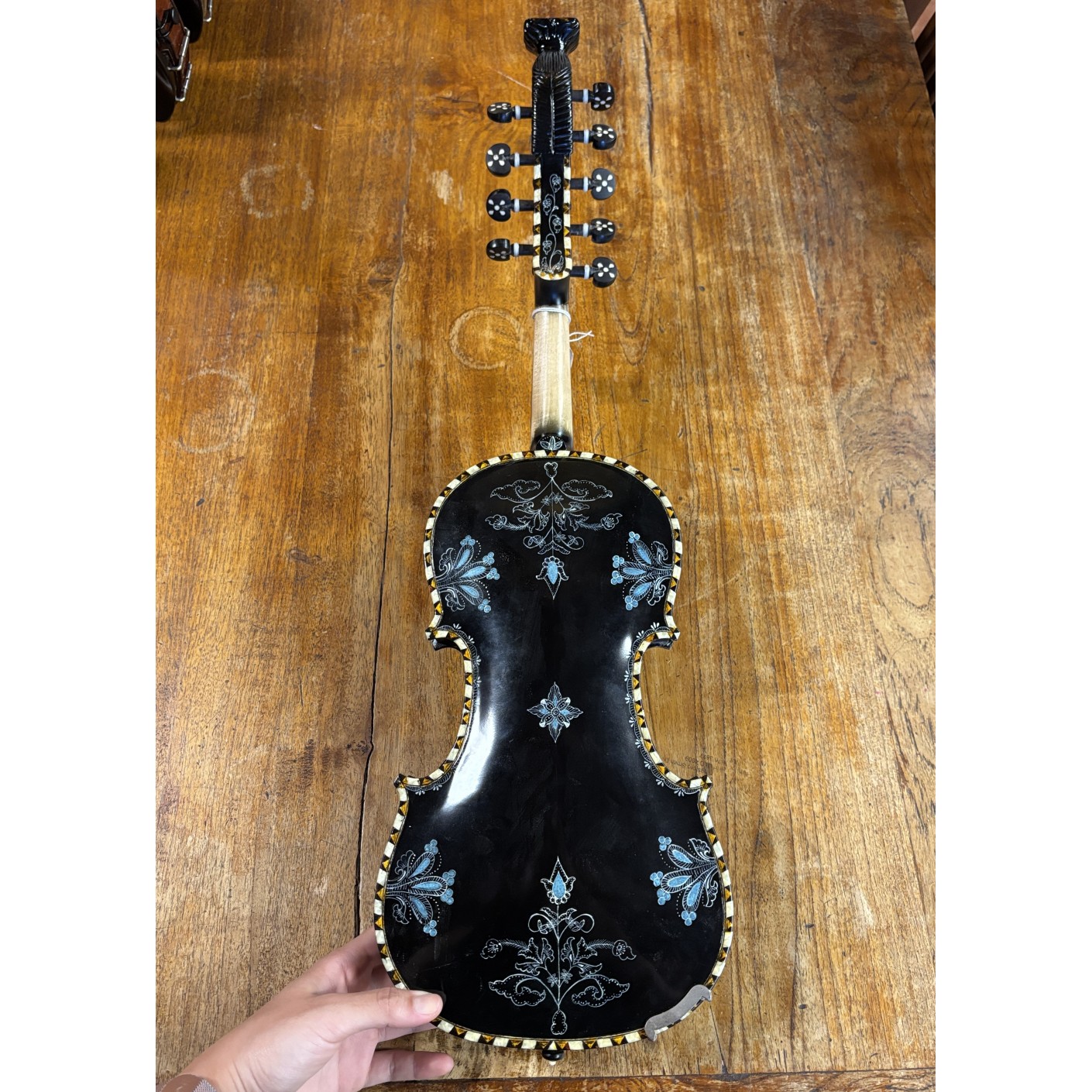
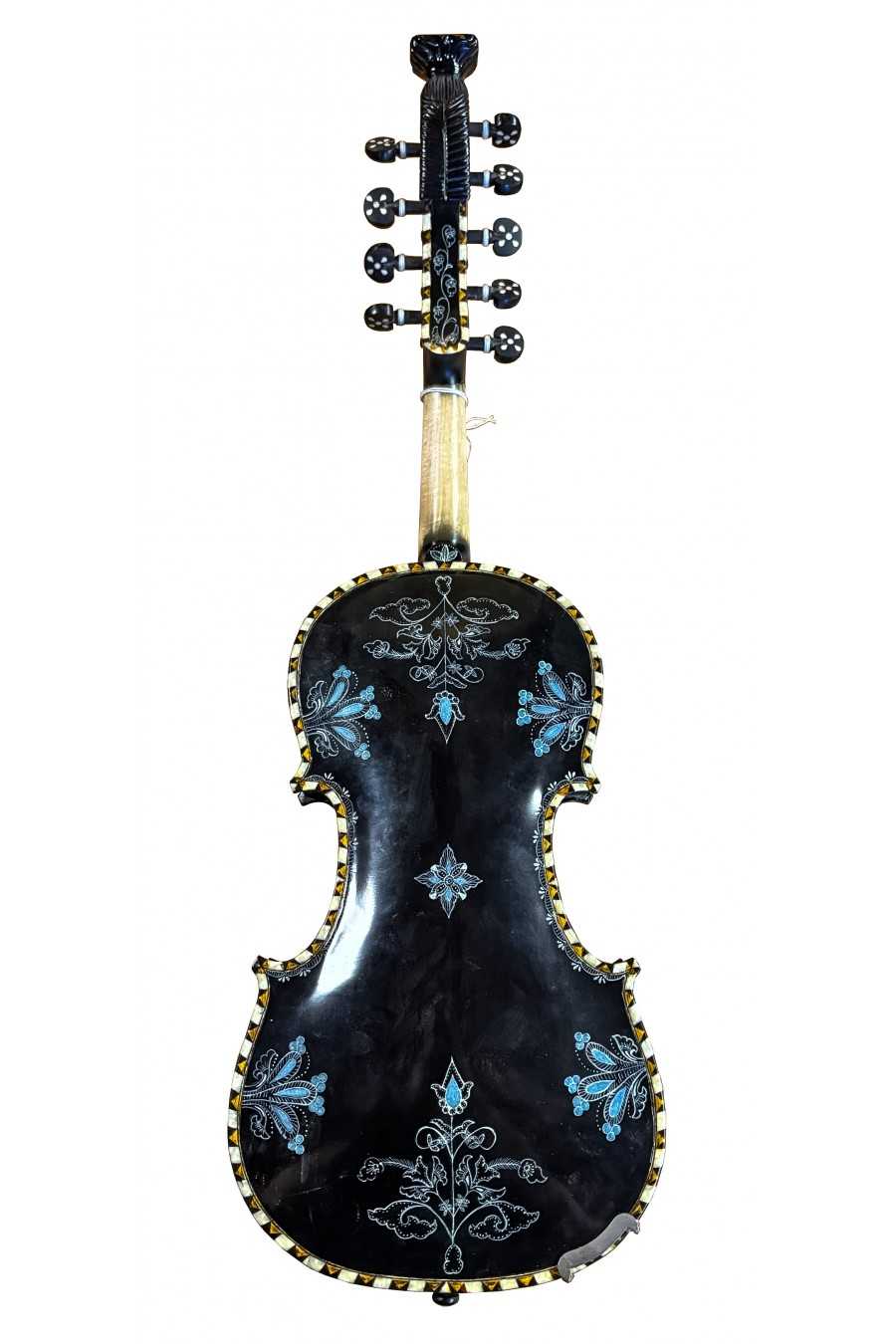
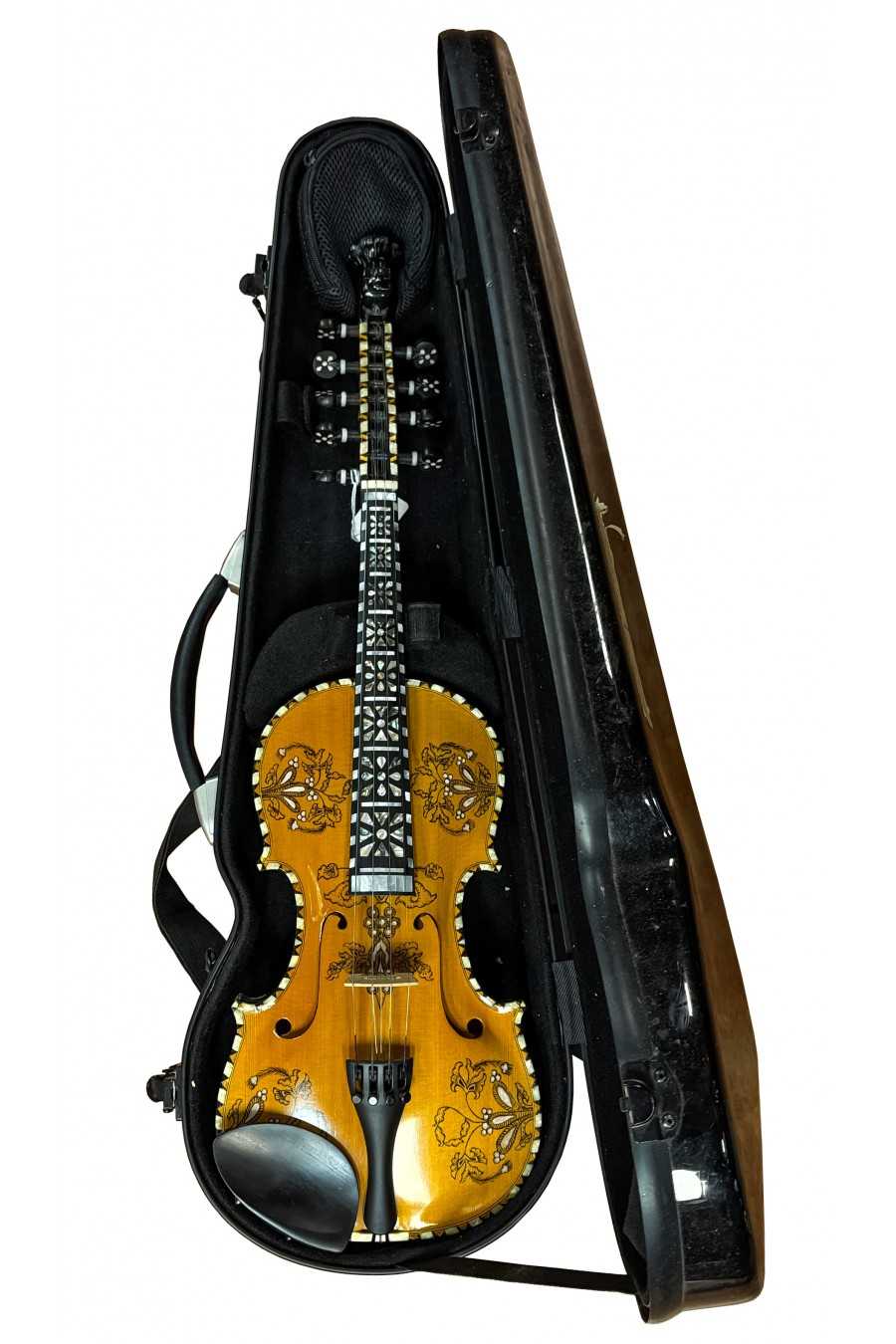
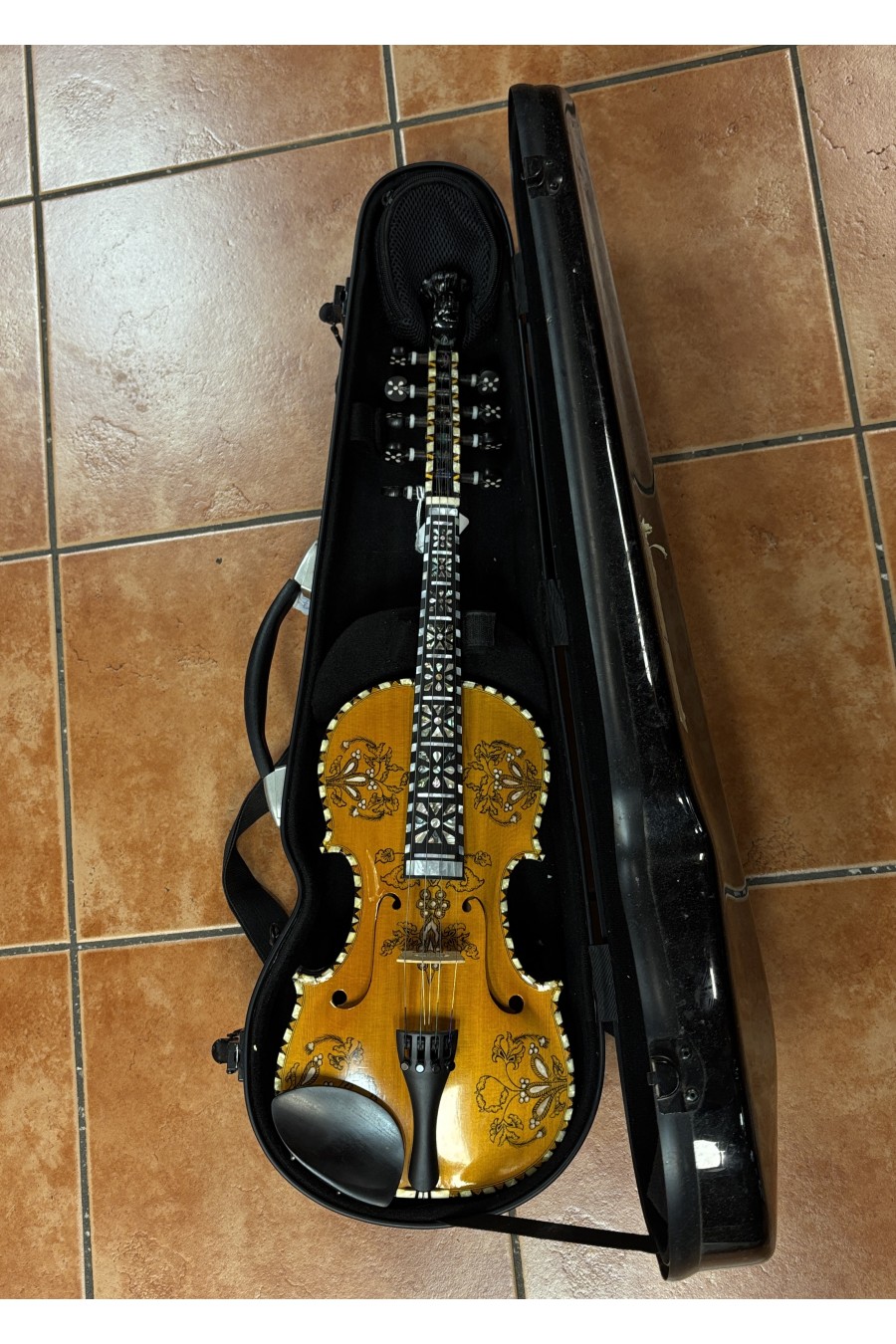
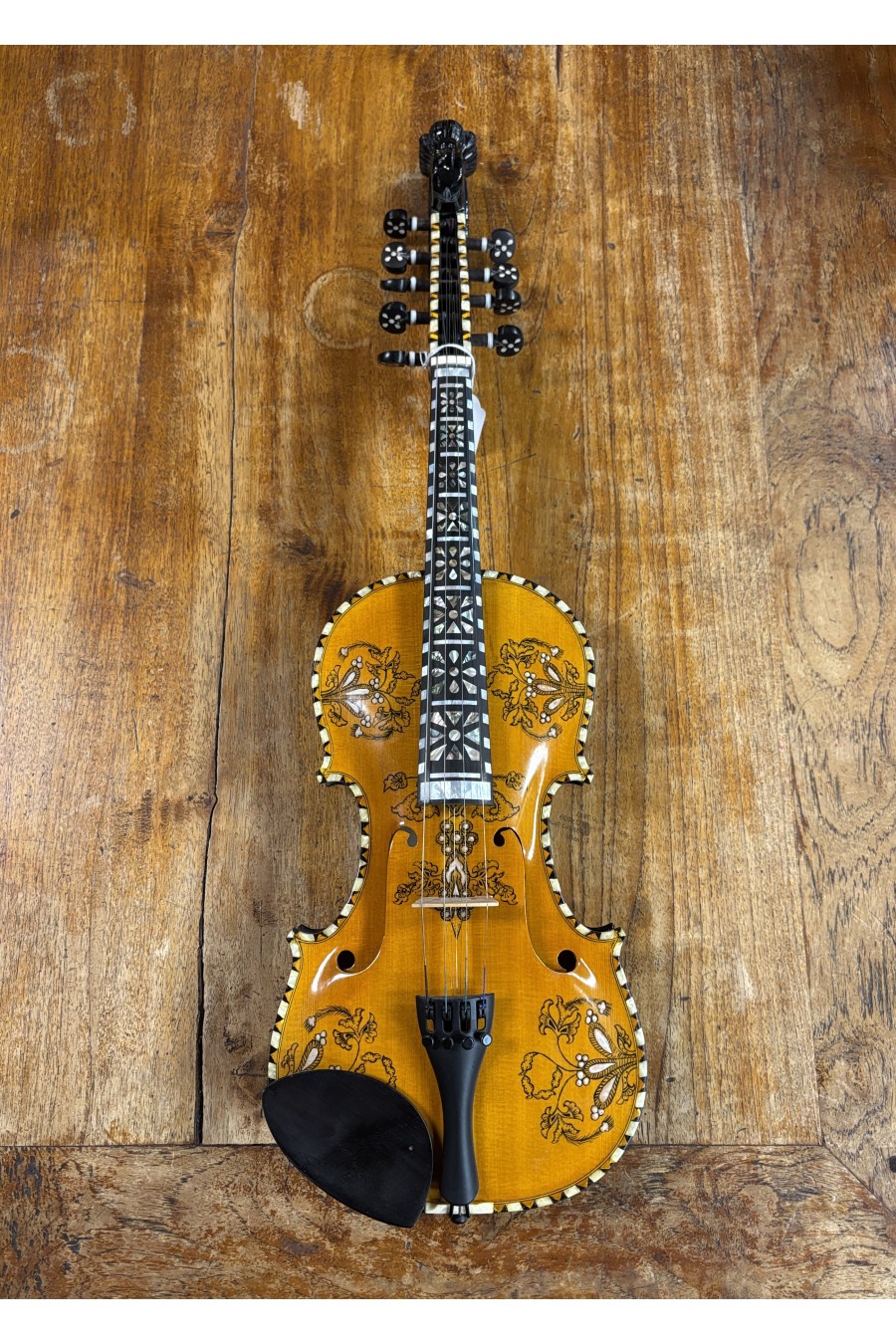
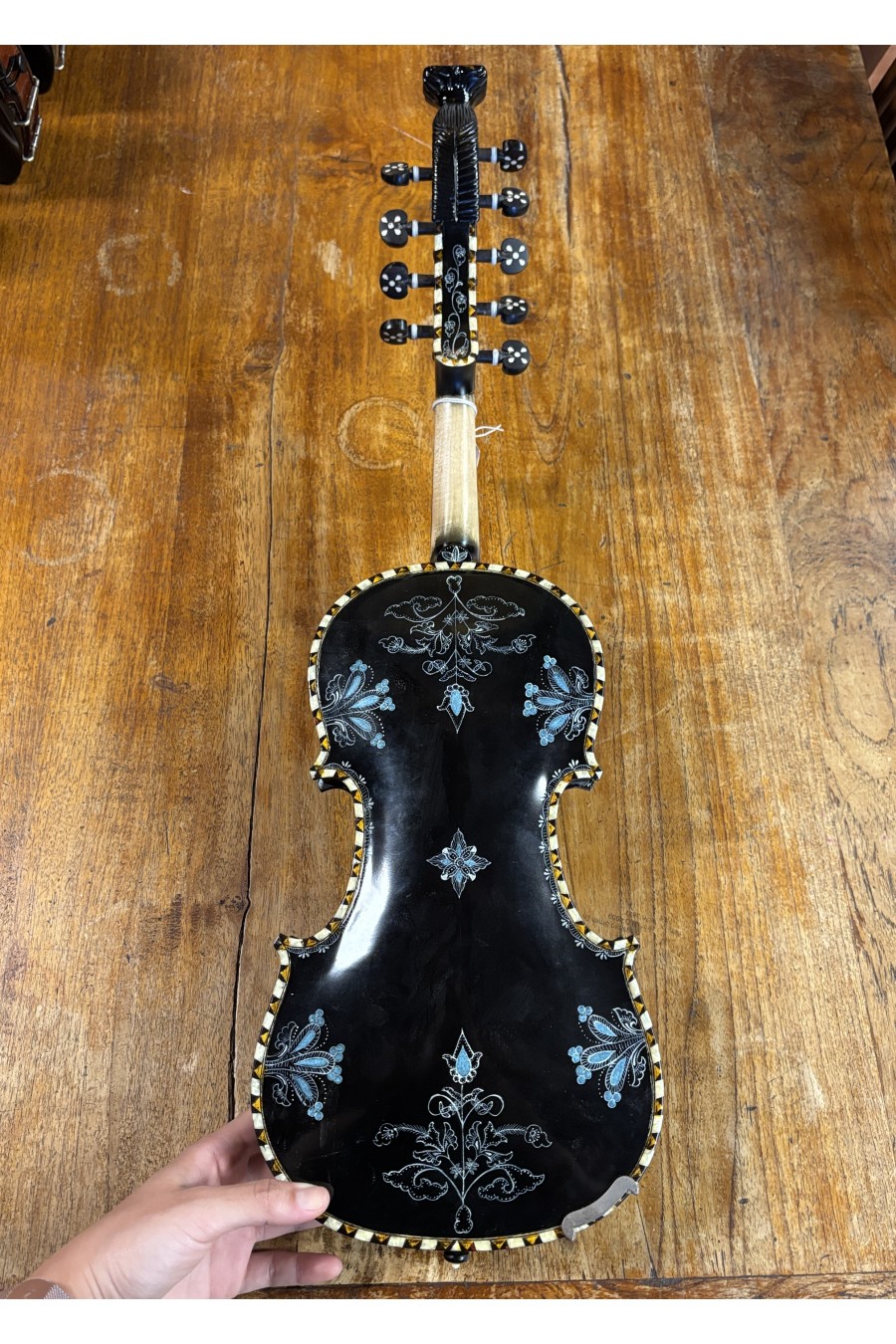
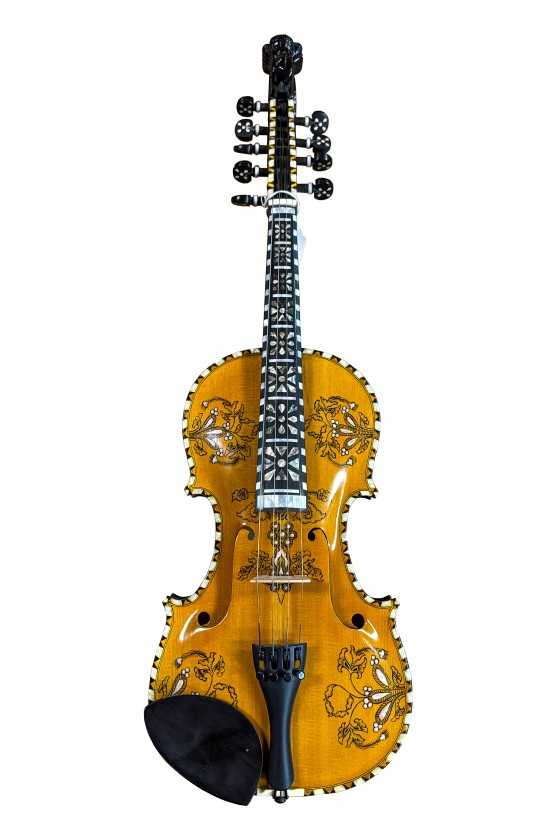
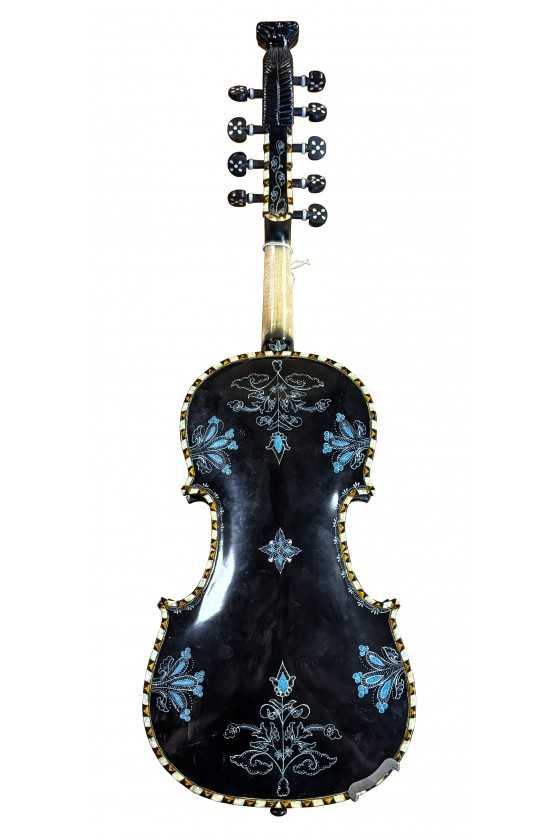
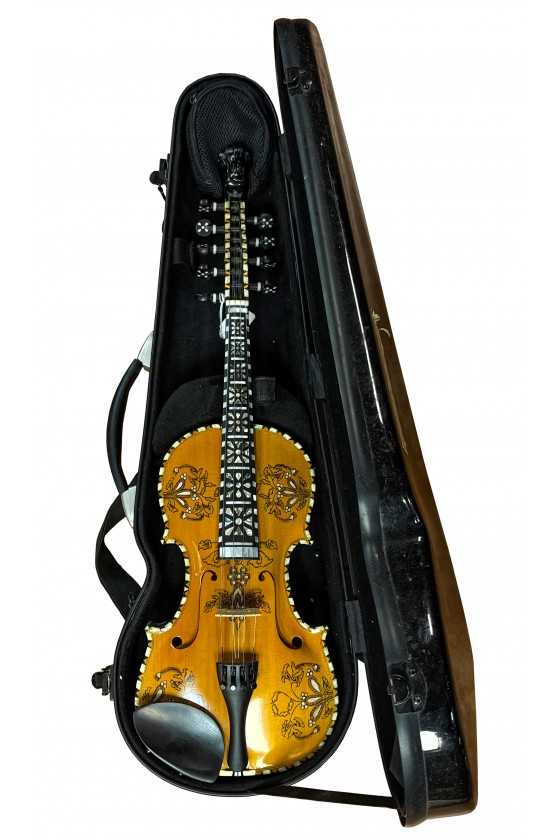
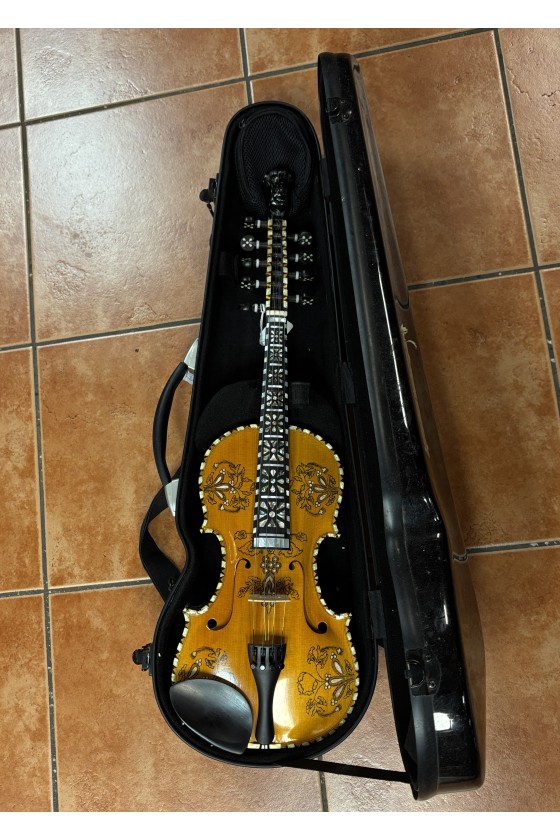
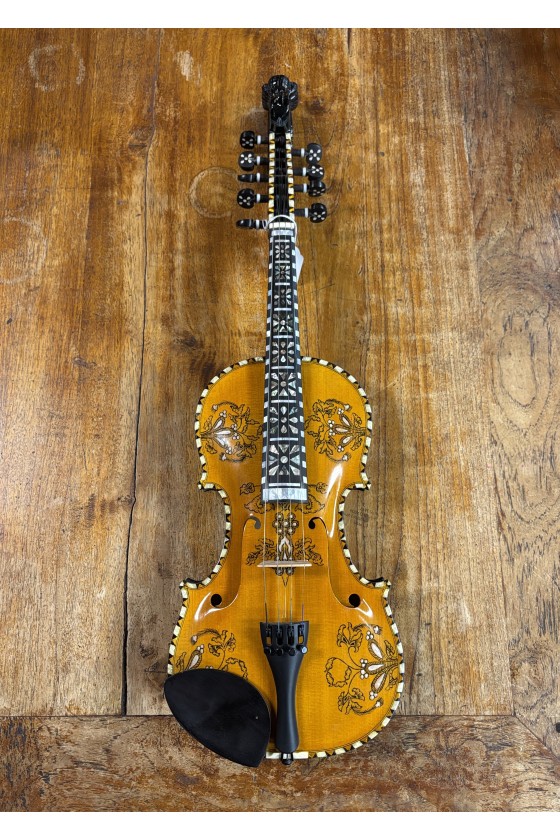
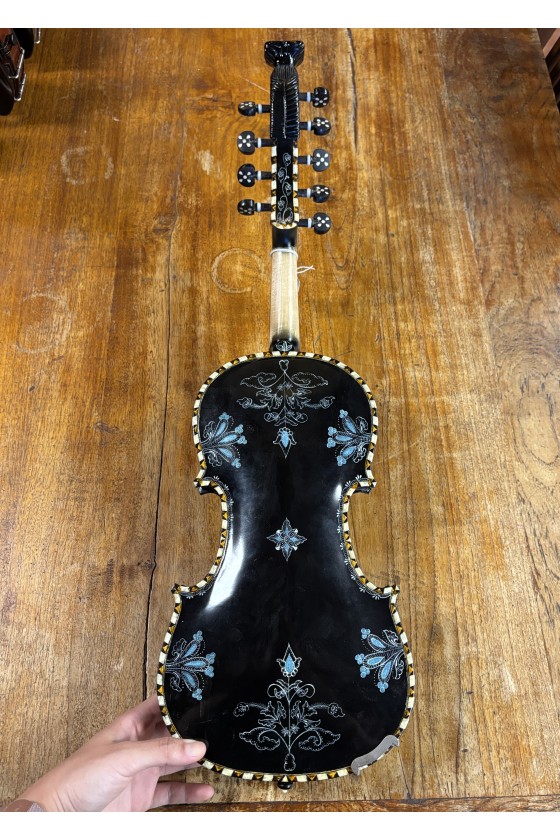
Norwegian folk violin music is primarily associated with the Hardanger fiddle, a national instrument with 8-9 strings, four of which are bowed and the rest are sympathetic strings that resonate and add overtones. This unique instrument is known for producing a polyphonic sound used in traditional dances and music, and it is often ornately decorated with carvings and inlay.
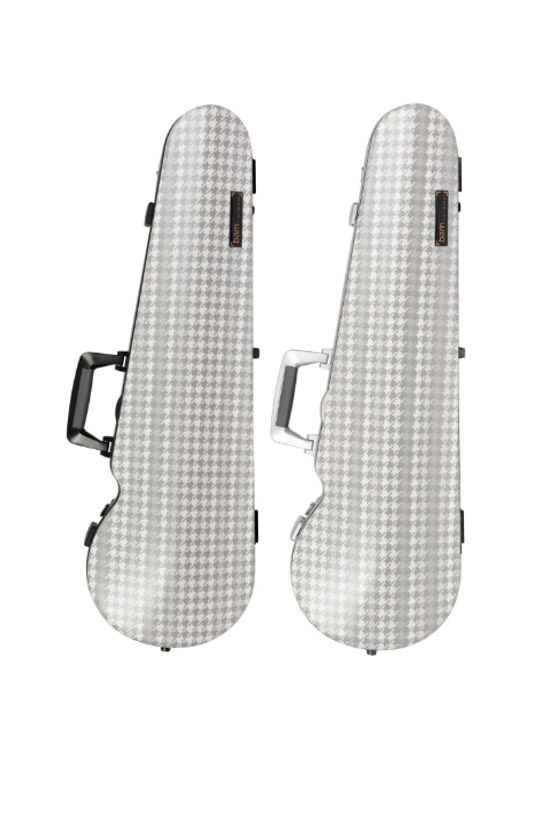
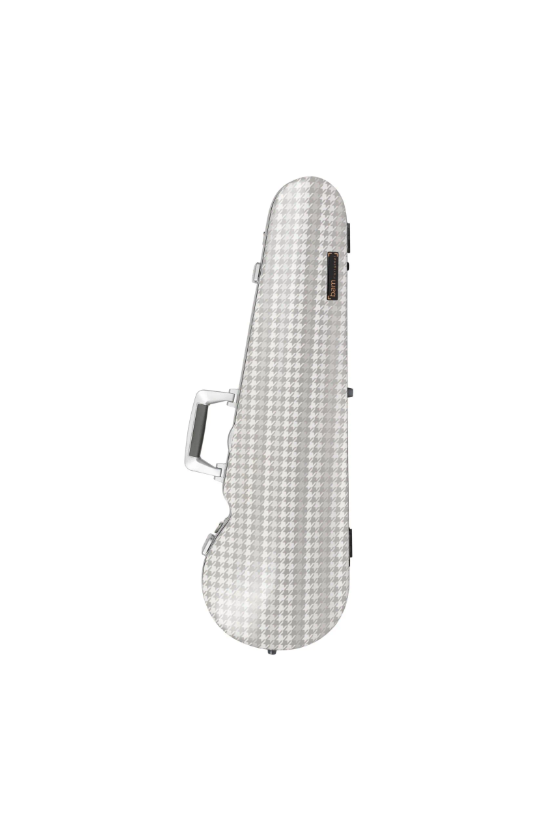
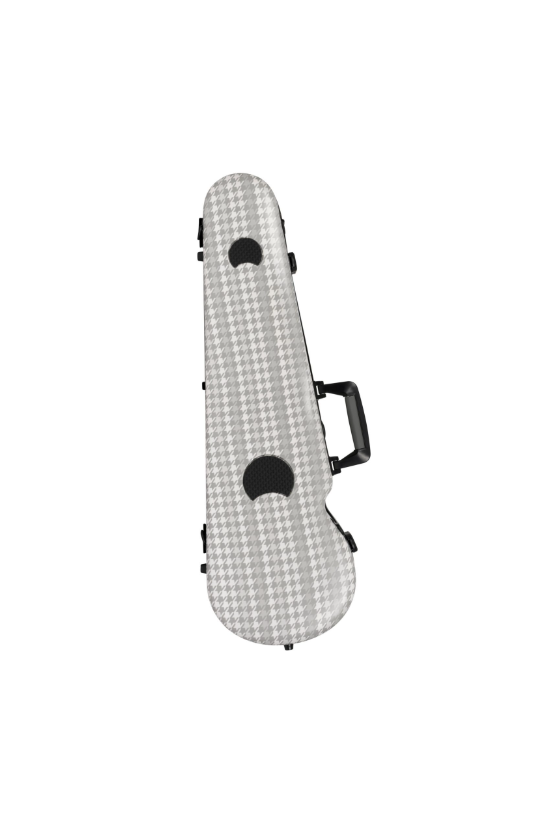
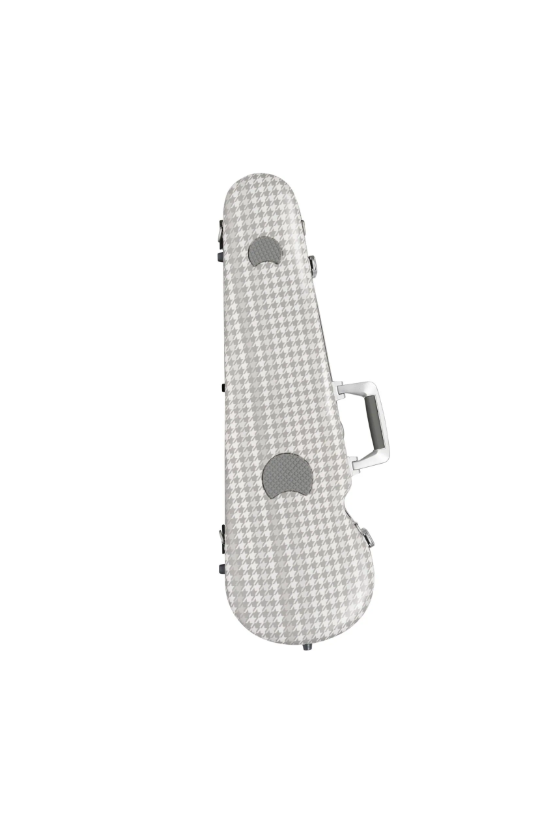
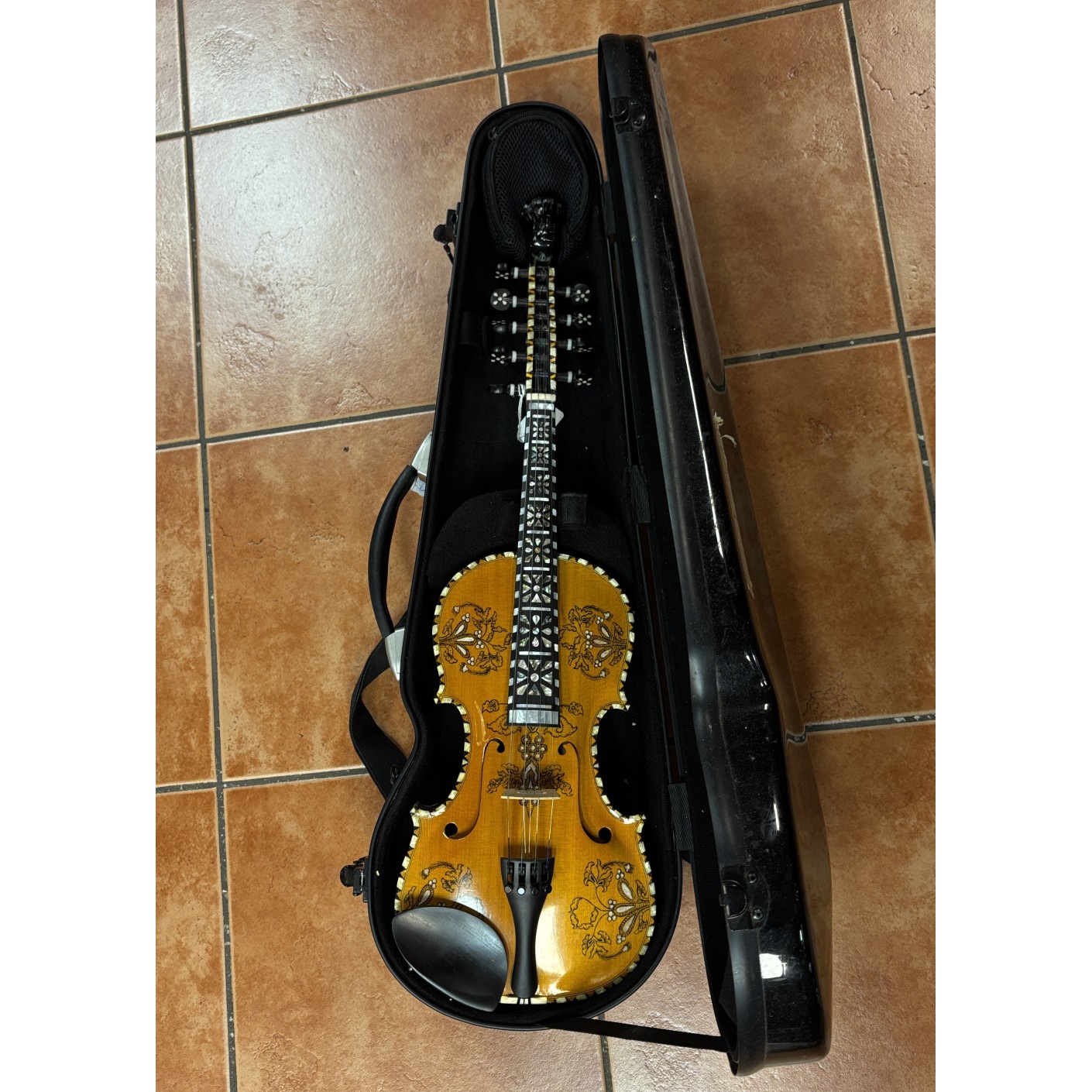
This Hardanger comes with a hard case.
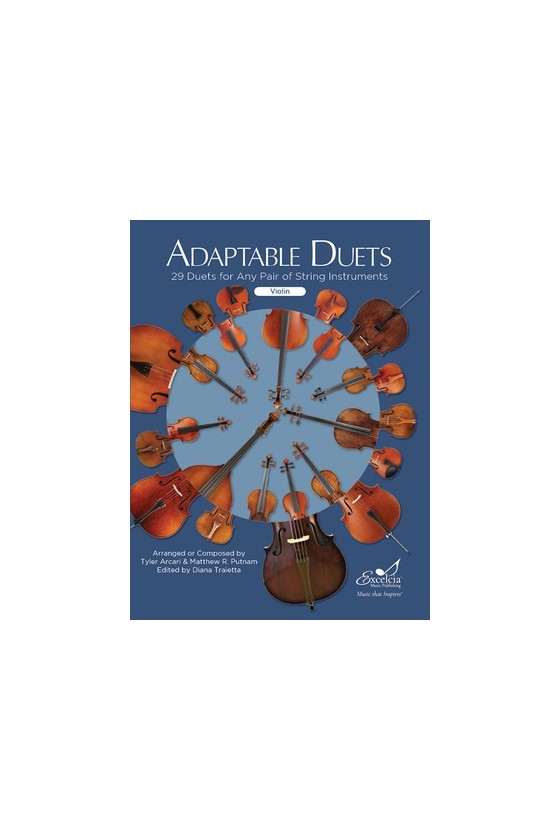
Adaptable Duets contains 29 newly-composed or arranged duets that can be flexibly used with any combination of string instruments, making them an instant favorite for the modern Orchestra room.
Improve your cello bowing technique! This book teaches string-crossing technique on the cello with open-string studies that allow you to focus on the right hand.
Through the use of staccato bowing to encourage precisely-timed string crossing, these cello studies can help you develop bow control, smooth and even string crossing, and a more beautiful tone.
This book could be followed by String Crossing for the Cello, Book Two, which uses double stops to work on balance between two strings as a fundamental principle behind string crossing.
Paganini - Variations for One String on a theme from Rossini's Mose in Egitto - for String Bass and Piano
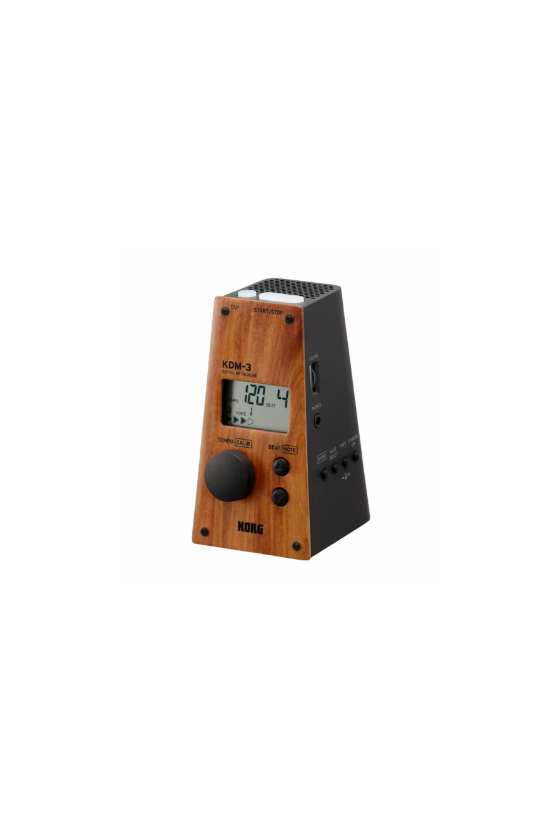
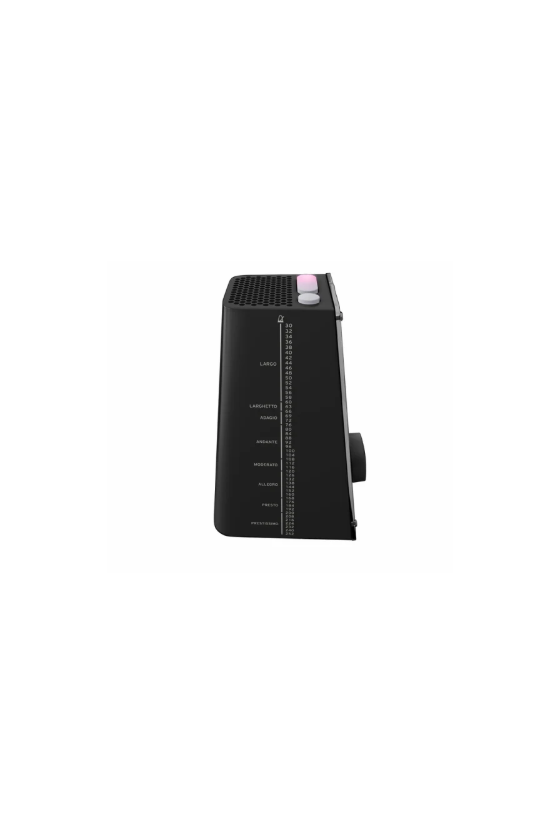
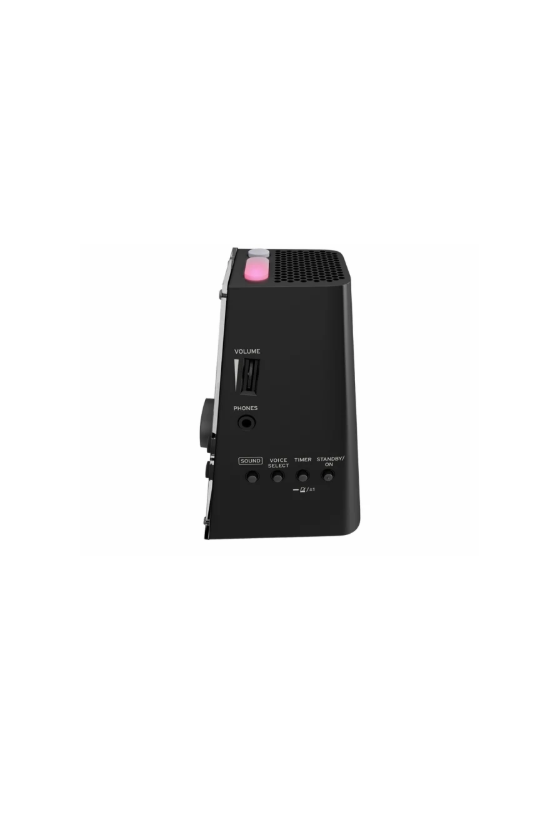
The KDM-3 is well-known for its powerful, easily-heard sound and compact size.
• Stylish mechanical metronome design.
• Eight metronome sounds
• Nineteen beat patterns
• Easy one-touch operation
• Easily-readable display.
• Three types of tempo settings
• Sound Out mode
• Timer mode
• Memory Backup function
• Auto Power-Off function
• Long-life design
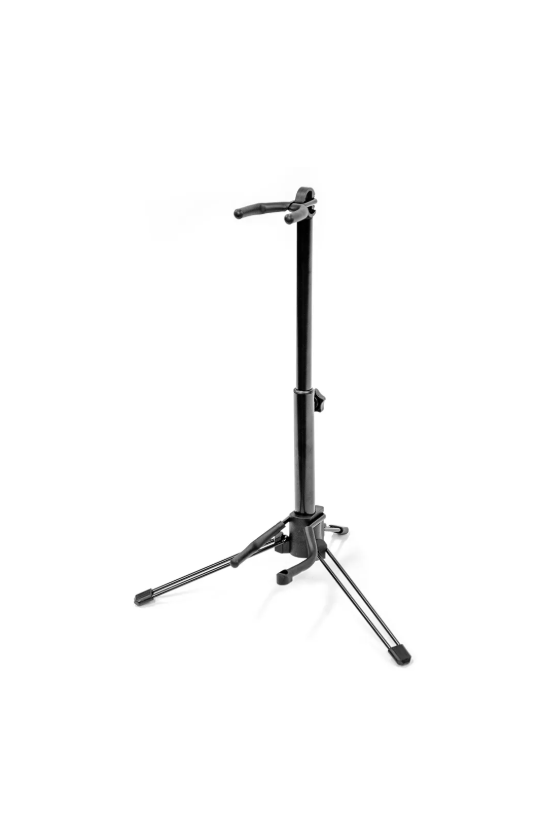
Tripod stand for ukuleles, violins and violas
Black. Adjustable
This brilliant selection of ancient pieces is arranged by Edward Huws Jones for intermediate level violin with simple piano accompaniment.