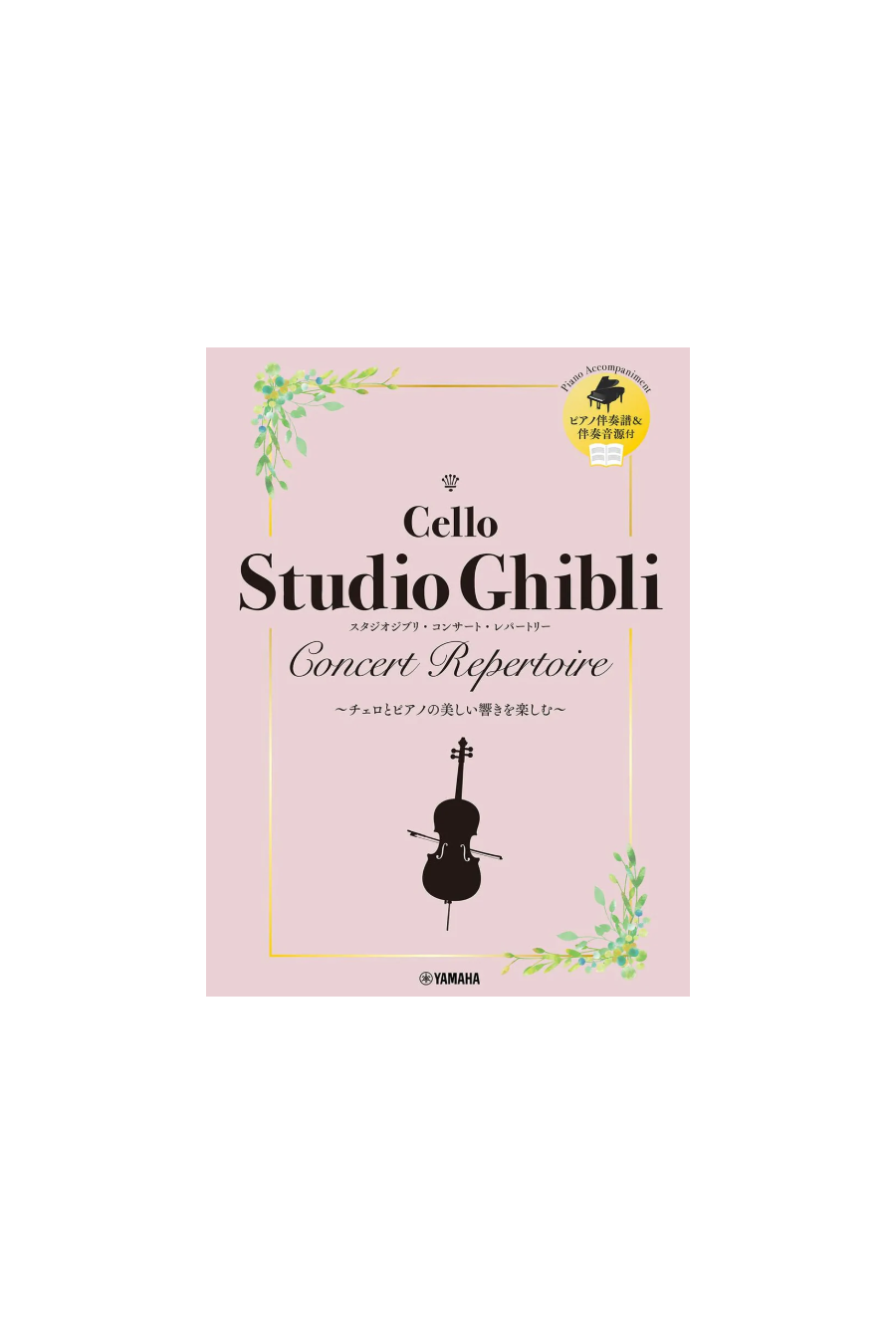
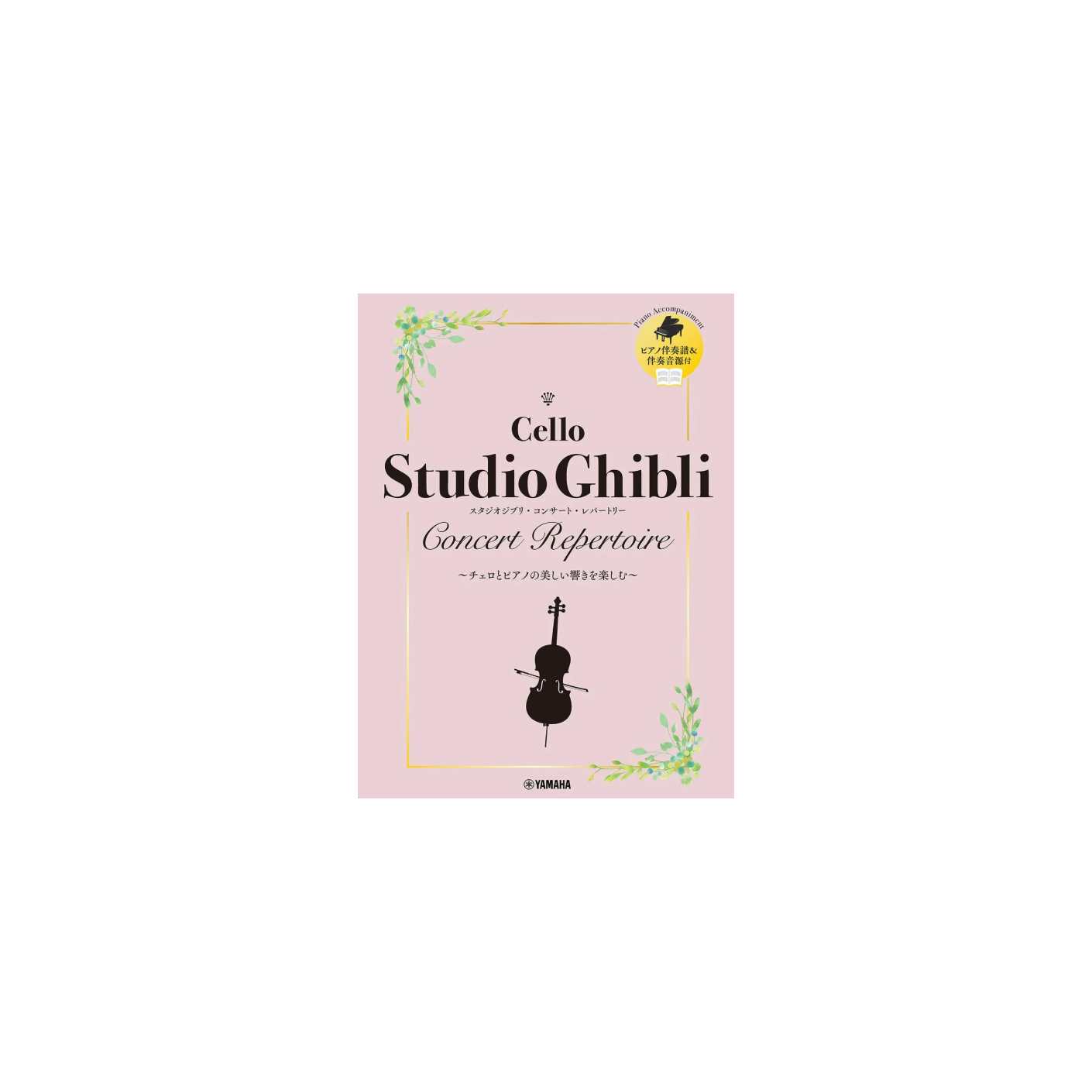
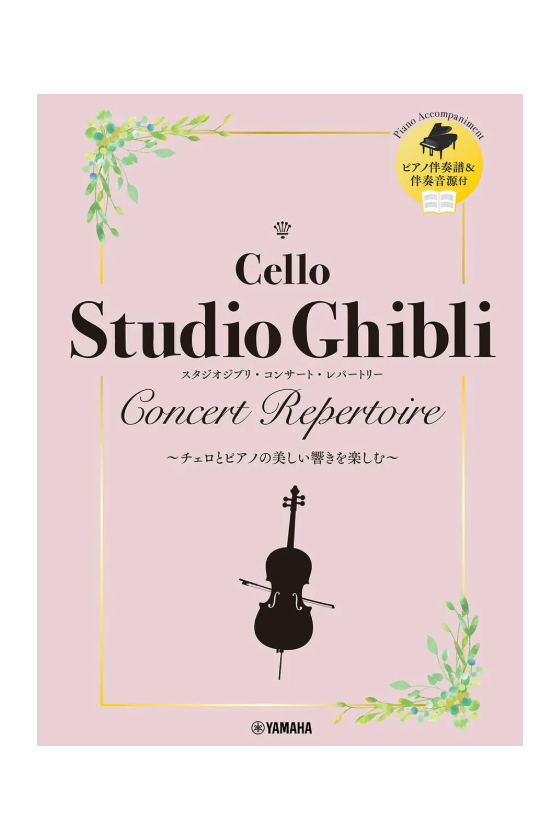
esigned for upper-intermediate soloists, the series blends classical and jazz styles, making it suitable for recitals and professional engagements. Each book includes:
Solo Part & Piano Accompaniment: Full scores for both the solo instrument and piano.
QR Code Access: Scanning the codes provides instant access to YouTube videos of the piano accompaniment, facilitating effective home practice.
15 Unique pieces set across the Studio Ghibli universe.
Written primarily in Japanese with English translations
The Bird Man (Ending Theme from Nausicaä of the Valley of the Wind)
Castle in the Sky
Carrying You
My Neighbor Totoro
The Path of the Wind
A Town with an Ocean View
Princess Mononoke
The Legend of Ashitaka
Merry-Go-Round of Life
Reprise
Mother Sea
The Bygone Days
Summer of Farewells (From Up on Poppy Hill)
Yasashisani Tsutsumaretanara (If Enclosed by Kindness)
Spinning Globe (The Boy and the Heron)
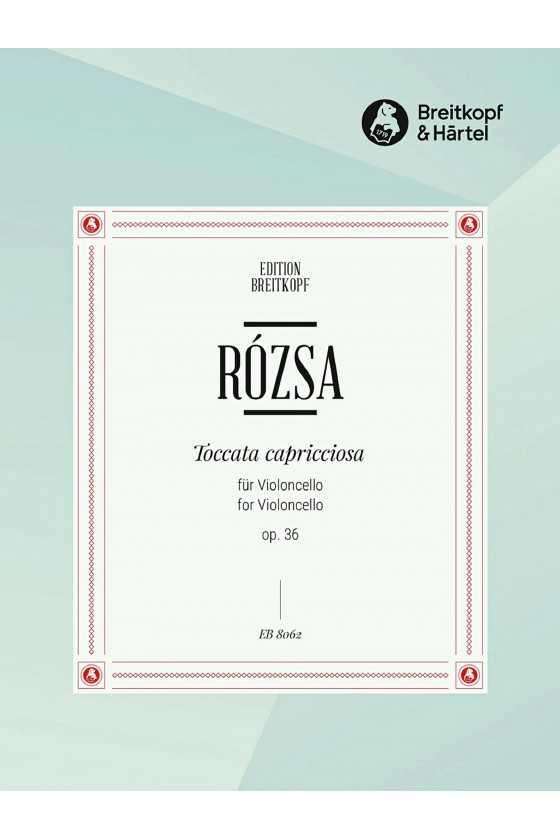
The Toccata capricciosa op. 36 is a solo instrument work by Miklós Rózsa. It is a radical departure from his monumental film scores, with a maximum scoring reduction to bring back pure music. The piece was dedicated to Gregor Piatigorsky, follows an ABA' form, and contrasts virtuosic and furioso outbursts with a lyrical and almost meditative section. The tonal centre of the piece remains recognizable as D minor.
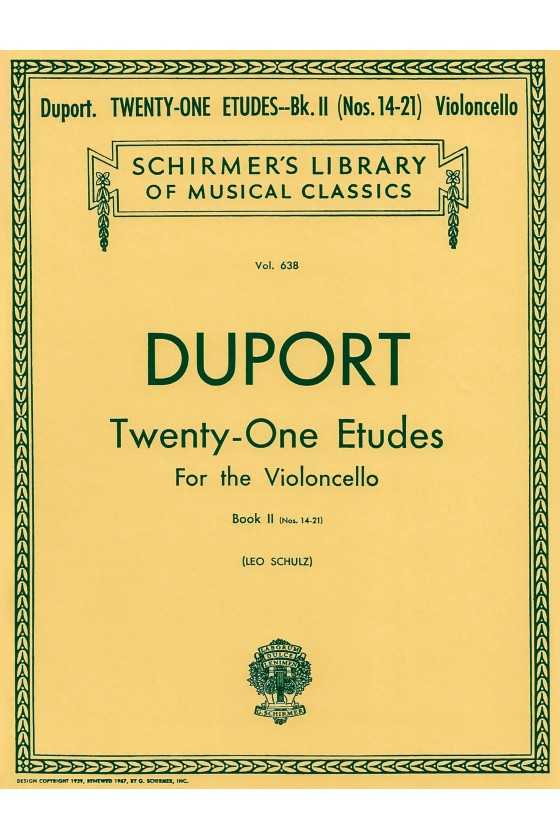
This is Book 2 of Duport’s 21 etudes series, edited and fingered by Leo Schulz. It follows Book 1 and comprises episodes 14-21, designed to improve finger agility and bowing techniques of intermediate to advanced cellists.
Jean-Louis Duport, a renowned cellist, published “21 Etudes for Violoncello” in 1806, which became the fundamental reference point for cello teaching. The exercises have artistic value and are highly challenging. This recording is played with original instruments and historical bows, following precise philological criteria. It is a must-listen for cello enthusiasts and anyone interested in Classical era France.
A collection of 10 magical pieces from the highly-regarded Ghibli studio, arranged by Hideo Shimazu. It includes a violin and piano score (38 pg) and a separate violin solo part score (16 pg).