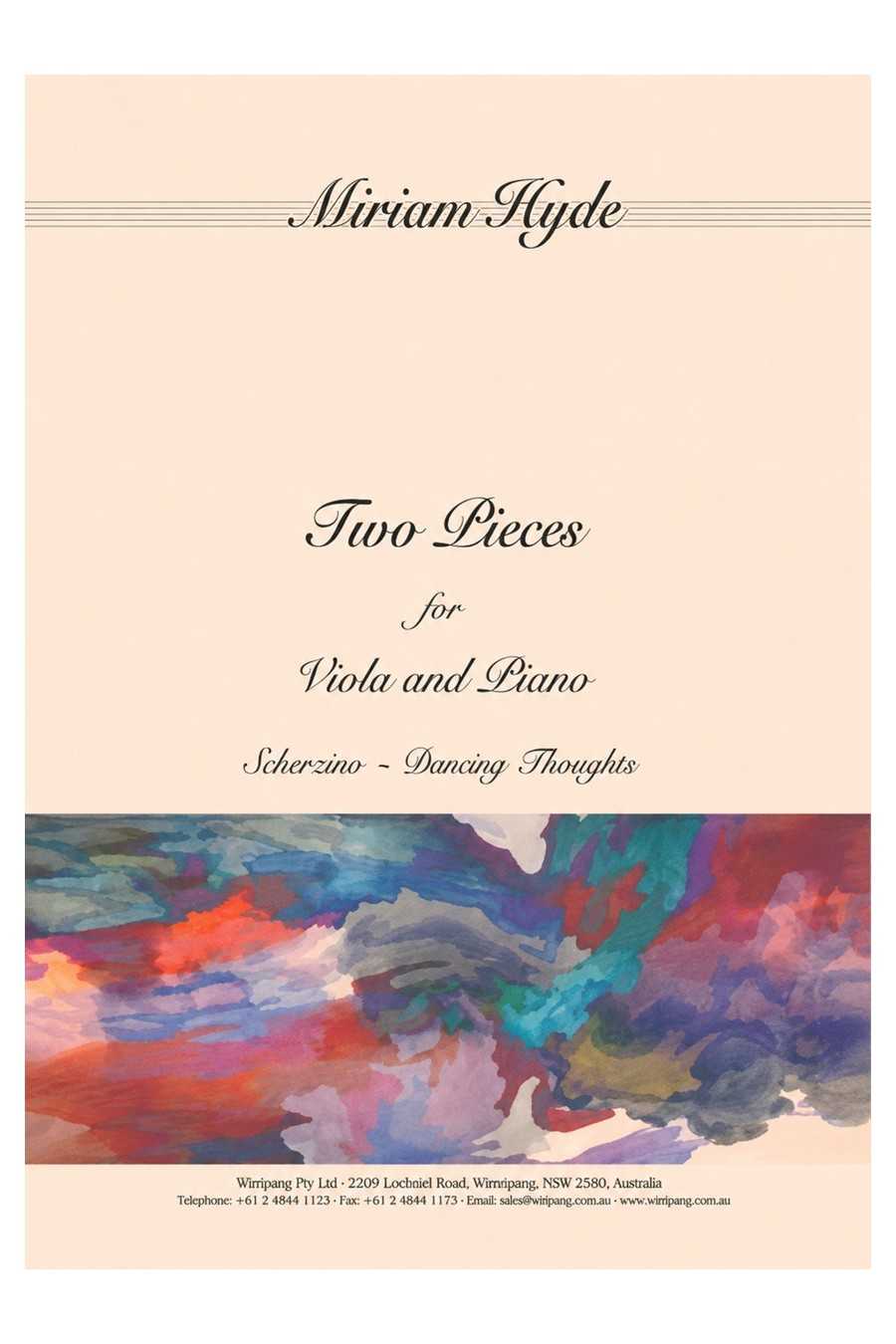
Two Pieces by Miriam Hyde is a charming collection for viola and piano featuring the contrasting miniatures Passing Thoughts and Scherzino. Blending lyrical expression with playful energy, these beautifully crafted works provide rewarding repertoire for intermediate and advanced violists preparing for recitals, examinations, conservatory study, and chamber music performance.
Key Features:
• Music by Miriam Hyde
• Two Pieces for viola and piano
• Includes Passing Thoughts and Scherzino
• Composed in 1946
• Dedicated to Helen Bainton
• Suitable for intermediate and advanced violists
• Develops tone, phrasing, articulation, and ensemble musicianship
• Ideal for recitals, examinations, conservatory study, and masterclasses
• Highlights Miriam Hyde's lyrical twentieth-century style
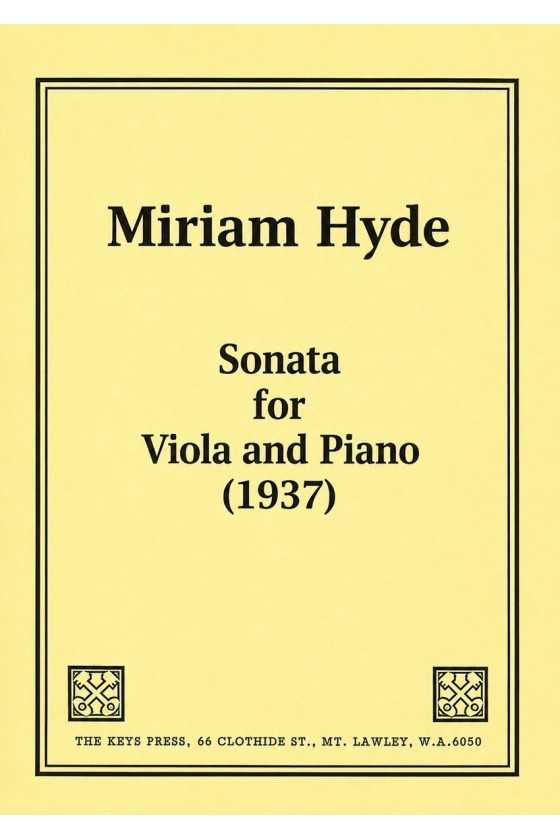
Sonata for Viola and Piano (1937) by Miriam Hyde is a lyrical twentieth-century chamber work that blends Romantic warmth with refined modern harmonies. Written for viola and piano, this expressive three-movement sonata is an excellent choice for intermediate and advanced performers seeking distinctive repertoire for recitals, conservatory study, examinations, and chamber music performance.
Key Features:
• Music by Miriam Hyde
• Sonata for Viola and Piano (1937)
• For viola and piano
• Three-movement twentieth-century sonata
• Composed in 1937
• Richly lyrical and expressive chamber repertoire
• Suitable for intermediate and advanced violists
• Develops tone, phrasing, ensemble playing, and musical interpretation