
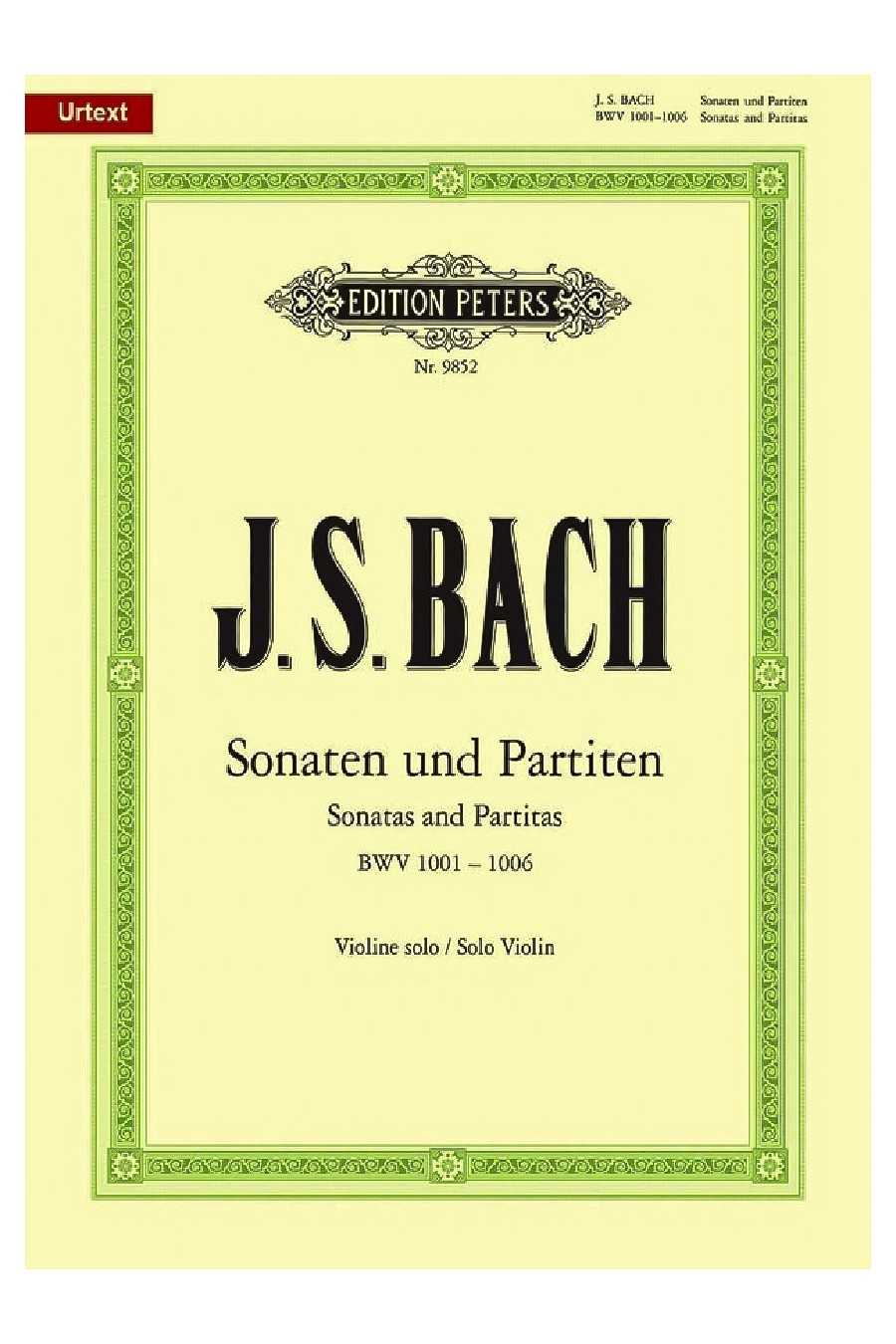
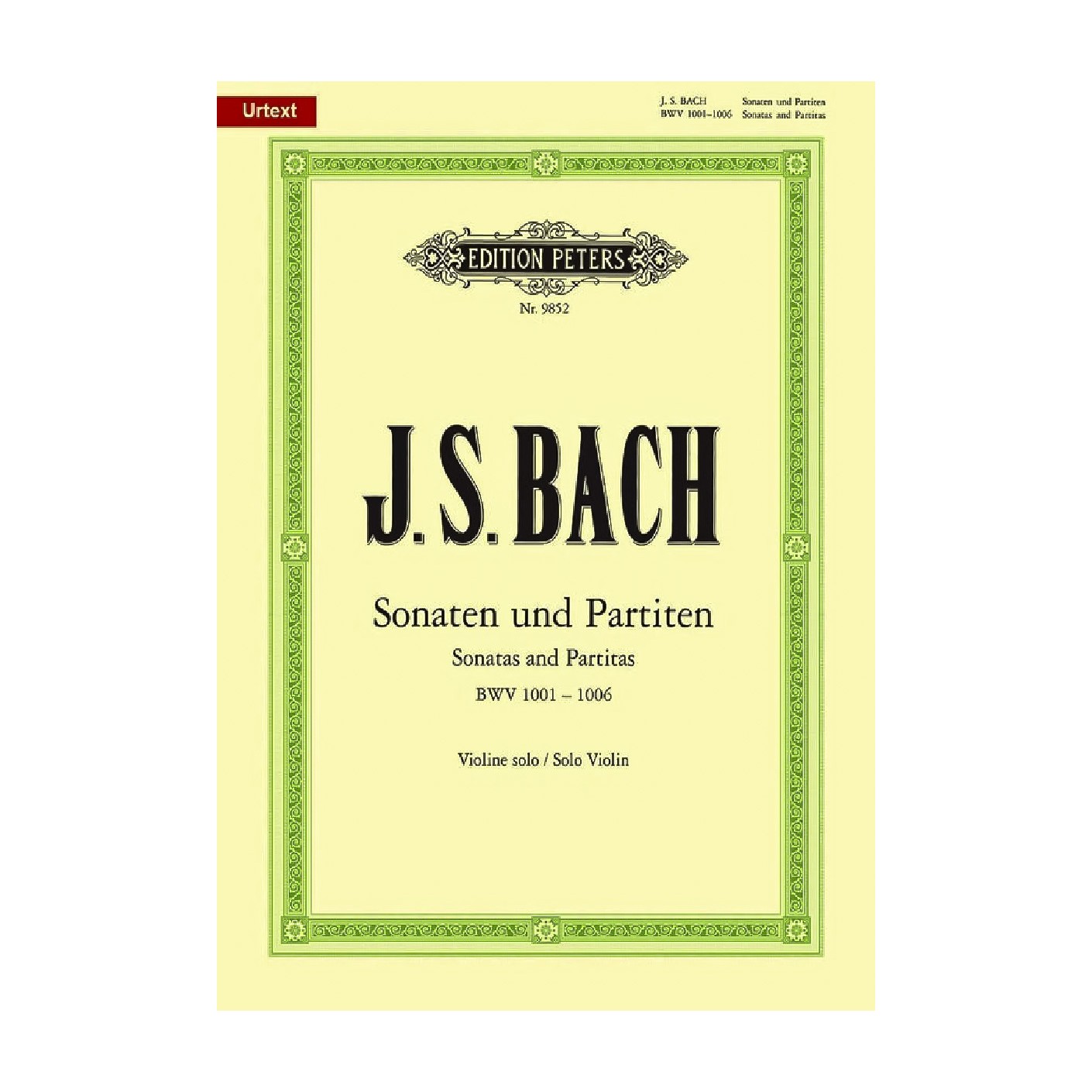
Bach, Six Sonatas and Partitas for Solo Violin BWV 1001-1006 Urtext (Peters)
$40.95
Bach Six Sonatas and Partitas for Solo Violin BWV 1001–1006 by Johann Sebastian Bach, published by Edition Peters, is a trusted Urtext edition of Bach’s complete solo violin cycle, offering a clear and authoritative text for serious study and performance.
Bach, Six Sonatas and Partitas for Solo Violin BWV 1001-1006 Urtext (Peters)
Bach Six Sonatas and Partitas for Solo Violin BWV 1001–1006 by Johann Sebastian Bach, composed around 1720, are presented in a definitive Urtext edition published by Edition Peters; this volume offers a source-critical text free from later editorial additions, preserving Bach’s original notation, structure, and contrapuntal clarity, and providing performers with a reliable foundation for historically informed interpretation, advanced study, and concert performance across the complete cycle of solo violin masterpieces.
Key features:

Works included: Six Sonatas and Partitas for Solo Violin
BWV: 1001–1006
Composer: Johann Sebastian Bach
Edition: Edition Peters Urtext
Instrumentation: Solo violin
Complete cycle in one volume
Clean, source-based Urtext with no added fingerings or bowings
Includes sonatas (sonata da chiesa form) and dance-based partitas
Cornerstone repertoire of the solo violin literature
Ideal for advanced students, professionals, competitions, and recitals
Bach Sonatas for Violin and Piano Nos. 4–6 by Johann Sebastian Bach, published by G. Henle Verlag, offers the most expansive and sophisticated works of Bach’s violin-and-keyboard sonata cycle in a clean, authoritative Urtext edition.
Key features
•The most mature and expansive of Bach’s violin sonatas
•True equality between violin and piano
•Rich contrapuntal dialogue and expressive depth
•Essential repertoire for advanced chamber musicians
Bach: Brandenburg Concerto No. 3 in G major BWV 1048 – Violin II Part by Johann Sebastian Bach, published by Breitkopf & Härtel, offers an engaging and demanding inner-voice role within one of Bach’s most energetic and innovative concertos.
Key features
•A fully engaged inner voice, not secondary accompaniment
•Central to rhythmic drive and contrapuntal texture
•Builds ensemble precision and listening skills
•Essential experience in Bach’s most forward-thinking orchestral writing
Bach Violin Concerto in E major BWV 1042 by Johann Sebastian Bach, published by G. Henle Verlag, is a radiant Baroque concerto that combines brilliance, rhythmic vitality, and refined lyricism in a pristine Urtext edition.
Key features
•Bright, joy-filled concerto with strong rhythmic drive
•Urtext clarity allowing personal interpretative freedom
•Balances brilliance with elegance and poise
•A cornerstone of the Bach violin concerto repertoire
50+ Easy Classical Solos for Violin is an inviting introduction to classical violin repertoire, offering expressive and accessible solos that help developing players perform with confidence and enjoyment.
Bach: Erbarme dich for Violin & Viola or Two Violins and Piano by Johann Sebastian Bach, published by Editio Musica Budapest, is a deeply moving sacred transcription that highlights lyrical expression, ensemble unity, and emotional honesty.
Key features
•Profoundly expressive and prayer-like
•Focuses on tone, phrasing, and shared musical breathing
•Ideal for reflective and sacred performances
•A timeless Bach masterpiece of compassion and humility
Bach Six Sonatas for Violin and Obbligato Harpsichord – Sonatas Nos. 1–3 by Johann Sebastian Bach, published by Bärenreiter, offers a profound chamber music experience built on equality, dialogue, and contrapuntal mastery.
Key features
•A true chamber partnership, not solo with accompaniment
•Rich contrapuntal texture and shared musical responsibility
•Develops ensemble listening and stylistic refinement
•Essential Bach repertoire for violin and keyboard players
Bach: Brandenburg Concerto No. 3 in G major BWV 1048 – Violin III Part by Johann Sebastian Bach, published by Breitkopf & Härtel, offers an engaging orchestral role within one of Bach’s most innovative and energetic concertos.
Key features
•A fully engaged orchestral voice, not a secondary part
•Central to the concerto’s rhythmic drive and texture
•Develops ensemble precision and contrapuntal awareness
•Essential experience in Bach’s most democratic orchestral writing