Bach Violin Concerto in E major BWV 1042 by Johann Sebastian Bach, published by G. Henle Verlag, is a radiant Baroque concerto that combines brilliance, rhythmic vitality, and refined lyricism in a pristine Urtext edition.
Key features
• Bright, joy-filled concerto with strong rhythmic drive
• Urtext clarity allowing personal interpretative freedom
• Balances brilliance with elegance and poise
• A cornerstone of the Bach violin concerto repertoire
Bach Violin Concerto in E major BWV 1042 by Johann Sebastian Bach, published in a carefully prepared Urtext edition by G. Henle Verlag, presents one of Bach’s most radiant and confidently extroverted violin concertos with exceptional textual clarity; distinguished by its luminous key, buoyant rhythmic energy, and idiomatic violin writing, this concerto invites the soloist to project brilliance through elegance and control rather than force, making it a defining work for cultivating stylistic authority, rhythmic vitality, and expressive poise within the Baroque concerto tradition.
Key features:
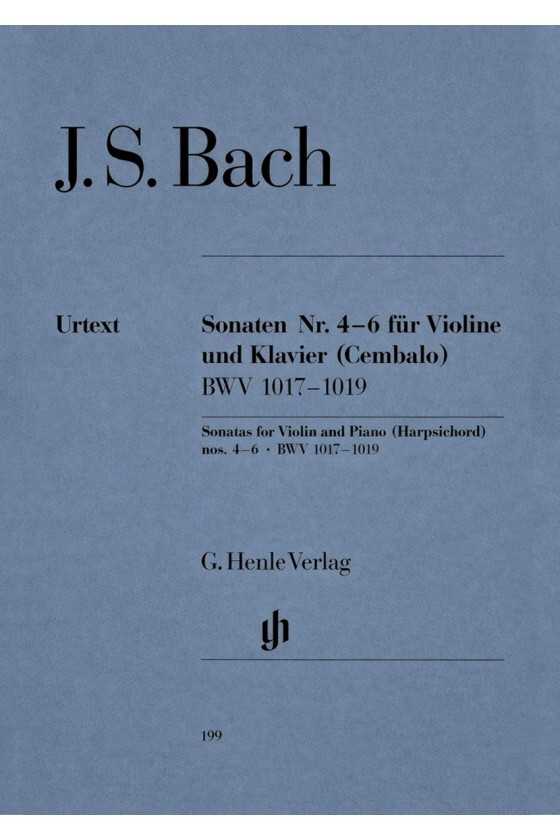
Bach Sonatas for Violin and Piano Nos. 4–6 by Johann Sebastian Bach, published by G. Henle Verlag, offers the most expansive and sophisticated works of Bach’s violin-and-keyboard sonata cycle in a clean, authoritative Urtext edition.
Key features
• The most mature and expansive of Bach’s violin sonatas
• True equality between violin and piano
• Rich contrapuntal dialogue and expressive depth
• Essential repertoire for advanced chamber musicians
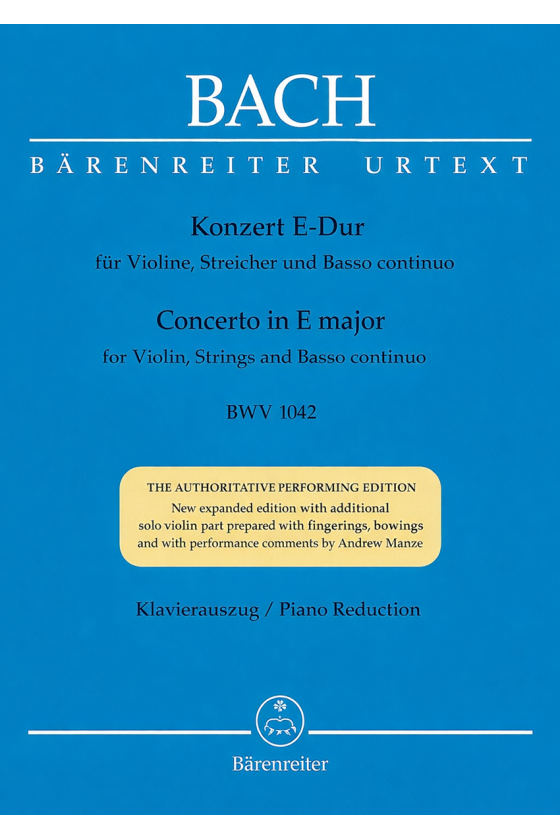
Bach Violin Concerto in E major BWV 1042 by Johann Sebastian Bach, edited by Andrew Manze and published by Bärenreiter, is a vibrant and elegant Baroque concerto that combines brilliance, rhythmic energy, and refined lyricism.
Key features
• Radiant, joy-filled concerto with strong rhythmic drive
• Encourages stylistic clarity and dance-like articulation
• Balances brilliance with elegance and poise
• A cornerstone of expressive Bach concerto repertoire
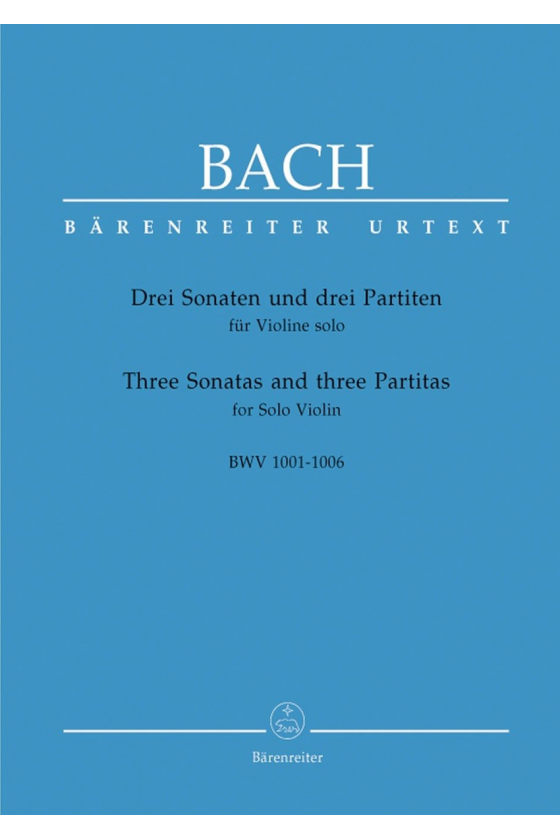
Bach’s Three Sonatas and Three Partitas for solo violin (Barenreiter edition) offer:
• Authentic urtext edition reflecting Bach’s original intentions
• Composed in 1720, a pinnacle of violin repertoire
• Renowned for technical challenge and expressive depth
• Clear notation and helpful editorial notes
• Suitable for students and professionals alike
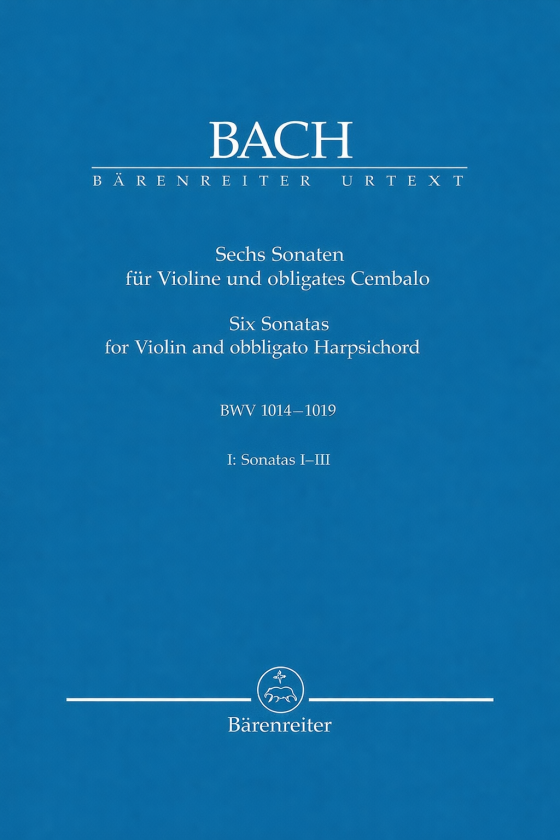
Bach Six Sonatas for Violin and Obbligato Harpsichord – Sonatas Nos. 1–3 by Johann Sebastian Bach, published by Bärenreiter, offers a profound chamber music experience built on equality, dialogue, and contrapuntal mastery.
Key features
• A true chamber partnership, not solo with accompaniment
• Rich contrapuntal texture and shared musical responsibility
• Develops ensemble listening and stylistic refinement
• Essential Bach repertoire for violin and keyboard players
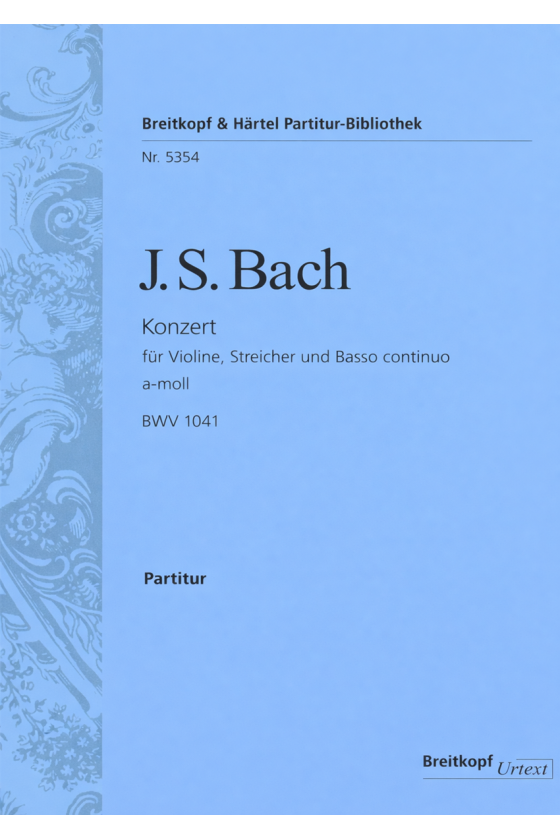
Bach Violin Concerto in A minor BWV 1041 by Johann Sebastian Bach, published by Breitkopf & Härtel, is a concentrated and expressive Baroque concerto celebrated for its intensity, balance, and refined violin writing.
Key features
• Inward, dramatically focused concerto
• Develops Baroque articulation and rhythmic clarity
• Combines lyrical depth with energetic finale writing
• Essential Bach repertoire for serious violinists
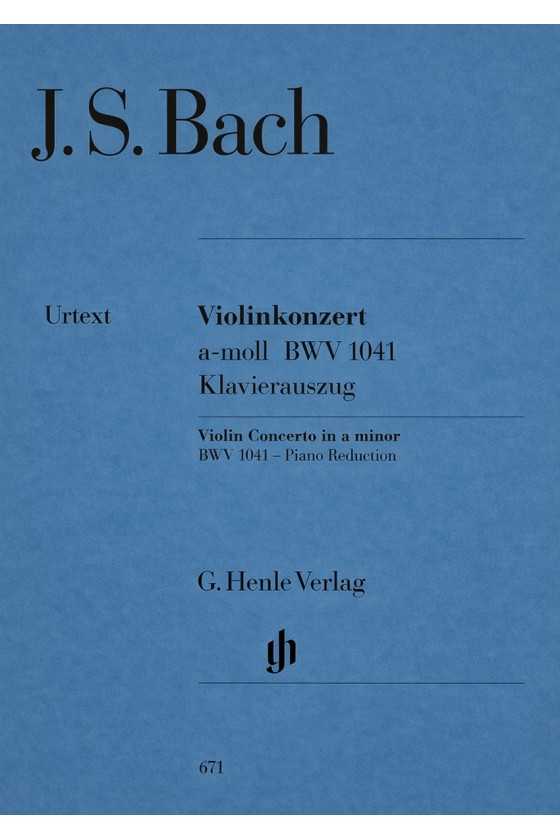
Bach Violin Concerto in A minor BWV 1041 by Johann Sebastian Bach, published by G. Henle Verlag, is a refined and expressive Baroque concerto that rewards clarity, balance, and musical depth.
Key features
• Inward, dramatically concentrated concerto
• Urtext clarity supporting personal interpretation
• Develops Baroque articulation and rhythmic precision
• A cornerstone of serious Bach concerto repertoire
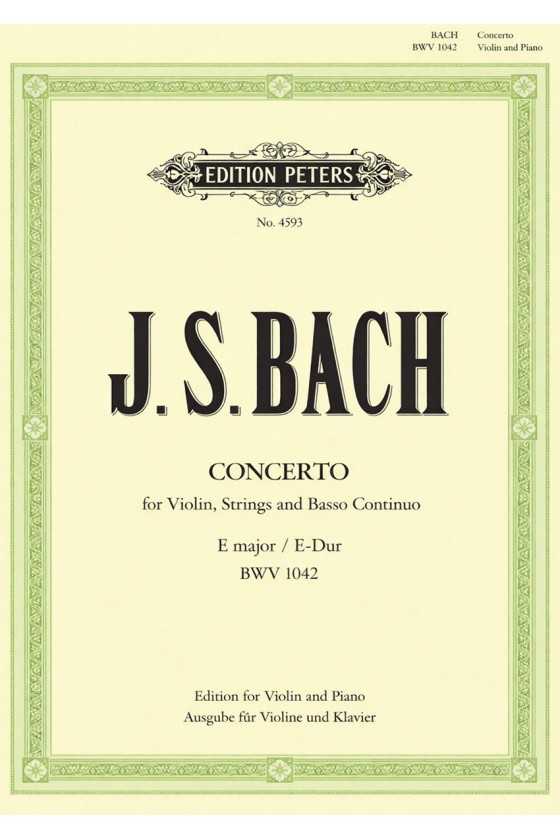
Bach Violin Concerto in E major BWV 1042 for Violin and Piano by Johann Sebastian Bach, published by Edition Peters, is a radiant Baroque concerto celebrated for its rhythmic vitality, elegance, and expressive clarity.
Key features
• Bright, joy-filled concerto with dance-like energy
• Develops stylistic clarity and refined articulation
• Balances brilliance with poise and restraint
• Essential repertoire for serious Bach interpretation
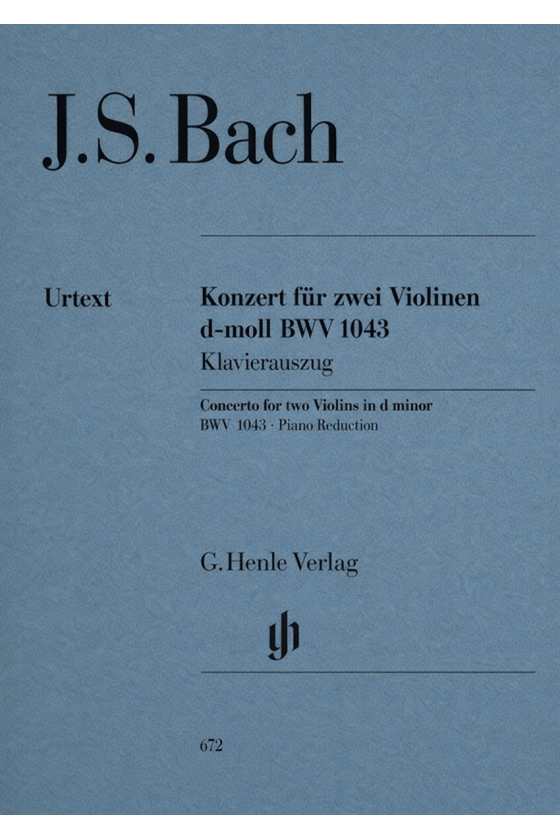
Bach Concerto in D minor BWV 1043 for Two Violins and Orchestra by Johann Sebastian Bach, published by G. Henle Verlag, is a masterwork of musical conversation, celebrated for its lyrical beauty and perfectly balanced dialogue between two solo violins.
Key features
• One of the greatest double concertos ever written
• Renowned for its intimate, expressive slow movement
• Develops ensemble unity and musical dialogue
• Essential Baroque repertoire for serious violinists