Embark on a musical journey for young string players with a delightful composition specially crafted for beginning orchestras. This engaging piece introduces students to ensemble playing while promoting joy and a sense of accomplishment. With catchy melodies and expressive dynamics, it showcases the potential of aspiring musicians.
Stephen Chen shares, "I am fascinated by the different qualities of light throughout the day. In this set of pieces, the gentle mood of twilight and the mystery of moonlight contrast with the joy of warm sunshine. Various melodic and rhythmic elements, including pizzicato and tremolo, convey these impressions."
Embark on a musical journey for young string players with a delightful composition designed for beginning string orchestras. This accessible and engaging piece introduces students to the fundamentals of ensemble playing while fostering a sense of joy and accomplishment. With its catchy melodies, harmonious interactions, and expressive dynamics, it highlights the potential of aspiring musicians and illuminates their path toward musical excellence.
Stephen Chen expresses, "I have always been fascinated by the various characteristics of light that a person may experience throughout the day. In this set of pieces, the gentle mood of twilight and the mysterious ambience of moonlight are juxtaposed with the joy of basking in radiant sunlight. A wide range of melodic, rhythmic, expressive, and textural elements, such as pizzicato, tremolo, and harmonics, are used throughout to portray these impressions."
Nicolo Paganini was an exceptional violinist, and this particular piece is the final one in a series of caprices that represent the pinnacle of violin technique. It has inspired other great composers such as Rachmaninov. This arrangement preserves the melody, harmony, and structure, allowing players of all levels to experience and appreciate the beauty of Paganini's work.
For String Orchestra Grade 3.5
"The Winter Waltz and the Calypso Jive are two very different works. The Winter Waltz is a delicate and melancholic piece, while the Calypso Jive is a lively and upbeat work based on an infectious rhythm that will have everyone tapping their toes!"
For String Orchestra Grade 1.5
A thrilling adventure with spies, detectives, and super sleuths trying to stop world domination. The catchy tune and unique harmonies will delight students. The piece features pizzicato, harmonics, and string crossing. Structured in rondo form, each section of the orchestra makes an appearance.
For String Orchestra Grade 2.5
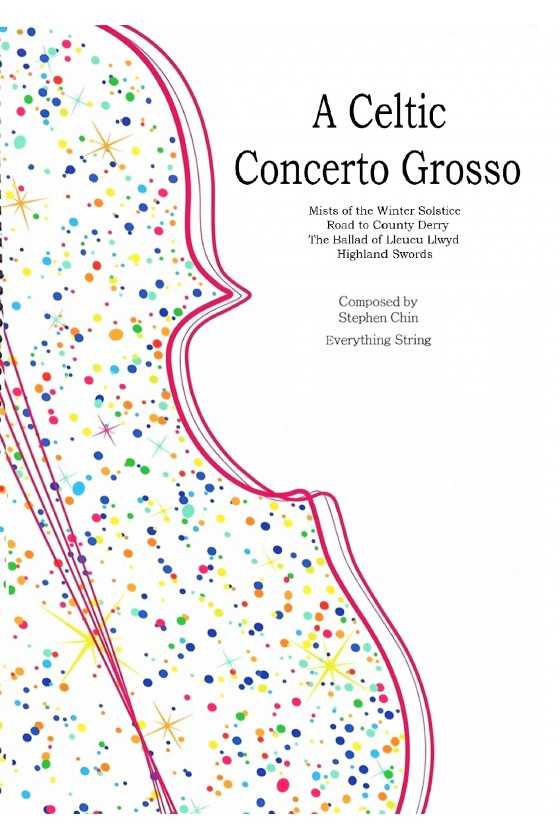
The music is a journey through the Mists of England, the lush green fields of Ireland, Wales's sublime beauty, and Scotland's invigorating highlands. The tunes and textures are vibrant, wistful, and unforgettable, making them perfect for any performance. Your players will be humming them long after the rehearsal is over.
Listen to #1 – Mists of the Winter Solstice
Listen to #2 – Road to County Derry
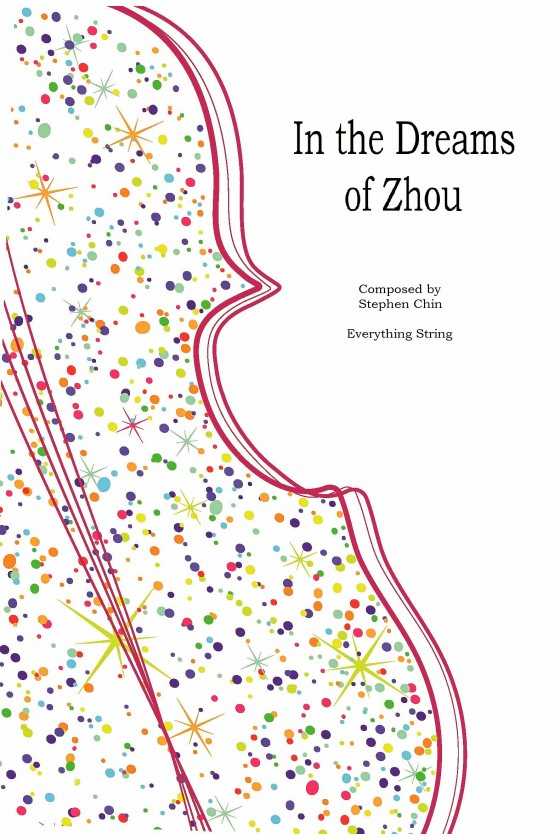
The Iching, a series of texts created by Emperor Zhou in the 9th century BC China, helps interpret thoughts and dreams. Its orchestral representation features an energetic section that paints a vibrant life in ancient China and concludes with thrilling cascades of repeated sixteenth notes.
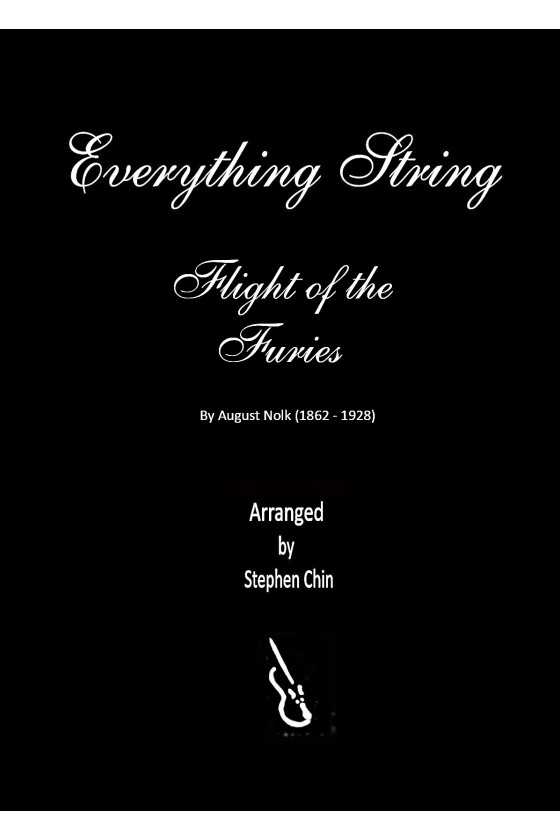
In Greek mythology, the Furies brought the dead to the Underworld and were part of the legend of Orpheus. August Nolck's piece was originally for cello but is now perfect for developing string players' timing precision. The perpetual motion promotes refined right-hand movements and offers opportunities for section solos.
For String Orchestra Grade 1.5
The Iching, a series of texts created by Emperor Zhou in the 9th century BC China, helps interpret thoughts and dreams. Its orchestral representation features an energetic section that paints a vibrant life in ancient China and concludes with thrilling cascades of repeated sixteenth notes.
This music game is excellent for elementary programs, offering imaginative titles like “The Still Before the Storm” and “Fairy Floss”. It teaches students about keys, orchestral textures, and various techniques in an accessible way, promoting an early appreciation of music's tone color.
1. Gekko Echo
2. Still before the Storm
3. Jumpin' Jumbucks
4. Valse Sentimentale
5. Rickshaw Rally
6. Morning Star
7. Fairy Floss
8. March of the Stick Insects
9. Sunset Sarabande
10. Riding the Rapids
11. Hiccups
12. Sleepy Sandman
13. Ostinato Odyssey
14. A Stately Minuet
15. Bubbles
16. Fiddle Stick Fury
For String Orchestra Grade 1