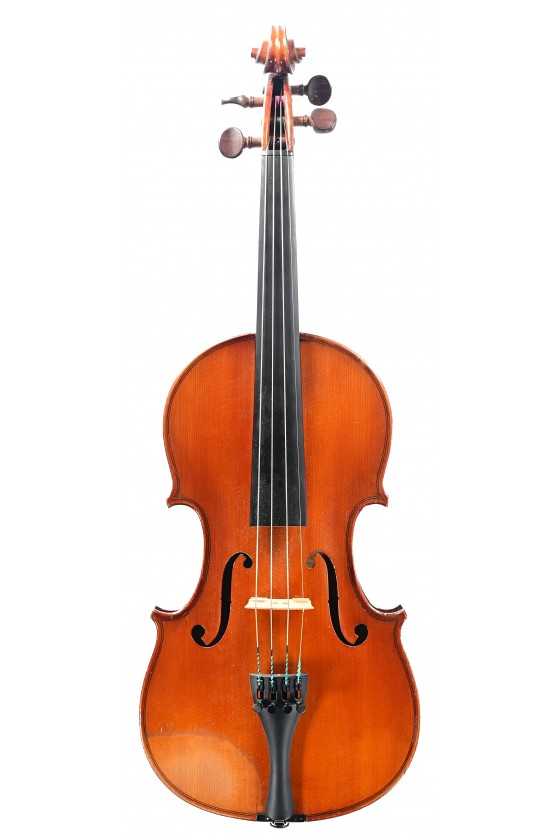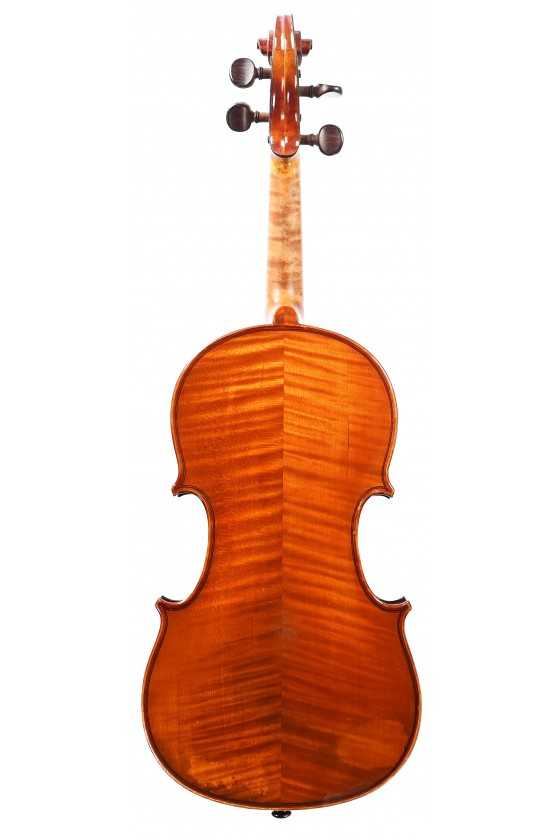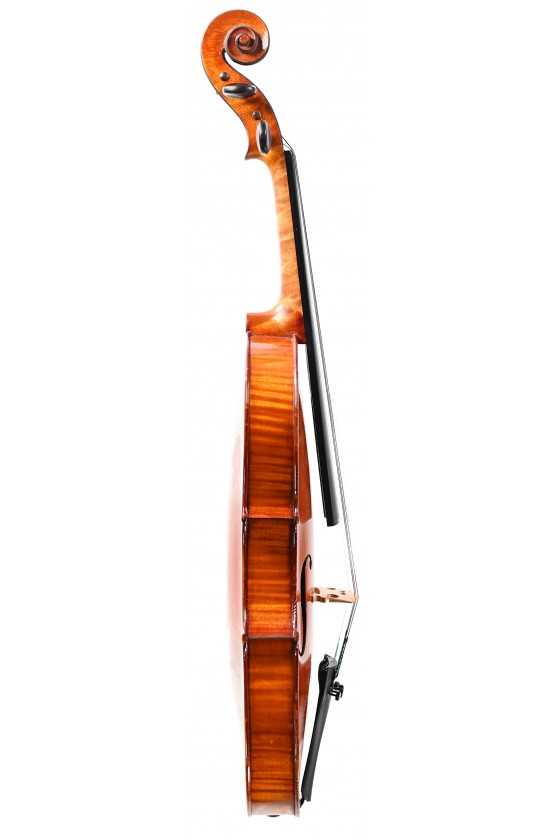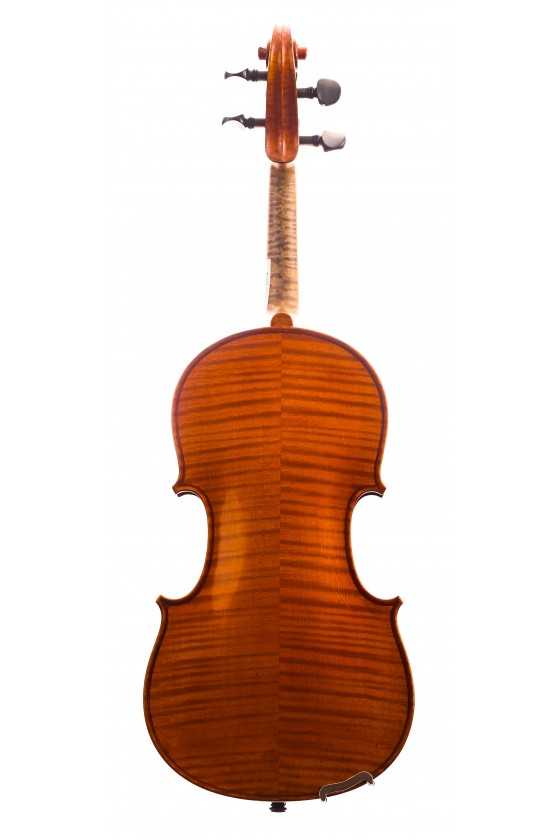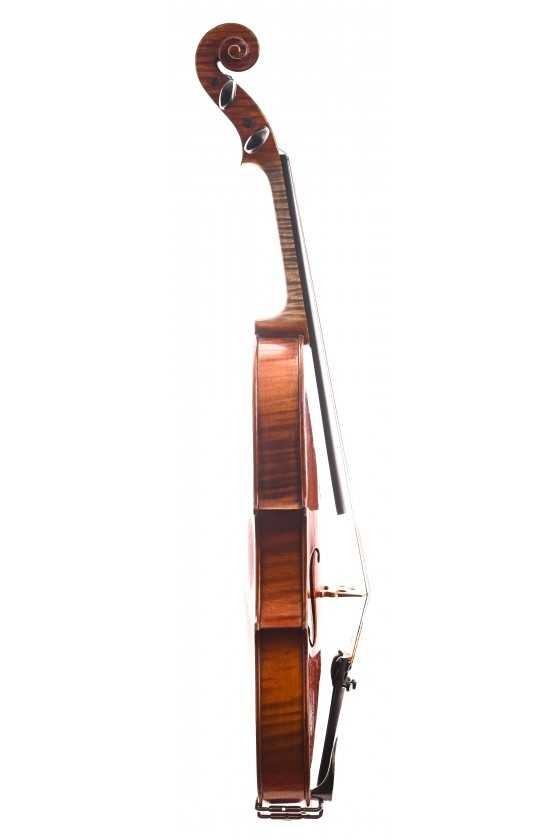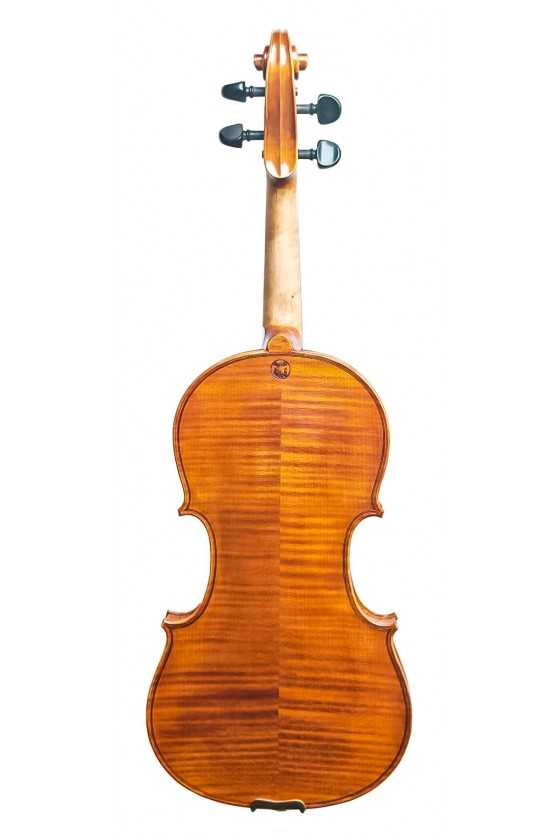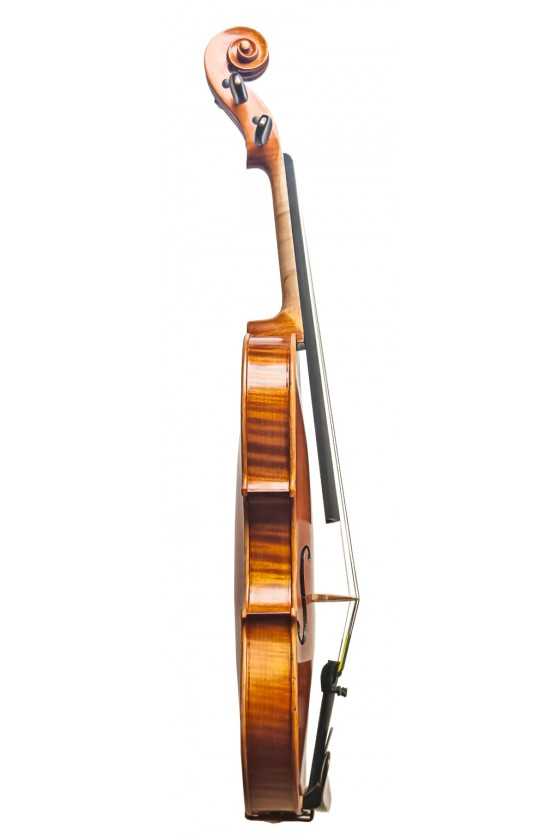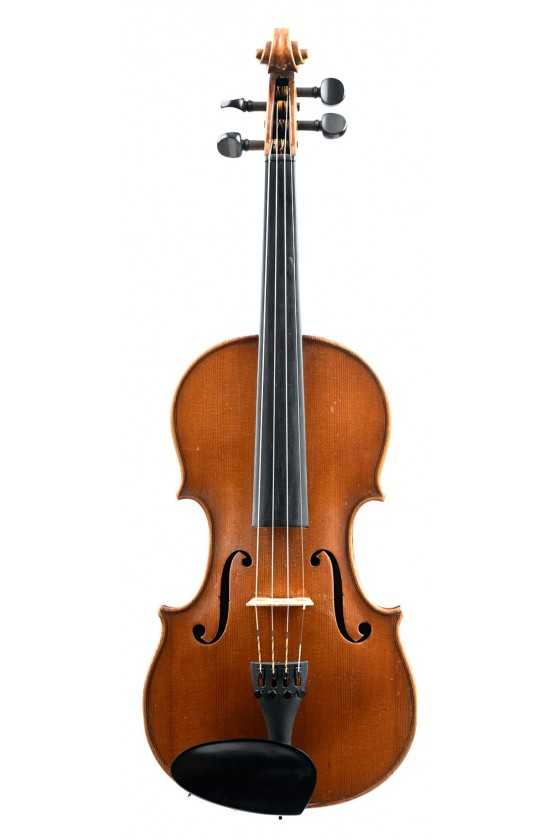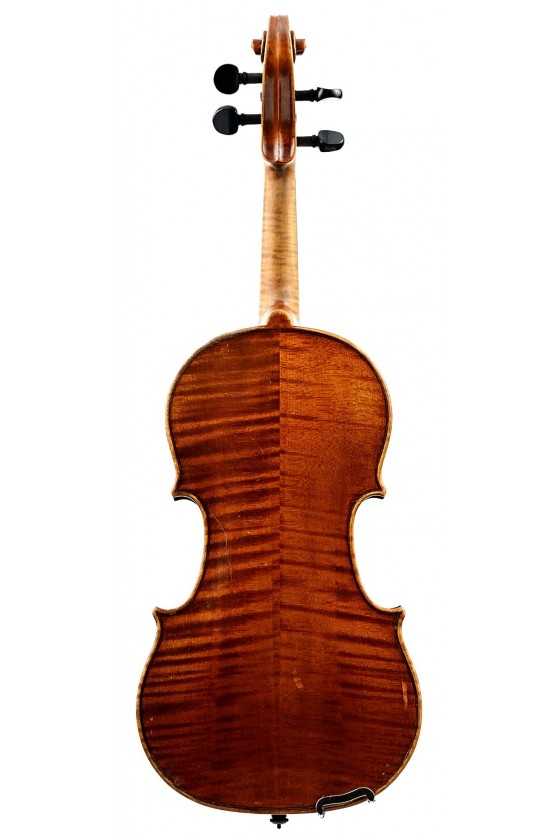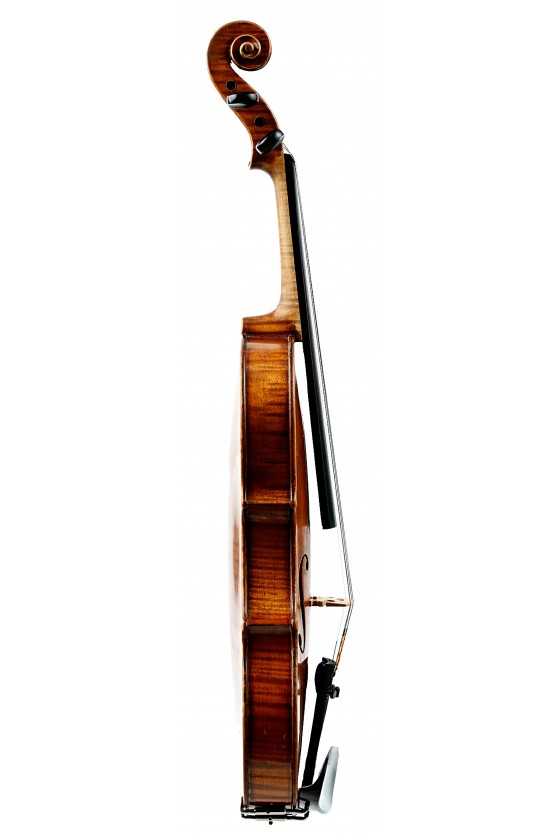
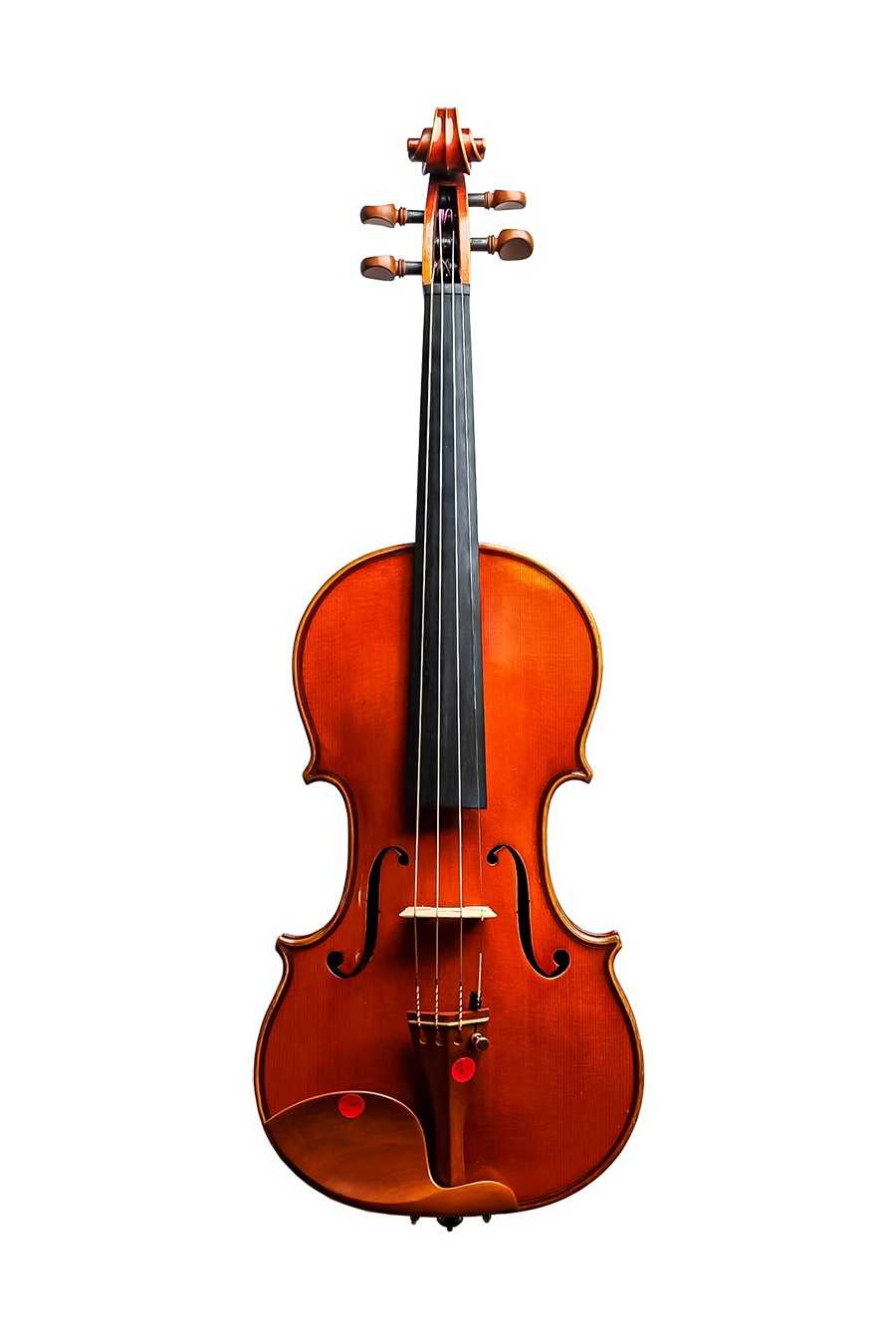
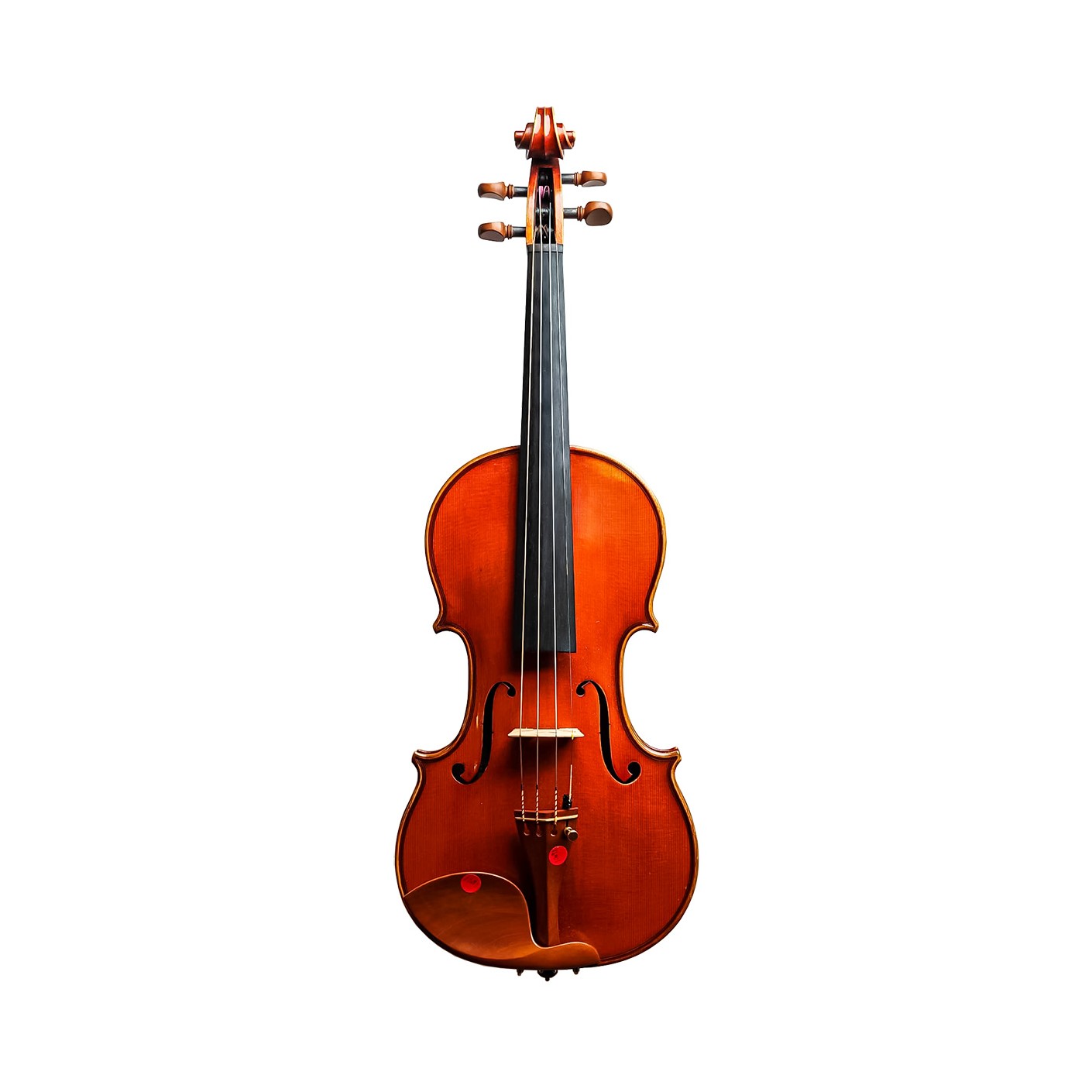
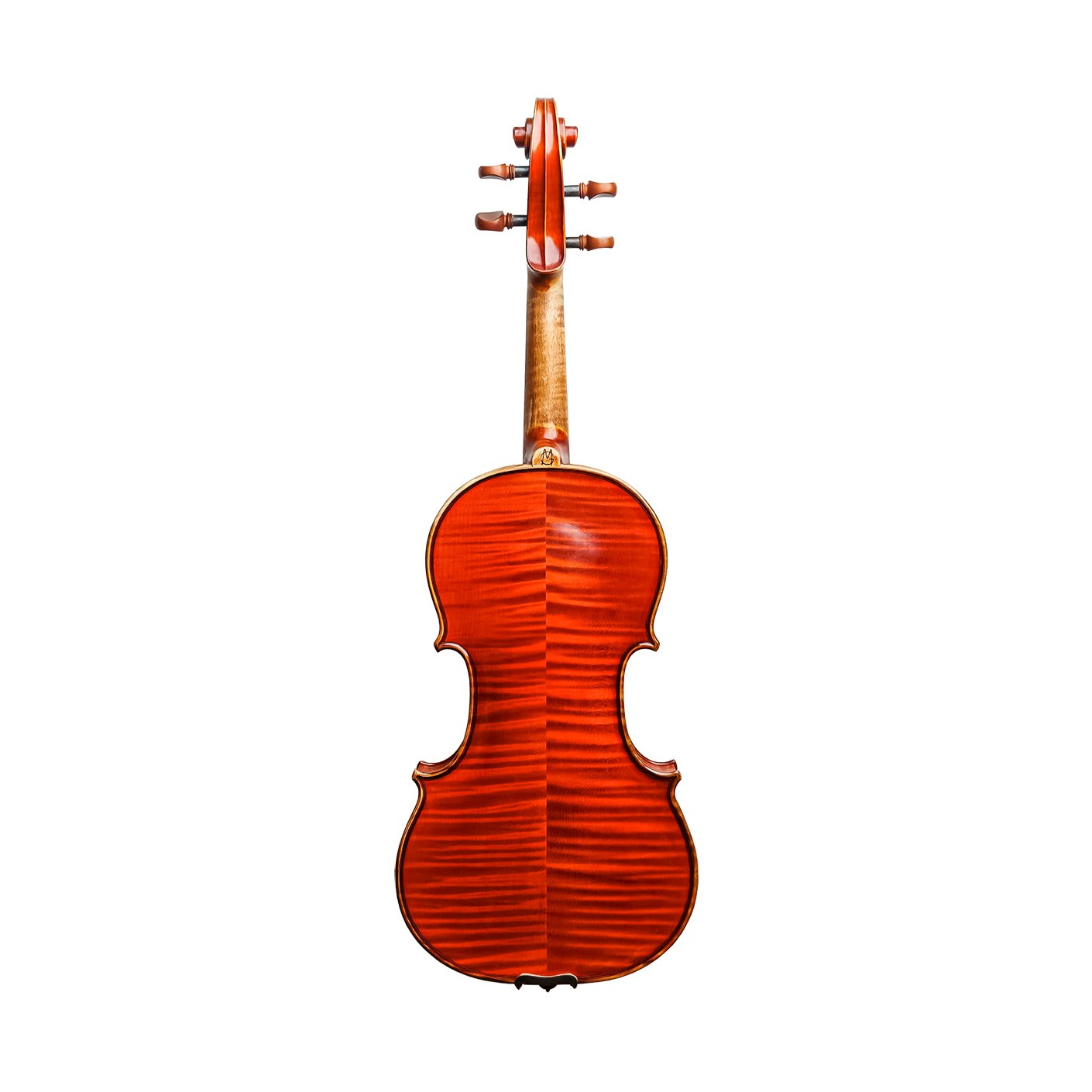
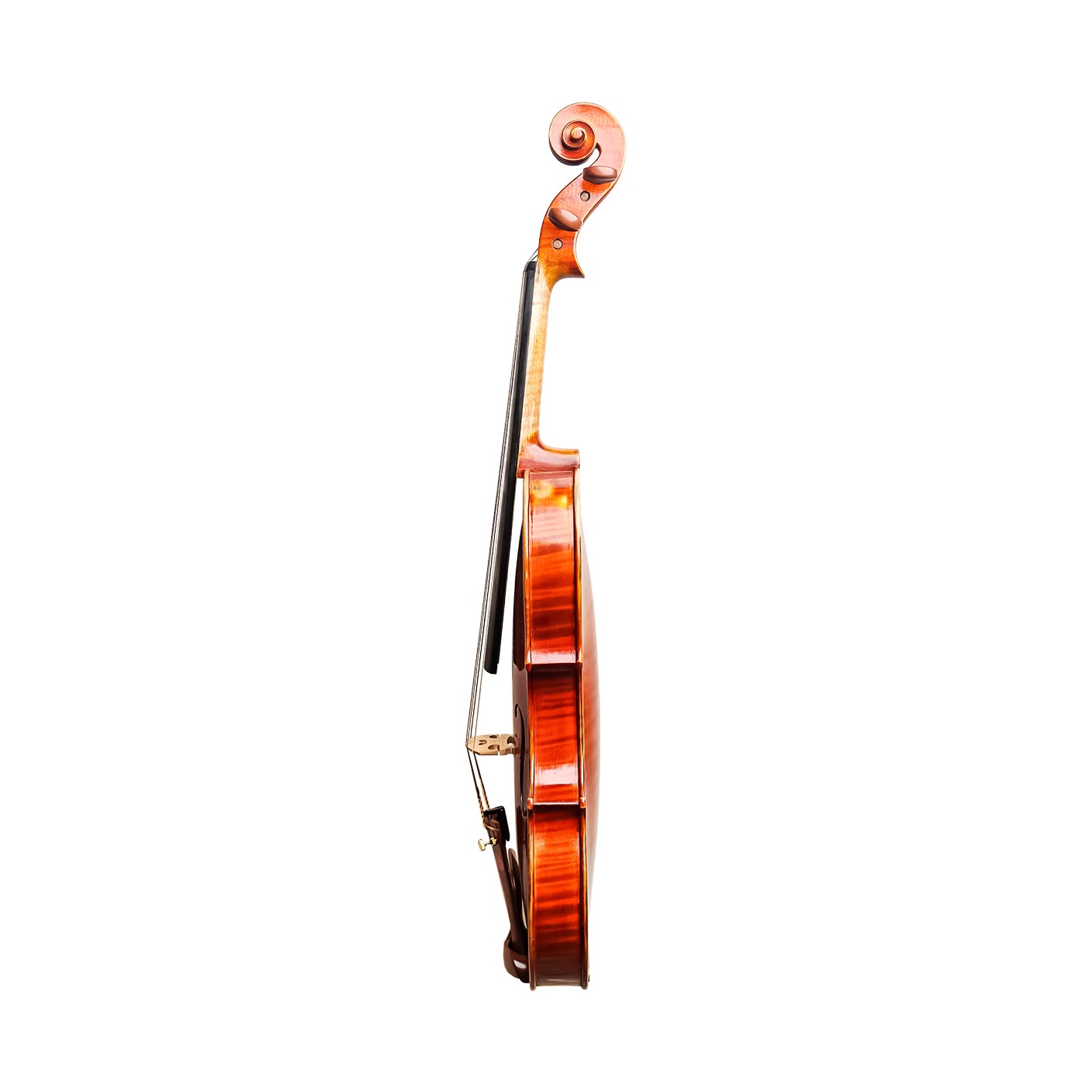
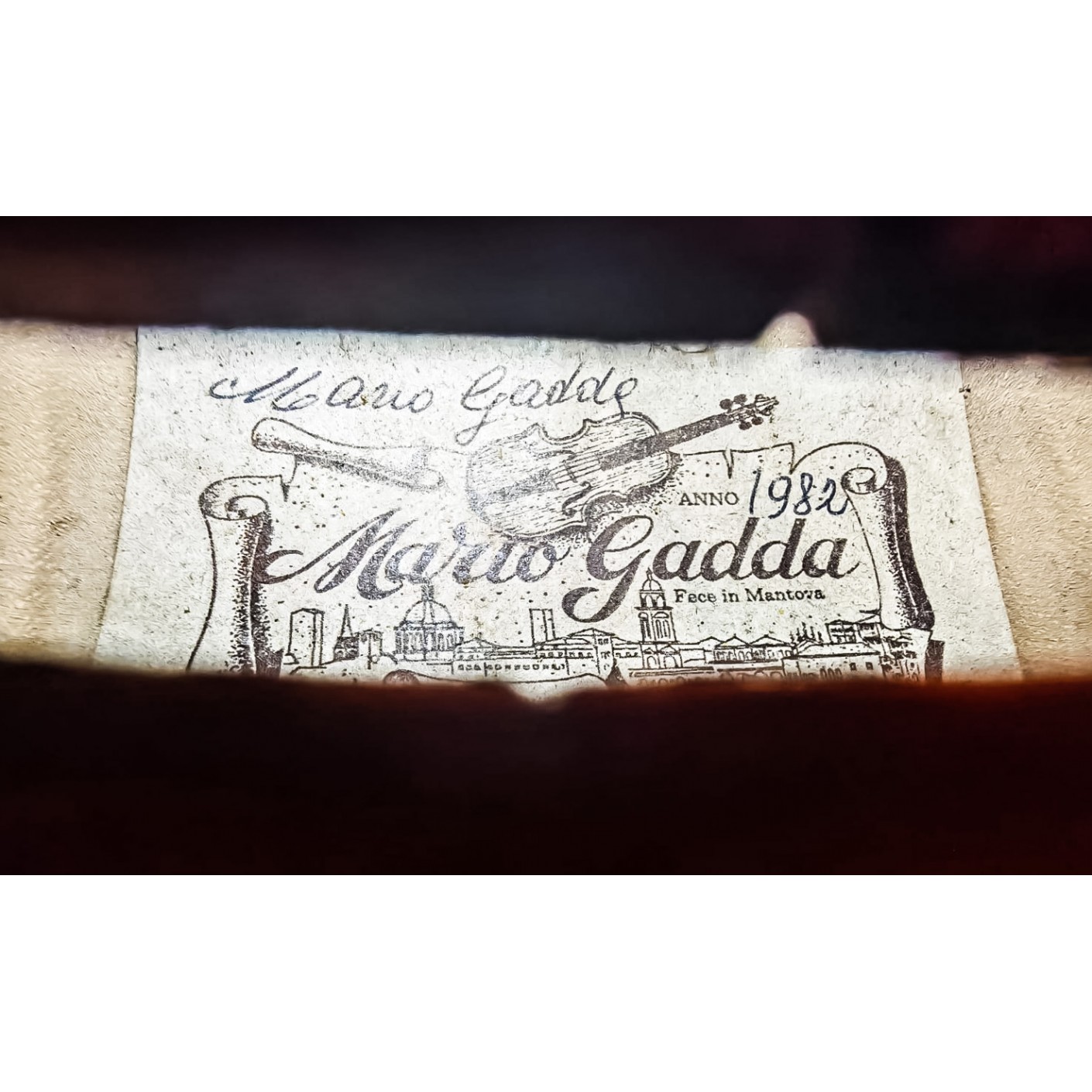
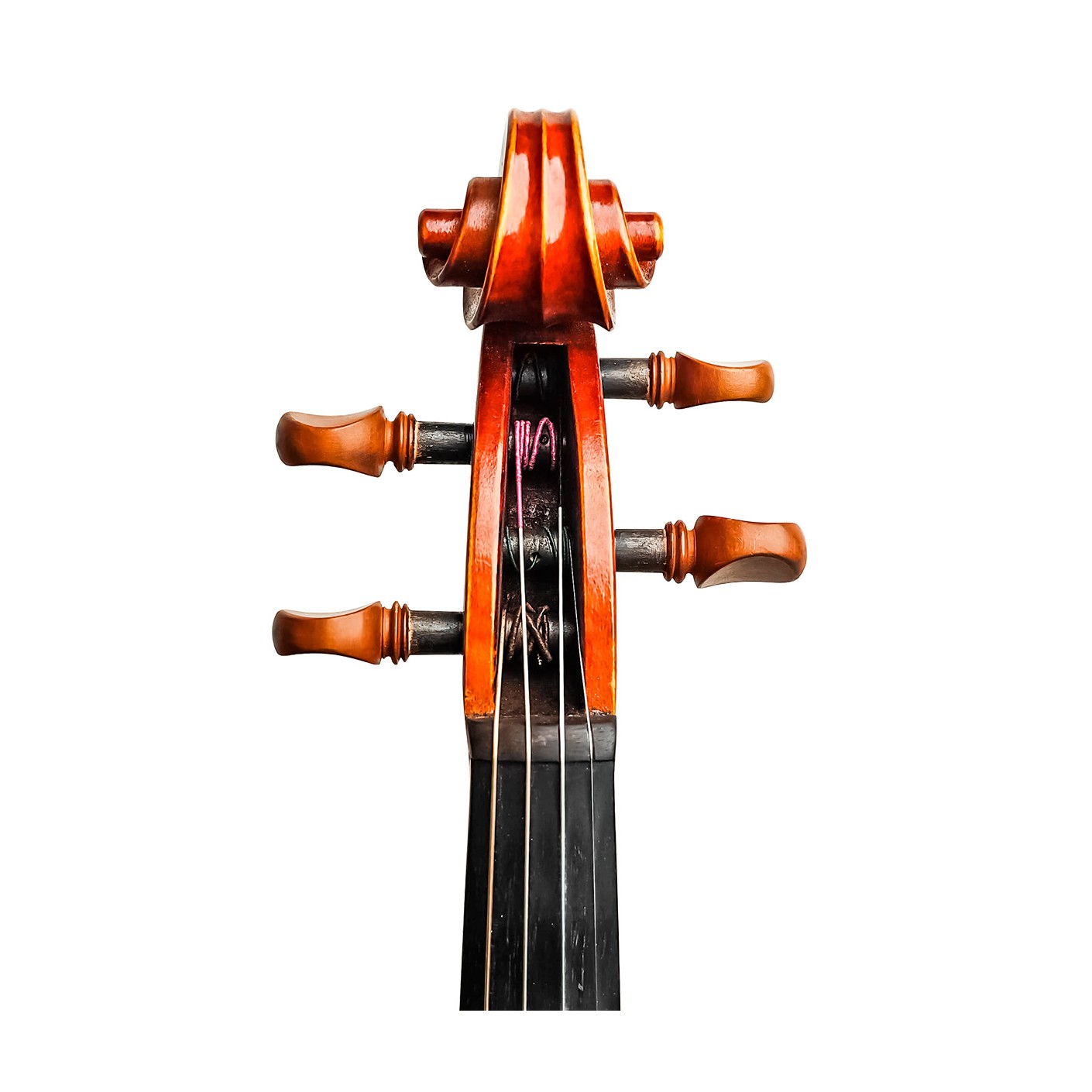
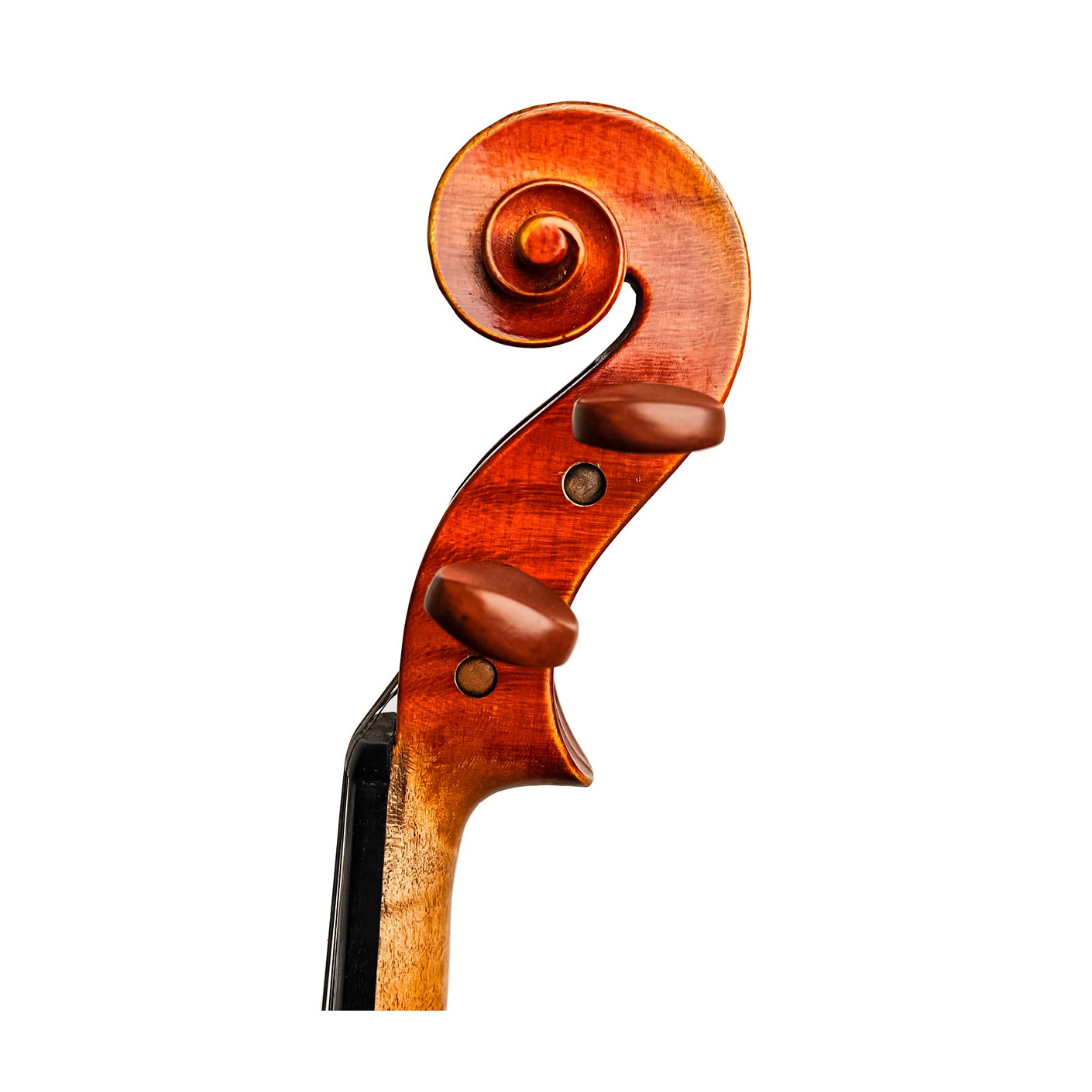
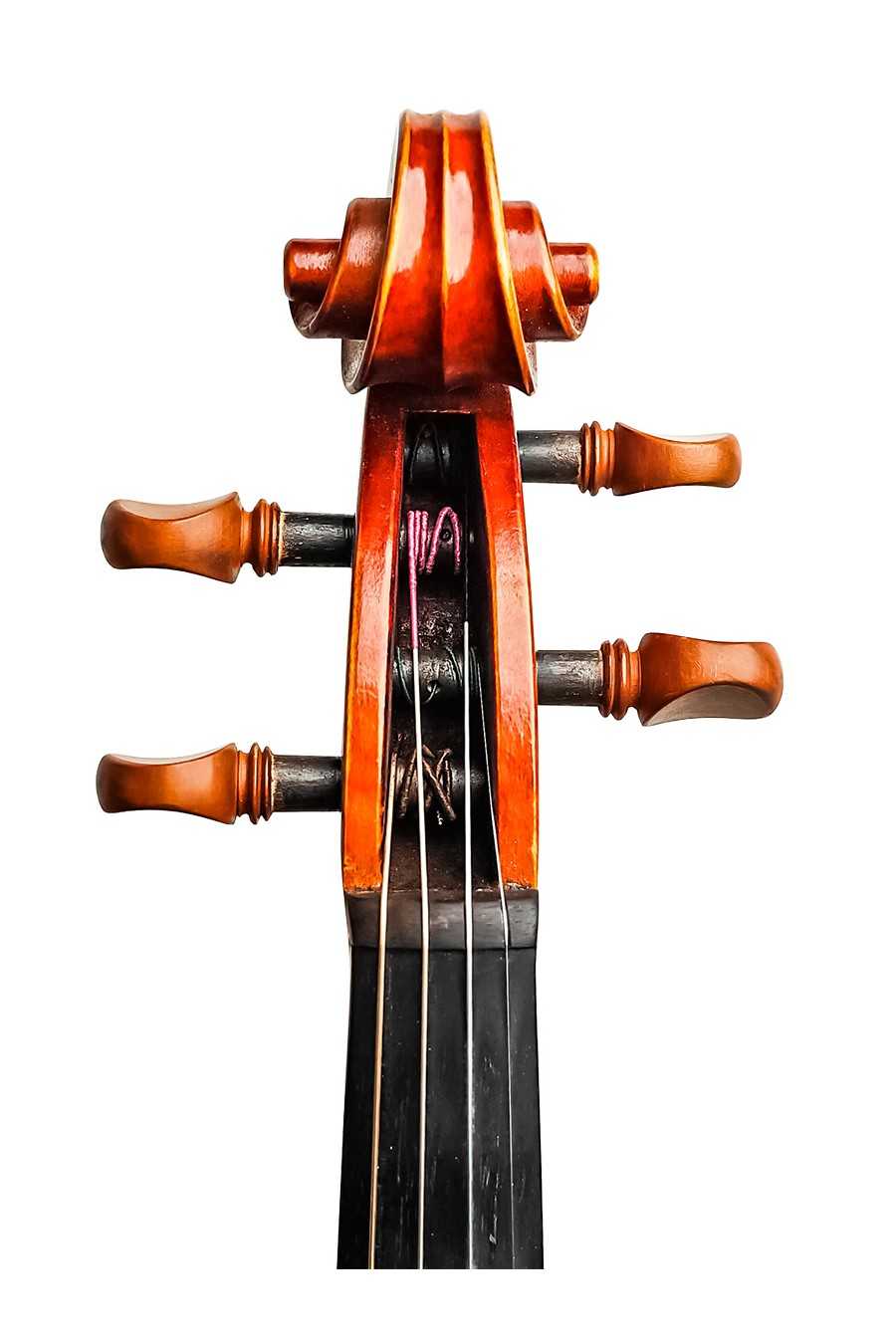
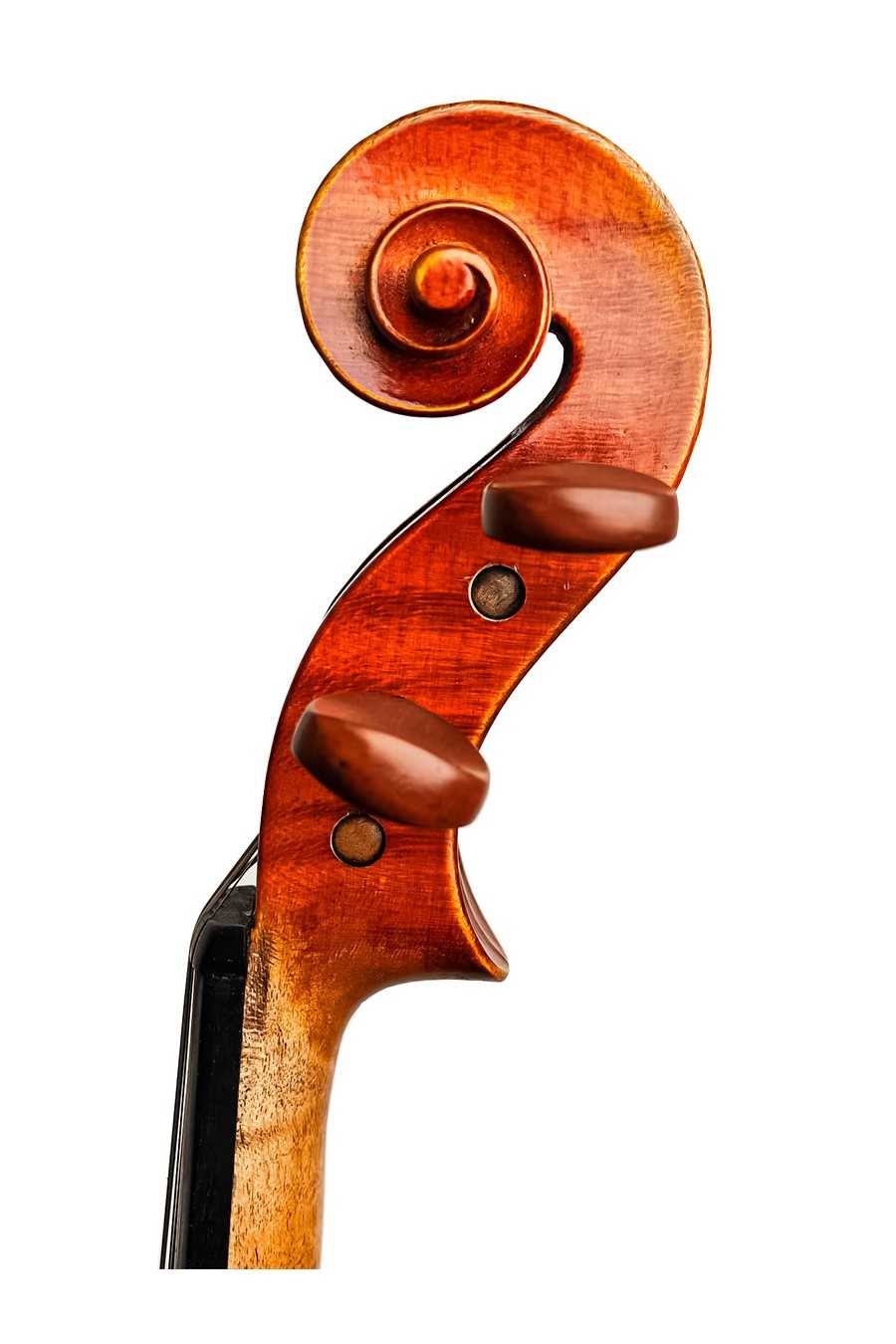
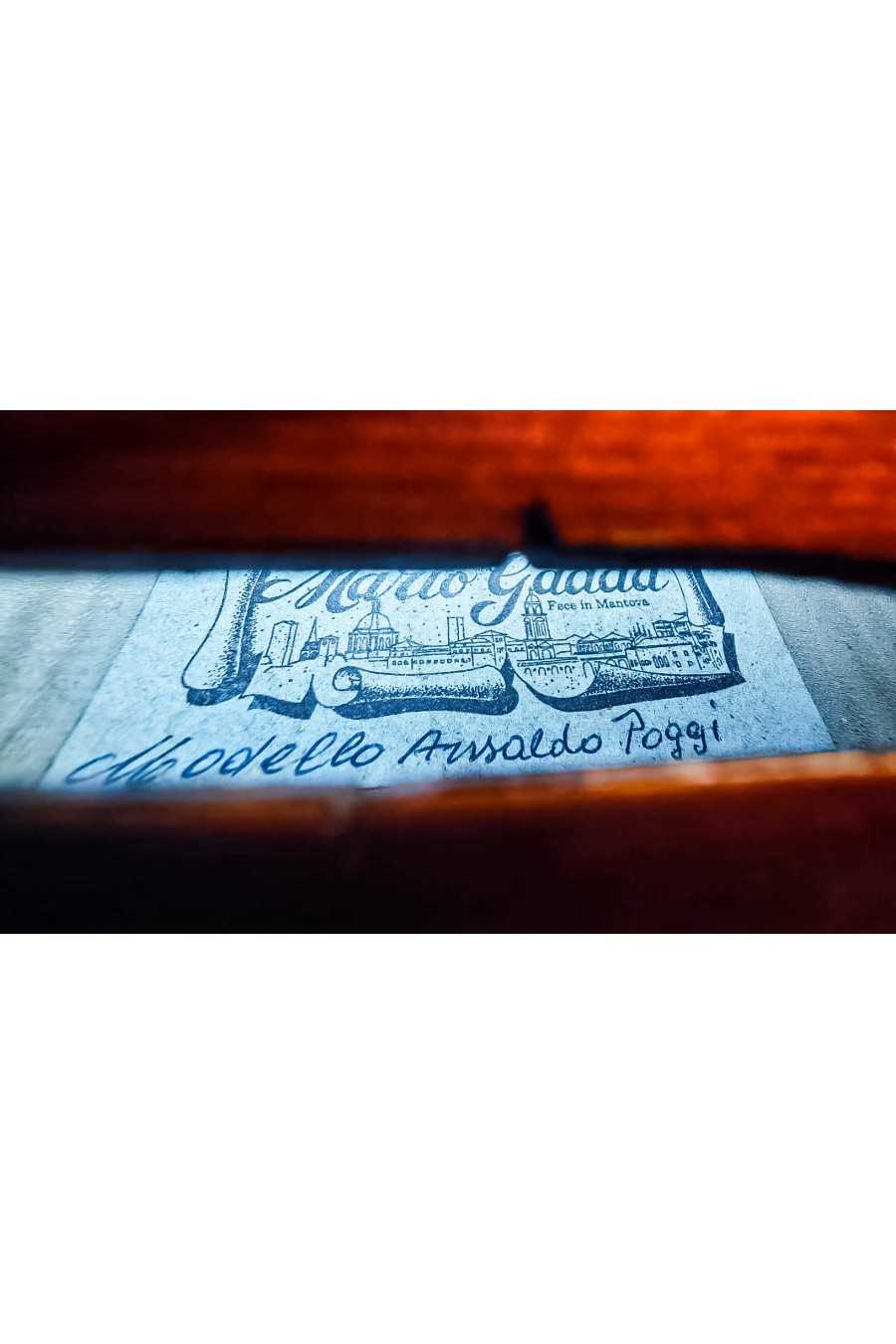
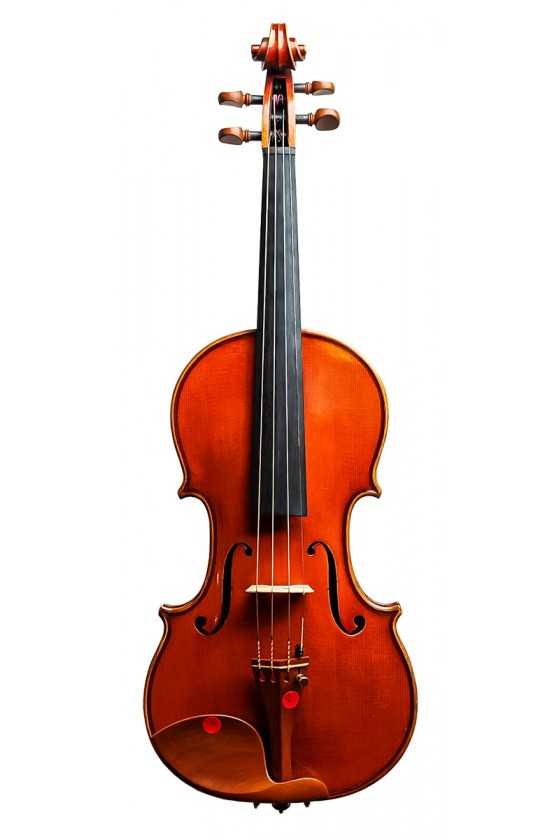
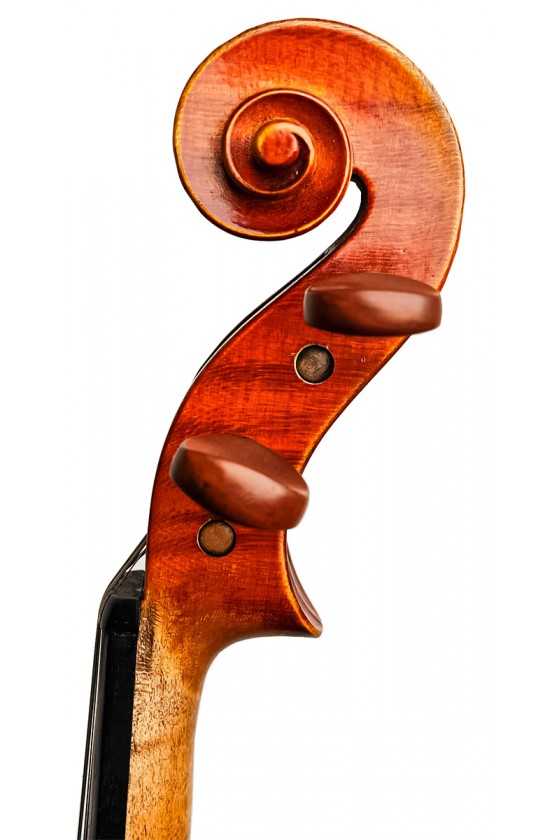
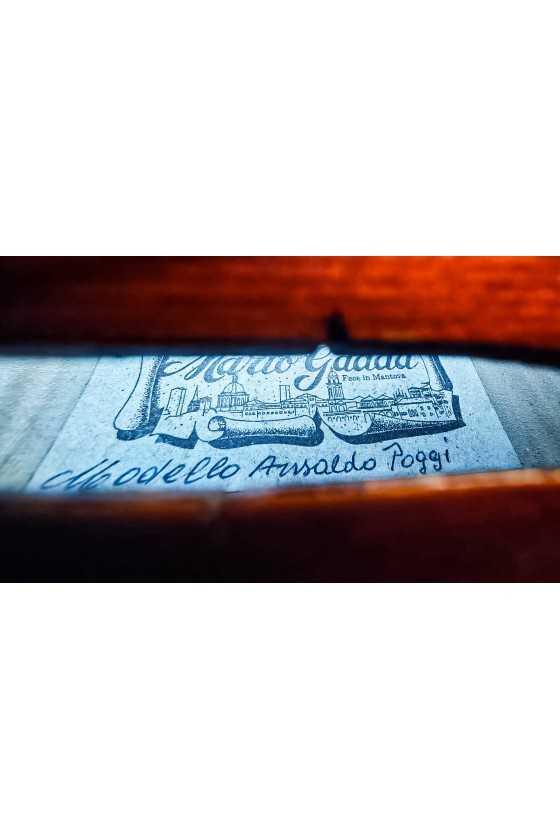
This is a Collin - Mezin violin made in Paris in 1902. Charles Jean Baptiste Collin-Mezin (1841–1923) was a Parisian luthier an Officier de l'Académie des Beaux-Arts and won gold and silver medals in 1878, 1889, and 1900 at the Paris Exhibitions.
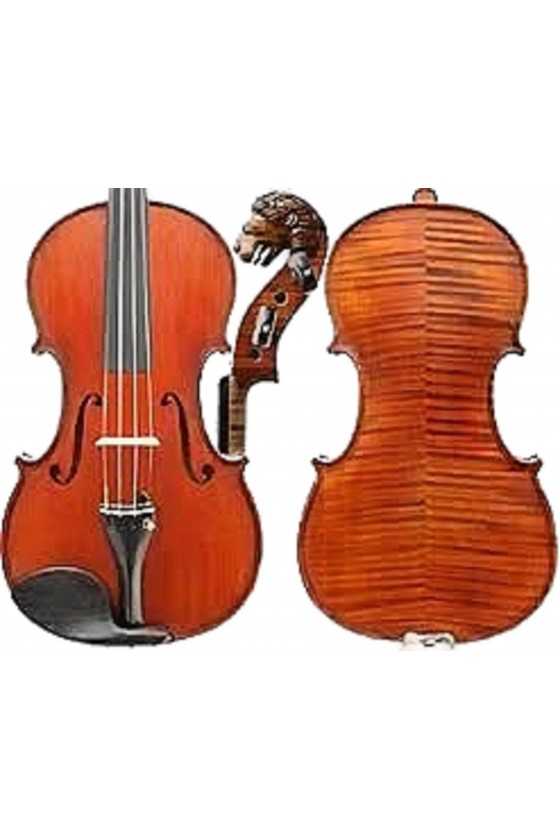
This is the Gliga Vasile with Lion Head Scroll 4/4 Violin (Instrument Only) Supplied with certificate of authenticity, including photographs, date, measurements, materials with the stamp and signature of the maker, Vasile Gliga.
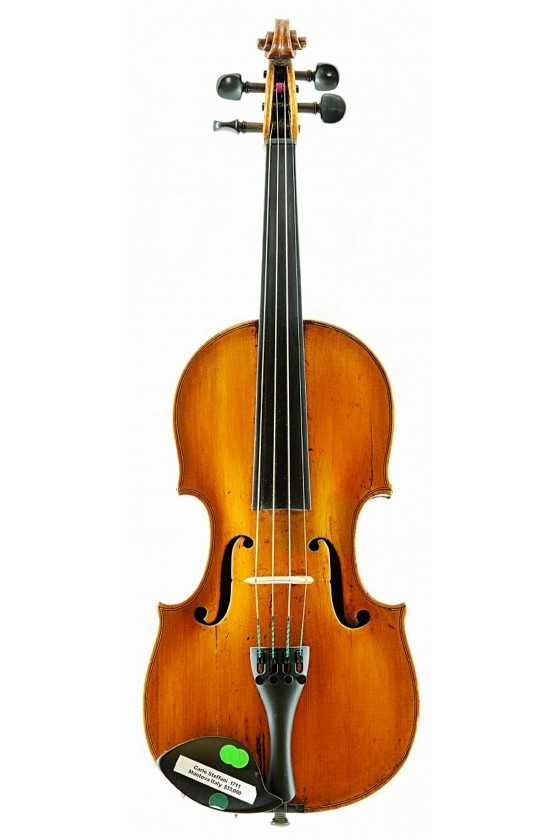
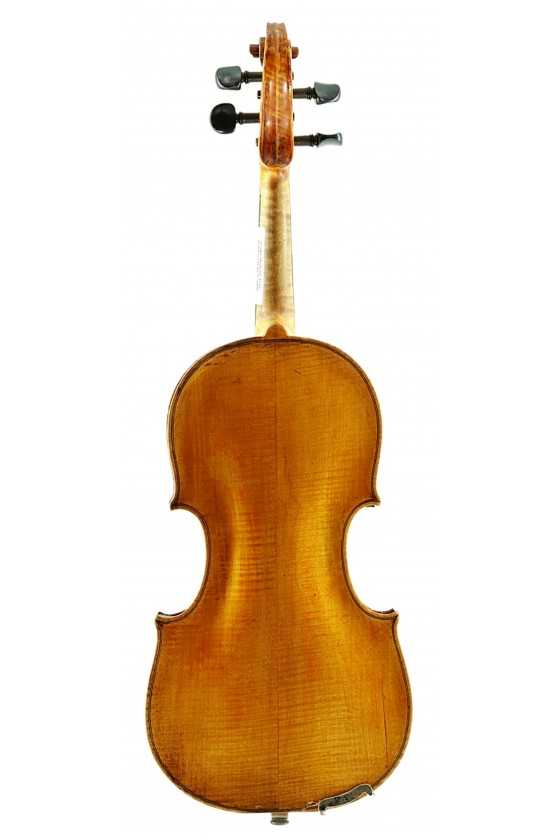
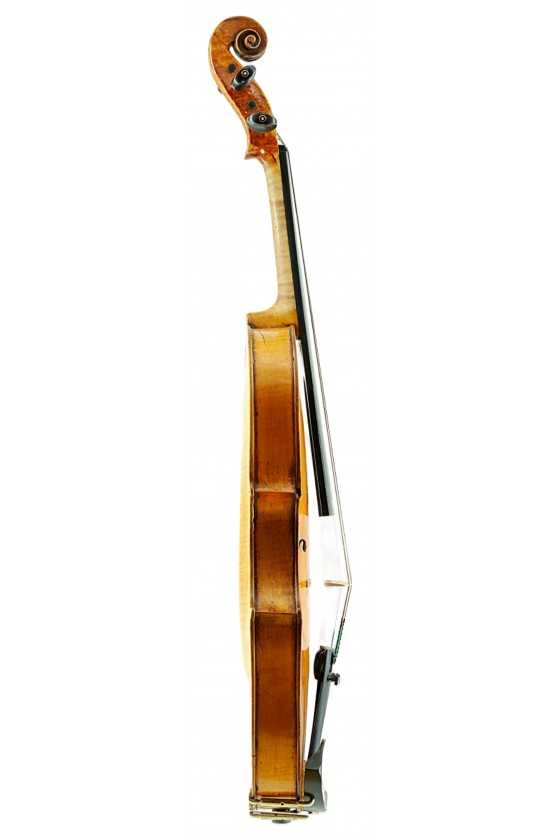
This is a violin labelled Carlo Steffani. The timber for this violin was cut around 1800 in the Southern Alps.
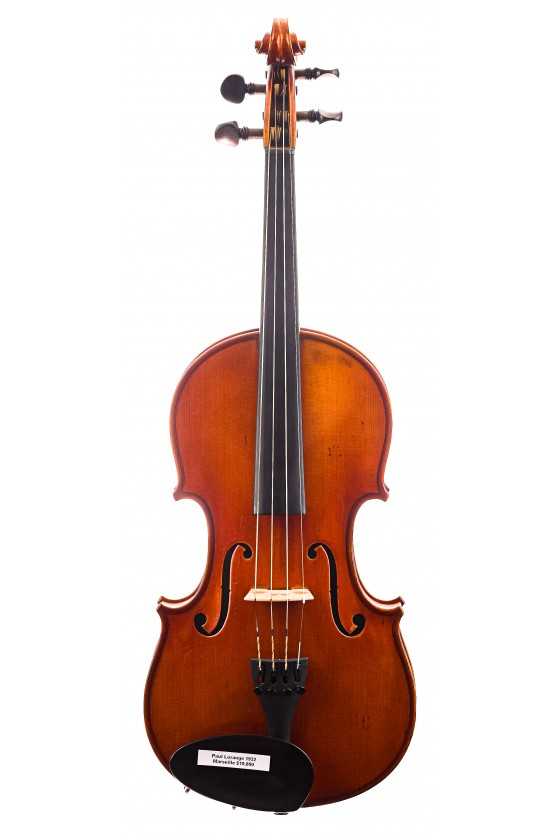
Paul Lorange, a renowned French luthier from Lyon, worked in Marseille during the early to mid-20th century. He established his independent workshop in the city in the early 1930s and was known for his fine workmanship on classical models and his use of various shades of red varnish. The violin in question was made in 1932, and it's noted that the handwriting on the violin and his original label may differ.
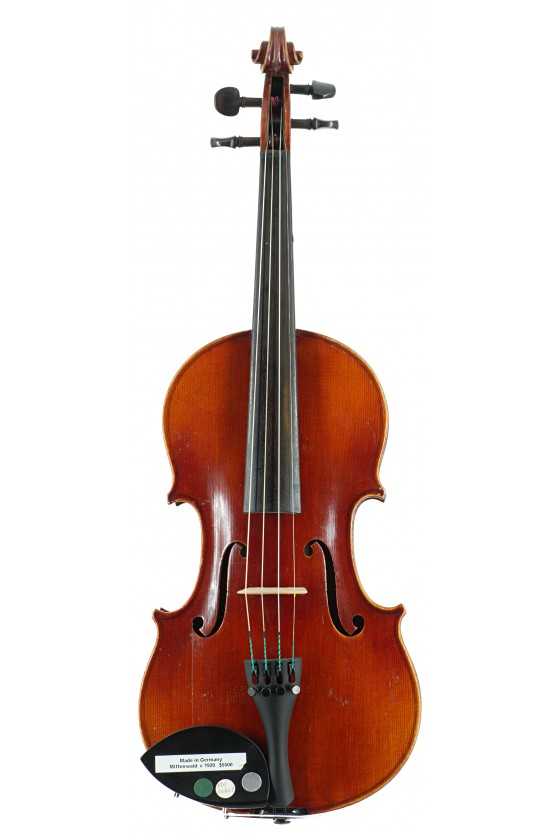
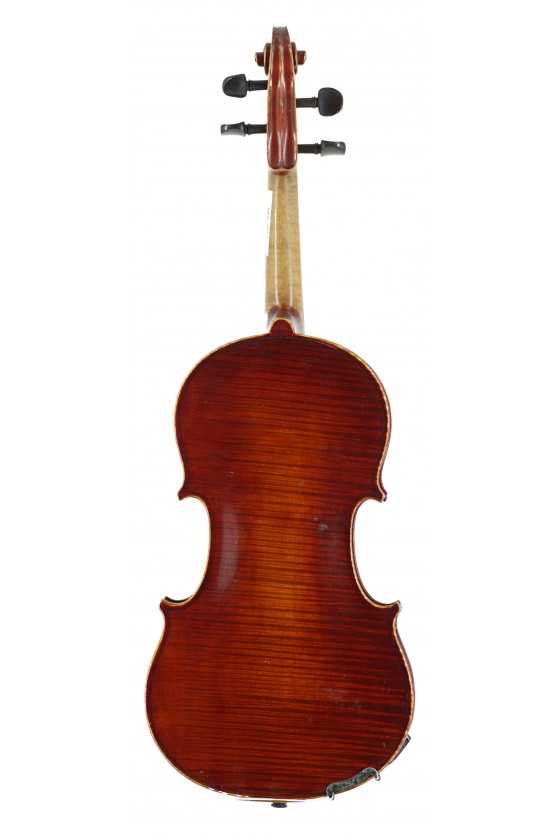
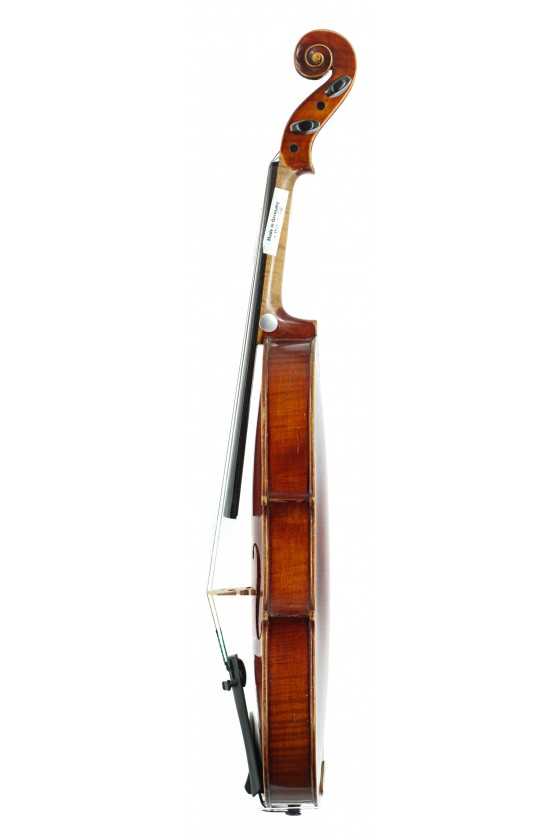
Check out this Violin Made in Germany Mittenwald dated around 1920. This is one of Animato Strings' largest selections of new and old instruments in Australia including Asian-handcrafted instruments, new European instruments, and a wide range of antique stringed instruments.
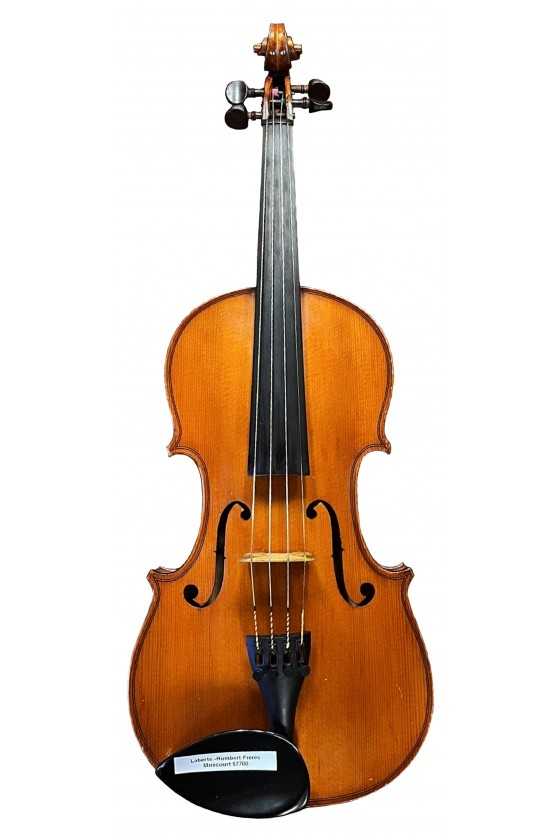
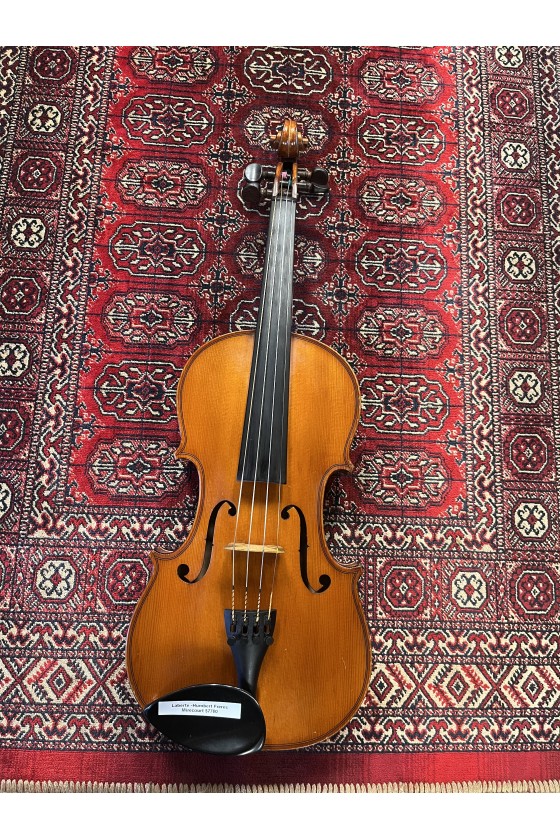
Lambert-Humbert Frères was a well-known violin manufacturer in Mirecourt from 1876 to 1969. They produced various instruments from reputable makers like Joseph Aubry and Georges Apparut. The company changed to L.F.M. in 1919 and obtained the prestigious brand “A La Ville de Cremone” in 1927. Unfortunately, the industry declined in the mid-20th century, leading to the closure of all major firms by the 1960s, including Laberte.
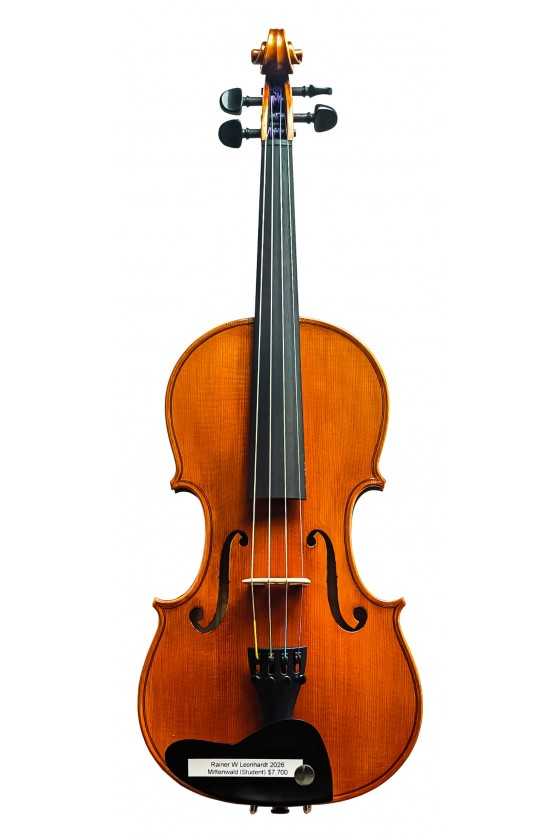
The Rainer W. Leonhardt Mittenwald Student Violin 2026 is a handcrafted German violin made in Mittenwald using carefully selected European spruce and maple. Offering a warm, balanced tone, excellent playability, and dependable craftsmanship, it is an ideal instrument for advancing students seeking an authentic European-made violin with outstanding value and musical performance.
Rainer W. Leonhardt is a fourth-generation Master Violin Maker whose family workshop has handcrafted fine string instruments since 1926. Based in Mittenwald, Germany, he continues more than 350 years of local violin-making tradition, producing instruments renowned for their exceptional craftsmanship, beautiful tone, and lasting quality.
In the 1910s, Arthur Edward Smith (1880-1978) established a store in Sydney upon his return to Australia. Smith's workshop on Hunter Street quickly gained a reputation for repairing and selling high-quality stringed instruments. This violin was sold (not made by) AE Smith, Australia's most famous violin maker.