
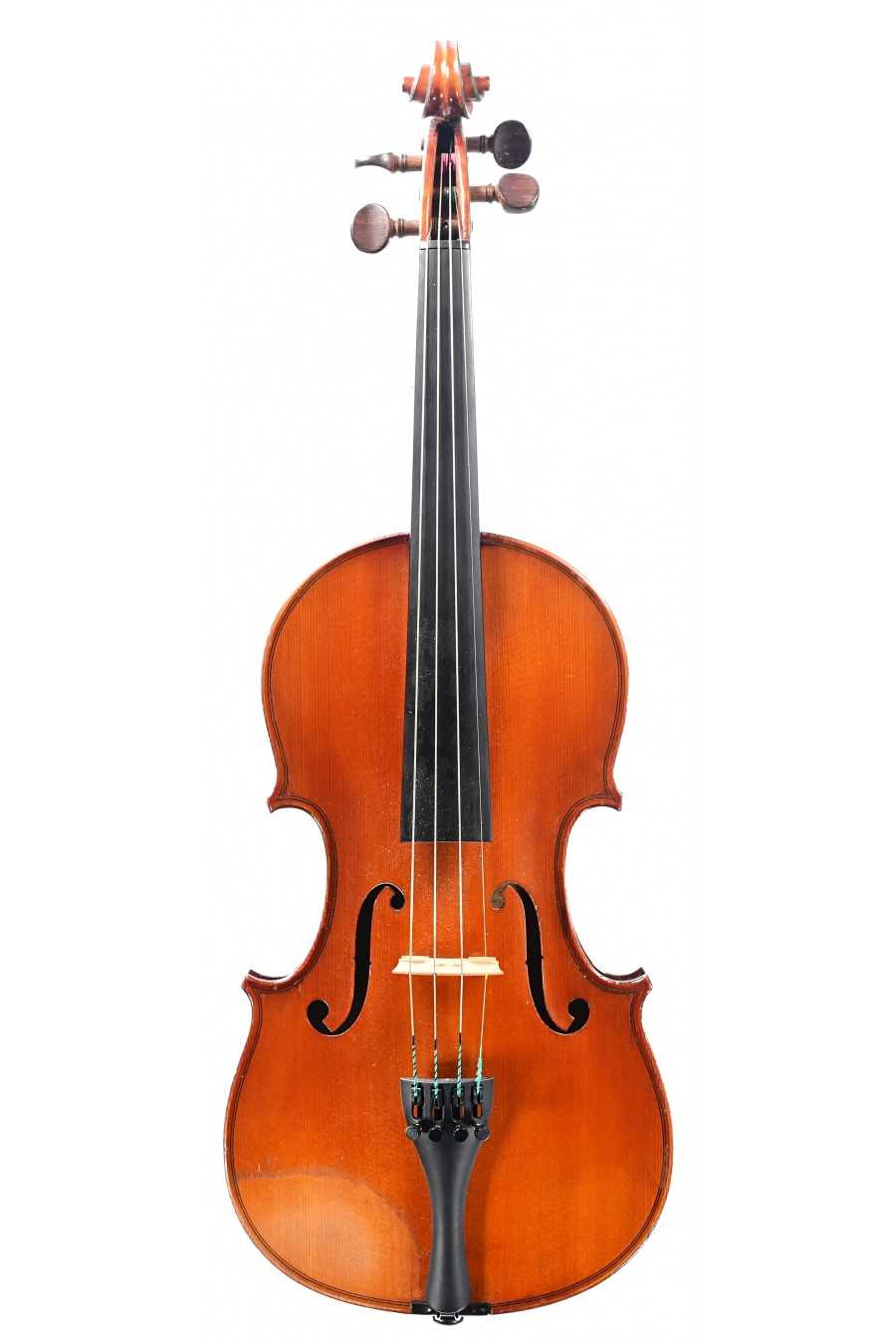
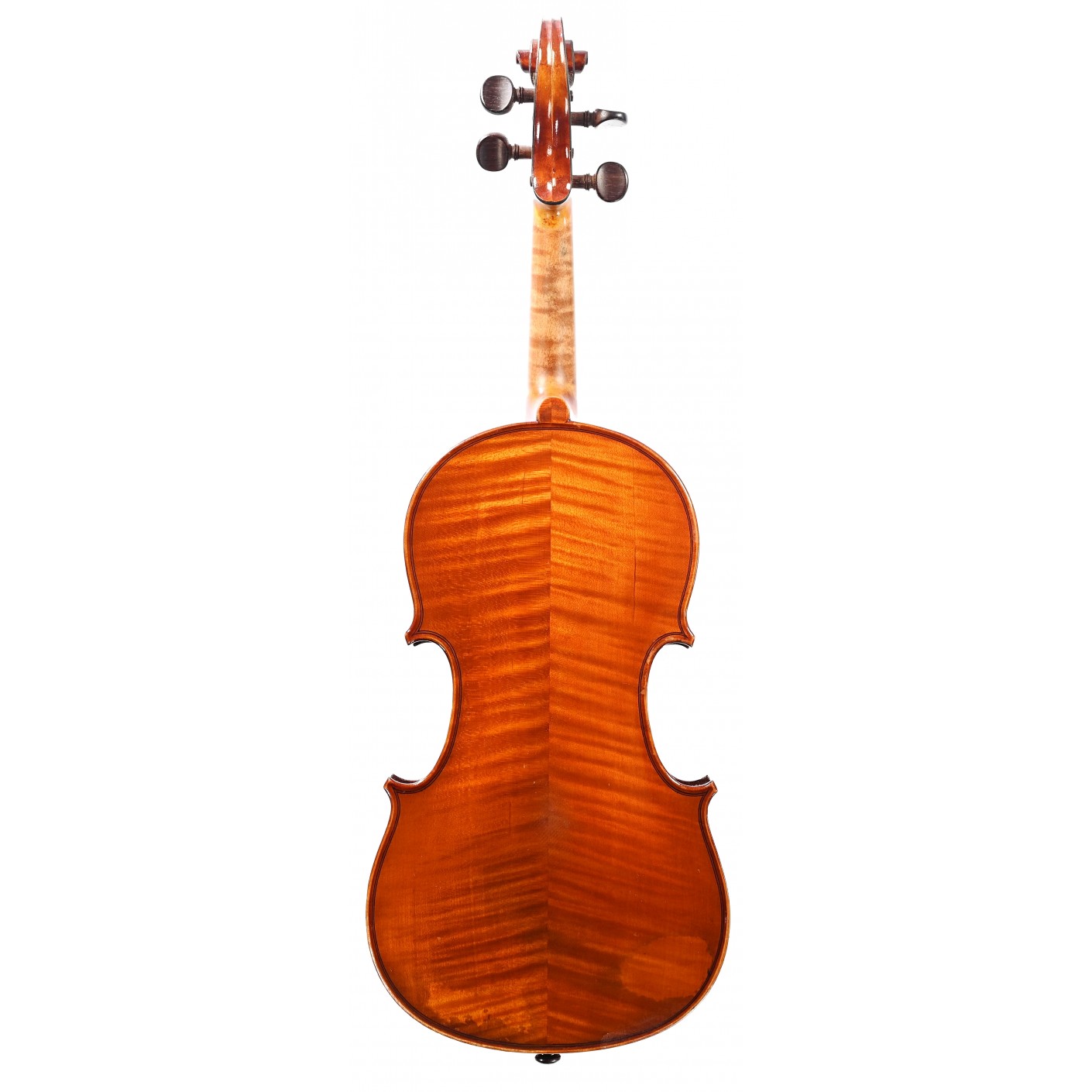
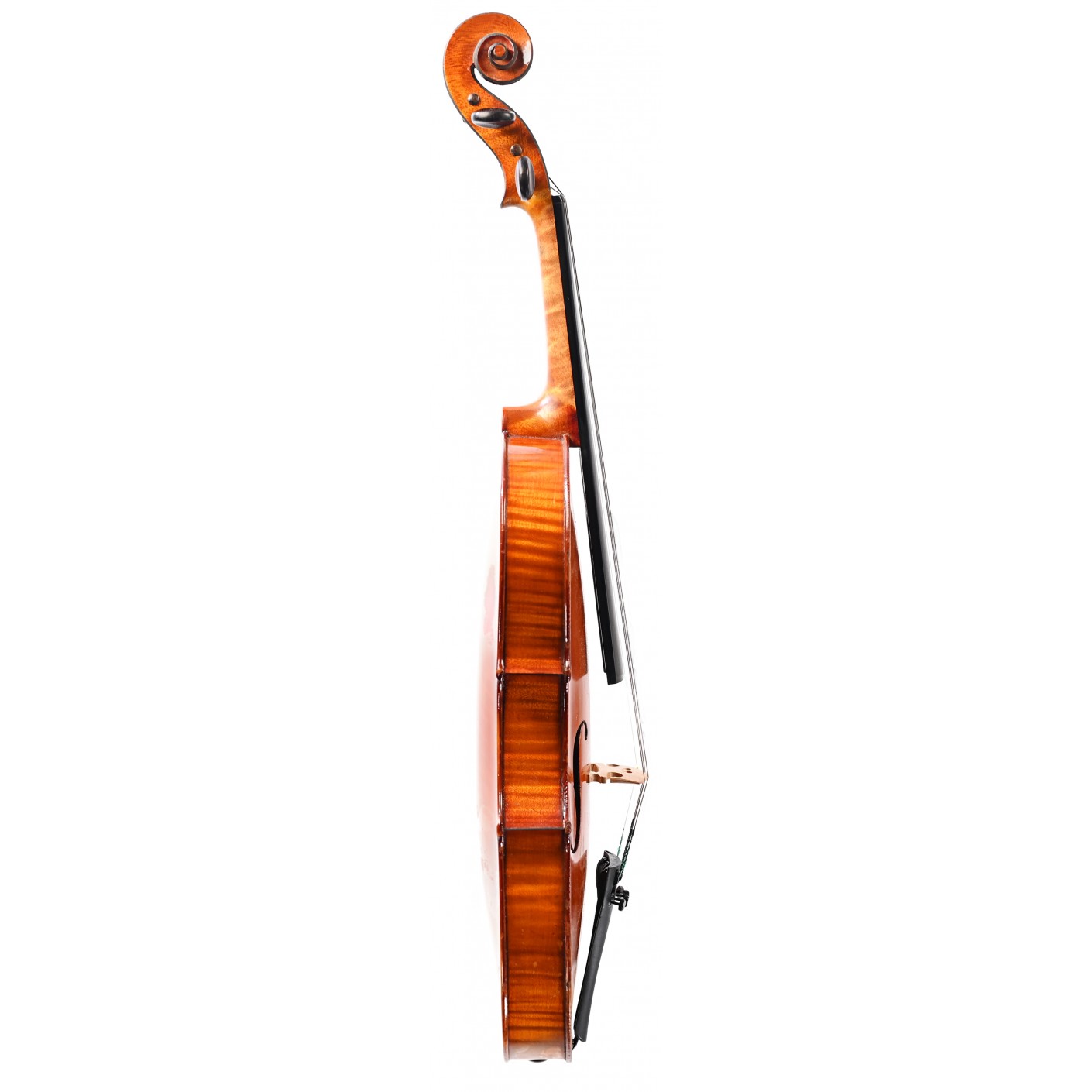
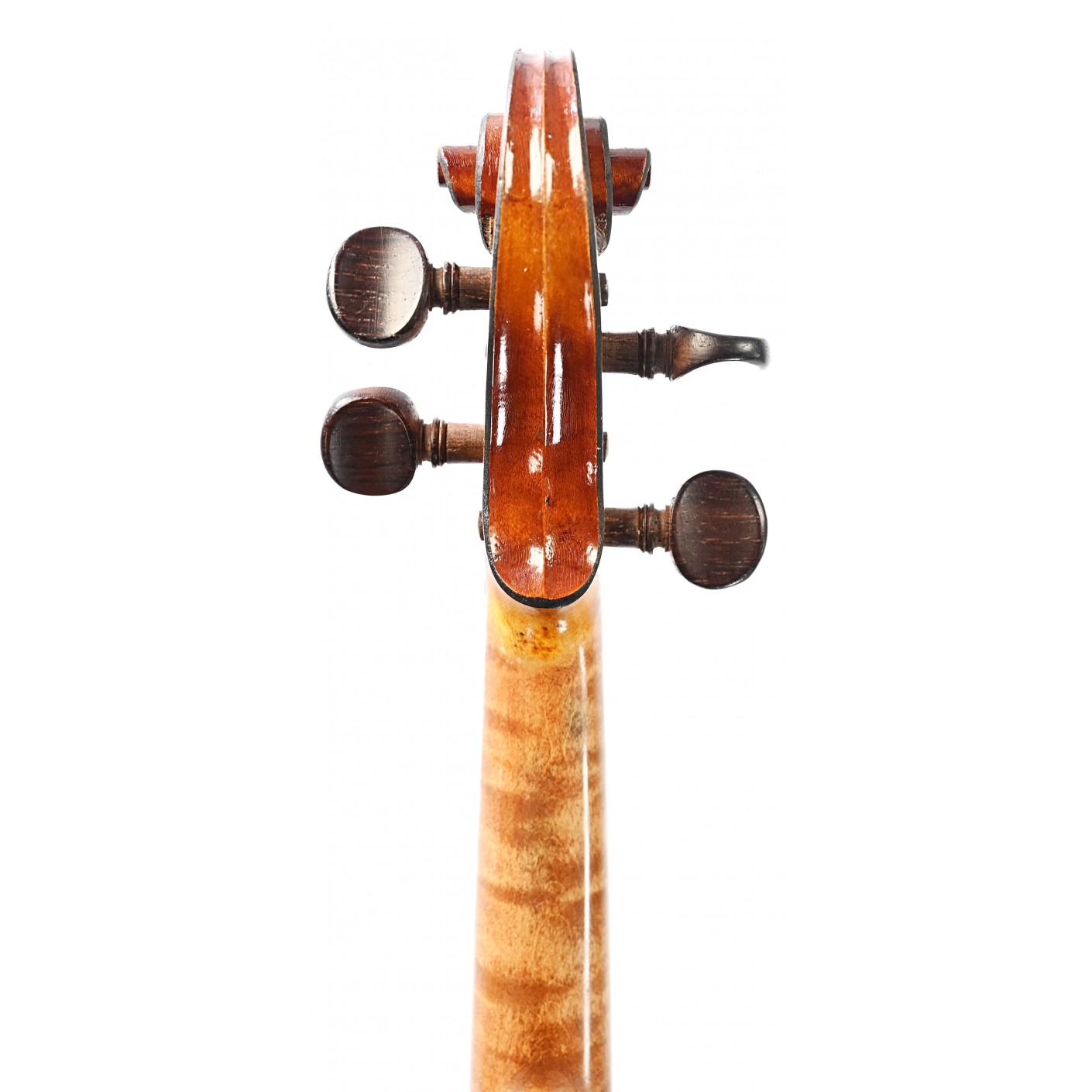
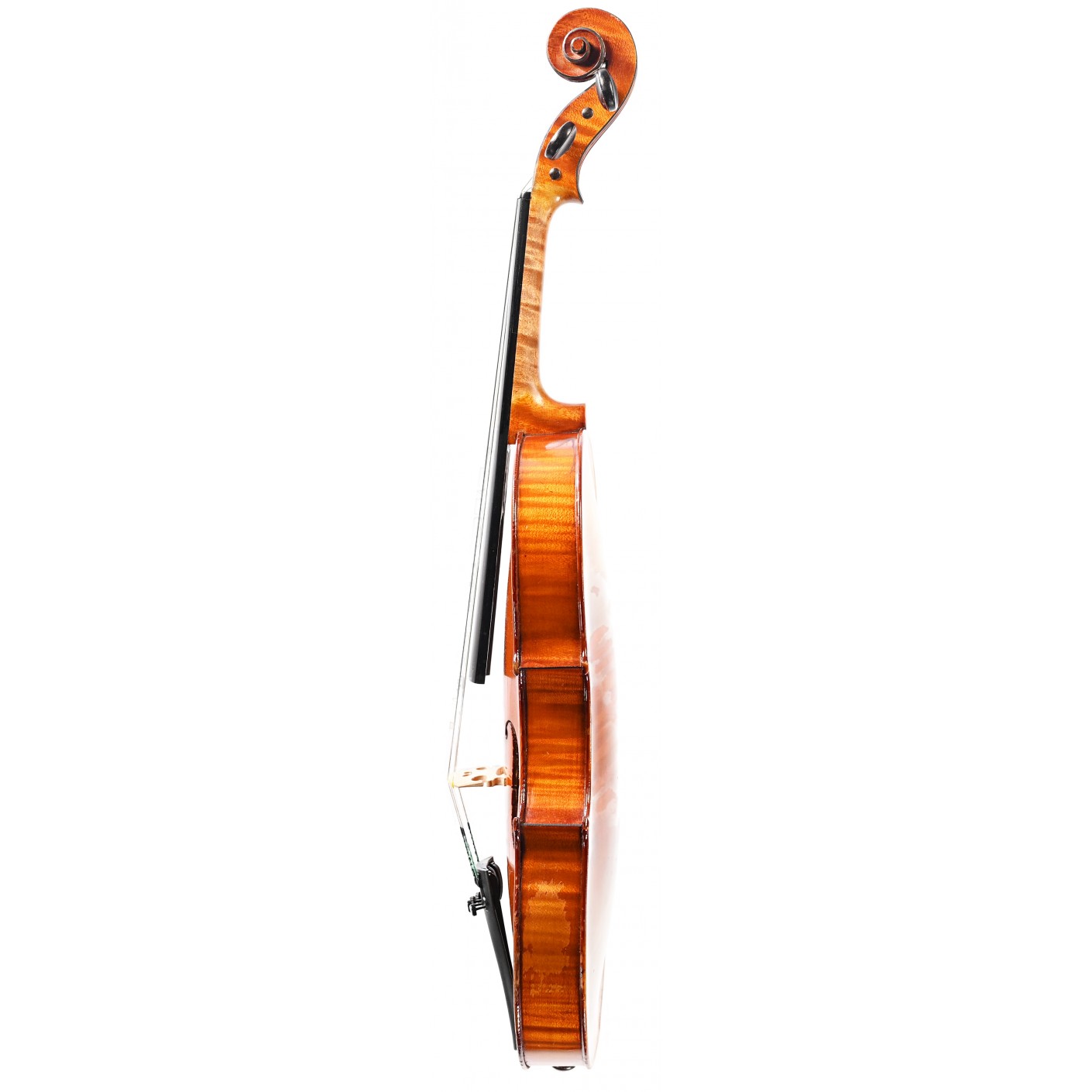
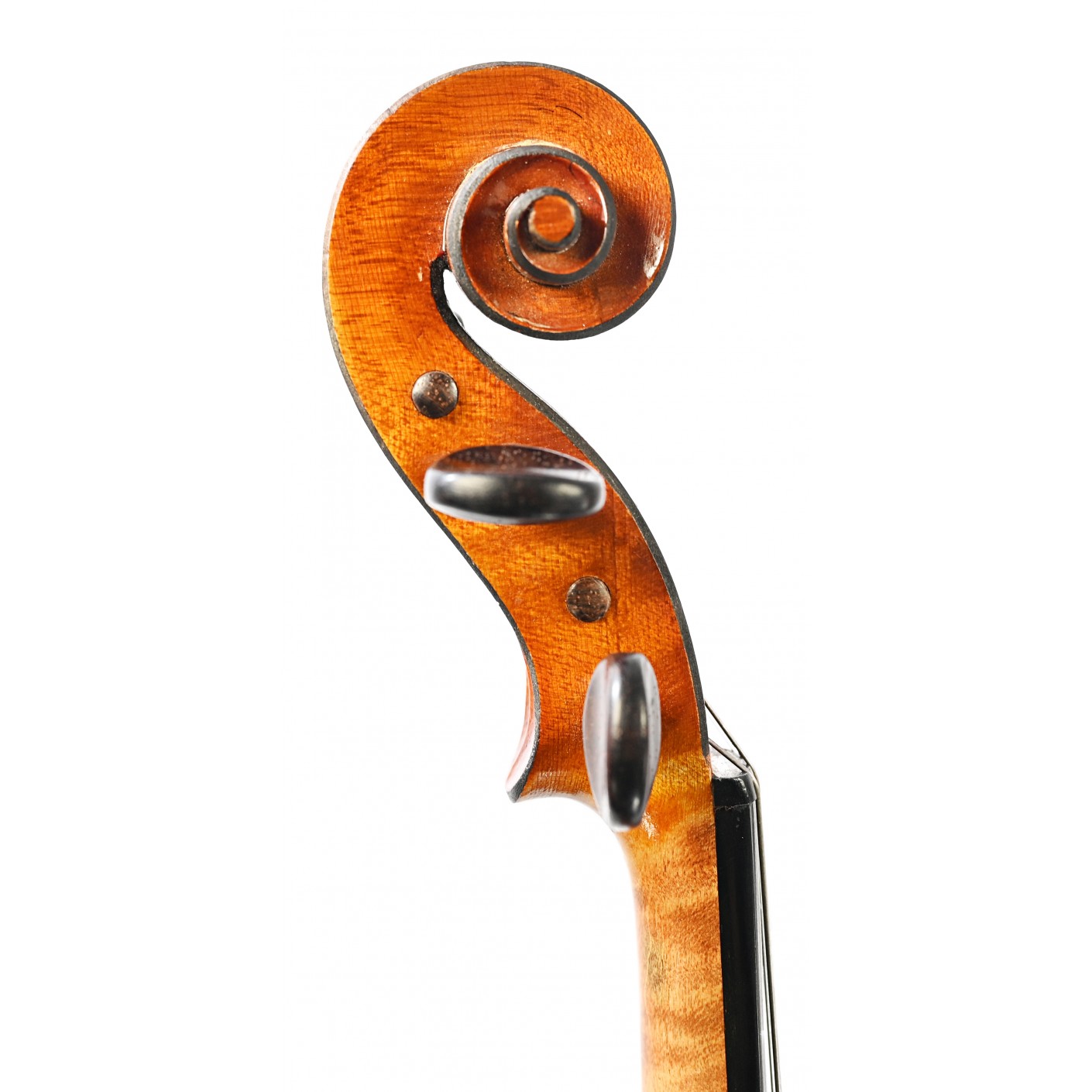
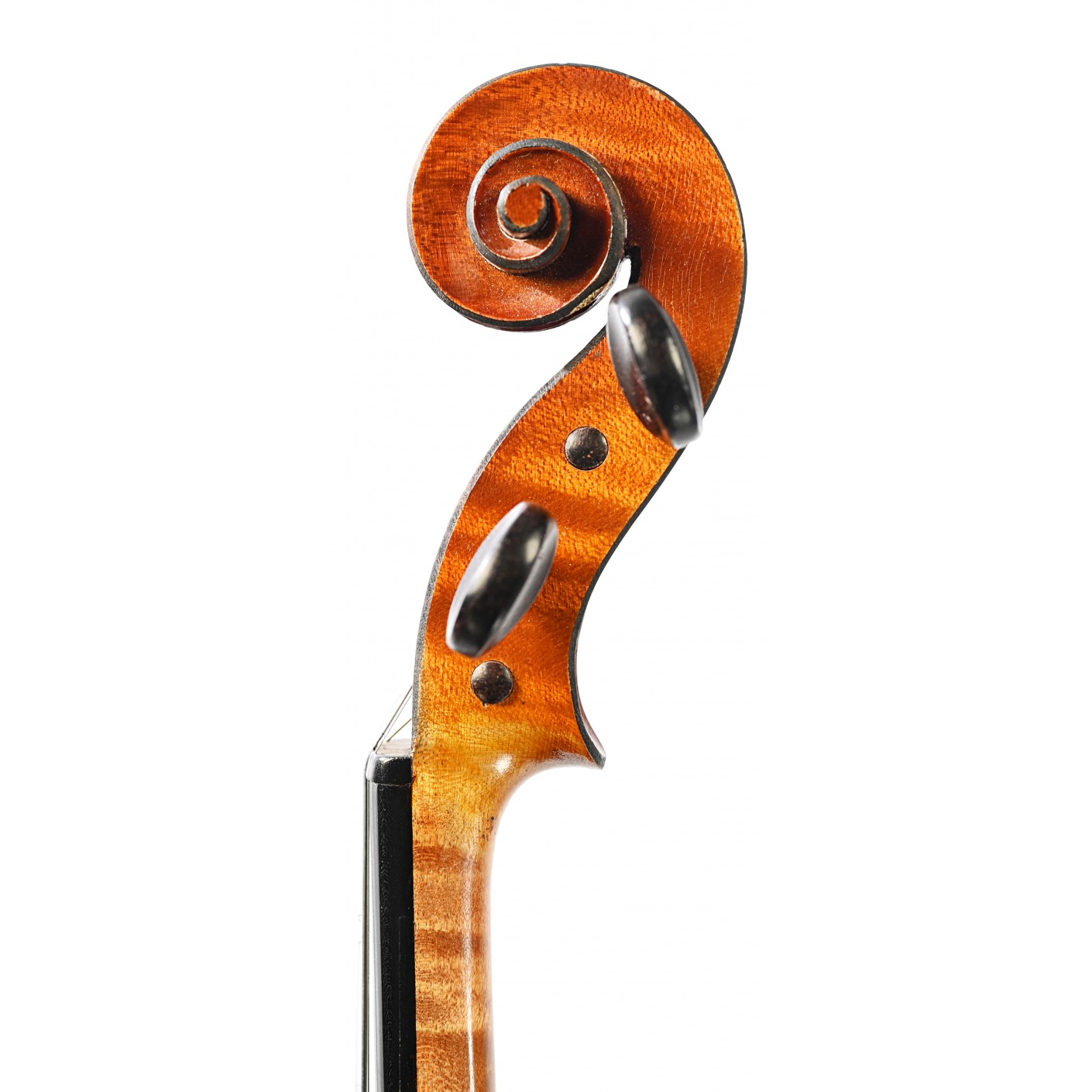
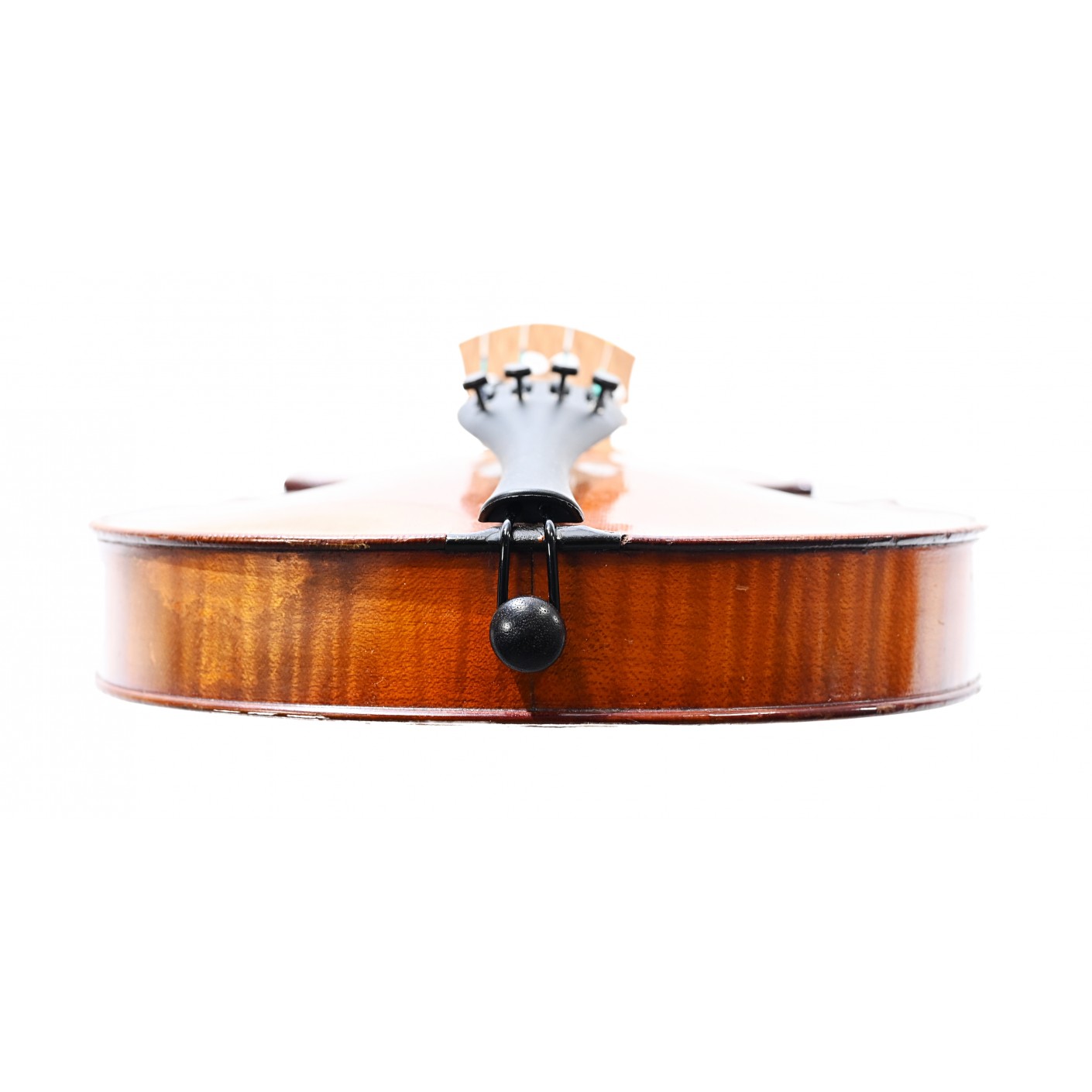
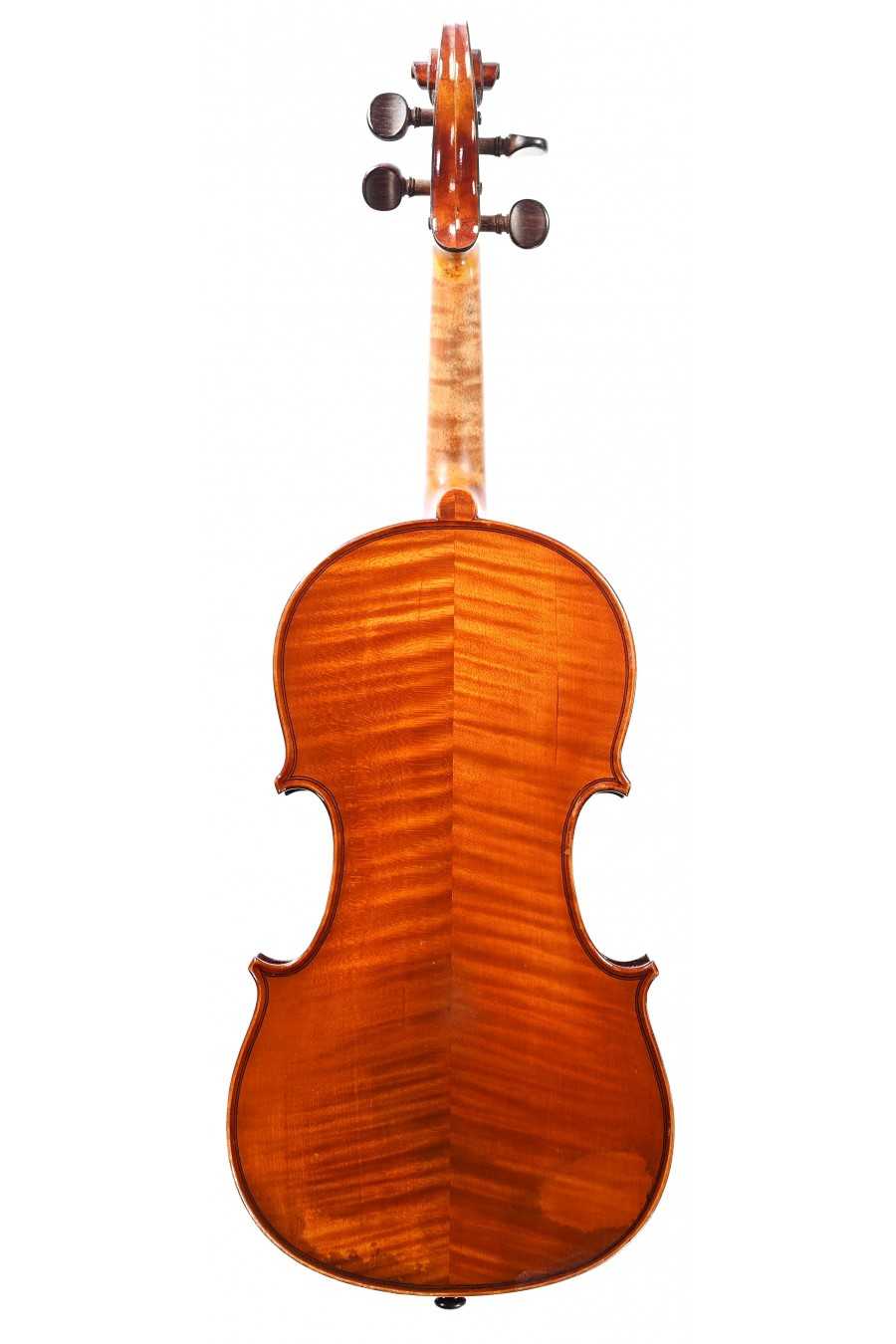
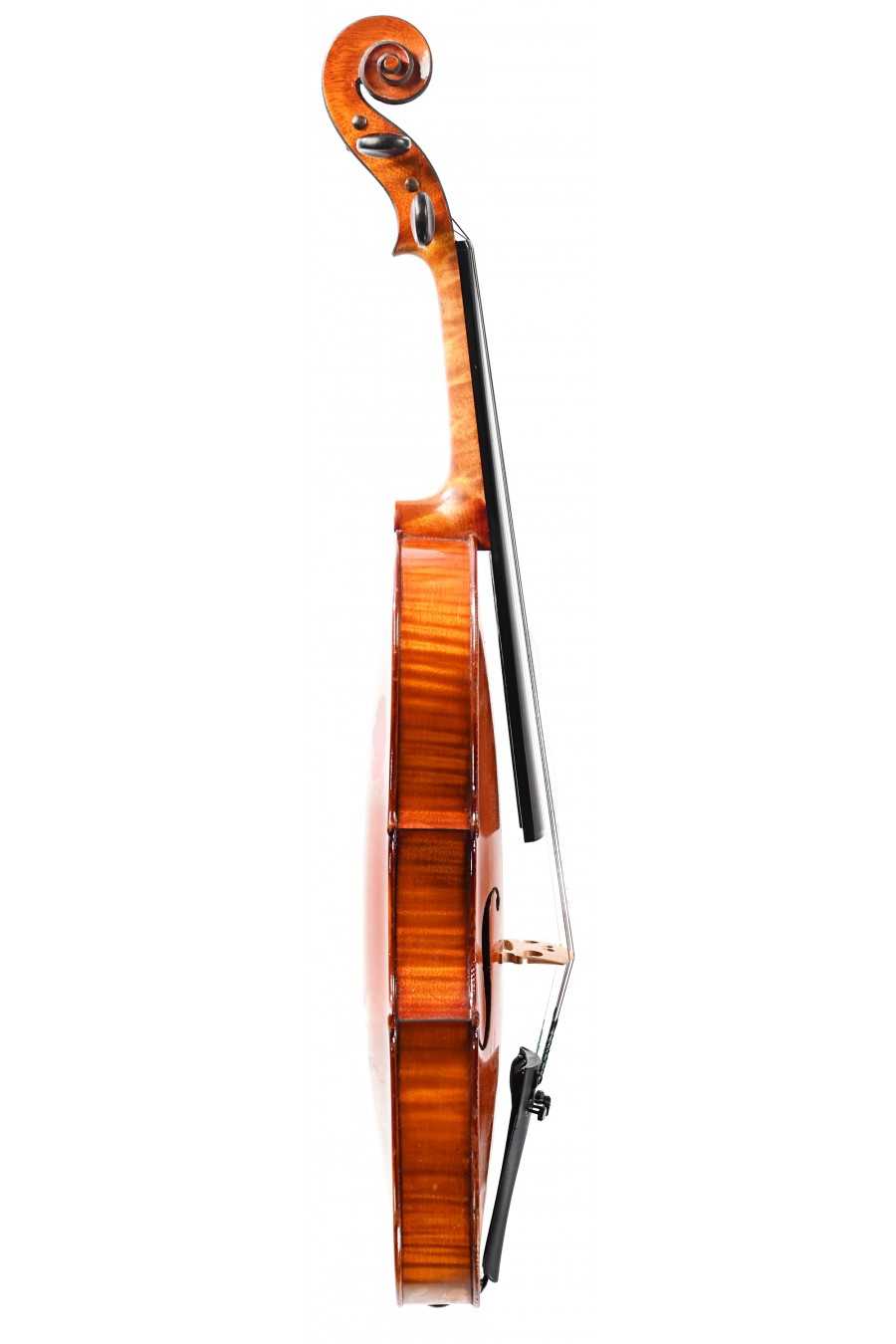
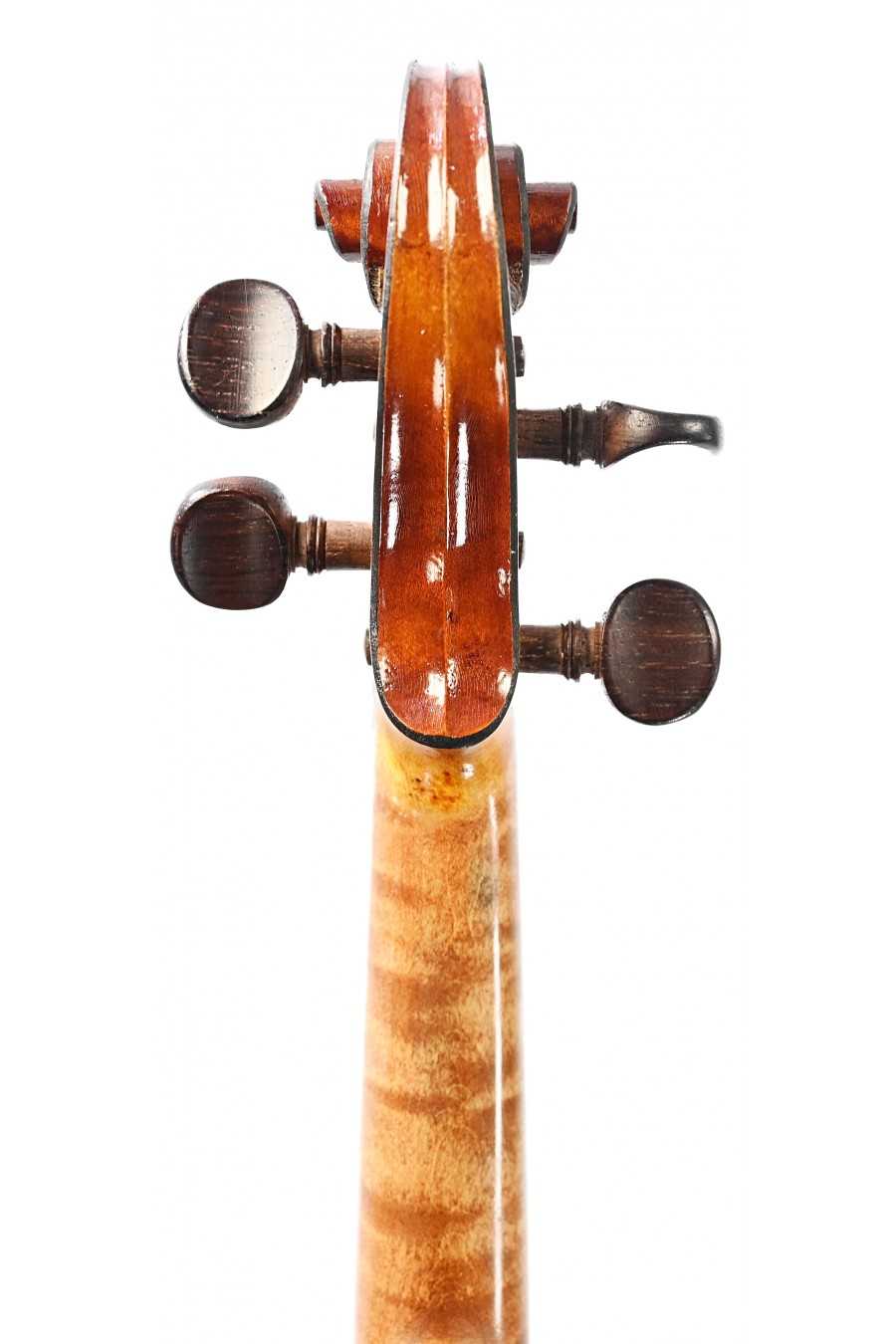
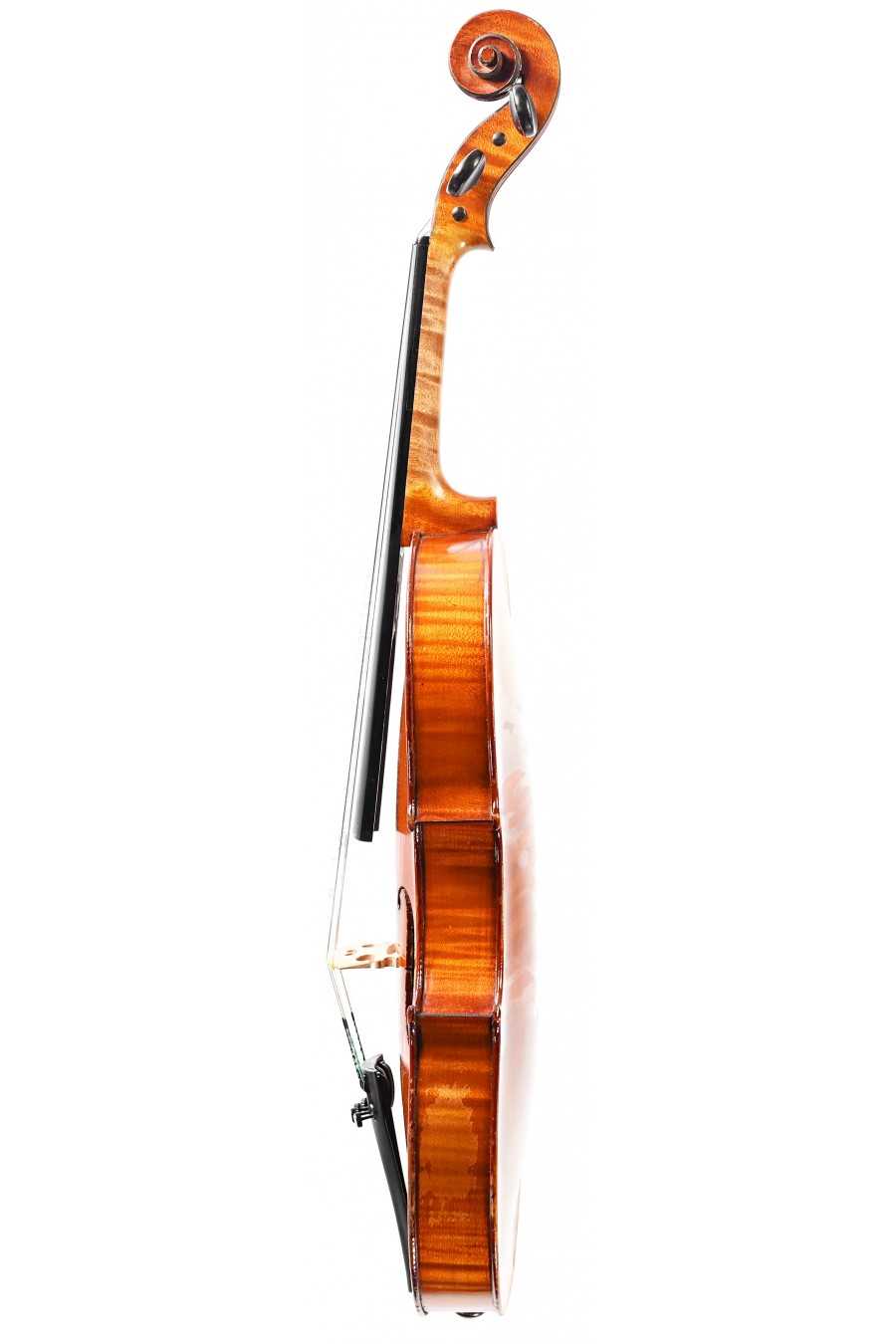
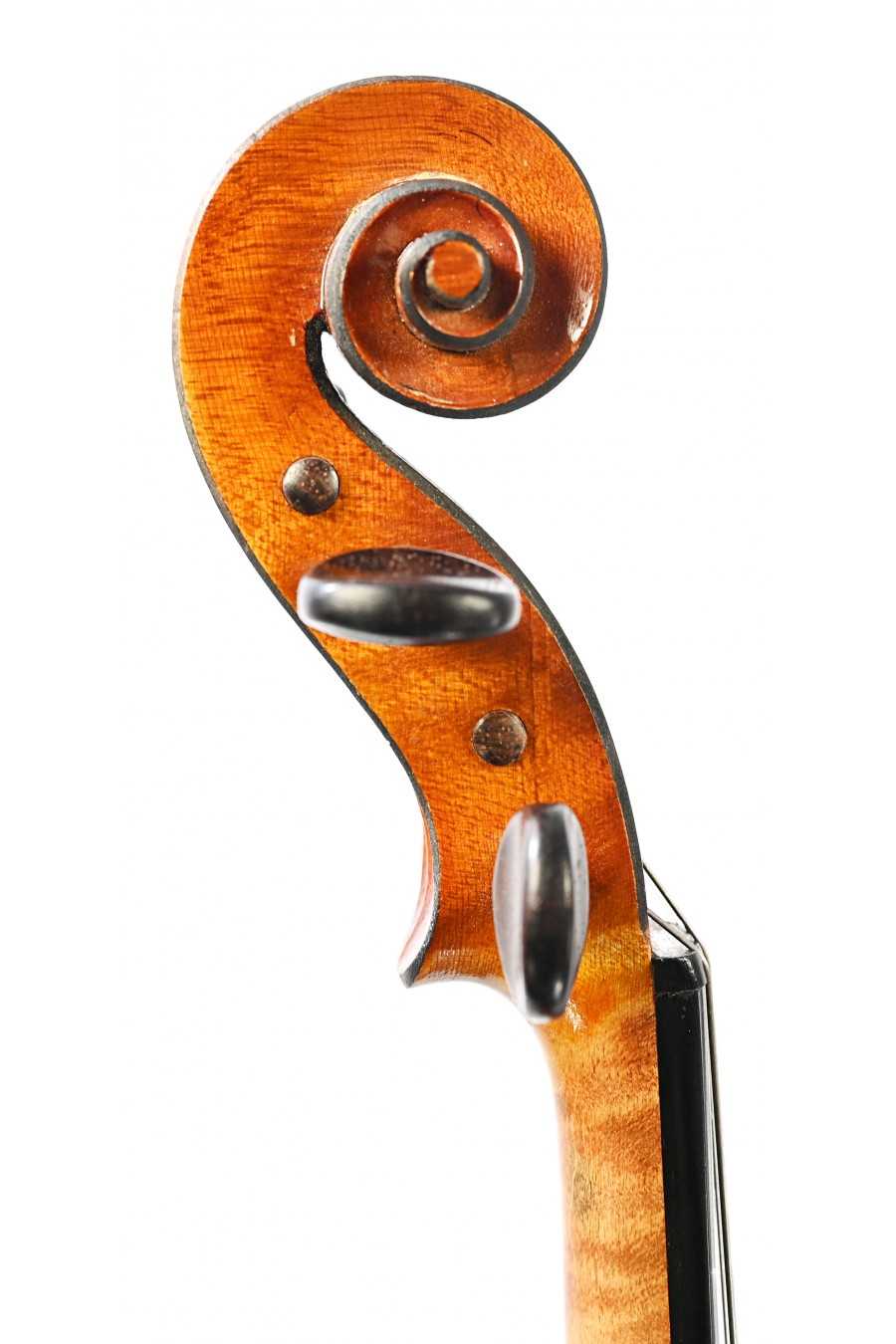
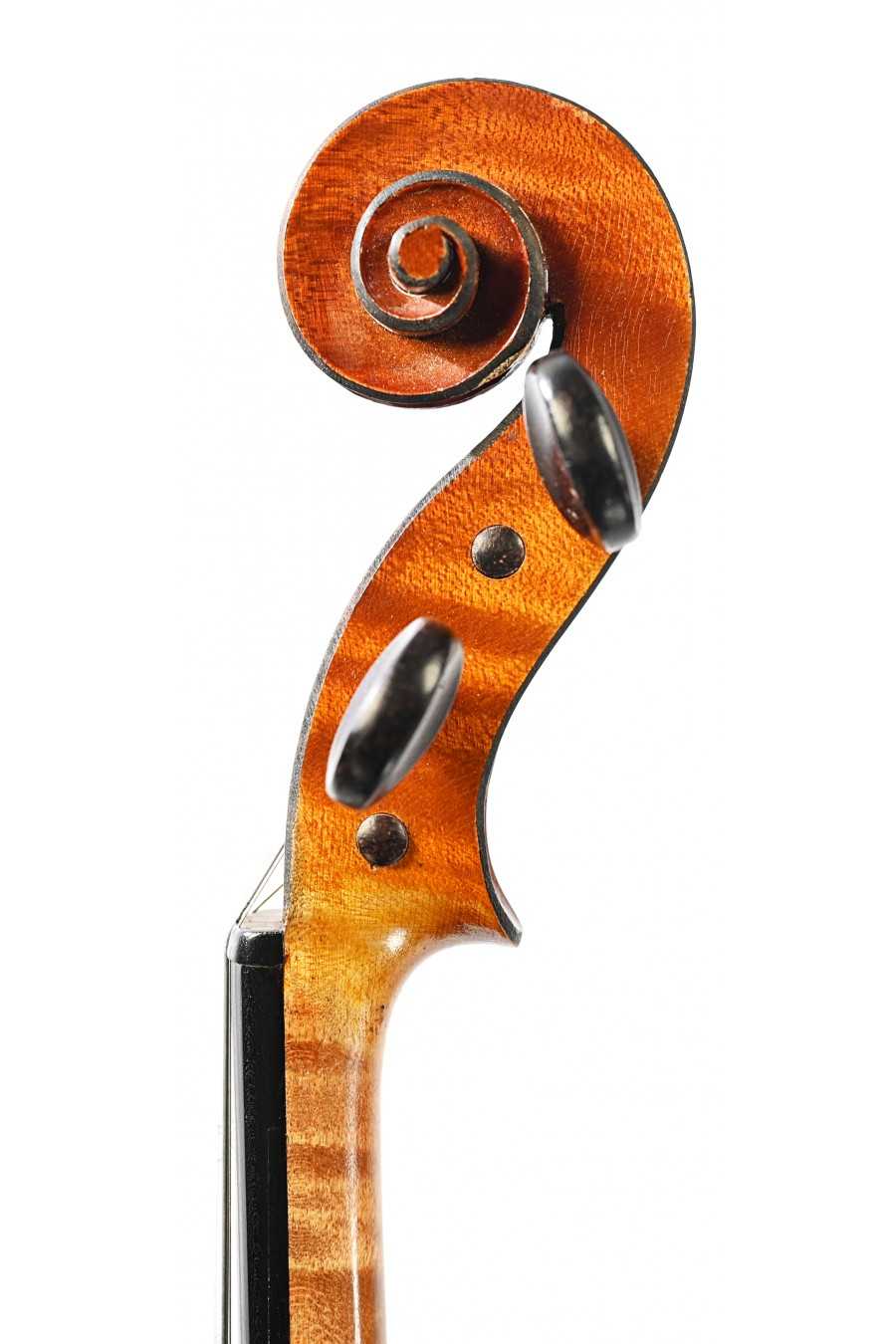
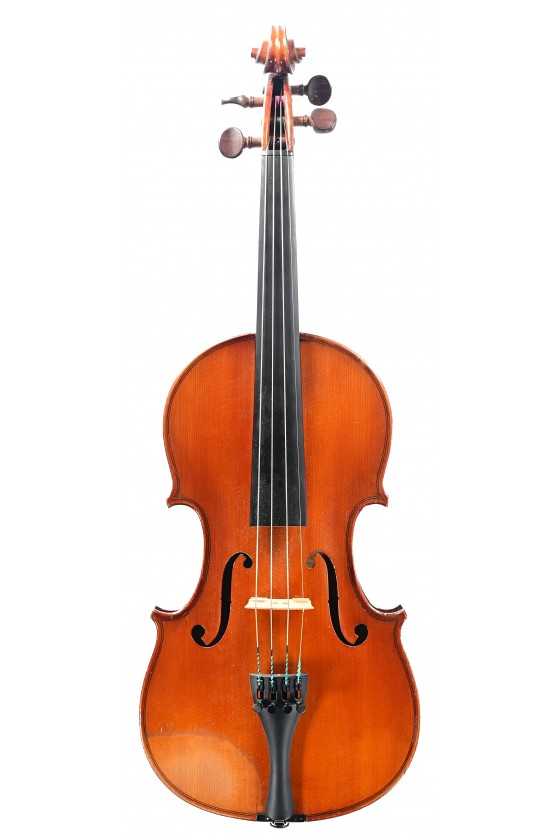
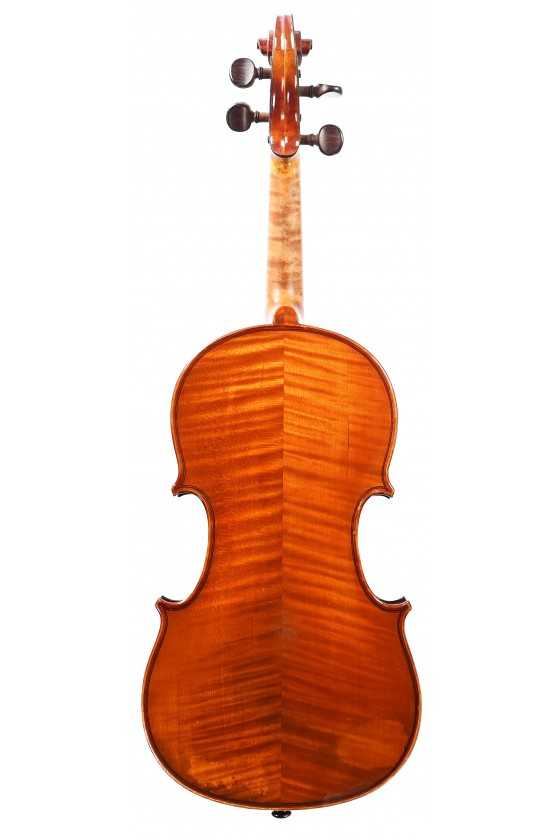
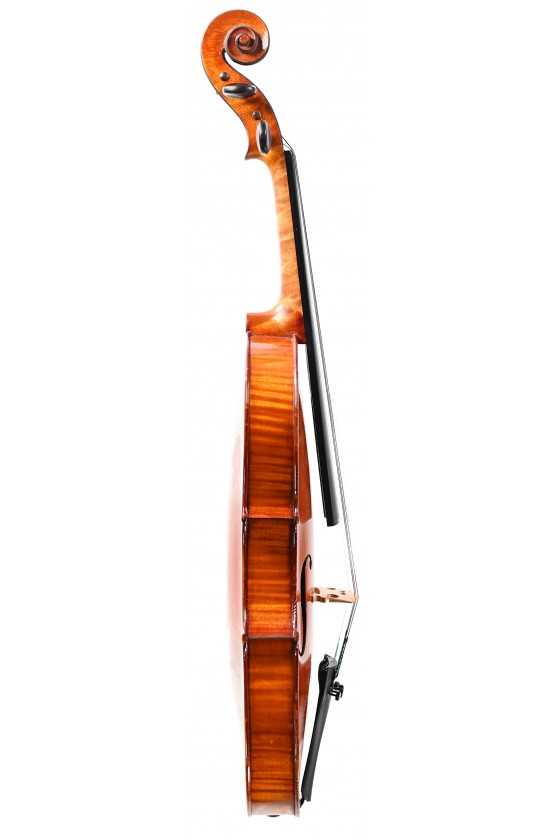
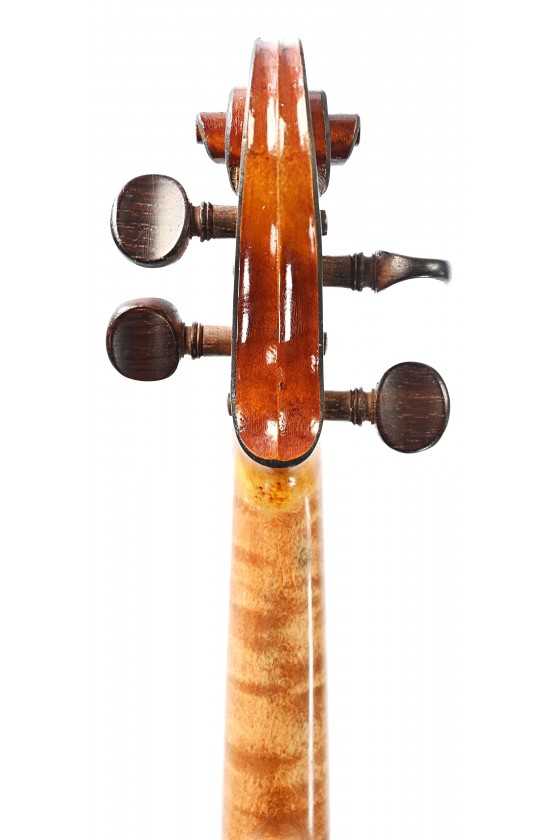
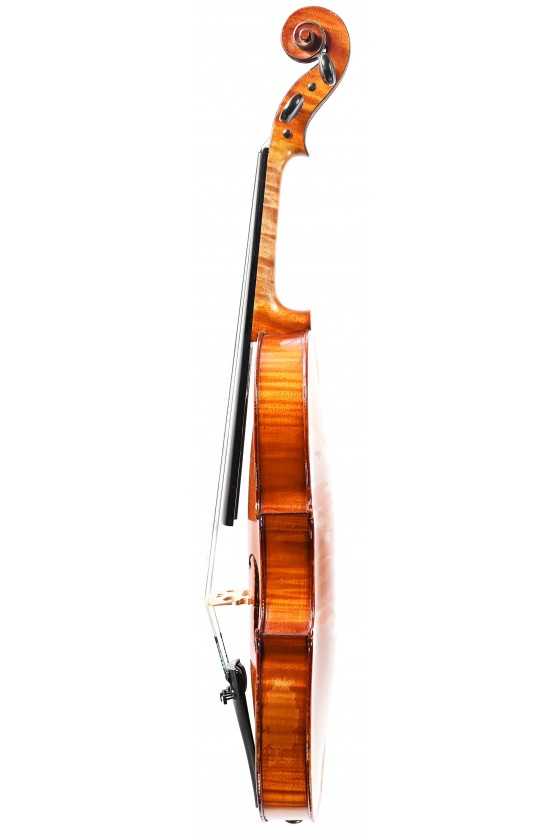
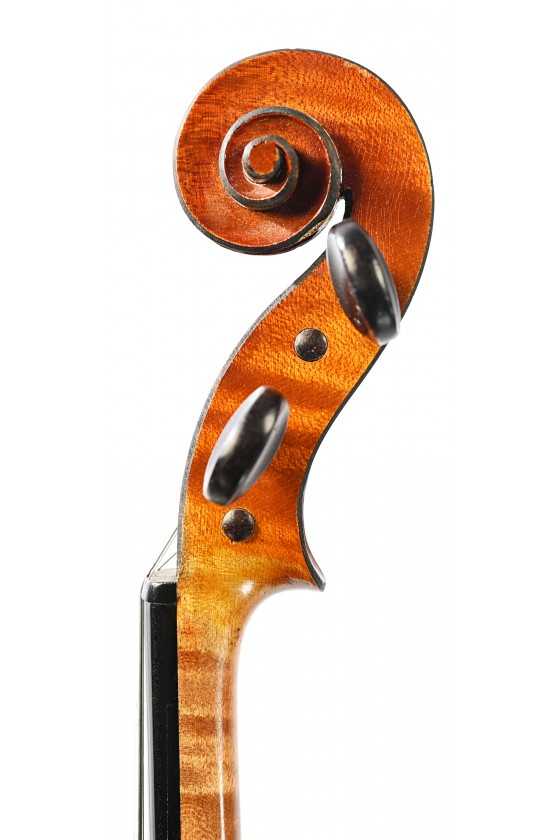
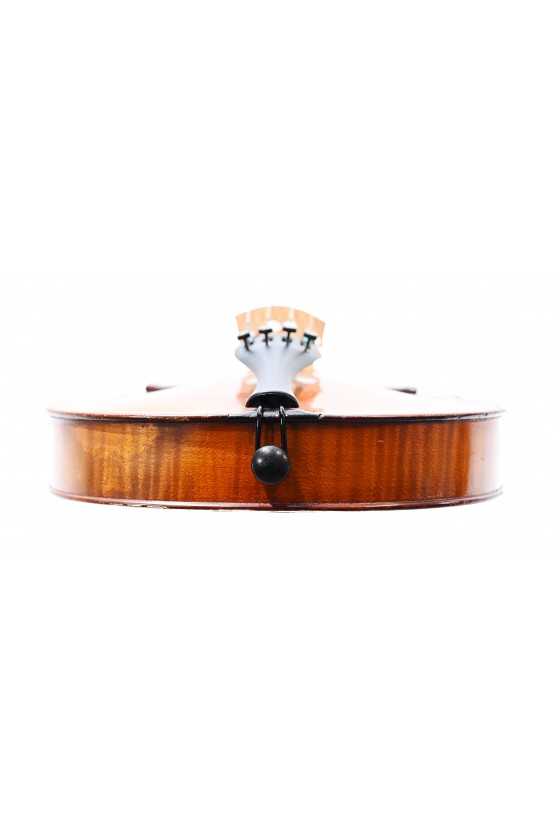
Gliga Vasile 4/4 Violin with Birdseye Maple Back, Sides, and Neck (Instrument Only)
Handcrafted in Romanian workshops featuring highly flamed maple back, sides and neck and close-grained Carpathian resonance spruce top.
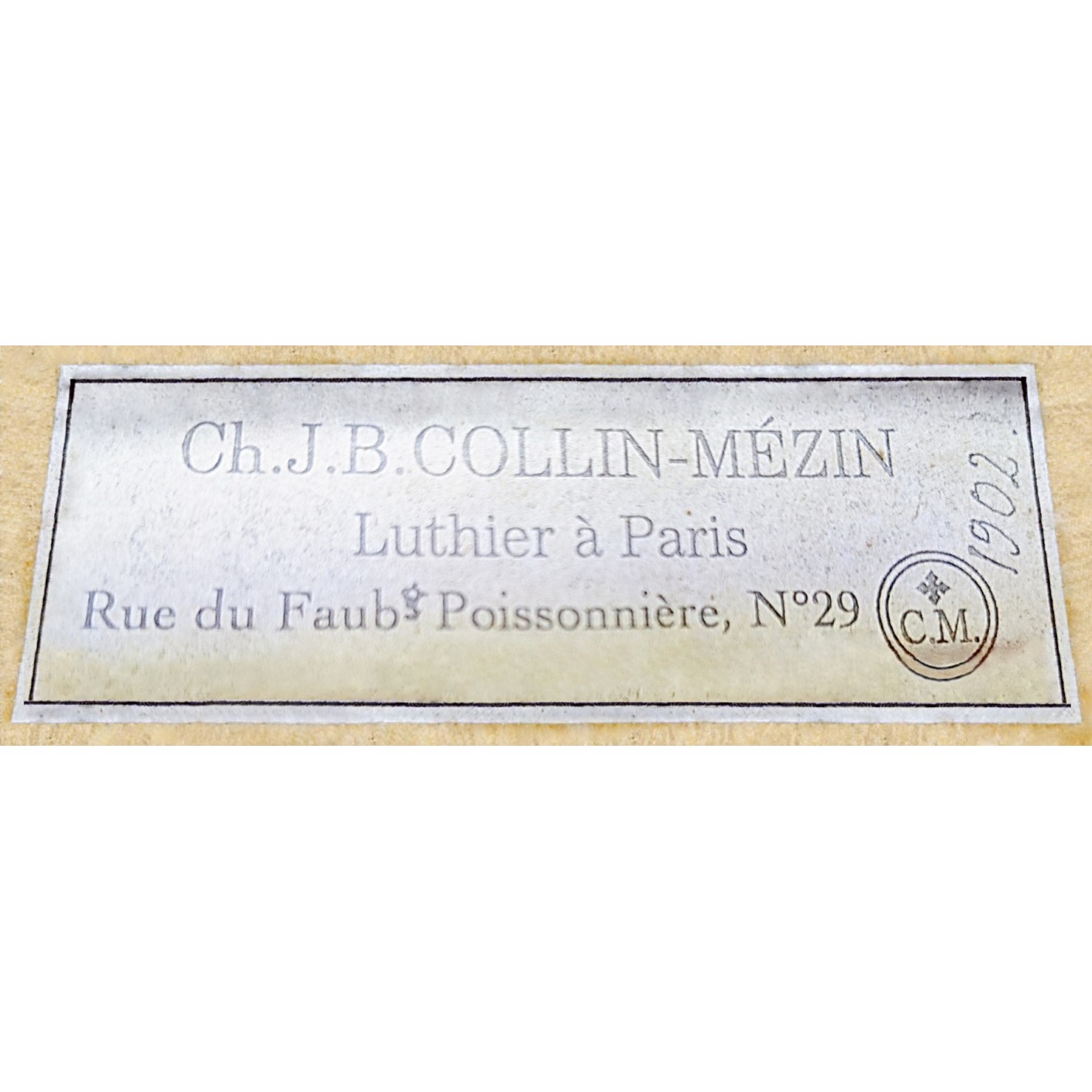
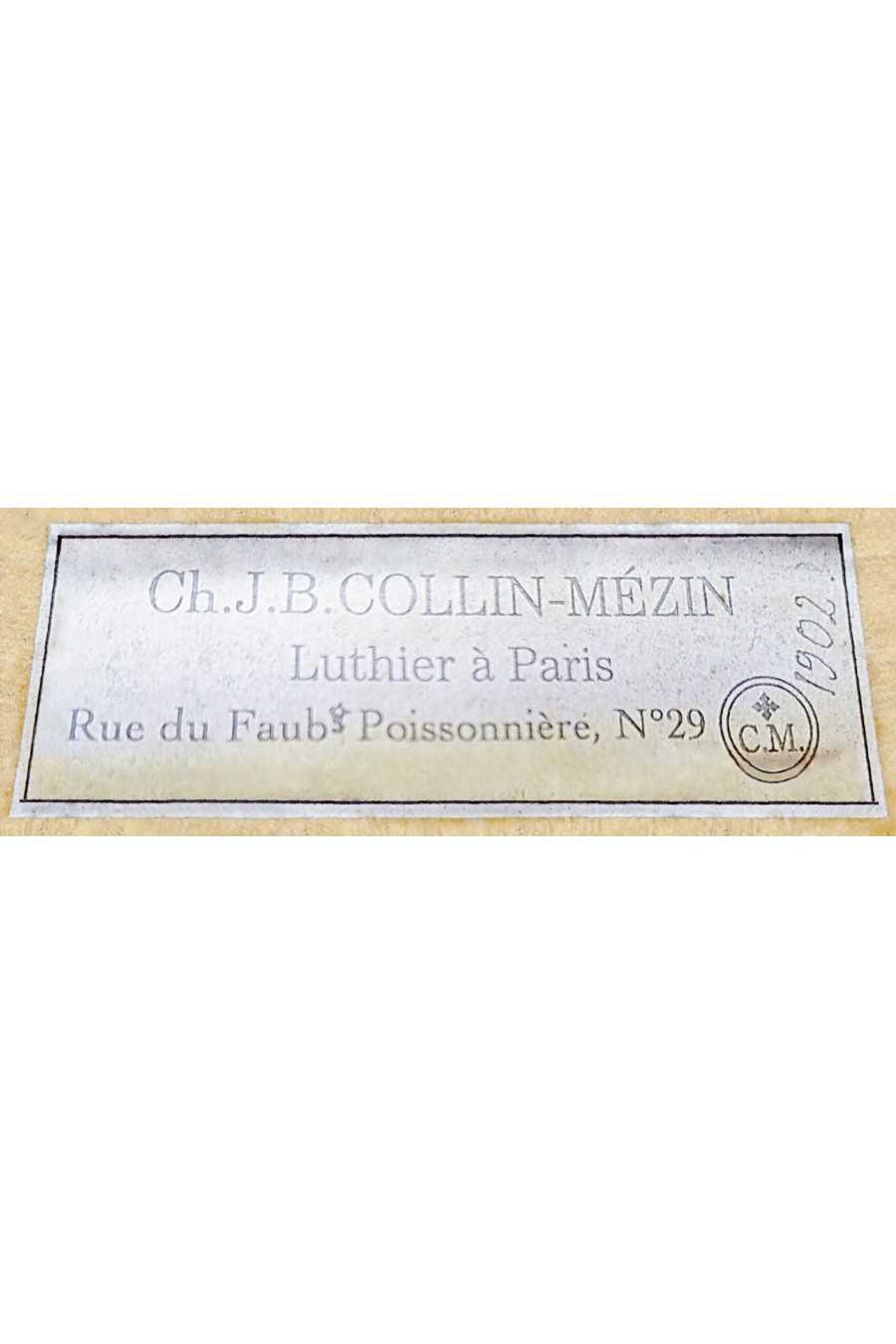
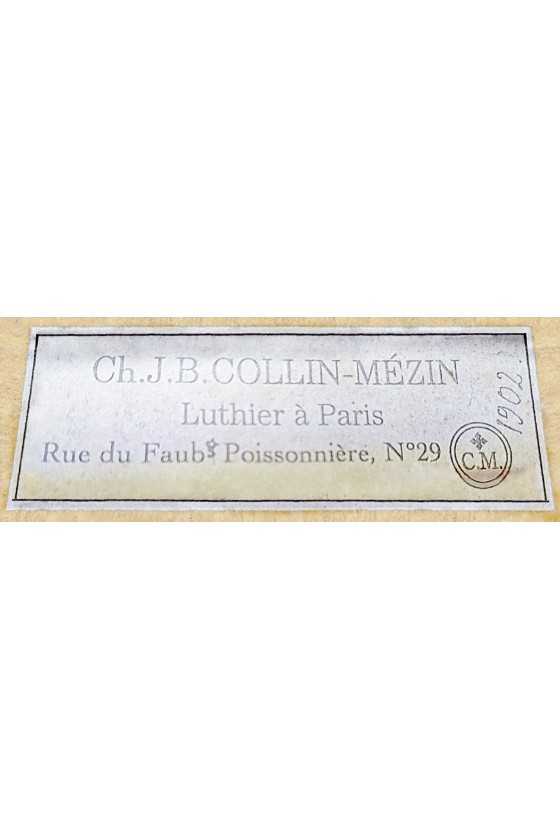
This is a Collin - Mezin violin made in Paris in 1902. Charles Jean Baptiste Collin-Mezin (1841–1923) was a Parisian luthier an Officier de l'Académie des Beaux-Arts and won gold and silver medals in 1878, 1889, and 1900 at the Paris Exhibitions.
Charles Jean Baptiste Collin-Mezin (1841–1923) was a Parisian luthier creating violins, violas, cellos, basses and bows, establishing a name for himself in contemporary circles. Joachim, a prominent violinist of the day, noted his fine craftsmanship and the brilliant tonal qualities of his instruments. He was an Officier de l'Académie des Beaux-Arts and won gold and silver medals in 1878, 1889, and 1900 at the Paris Exhibitions.
It is these features that make his violins still popular today.

Handcrafted in Romanian workshops featuring highly flamed maple back, sides and neck and close-grained Carpathian resonance spruce top.
Marc Laberte (1880–1963) was trained as a violin maker and joined the family company in 1911. By 1919, the Laberte firm had around 400 craftsmen and was successful. However, the war in 1942 devastated the business, leading to its closure. Despite this, Laberte was known for his exceptional instruments and bows, earning several honours and medals.
This violin has the original Marc Laberte label and bears the number #3010. A second label states Grand Prix Paris 1931, Exposition Internationale Bruxelles 1935 Membre Du Jury, and Exposition Internationale New York 1939. The prices they won before and during the start of the world war 2.
A violin made and labelled in 1917 by Leandro Bisiach (1864 – 1945) of Milan, an Italian violin maker born in Casale Monferratos, known as the father of violin makers in the Bisiach family.
POA This violin, attributed to Anselmo Bellosio (1743-1793) in Venice, was acquired by Animato Strings and features previous repairs, including a new bass bar installed by A. Eisenstein in New York, as noted in a 1944 magazine clip. After cleaning and minor seam repairs, it produces a rich, full sound and is available for sale. Born into a family of organ makers, Bellosio began crafting violins around 1770 and took over Giorgio Serafin’s workshop in 1777. This particular instrument, dated 1768, reflects his early craftsmanship and notable deep tone, marking him as a significant figure in the 18th-century Venetian violin-making tradition before his passing at 50.
Introducing the Maurice Bourguignon Violin made in 1927 in Brussels. Maurice Bourguignon is a French luthier who received several awards, medals, and diplomas for his work in various exhibitions. He was known for his very refined work in classical models characterized by a good red varnish.
We have here a Collin - Mezin Violin made in Paris in 1911. Charles Jean Baptiste Collin-Mezin is a French violin maker who started at a young age under the tutelage of his father, Claud-Nicolas Collin. His own workshop started in 1867 at the 14 and 18 rue du Faubourg Poissonnièr in France.
This 7/8 size violin is labelled Thomas Challoner who worked in Chester, England around 1790. Thomas Challoner was one of the known violin makers in the 18th century.
The 1927 Collin-Mezin violin is a masterpiece crafted in the renowned Collin-Mezin Workshop, established in the 19th century by Charles Jean Baptiste Collin-Mezin in Paris. After passing in 1923, his son, Charles Collin-Mezin Jr., took over the workshop. In 1925, the workshop moved to Mirecourt, France. Known for producing vibrant instruments with outstanding sound flexibility, the workshop's tradition continues with the 1927 Collin-Mezin violin.