
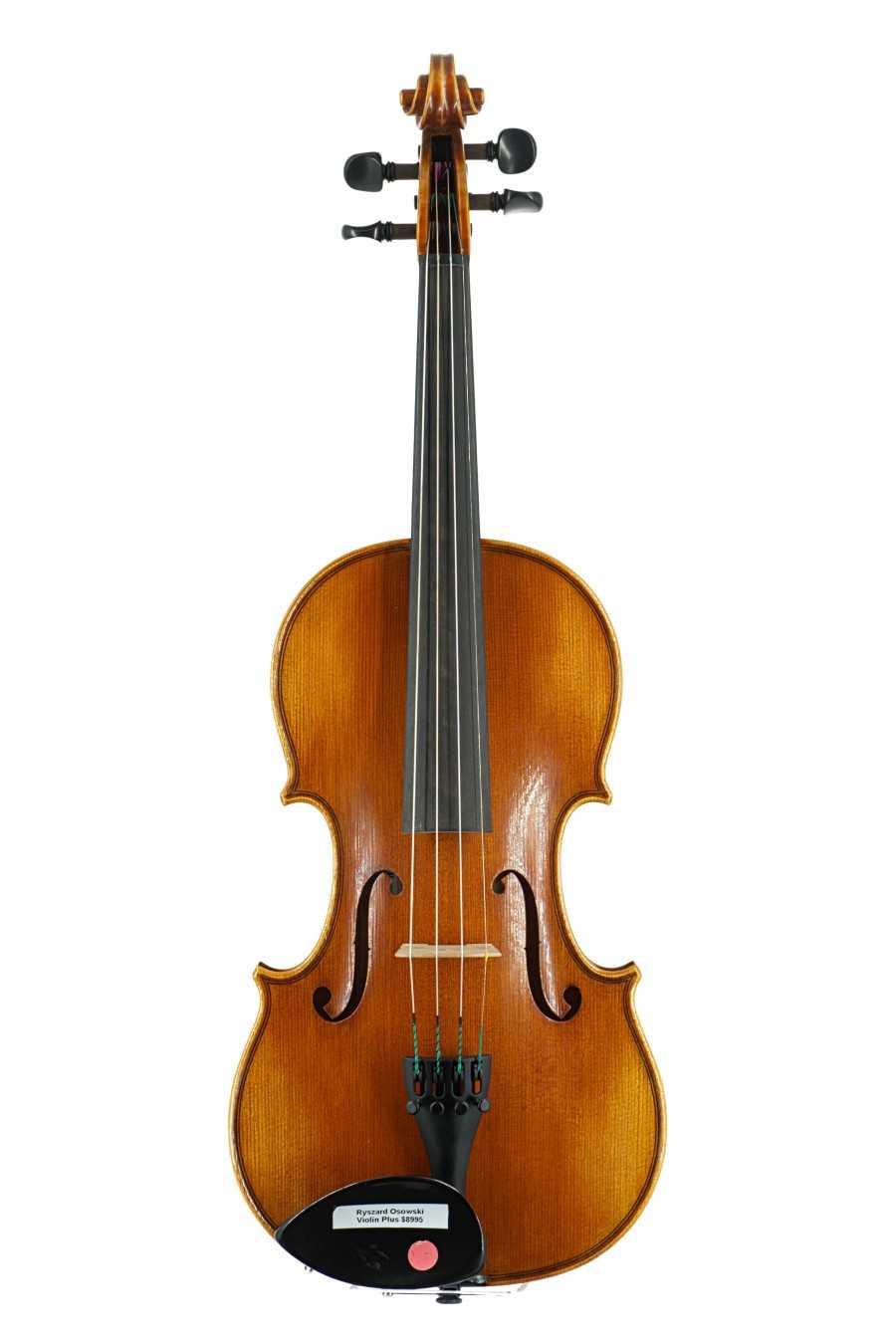
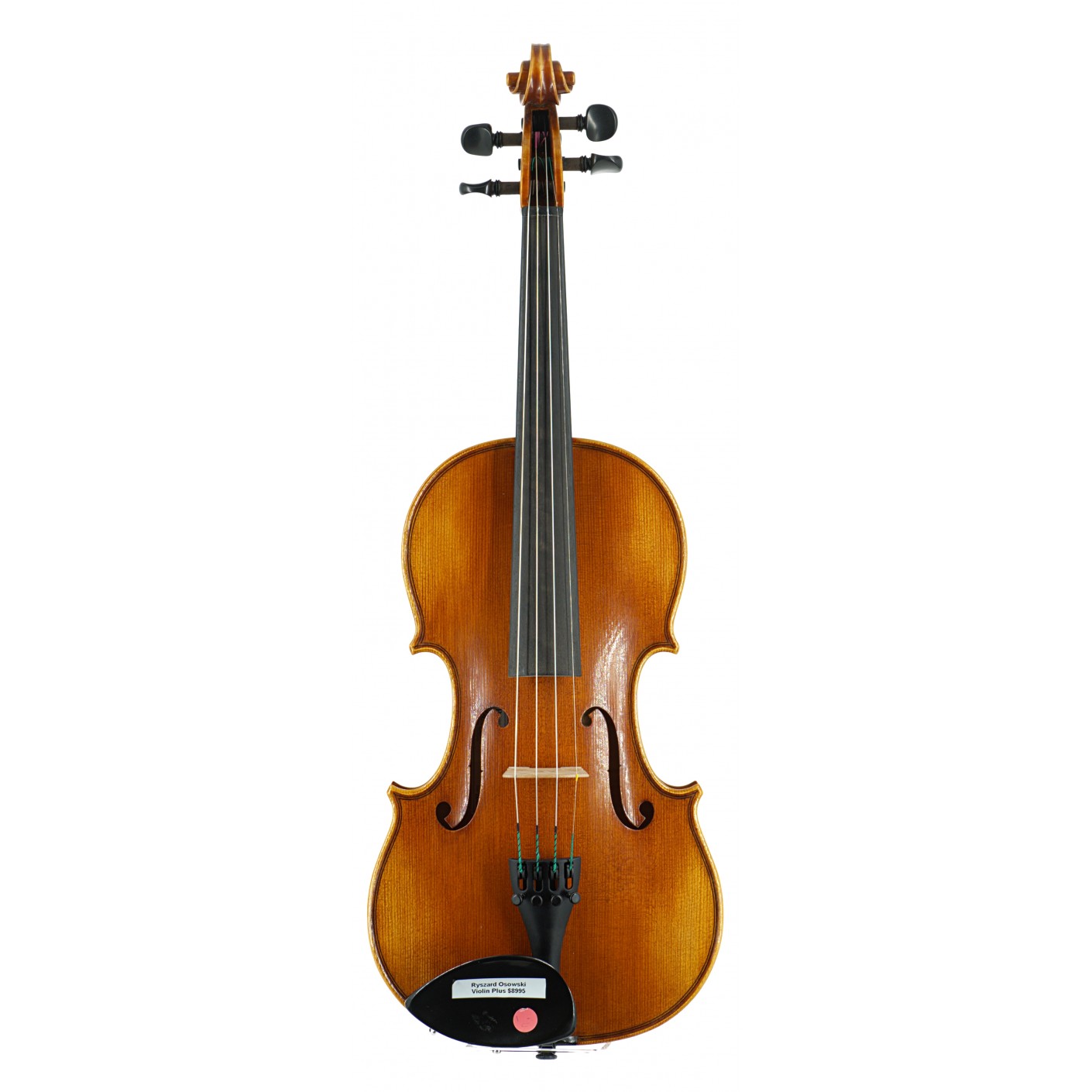
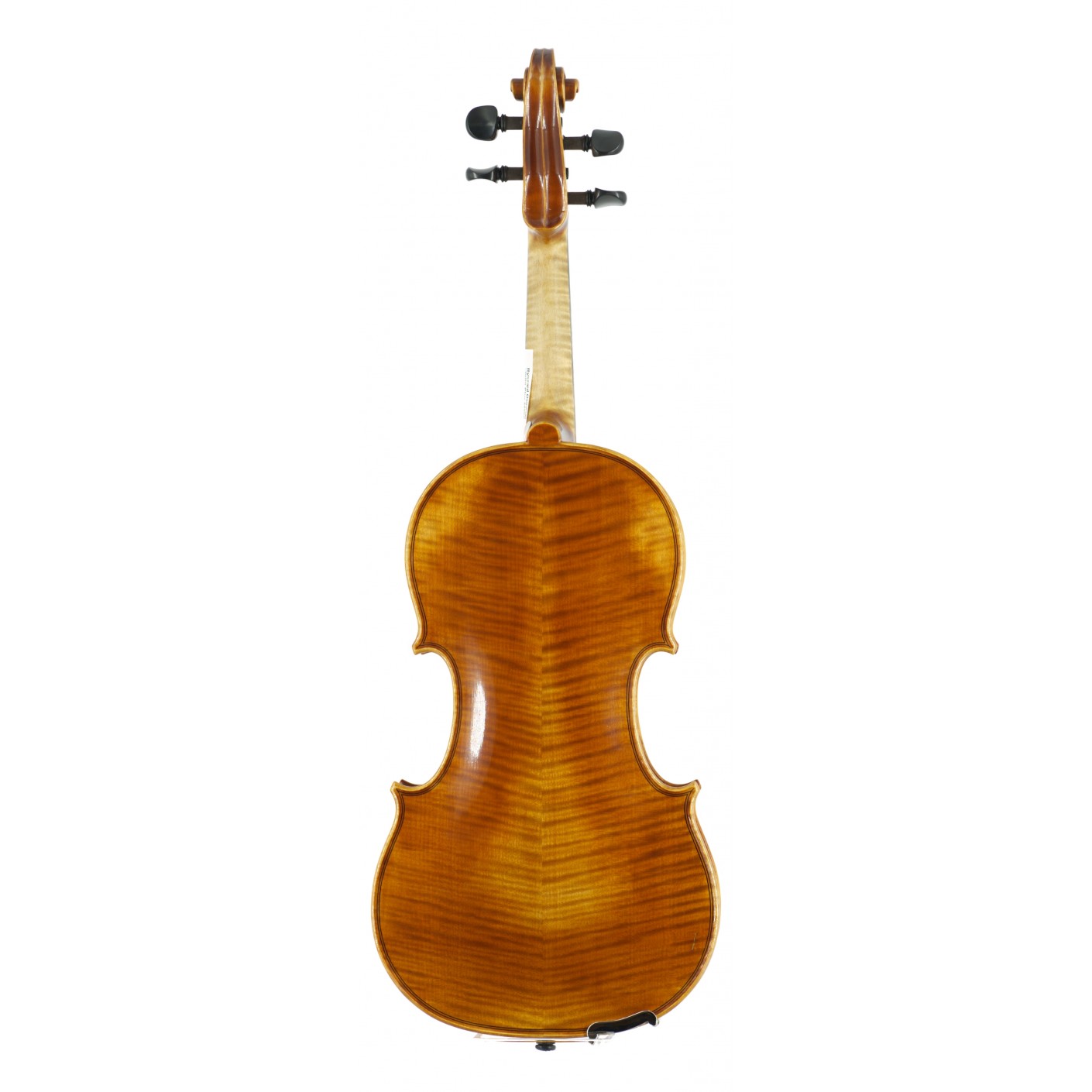
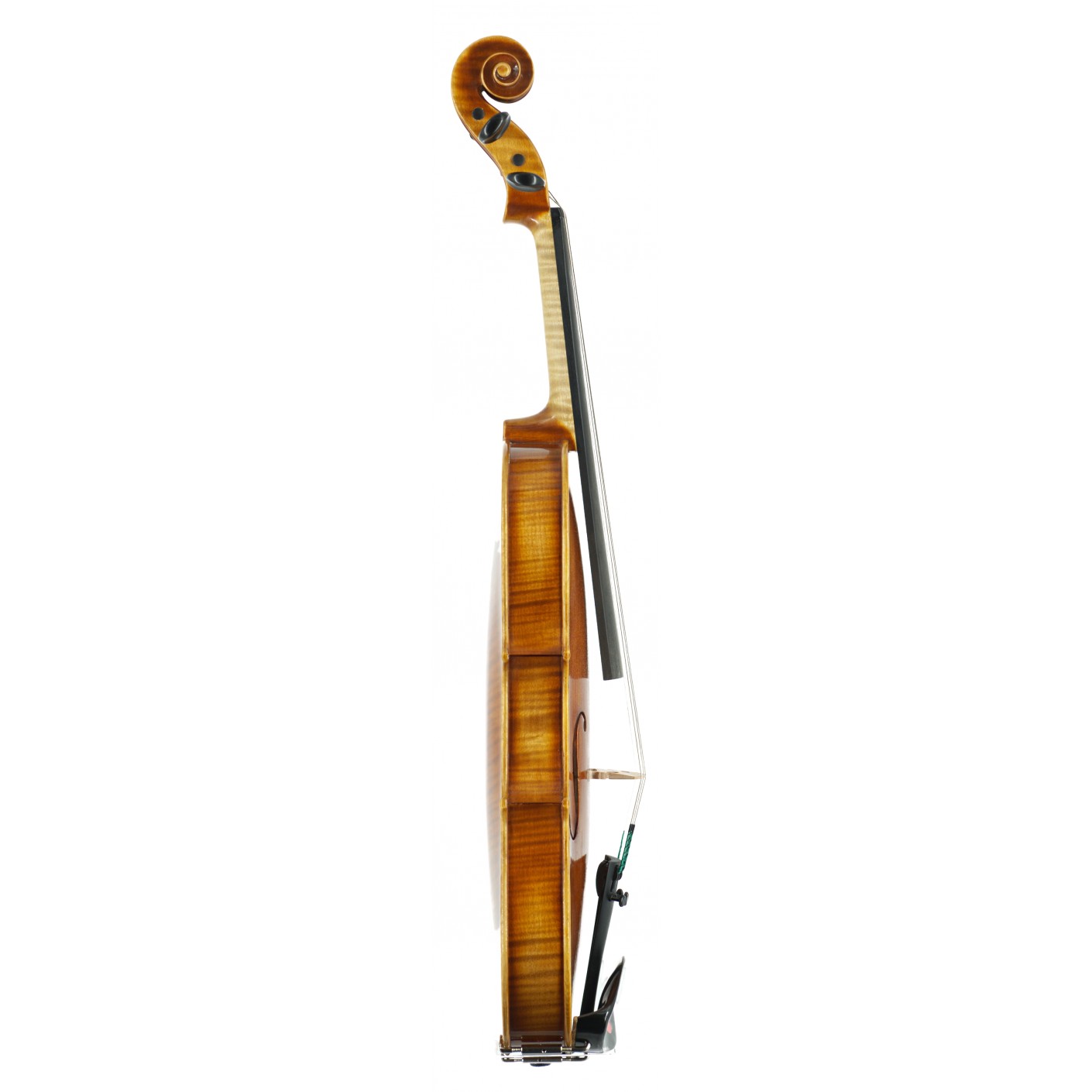
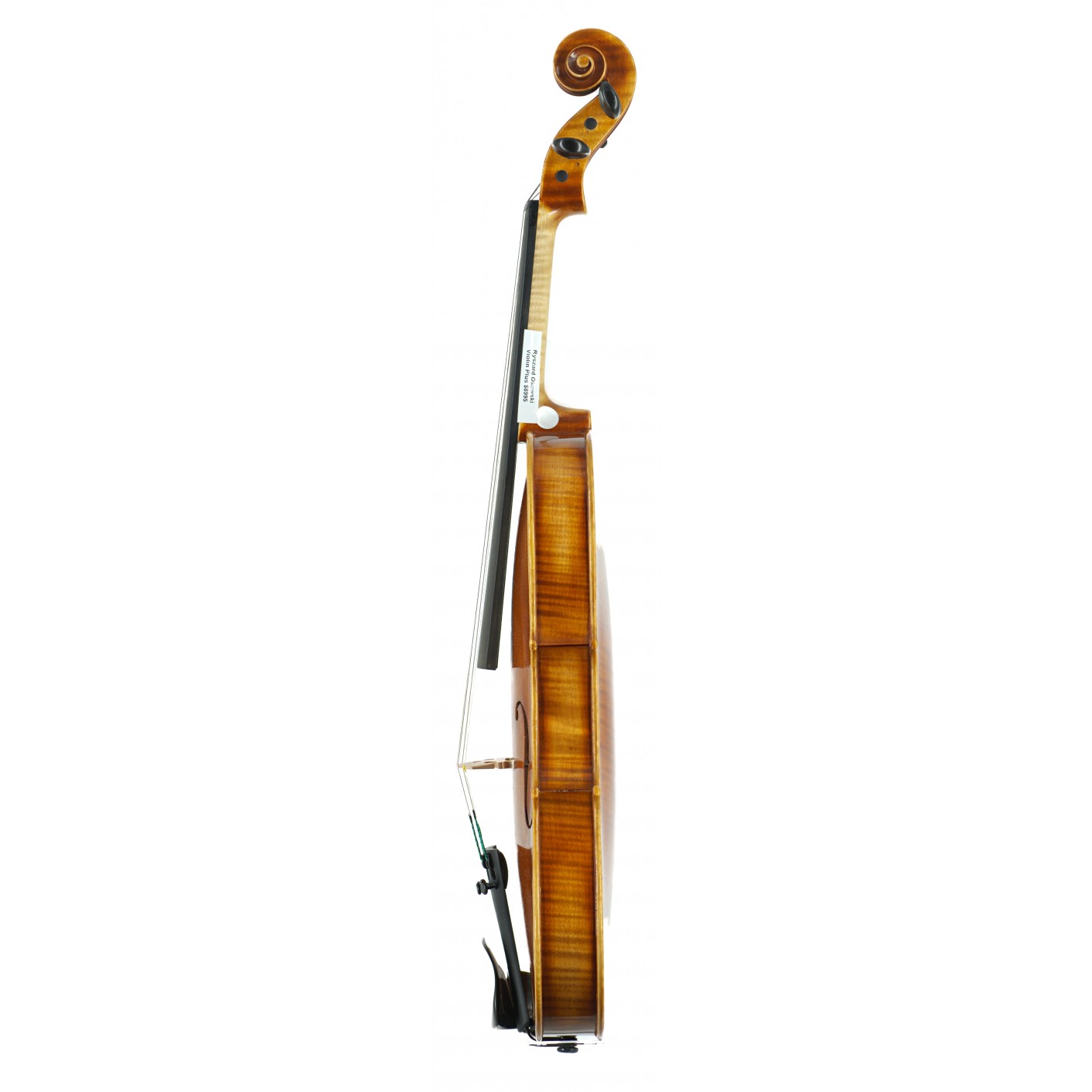
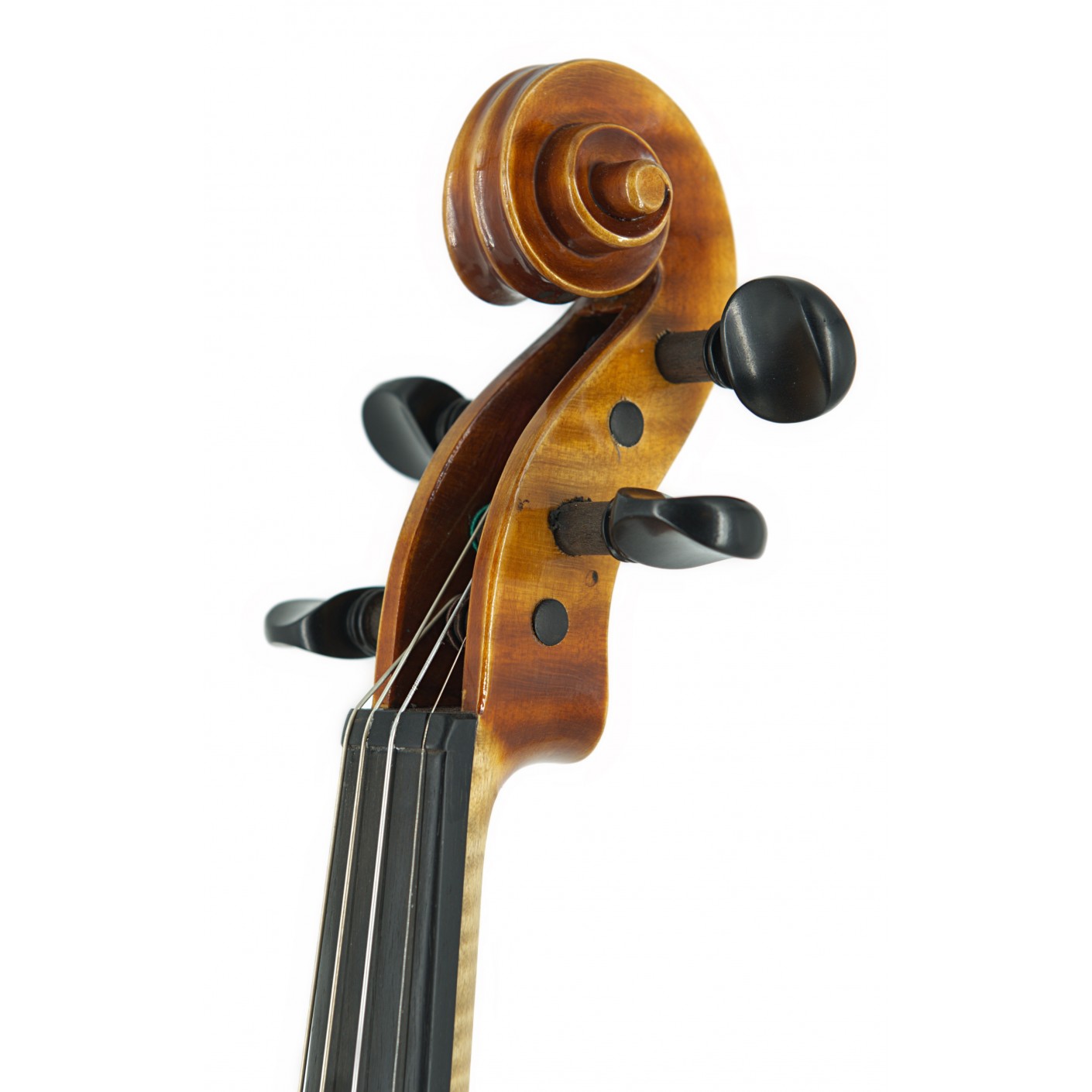
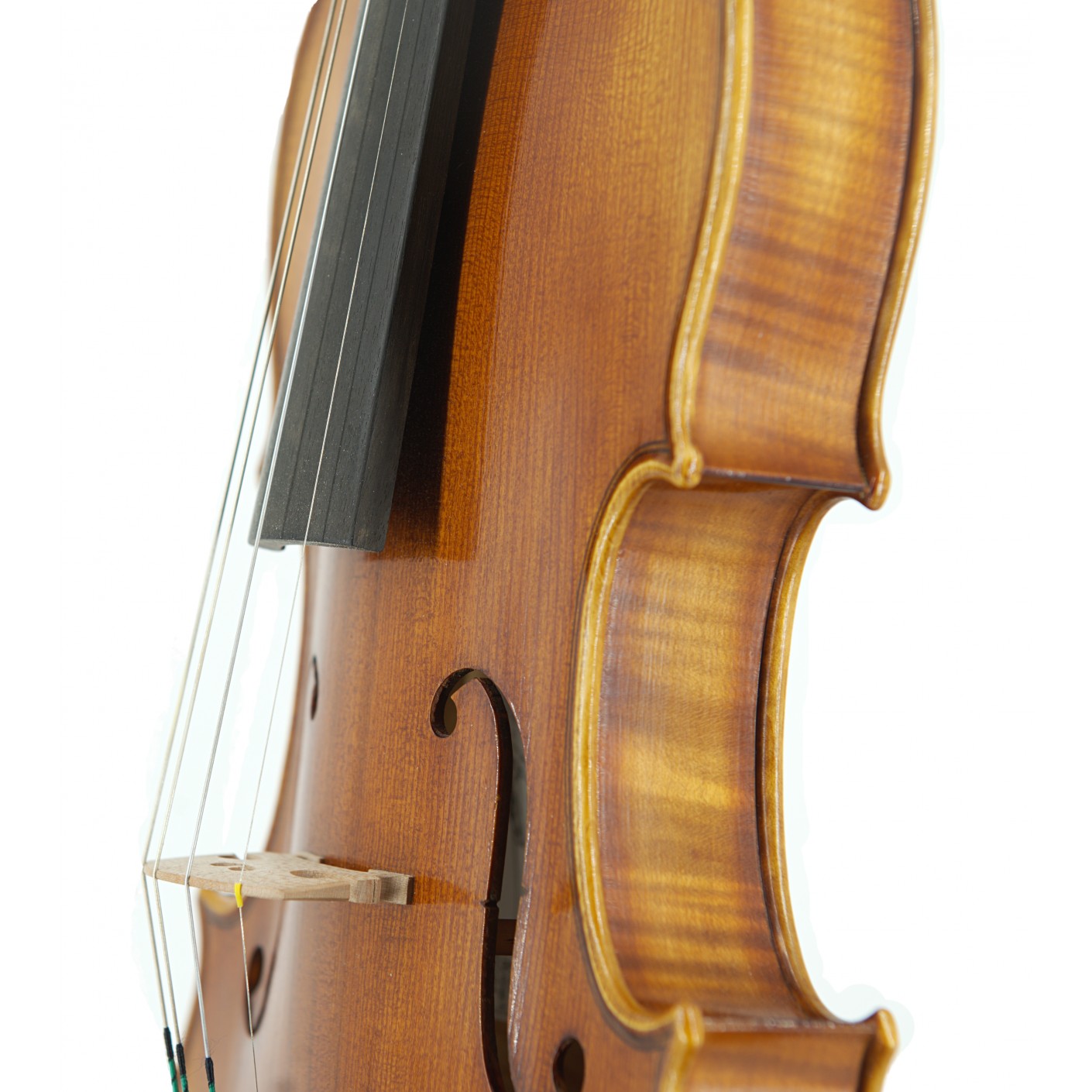
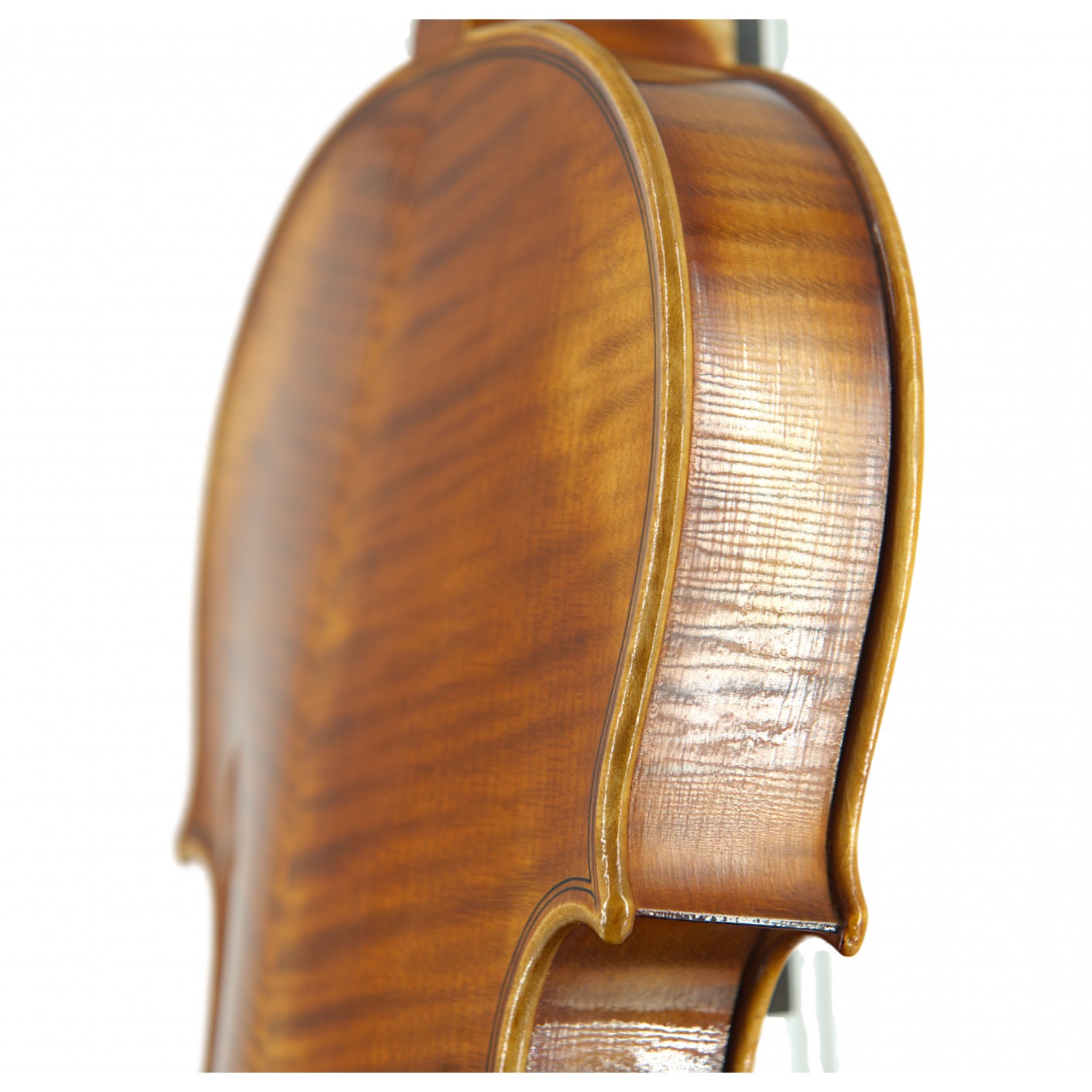
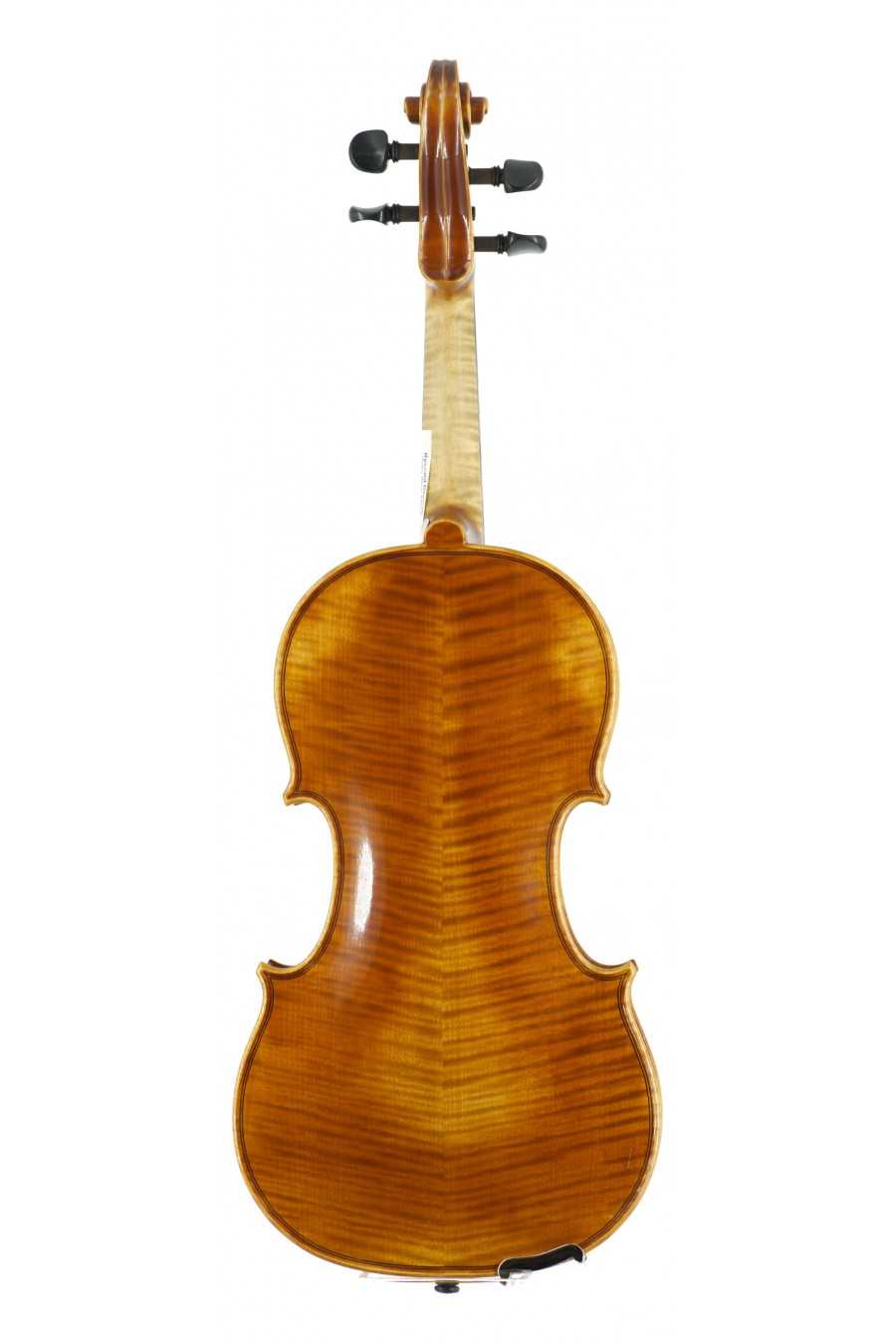
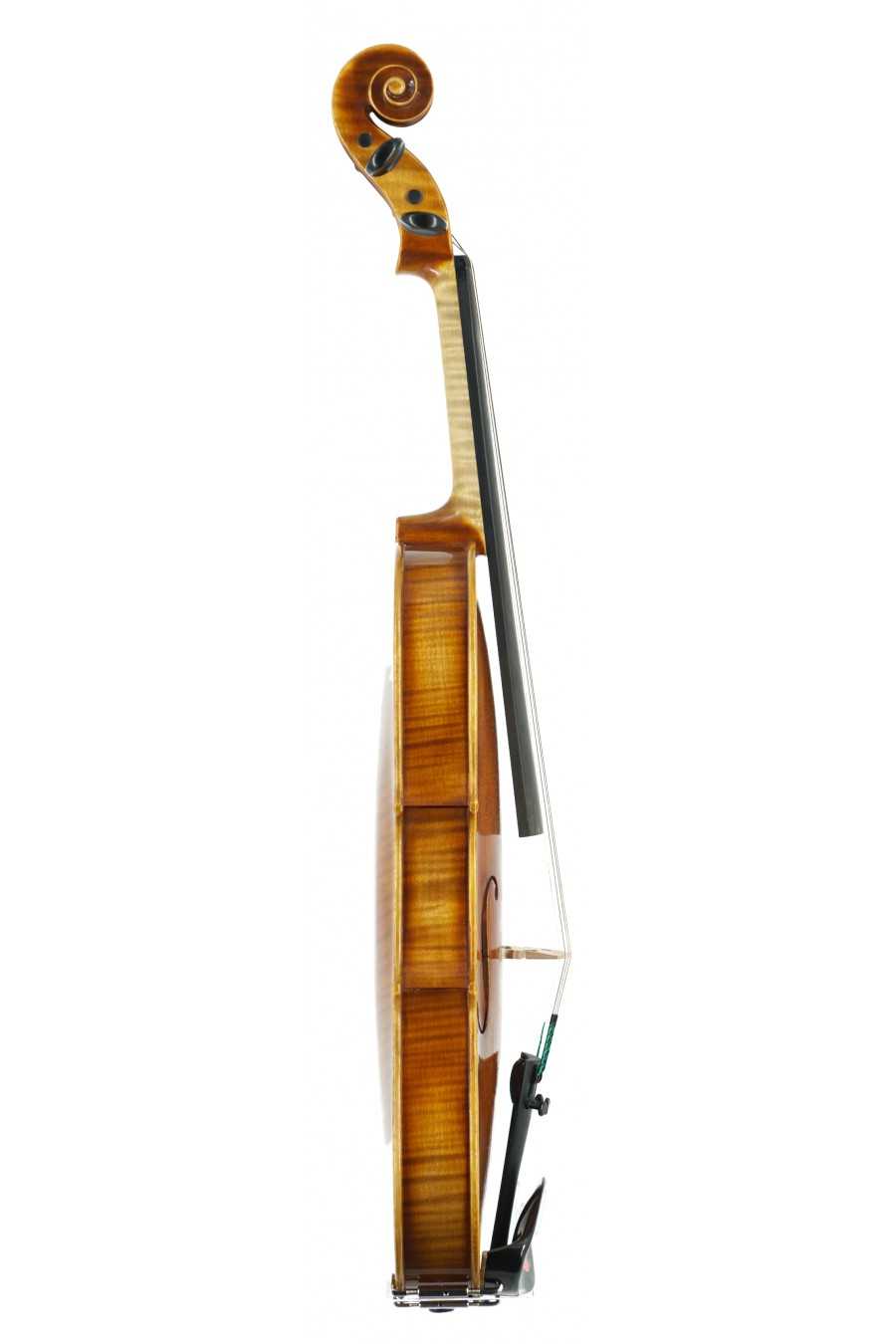
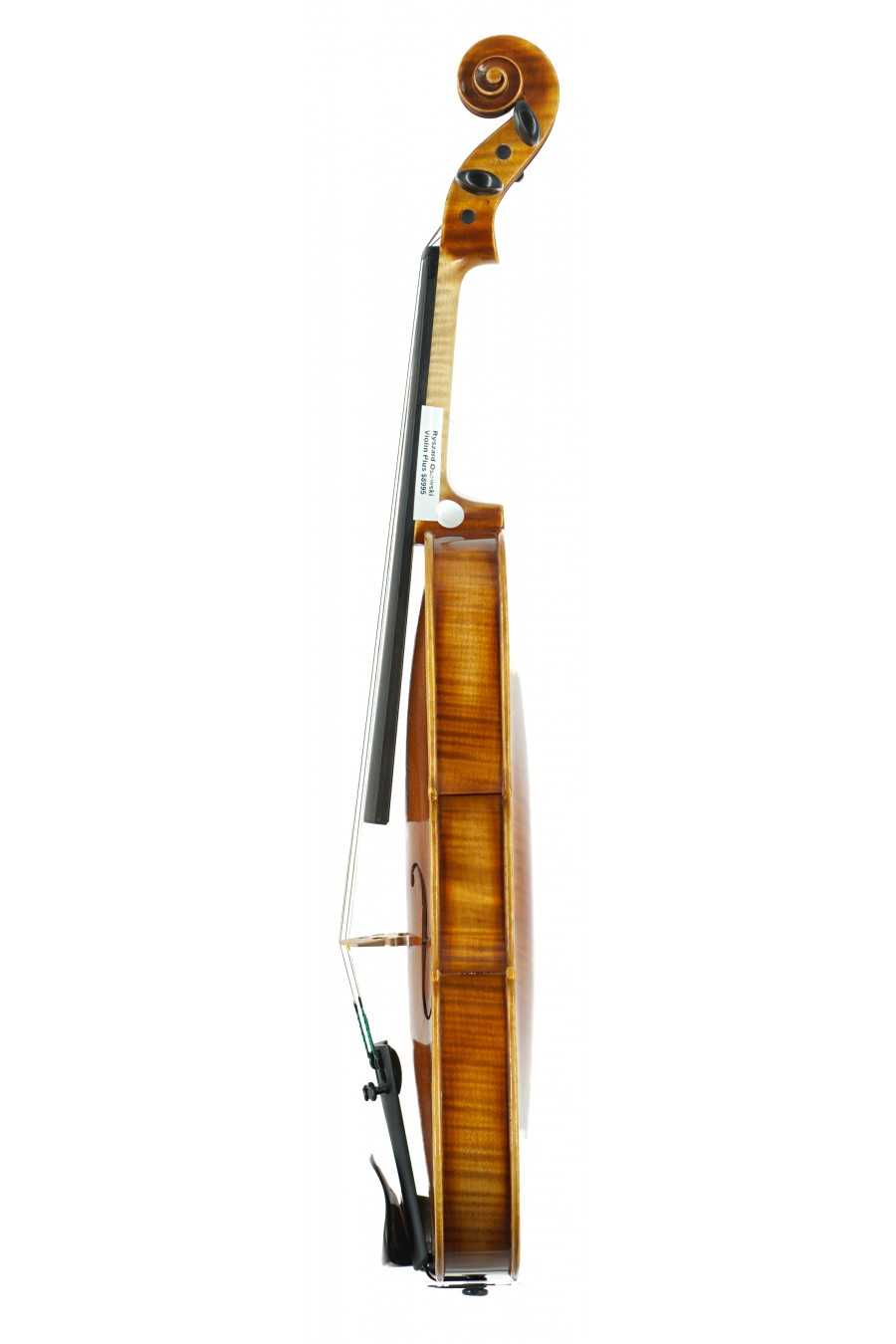
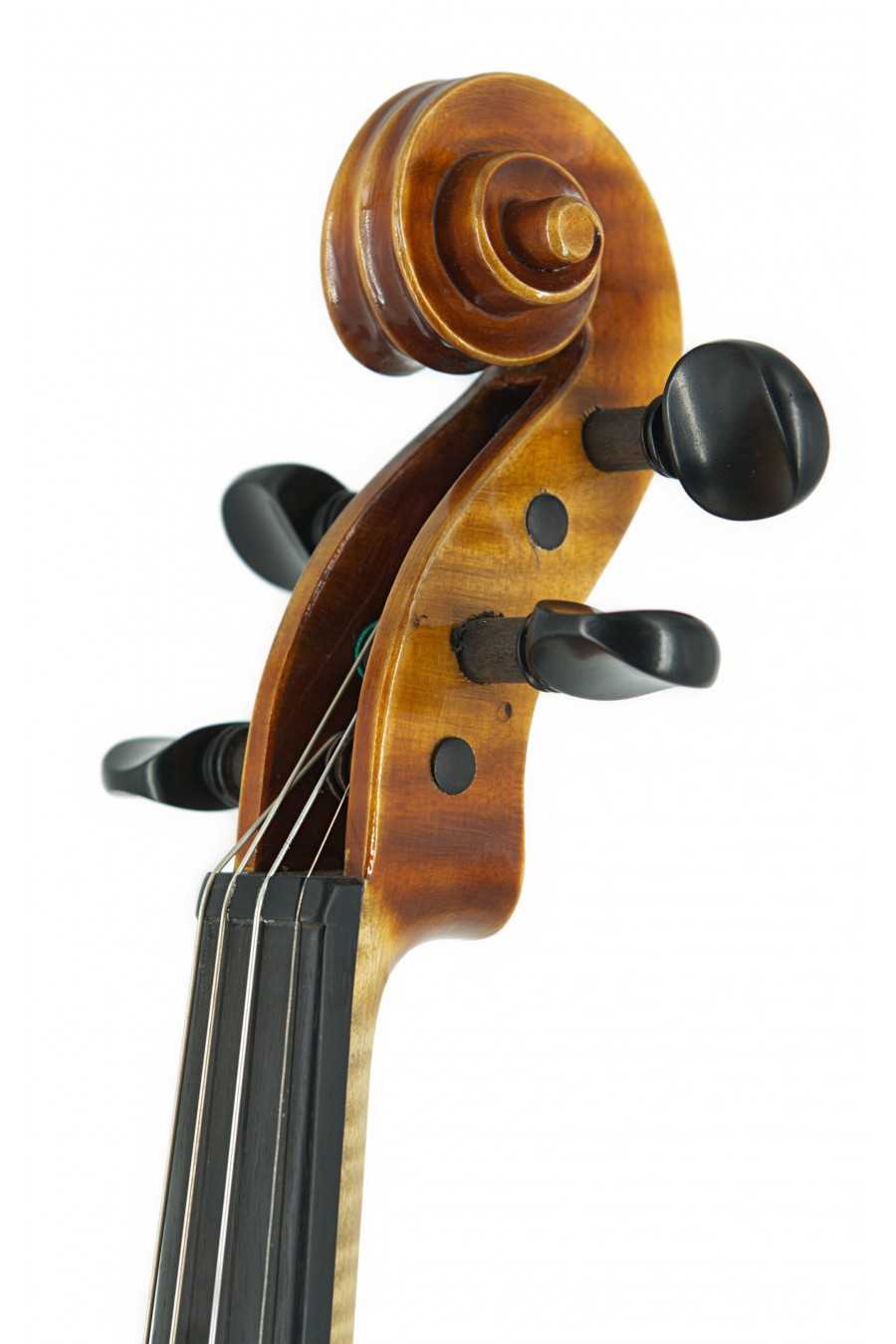
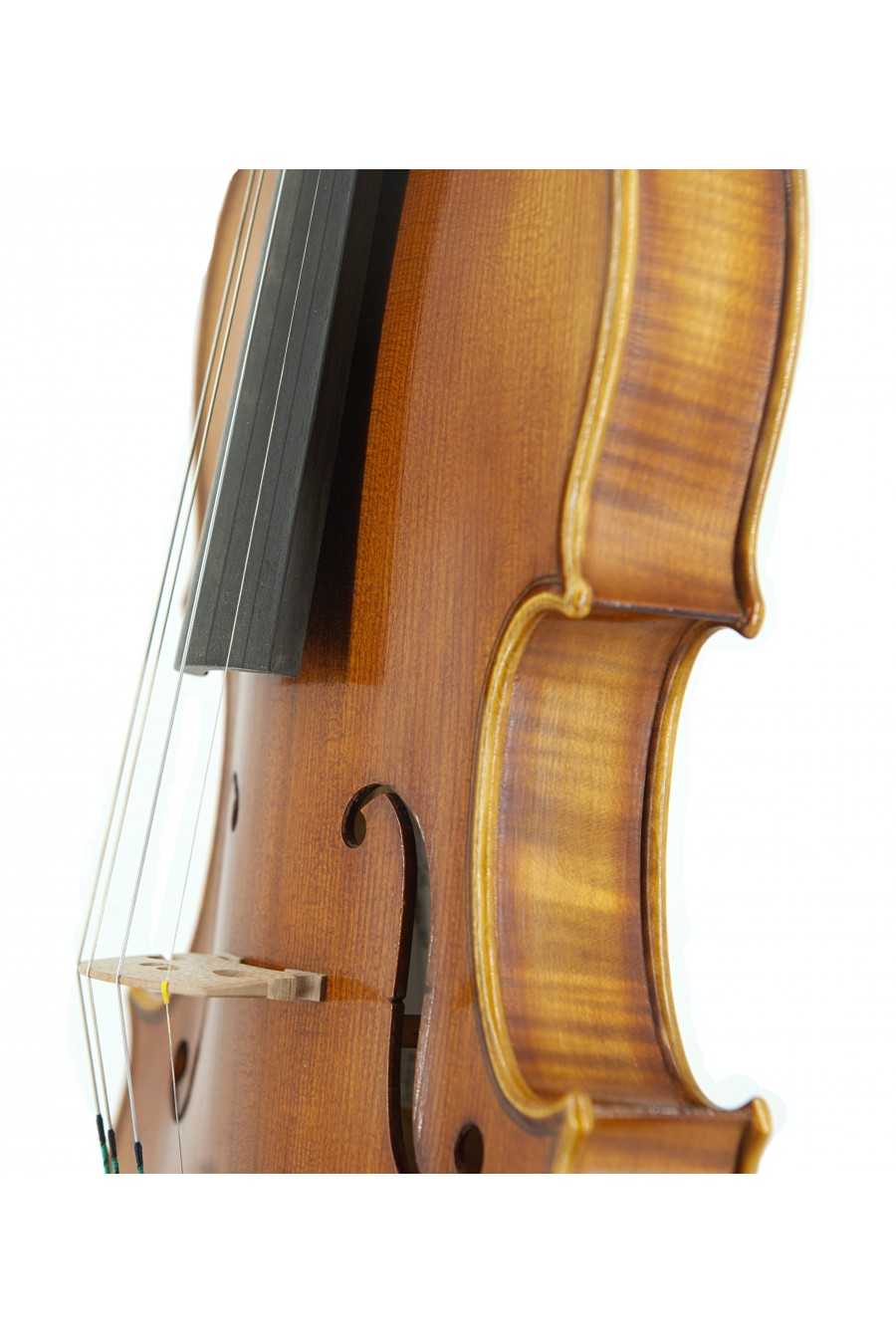
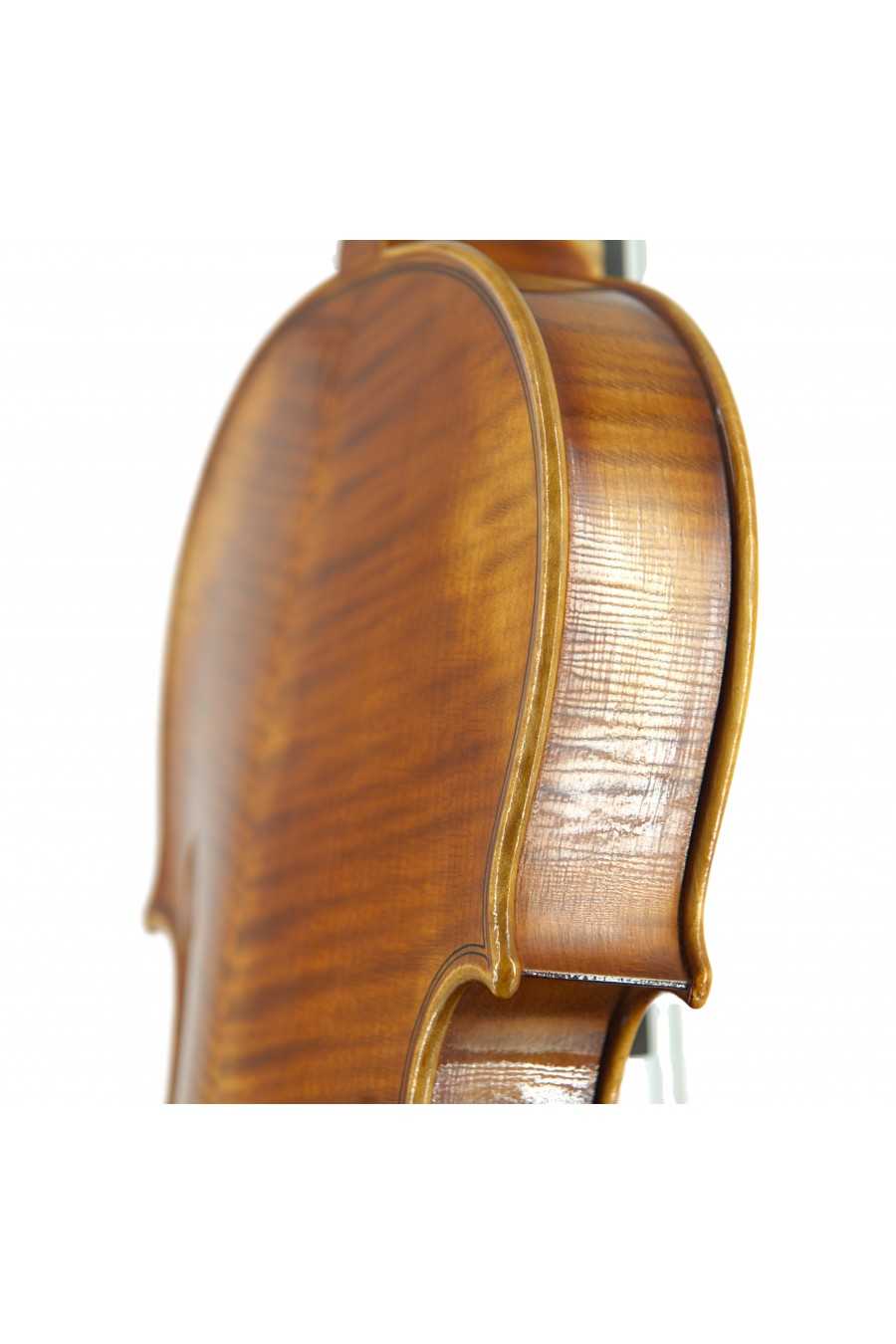
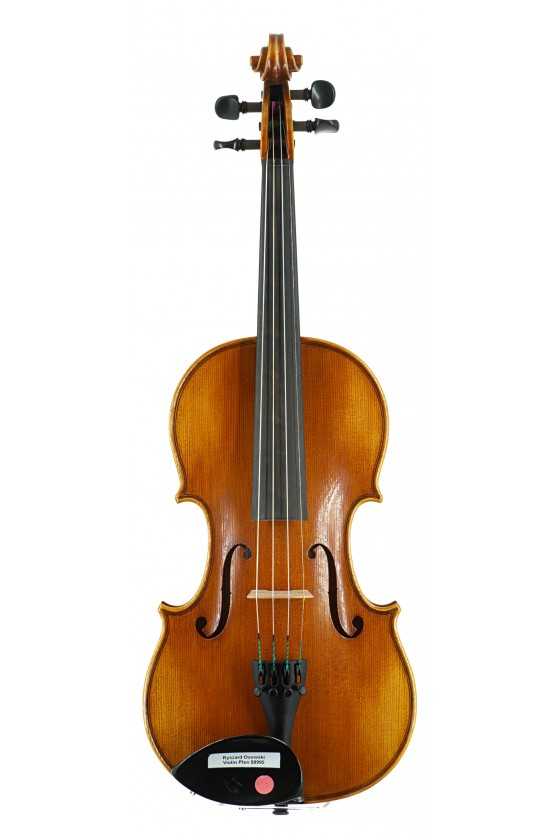
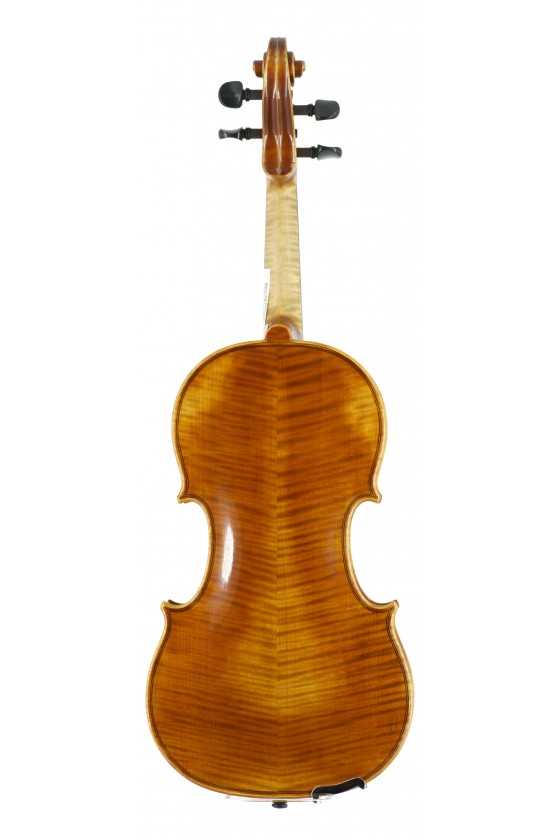
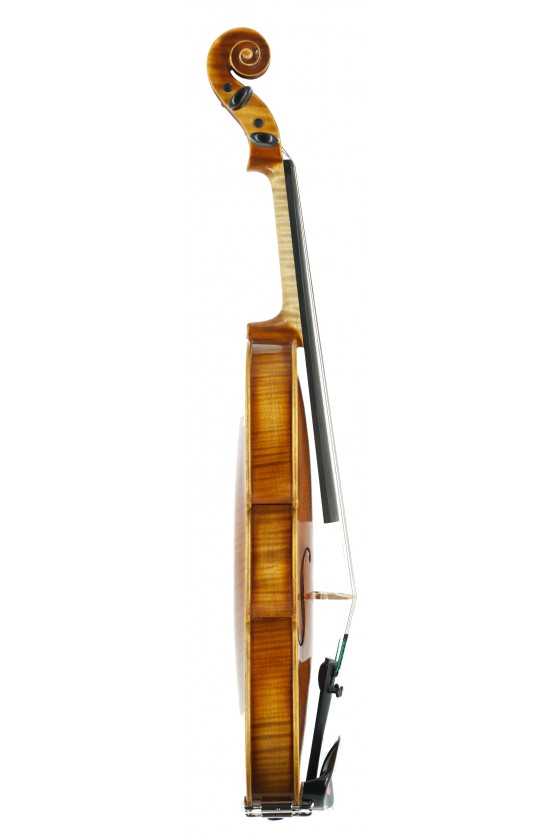
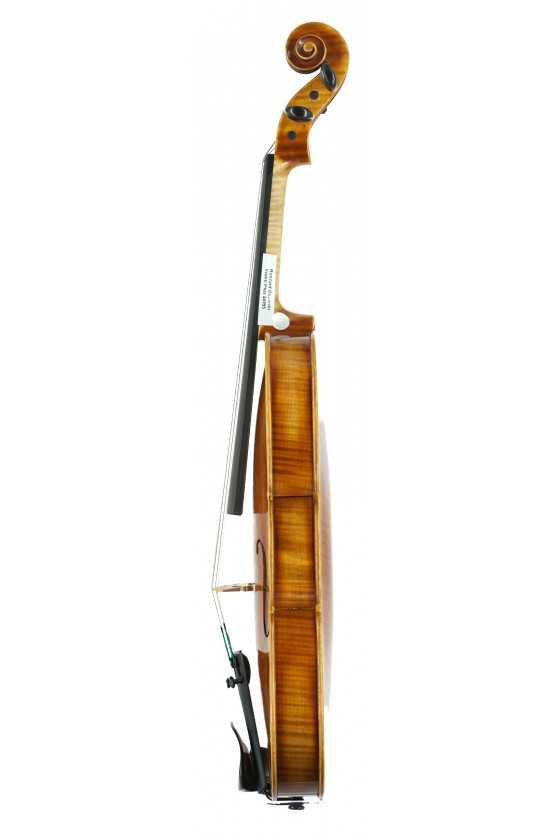
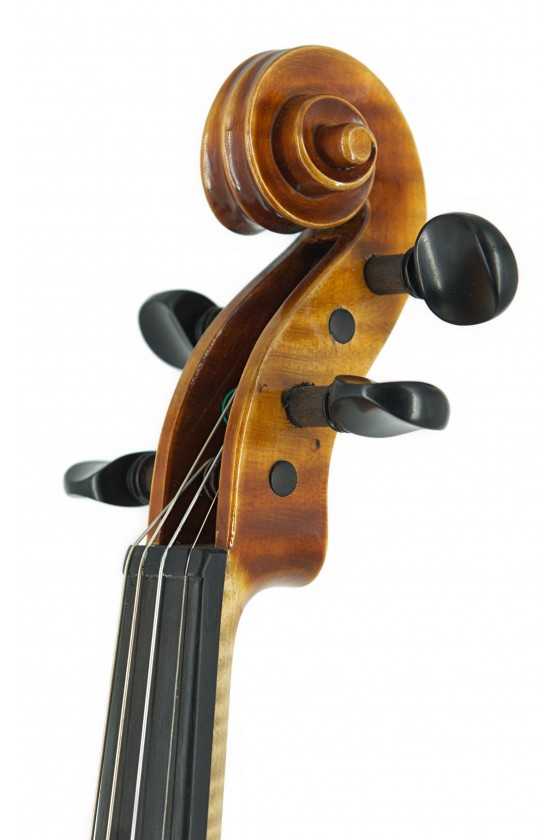
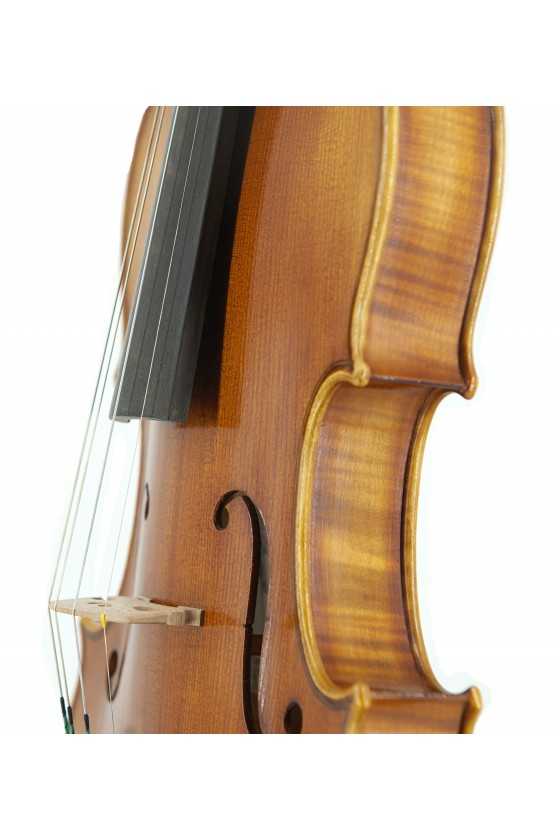
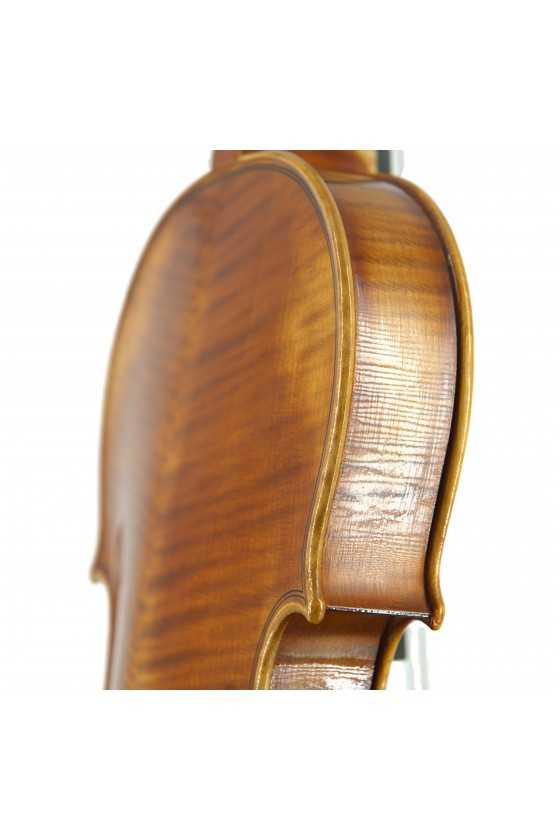
Ryszard Osowski Violin Bronze Plus with Certificate
$9,500.00
Check out this Ryszard Osowski Violin Bronze Plus. Ryszard Osowski is a Polish luthier who gradually perfected the sound and quality of his instruments. As a result, he concentrated more on building his own stringed instrument, passionately pursuing crafting highly advanced violins.
Ryszard Osowski is a Polish luthier born in 1966 who migrated to Muggendorf Germany in 1993. Living with his uncle, he was able to learn the local tradition of building stringed instruments. His fascination and talent in violin making led him to work in a renowned violin-making atelier. He also has connections with many local violin makers from the Bubenreuth and started focusing on perfecting his own instruments.
After 25 years of countless experiments, intensive studies, experiences, and the influence of his colleagues, Ryszard was able to gradually perfect the sound and quality of his instruments. As a result, he concentrates more on building his own stringed instrument, passionately rearing towards crafting highly advanced violins. Also, he would occasionally build single pieces of cellos and violas.

The Rainer W. Leonhardt 2025 "November Bird" Violin is a handcrafted master violin made in Mittenwald, Germany, featuring a stunning one-piece bird's-eye maple back, a two-piece European spruce top, and a beautifully antiqued dark brown spirit varnish. Built from carefully selected tonewoods and crafted with traditional German craftsmanship, it delivers a warm, responsive tone with excellent projection.
Rainer W. Leonhardt is a fourth-generation master violin maker whose family workshop has been producing fine string instruments since 1926. Based in the historic violin-making town of Mittenwald, Germany, Leonhardt is renowned for combining traditional craftsmanship with exceptional tonal quality, creating instruments that are appreciated by musicians around the world.
In the 1910s, Arthur Edward Smith (1880-1978) established a store in Sydney upon his return to Australia. Smith's workshop on Hunter Street quickly gained a reputation for repairing and selling high-quality stringed instruments. This violin was sold (not made by) AE Smith, Australia's most famous violin maker.
This violin is labelled "Antonius Vinaccia, Napoli in Via Constantinii, a. 1792" and shows evidence of being repaired in 1902. Antonio Vinaccia was a renowned instrument maker in Naples during the mid-18th to late 19th centuries. He was known for making violins in the style of Gagliano and exceptional mandolins. His craftsmanship is preserved in Naples's Museo Spagnuolo (Palazzo degli Studi). Antonio's sons, Gennaro and Gaetano, also became instrument makers.
Bearing the label "Laurentius Bellafontana fecit Genuae Anno Domini 1943," this violin is the work of Lorenzo (Laurentius) Bellafontana (1906–1979), a distinguished member of the Genoese school and a pupil of Oreste Candi. The Latin label translates to "Laurentius Bellafontana made [this] in Genoa in the year of Our Lord 1943" and includes his characteristic LBG monogram and handwritten signature. Bellafontana's violins are admired for their refined craftsmanship, warm Italian tone, elegant design, responsive playability, and rich orange-red varnish, making them highly regarded examples of 20th-century Italian violin making.
Amati Mangenot made this violin, but he "Italianised" his name and city, resulting in Mageno and Bordo.
Amati Mangenot (1901 – 1966), a French luthier, crafted this violin. He collaborated with the Laurent brothers and later took over Emile Laurent's workshop in Bordeaux.
Check out this Leonidas Nadegini violin made about 1920. Jean-Baptiste Leonidas Nadegini was a Ukrainian luthier who was awarded as gold medalist for sonority in Saint Petersbourg competition in 1907.
Lambert-Humbert Frères was a well-known violin manufacturer in Mirecourt from 1876 to 1969. They produced various instruments from reputable makers like Joseph Aubry and Georges Apparut. The company changed to L.F.M. in 1919 and obtained the prestigious brand “A La Ville de Cremone” in 1927. Unfortunately, the industry declined in the mid-20th century, leading to the closure of all major firms by the 1960s, including Laberte.