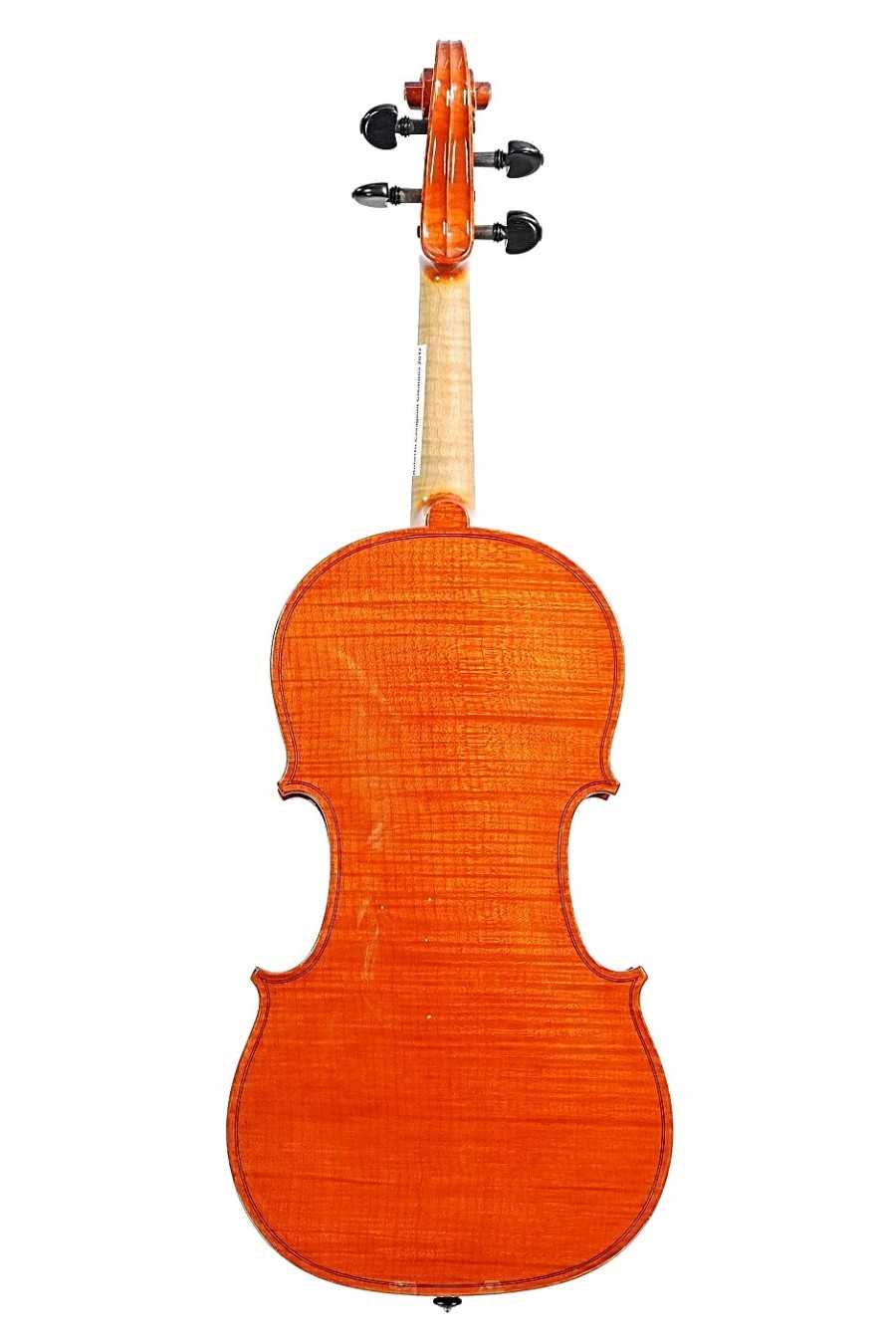
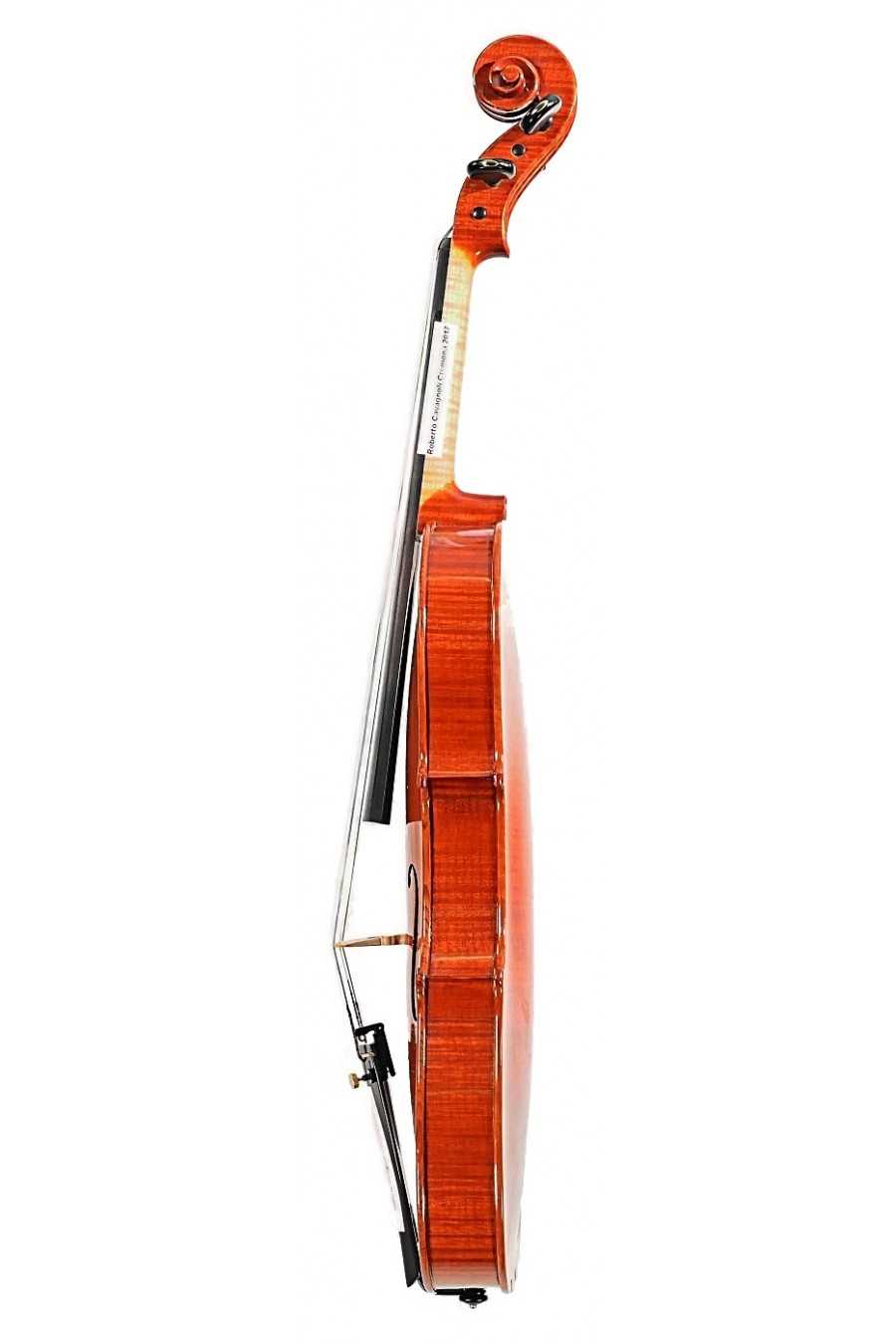
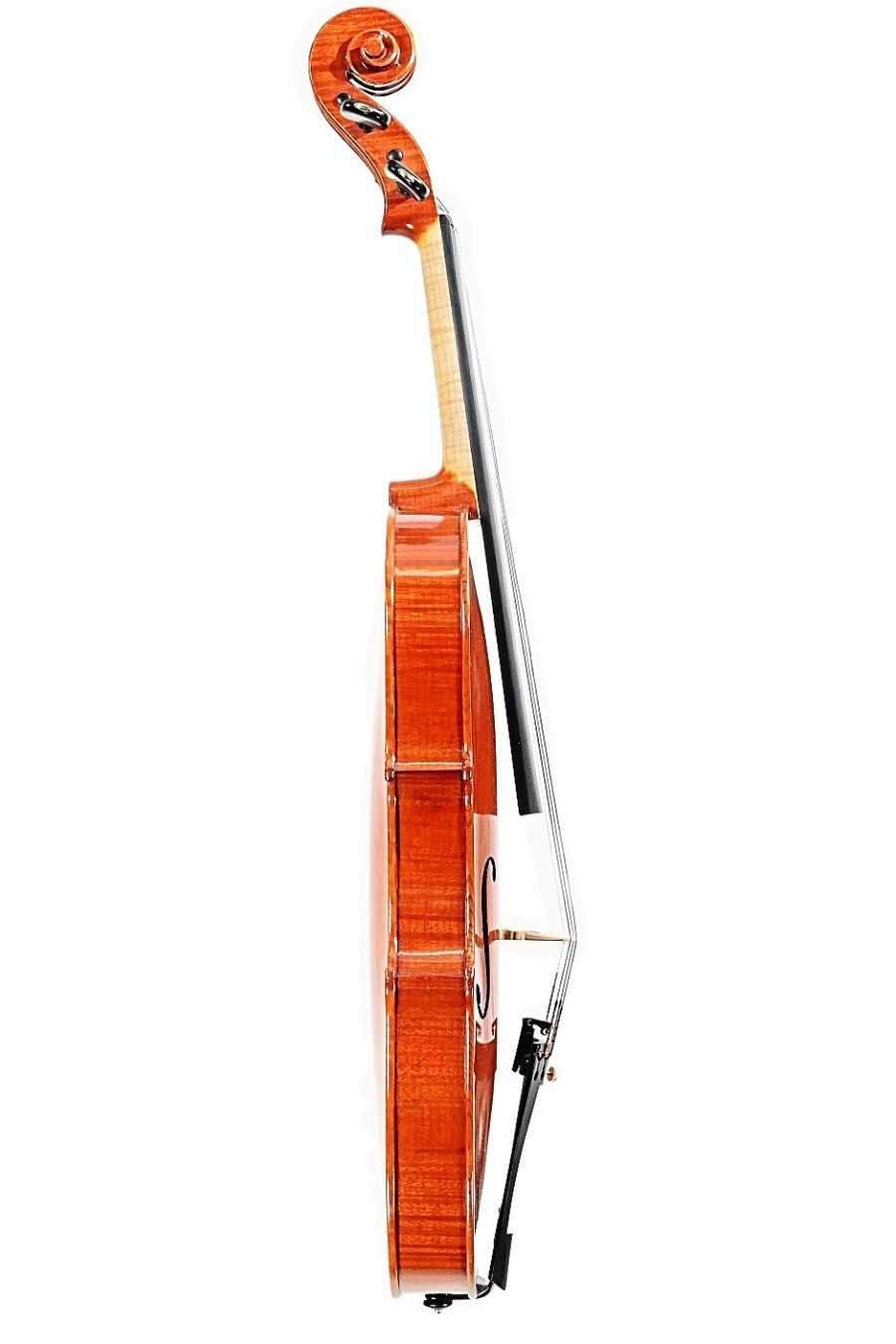
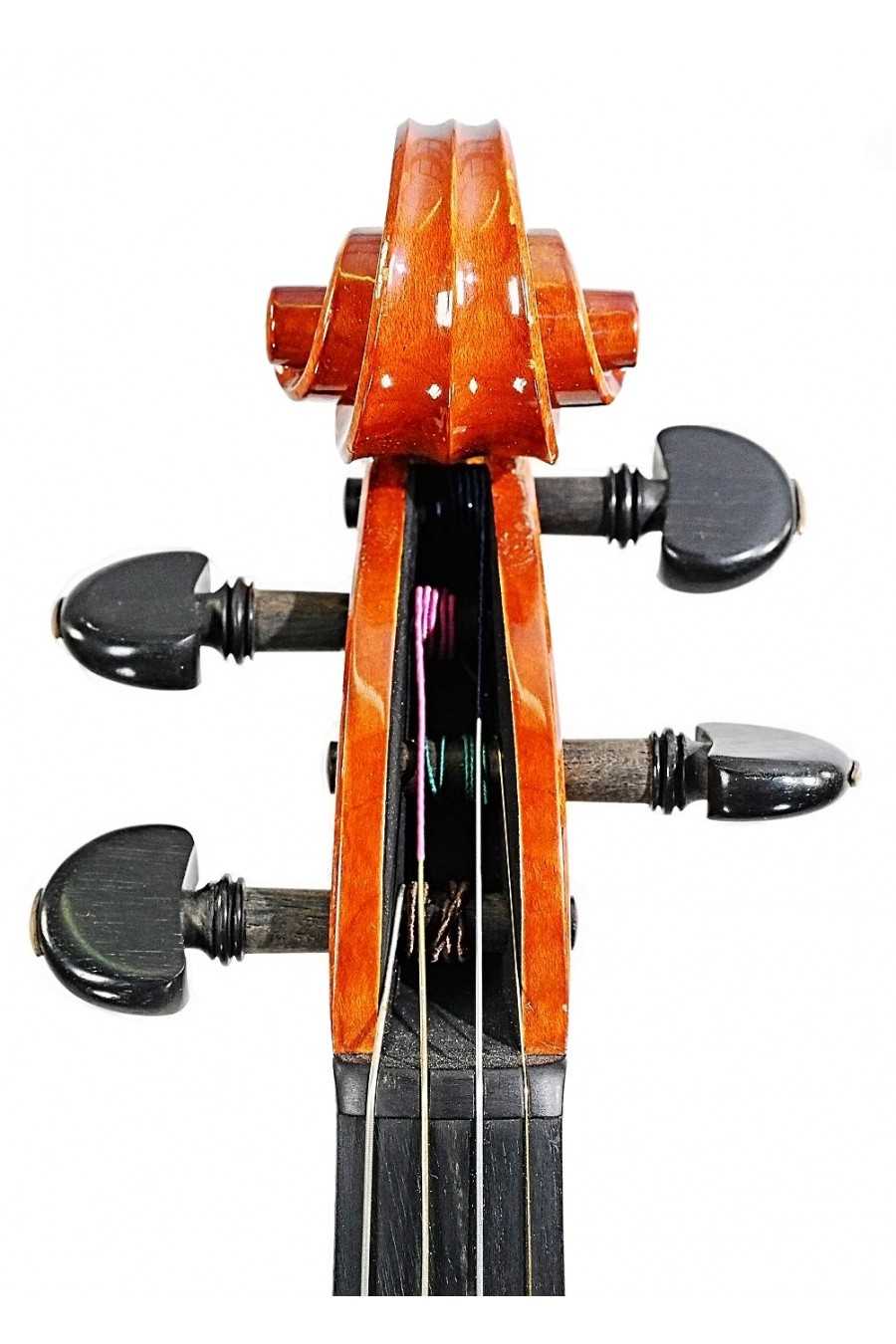
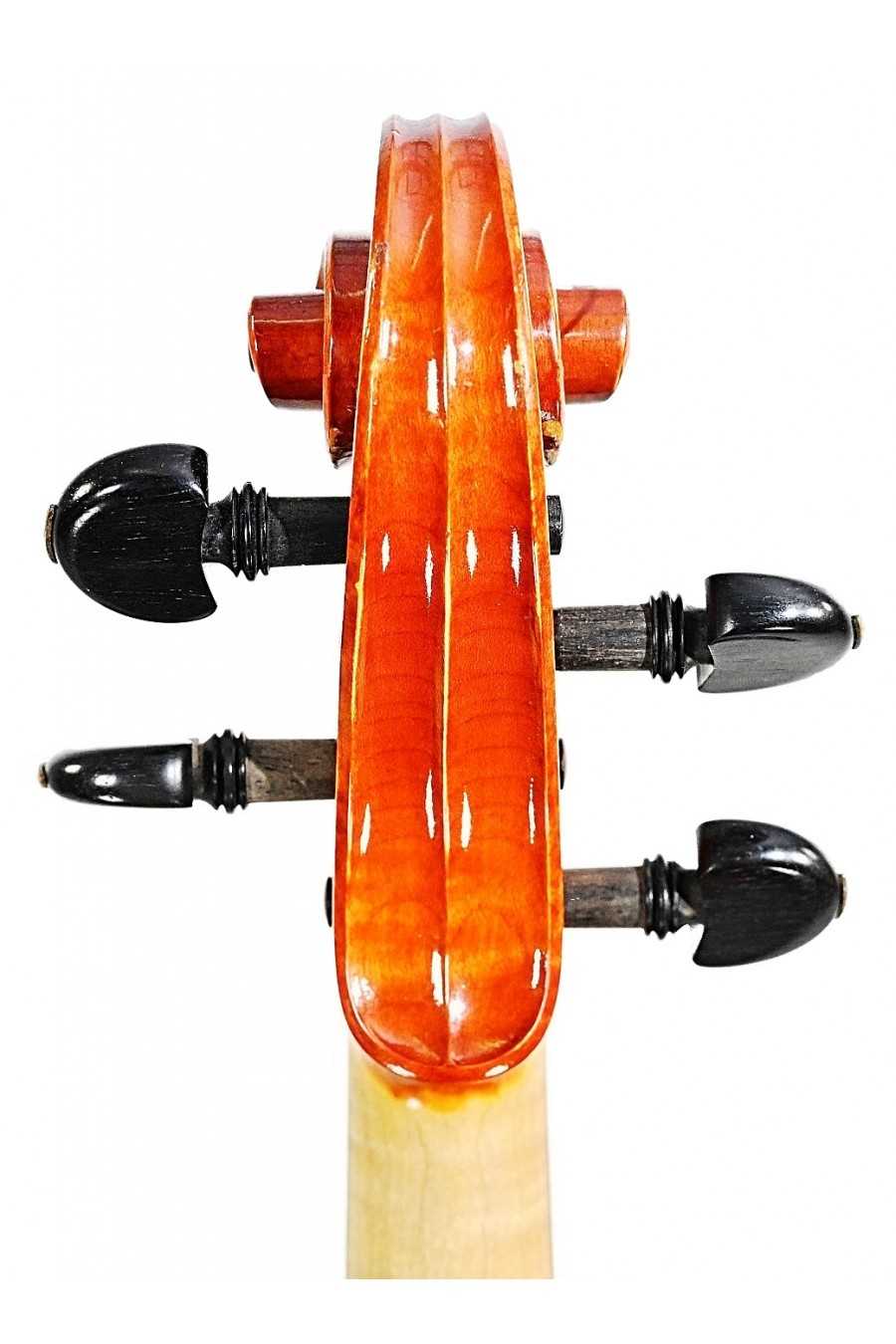
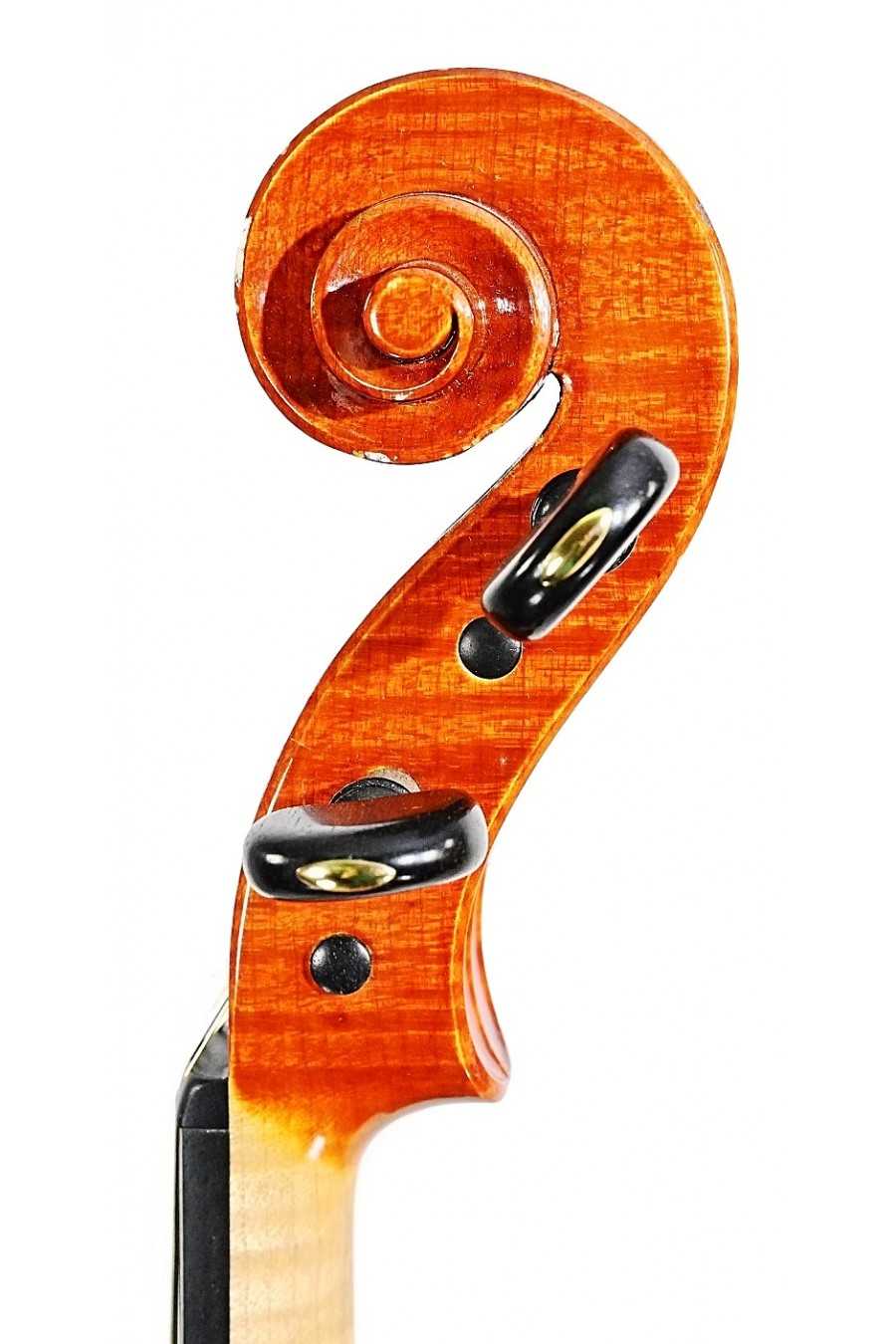
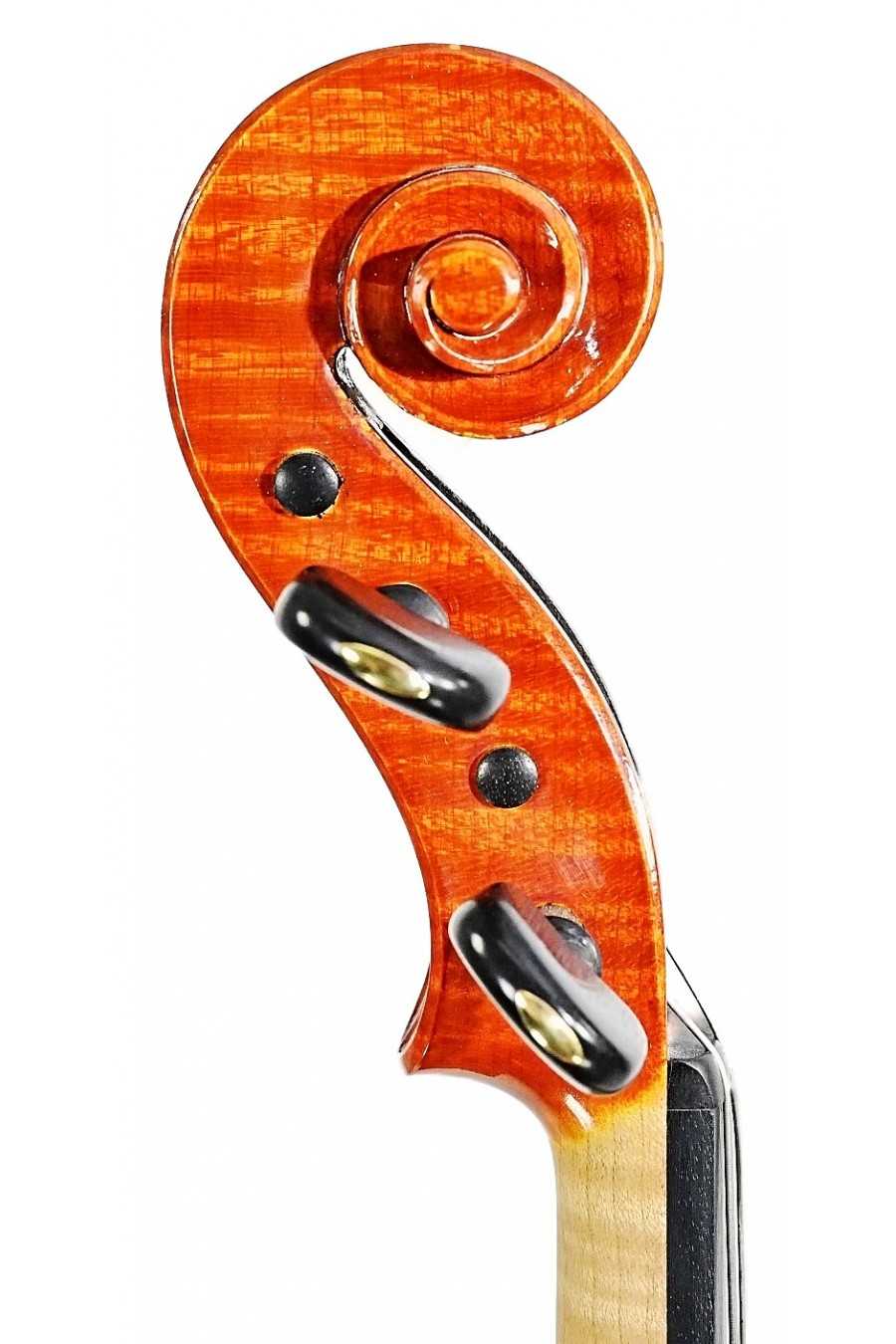
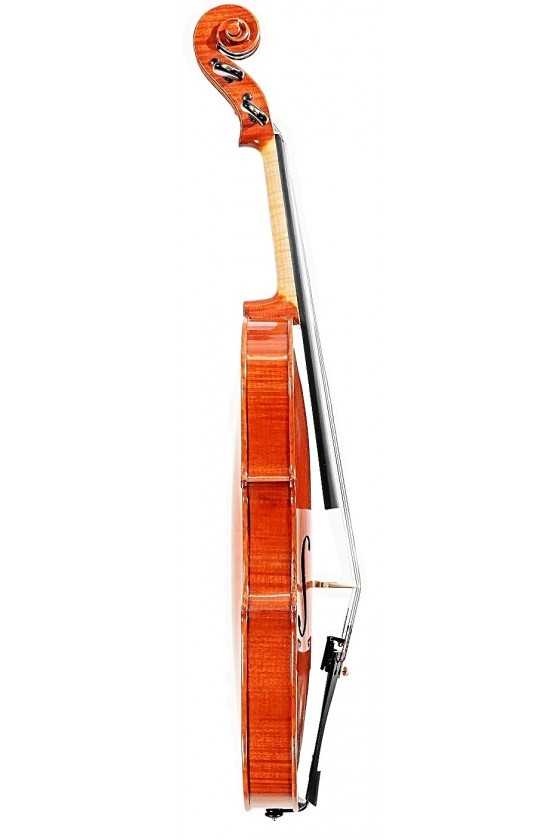
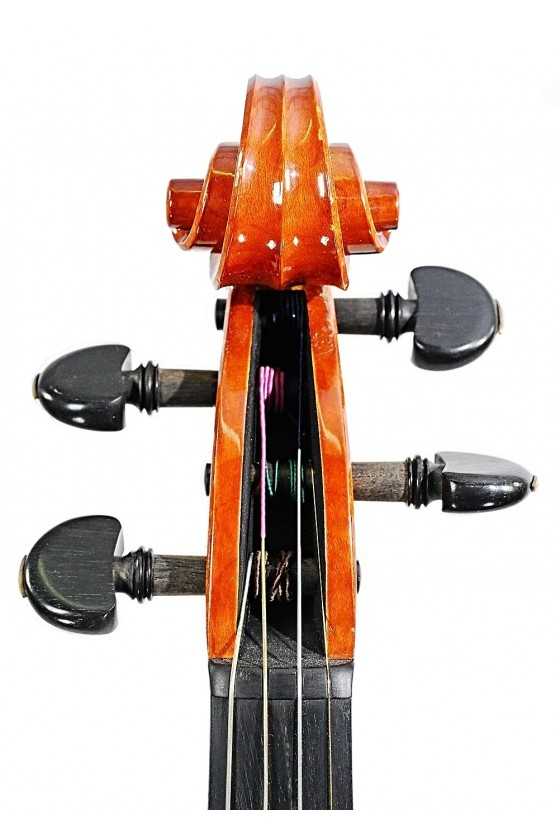
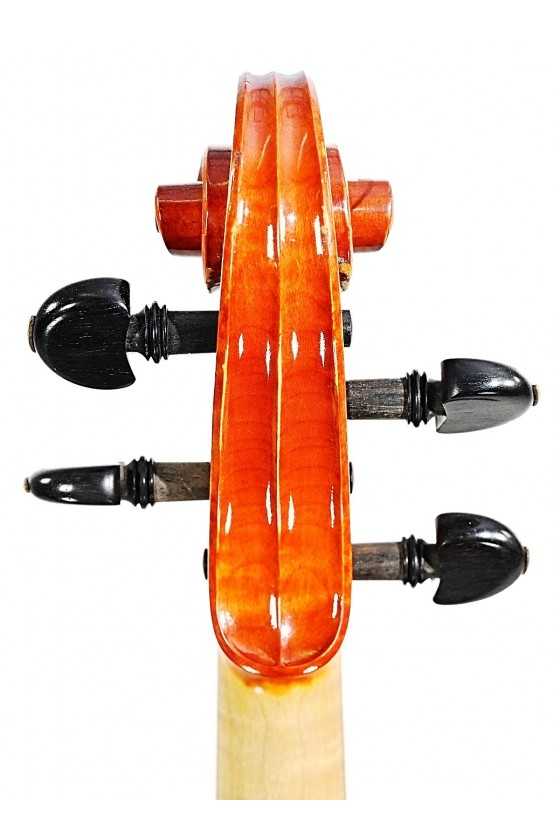
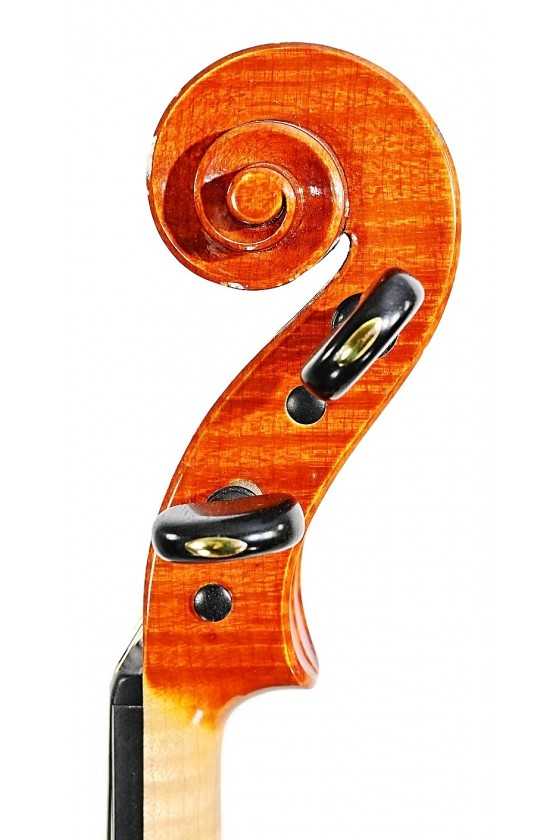
Labelled Carlo Steffani Violin Mantova, Italy 1711
This is a violin labelled Carlo Steffani. The timber for this violin was cut around 1800 in the Southern Alps.
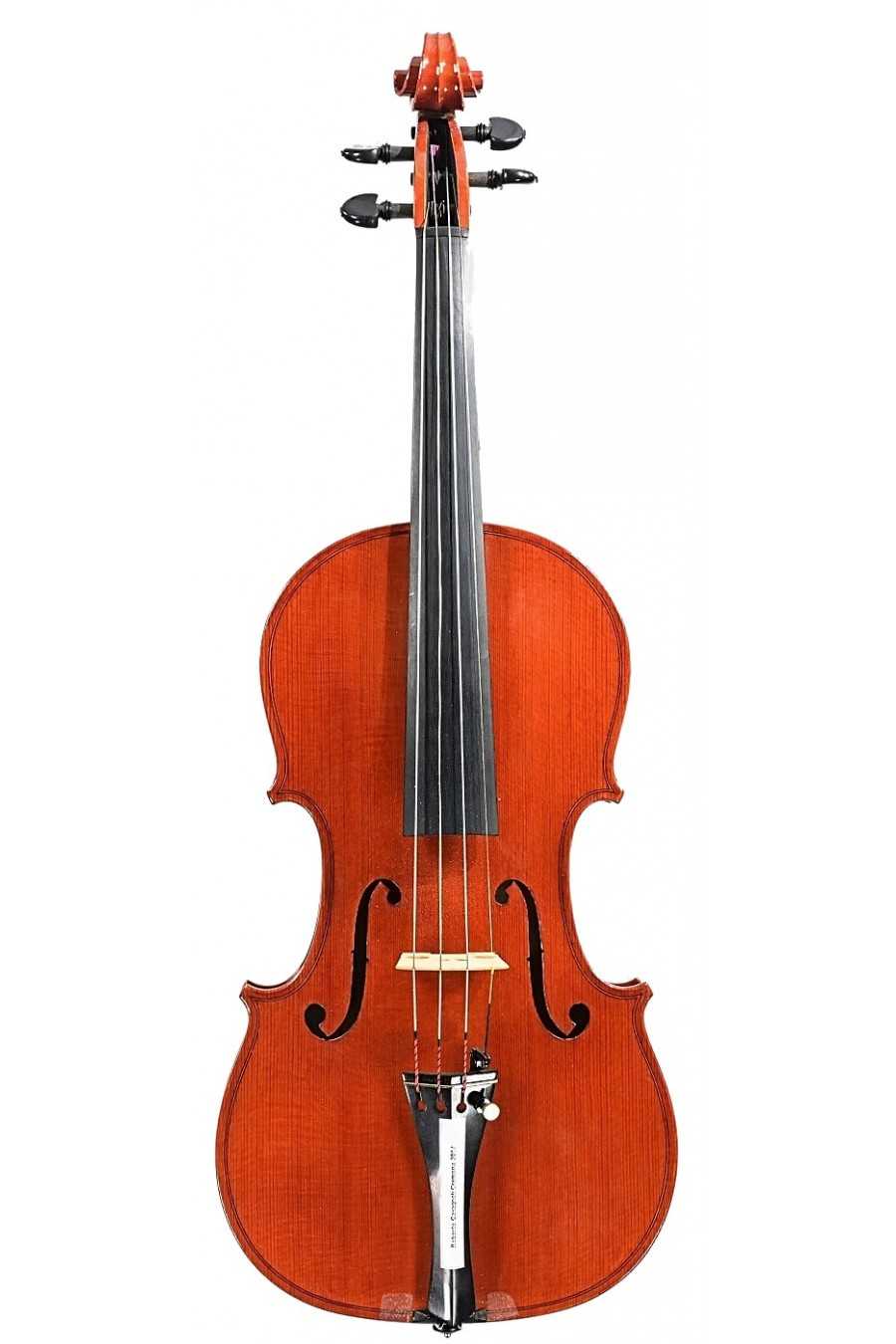
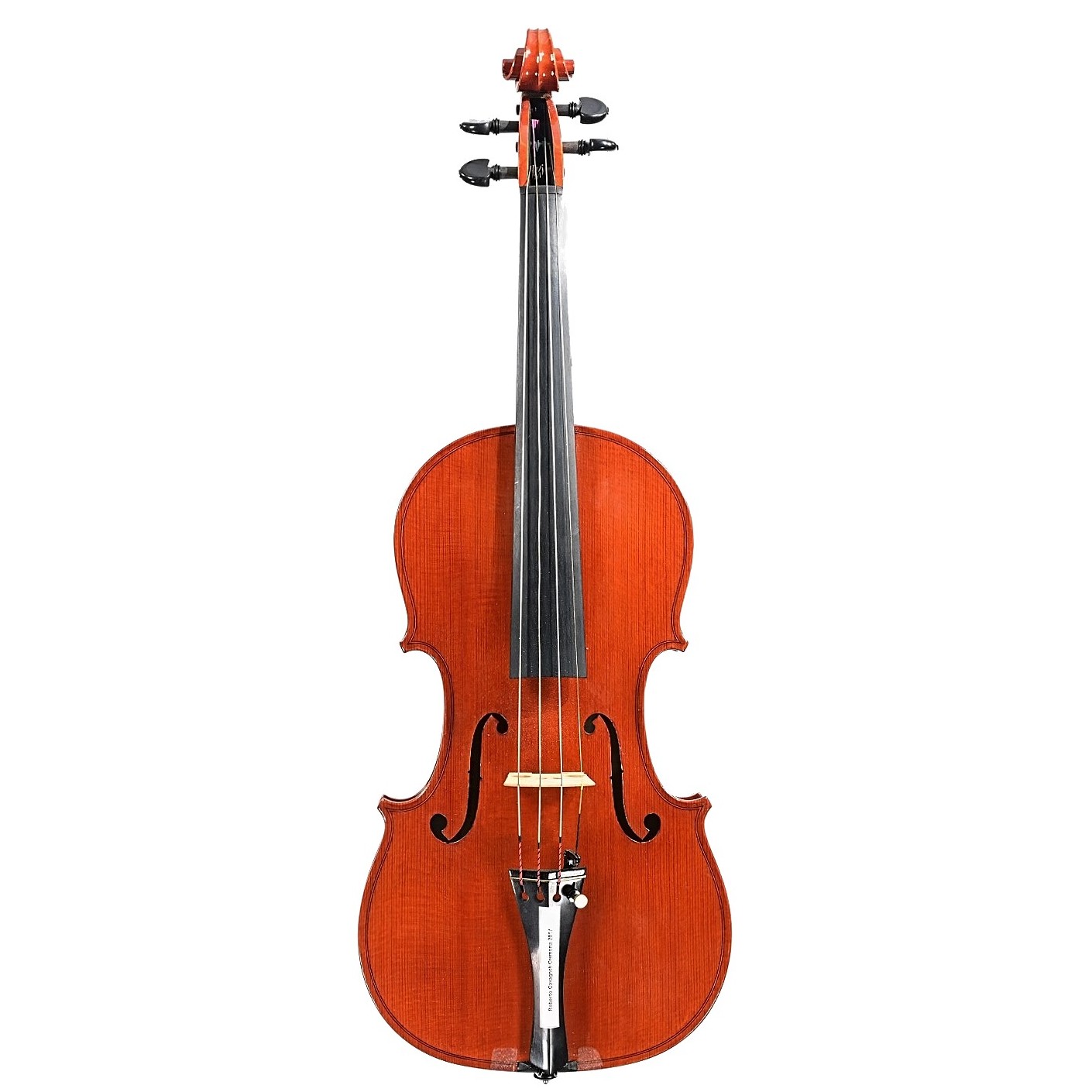
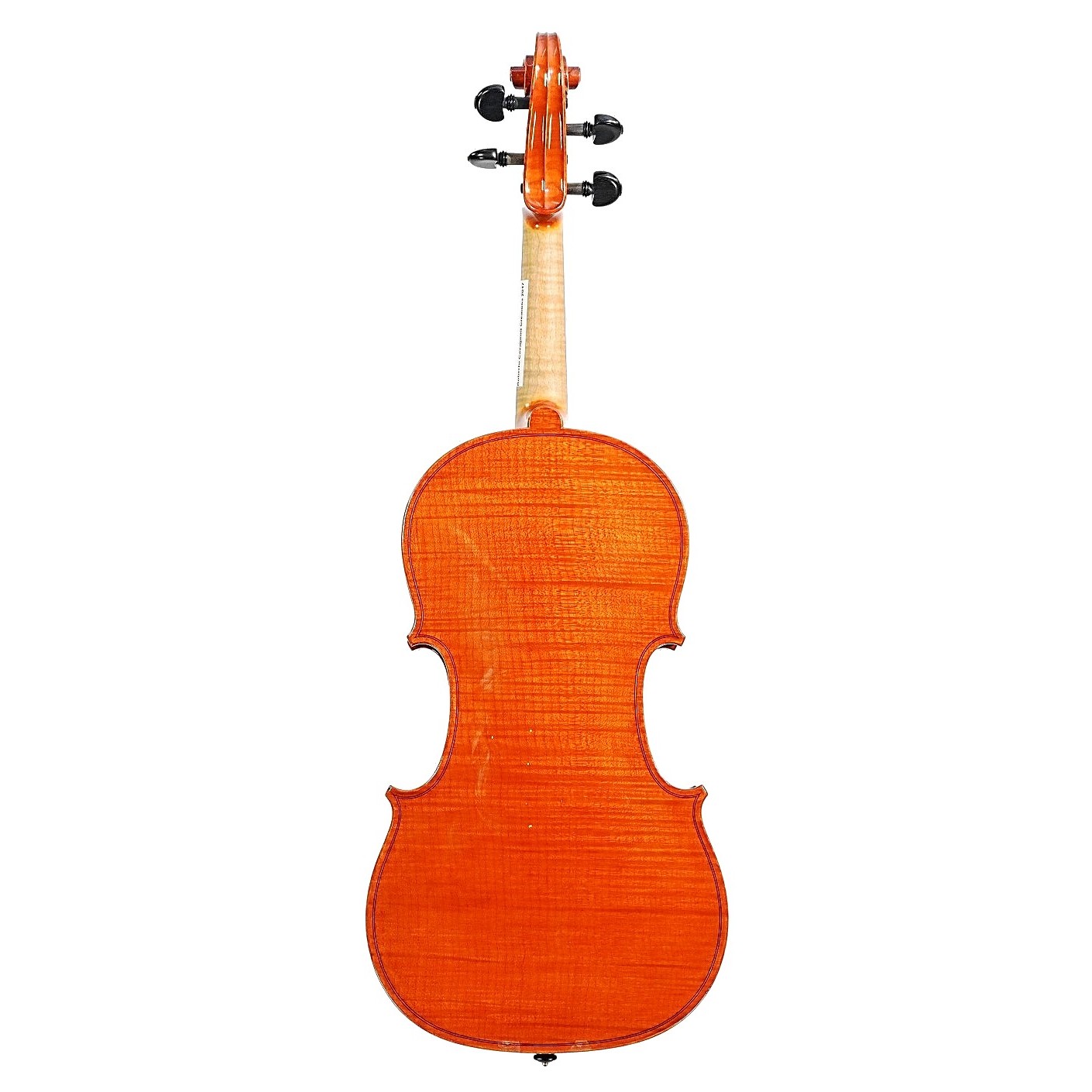
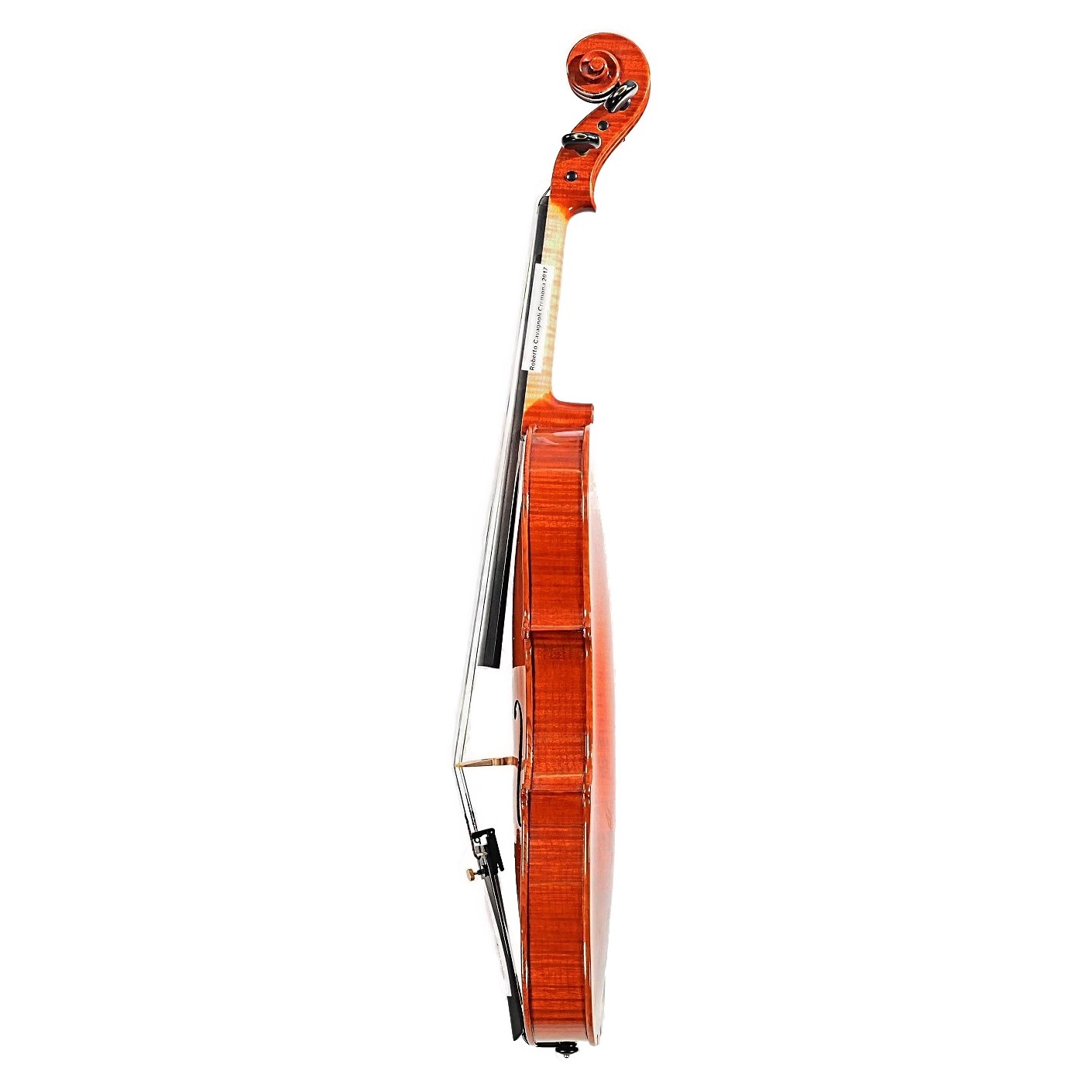
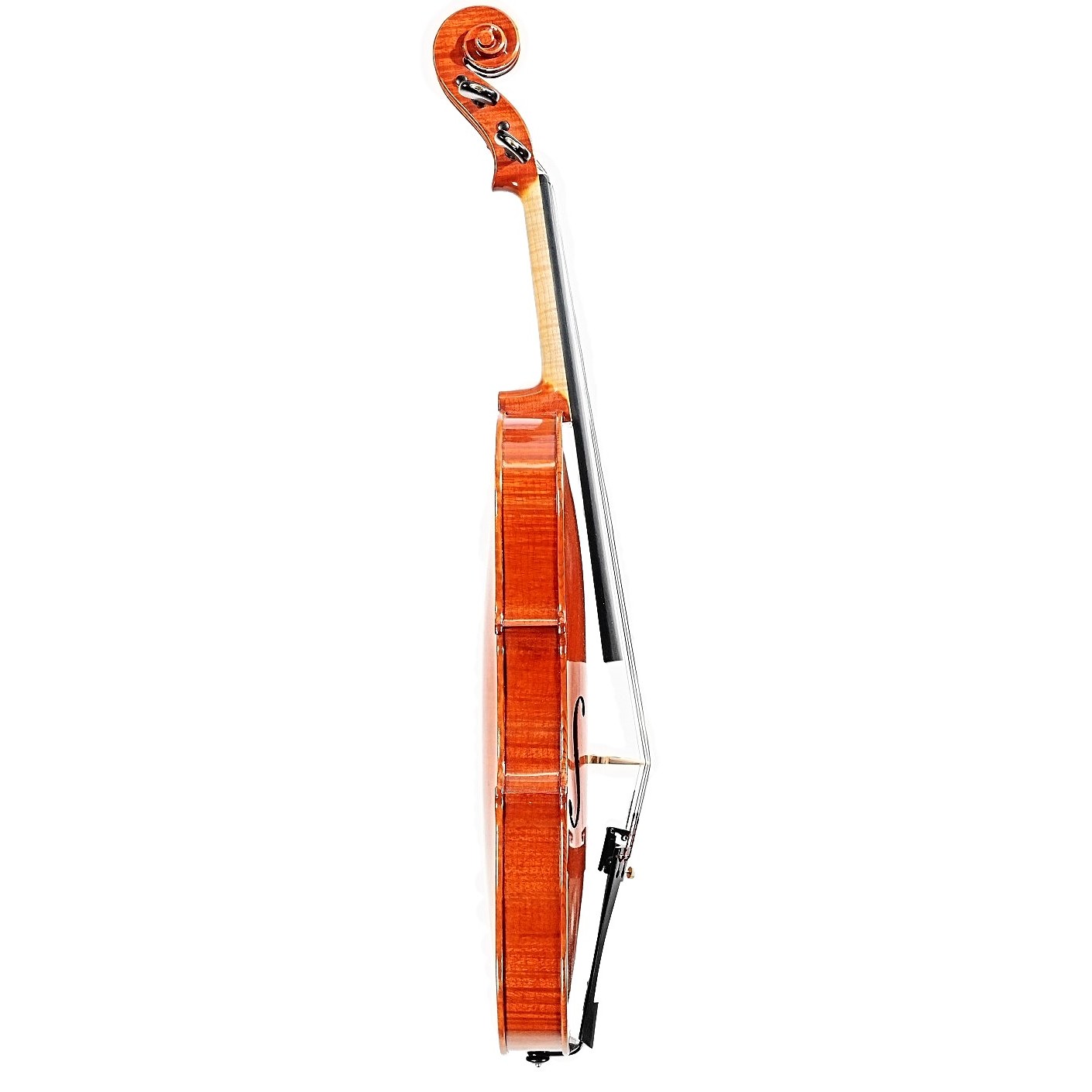
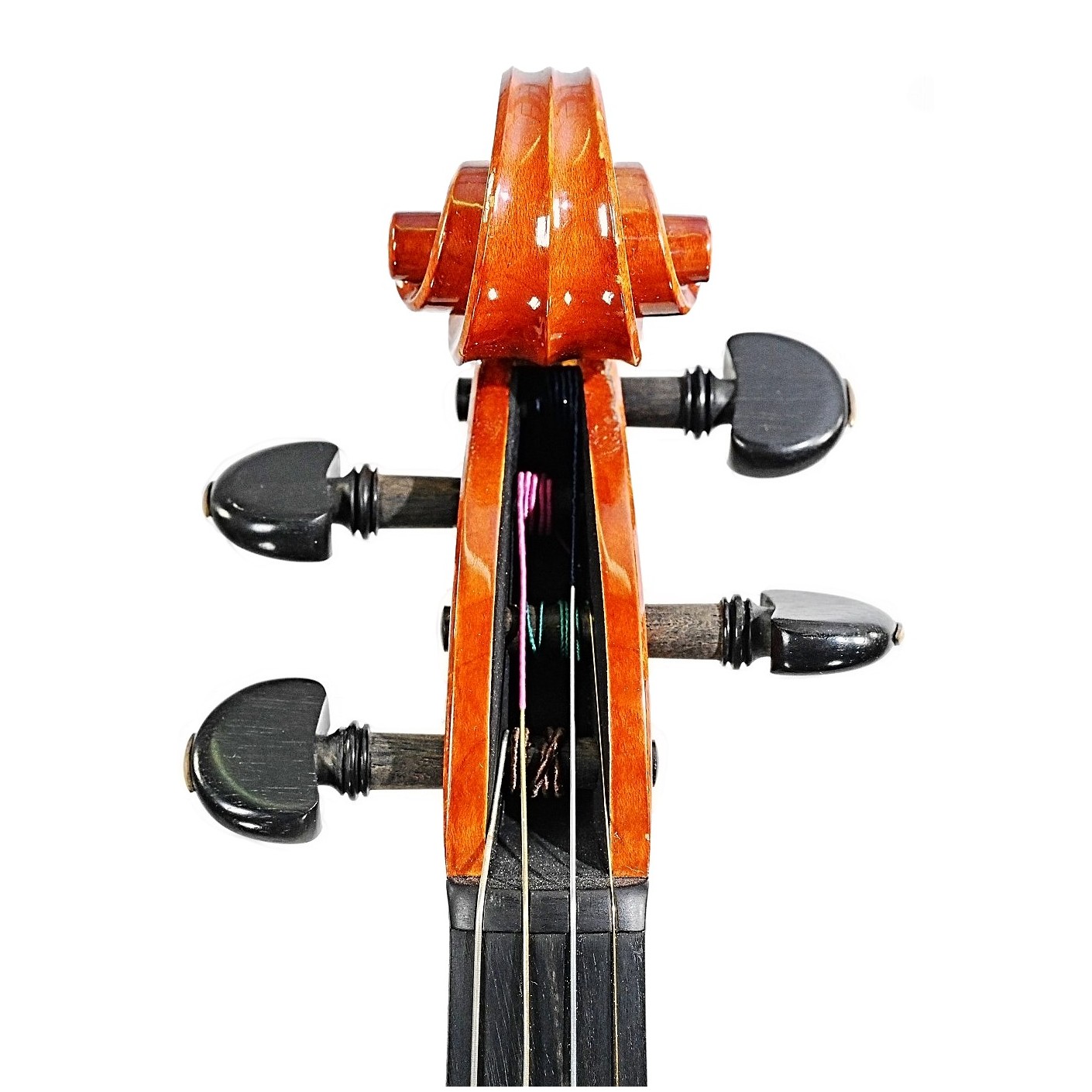
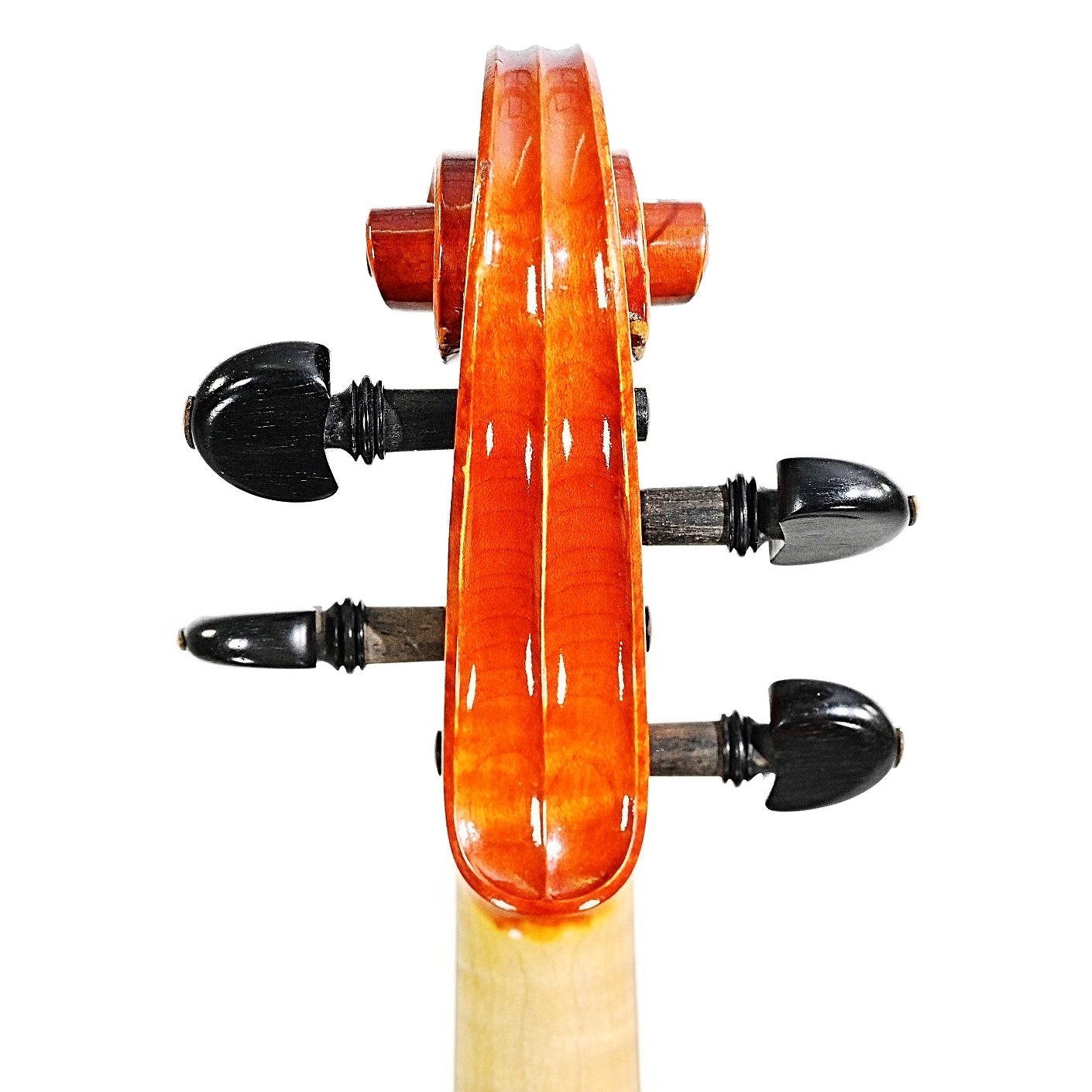
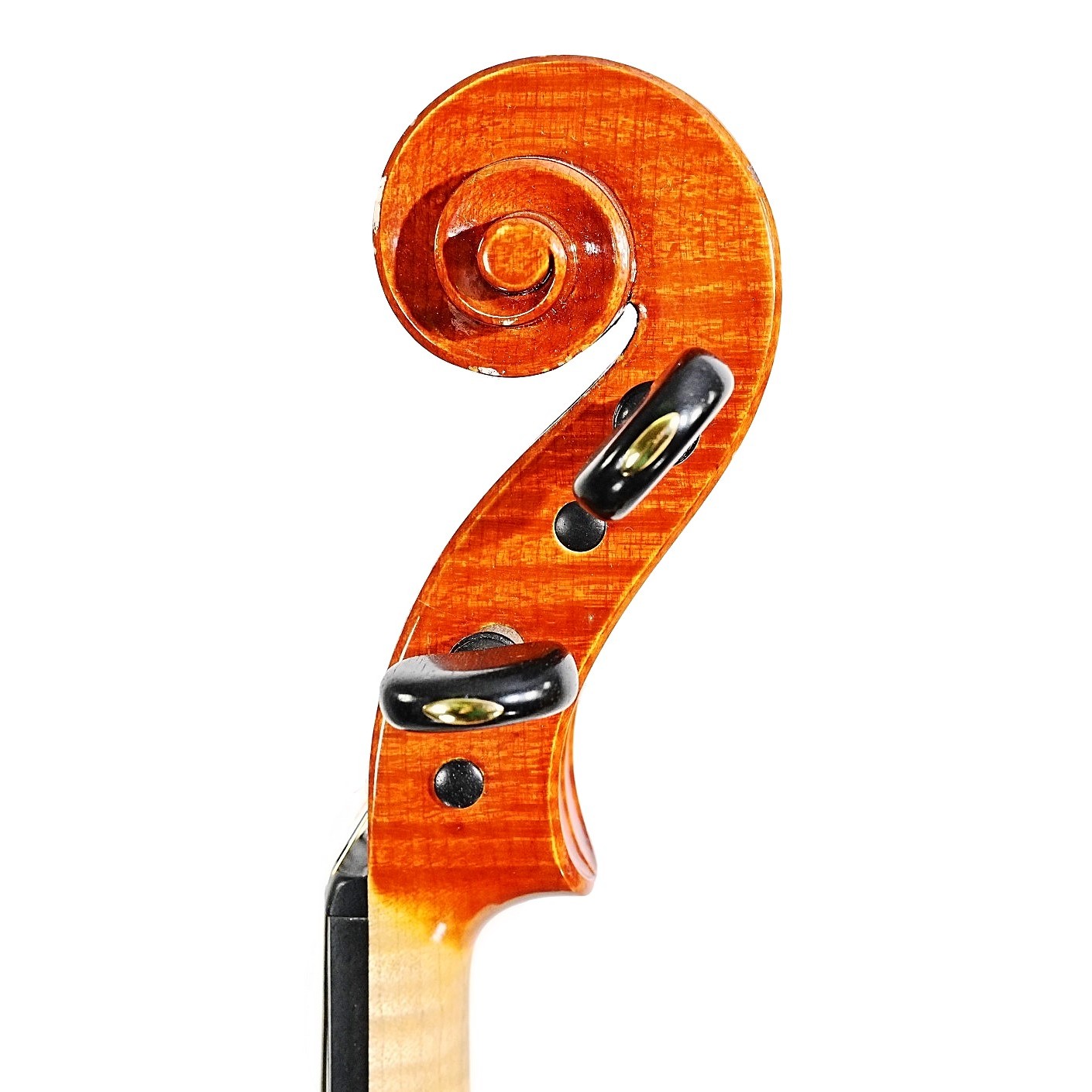
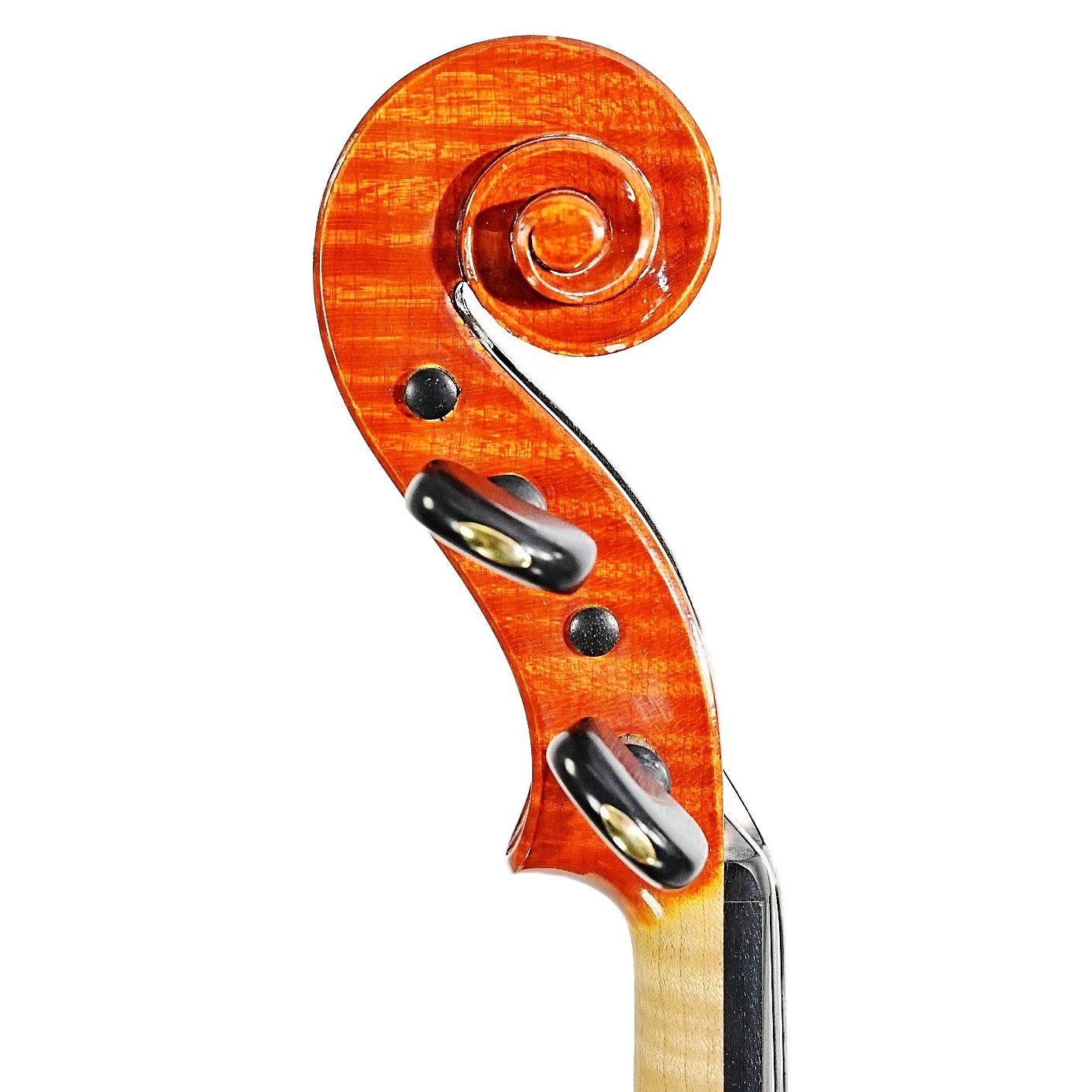
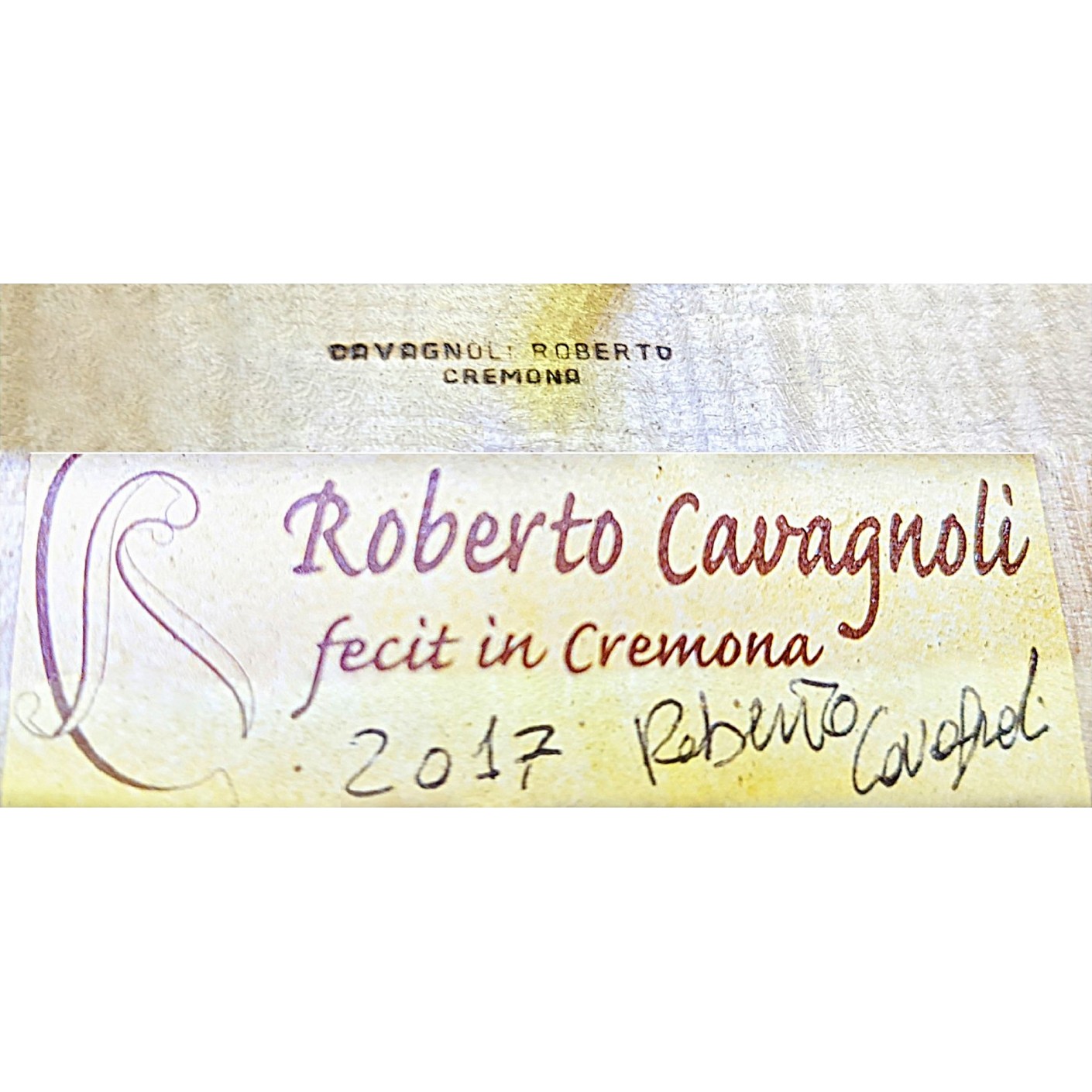
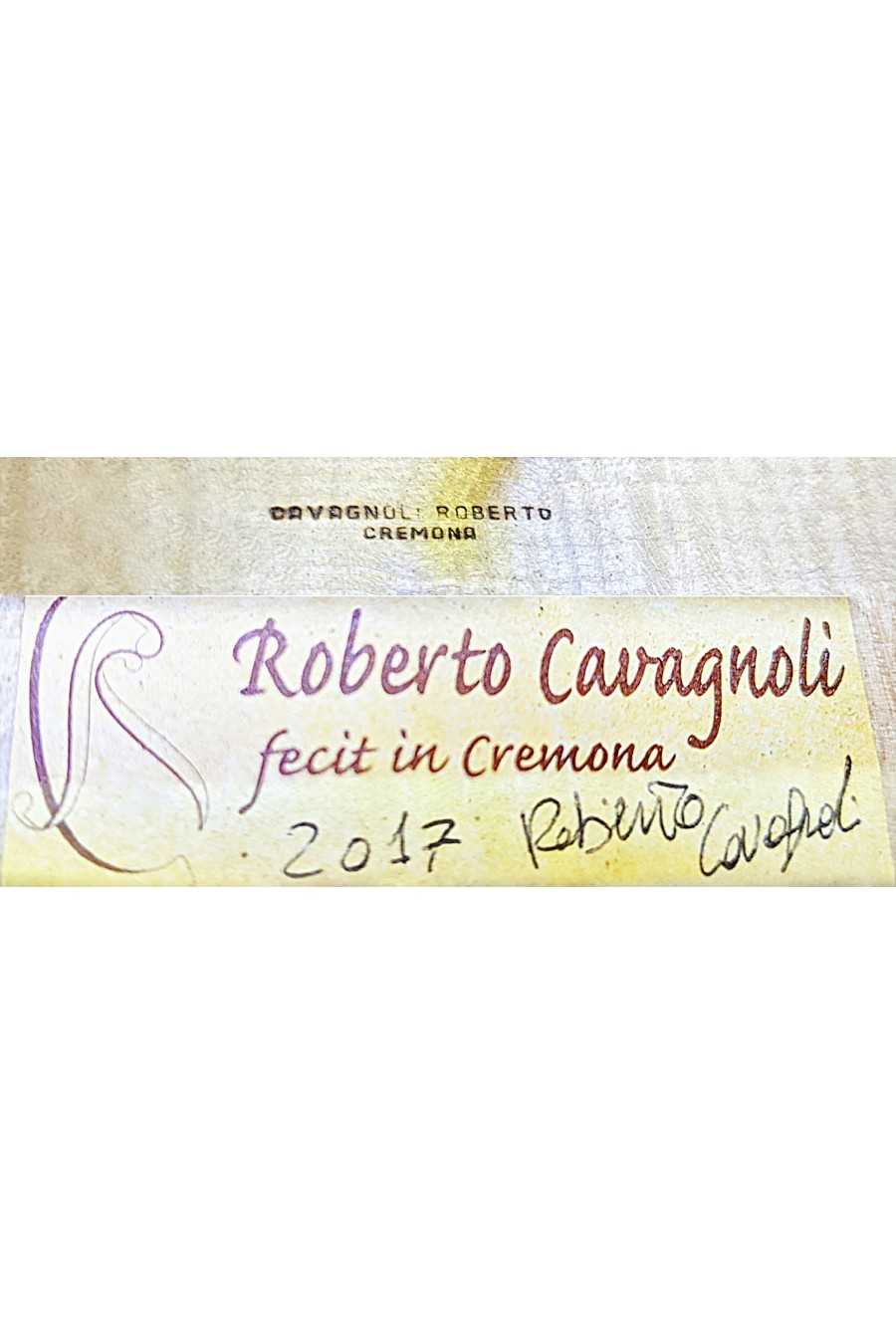
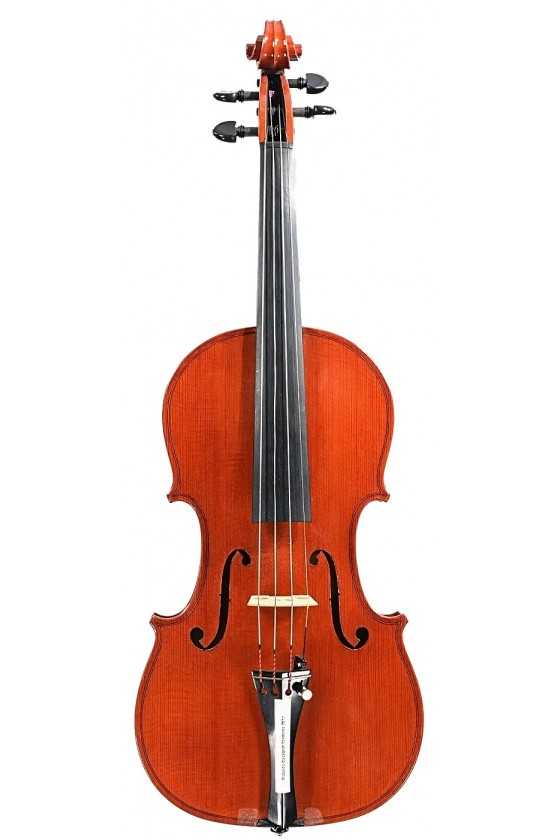
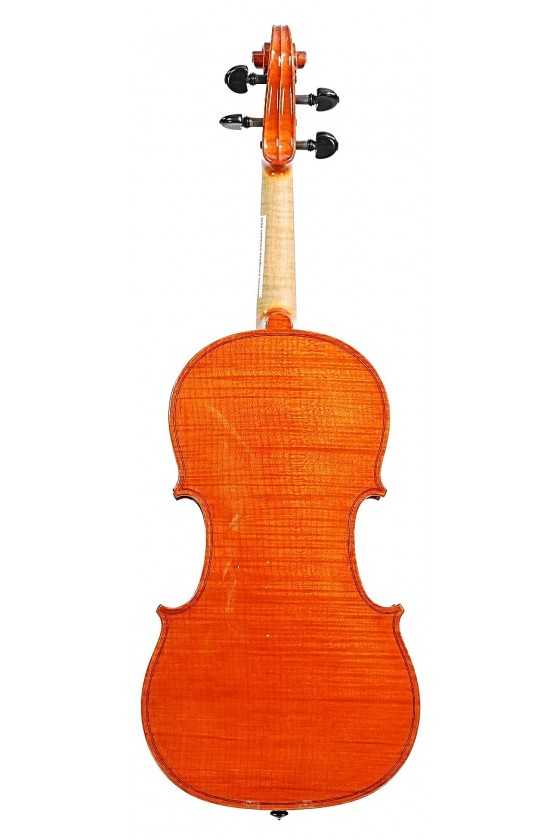
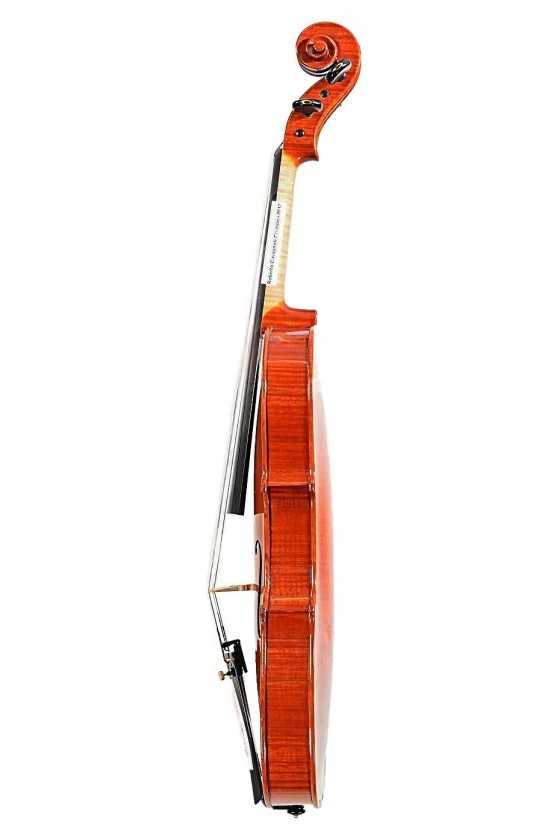
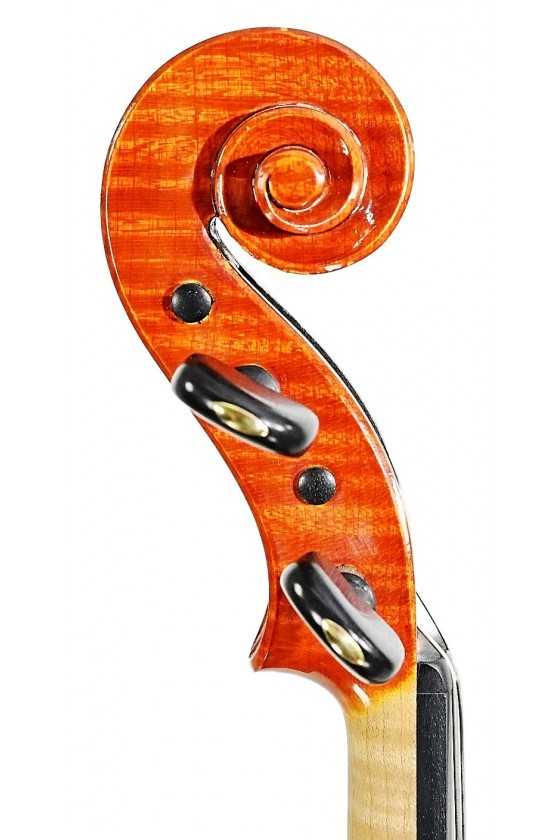
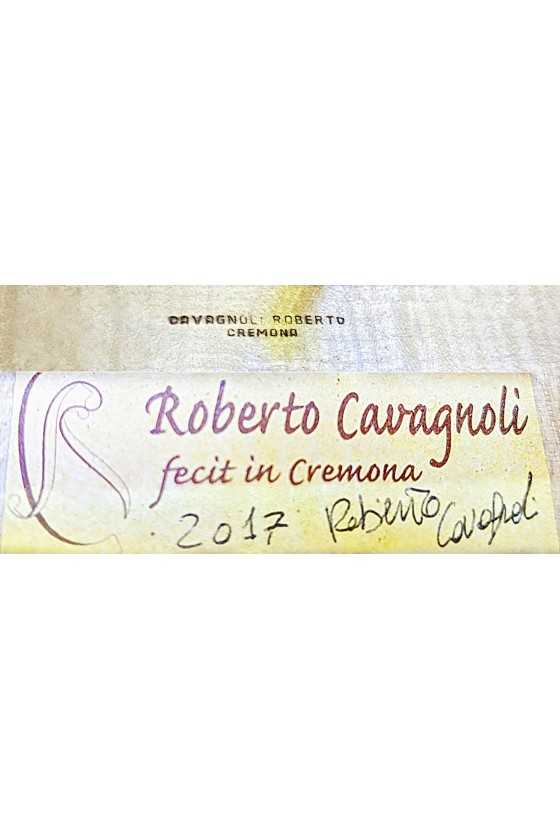
Introducing the Roberto Cavagnoli Violin 2017. Roberto Cavagnoli received many awards including the Silver Medal for tone quality from the Violin Society of America in 2004 and the third prize at the 11th International Competition ‘Triennale’ in Cremona for sound quality.
Robert Cavagnoli is an Italian Violin Maker born in 1975. He graduated from the International School of Violin Making in Cremona in 1993. He worked in the workshops of Barbara Piccinotti, and Angelo Sperzagai where his skill was developed.
Cavagnoli went to Australia in 2001 to work with James W. Robinson an Italian trained and American born luthier. After several years he went back to Cremona and continued his partnership with Barbara Piccinotti. He received many awards including the Silver Medal for tone quality from the Violin Society of America in 2004 and the third prize at the 11th International Competition ‘Triennale’ in Cremona for sound quality.
Cavagnoli was featured in the movie ‘Highly Strung’ (2015), directed by Scott Hicks. Roberto has certainly made a name for himself in the violin making world and continues working out of his workshop in the center of Cremona.
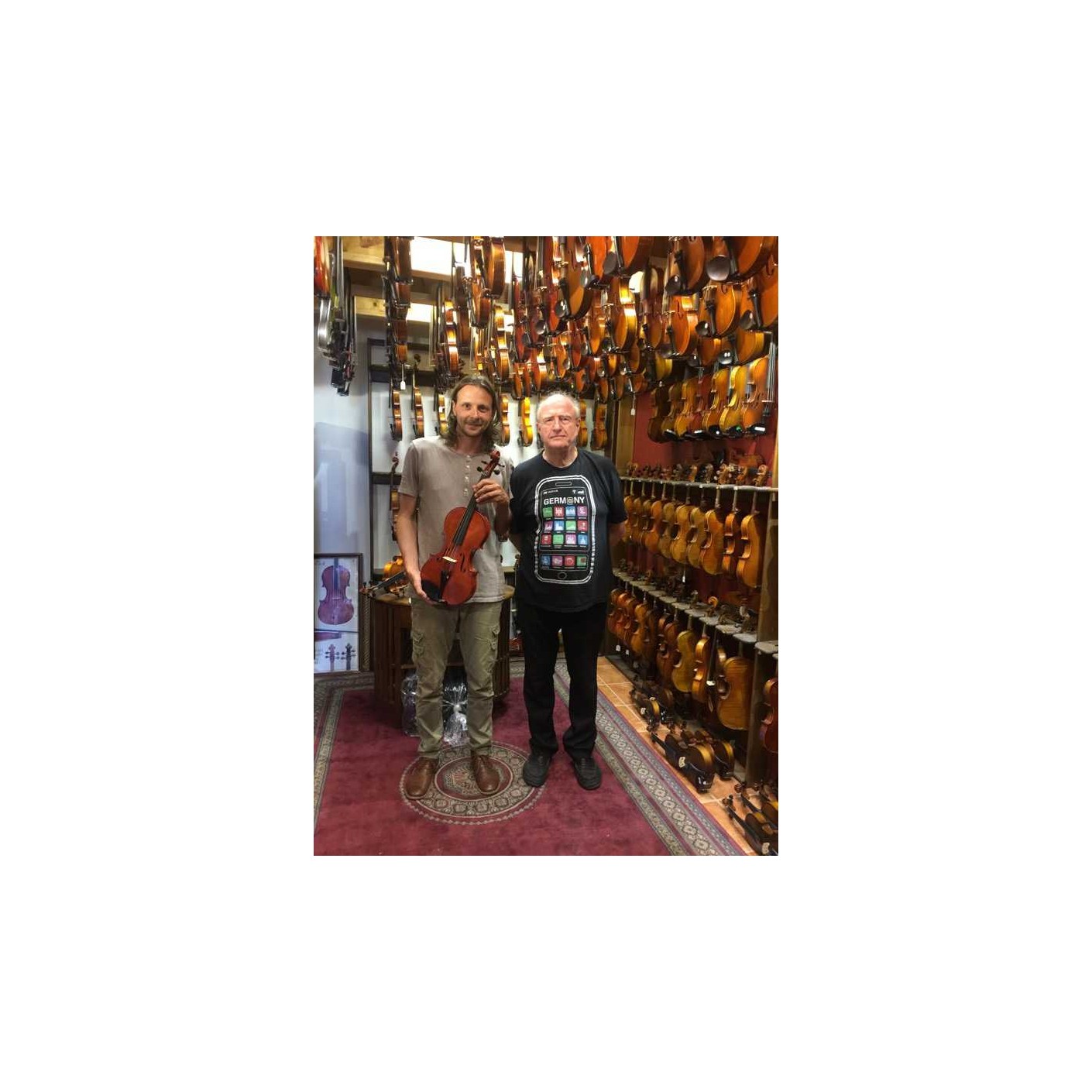
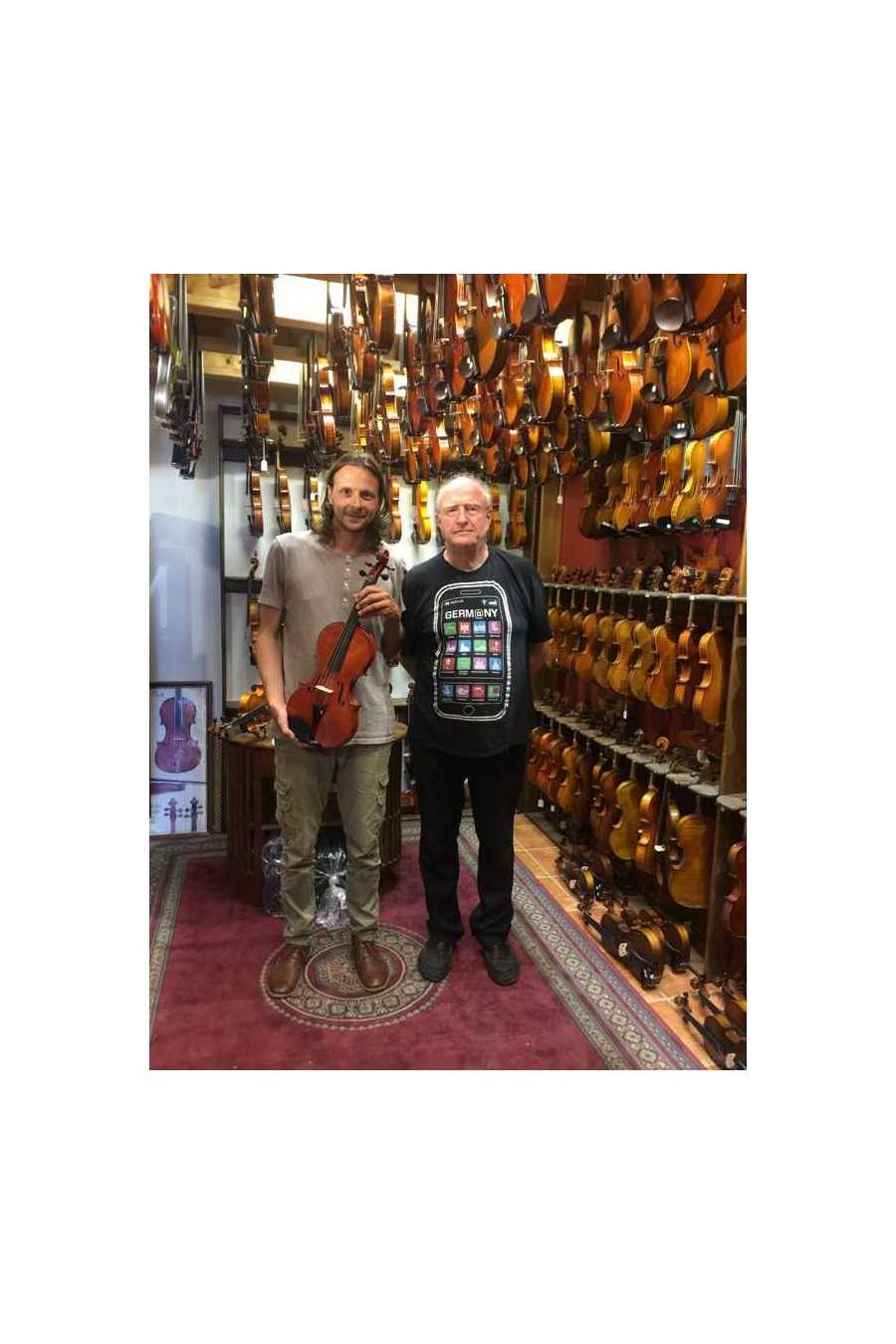
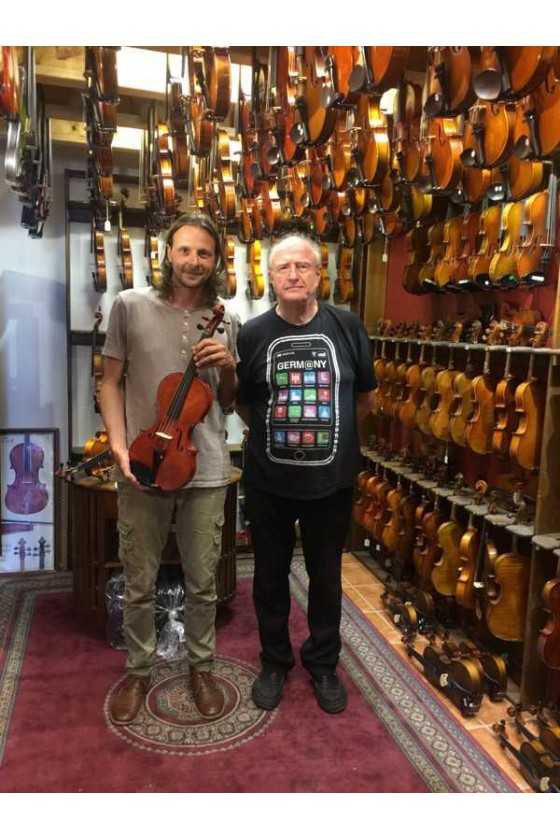
In one of the photos above, we can see Roberto Cavagnoli emerging as an outstanding Cremonese luthier is holding his 2017 violin with Dietrich Lasa the founder and owner of Animato Strings Australia.

This is a violin labelled Carlo Steffani. The timber for this violin was cut around 1800 in the Southern Alps.
This is an A. Dieudonne Violin made in Mirecourt in about 1933. Amédée Dominique Dieudonné is a French luthier who specializes in copying the works of Cremona masters.
Check out this Ryszard Osowski Violin Model BR with Certificate. Ryszard Osowski is a Polish luthier who was able to gradually perfect the sound and quality of his instruments, concentrating more on building his own stringed instrument, passionately rearing towards crafting highly advanced violins.
Manighetti Violin made in 1938 in Turin, Italy
Over 25 years, Ryszard conducted numerous experiments, conducted intensive studies, gained valuable experiences, and was influenced by his colleagues, all of which contributed to his gradual perfection of the sound and quality of his instruments.
William Henry Dow was born in Scotland in 1834 and moved to Australia in 1855 to work as a pattern maker at Langlands Port Phillip Foundry in Melbourne. Initially a hobby, he began making violins in his workshop in South Melbourne and received medals for his work at national exhibitions. After retiring from patternmaking, he devoted himself to creating instruments and made over 200 violins by his death in 1928. It is still being determined how many instruments Dow made, as he only started numbering them when he was satisfied with their quality. One of his violins is on display at the Powerhouse Museum in Sydney.
Please get in touch with Animato Strings on 07 3876 3877 if you want this violin.
This French violin (copy) has a powerful sound and was made after Roger & Max Millant in Paris. It has a subtle and radiant voice. This violin is in excellent condition, making it suitable for professional musicians.
Marc Laberte (1880–1963) was trained as a violin maker and joined the family company in 1911. By 1919, the Laberte firm had around 400 craftsmen and was successful. However, the war in 1942 devastated the business, leading to its closure. Despite this, Laberte was known for his exceptional instruments and bows, earning several honours and medals.
This violin has the original Marc Laberte label and bears the number #3010. A second label states Grand Prix Paris 1931, Exposition Internationale Bruxelles 1935 Membre Du Jury, and Exposition Internationale New York 1939. The prices they won before and during the start of the world war 2.