- SOLD
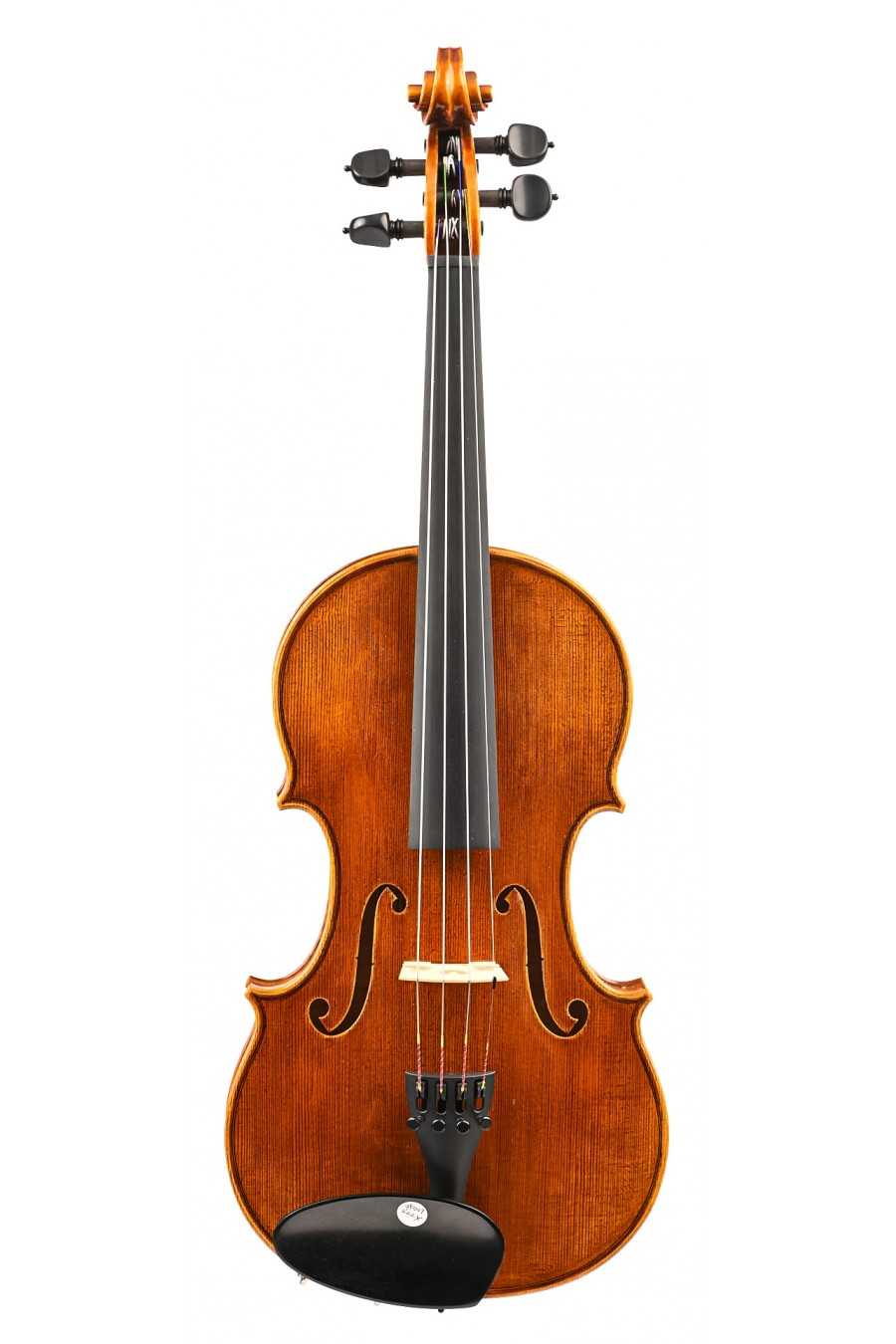
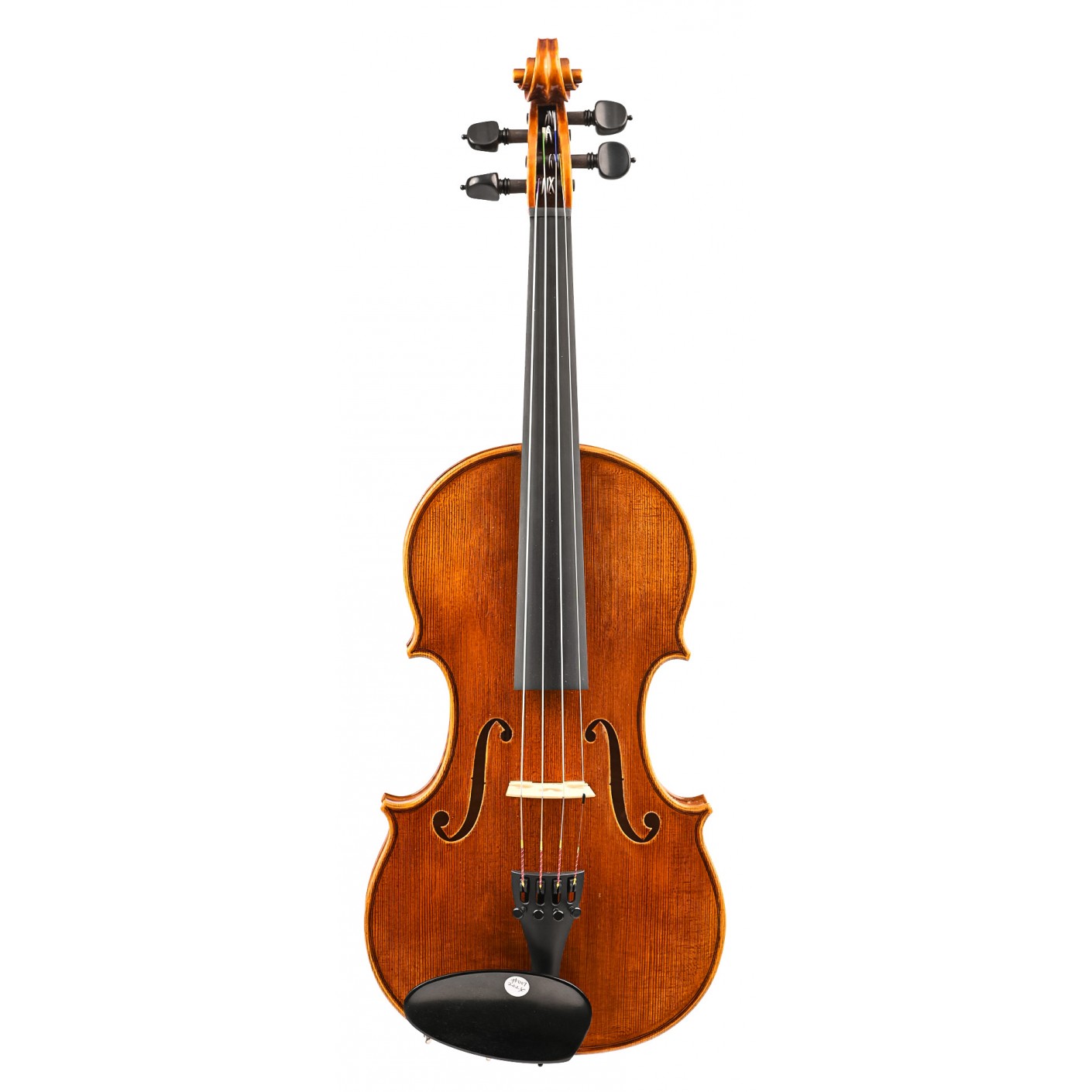
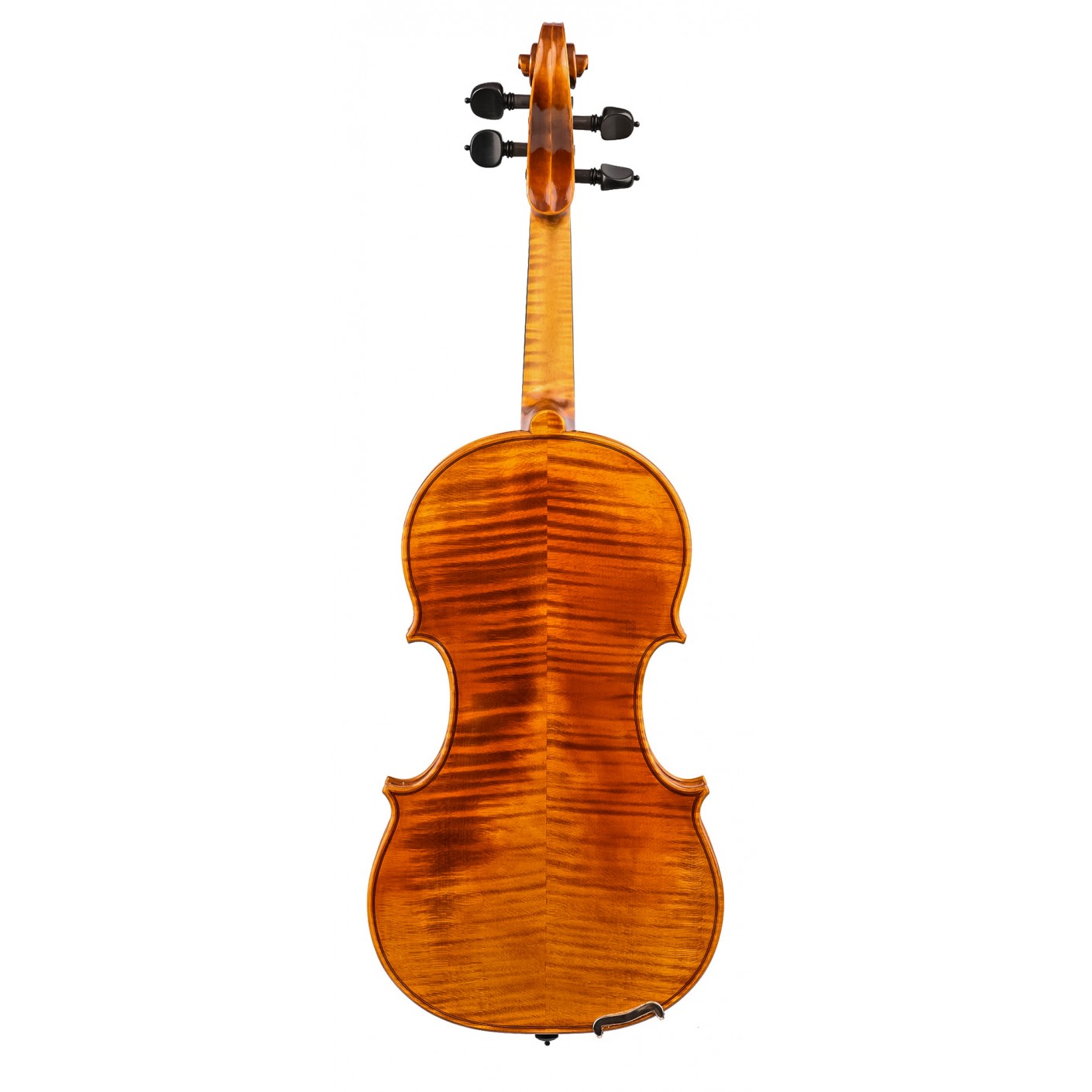
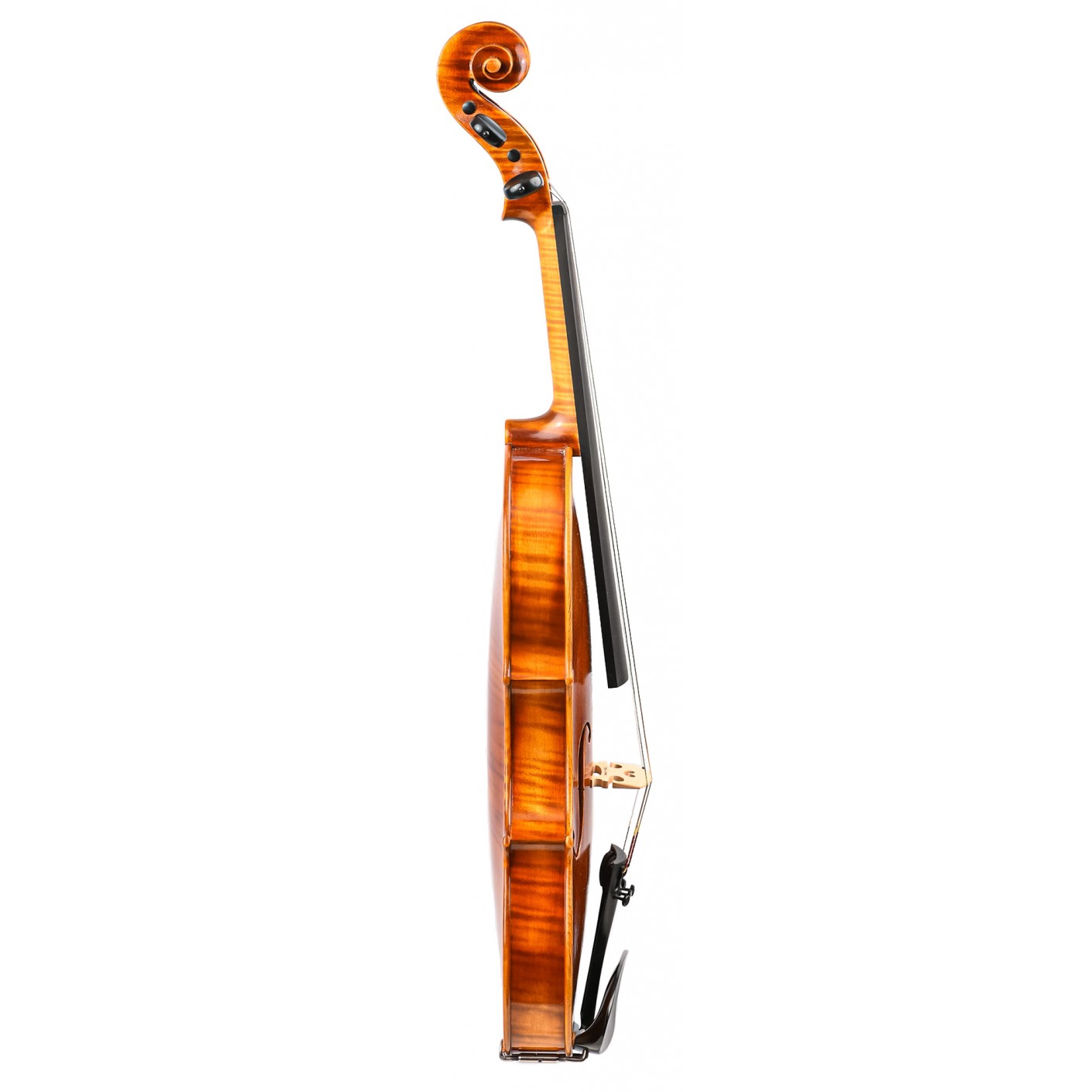
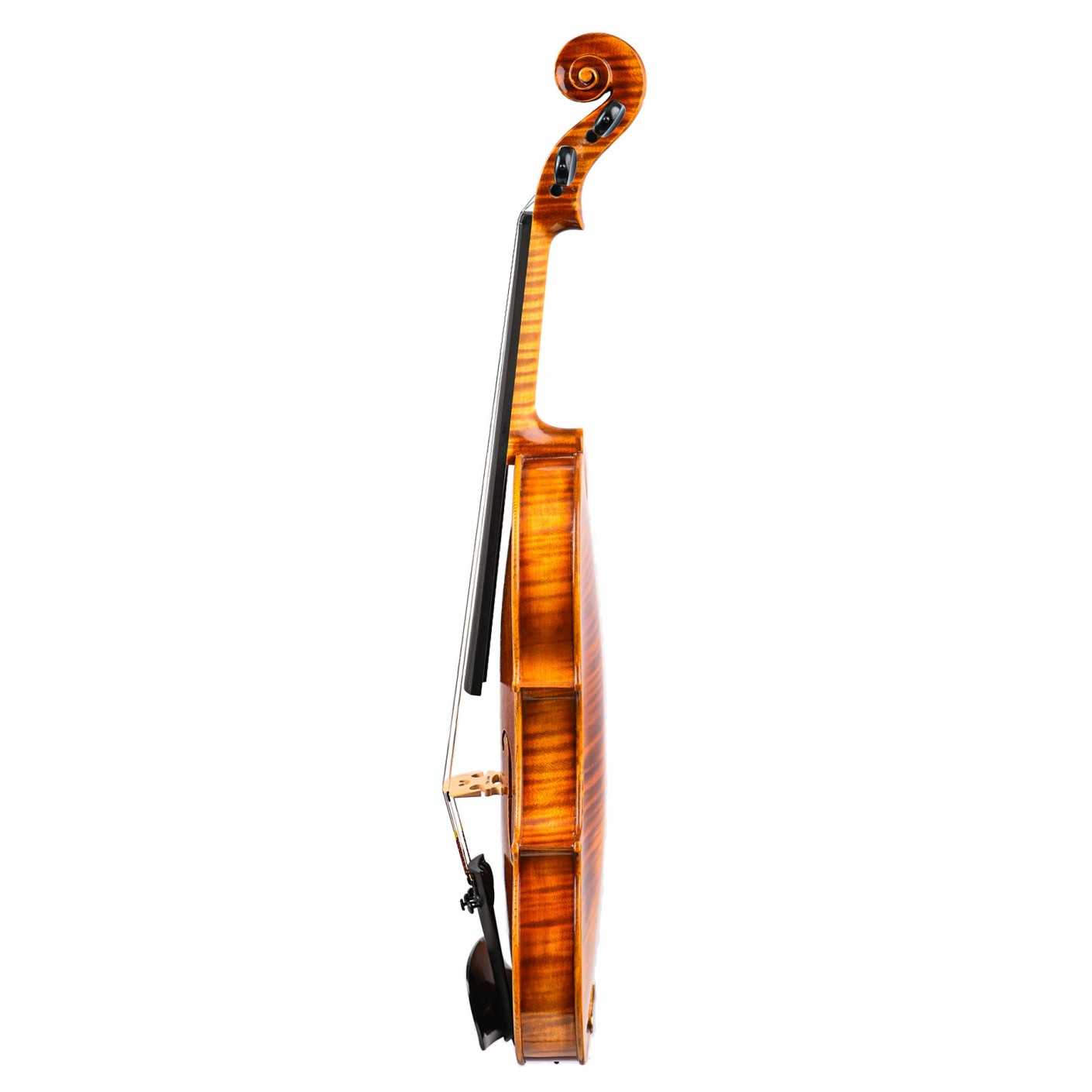
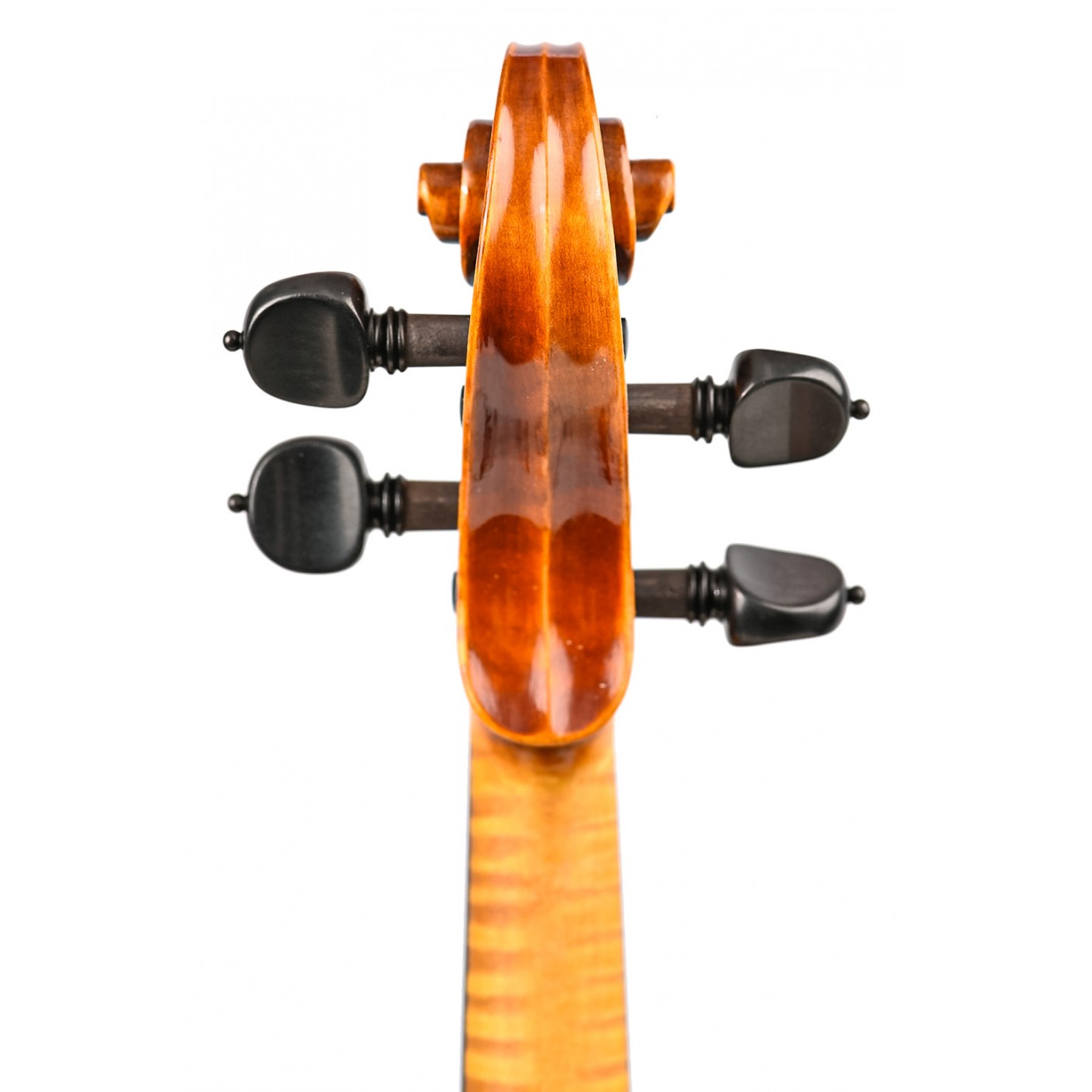
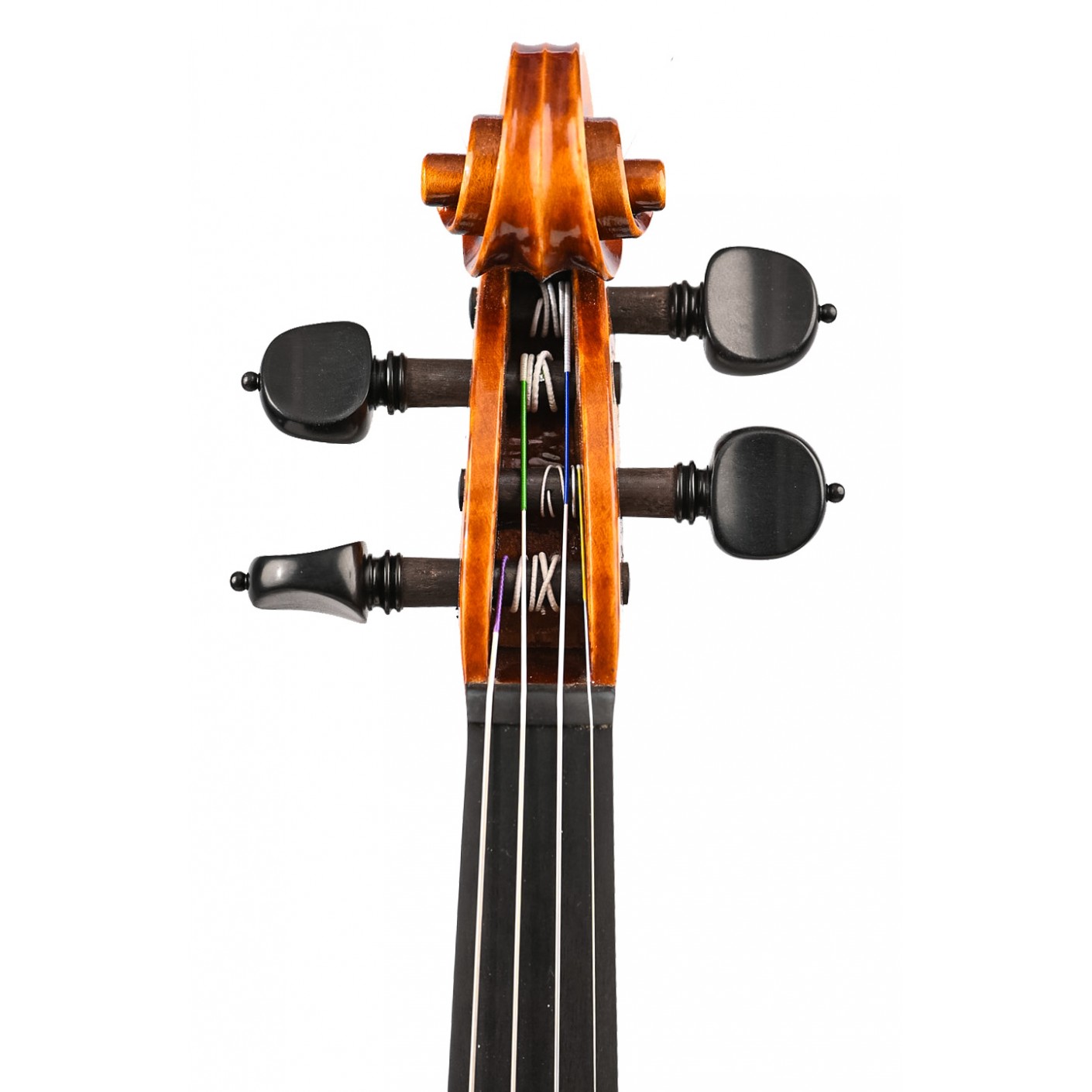
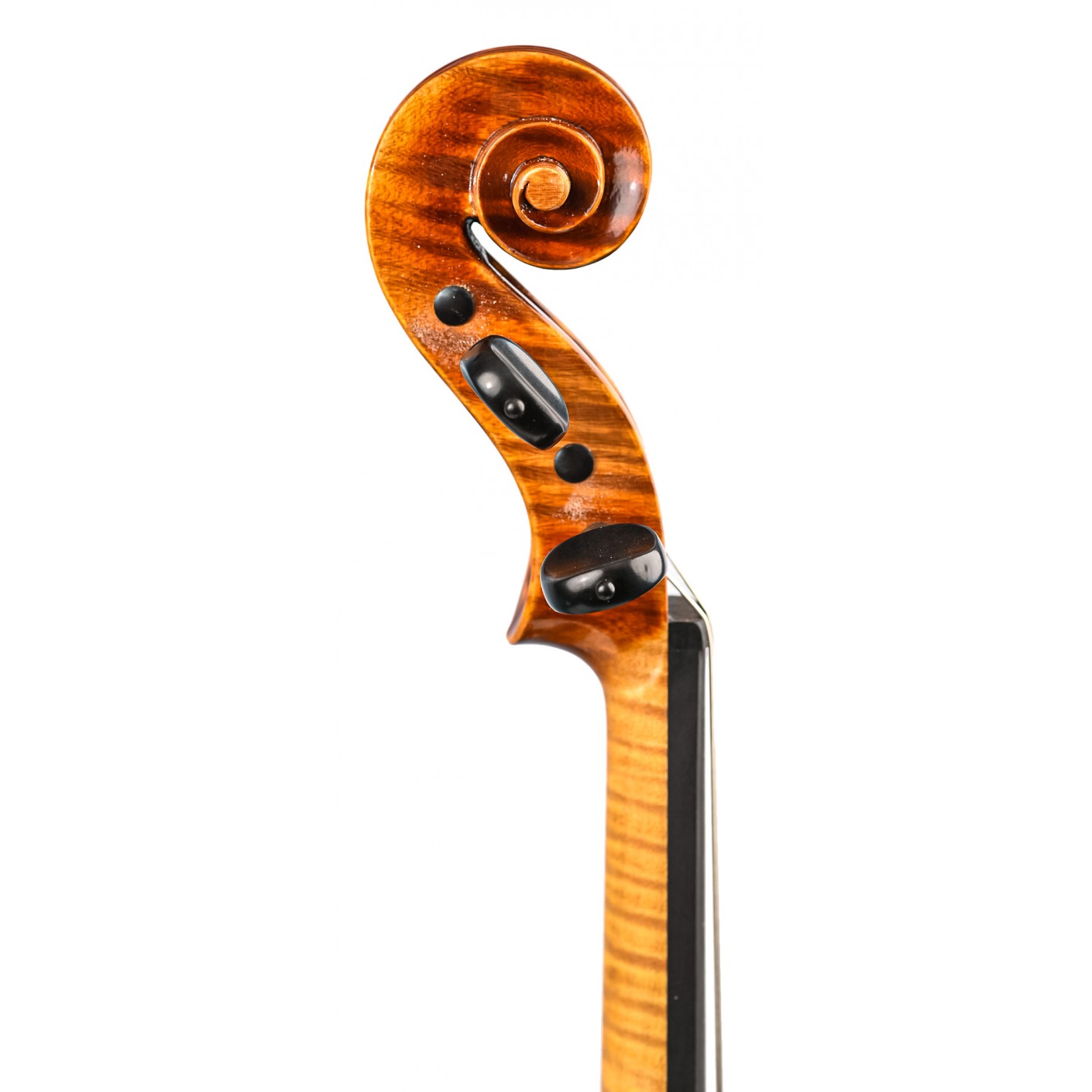
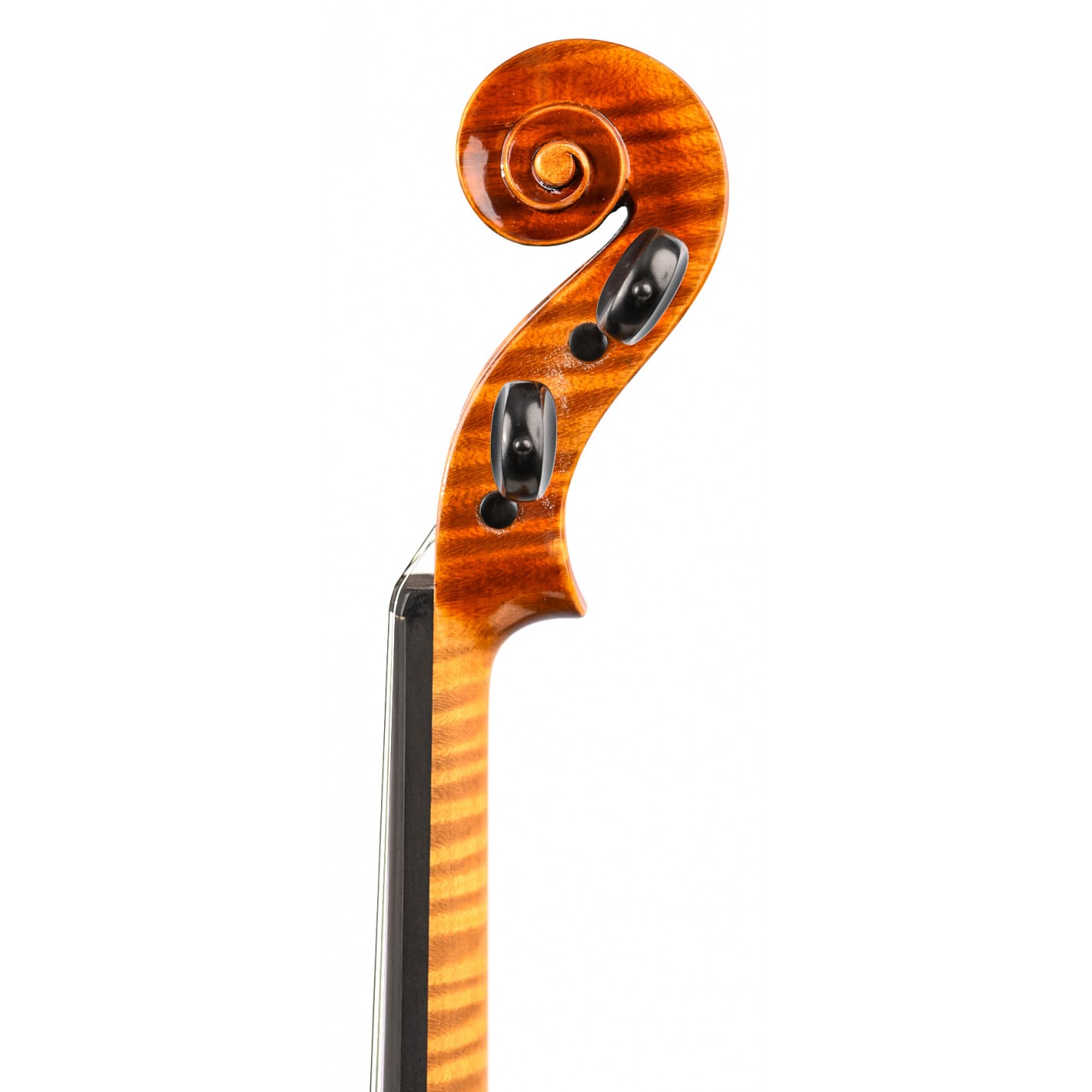
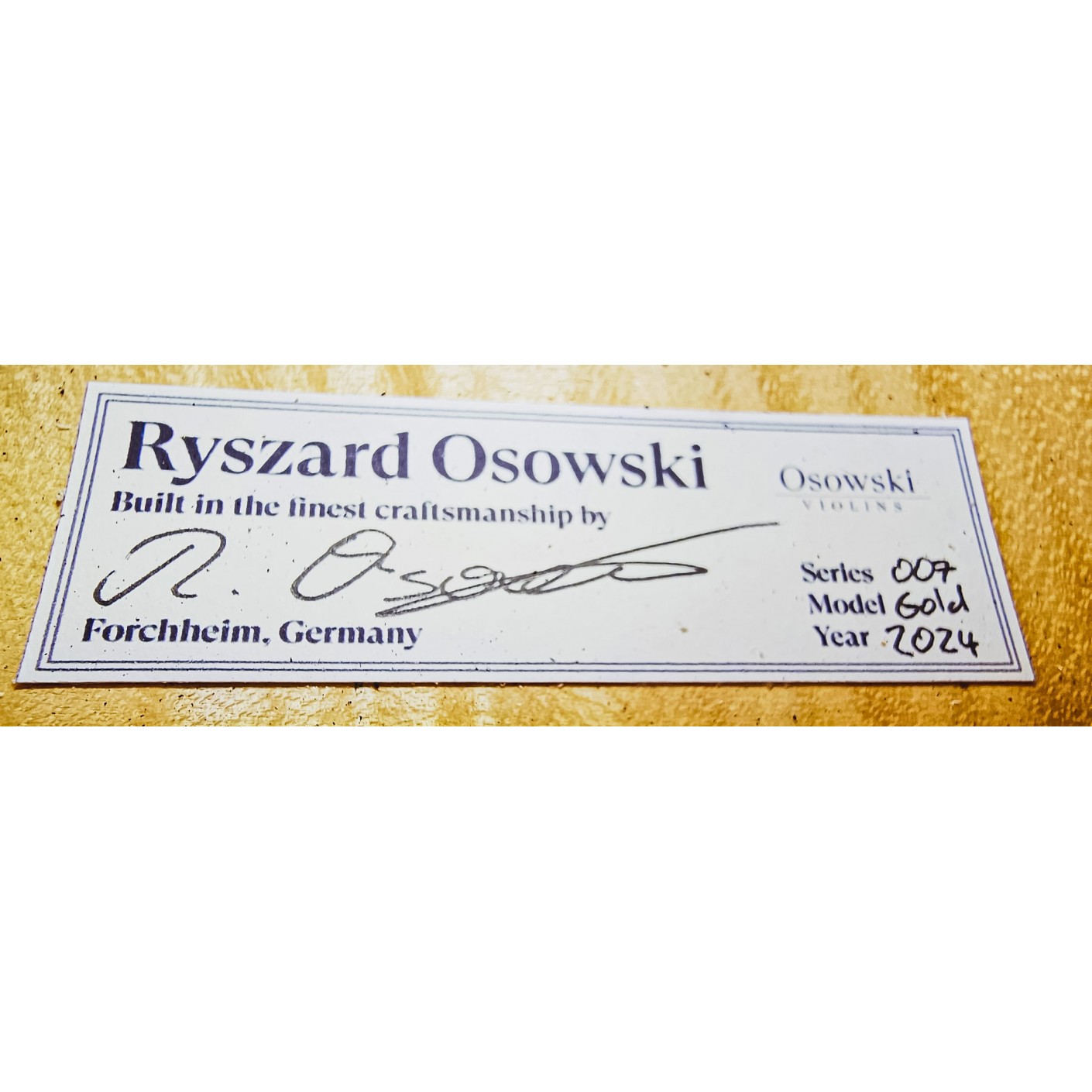
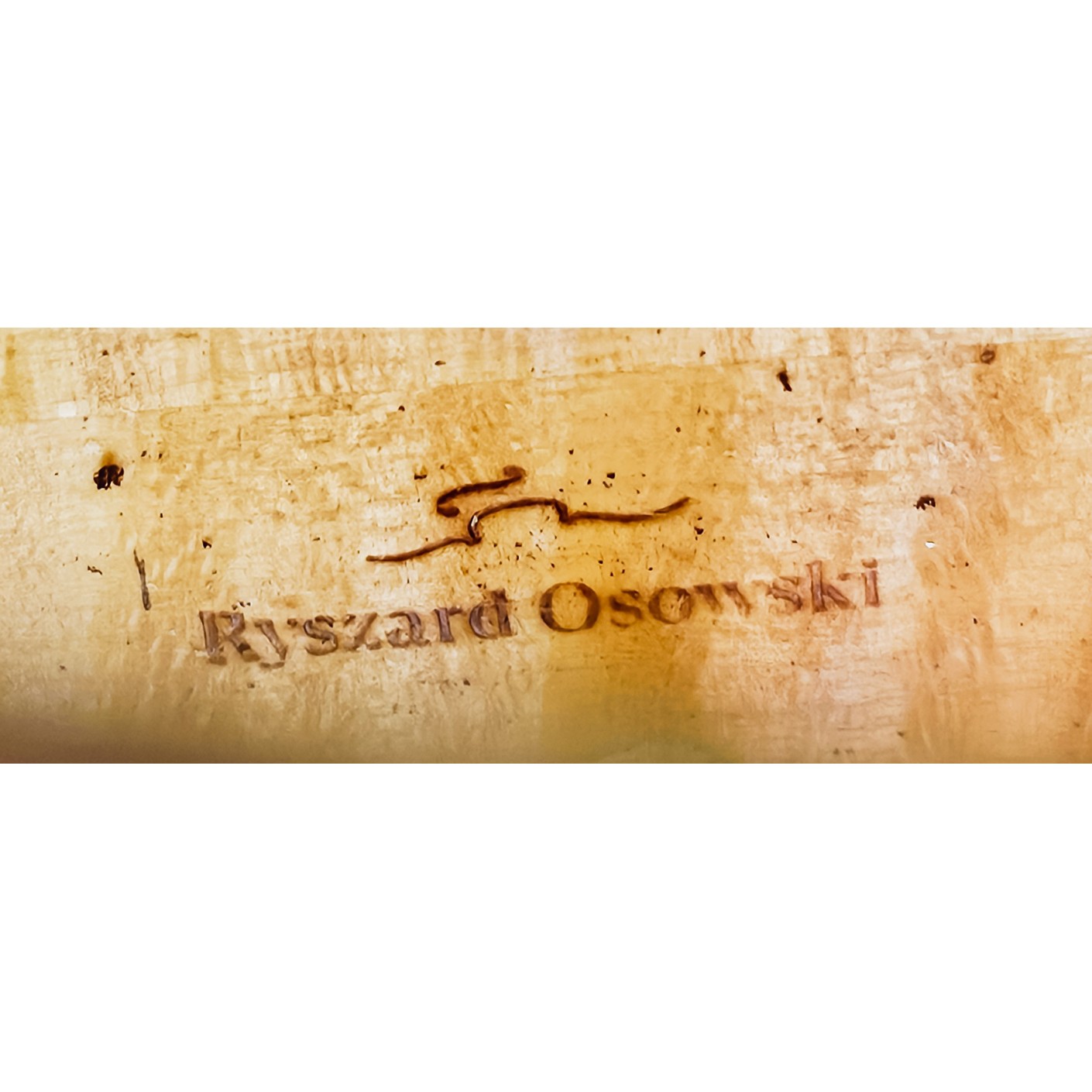
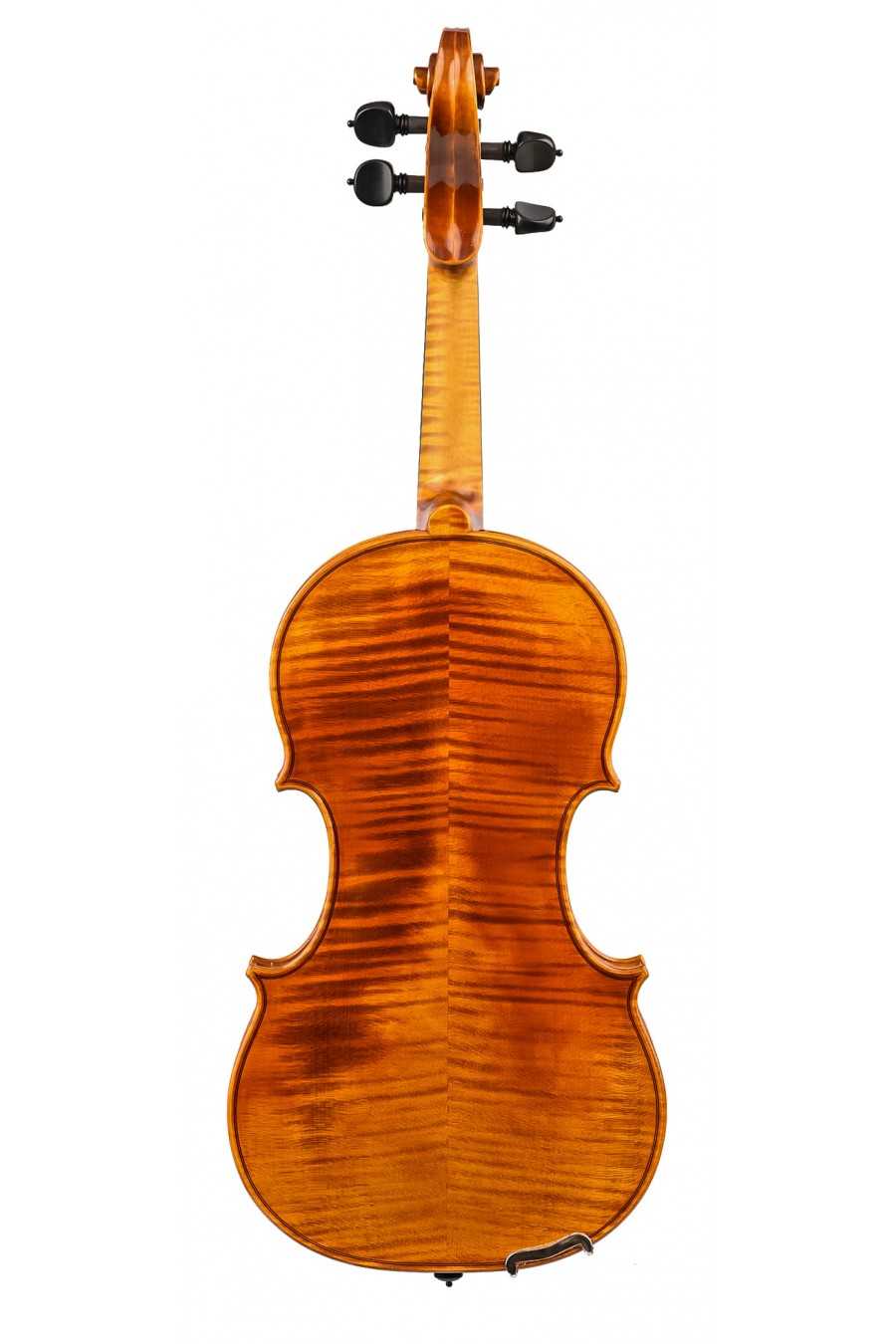
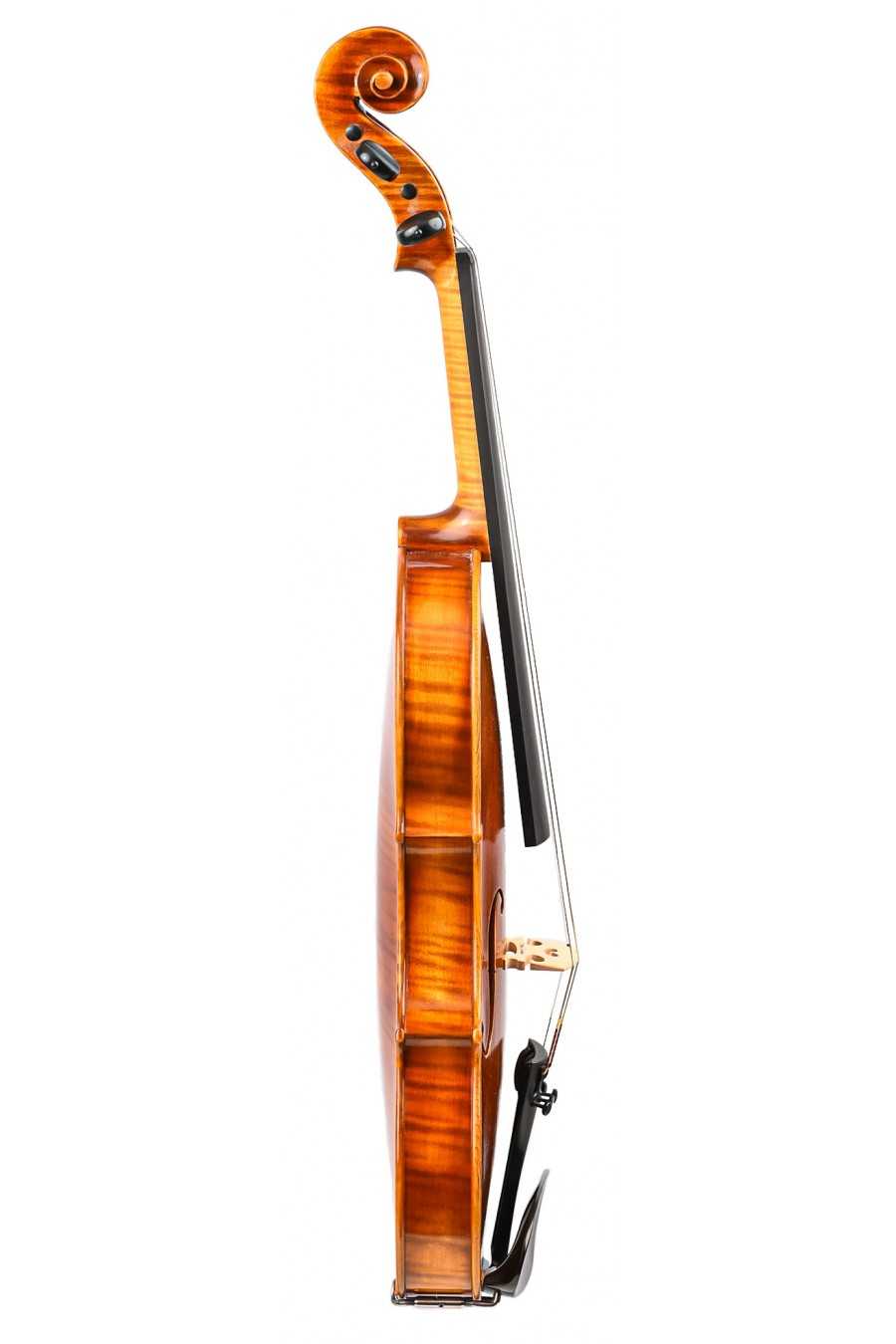

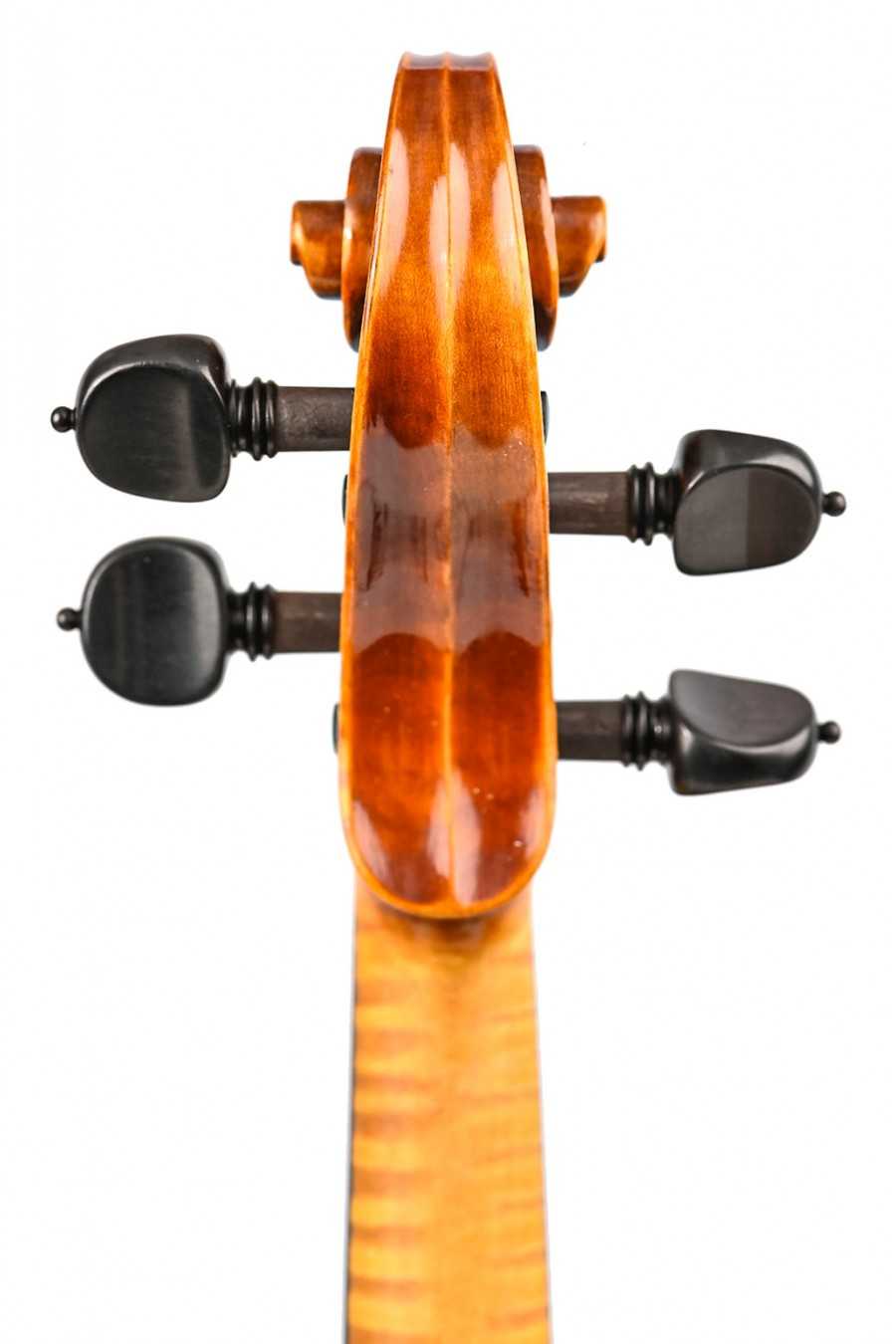
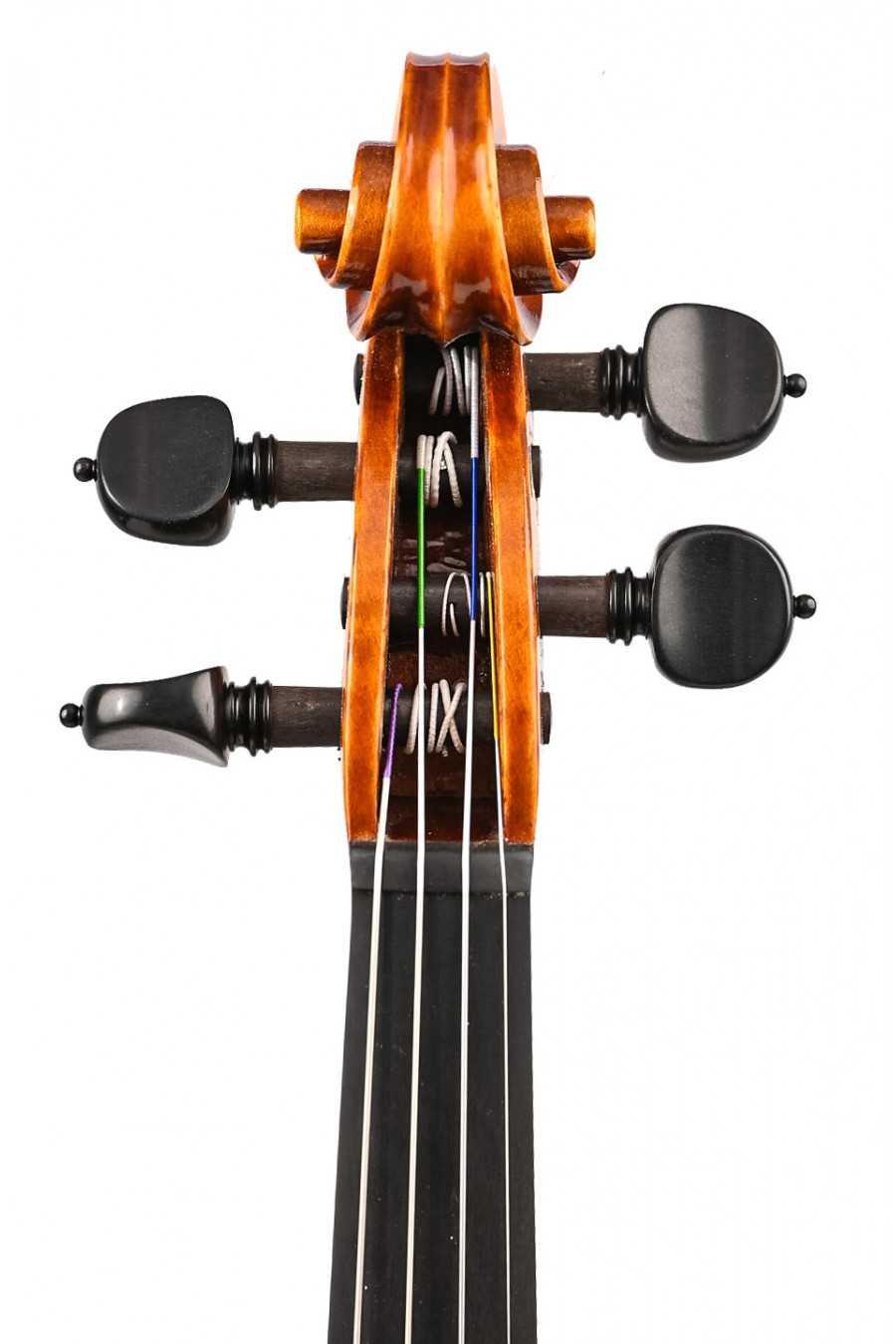
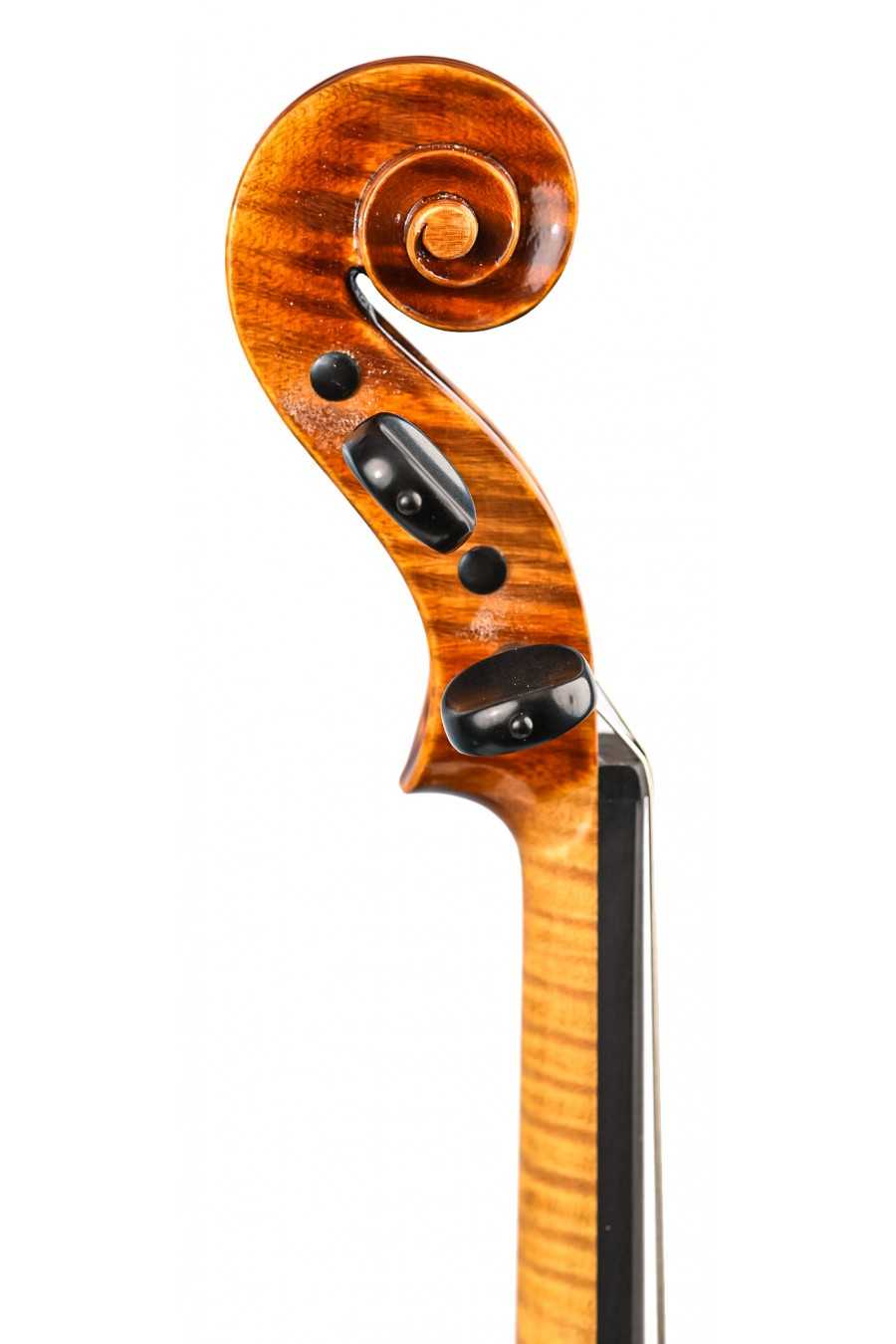
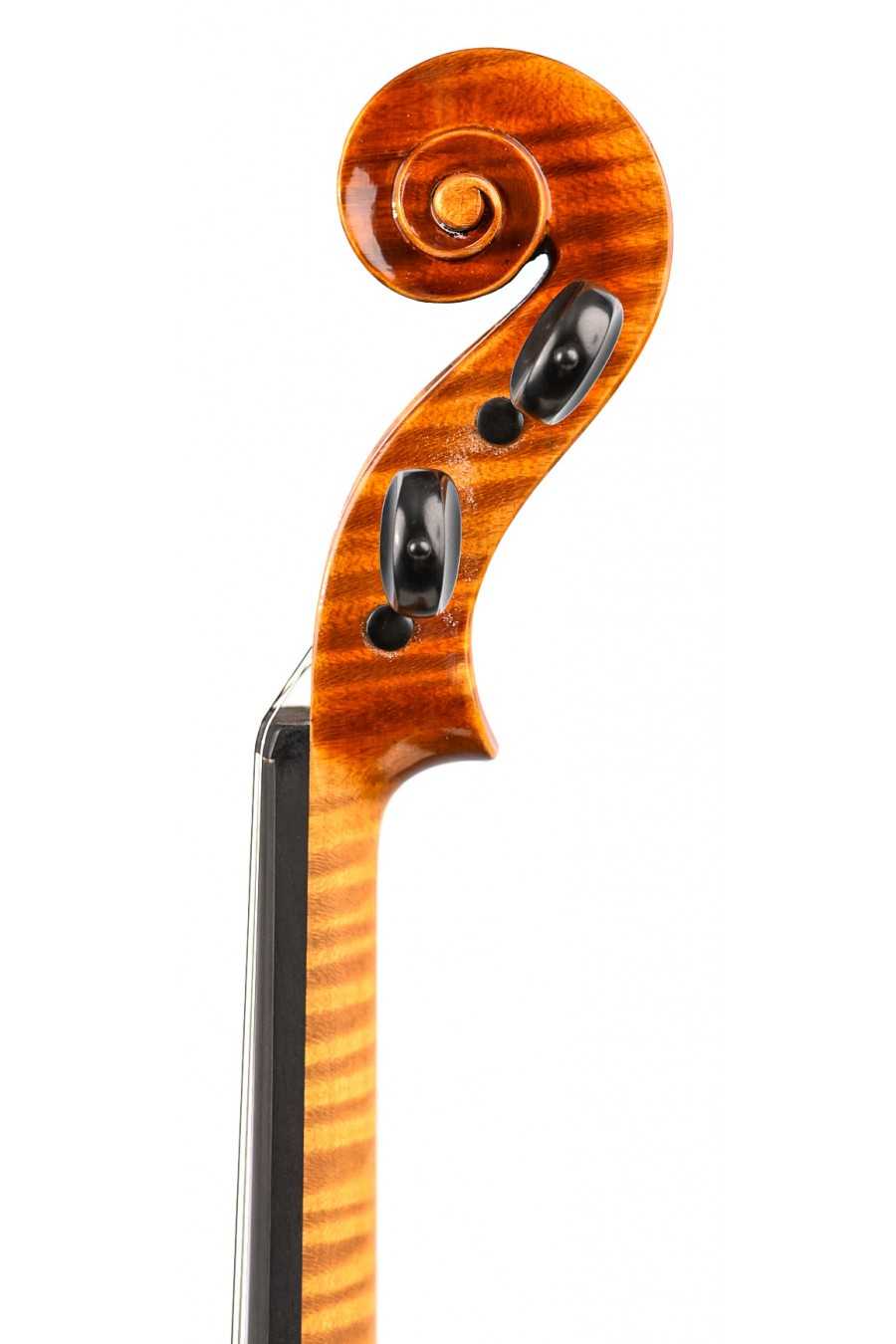
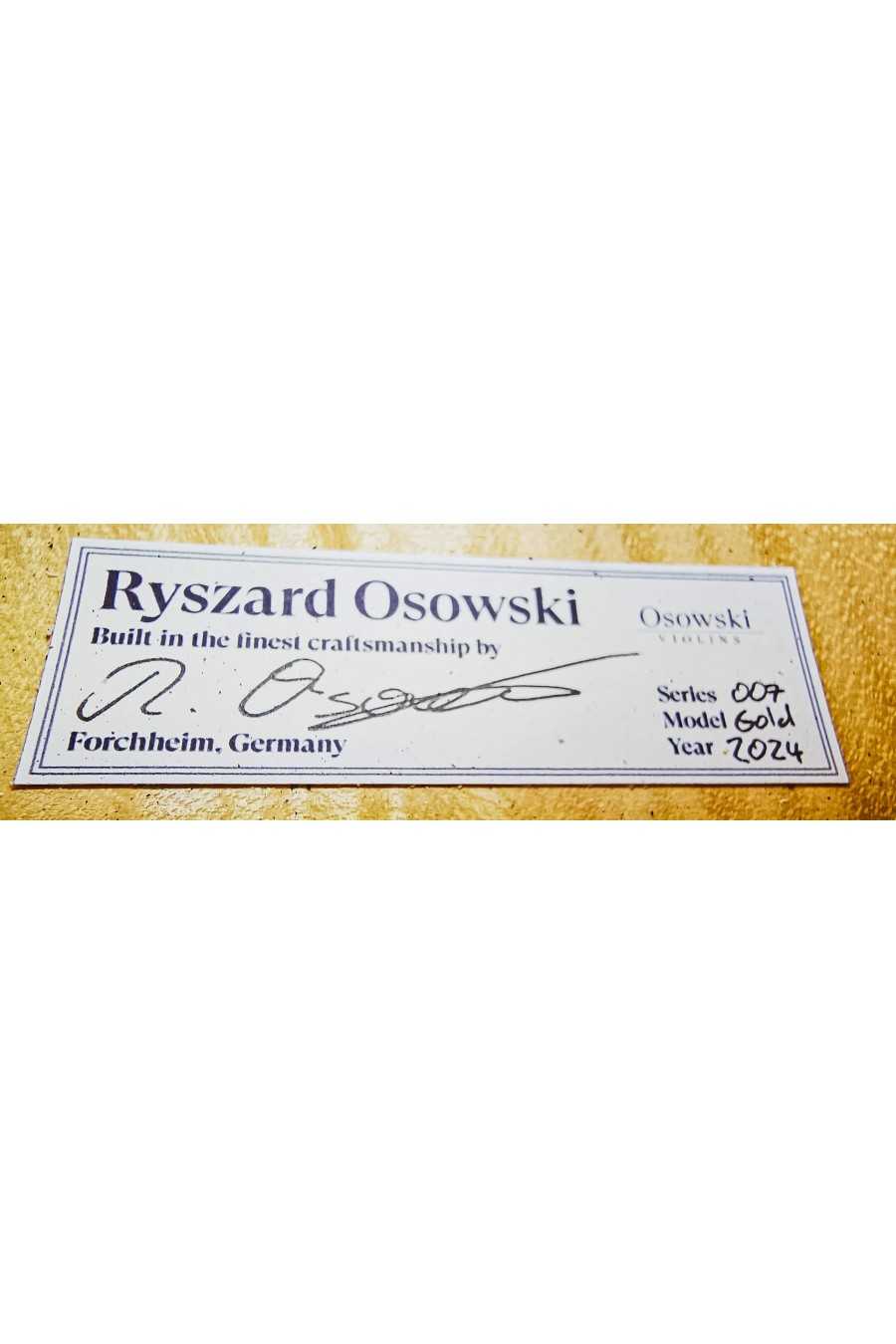
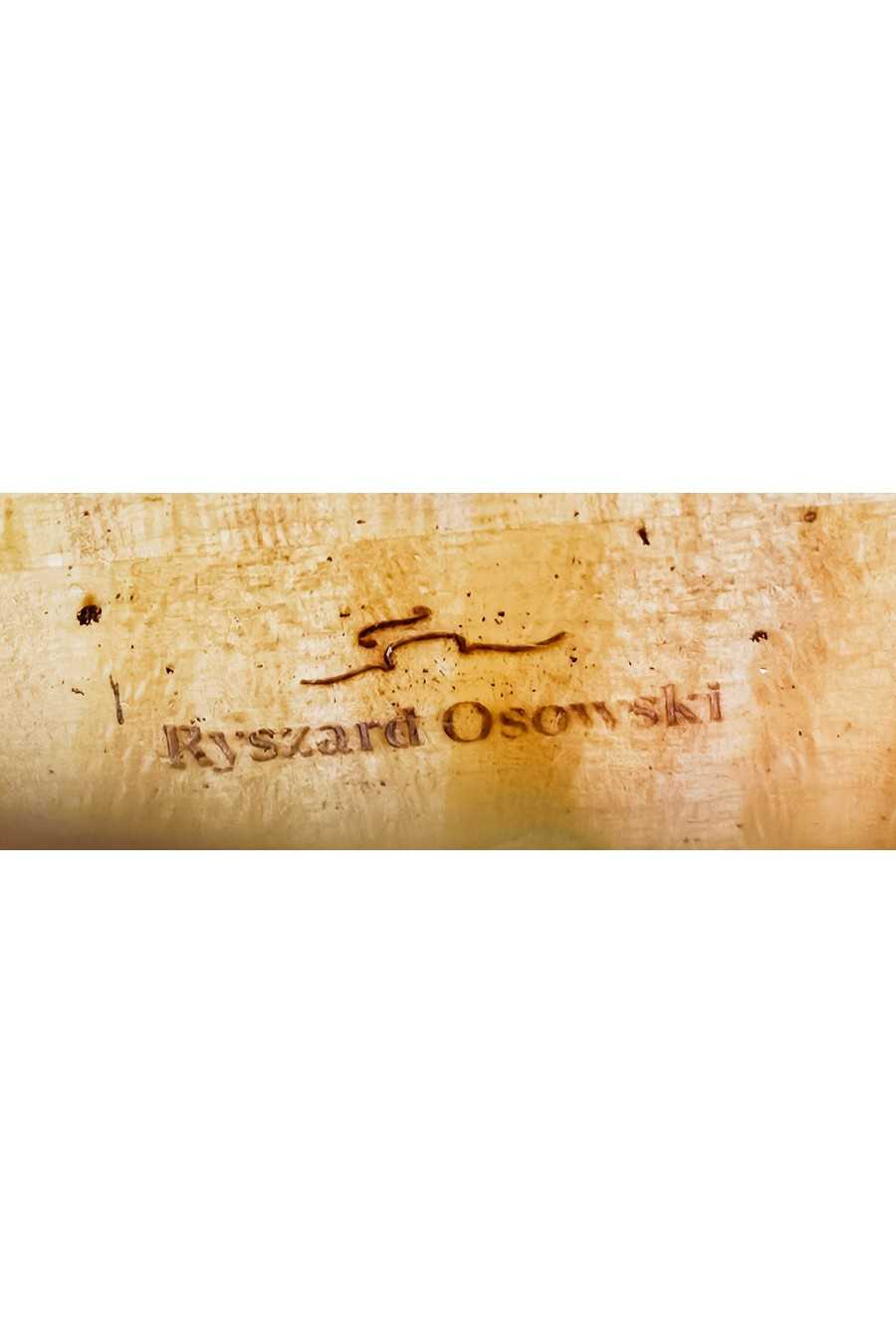
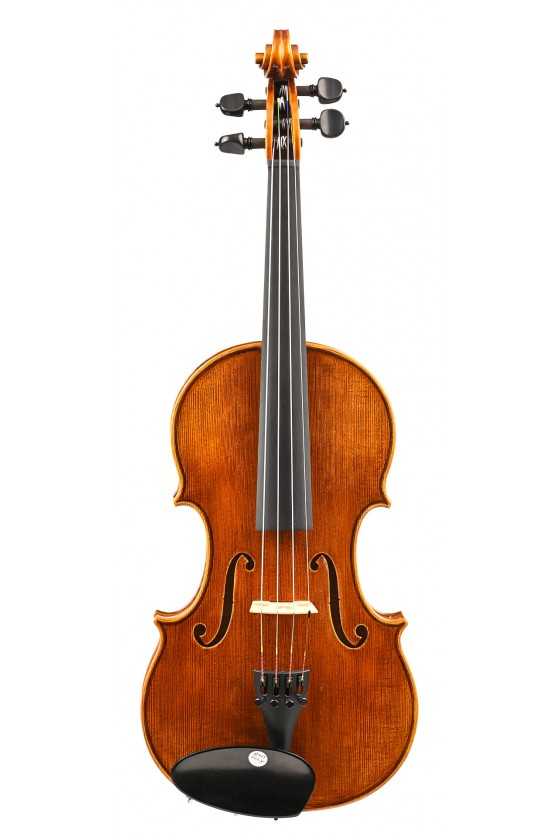
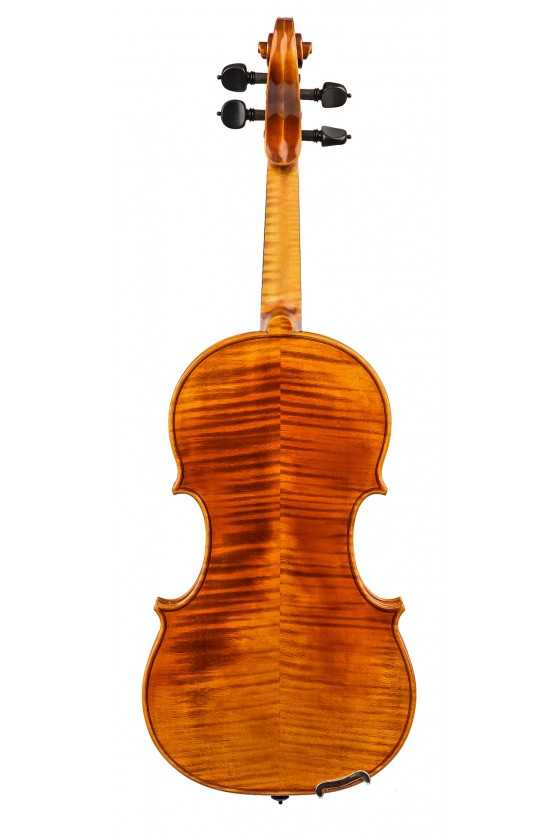
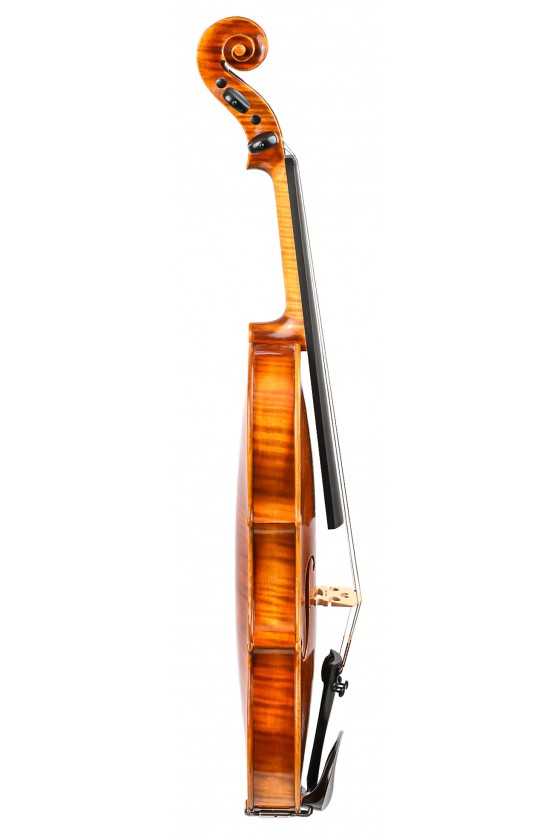
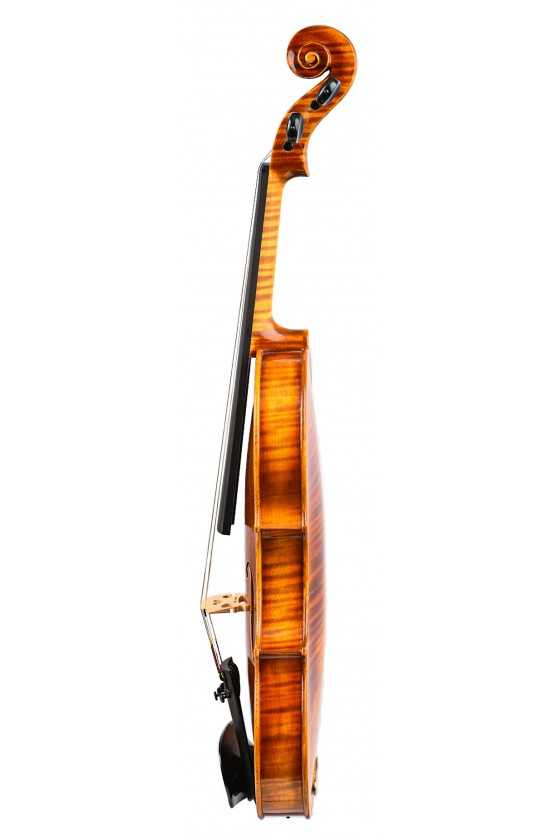
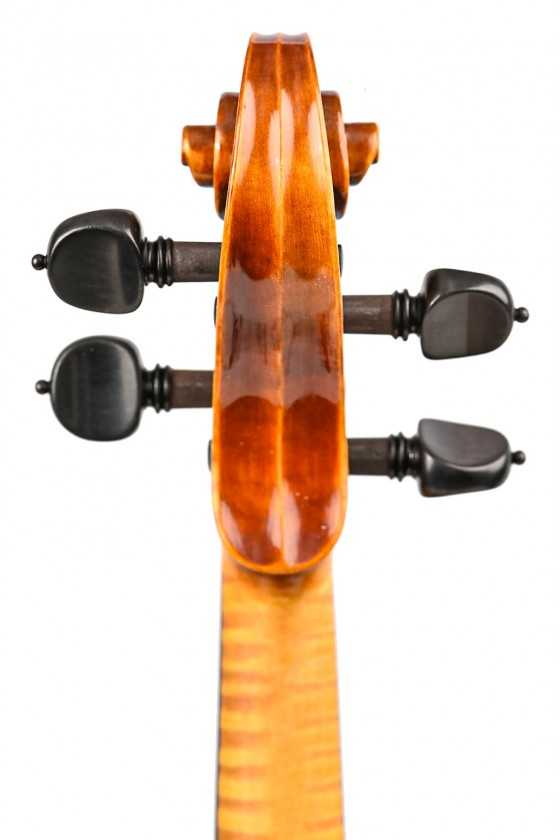
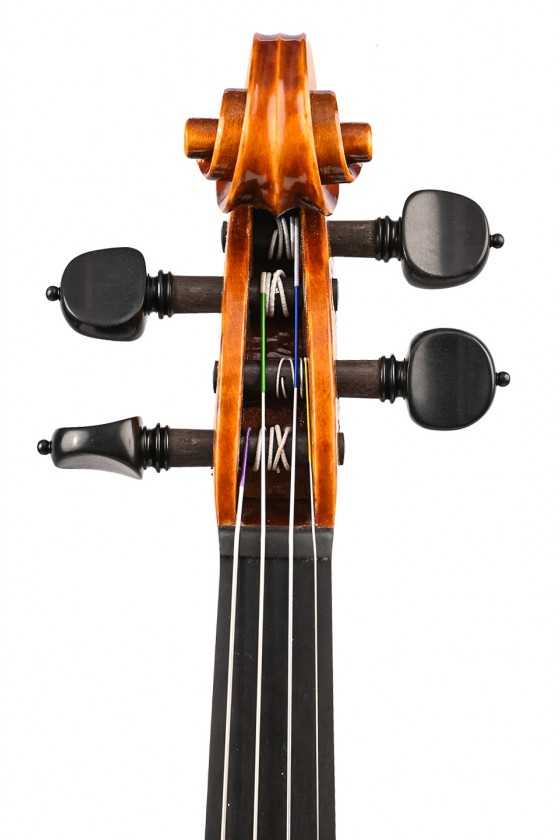
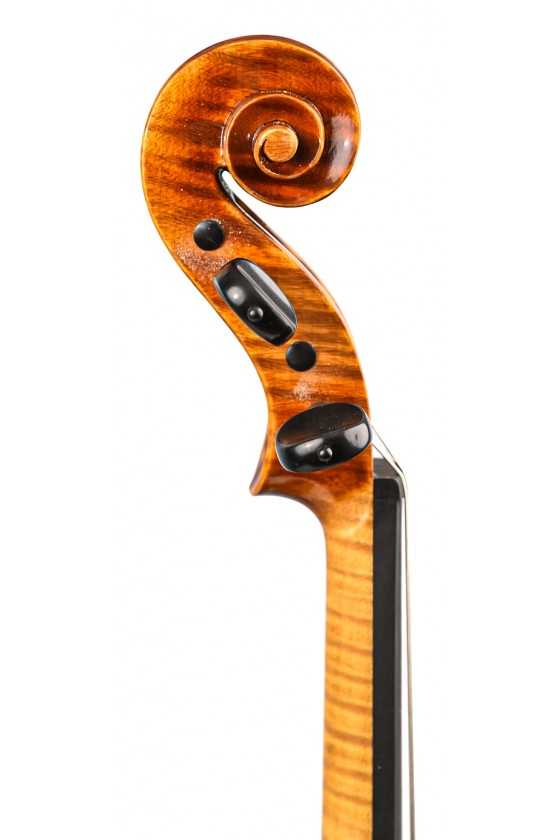
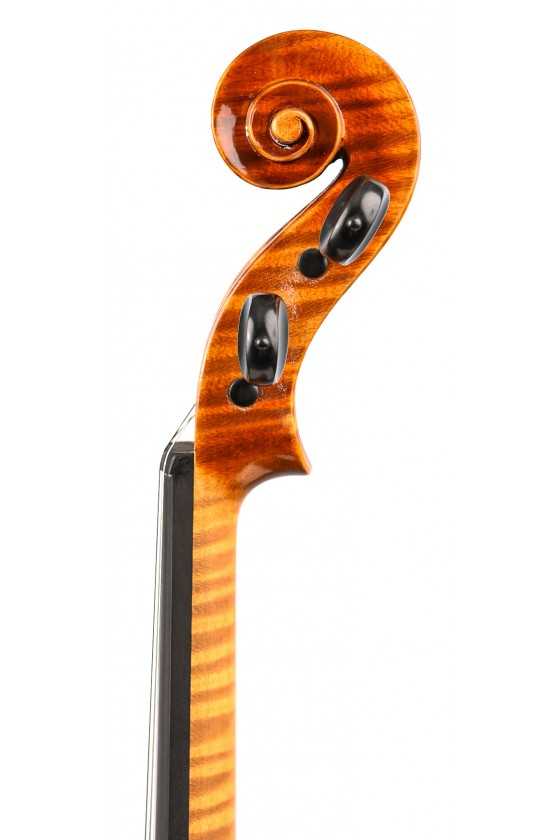
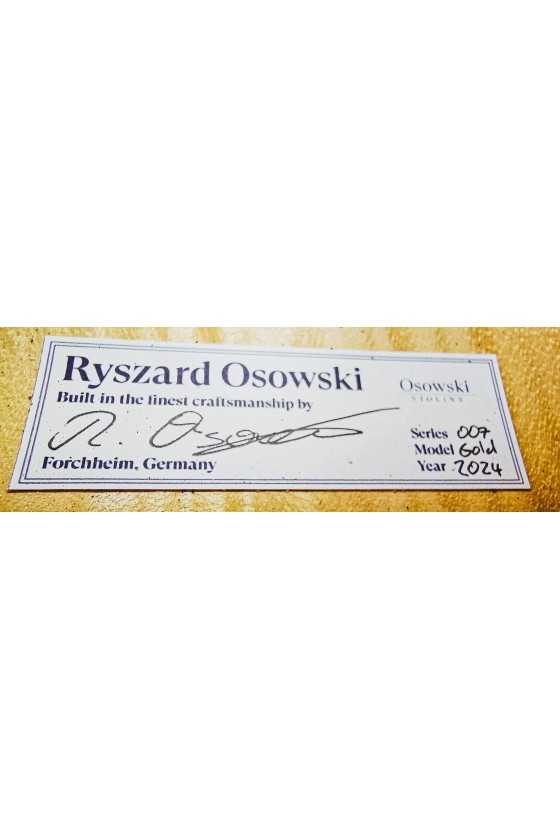
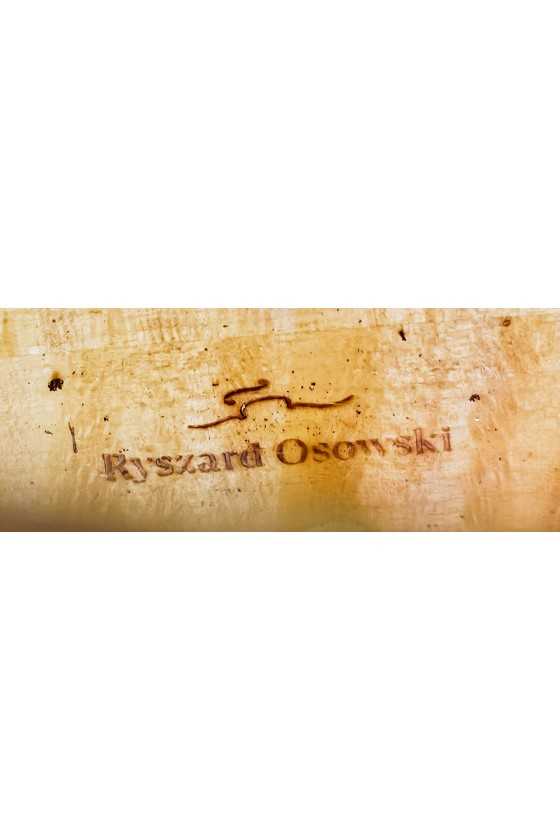
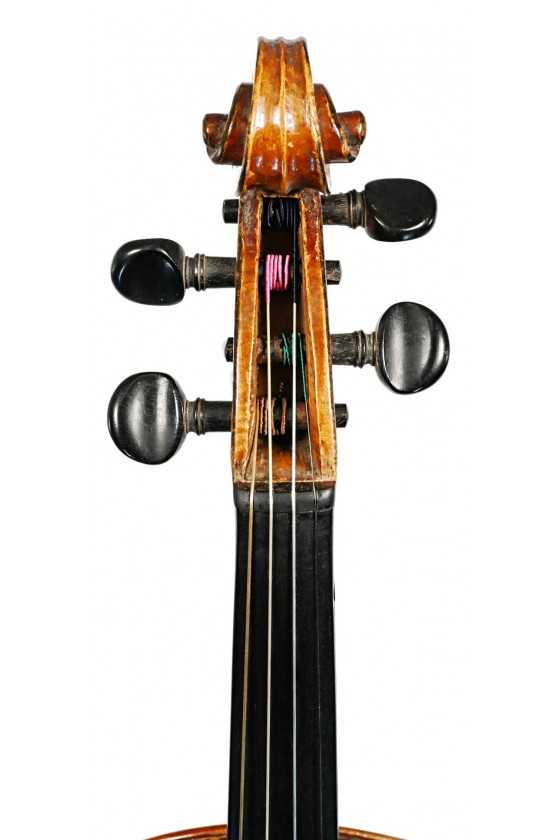
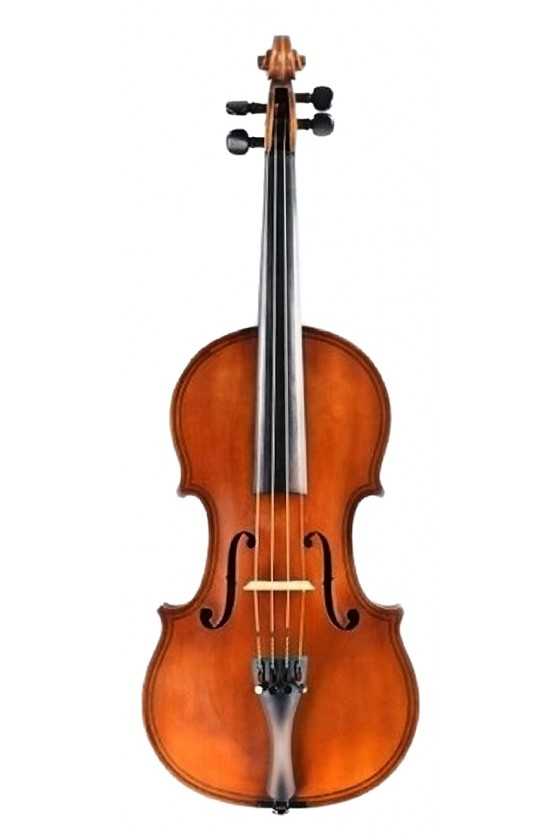
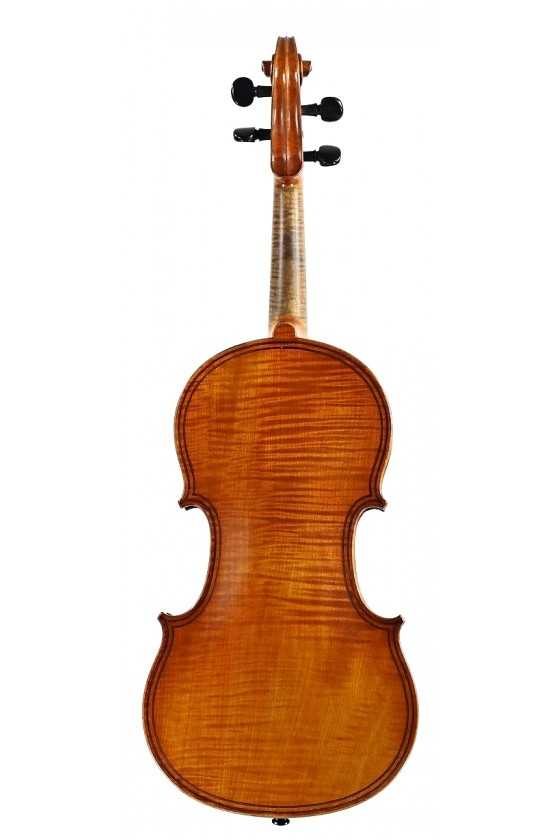
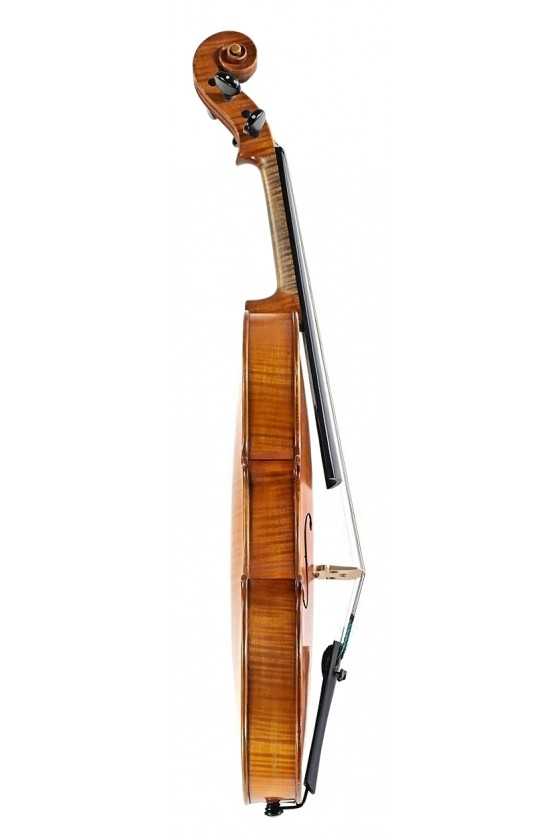
This Ryszard Osowski Gold model violin was built in the finest craftsmanship by Ryzard Osowski in Forchheim, Germany, dated 2024.
Ryszard Osowski, born in 1966, is a Polish luthier who moved to Muggendorf, Germany in 1993. Living with his uncle, he learned the local tradition of building stringed instruments and eventually perfected the sound and quality of his instruments after 25 years of experimentation. He now focuses on crafting advanced violins while occasionally creating cellos and violas.
This Ryszard Osowski Gold model violin was built in the finest craftsmanship by Ryzard Osowski in Forchheim, Germany, dated 2024.
Ryszard Osowski, born in 1966, is a Polish luthier who migrated to Muggendorf, Germany, in 1993. Living with his uncle, he learned the local tradition of building stringed instruments. His fascination and talent in violin-making led him to work in a renowned violin-making atelier. He also has connections with many local violin makers from the Bubenreuth and started focusing on perfecting his instruments.
After 25 years of countless experiments, intensive studies, experiences, and the influence of his colleagues, Ryszard gradually perfected the sound and quality of his instruments. As a result, he concentrated more on building his own stringed instrument, passionately pursuing crafting highly advanced violins. He also occasionally built single pieces of cellos and violas.
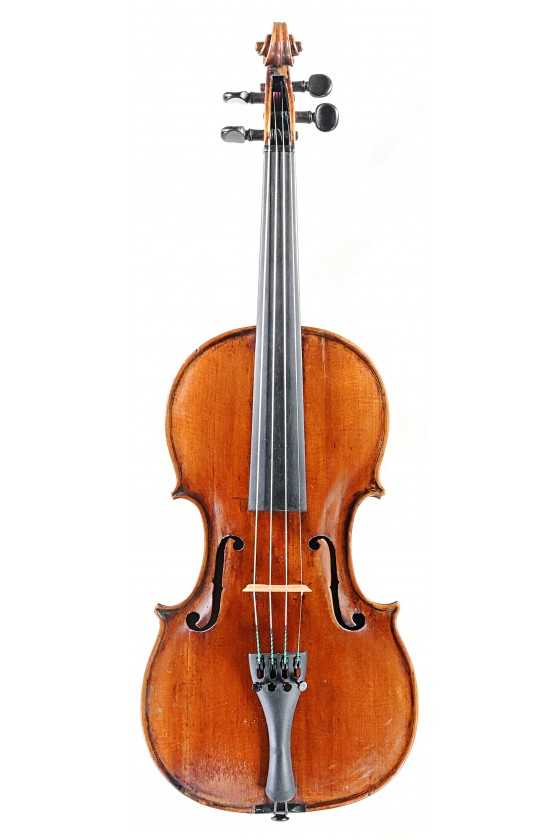
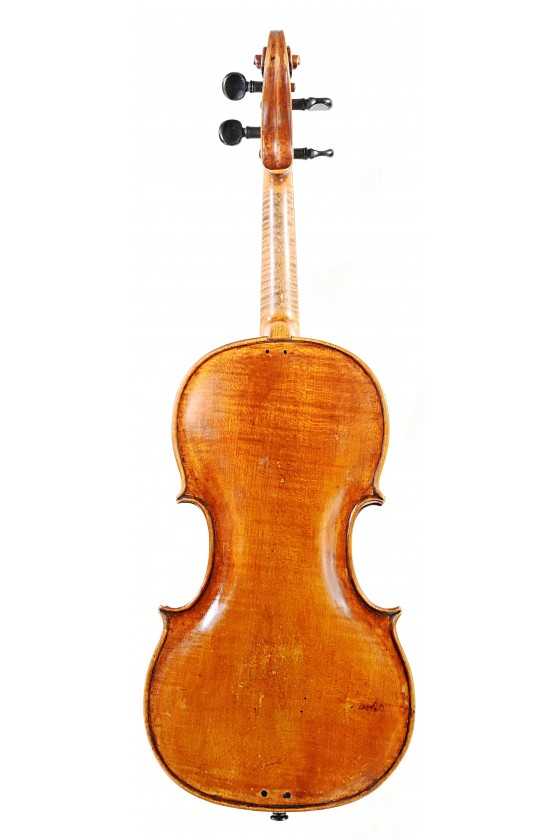
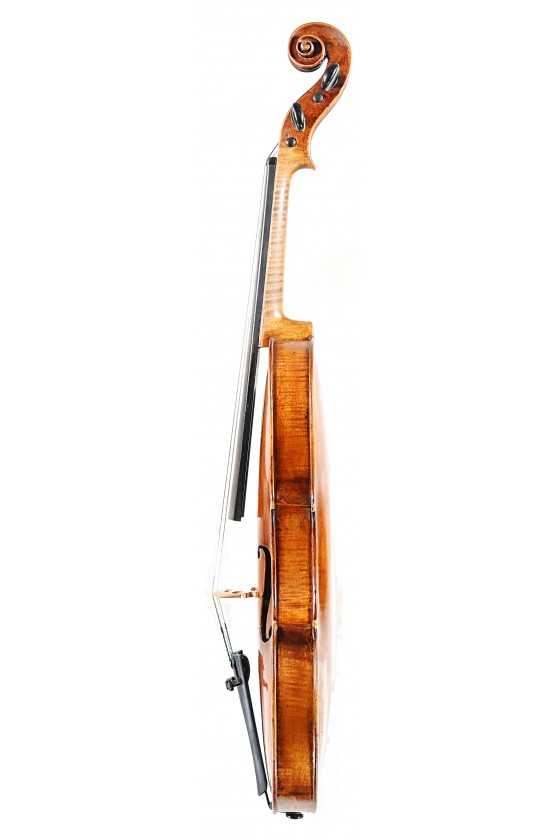
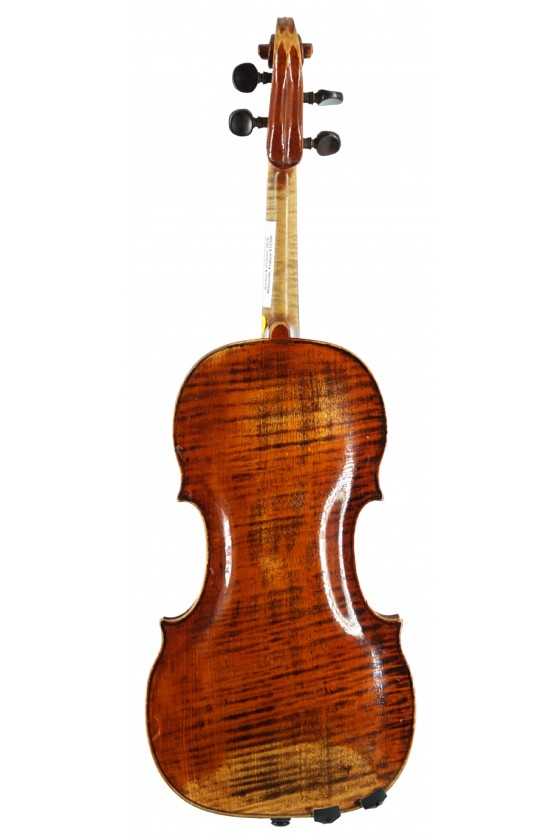
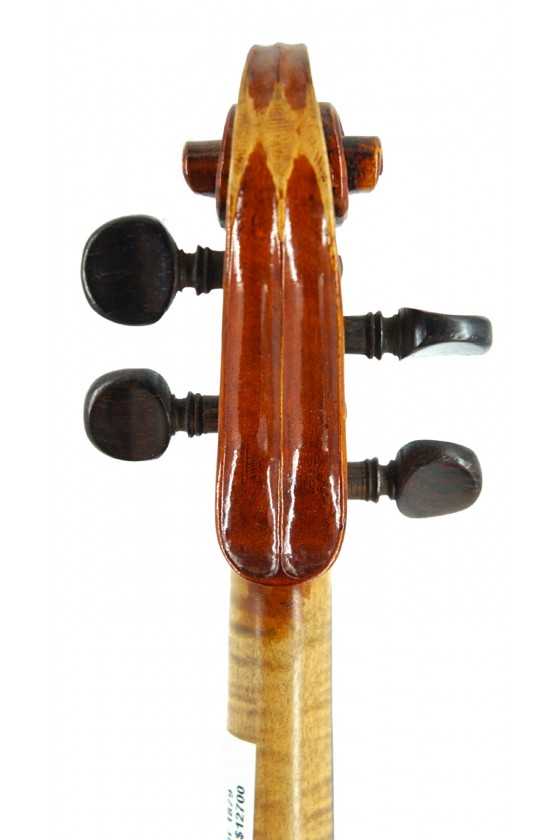
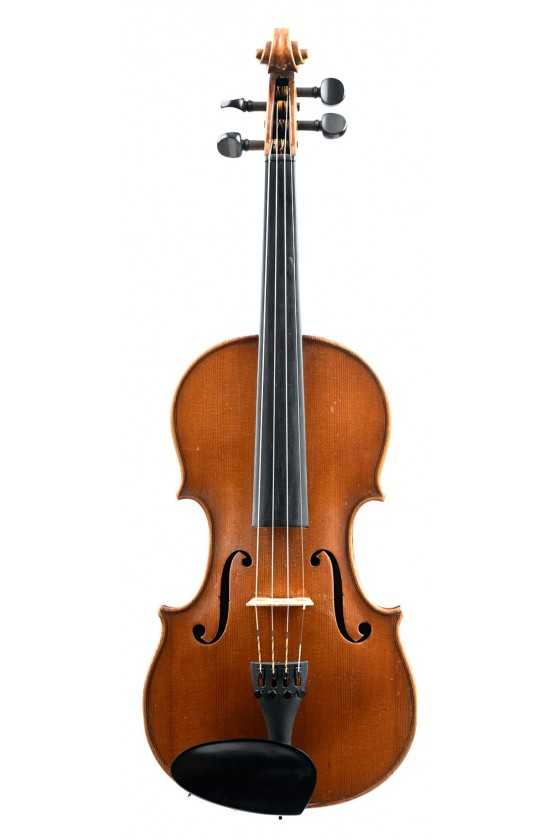
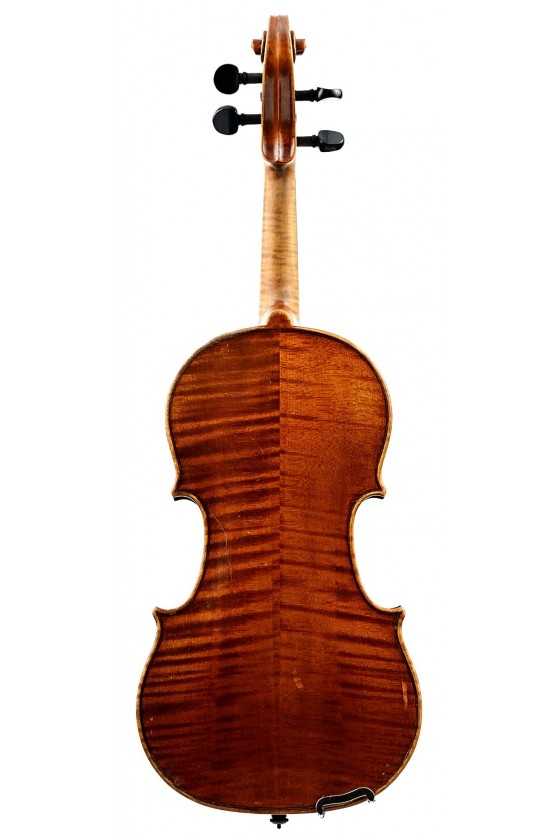
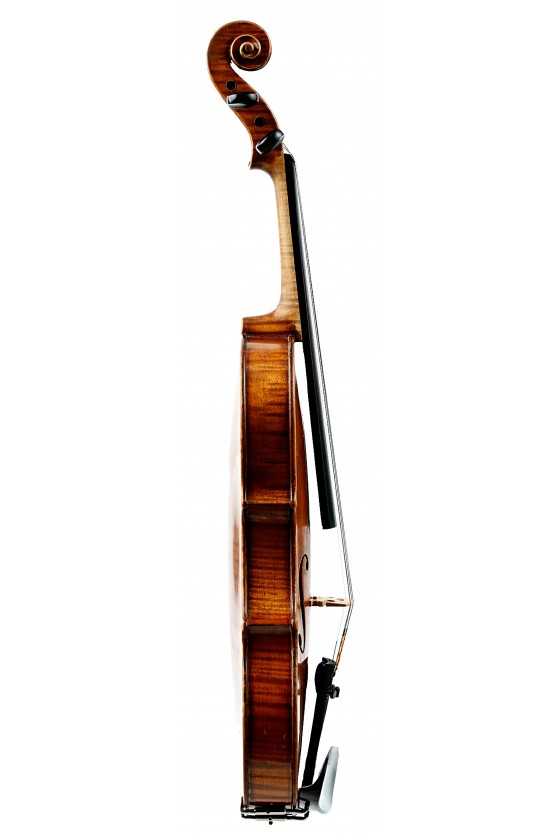
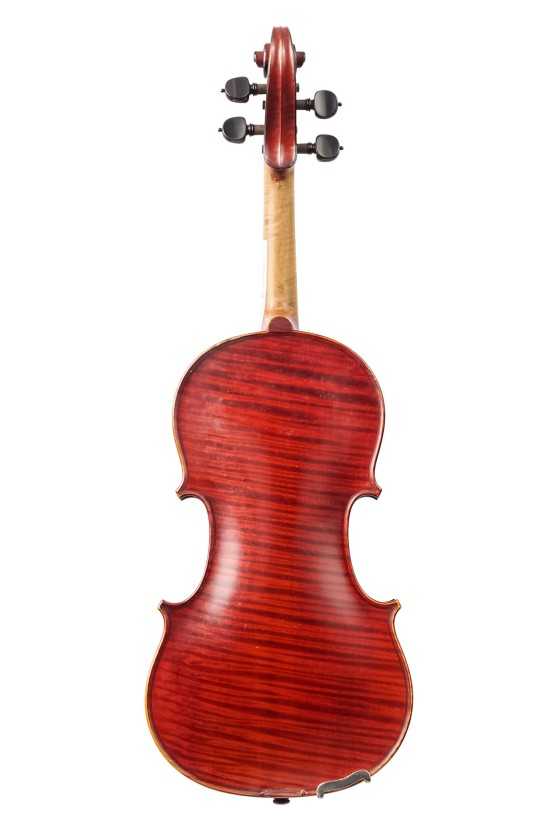
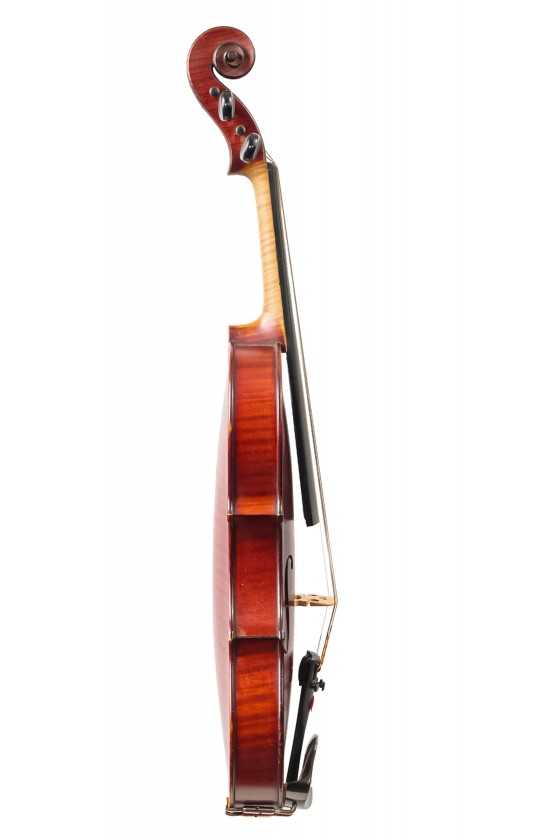
This is an Old German Violin made probably in Germany in the mid 19th century. Repaired professionally by Animato Strings and is now in very good playing condition.
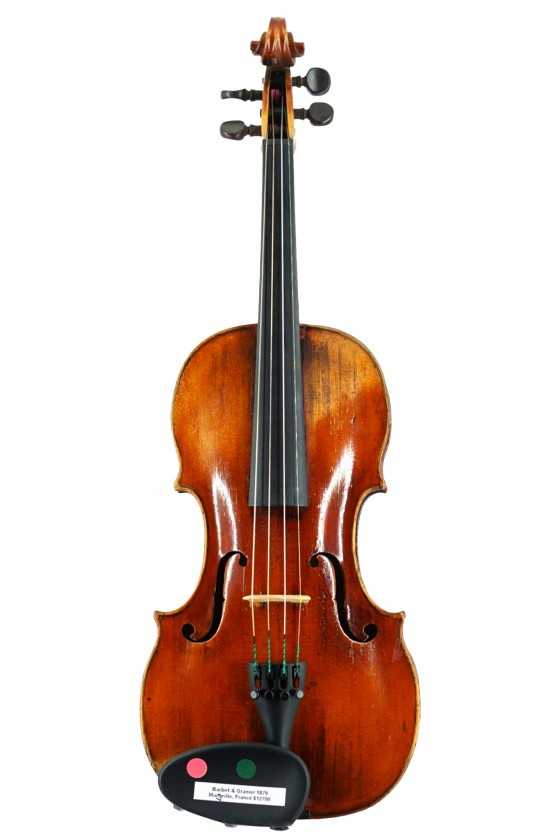
This is the Barbet & Granier dated 1879 Violin from Marseille France. Charles Barbet and Edmund Granier of Marseille were at the forefront of outstanding makers at the turn of the 19th century.
In the 1910s, Arthur Edward Smith (1880-1978) established a store in Sydney upon his return to Australia. Smith's workshop on Hunter Street quickly gained a reputation for repairing and selling high-quality stringed instruments. This violin was sold (not made by) AE Smith, Australia's most famous violin maker.
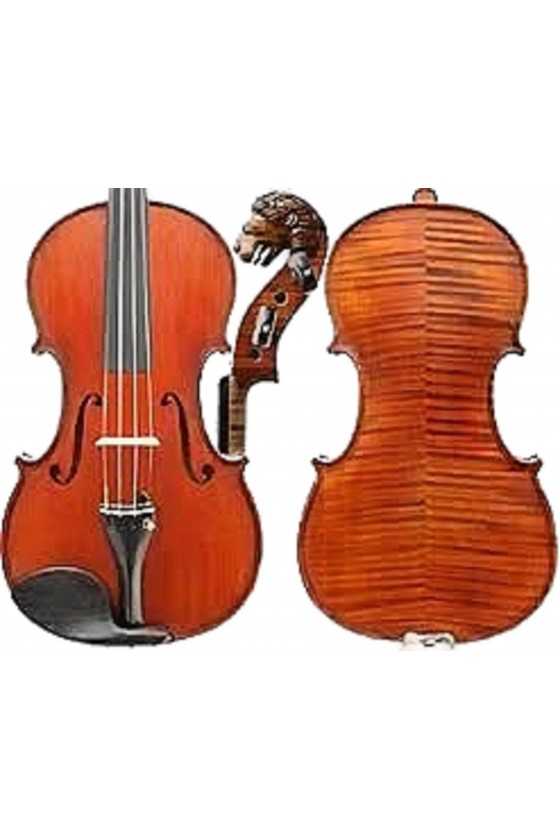
This is the Gliga Vasile with Lion Head Scroll 4/4 Violin (Instrument Only) Supplied with certificate of authenticity, including photographs, date, measurements, materials with the stamp and signature of the maker, Vasile Gliga.
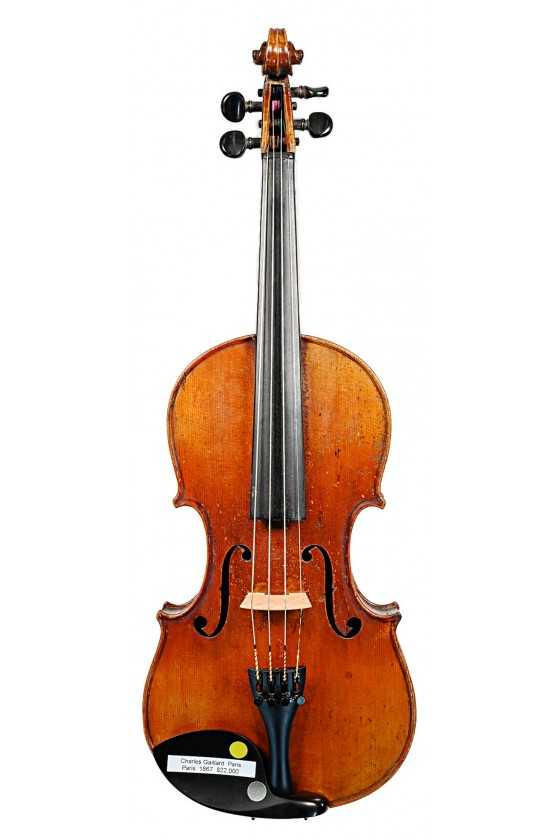
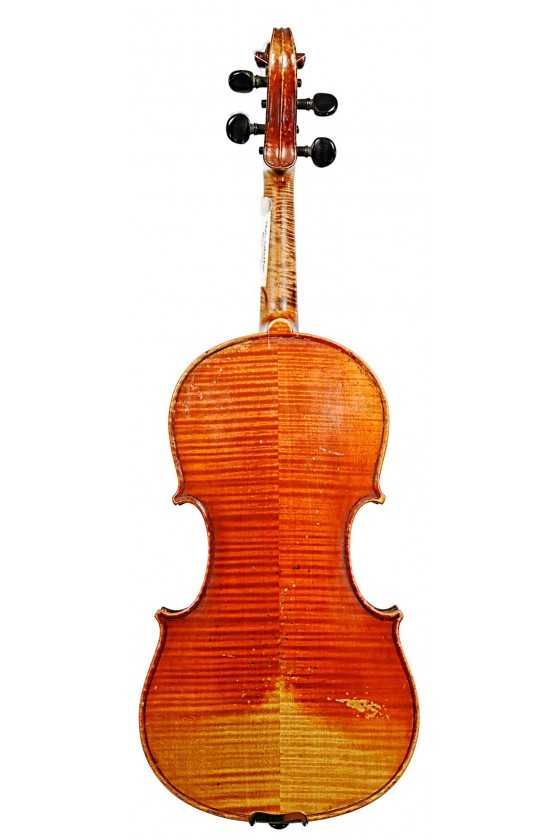
This is a Charles Gaillard 1867 Violin. Charles Gaillard was an apprentice of the prominent French violinmaker and restorer, Charles Adolphe Gand.
Ref. F007
This is a Charles Claudot Violin. The name Claudot was a popular clan of luthiers in France who have been making violins from the 16th up to the 20th century.
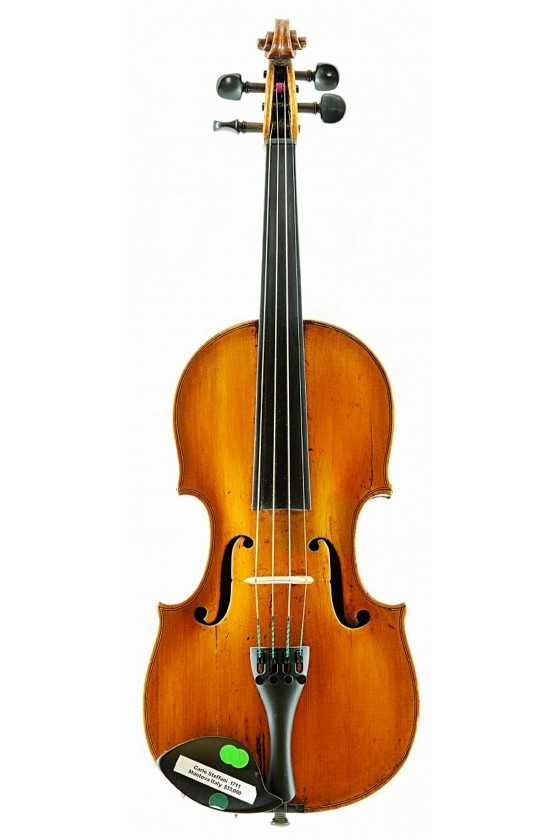
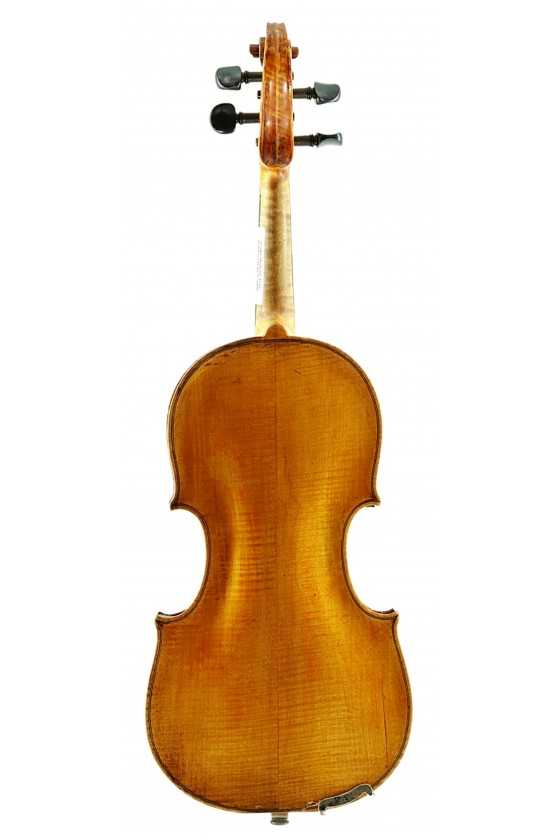
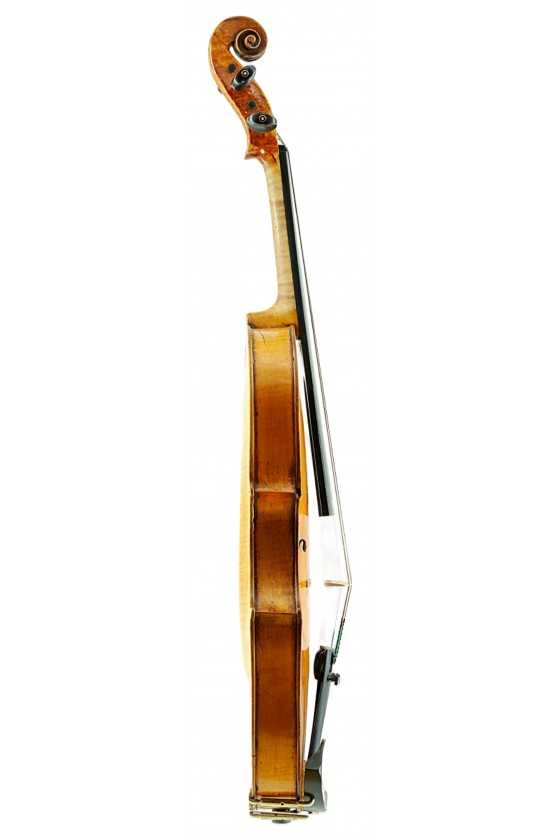
This is a violin labelled Carlo Steffani. The timber for this violin was cut around 1800 in the Southern Alps.