
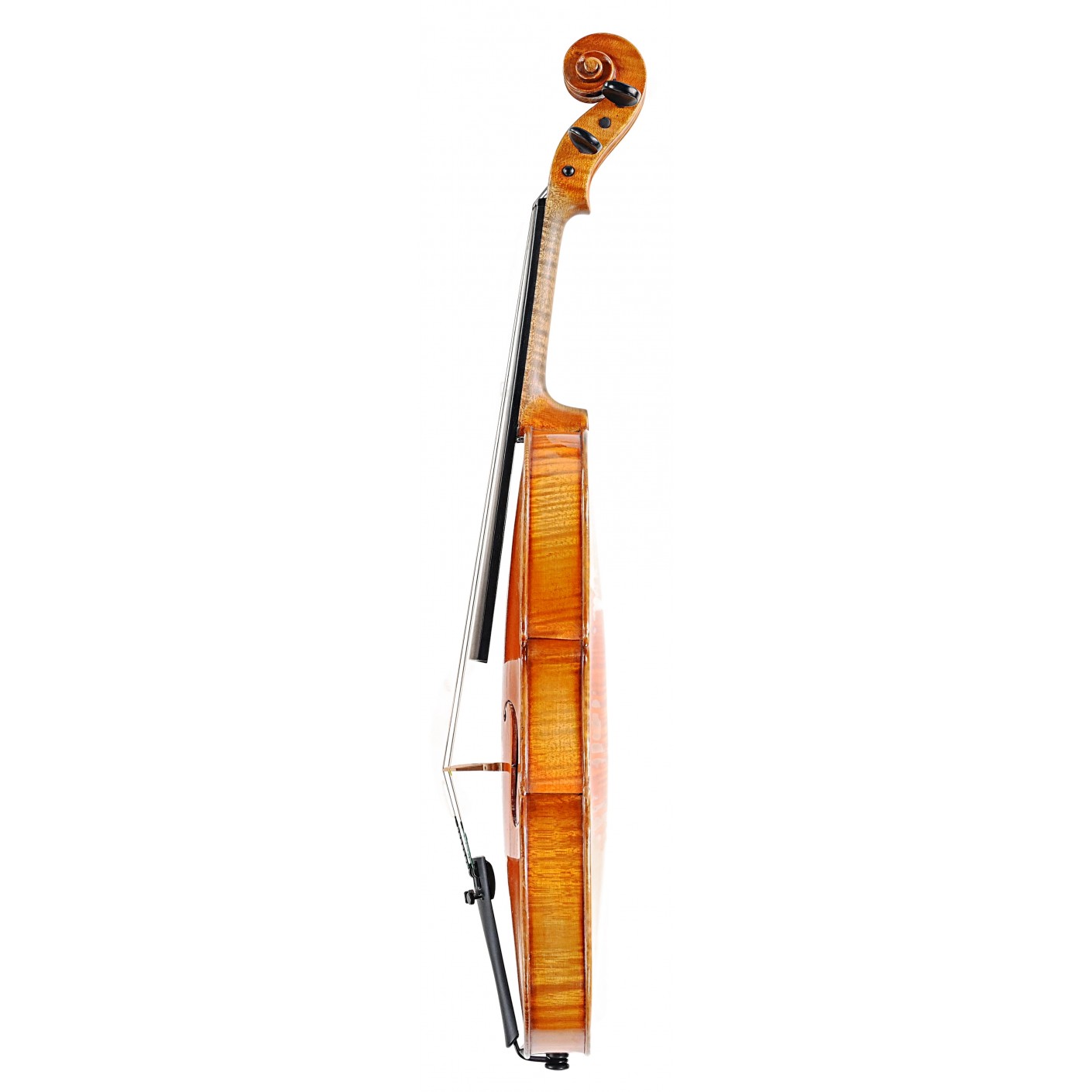
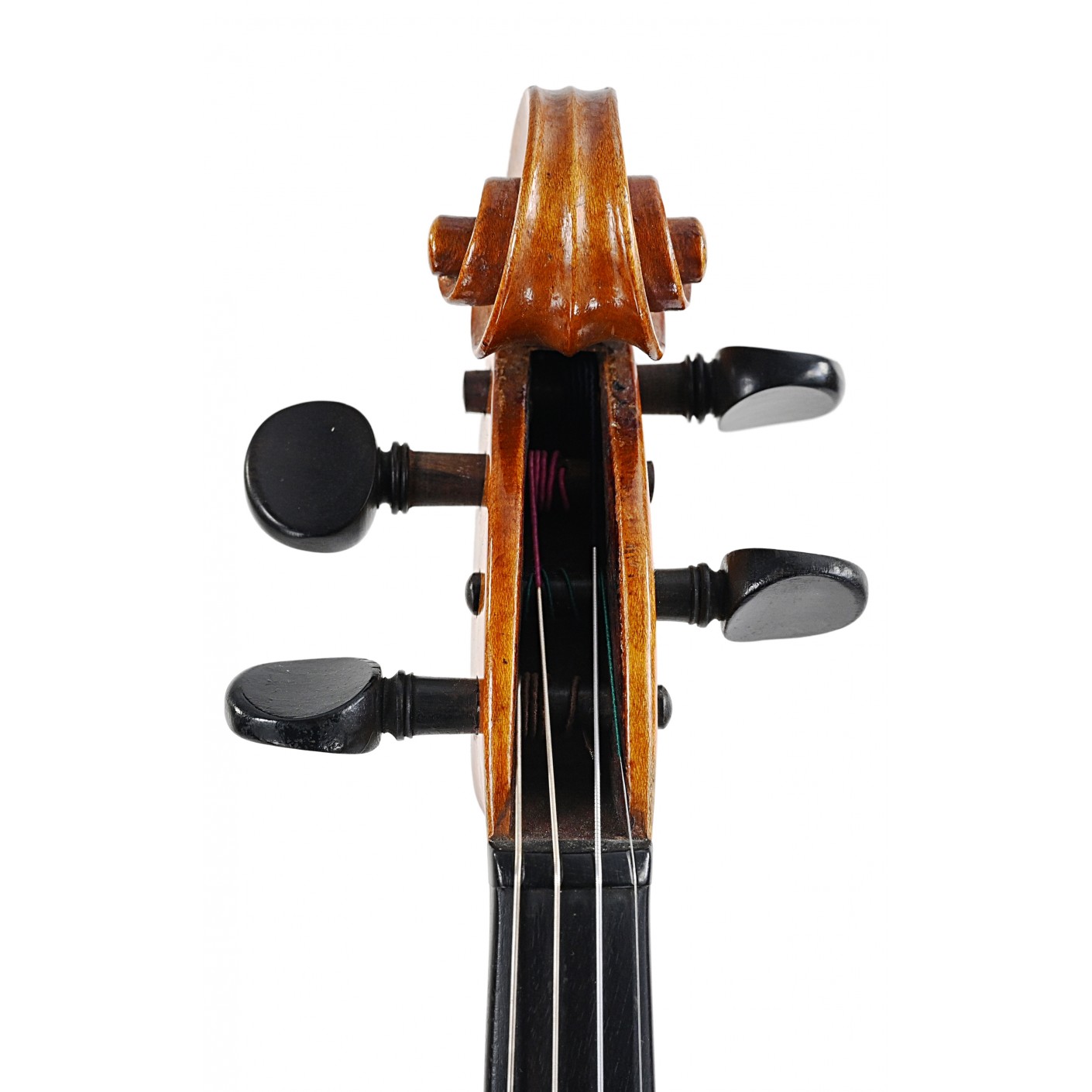
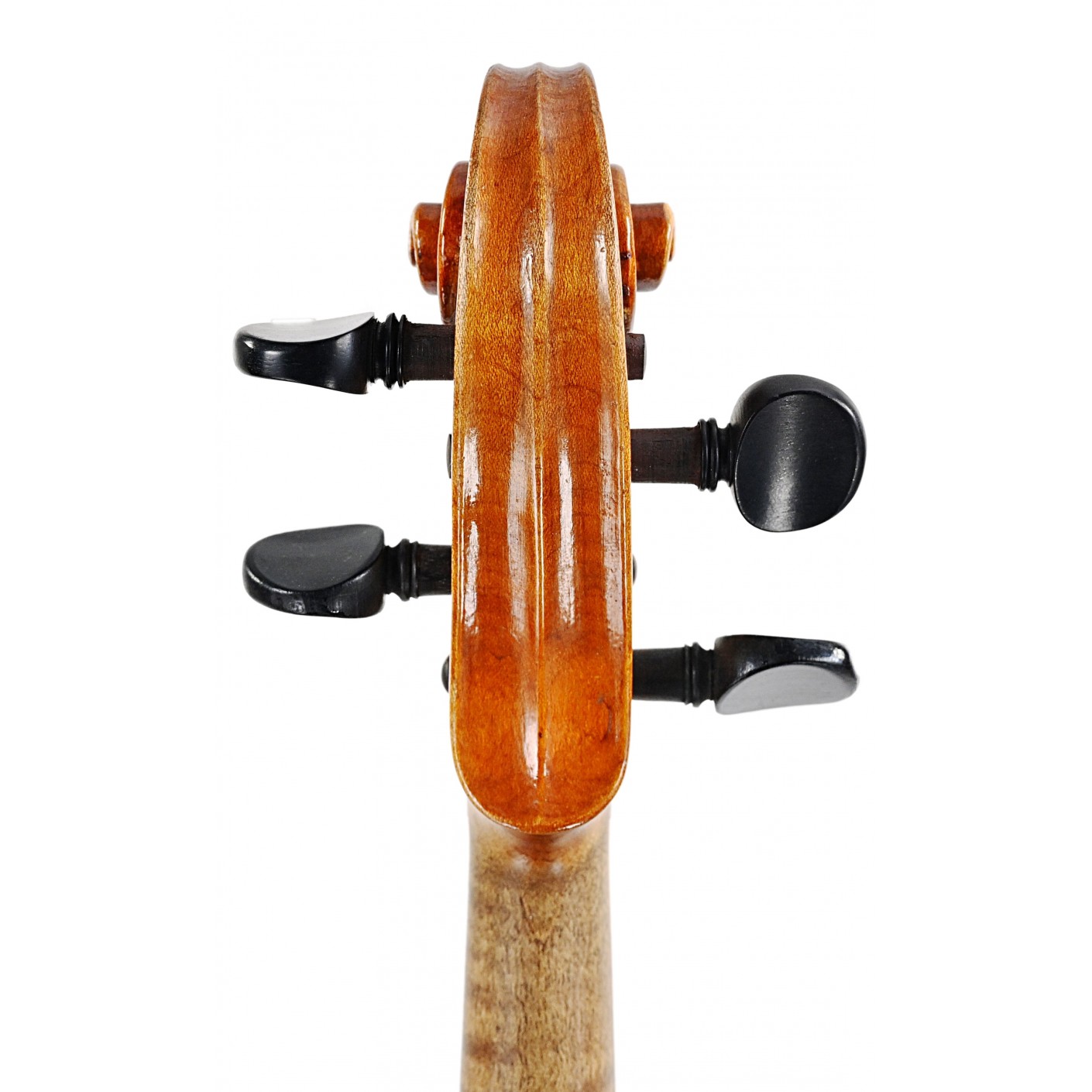
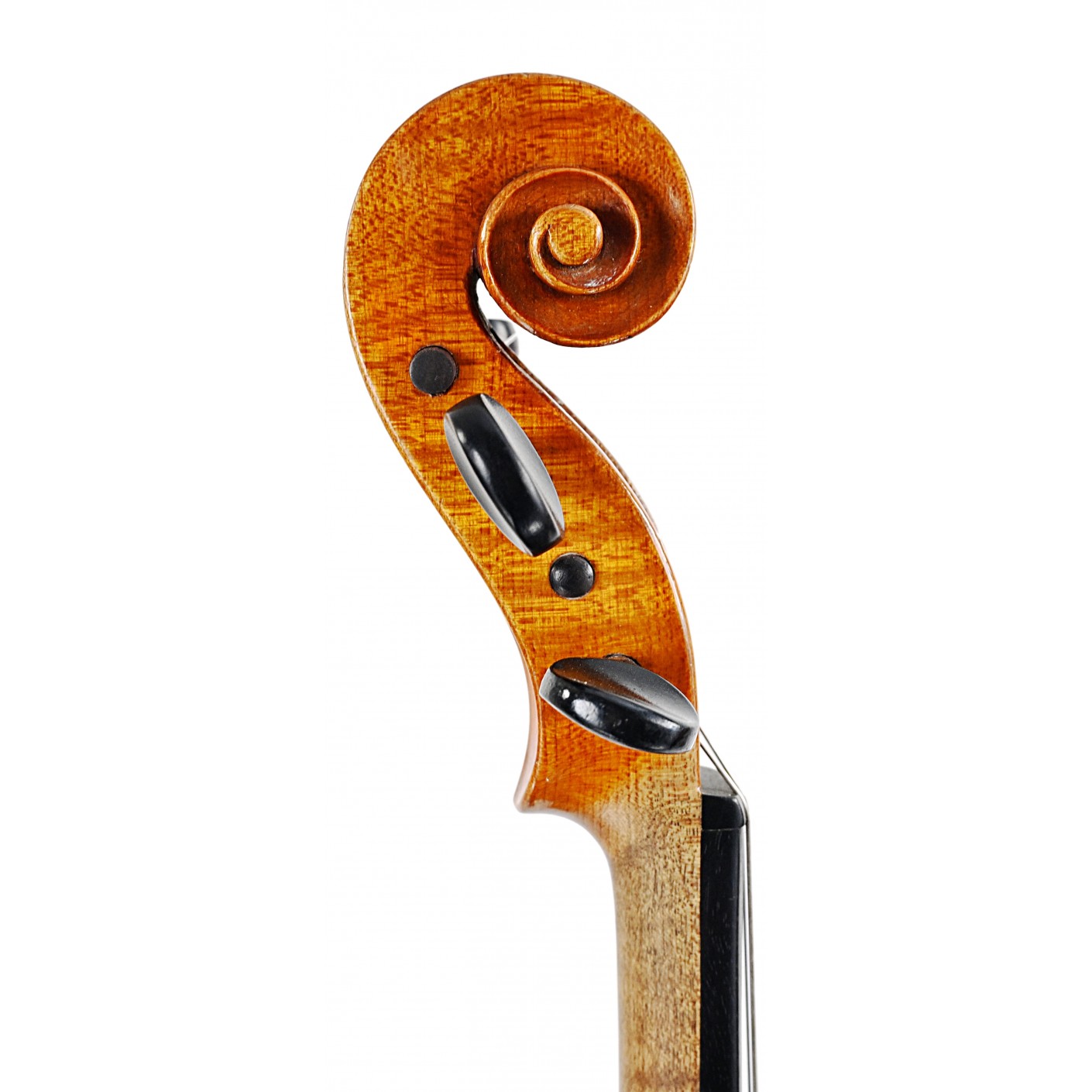
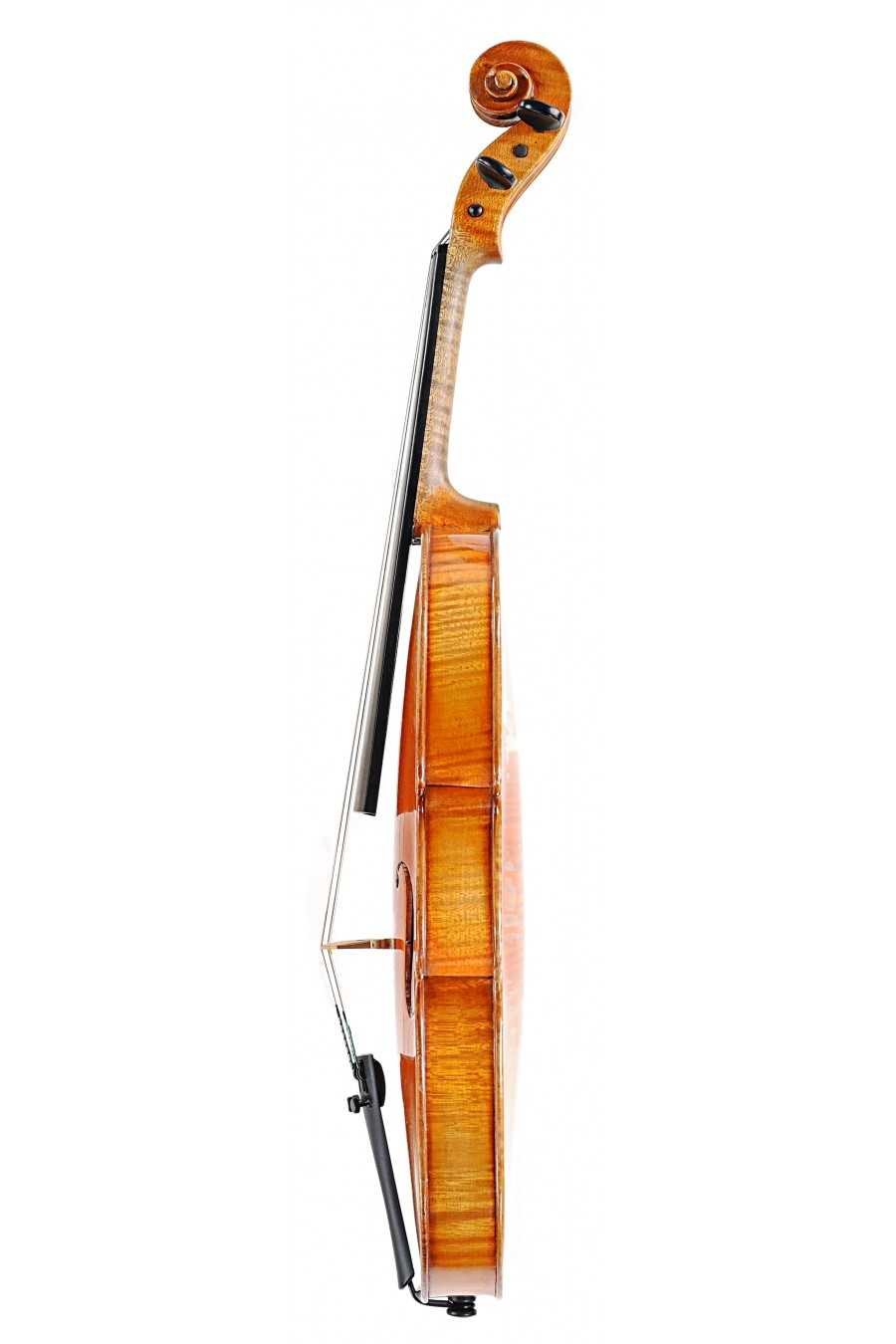
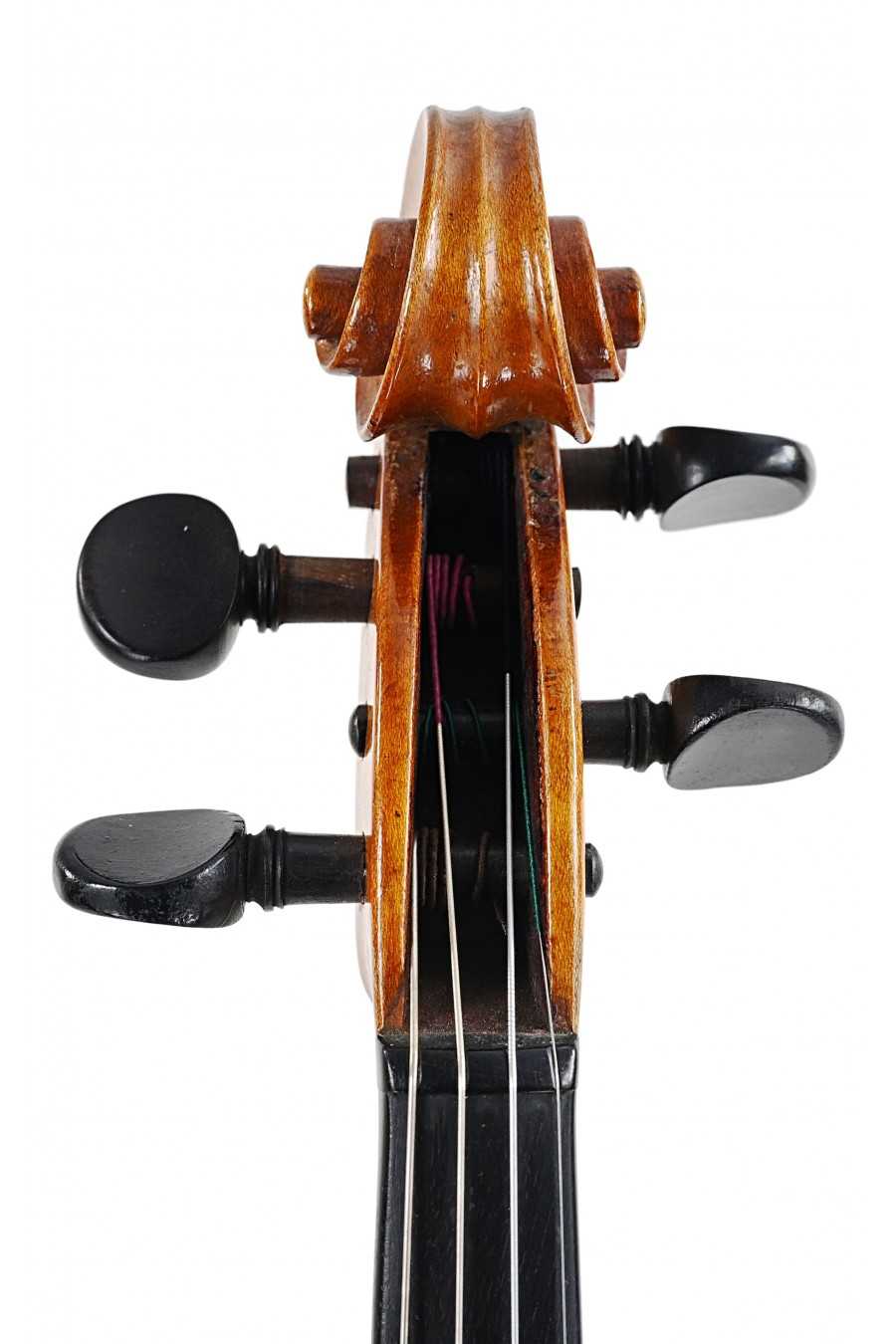
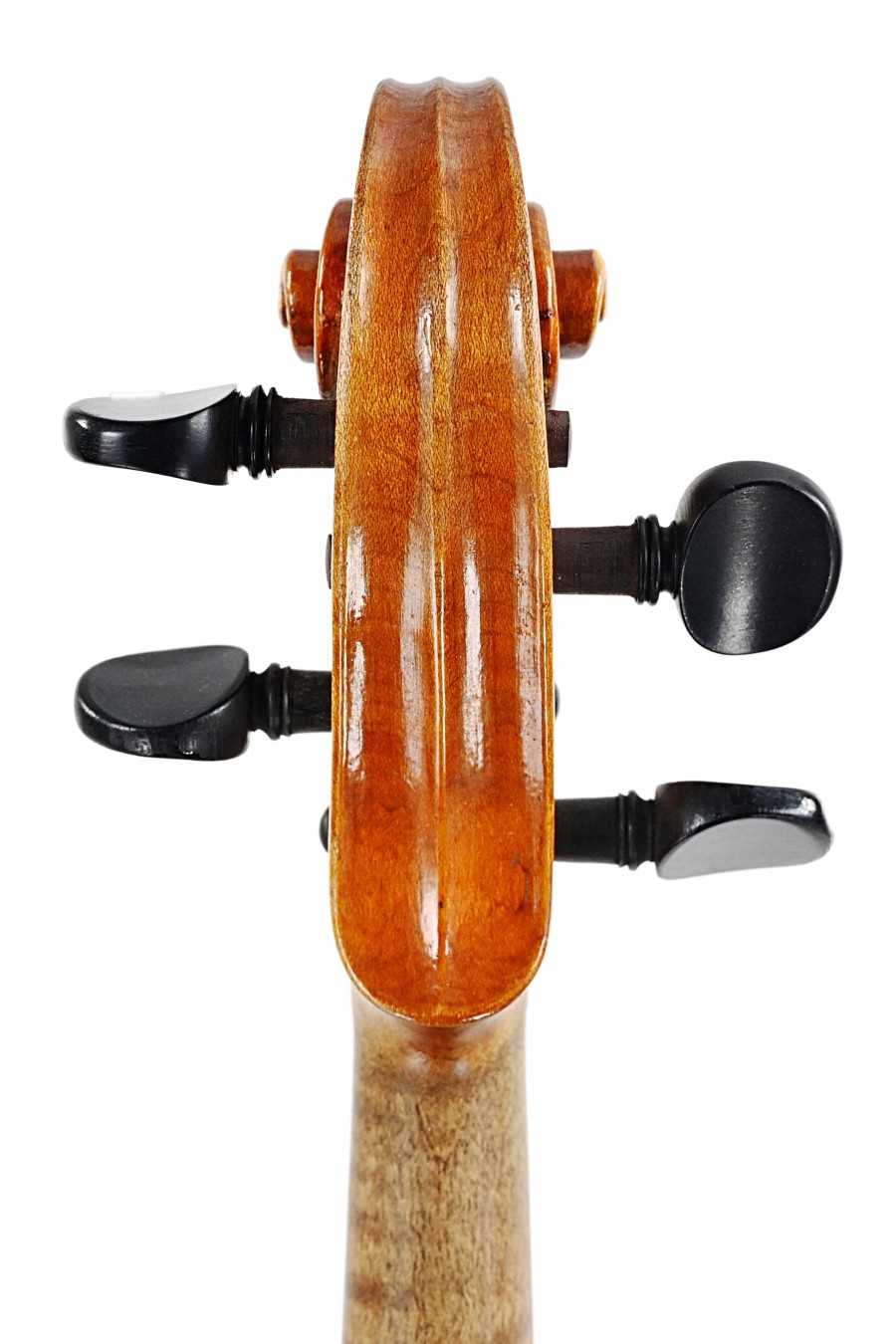
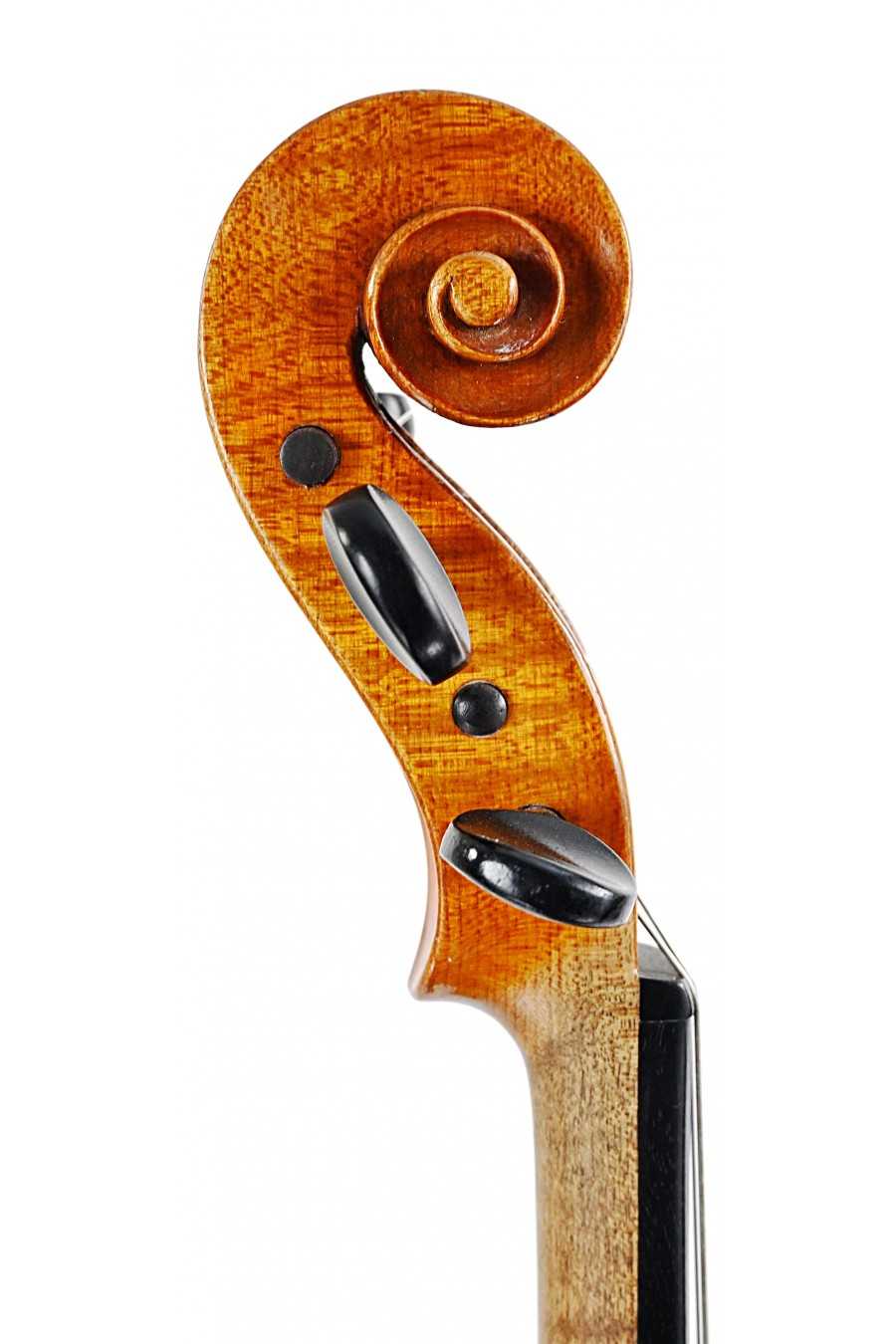
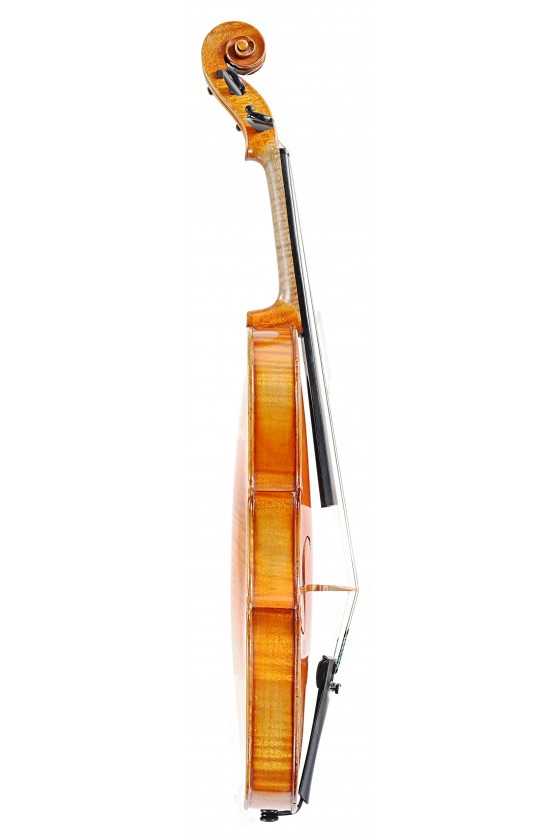
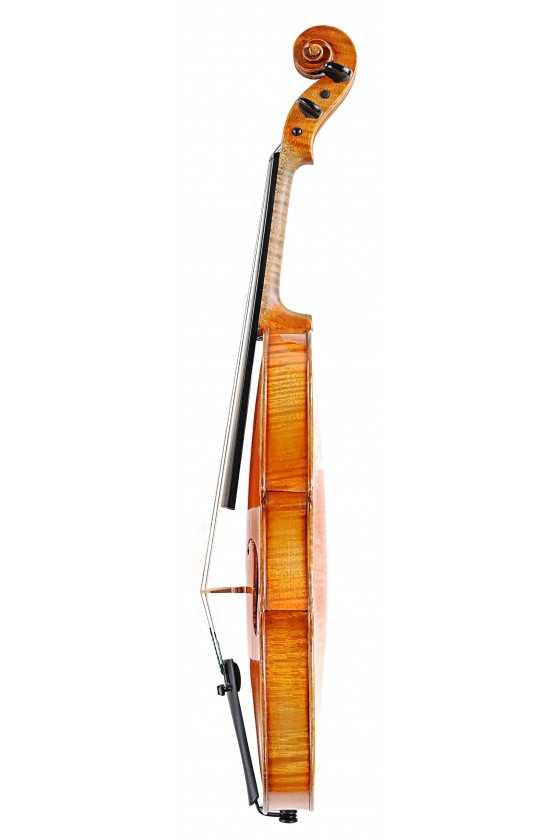
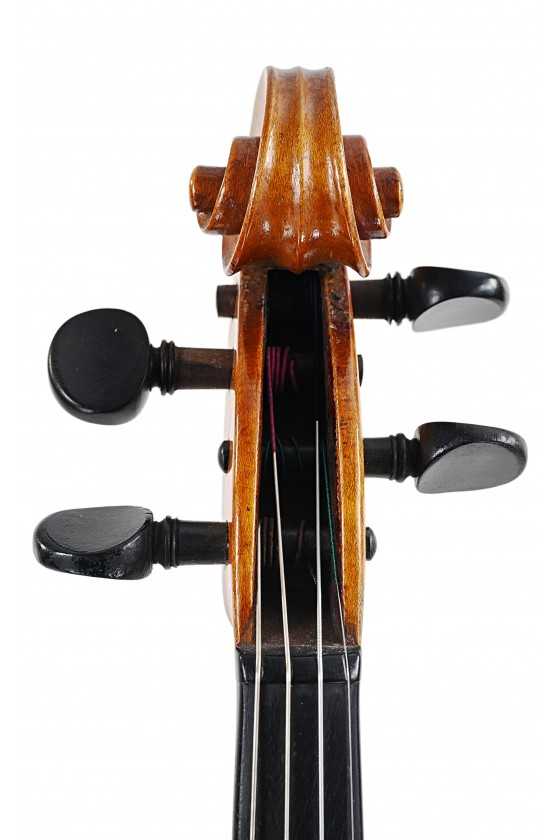
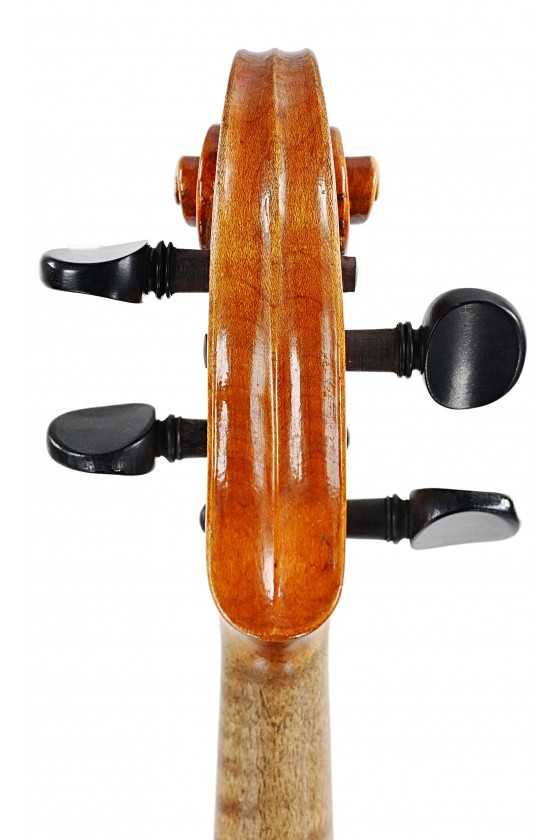
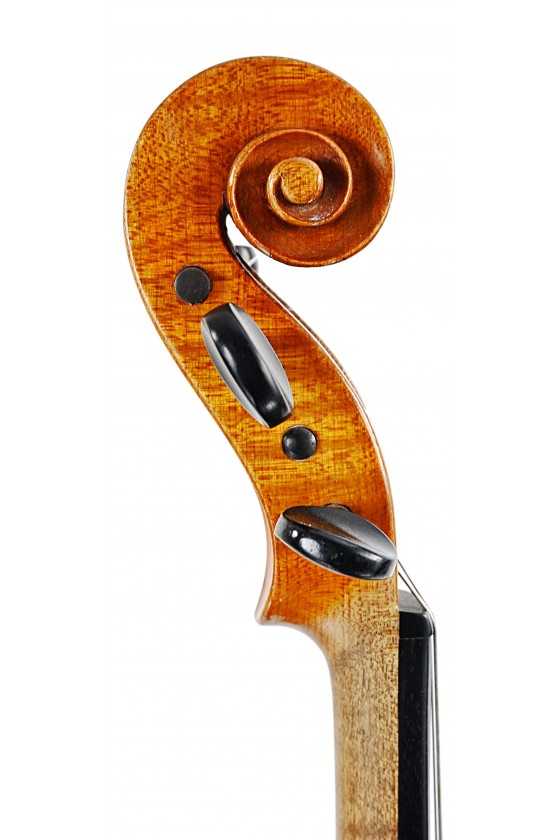
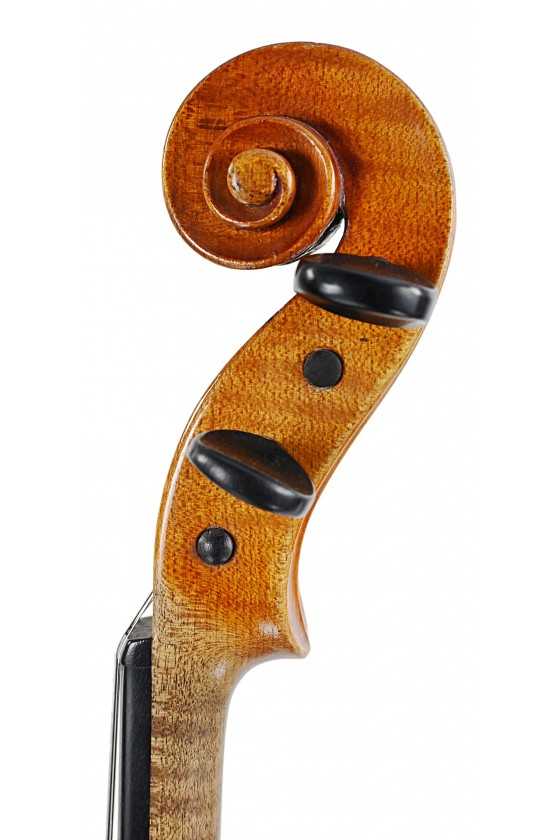
7/8 Thomas Challoner Violin c 1790 Chester, England (E002)
This 7/8 size violin is labelled Thomas Challoner who worked in Chester, England around 1790. Thomas Challoner was one of the known violin makers in the 18th century.
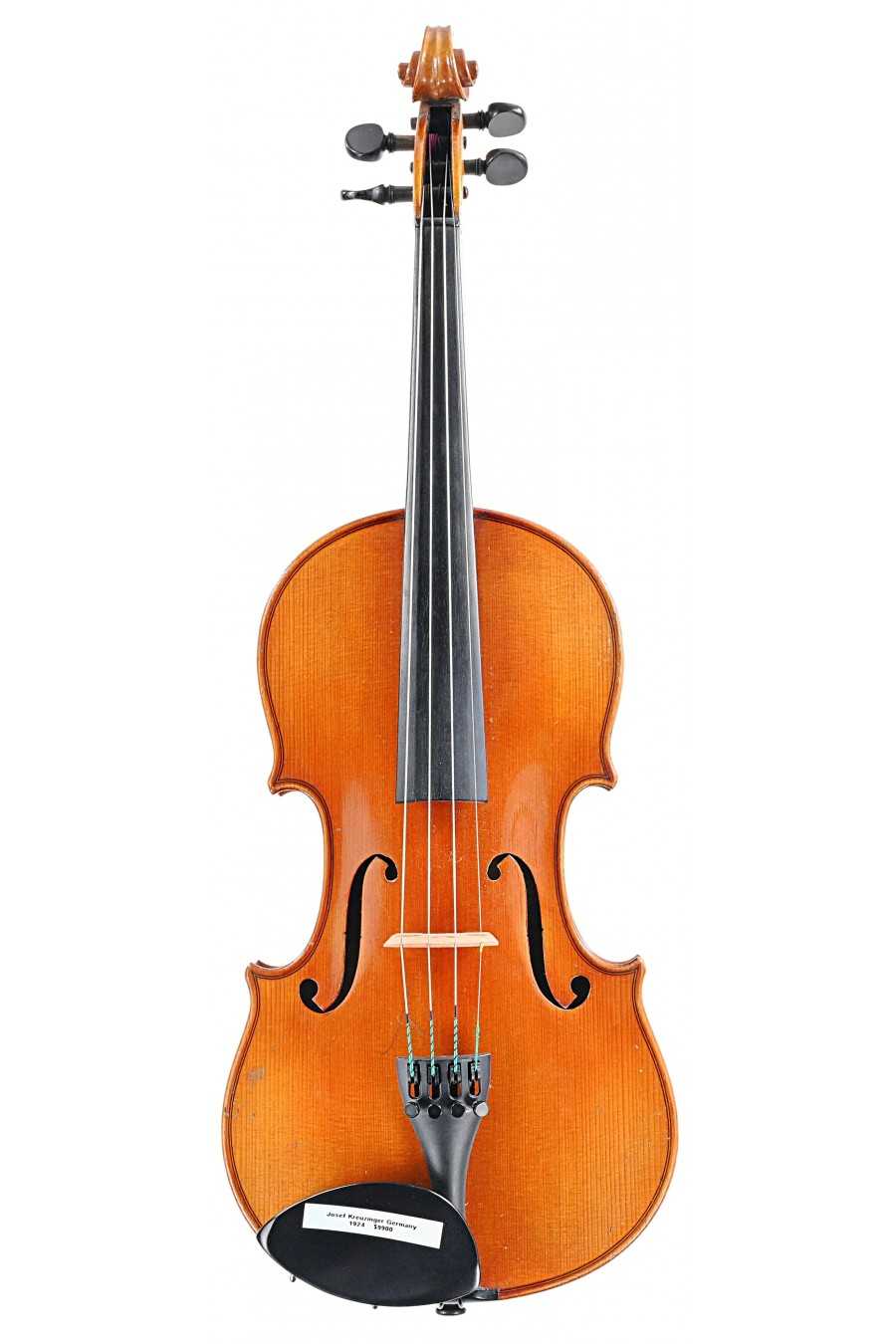
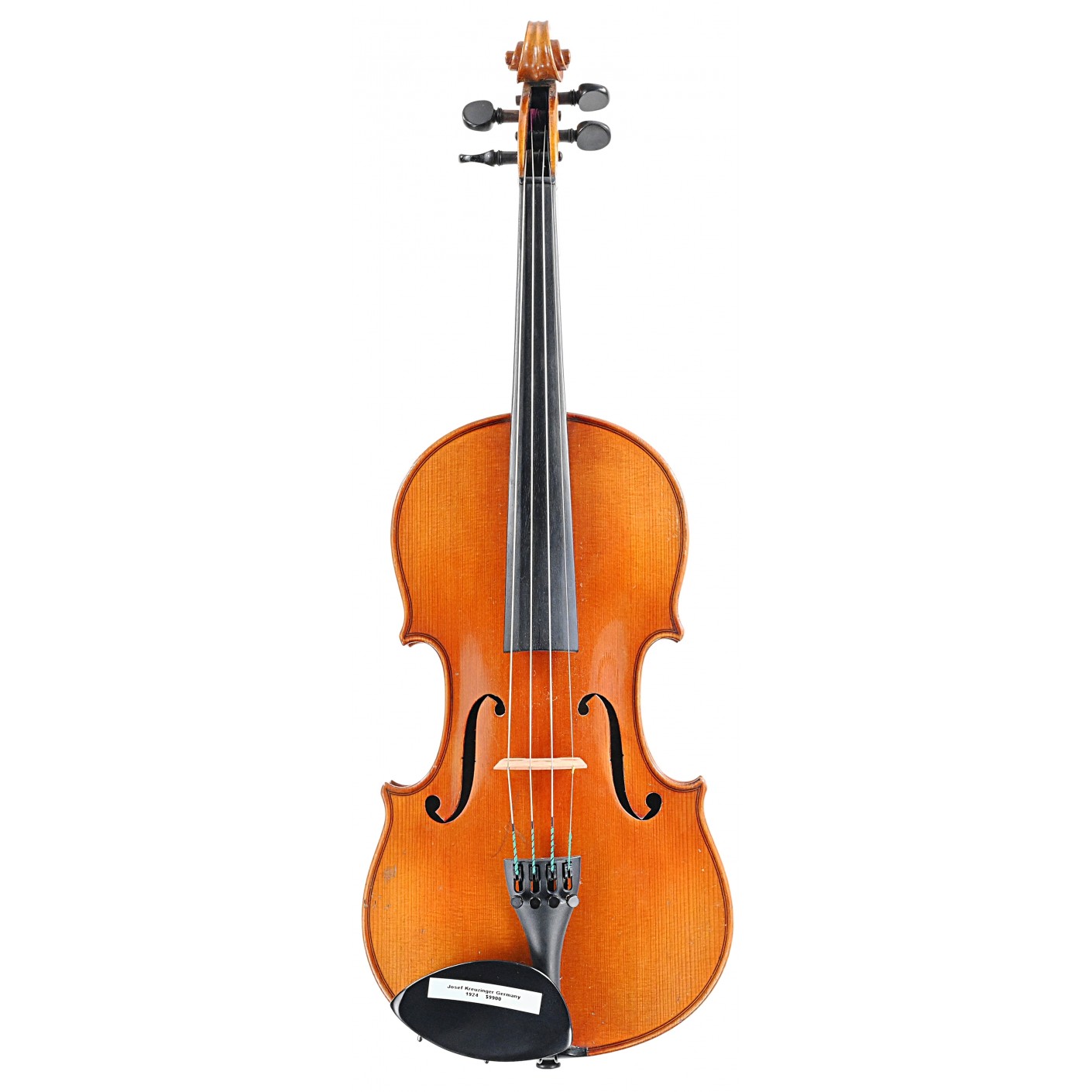
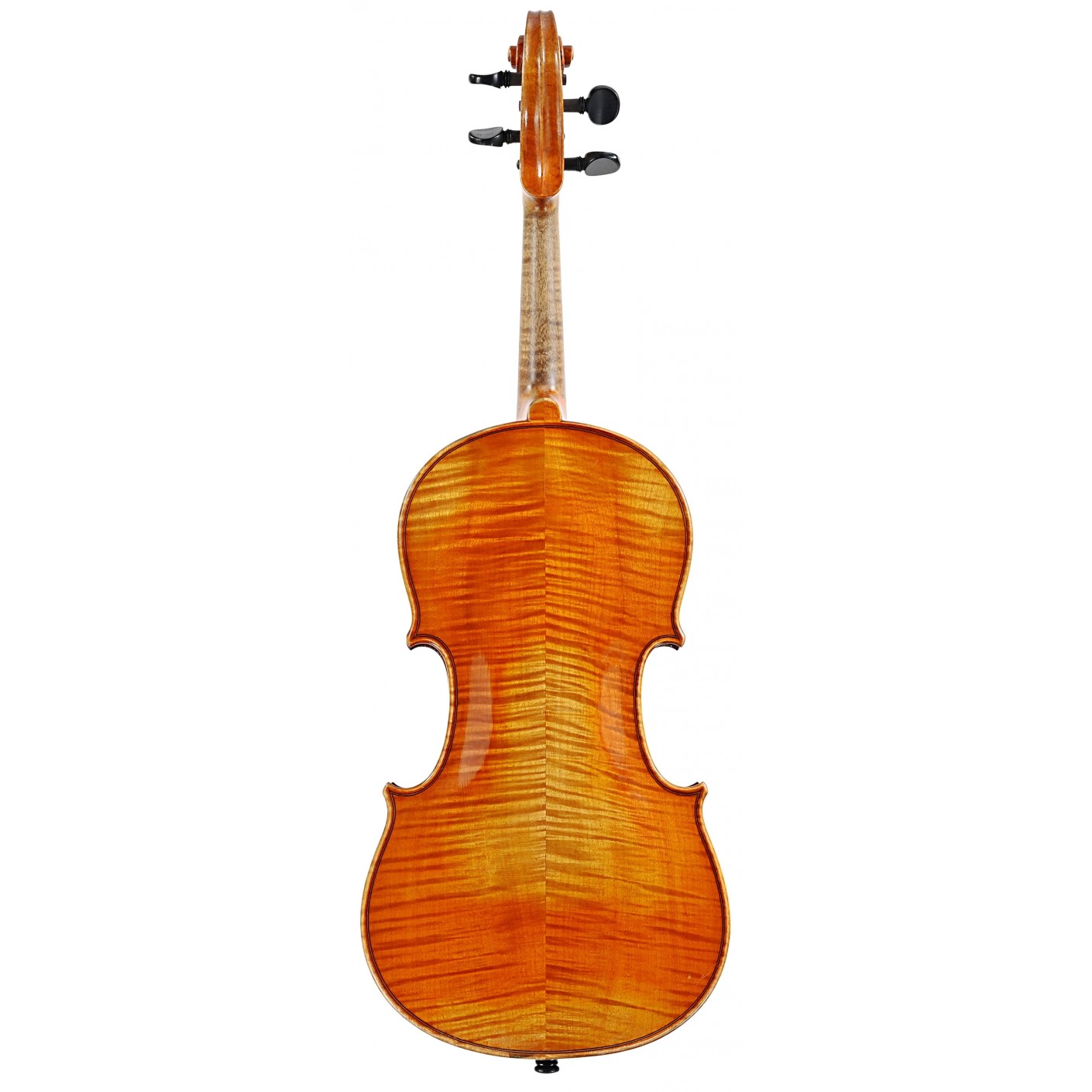
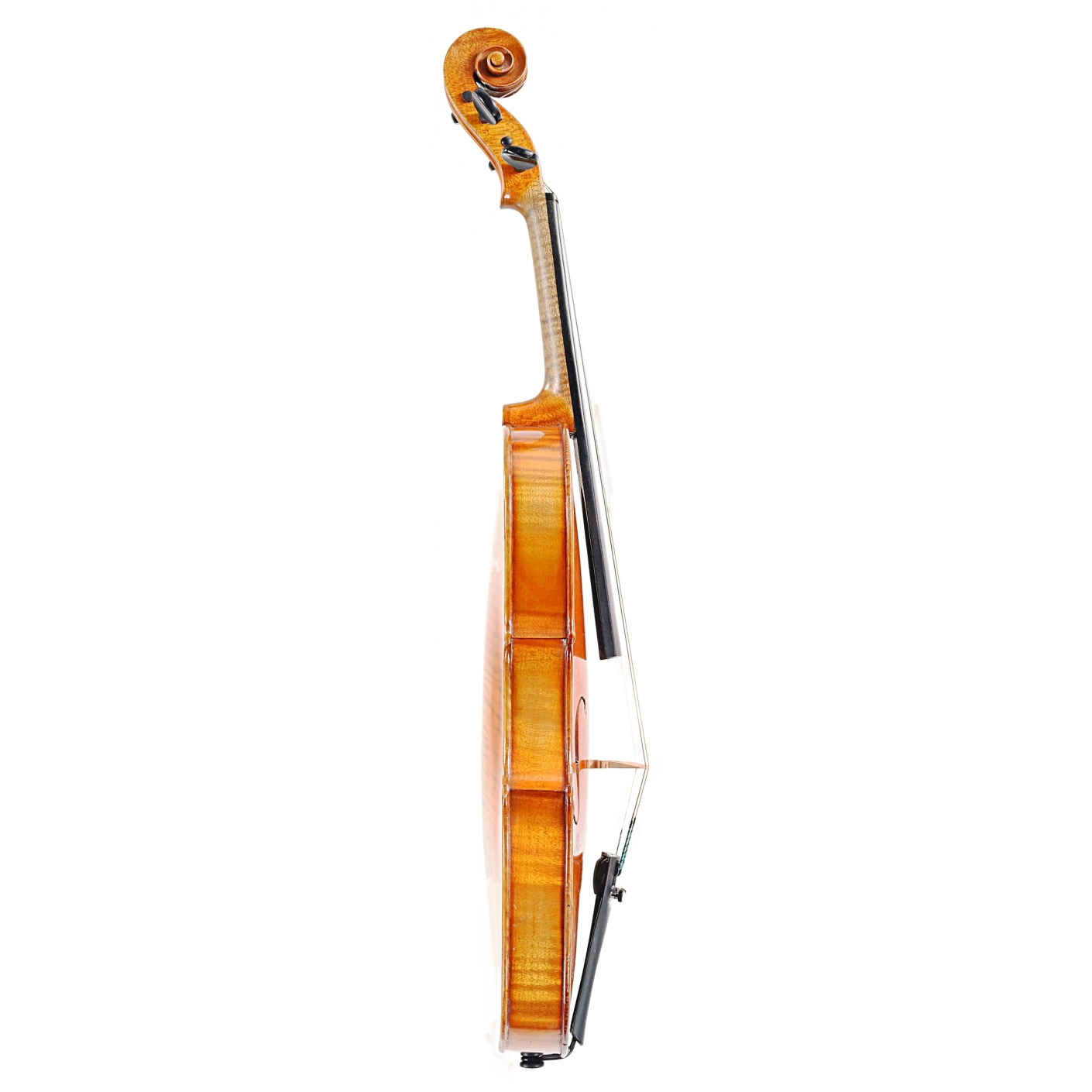
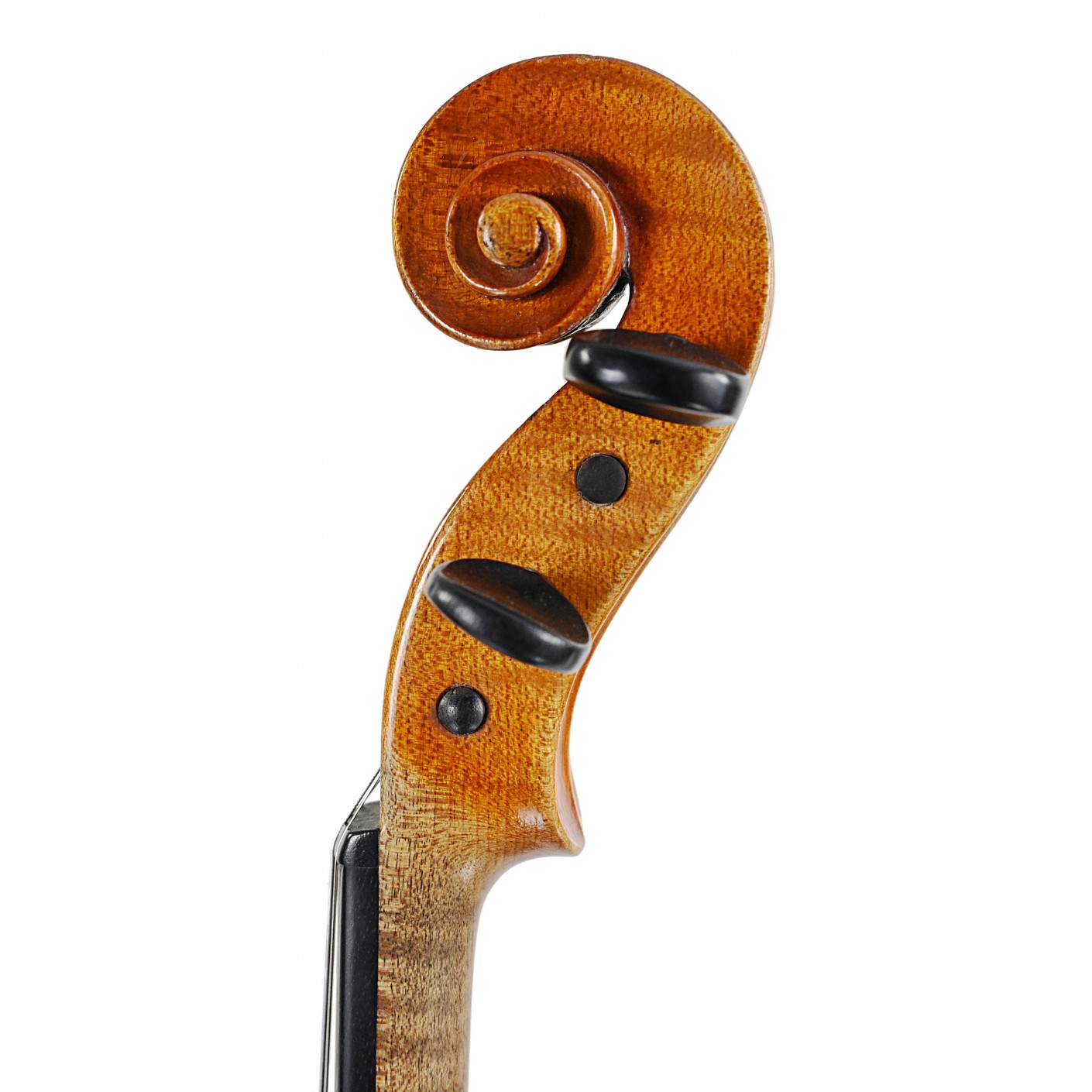
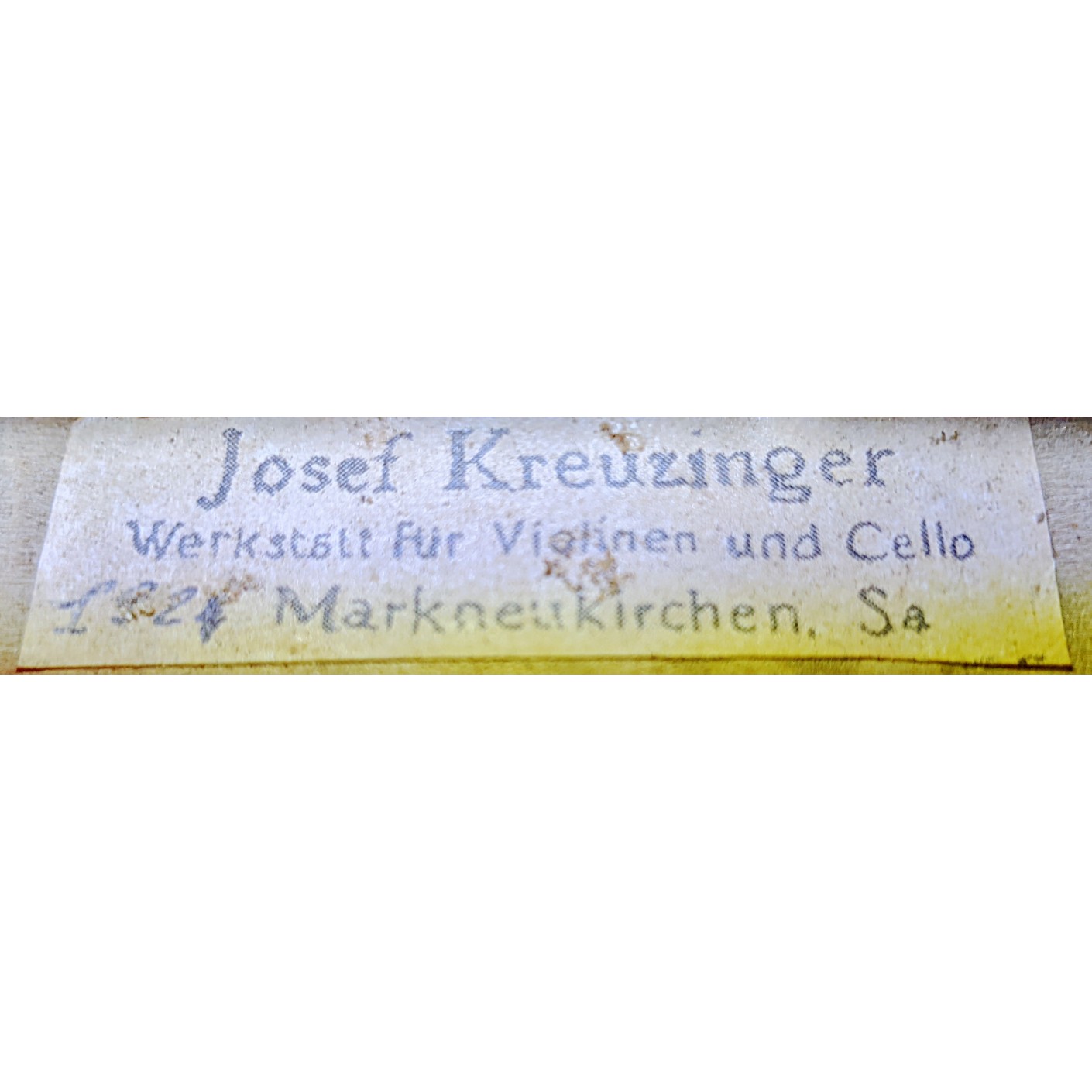
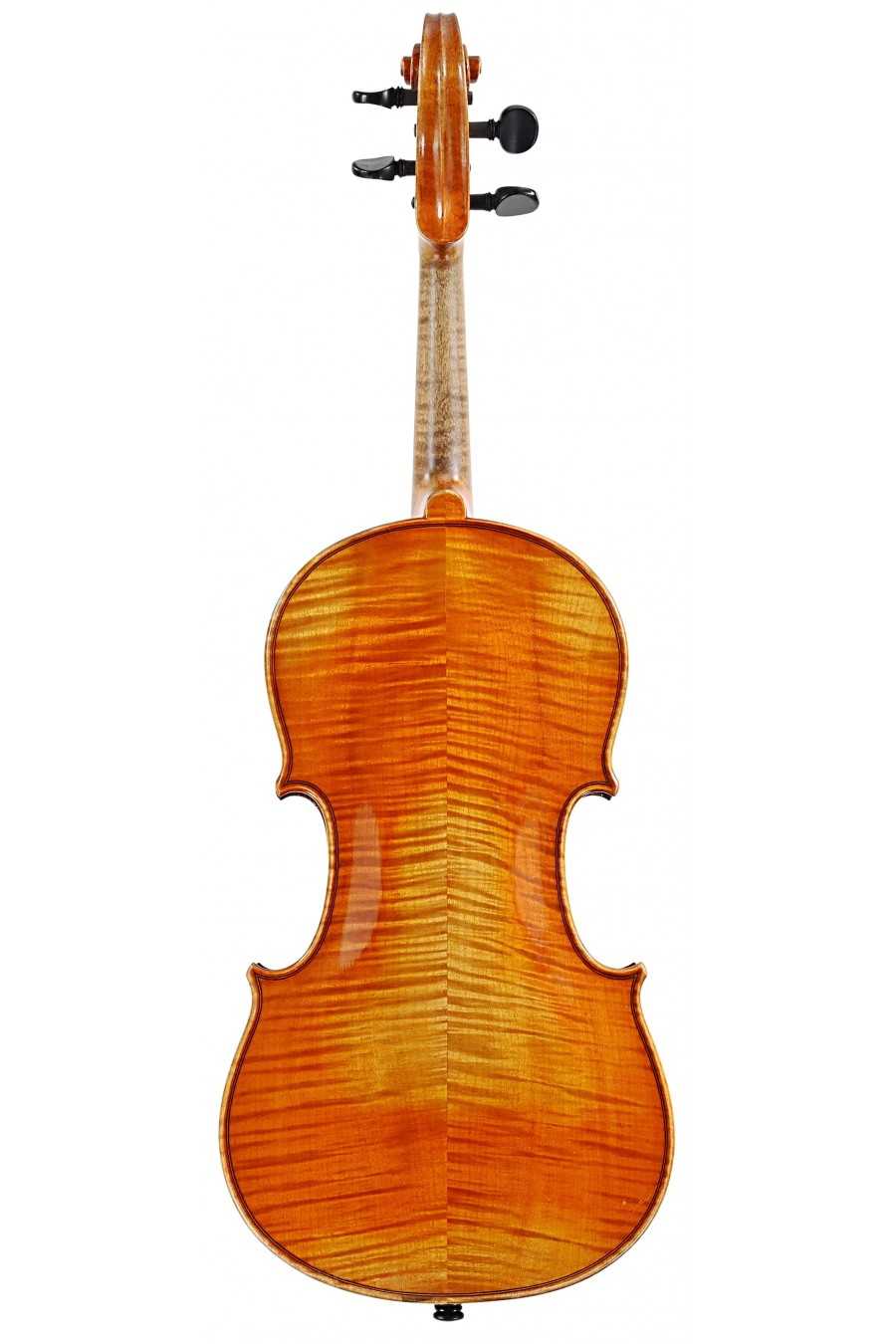
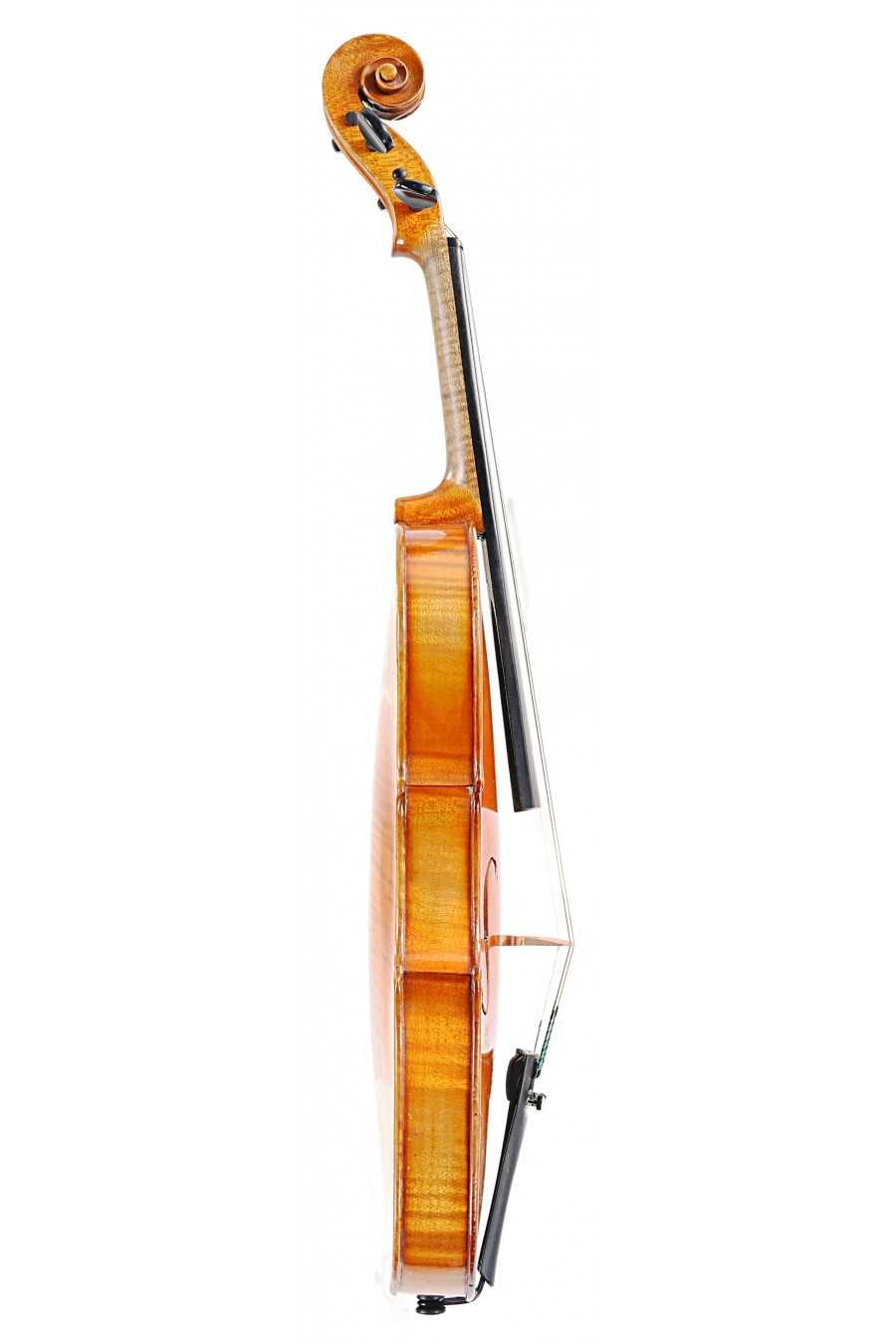
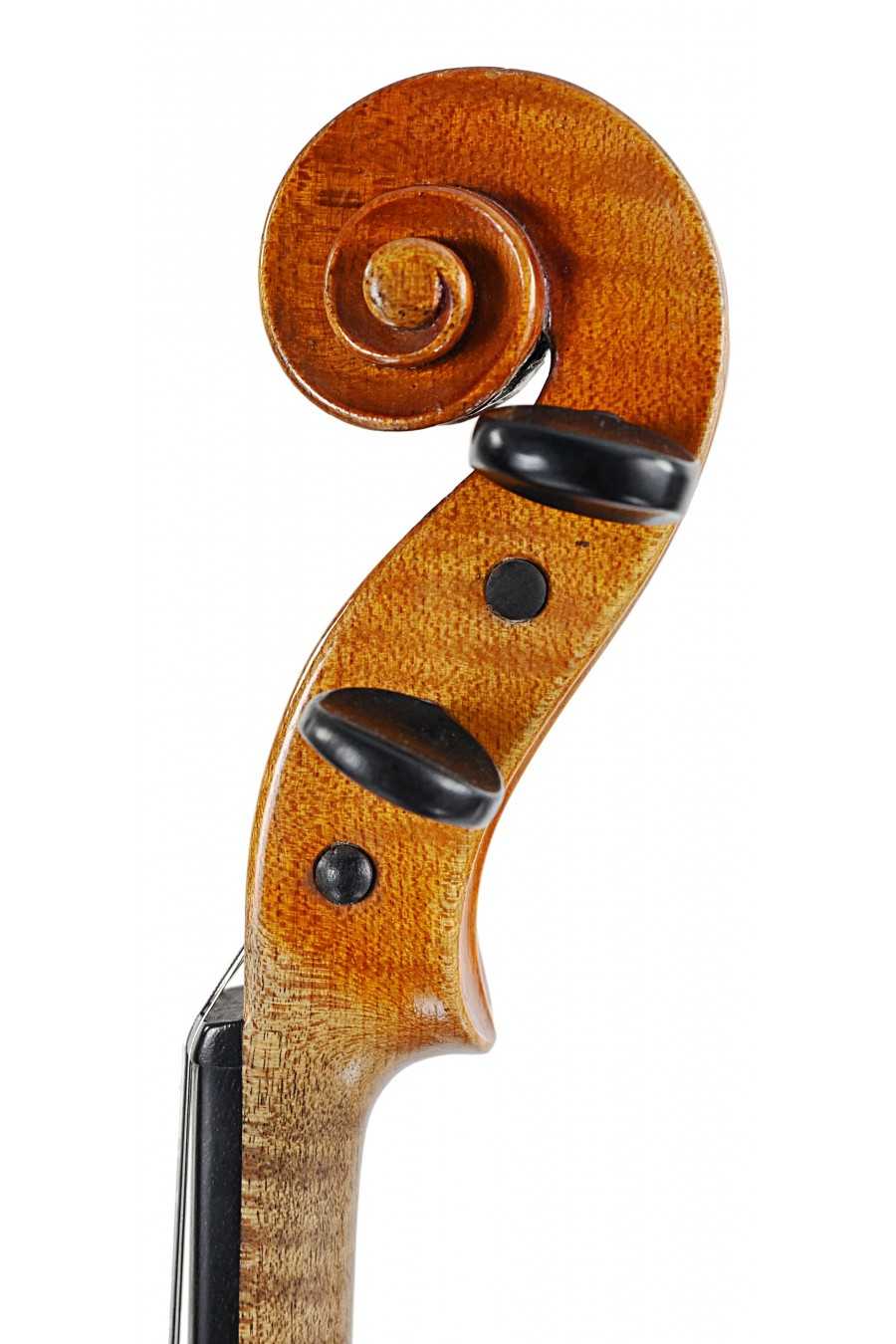
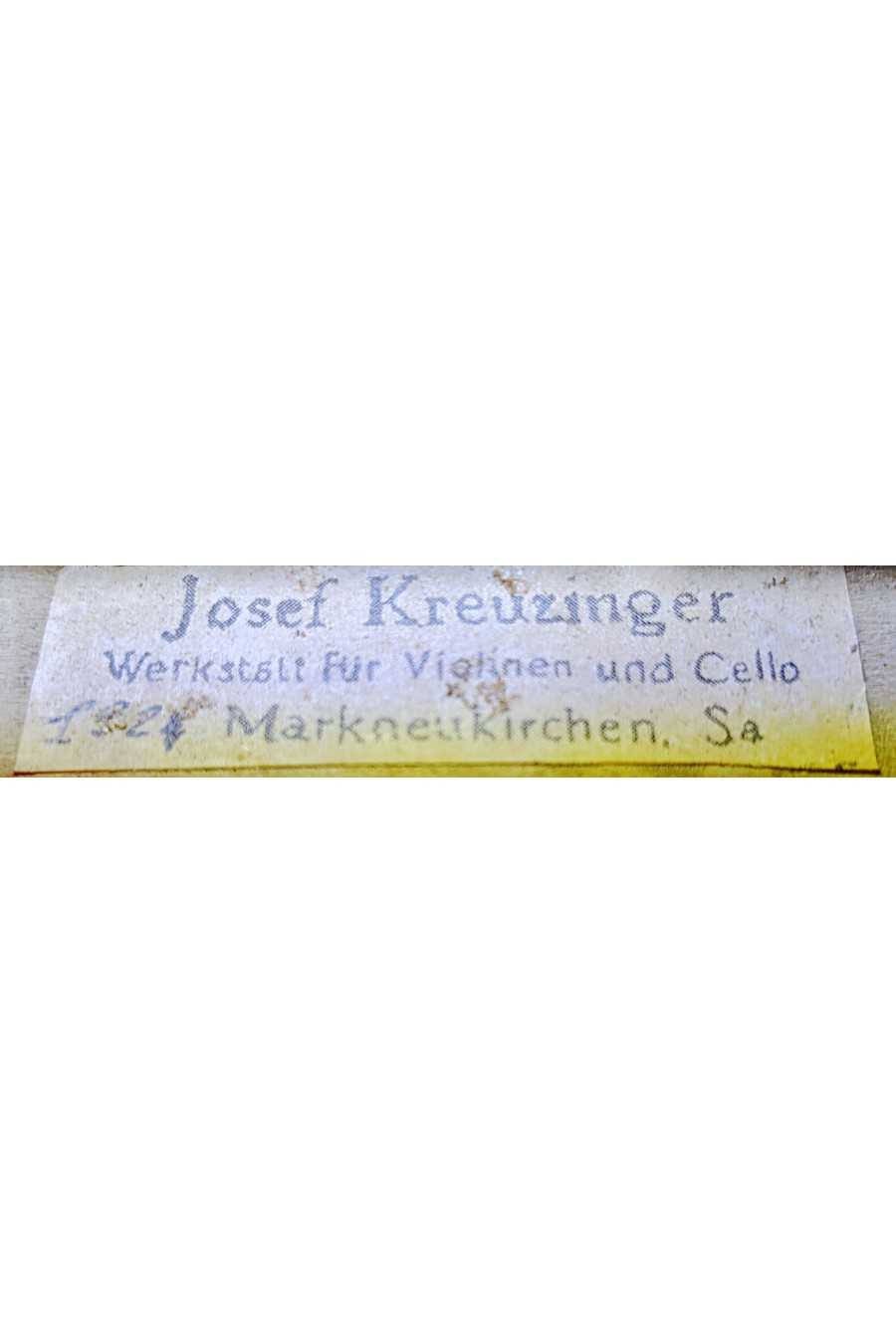
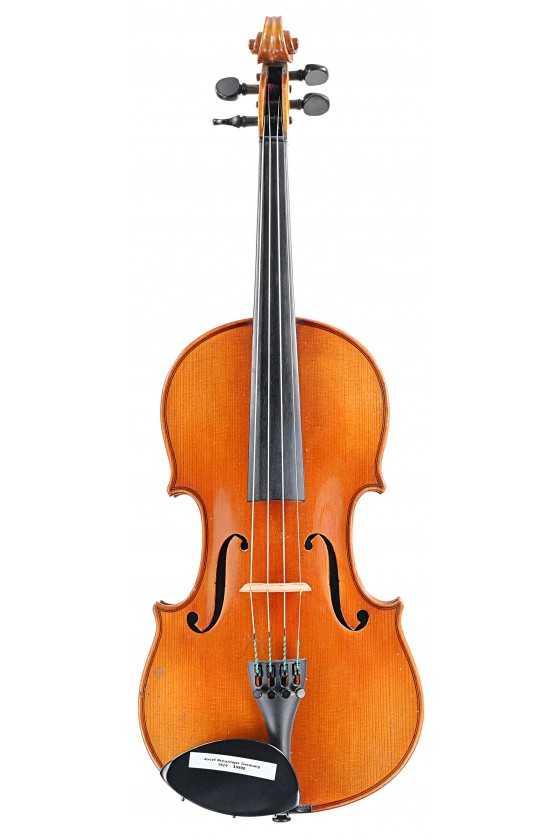
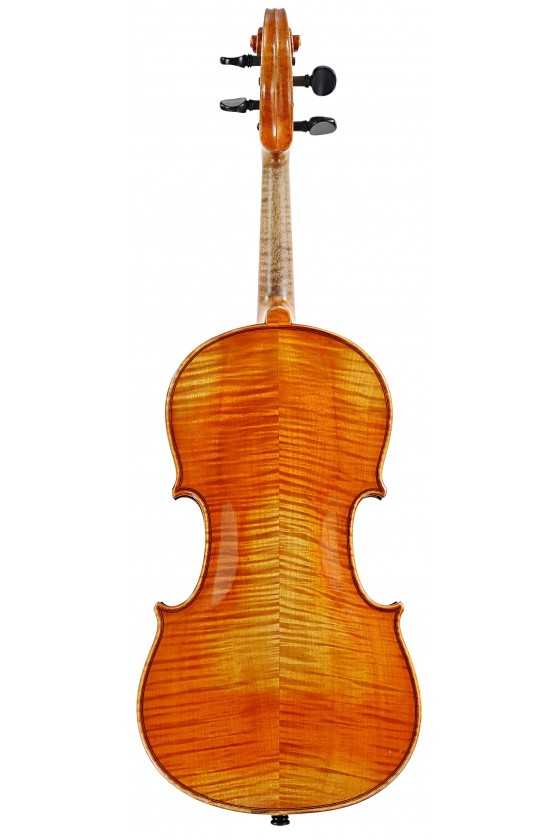
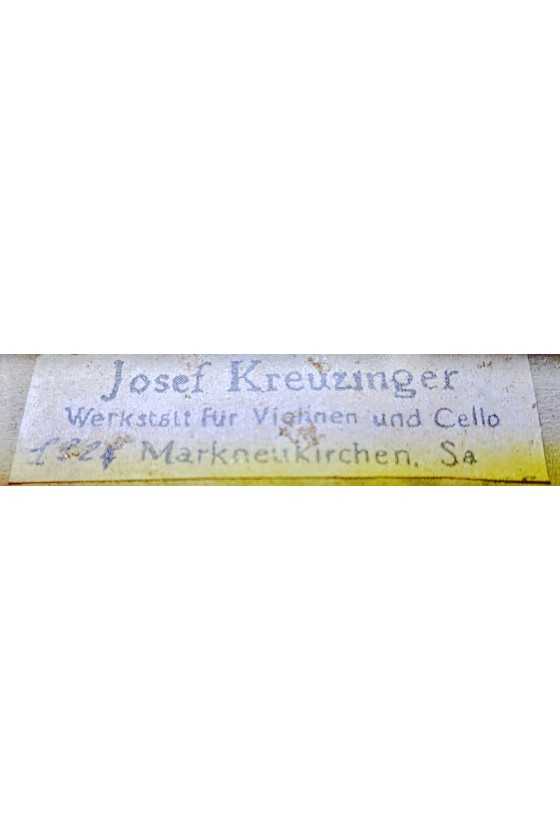
This is a Josef Kreuzinger Violin Made in Germany around 1924. Josef Kreuzinger was a German luthier whose works were deemed as excellent and professional.
Josef Kreuzinger was born in 1904. He worked in Markneukirchen Germany in about 1940. His works were deemed as excellent and professional.
This 7/8 size violin is labelled Thomas Challoner who worked in Chester, England around 1790. Thomas Challoner was one of the known violin makers in the 18th century.
Over 25 years, Ryszard conducted numerous experiments, conducted intensive studies, gained valuable experiences, and was influenced by his colleagues, all of which contributed to his gradual perfection of the sound and quality of his instruments.
William Henry Dow was born in Scotland in 1834 and moved to Australia in 1855 to work as a pattern maker at Langlands Port Phillip Foundry in Melbourne. Initially a hobby, he began making violins in his workshop in South Melbourne and received medals for his work at national exhibitions. After retiring from patternmaking, he devoted himself to creating instruments and made over 200 violins by his death in 1928. It is still being determined how many instruments Dow made, as he only started numbering them when he was satisfied with their quality. One of his violins is on display at the Powerhouse Museum in Sydney.
Please get in touch with Animato Strings on 07 3876 3877 if you want this violin.
In the 1910s, Arthur Edward Smith (1880-1978) established a store in Sydney upon his return to Australia. Smith's workshop on Hunter Street quickly gained a reputation for repairing and selling high-quality stringed instruments. This violin was sold (not made by) AE Smith, Australia's most famous violin maker.
Lambert-Humbert Frères firm (fl. 1876 – 1969) was a major violin manufacturer in Mirecourt, offering a wide range of models and quality levels, established in 1876 by violin-making brothers Maurice-Emile and Pierre Alexis Auguste Laberte.
Marc Laberte (1880–1963) was trained as a violin maker and joined the family company in 1911. By 1919, the Laberte firm had around 400 craftsmen and was successful. However, the war in 1942 devastated the business, leading to its closure. Despite this, Laberte was known for his exceptional instruments and bows, earning several honours and medals.
This violin has the original Marc Laberte label and bears the number #3010. A second label states Grand Prix Paris 1931, Exposition Internationale Bruxelles 1935 Membre Du Jury, and Exposition Internationale New York 1939. The prices they won before and during the start of the world war 2.
Introducing the Roberto Cavagnoli Violin 2017. Roberto Cavagnoli received many awards including the Silver Medal for tone quality from the Violin Society of America in 2004 and the third prize at the 11th International Competition ‘Triennale’ in Cremona for sound quality.
