
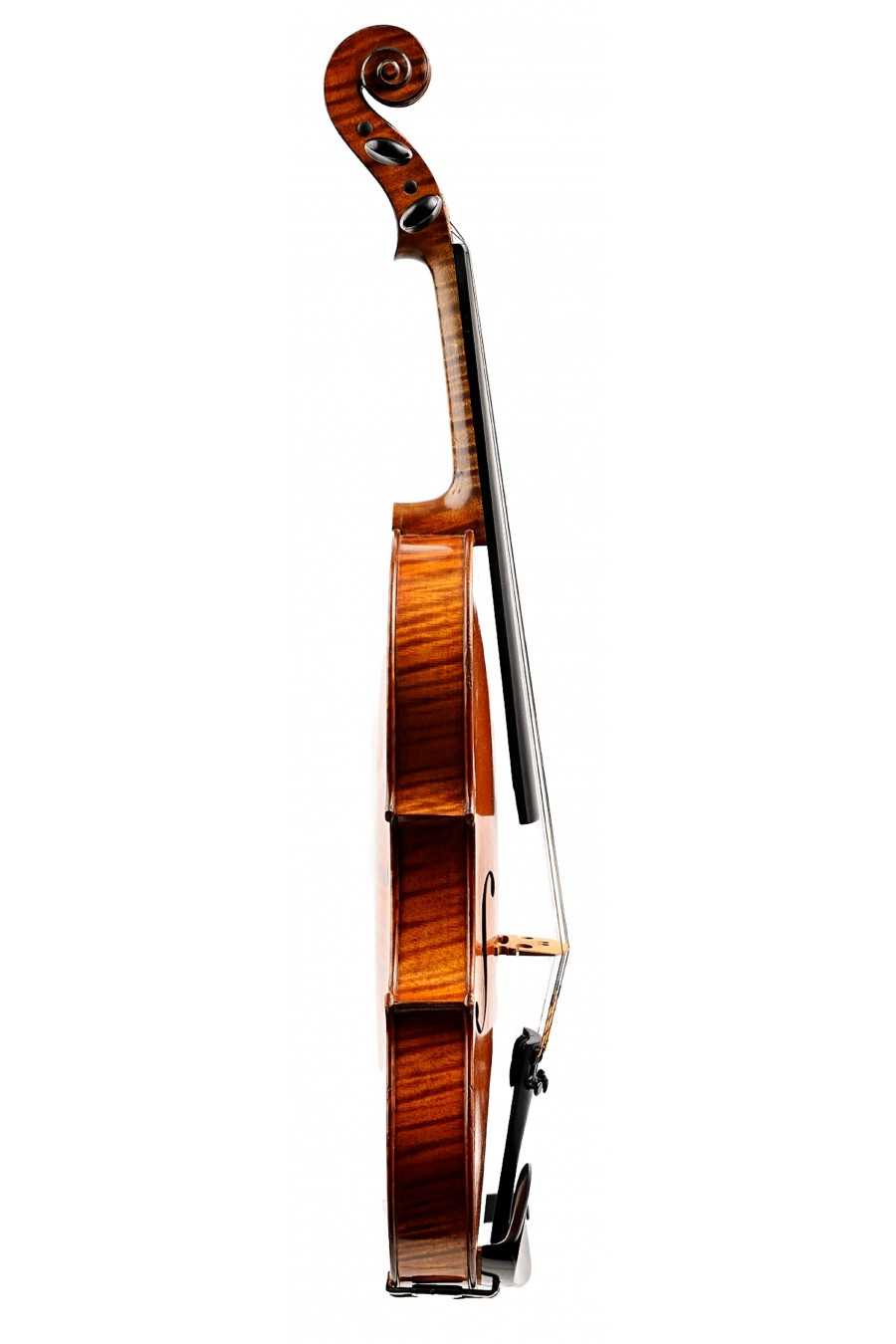
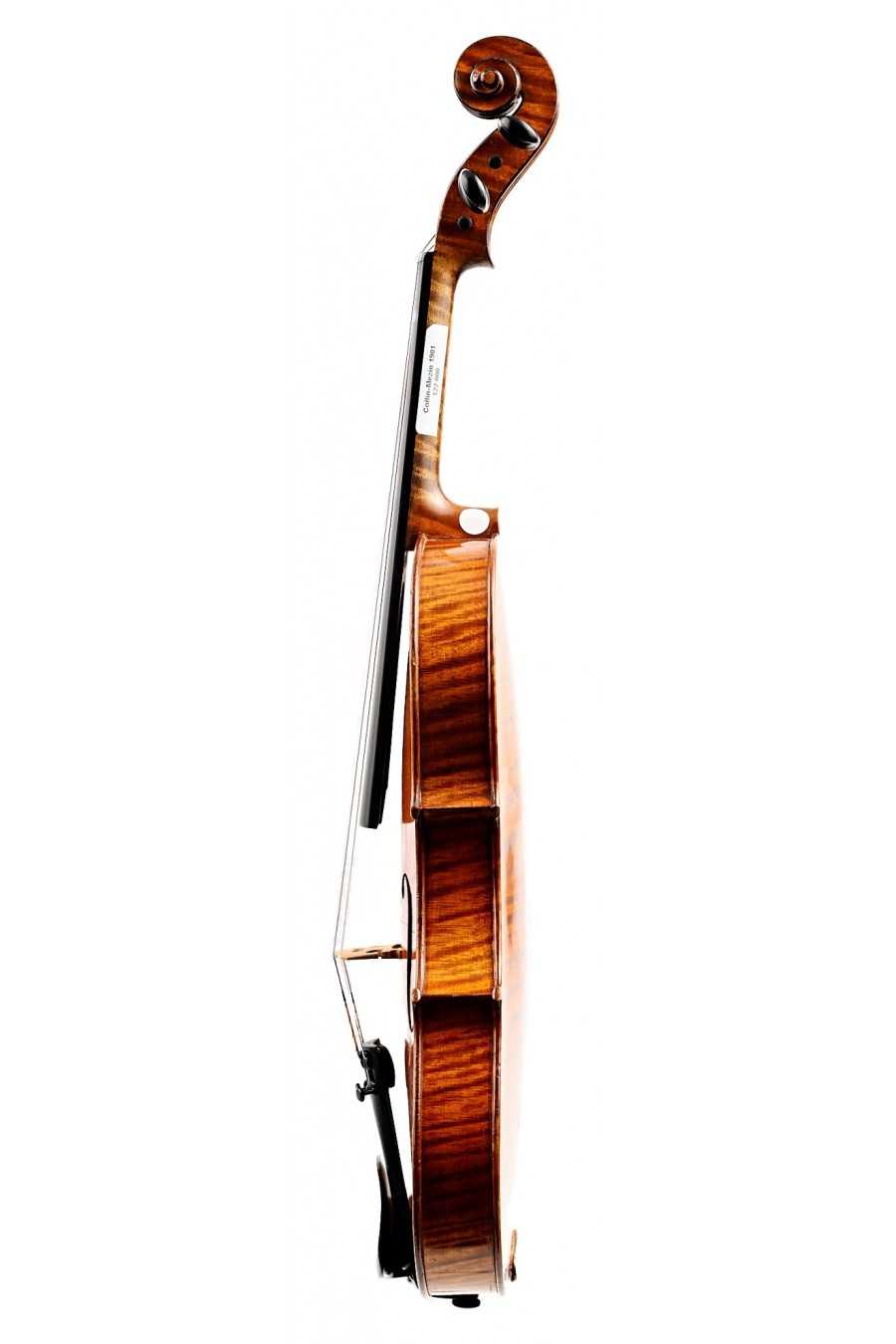
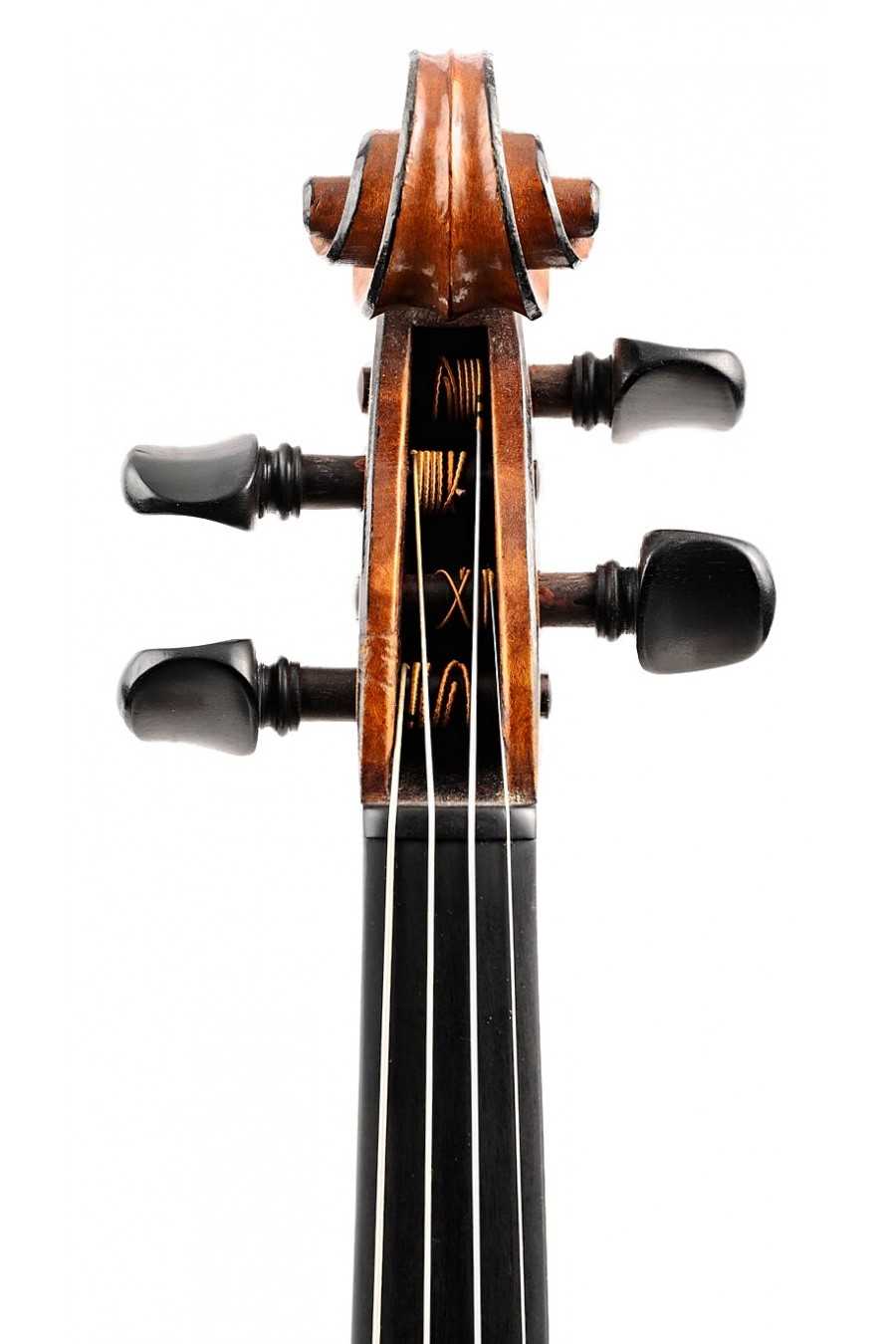
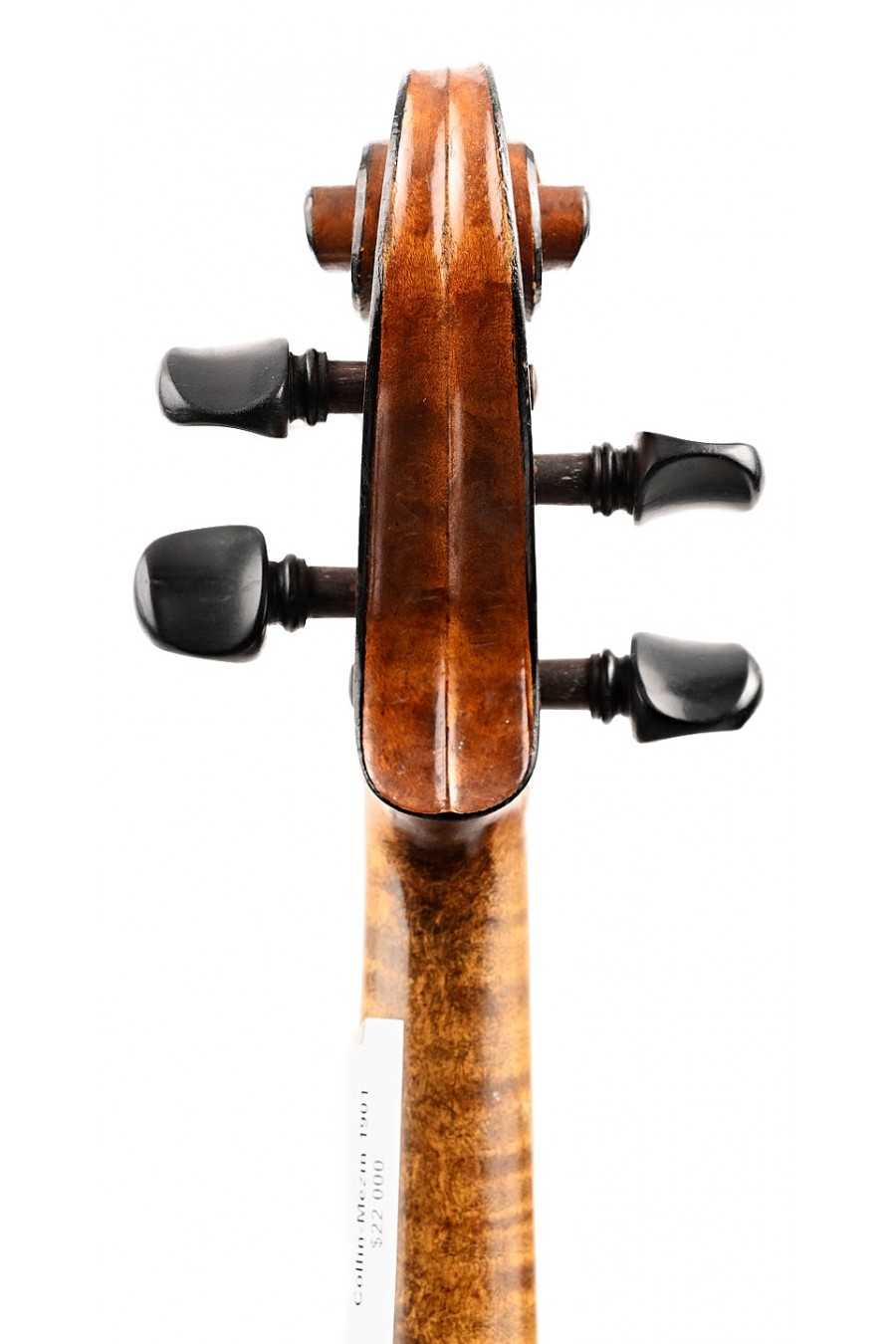
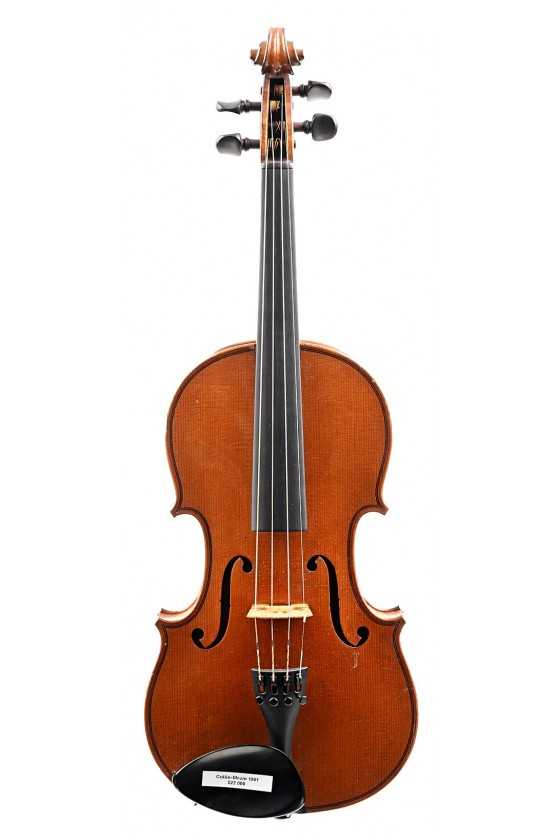
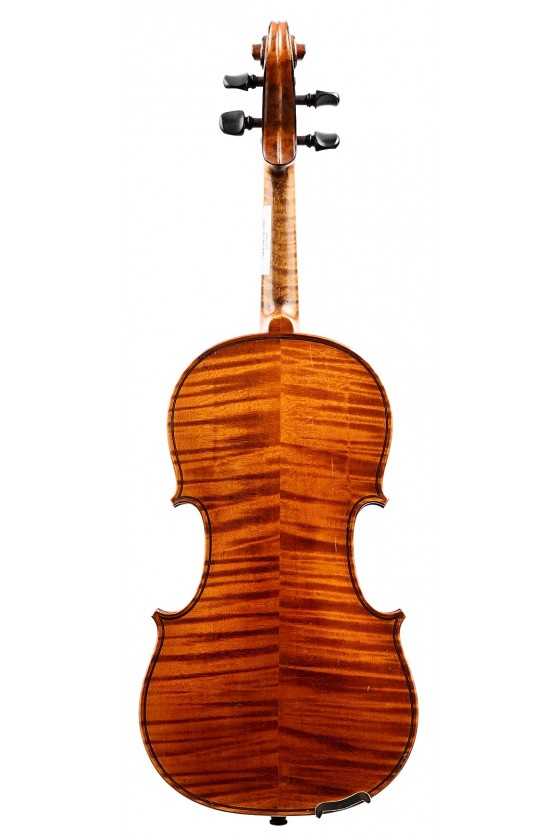
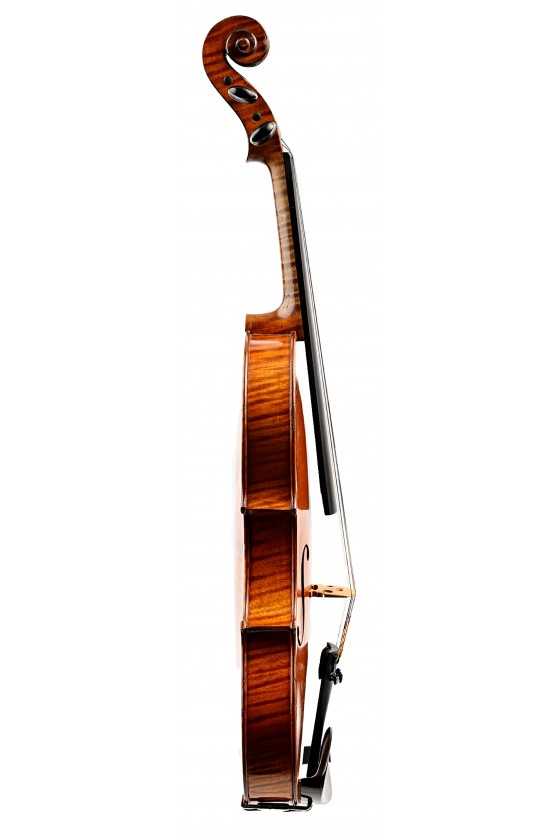
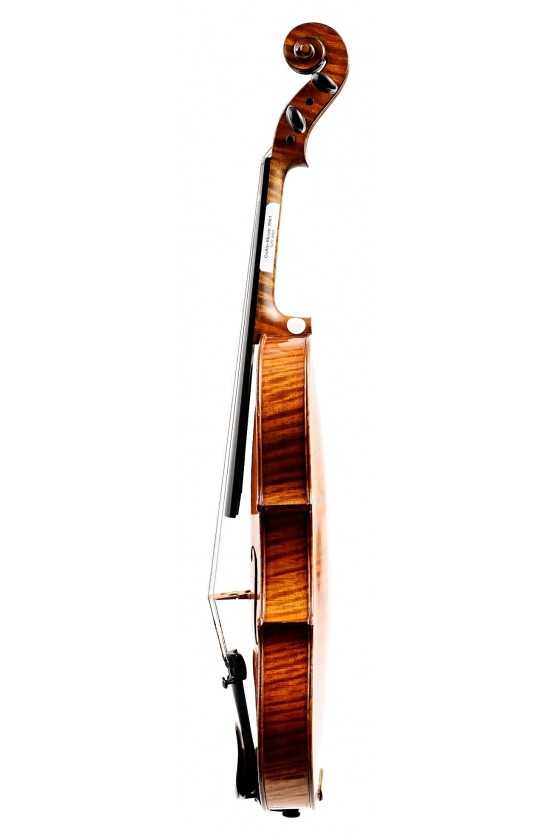
Violin Labelled Charles Gaillard 1867 (F007)
This is a Charles Gaillard 1867 Violin. Charles Gaillard was an apprentice of the prominent French violinmaker and restorer, Charles Adolphe Gand.
Ref. F007
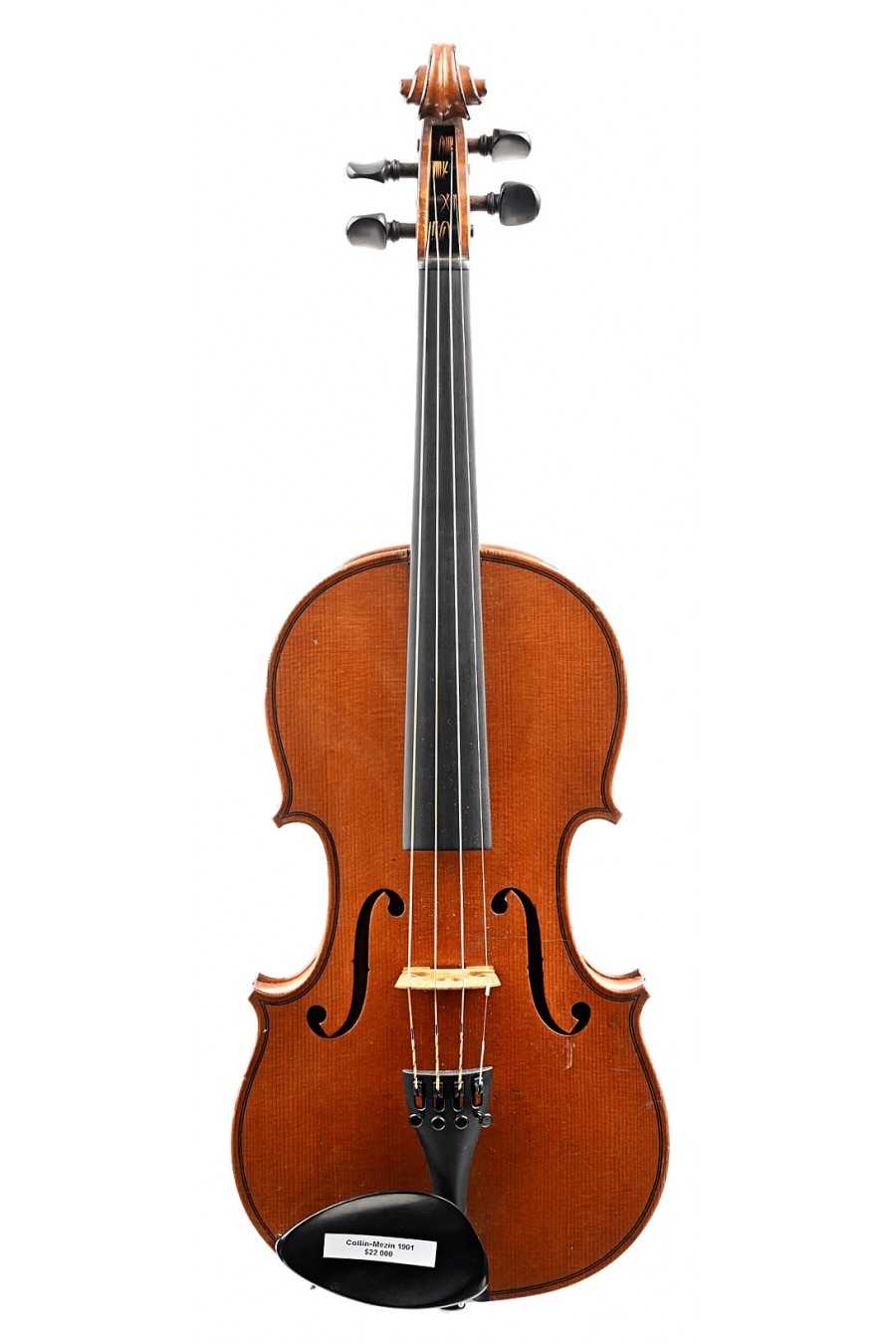
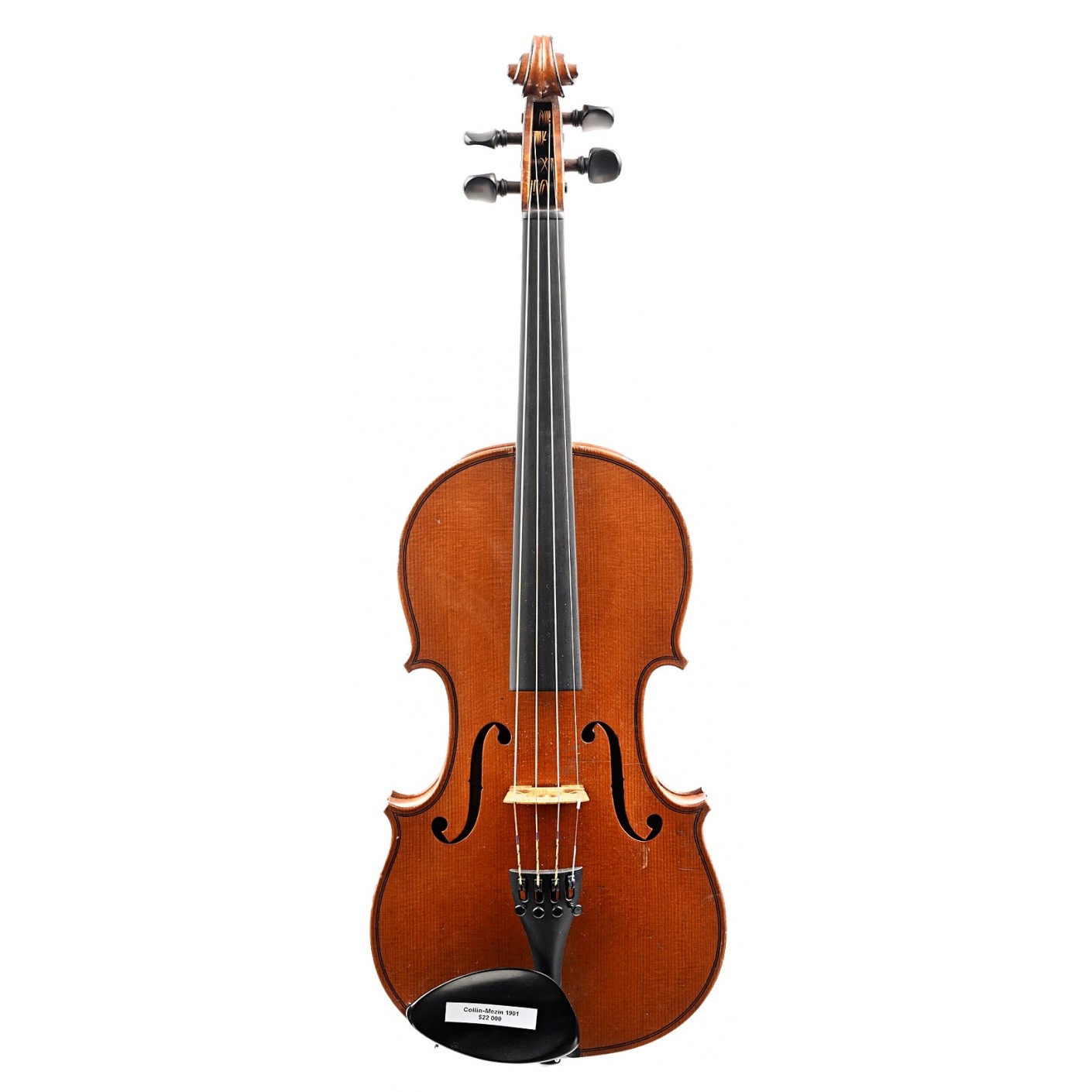
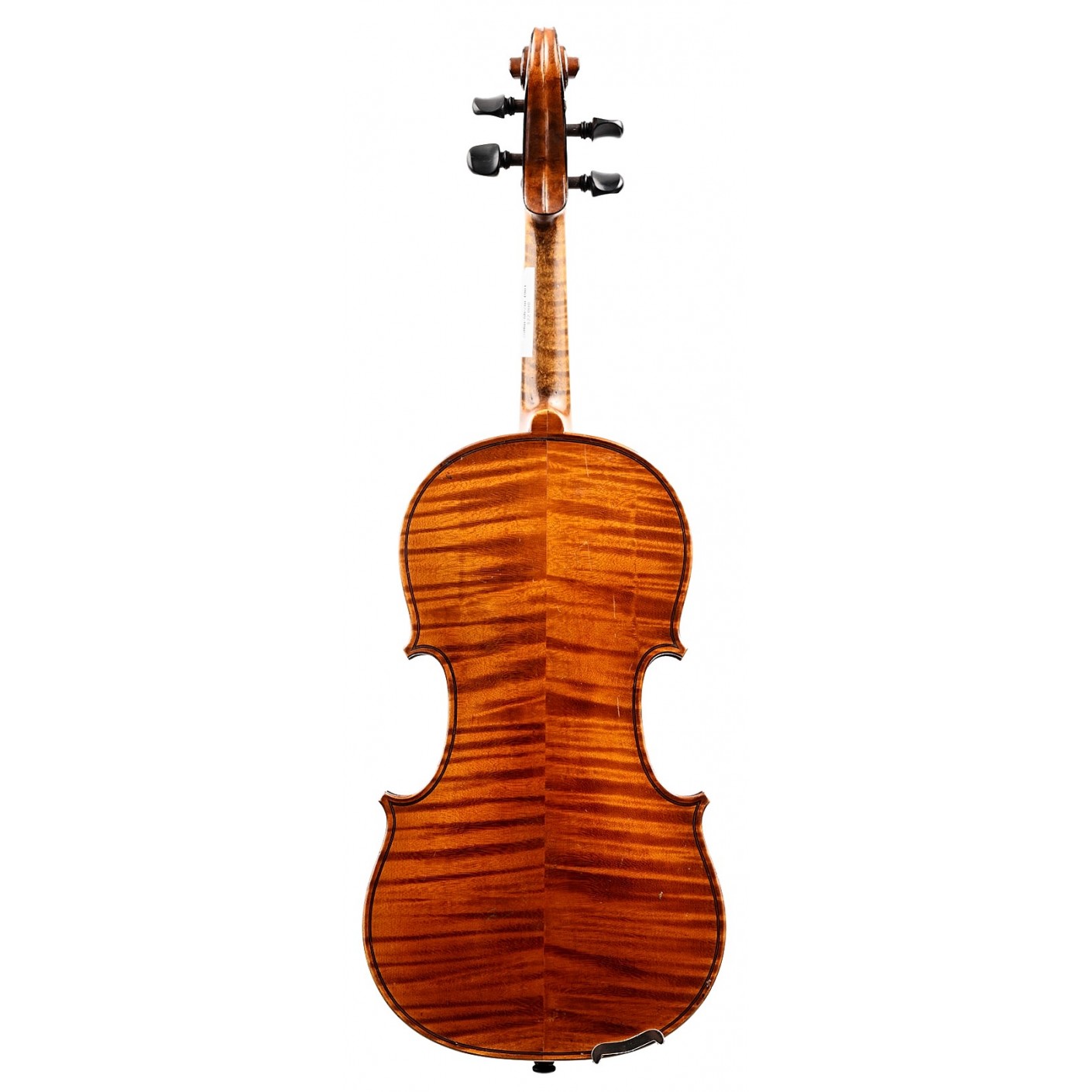
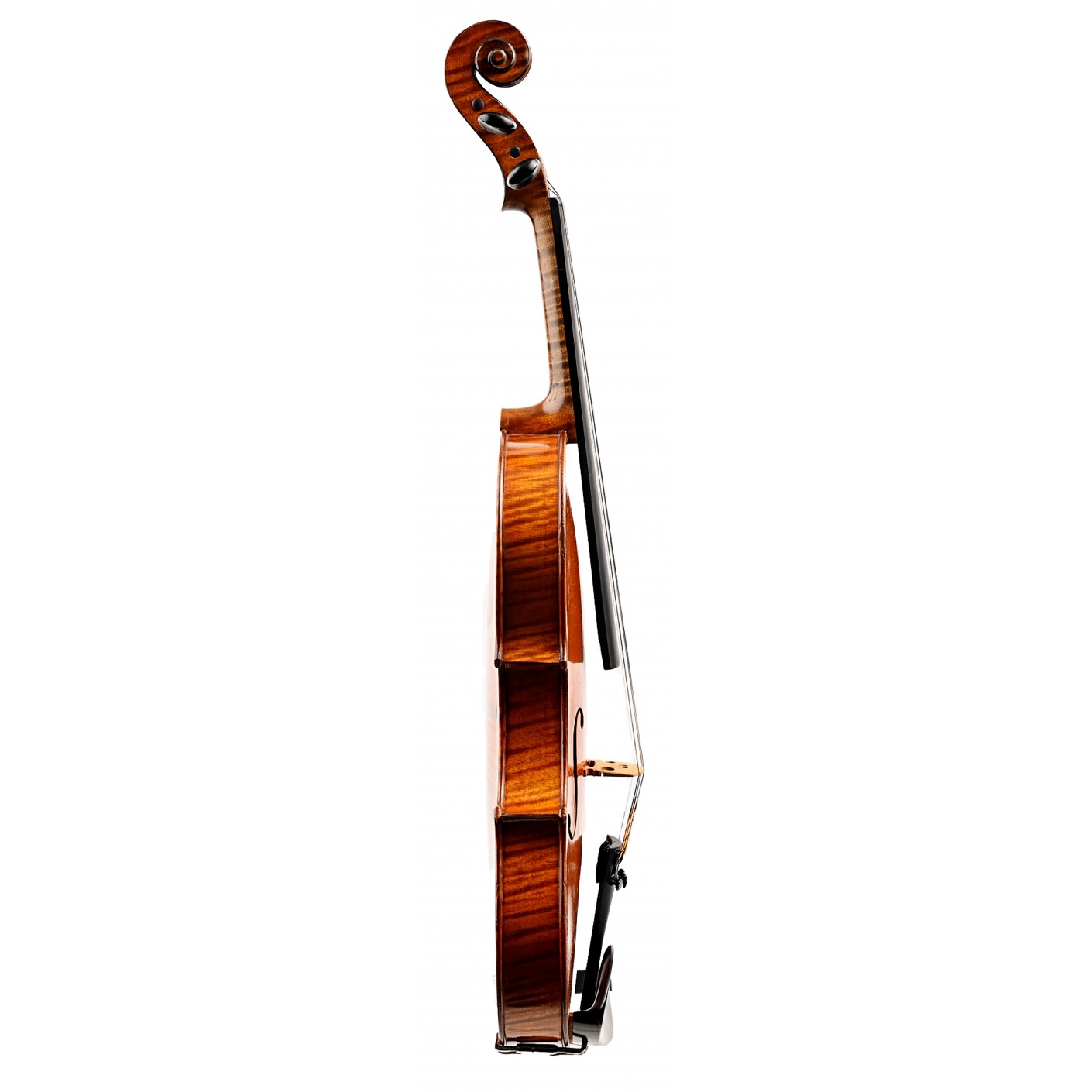
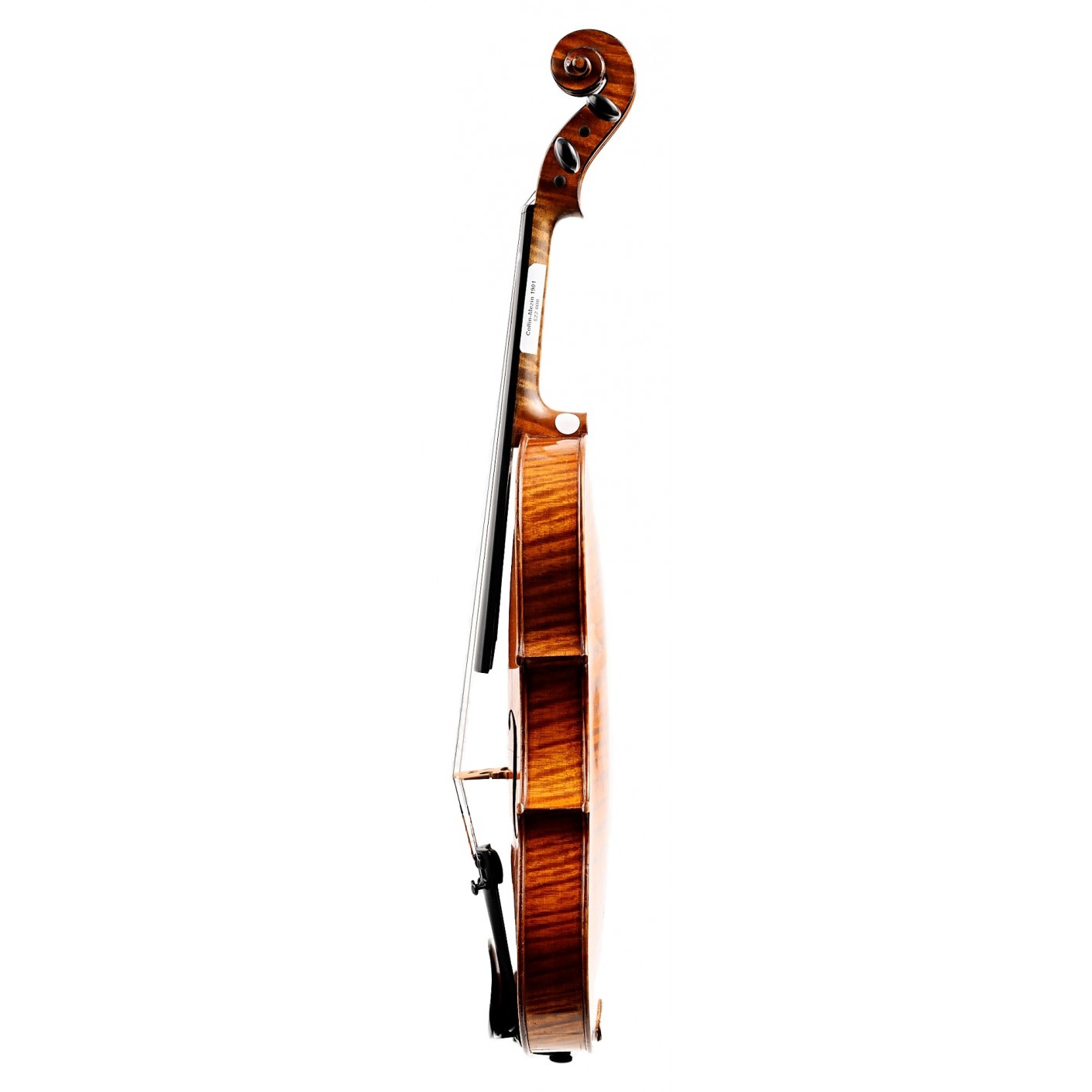
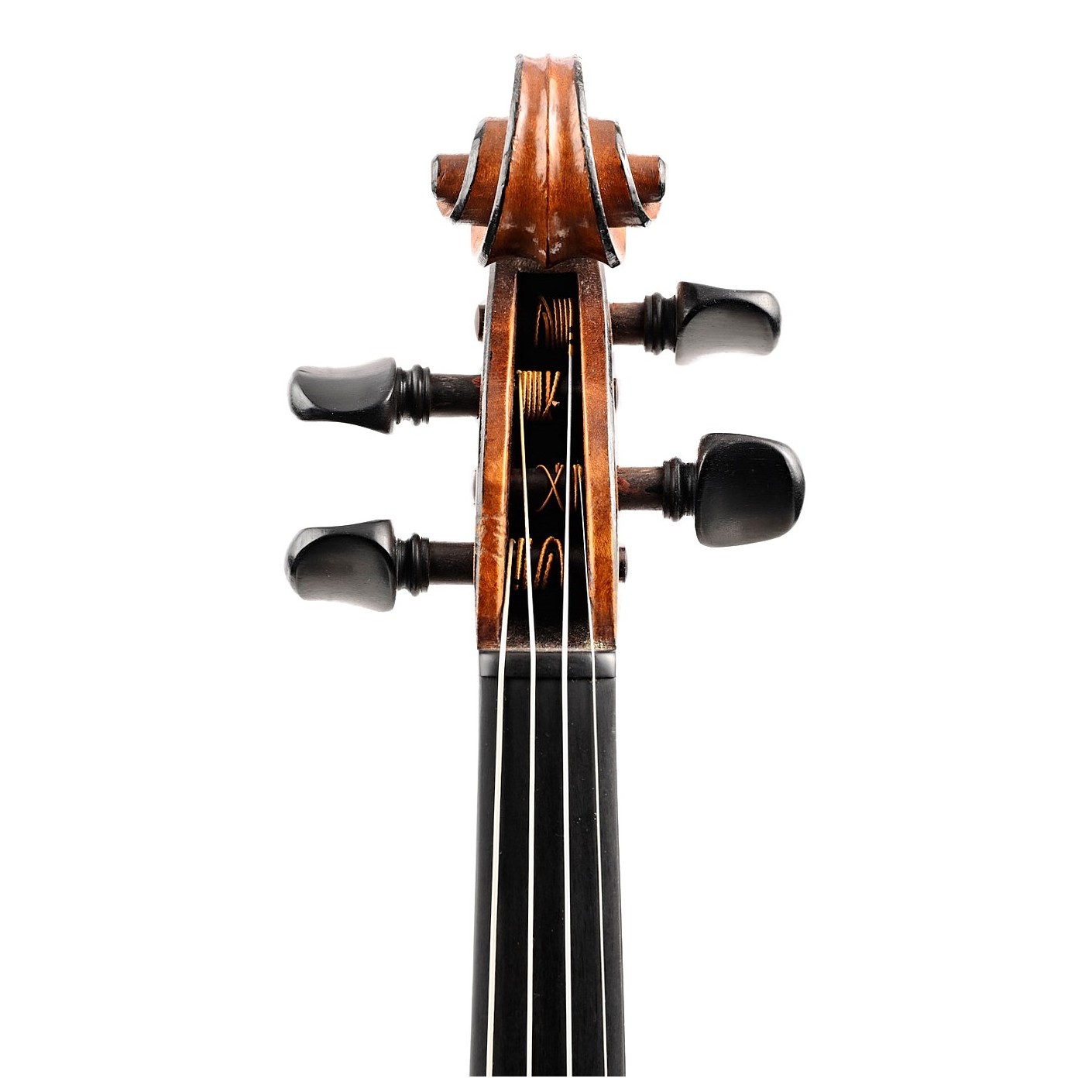
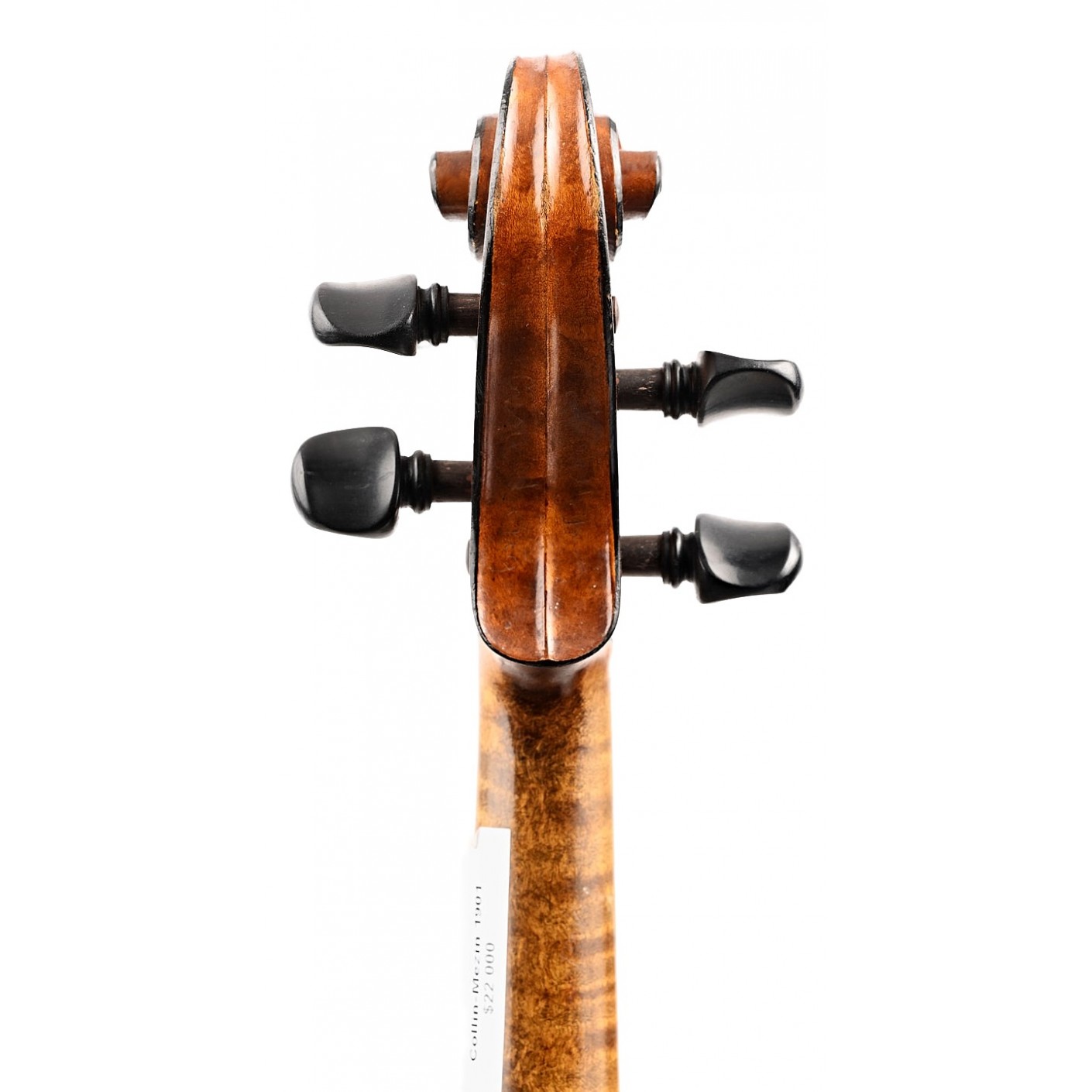
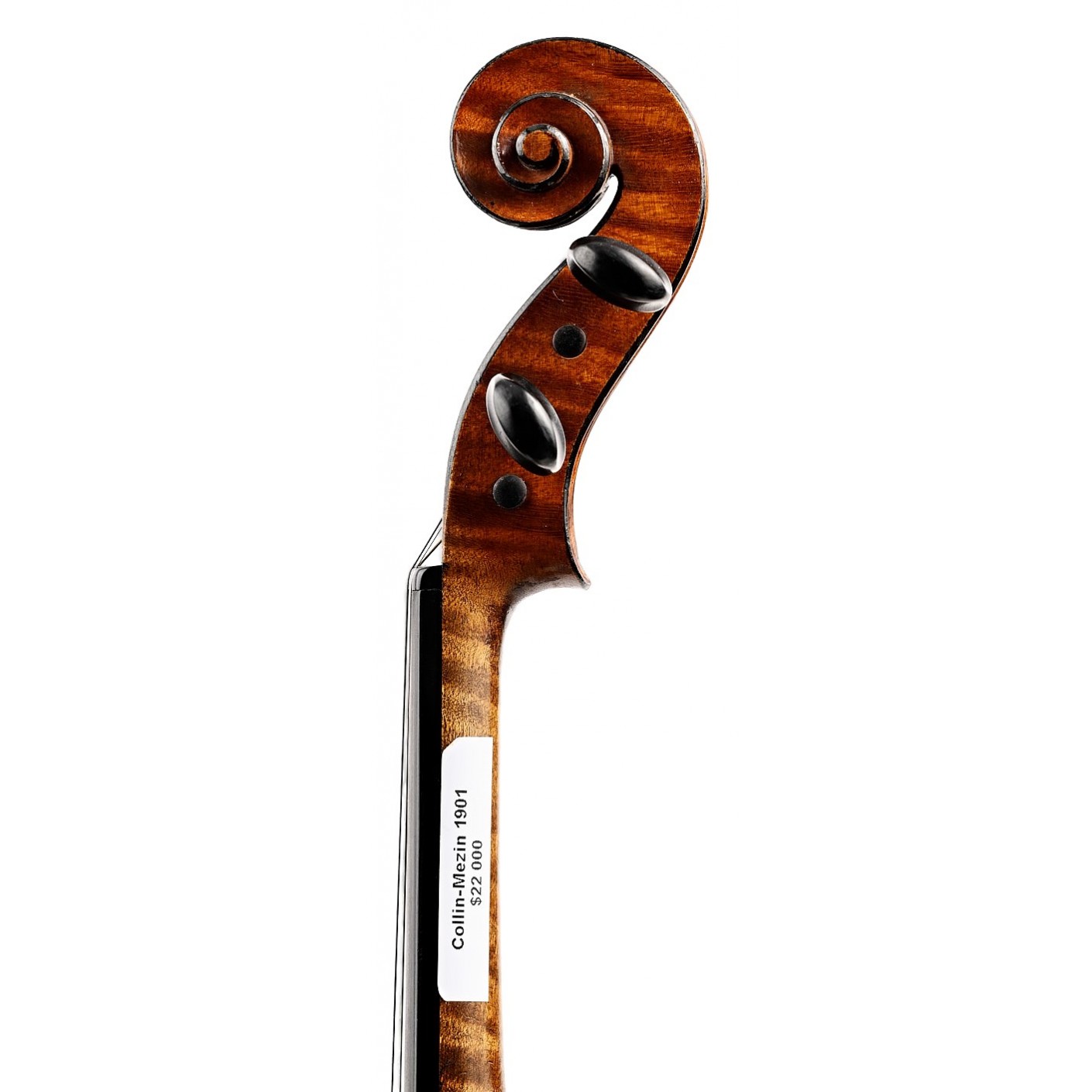
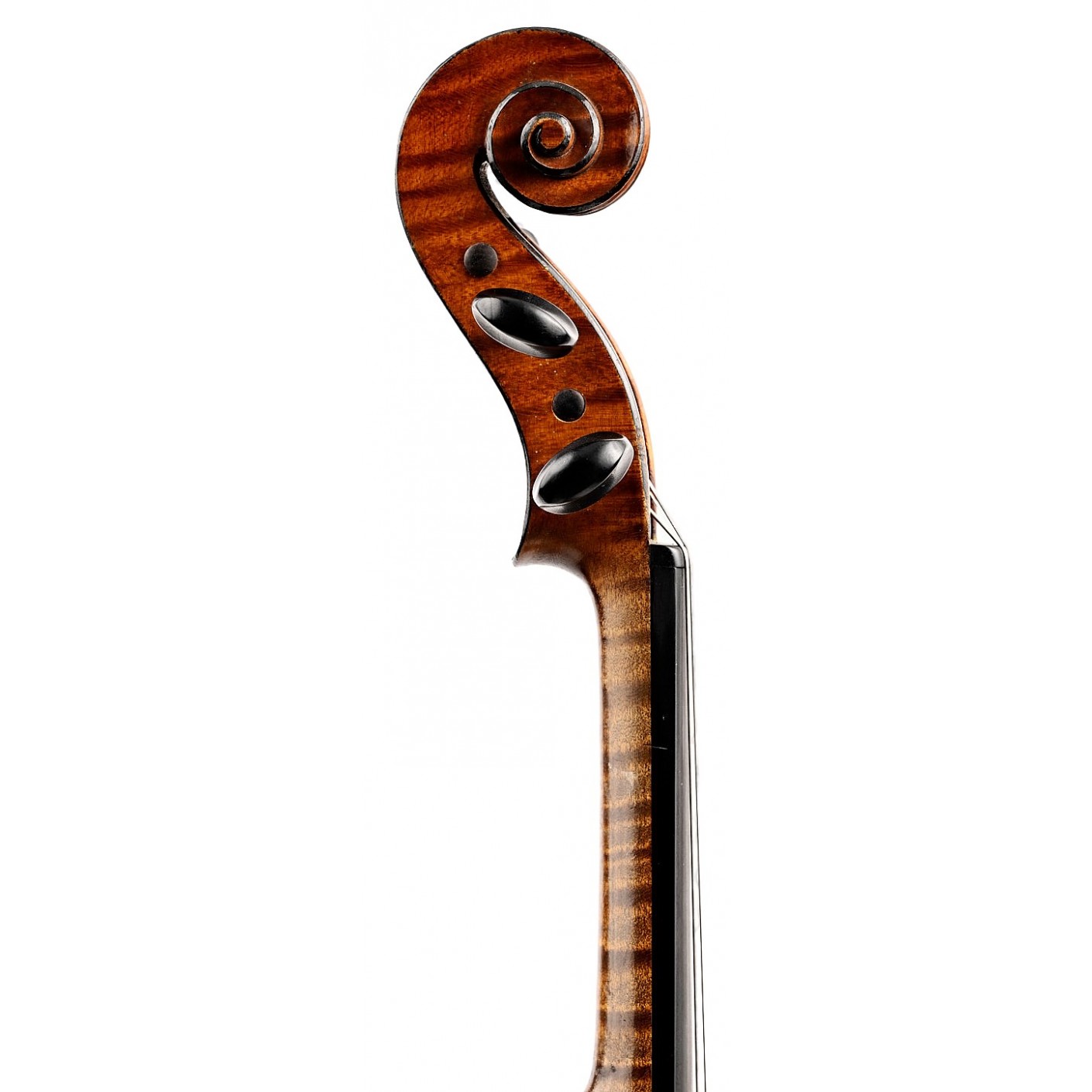
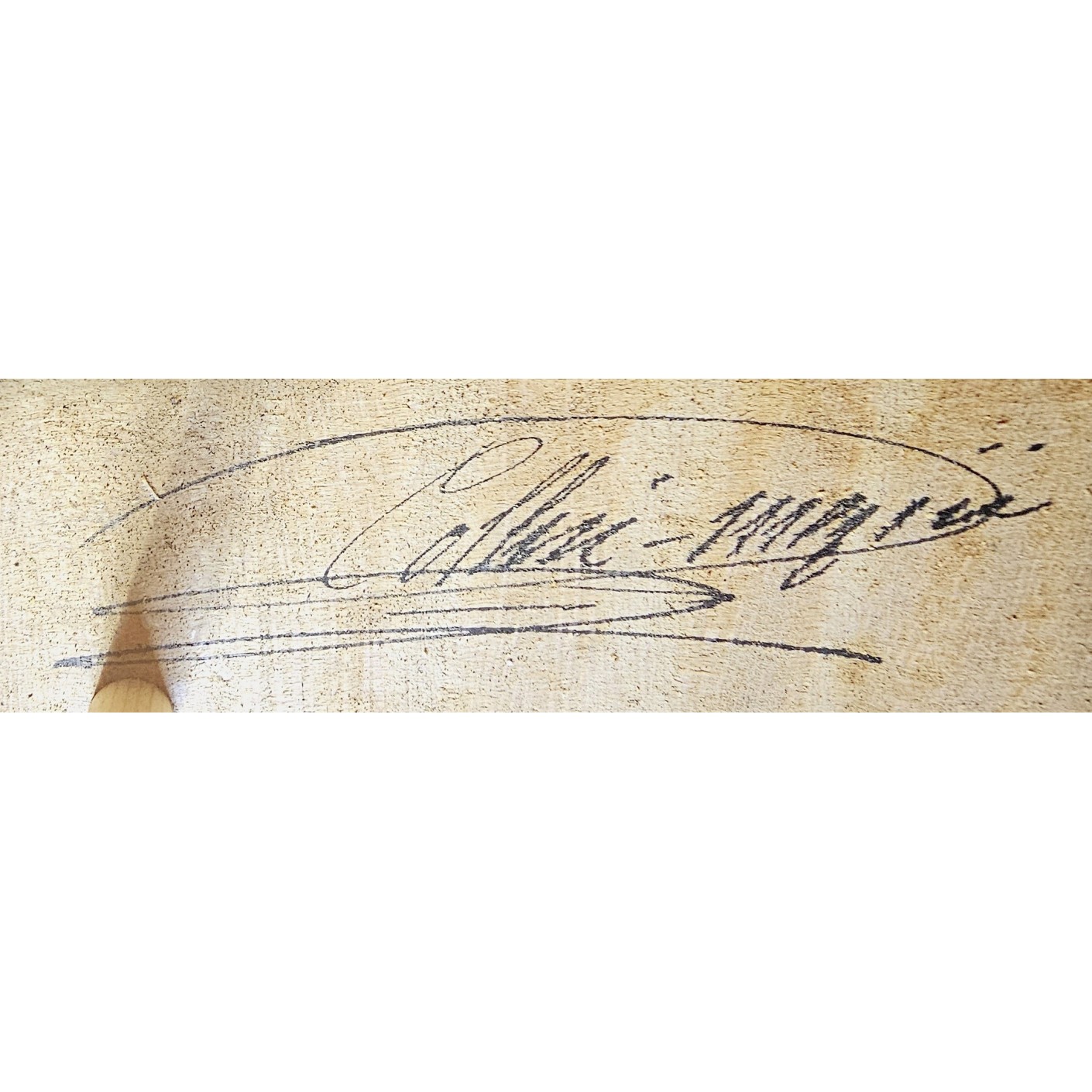
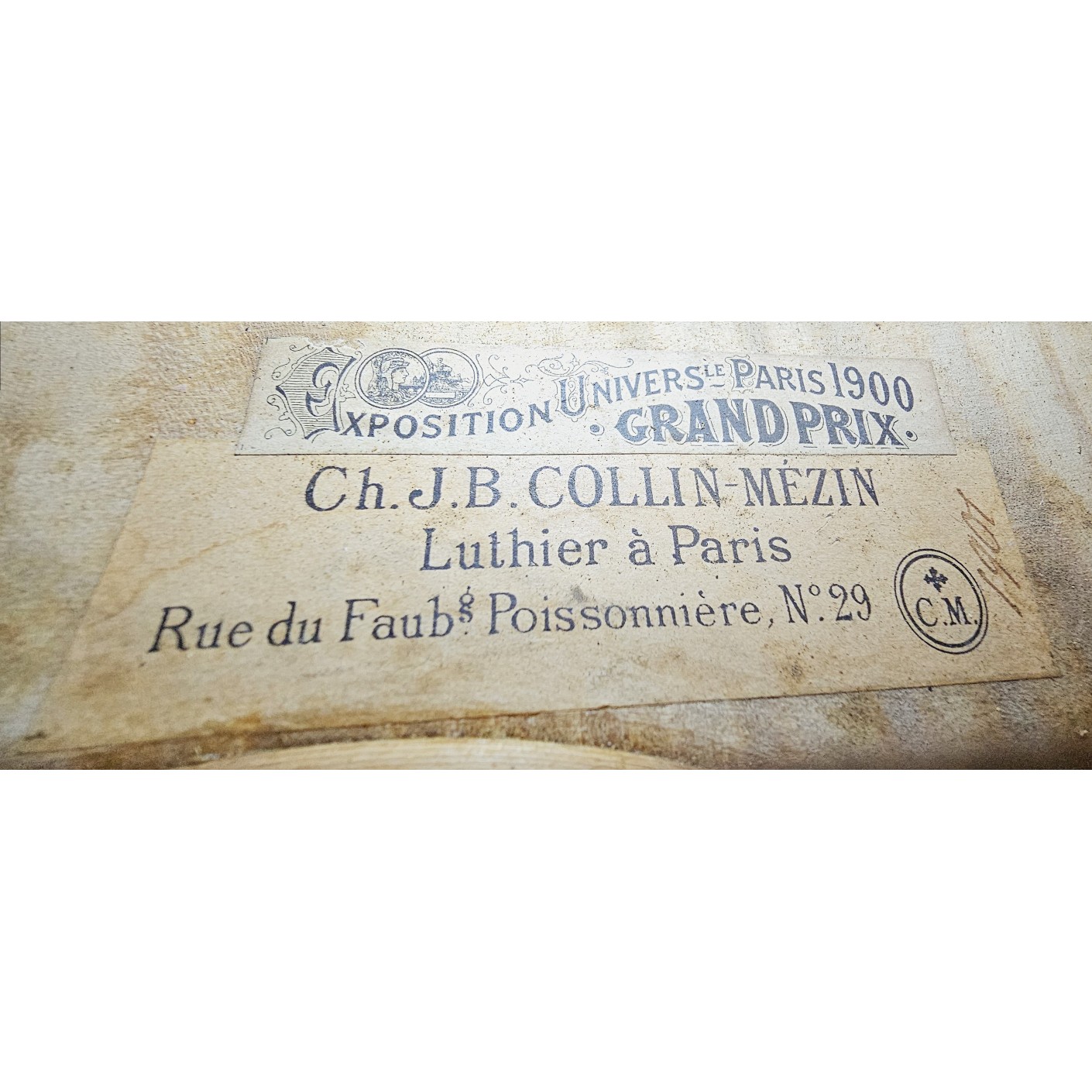
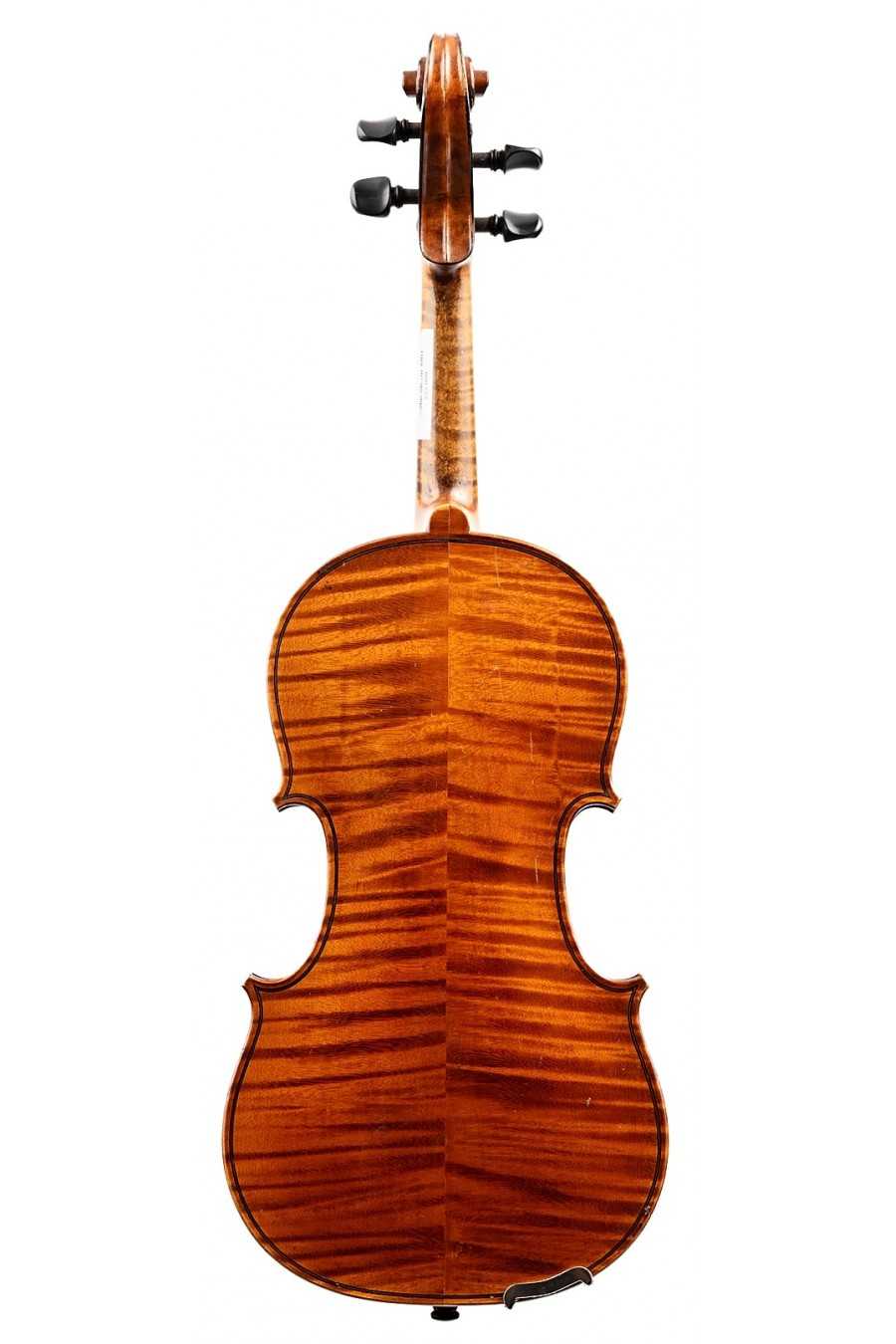
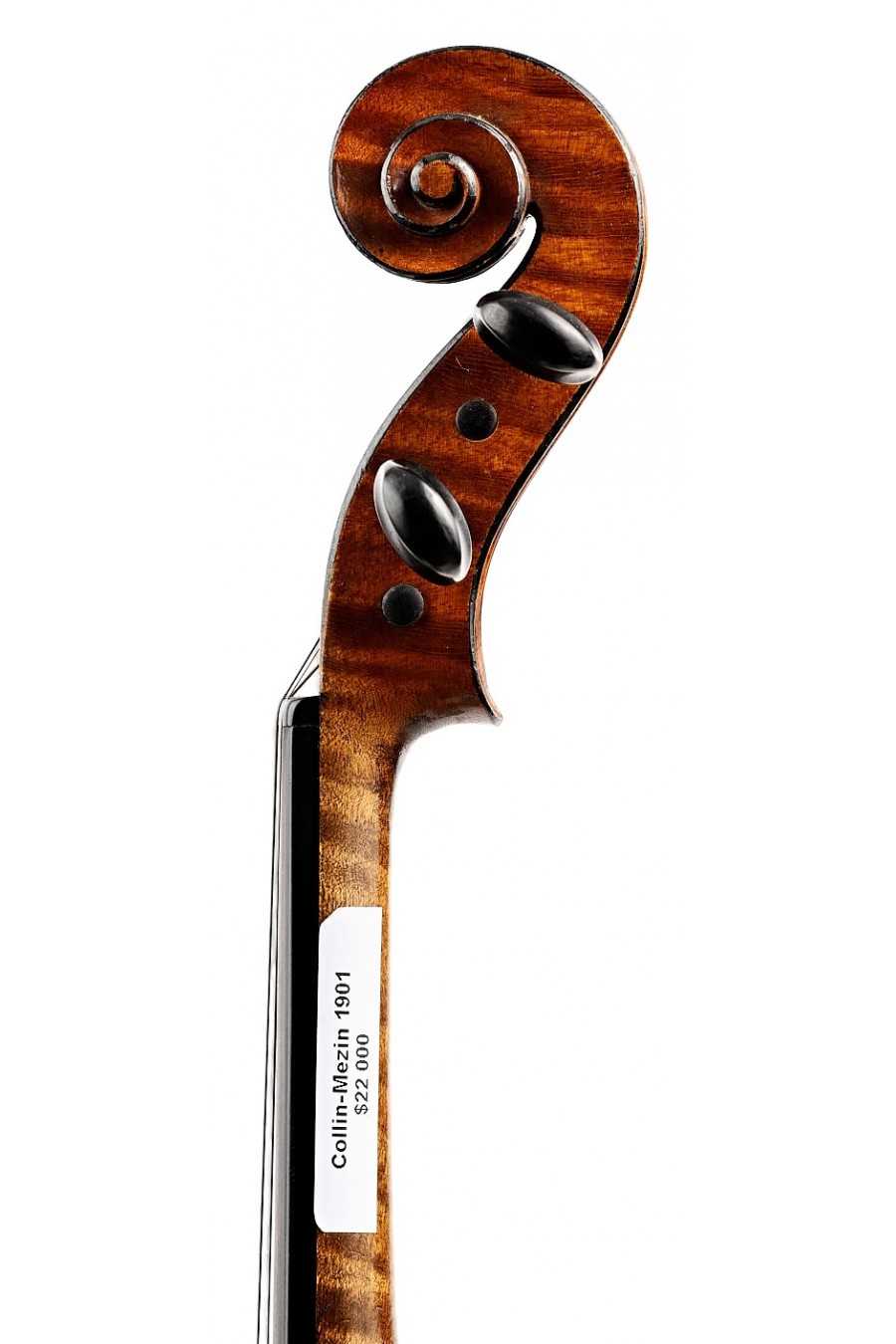
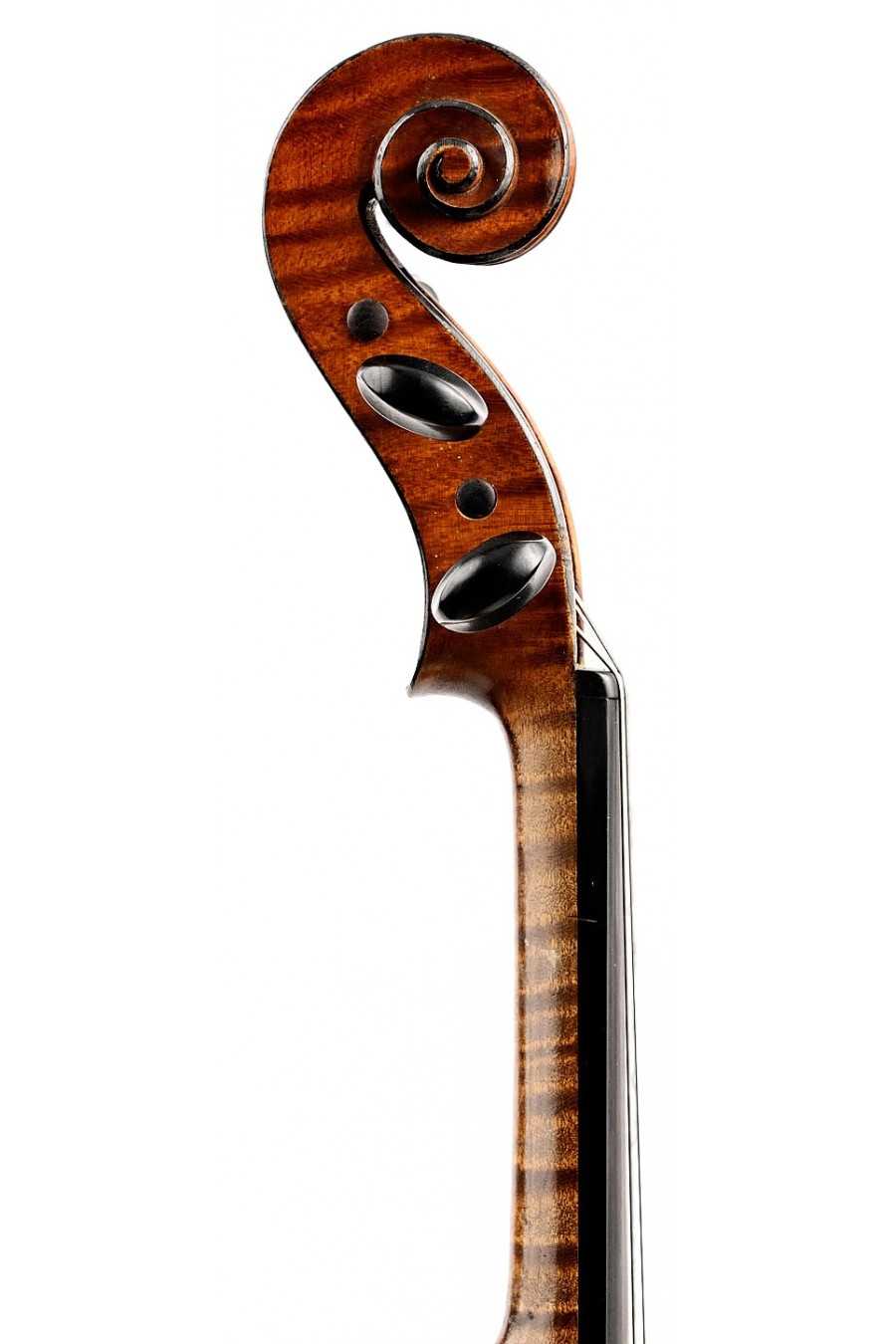
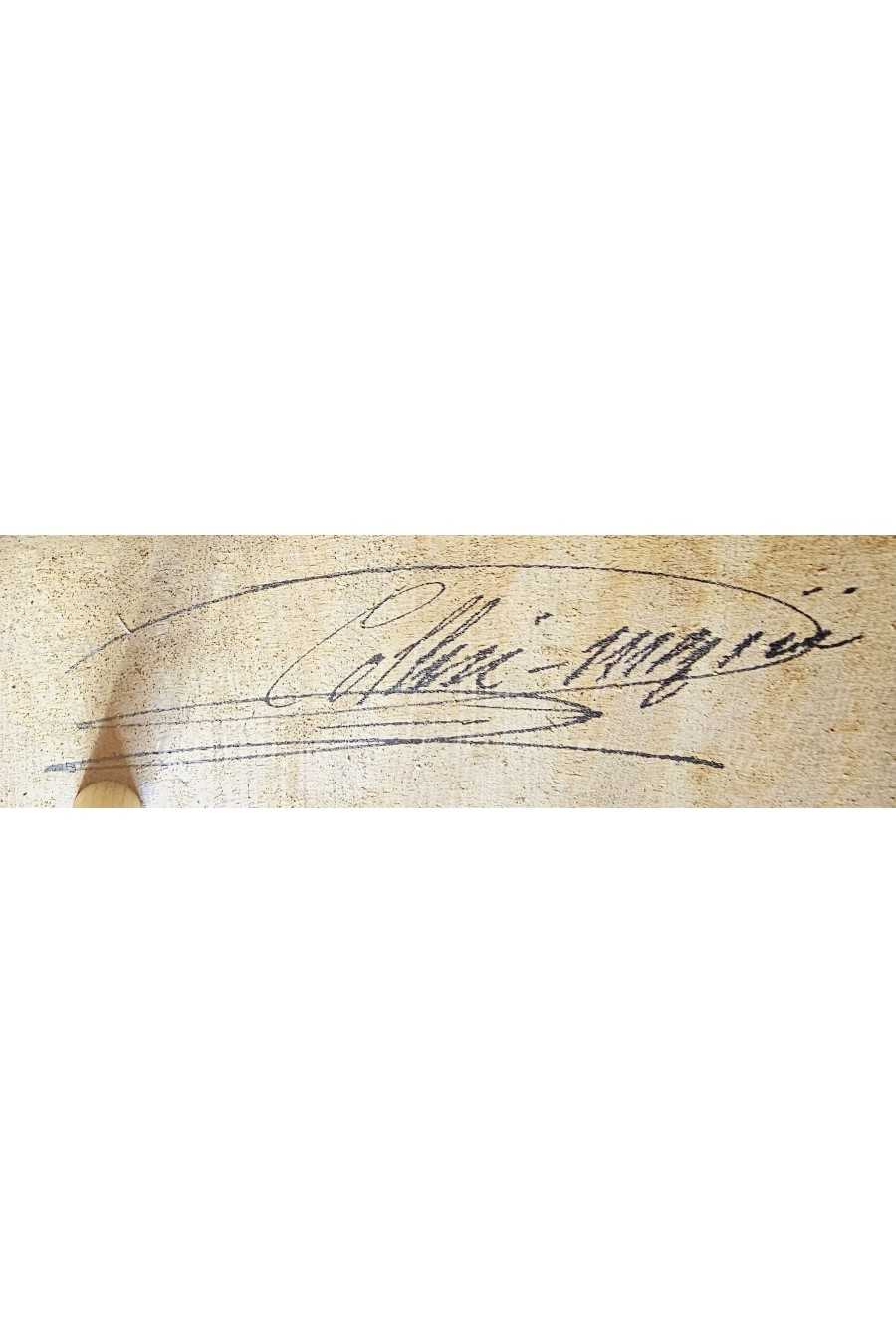
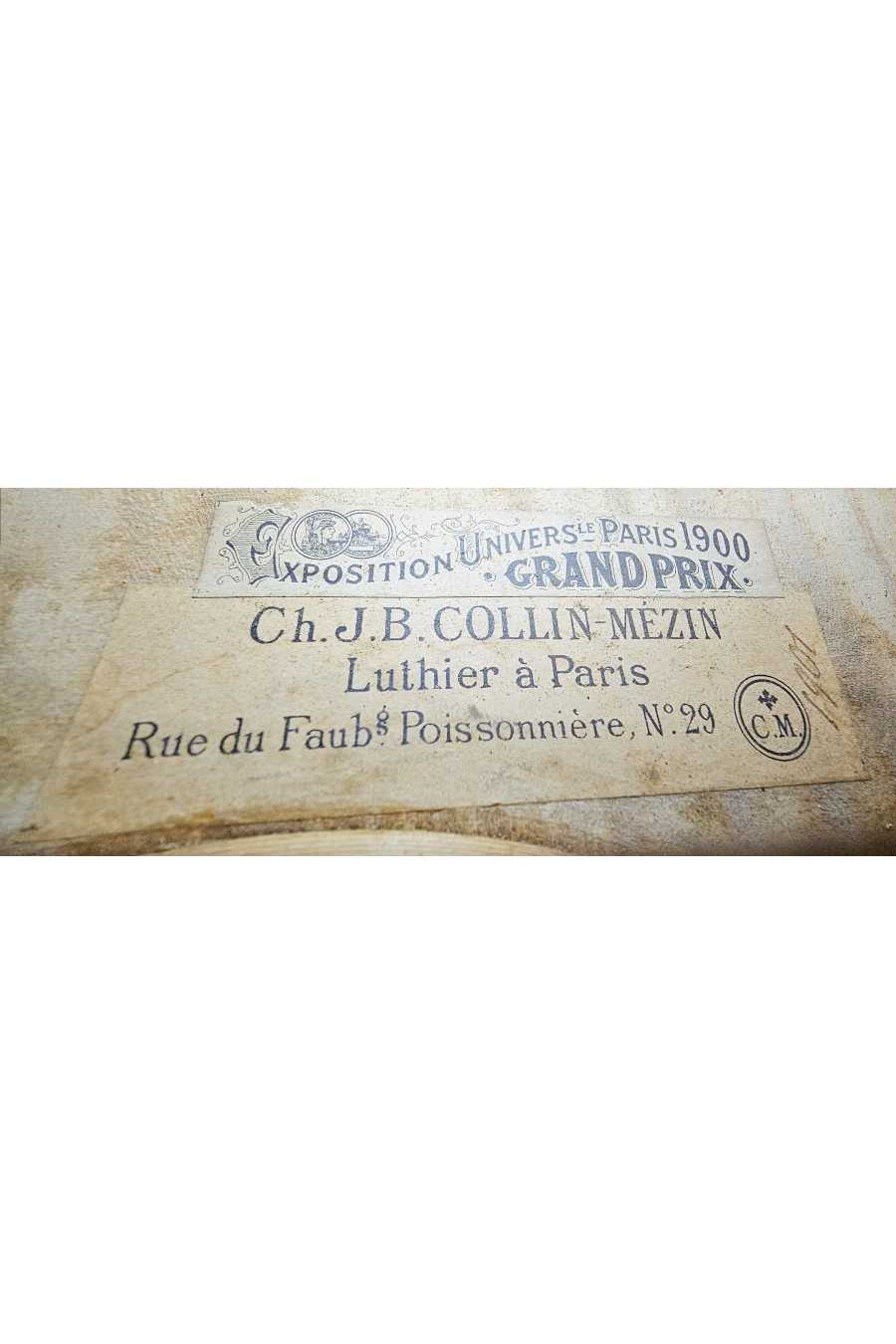
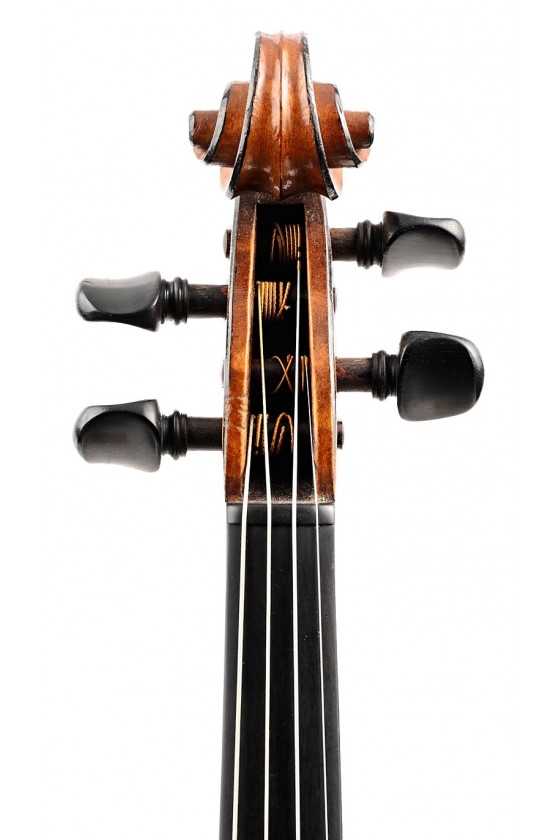
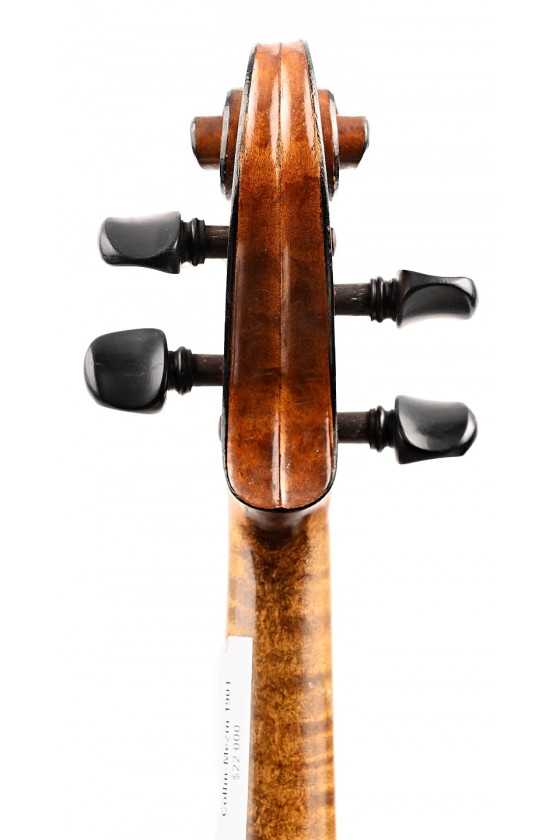
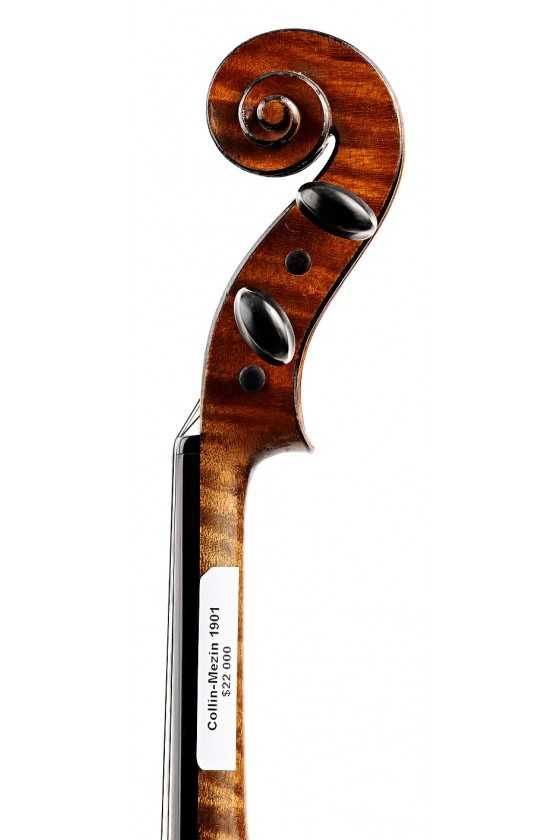
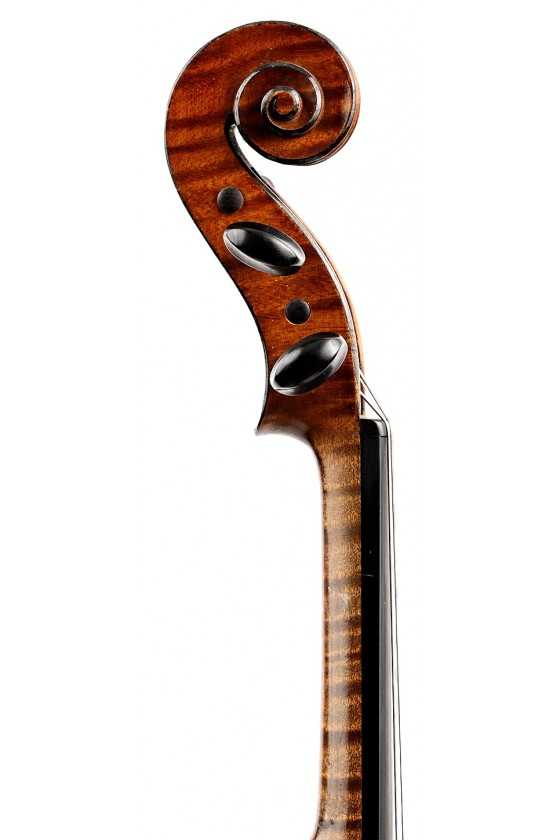
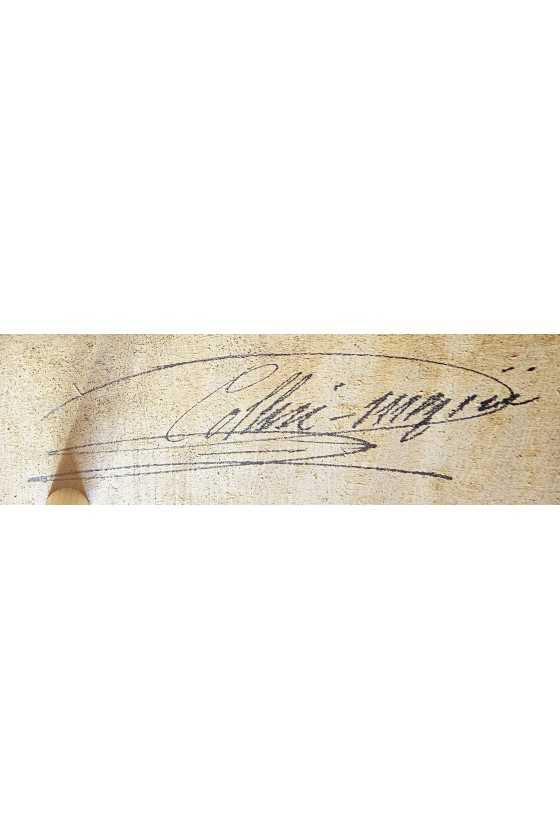
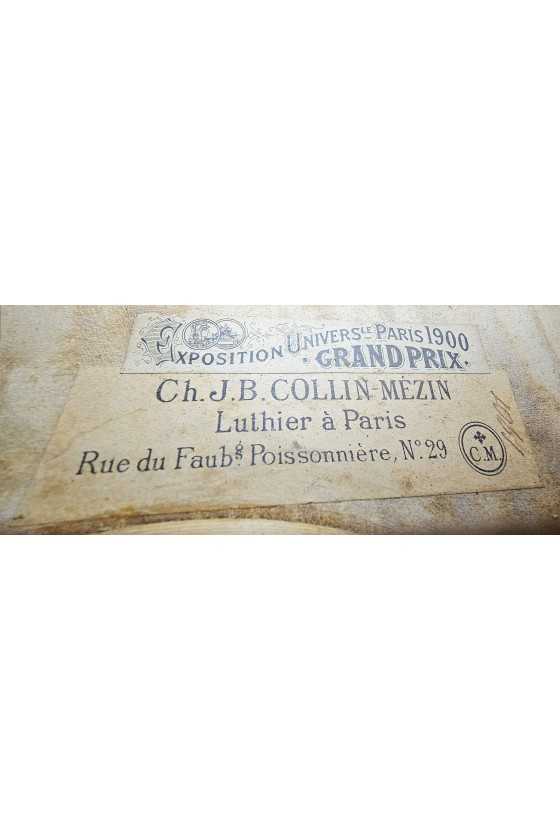
This exceptional French violin is a masterpiece crafted by the renowned luthier Jean Baptiste Colin in Mirecourt, Paris, back in 1901. The violin's exceptional characteristics contribute to the continued popularity of his violins in modern times.

Charles Jean Baptiste Collin-Mezin (1841–1923) was a Parisian luthier who crafted violins, violas, cellos, basses, and bows. He established a name for himself in contemporary circles, noted for his fine craftsmanship and the brilliant tonal qualities of his instruments. This French-born luthier produced instruments in the style of Collin-Mezin or Vuillaume. He began his career as an apprentice to his father before moving to Belgium to work with Nicolas-Francois Vuillaume.
In 1868, Colin moved to Paris and began crafting superior violins. As an Officier de l’Académie des Beaux-Arts, he won gold and silver medals in 1878, 1889, and 1900 at the Paris Exhibitions.
Jean-Baptiste Colin, who produced excellent craftsmanship for many years, primarily in Mirecourt and Paris, passed away in Paris in 1923.
The violin's exceptional characteristics contribute to the continued popularity of his violins in modern times.
This is a Charles Gaillard 1867 Violin. Charles Gaillard was an apprentice of the prominent French violinmaker and restorer, Charles Adolphe Gand.
Ref. F007
This Ryszard Osowski Gold model violin was built in the finest craftsmanship by Ryzard Osowski in Forchheim, Germany, dated 2024.
Ryszard Osowski, born in 1966, is a Polish luthier who moved to Muggendorf, Germany in 1993. Living with his uncle, he learned the local tradition of building stringed instruments and eventually perfected the sound and quality of his instruments after 25 years of experimentation. He now focuses on crafting advanced violins while occasionally creating cellos and violas.
Marc Laberte (1880–1963) was trained as a violin maker and joined the family company in 1911. By 1919, the Laberte firm had around 400 craftsmen and was successful. However, the war in 1942 devastated the business, leading to its closure. Despite this, Laberte was known for his exceptional instruments and bows, earning several honours and medals.
This violin has the original Marc Laberte label and bears the number #3010. A second label states Grand Prix Paris 1931, Exposition Internationale Bruxelles 1935 Membre Du Jury, and Exposition Internationale New York 1939. The prices they won before and during the start of the world war 2.
This is a Charles Claudot Violin. The name Claudot was a popular clan of luthiers in France who have been making violins from the 16th up to the 20th century.
Introducing the Roberto Cavagnoli Violin 2017. Roberto Cavagnoli received many awards including the Silver Medal for tone quality from the Violin Society of America in 2004 and the third prize at the 11th International Competition ‘Triennale’ in Cremona for sound quality.
Check out this Copy of Giuseppe Fiorini violin 1926. Giuseppe Fiorini an Italian luthier, the son and student of Raffaele Fiorini who established the "Rieger and Fiorini" violin-making firm in Munich. A passionate teacher, donating materials and relics to the Municipality of Cremona in order to establish a violin-making school there.
We have here a Lillo Salerno Italian violin made in 2019. Lillo Salerno is an Italian luthier born in Sicily, Italy. He went to Cremona Violin Making School then finished his studies in Mittenwald School of Violin Making in Germany in 2005.
Instrument - Violin
Model- Personalized Stradivari
Top - Italian spruce in two pieces
Back - Balkan maple in two pieces
Scroll - From the same wood as the back
Varnish - Oil and amber with a yellow background, red-brown violin.
Notes - The instrument was made with an antique and shows a black bevel on the scroll and points of the bouts.
Check out the Italian Copy of Geovanni Schwarz violin made about 1920. Geovanni Schwarz was born in 1865 in Padua, Italy who by the influence and tutelage of his uncle Eugenio Degani honed his skills, established his own workshop, and won a gold medal in 1916 in Rome Italy.