Bach Sonata No. 2 in A minor for Solo Violin BWV 1003 by Johann Sebastian Bach is one of the most profound and demanding works in the solo violin repertoire, revered for its emotional depth and monumental fugue.
Key features
• Home to one of the greatest fugues for solo violin
• Dark, introspective, and architecturally powerful
• Demands musical maturity and technical control
• A cornerstone of serious solo violin study
Bach Sonata No. 2 in A minor for Solo Violin BWV 1003 by Johann Sebastian Bach stands at the expressive and architectural heart of Bach’s solo violin cycle; darker in tone and more introspective than the G-minor Sonata, this work explores emotional depth, contrapuntal mastery, and sustained musical tension, culminating in one of the most formidable fugues ever written for the violin and demanding from the performer a rare union of intellectual control, emotional gravity, and technical endurance.
Key features:
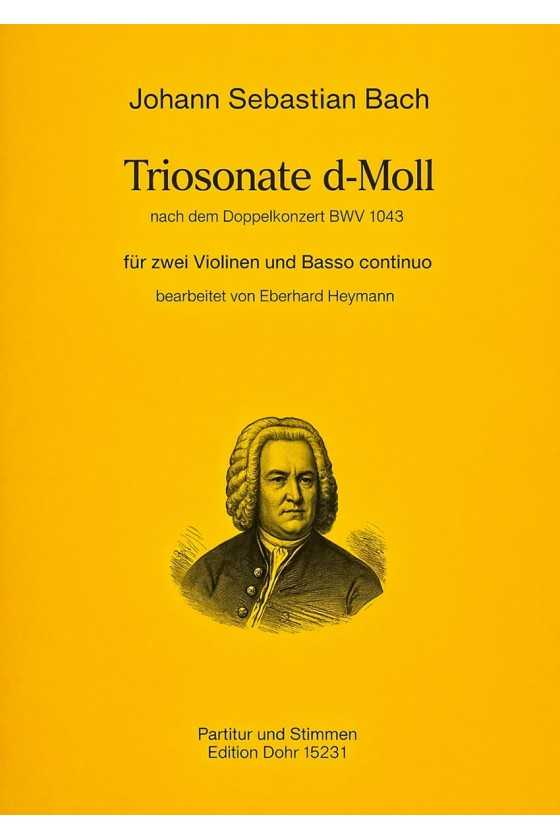
Bach: Three Sonatas in D minor after BWV 1043 by Johann Sebastian Bach, published by Dohr Verlag, transforms Bach’s famous Double Violin Concerto into intimate chamber sonatas rich in dialogue and contrapuntal clarity.
Key features
• A chamber reinterpretation of the Double Violin Concerto
• Emphasizes dialogue, balance, and ensemble unity
• Reveals Bach’s contrapuntal mastery in a new light
• Ideal for advanced violin duos and continuo players
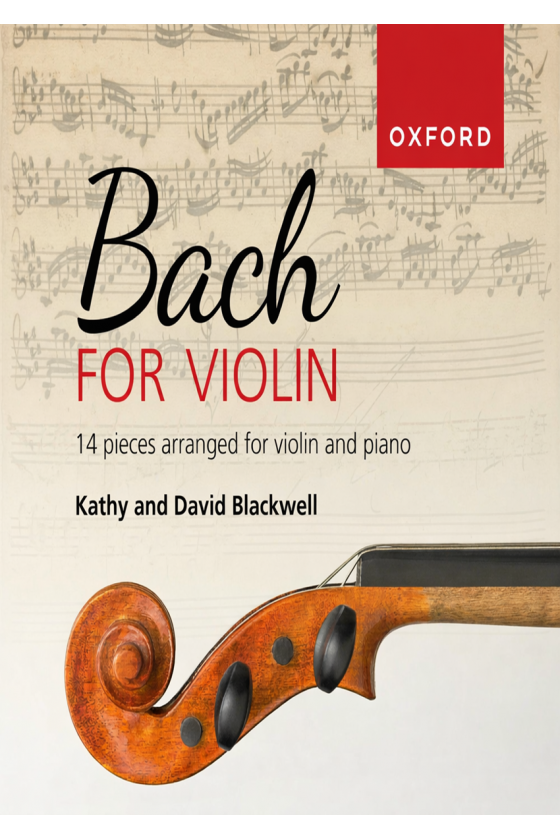
Enjoy Bach for Violin by Kathy and David Blackwell—a collection of 14 varied Bach pieces for upper-intermediate violinists, featuring lively dances, expressive melodies, and helpful background notes.
Key Features:
• 14 pieces arranged for Grades 5–7
• Includes solo, duet, and unaccompanied options
• Lively dances, chorales, and iconic works
• Background and style notes for each piece
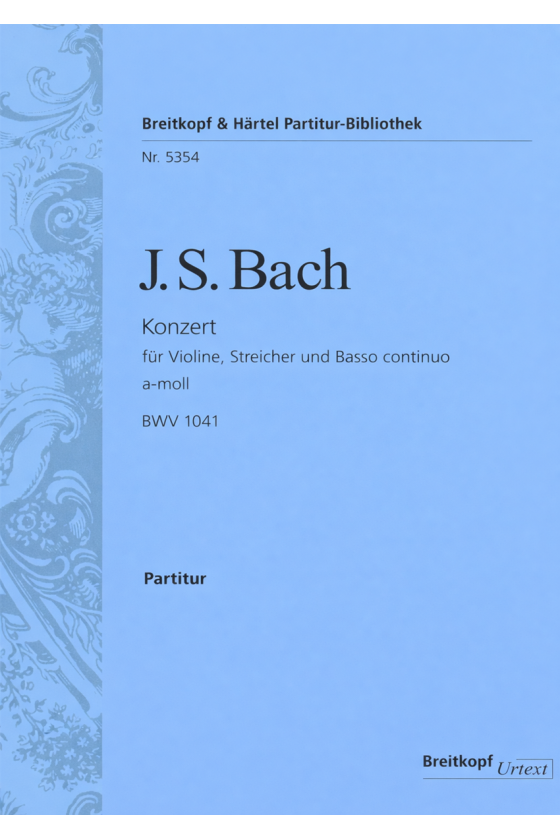
Bach Violin Concerto in A minor BWV 1041 by Johann Sebastian Bach, published by Breitkopf & Härtel, is a concentrated and expressive Baroque concerto celebrated for its intensity, balance, and refined violin writing.
Key features
• Inward, dramatically focused concerto
• Develops Baroque articulation and rhythmic clarity
• Combines lyrical depth with energetic finale writing
• Essential Bach repertoire for serious violinists
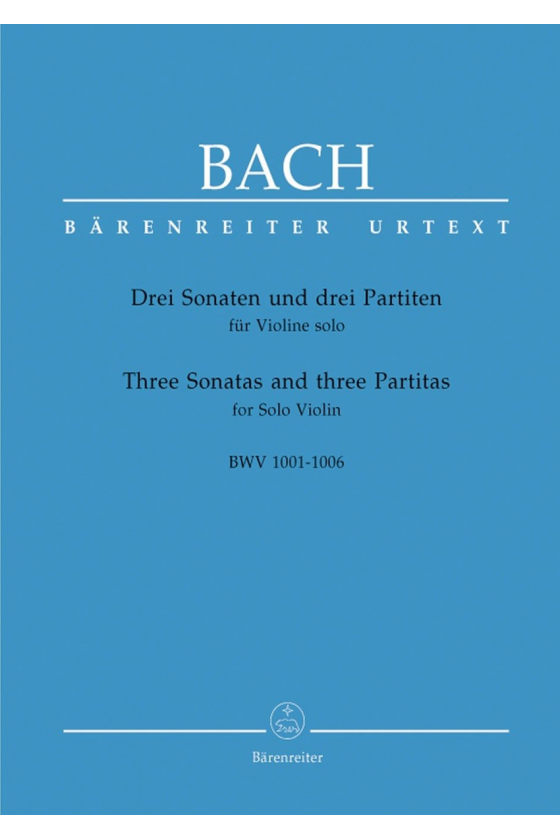
Bach’s Three Sonatas and Three Partitas for solo violin (Barenreiter edition) offer:
• Authentic urtext edition reflecting Bach’s original intentions
• Composed in 1720, a pinnacle of violin repertoire
• Renowned for technical challenge and expressive depth
• Clear notation and helpful editorial notes
• Suitable for students and professionals alike
Bach Concerto No. 1 in A minor BWV 1041 for Violin and Piano by Johann Sebastian Bach is a powerful and inward Baroque concerto that rewards clarity, balance, and expressive depth.
Key features
• Dramatically concentrated and expressive
• Develops Baroque articulation and rhythmic precision
• Combines lyrical depth with energetic finale writing
• Essential repertoire for serious violinists
Bach Six Sonatas for Violin and Obbligato Harpsichord – Sonatas Nos. 1–3 by Johann Sebastian Bach, published by Bärenreiter, offers a profound chamber music experience built on equality, dialogue, and contrapuntal mastery.
Key features
• A true chamber partnership, not solo with accompaniment
• Rich contrapuntal texture and shared musical responsibility
• Develops ensemble listening and stylistic refinement
• Essential Bach repertoire for violin and keyboard players
Bach Violin Concerto in E major BWV 1042 by Johann Sebastian Bach, published by G. Henle Verlag, is a radiant Baroque concerto that combines brilliance, rhythmic vitality, and refined lyricism in a pristine Urtext edition.
Key features
• Bright, joy-filled concerto with strong rhythmic drive
• Urtext clarity allowing personal interpretative freedom
• Balances brilliance with elegance and poise
• A cornerstone of the Bach violin concerto repertoire