Bach Six Sonatas for Violin and Obbligato Harpsichord – Sonatas Nos. 1–3 by Johann Sebastian Bach, published by Bärenreiter, offers a profound chamber music experience built on equality, dialogue, and contrapuntal mastery.
Key features
• A true chamber partnership, not solo with accompaniment
• Rich contrapuntal texture and shared musical responsibility
• Develops ensemble listening and stylistic refinement
• Essential Bach repertoire for violin and keyboard players
Bach Six Sonatas for Violin and Obbligato Harpsichord – Sonatas Nos. 1–3 by Johann Sebastian Bach, published by Bärenreiter, presents the first three sonatas of Bach’s revolutionary set for violin and obbligato harpsichord, works that redefine chamber music by granting both instruments full equality; far from a soloist-with-continuo model, these sonatas unfold as intricate musical dialogues in which violin and keyboard share thematic responsibility, contrapuntal complexity, and expressive depth, offering performers an experience closer to intimate chamber music than traditional Baroque accompaniment.
Key features:
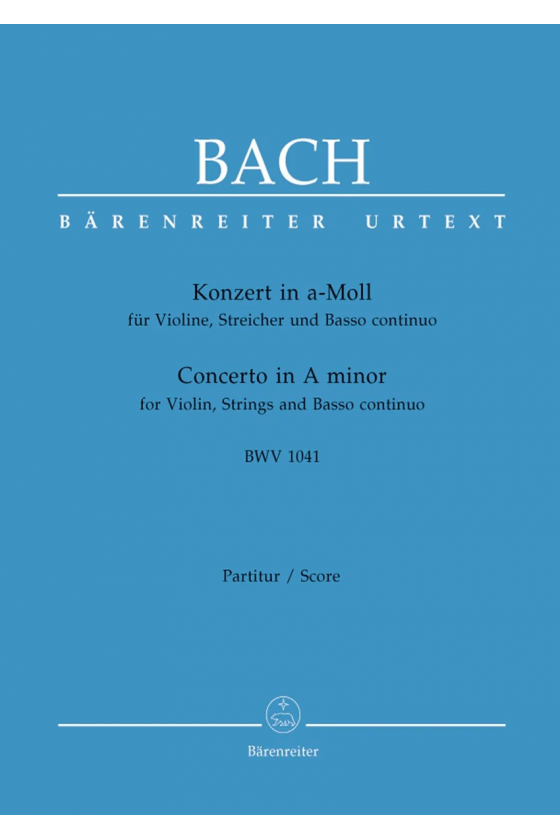
Johann Sebastian Bach, Violin Concerto in A Minor BWV 1041. Arranged by Martin Schelhaas. Edited by Dietrich Kilian. Published by Baerenreiter.
Discover the timeless allure of J.S. Bach’s Violin Concerto in A Minor, BWV 1041—a masterwork of the Baroque era composed during Bach’s renowned Köthen period (1717–1723). Opening with an Allegro moderato that brims with lively energy and interplay between solo violin and orchestra, the concerto continues with a lyrical Andante. It culminates in an Allegro assai, bursting with technical brilliance and rhythmic vitality. Celebrated for its expressive melodies, inventiveness, and lasting appeal, this concerto is an essential addition to any concert program or personal collection—immerse yourself in one of classical music’s most cherished works.
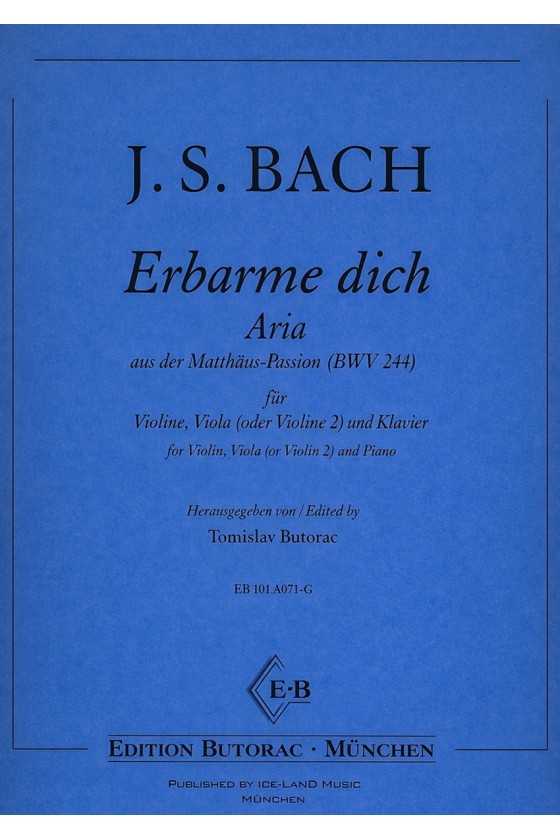
Bach: Erbarme dich for Violin & Viola or Two Violins and Piano by Johann Sebastian Bach, published by Editio Musica Budapest, is a deeply moving sacred transcription that highlights lyrical expression, ensemble unity, and emotional honesty.
Key features
• Profoundly expressive and prayer-like
• Focuses on tone, phrasing, and shared musical breathing
• Ideal for reflective and sacred performances
• A timeless Bach masterpiece of compassion and humility
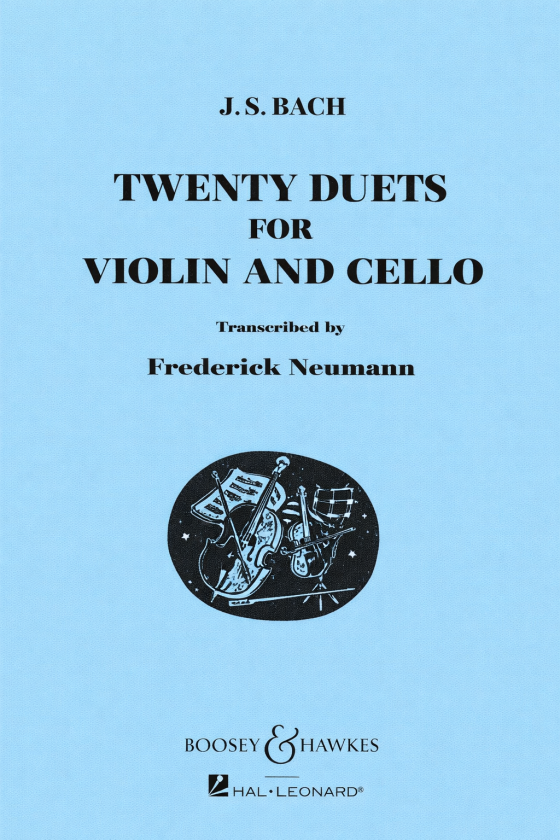
Bach Twenty Duets for Violin and Cello by Johann Sebastian Bach, published by Boosey & Hawkes, is a charming and instructive collection that develops ensemble skills through elegant musical conversation.
Key features
• A true chamber-music dialogue for violin and cello
• Builds listening skills and stylistic clarity
• Accessible yet musically rich Bach repertoire
• Ideal for study, teaching, and performance
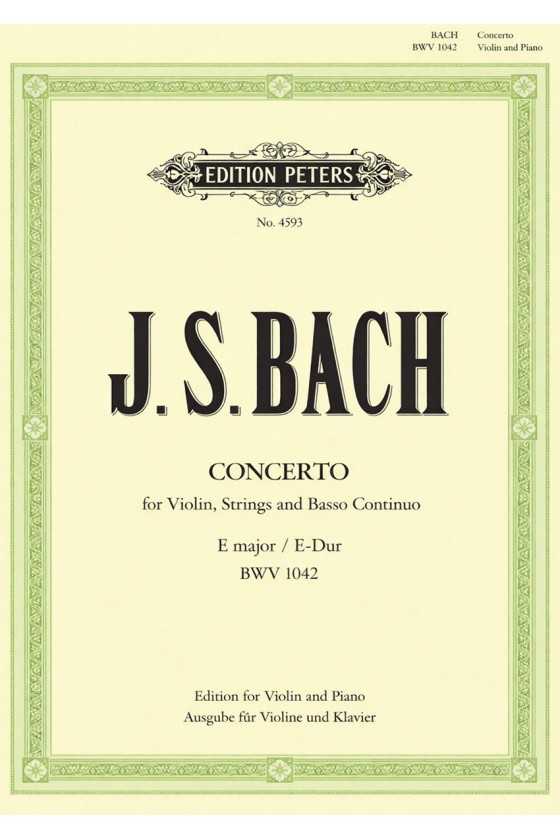
Bach Violin Concerto in E major BWV 1042 for Violin and Piano by Johann Sebastian Bach, published by Edition Peters, is a radiant Baroque concerto celebrated for its rhythmic vitality, elegance, and expressive clarity.
Key features
• Bright, joy-filled concerto with dance-like energy
• Develops stylistic clarity and refined articulation
• Balances brilliance with poise and restraint
• Essential repertoire for serious Bach interpretation
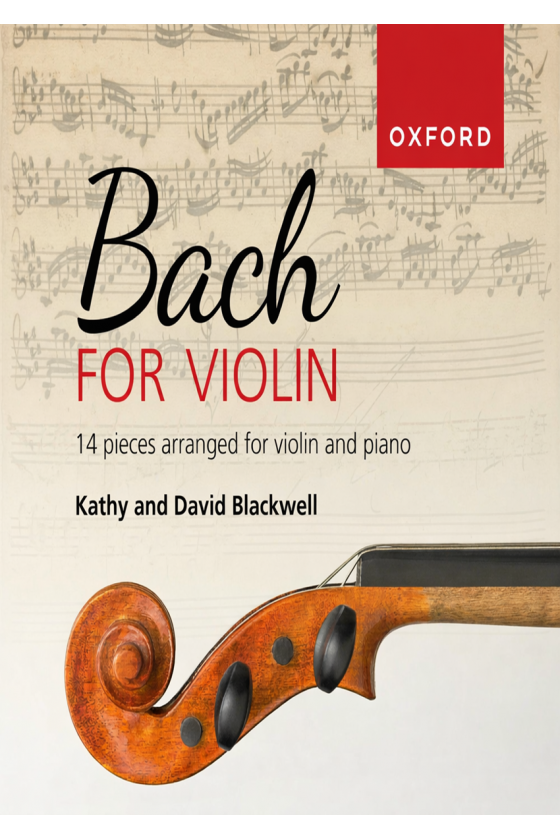
Enjoy Bach for Violin by Kathy and David Blackwell—a collection of 14 varied Bach pieces for upper-intermediate violinists, featuring lively dances, expressive melodies, and helpful background notes.
Key Features:
• 14 pieces arranged for Grades 5–7
• Includes solo, duet, and unaccompanied options
• Lively dances, chorales, and iconic works
• Background and style notes for each piece
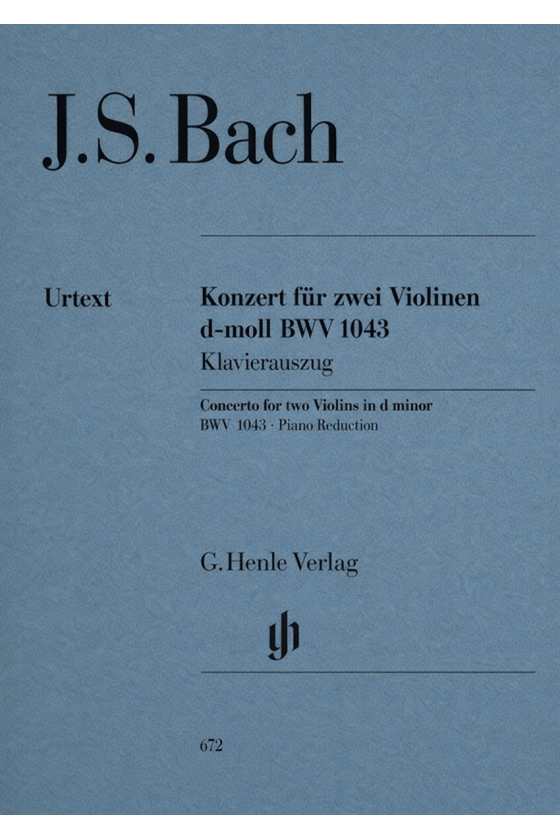
Bach Concerto in D minor BWV 1043 for Two Violins and Orchestra by Johann Sebastian Bach, published by G. Henle Verlag, is a masterwork of musical conversation, celebrated for its lyrical beauty and perfectly balanced dialogue between two solo violins.
Key features
• One of the greatest double concertos ever written
• Renowned for its intimate, expressive slow movement
• Develops ensemble unity and musical dialogue
• Essential Baroque repertoire for serious violinists
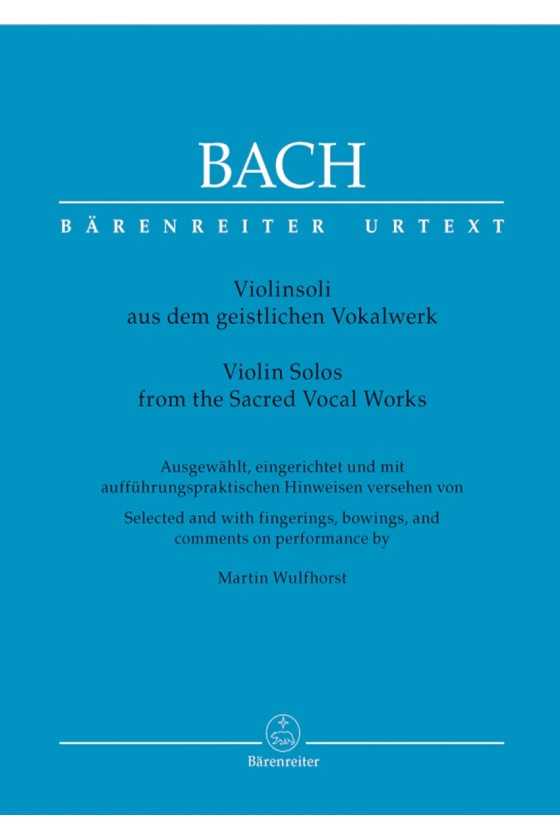
Bach: Violin Solos from the Sacred Vocal Works by Johann Sebastian Bach is a deeply reflective collection that reveals the violin’s role as a spiritual and vocal voice within Bach’s sacred music.
Key features
• Lyrical, vocal-inspired violin writing
• Rich in spiritual and emotional depth
• Focuses on tone, phrasing, and expressive sincerity
• Ideal for reflective recital and study repertoire
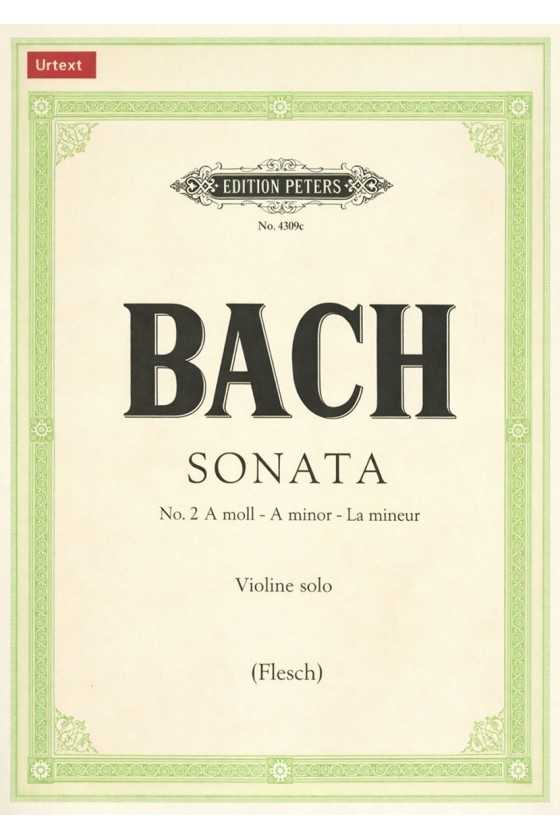
Bach Sonata No. 2 in A minor for Solo Violin BWV 1003 by Johann Sebastian Bach is one of the most profound and demanding works in the solo violin repertoire, revered for its emotional depth and monumental fugue.
Key features
• Home to one of the greatest fugues for solo violin
• Dark, introspective, and architecturally powerful
• Demands musical maturity and technical control
• A cornerstone of serious solo violin study