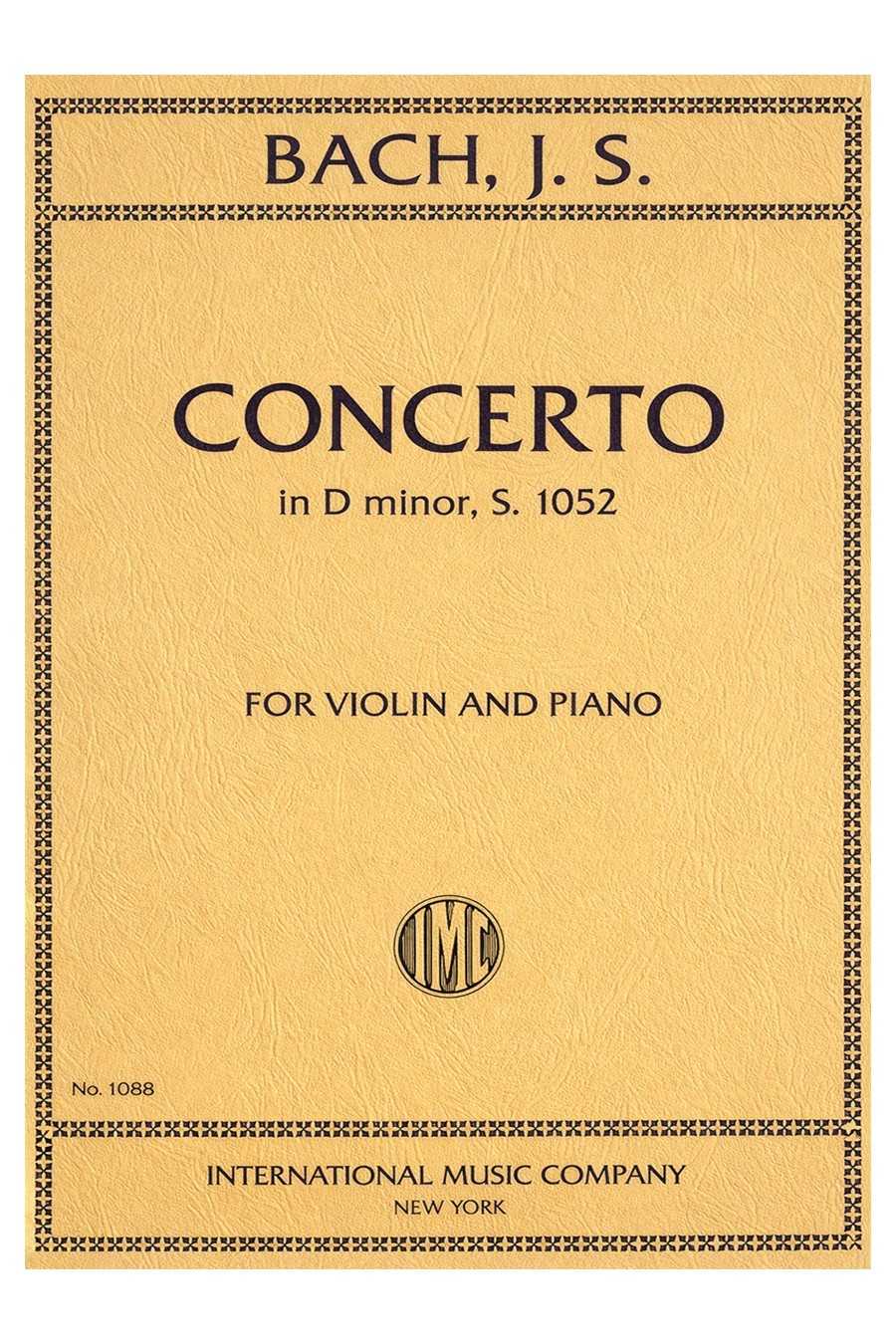
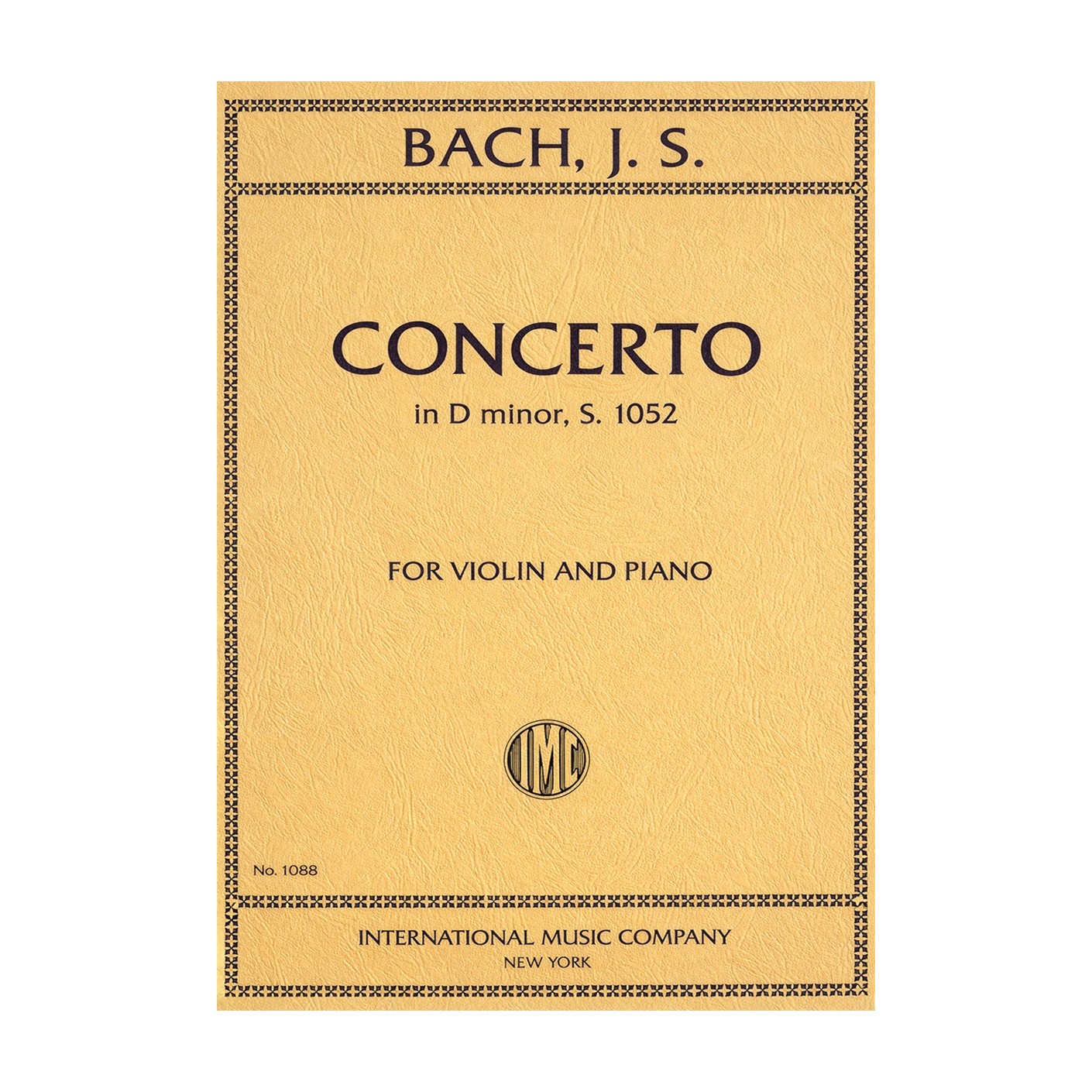
Bach Concerto in D minor for Violin by Johann Sebastian Bach, published by International Music Company, is a compelling and virtuosic Baroque concerto whose debated origins add intellectual depth to its powerful musical impact.
Key features
• A concerto surrounded by fascinating scholarly debate
• Brims with virtuosic, violin-friendly writing
• Rich in contrapuntal intensity and rhythmic drive
• Ideal for advanced violinists seeking depth beyond technique
Bach Concerto in D minor for Violin by Johann Sebastian Bach, published by International Music Company, is presented in a refined violin-and-piano edition edited by Reitz and Mostras, and revised by Waldo Lyman; this concerto occupies a fascinating place in Bach scholarship, long debated as either a reconstruction of a lost violin concerto or a work conceived originally for keyboard, and its virtuosic figuration, rich counterpoint, and intense rhythmic drive offer violinists a compelling blend of intellectual challenge and expressive power within the Baroque concerto tradition.
Key features:
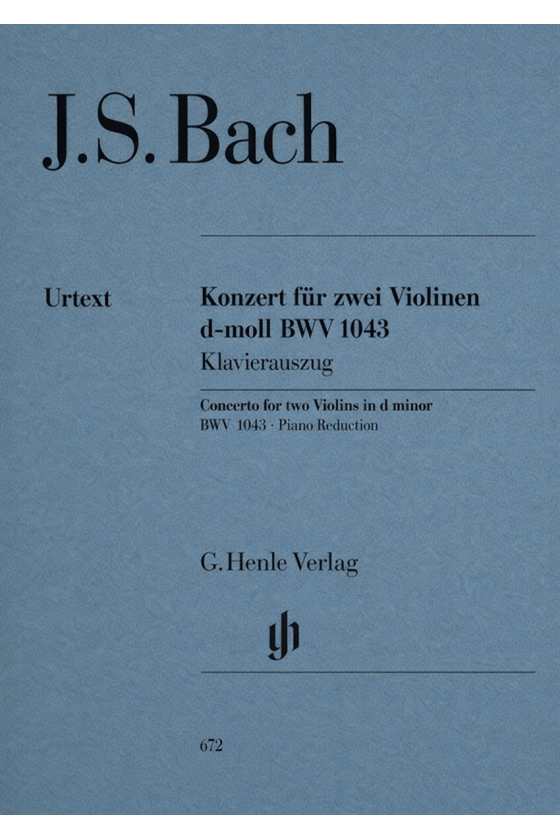
Bach Concerto in D minor BWV 1043 for Two Violins and Orchestra by Johann Sebastian Bach, published by G. Henle Verlag, is a masterwork of musical conversation, celebrated for its lyrical beauty and perfectly balanced dialogue between two solo violins.
Key features
• One of the greatest double concertos ever written
• Renowned for its intimate, expressive slow movement
• Develops ensemble unity and musical dialogue
• Essential Baroque repertoire for serious violinists
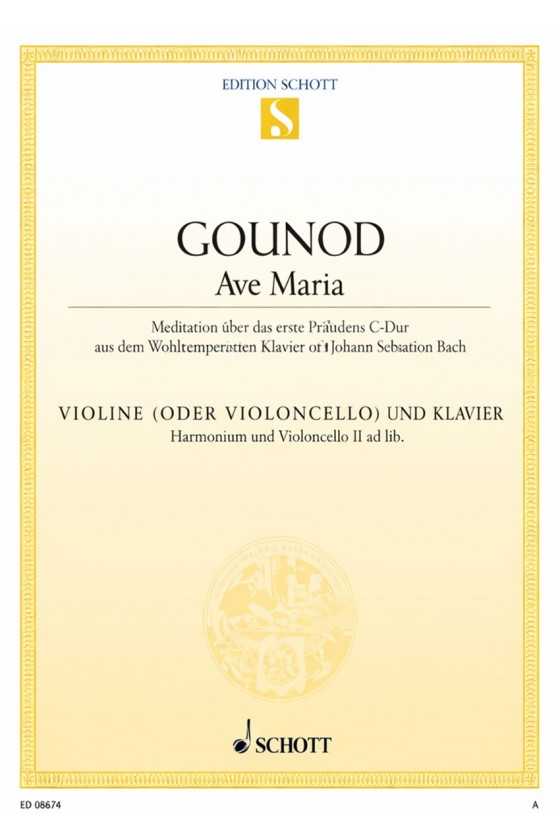
Ave Maria by Charles Gounod, based on music by Johann Sebastian Bach, and published by Schott Music, is a timeless sacred classic that highlights the violin’s singing voice and expressive purity.
Key features
• Lyrical, vocal-inspired violin writing
• Calm, prayerful, and emotionally resonant
• Ideal for sacred and ceremonial performances
• A universally loved and deeply moving classic
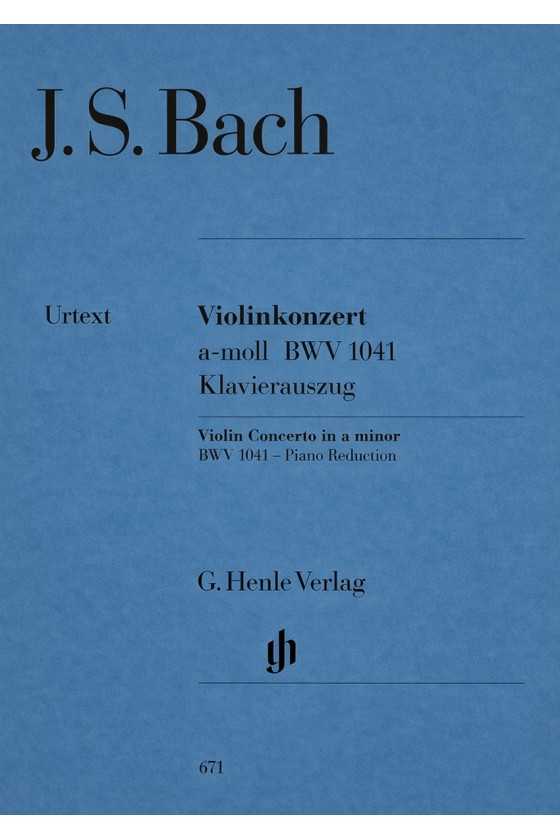
Bach Violin Concerto in A minor BWV 1041 by Johann Sebastian Bach, published by G. Henle Verlag, is a refined and expressive Baroque concerto that rewards clarity, balance, and musical depth.
Key features
• Inward, dramatically concentrated concerto
• Urtext clarity supporting personal interpretation
• Develops Baroque articulation and rhythmic precision
• A cornerstone of serious Bach concerto repertoire
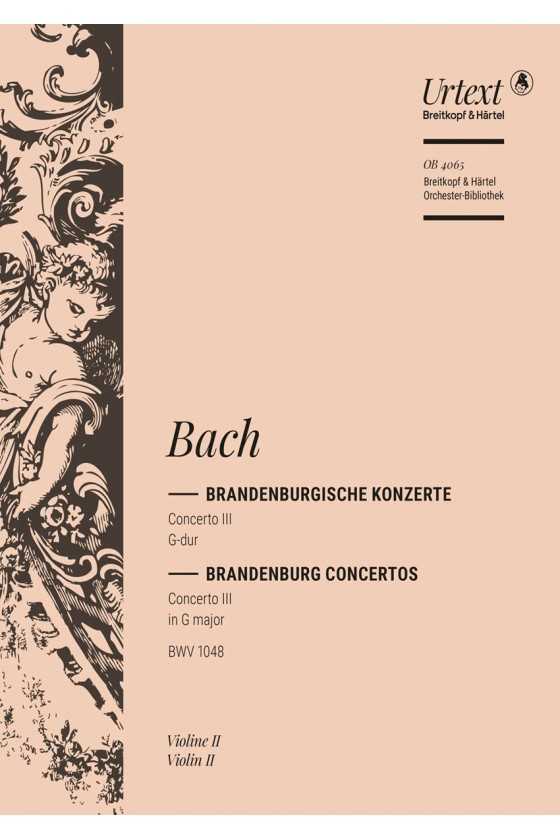
Bach: Brandenburg Concerto No. 3 in G major BWV 1048 – Violin II Part by Johann Sebastian Bach, published by Breitkopf & Härtel, offers an engaging and demanding inner-voice role within one of Bach’s most energetic and innovative concertos.
Key features
• A fully engaged inner voice, not secondary accompaniment
• Central to rhythmic drive and contrapuntal texture
• Builds ensemble precision and listening skills
• Essential experience in Bach’s most forward-thinking orchestral writing
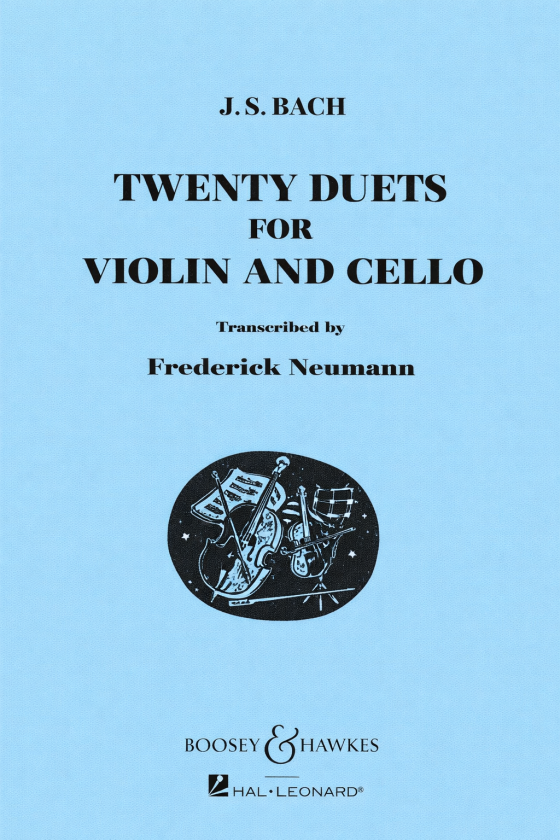
Bach Twenty Duets for Violin and Cello by Johann Sebastian Bach, published by Boosey & Hawkes, is a charming and instructive collection that develops ensemble skills through elegant musical conversation.
Key features
• A true chamber-music dialogue for violin and cello
• Builds listening skills and stylistic clarity
• Accessible yet musically rich Bach repertoire
• Ideal for study, teaching, and performance
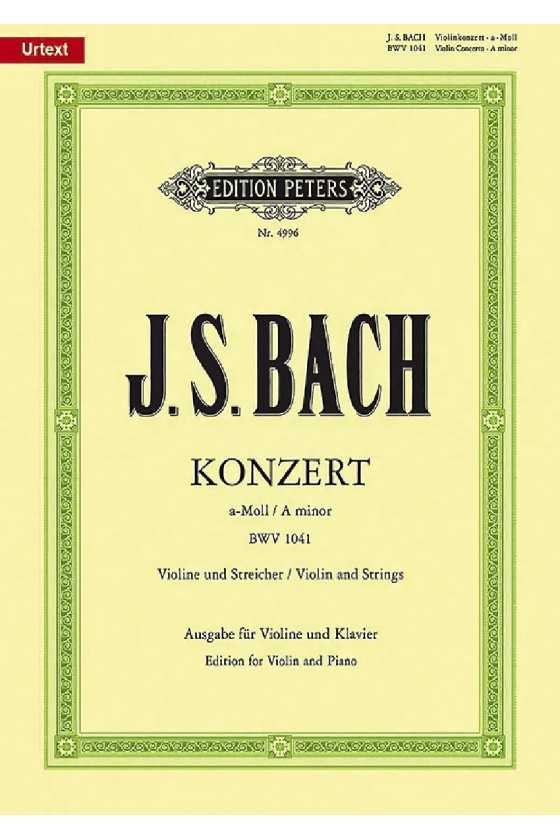
Bach Violin Concerto in A minor BWV 1041 for Violin and Piano by Johann Sebastian Bach, published by Edition Peters, is a concentrated and expressive Baroque concerto that rewards clarity, balance, and interpretative maturity.
Key features
• Dramatically focused and inward concerto
• Develops Baroque articulation and rhythmic precision
• Balances lyrical depth with energetic finale writing
• Essential repertoire for serious Bach interpretation
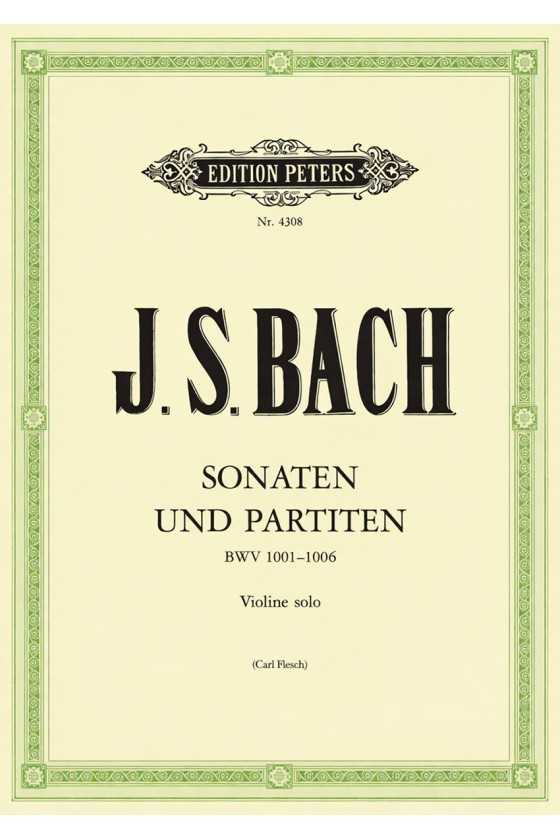
Bach Sonatas and Partitas for Solo Violin BWV 1001–1006 by Johann Sebastian Bach, edited by Carl Flesch and published by Edition Peters, is a landmark edition of Bach’s solo violin masterpieces shaped by one of the great analytical minds in violin history.
Key features
• The cornerstone of solo violin literature
• Guided by Carl Flesch’s authoritative, structure-driven insight
• Emphasizes clarity, balance, and polyphonic control
• Essential for serious, long-term artistic study
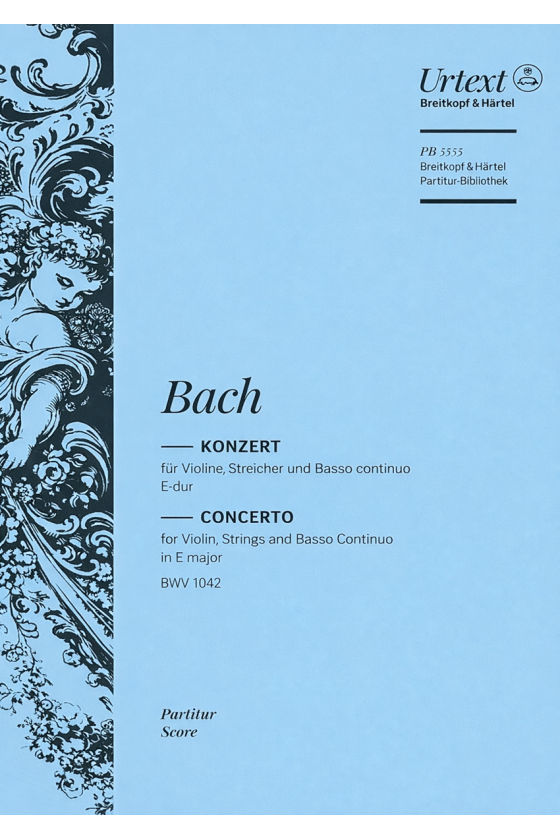
Bach Violin Concerto in E major BWV 1042 by Johann Sebastian Bach, published by Breitkopf & Härtel, is a radiant Baroque concerto celebrated for its rhythmic vitality, elegant violin writing, and expressive balance.
Key features
• Bright, joy-filled concerto with dance-like energy
• Develops stylistic clarity and elegant articulation
• Balances brilliance with poise and musical restraint
• A cornerstone work of the Bach violin concerto repertoire