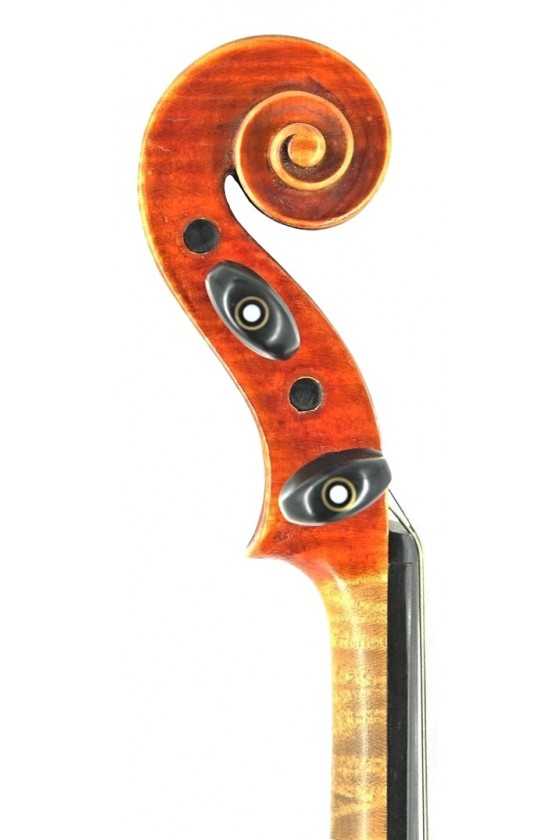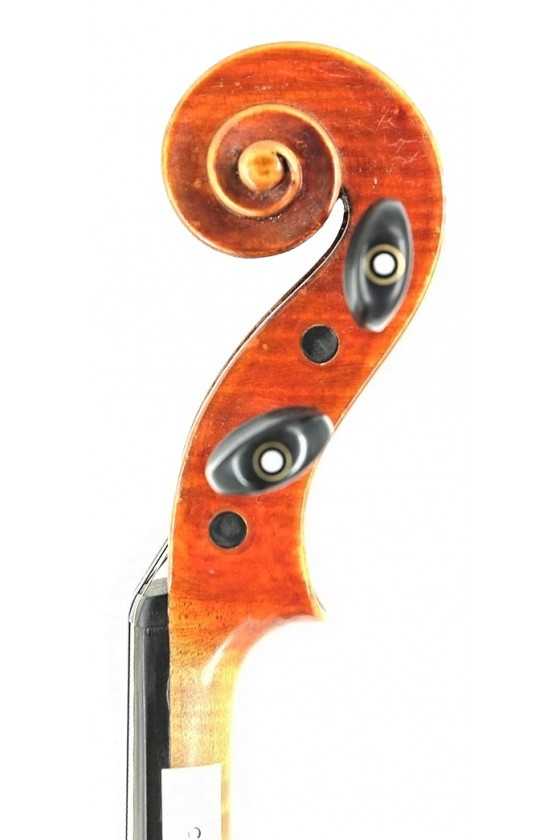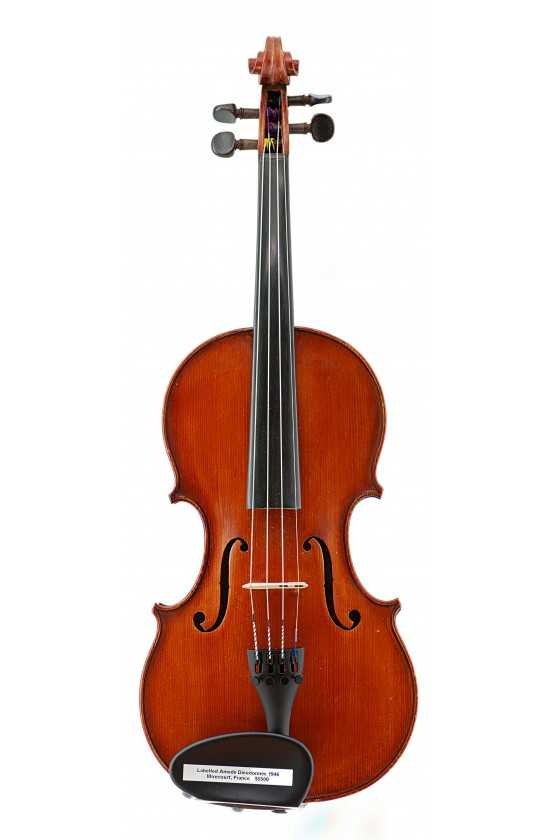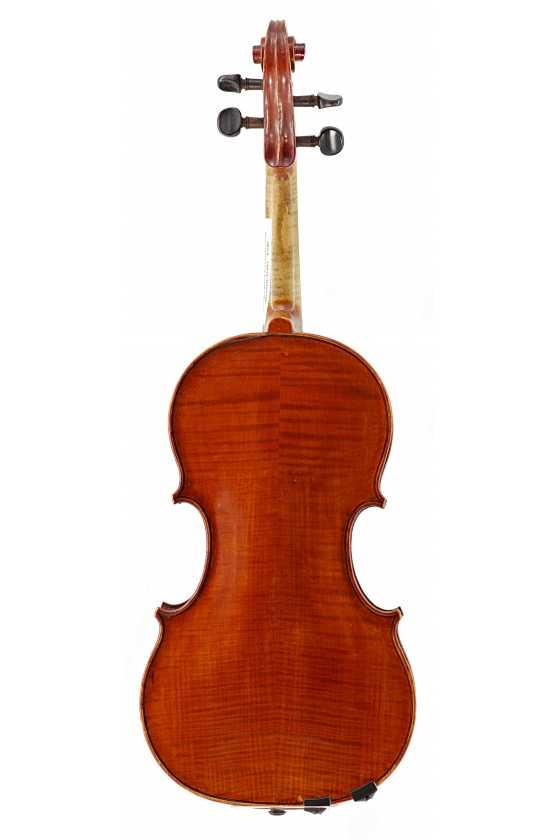
- SOLD
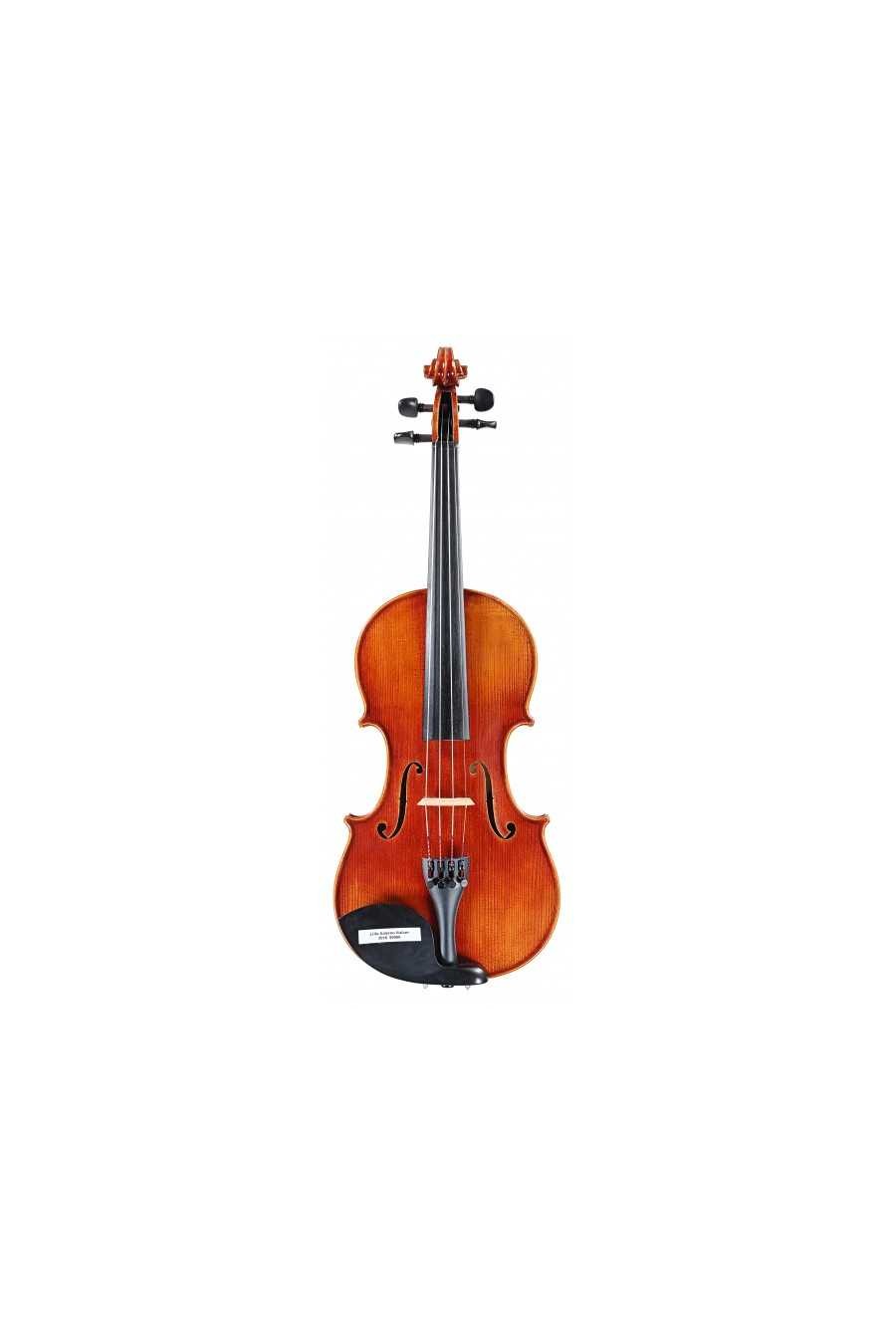
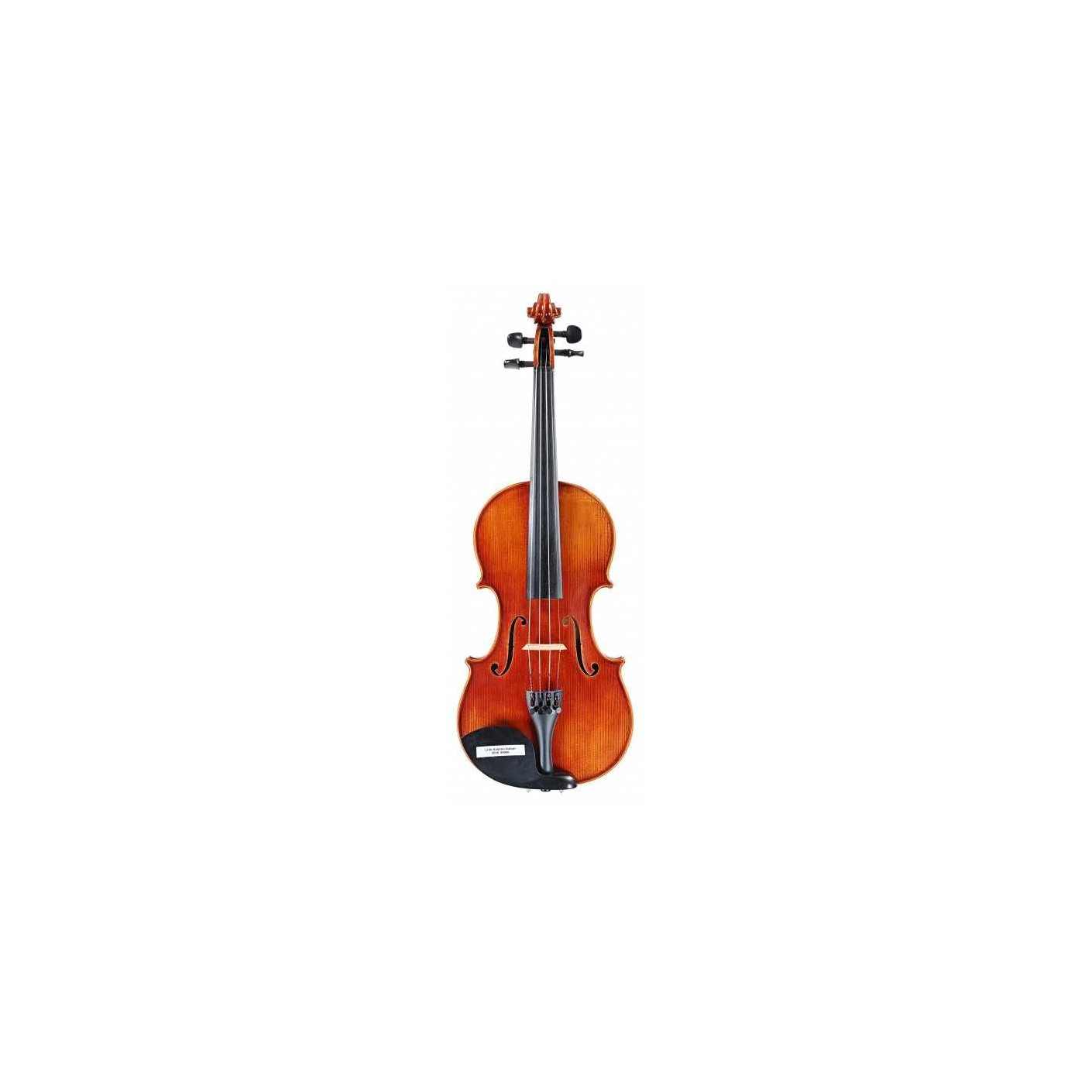
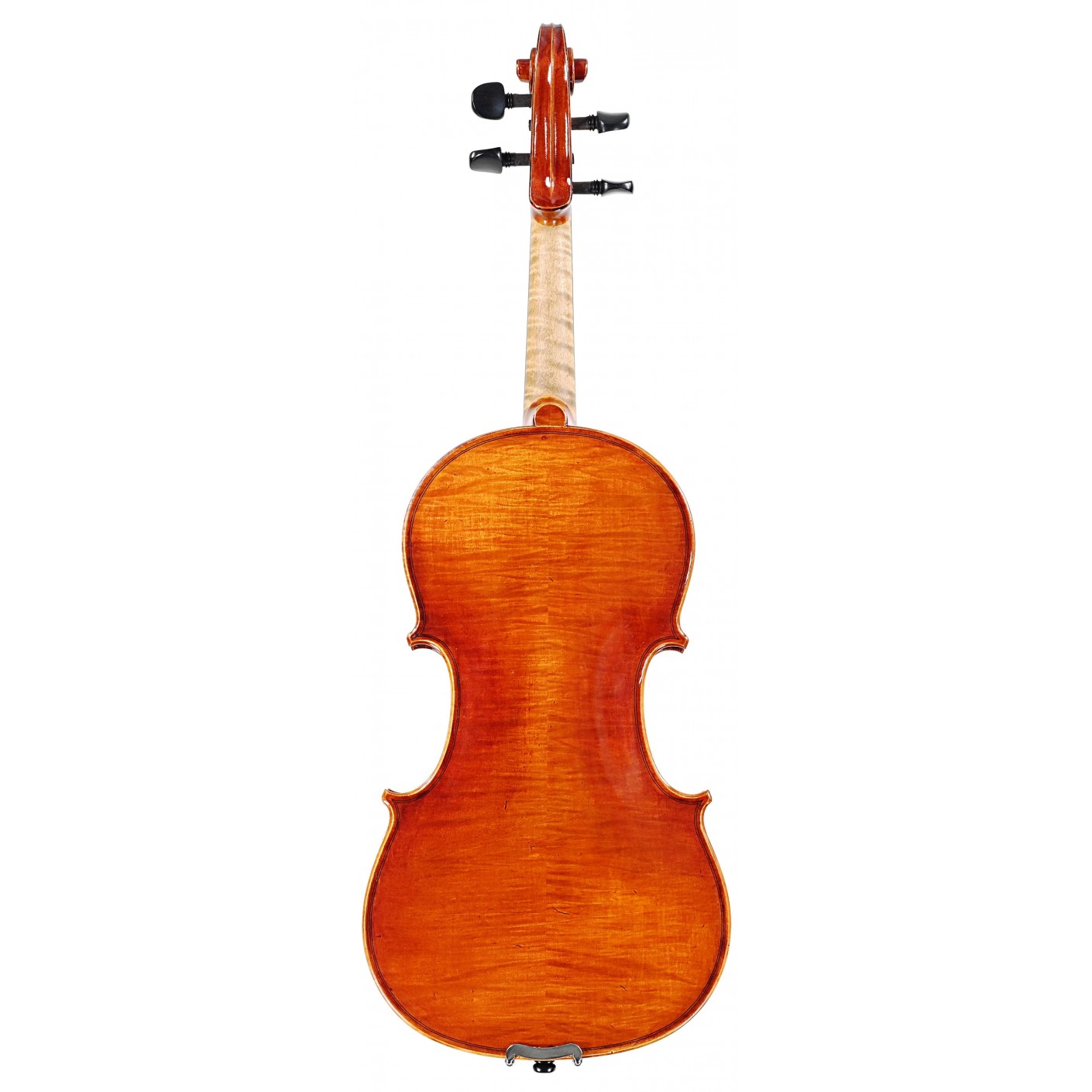
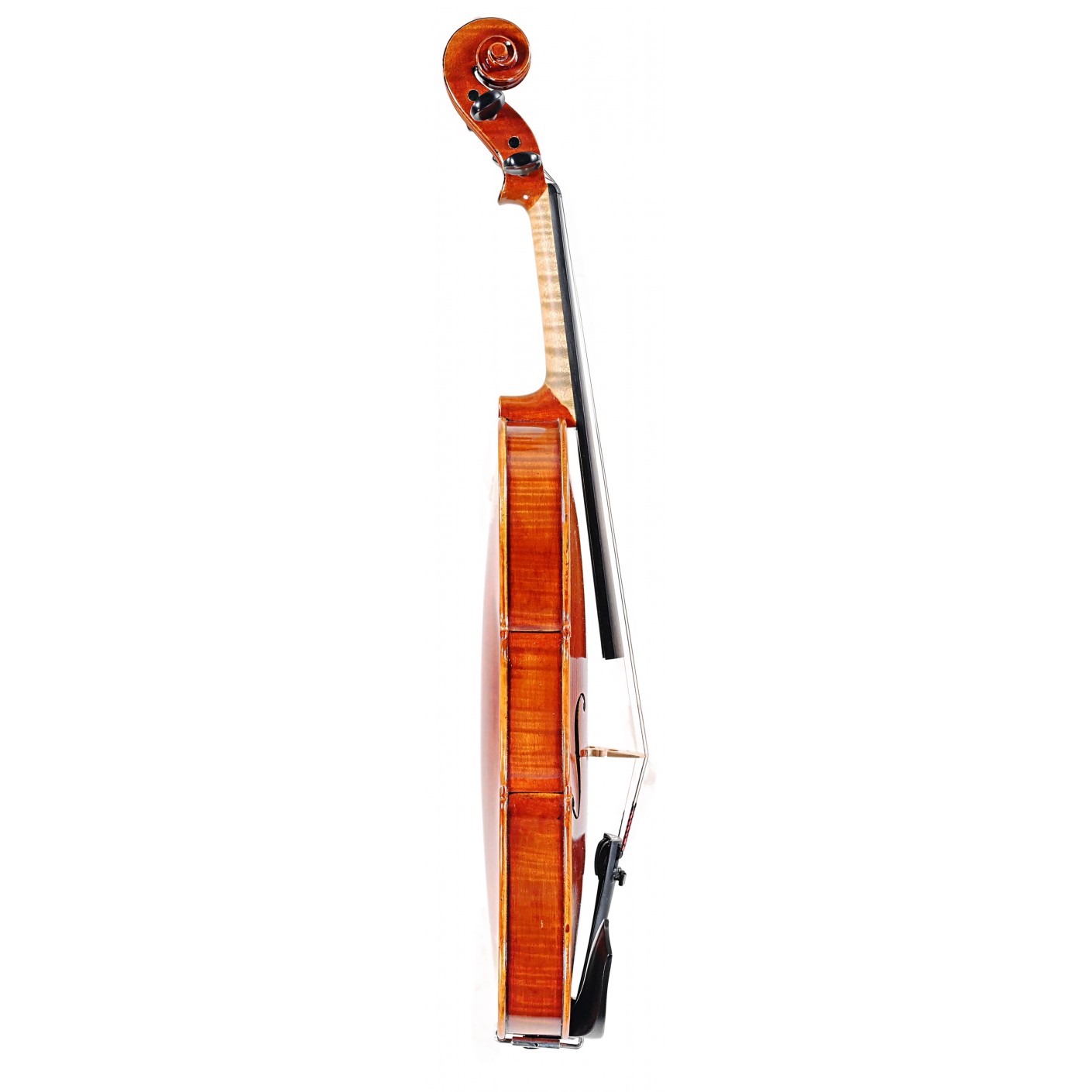
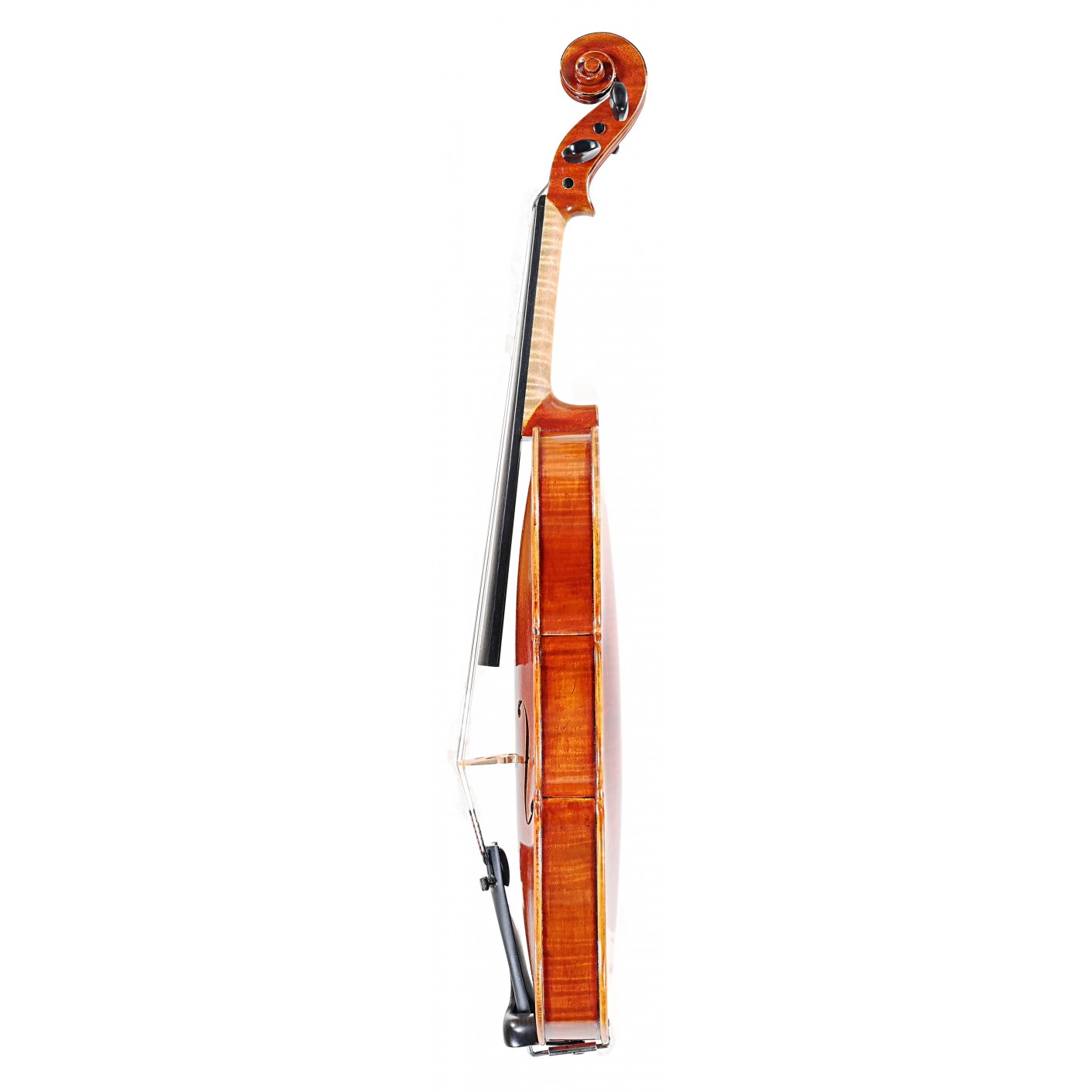
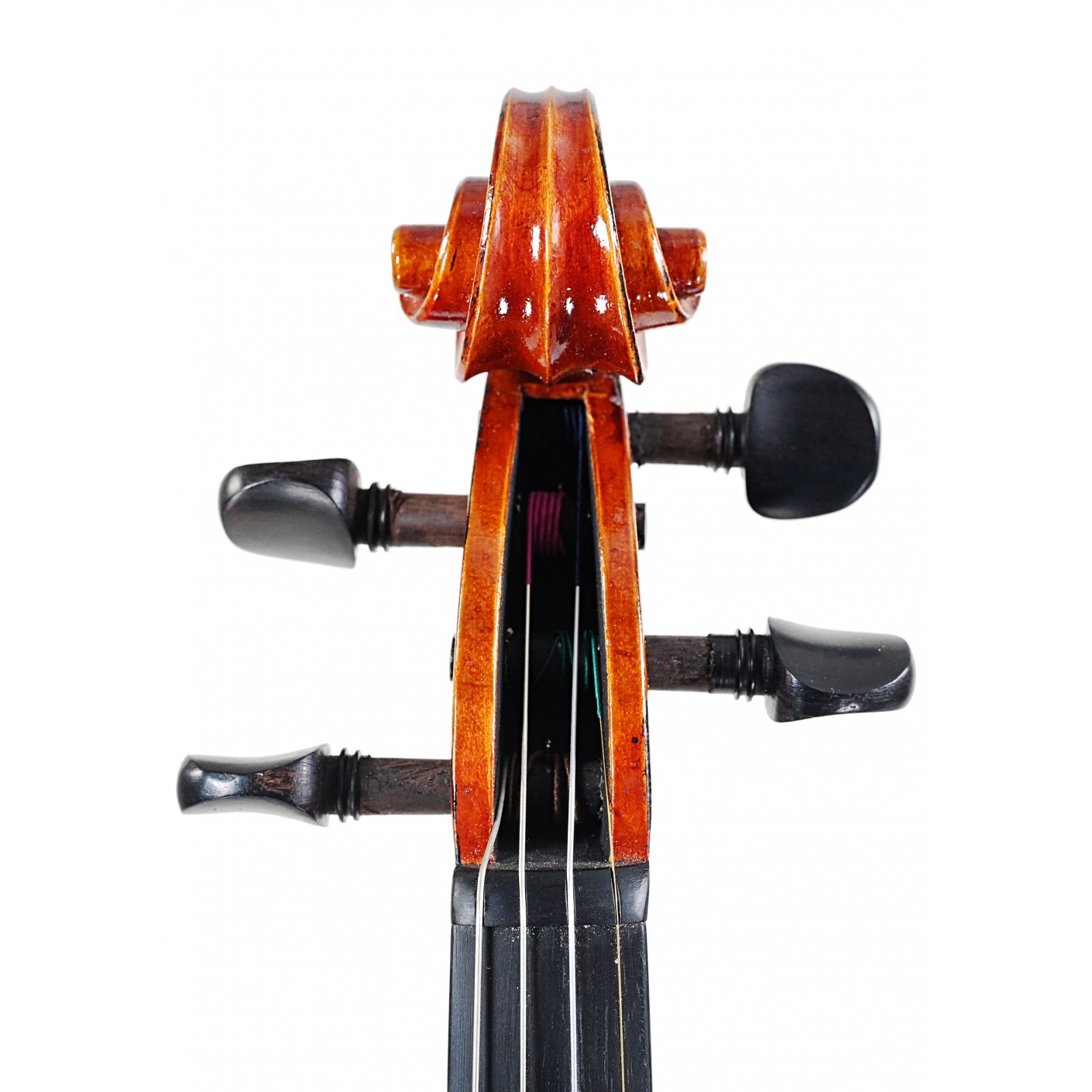
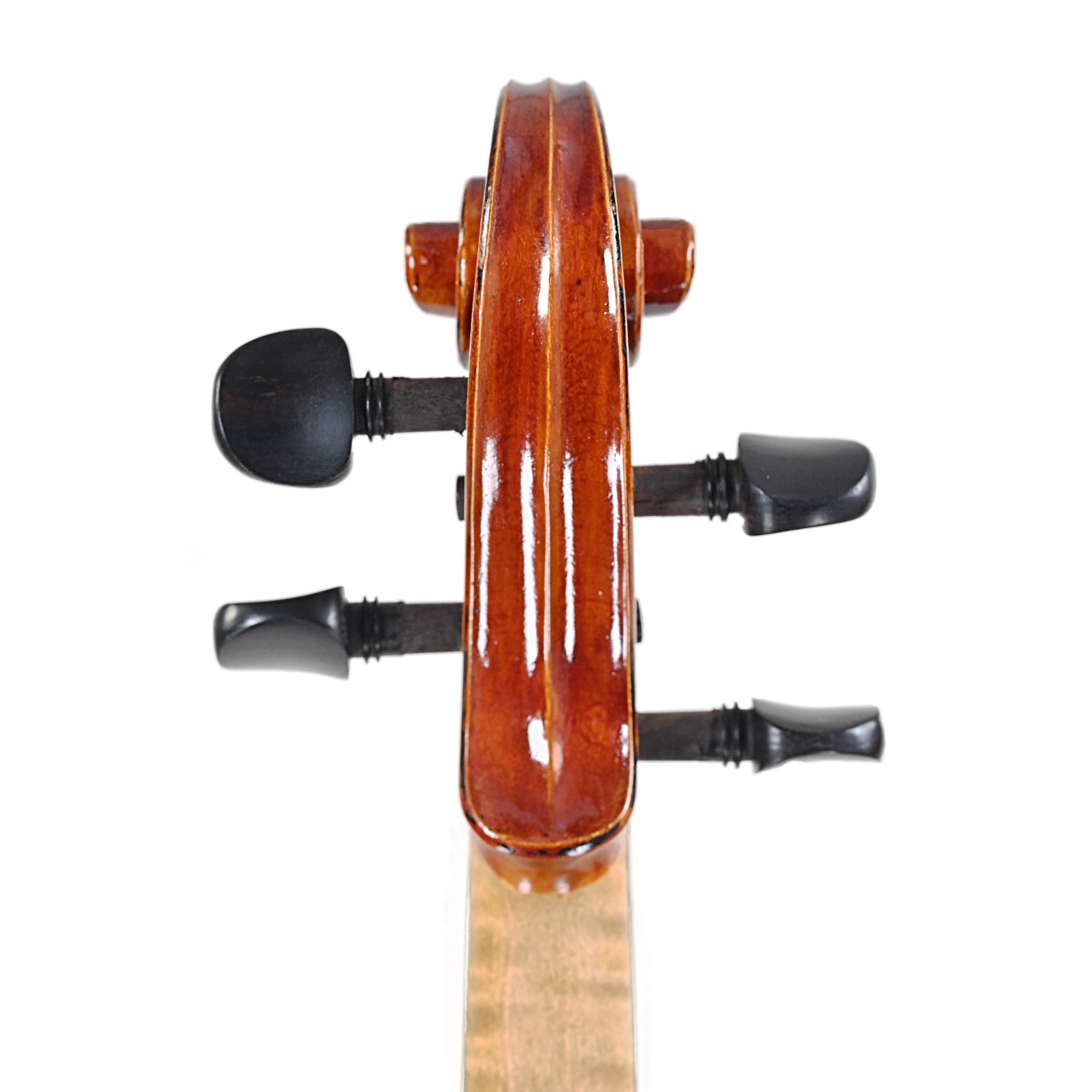
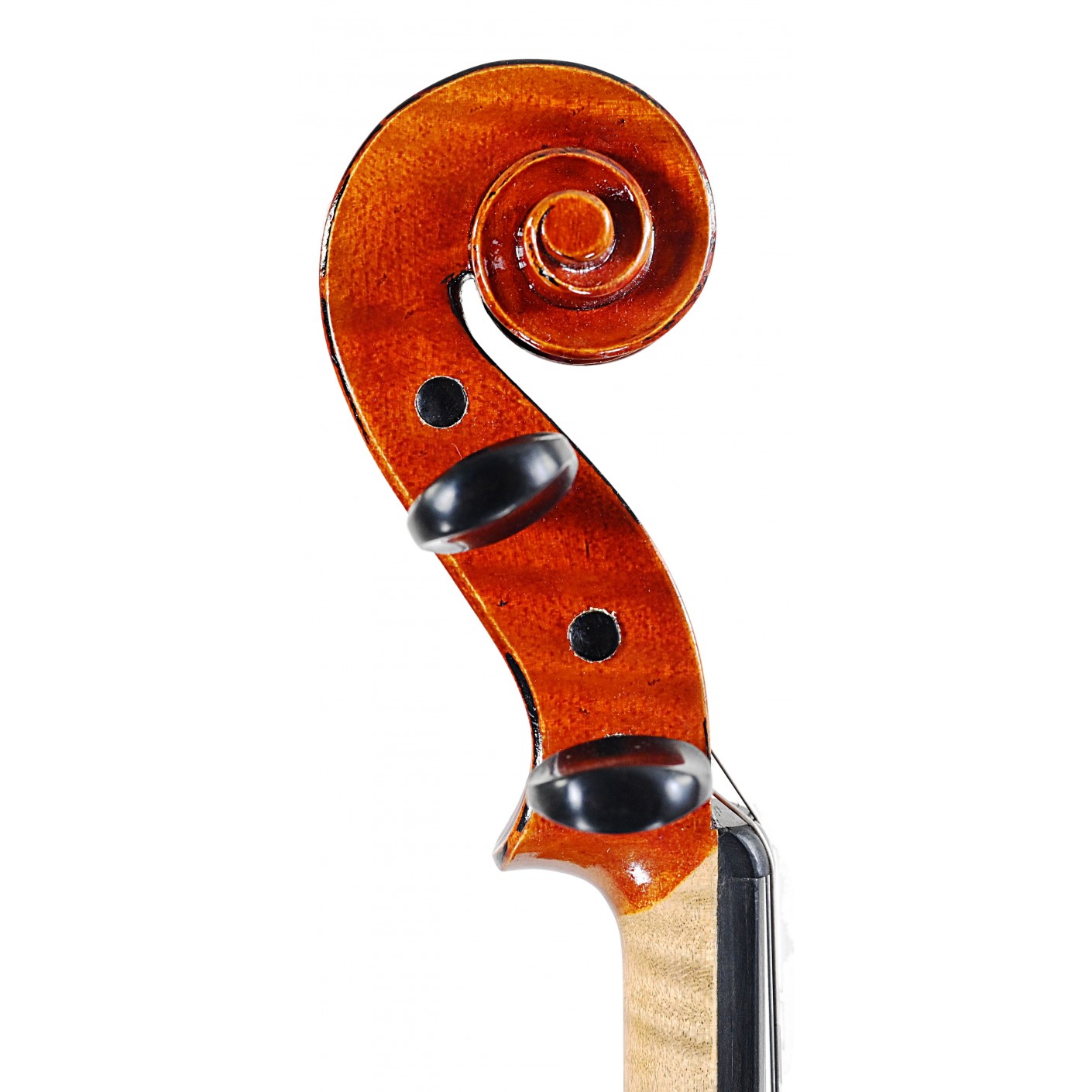
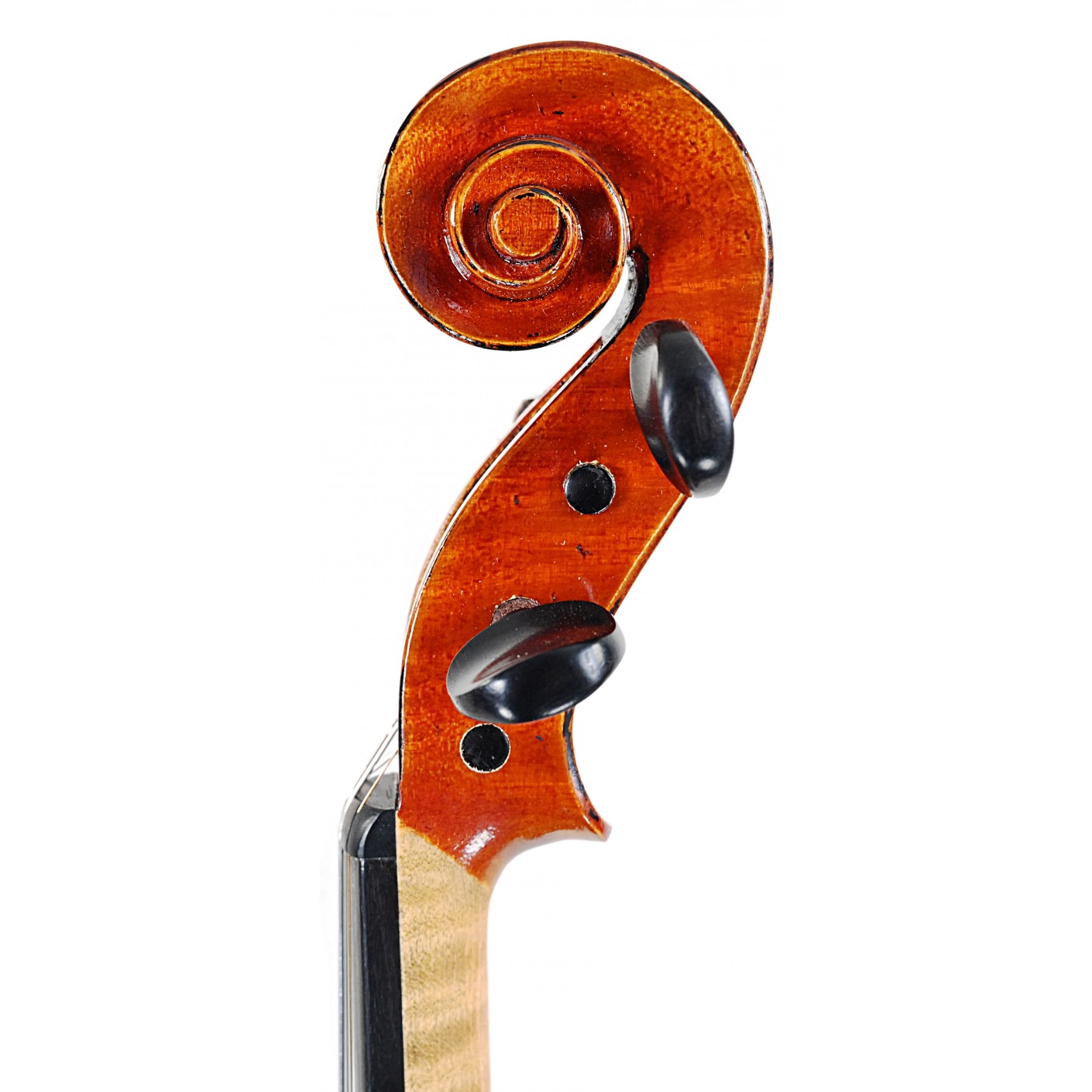
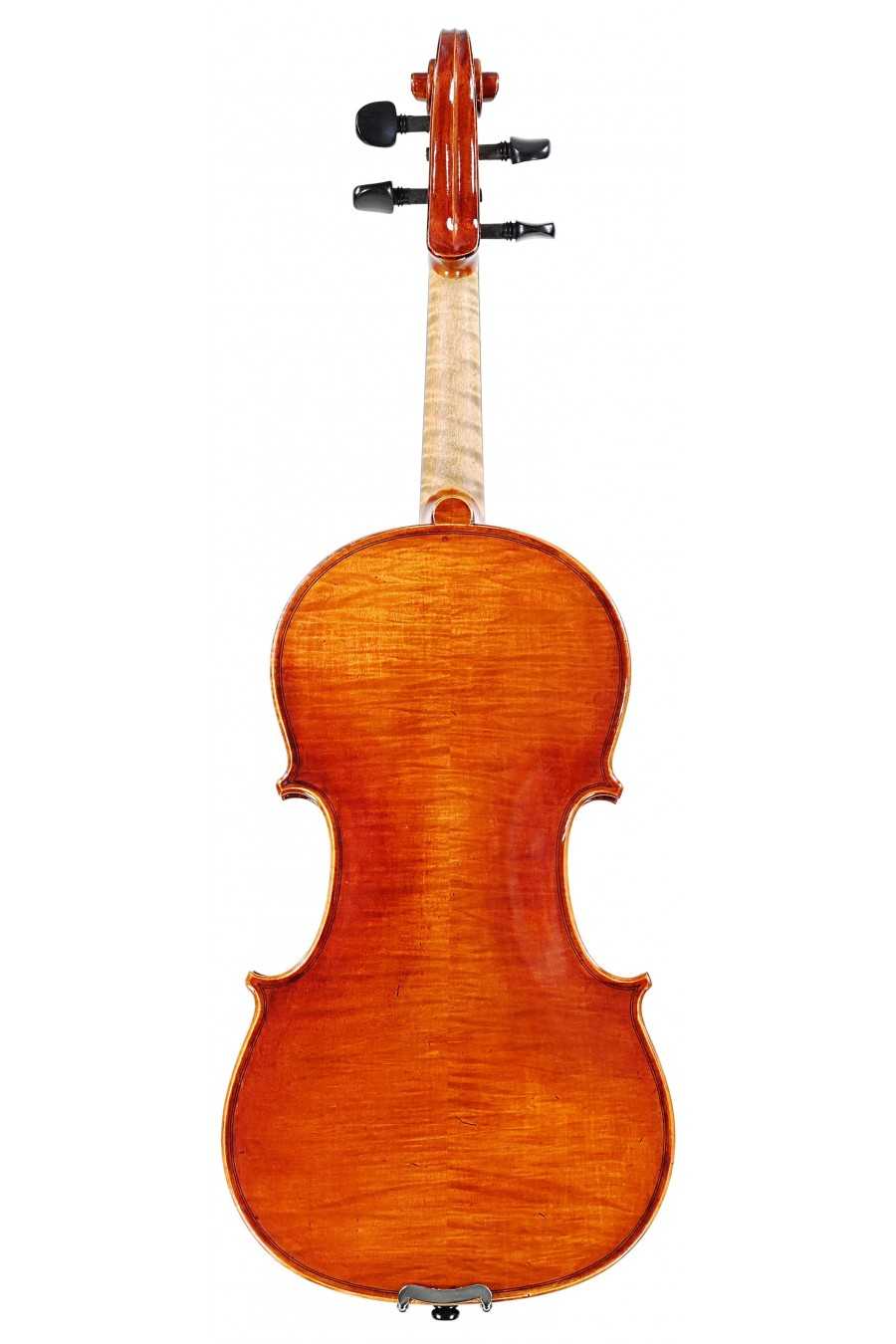
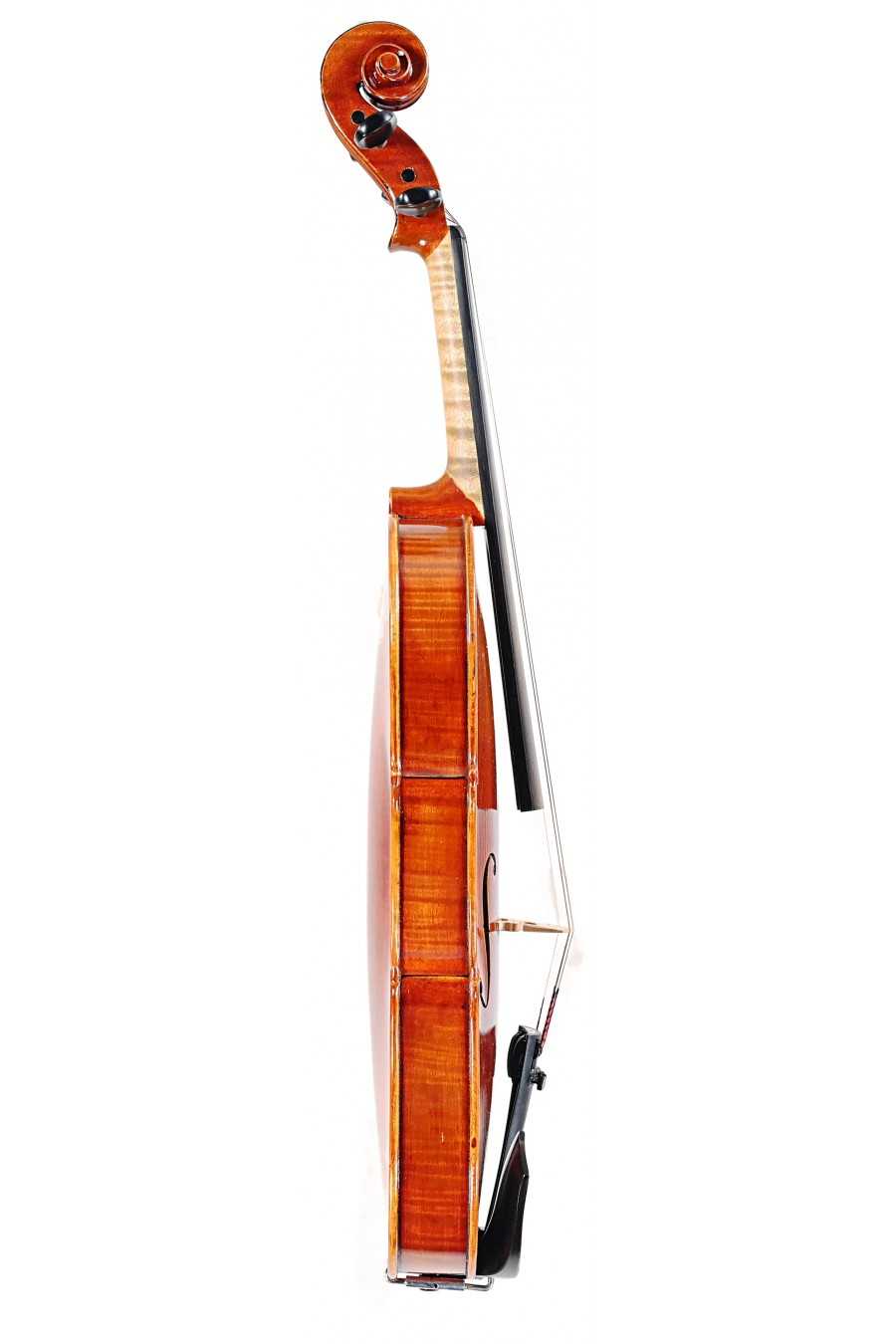
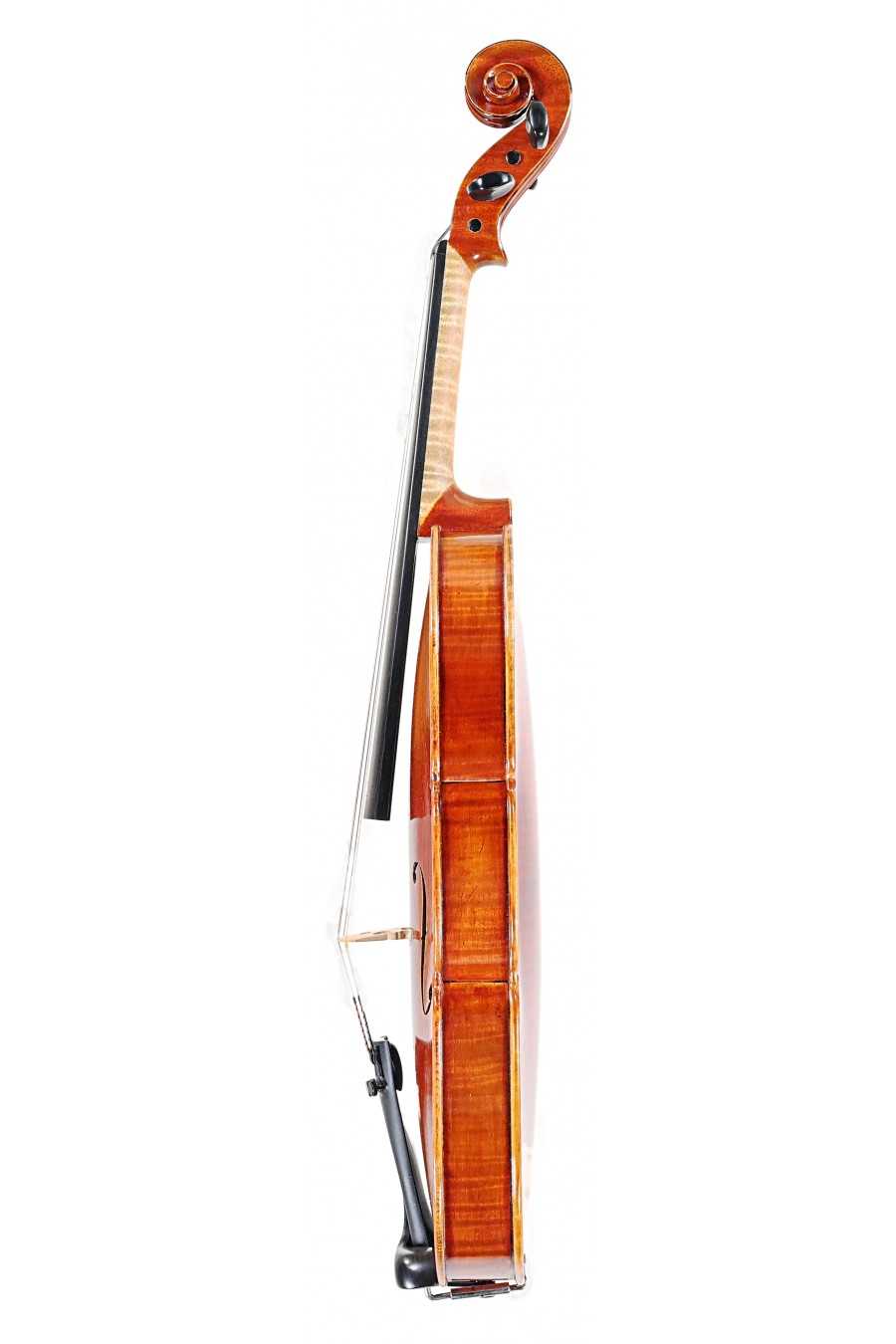
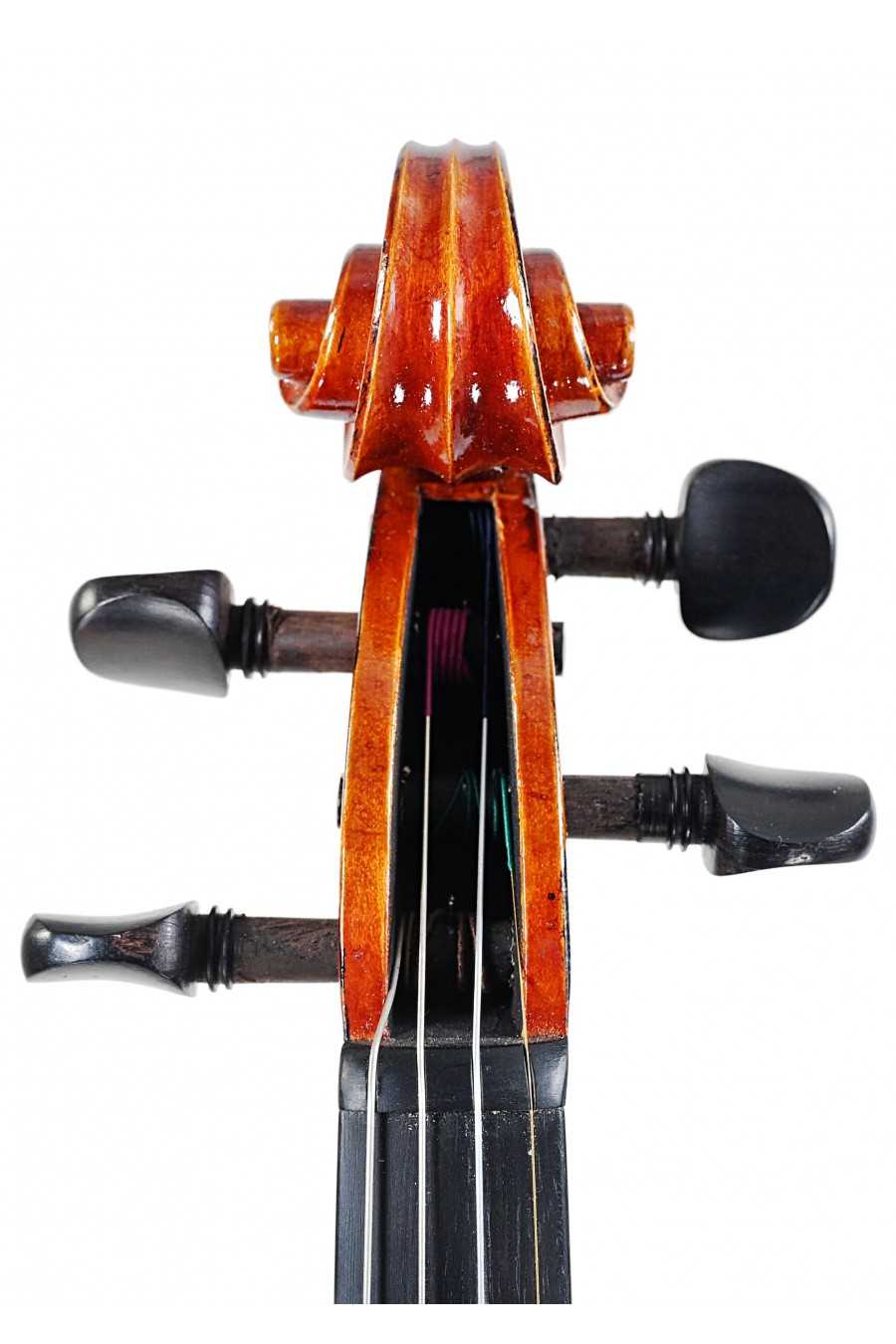
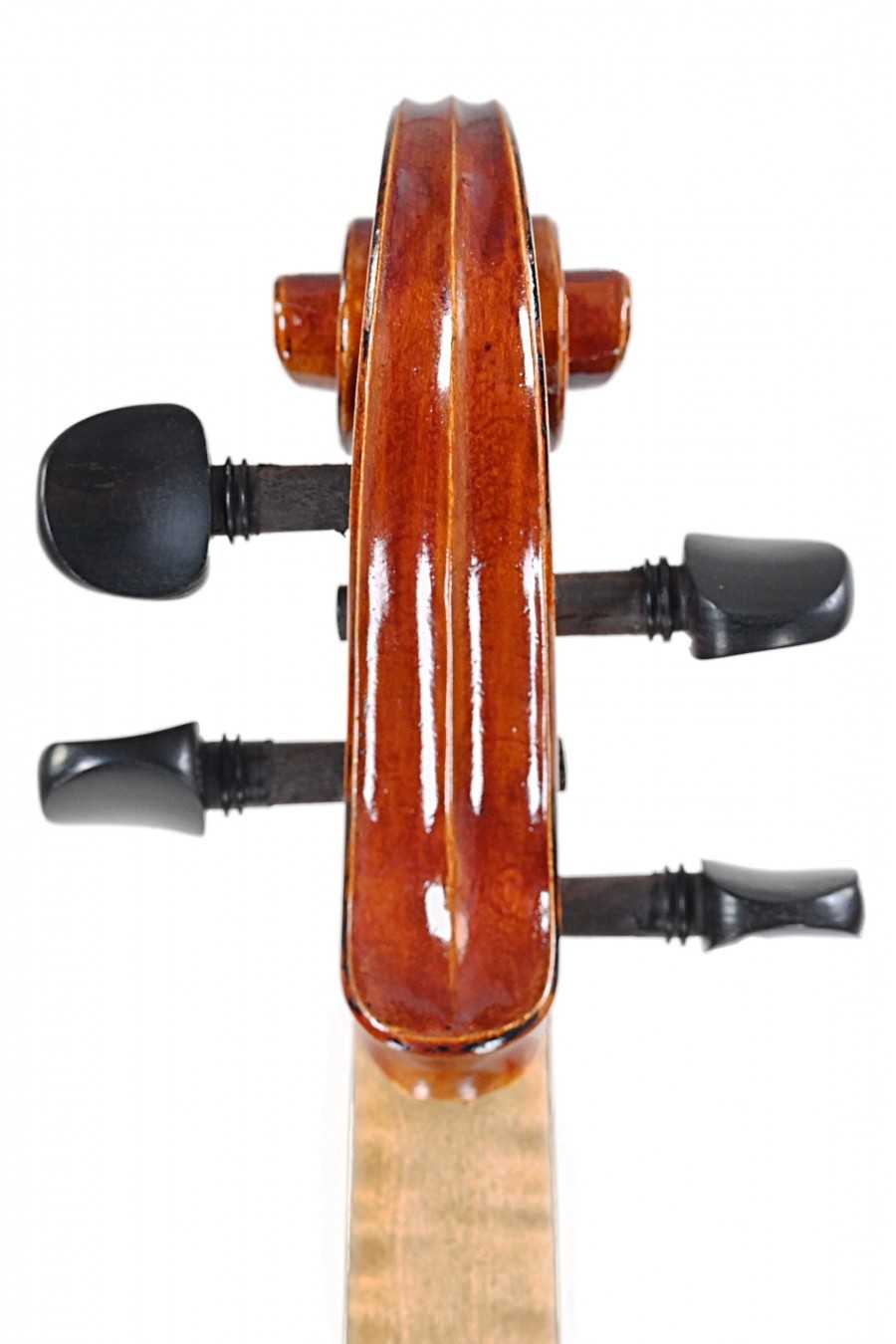
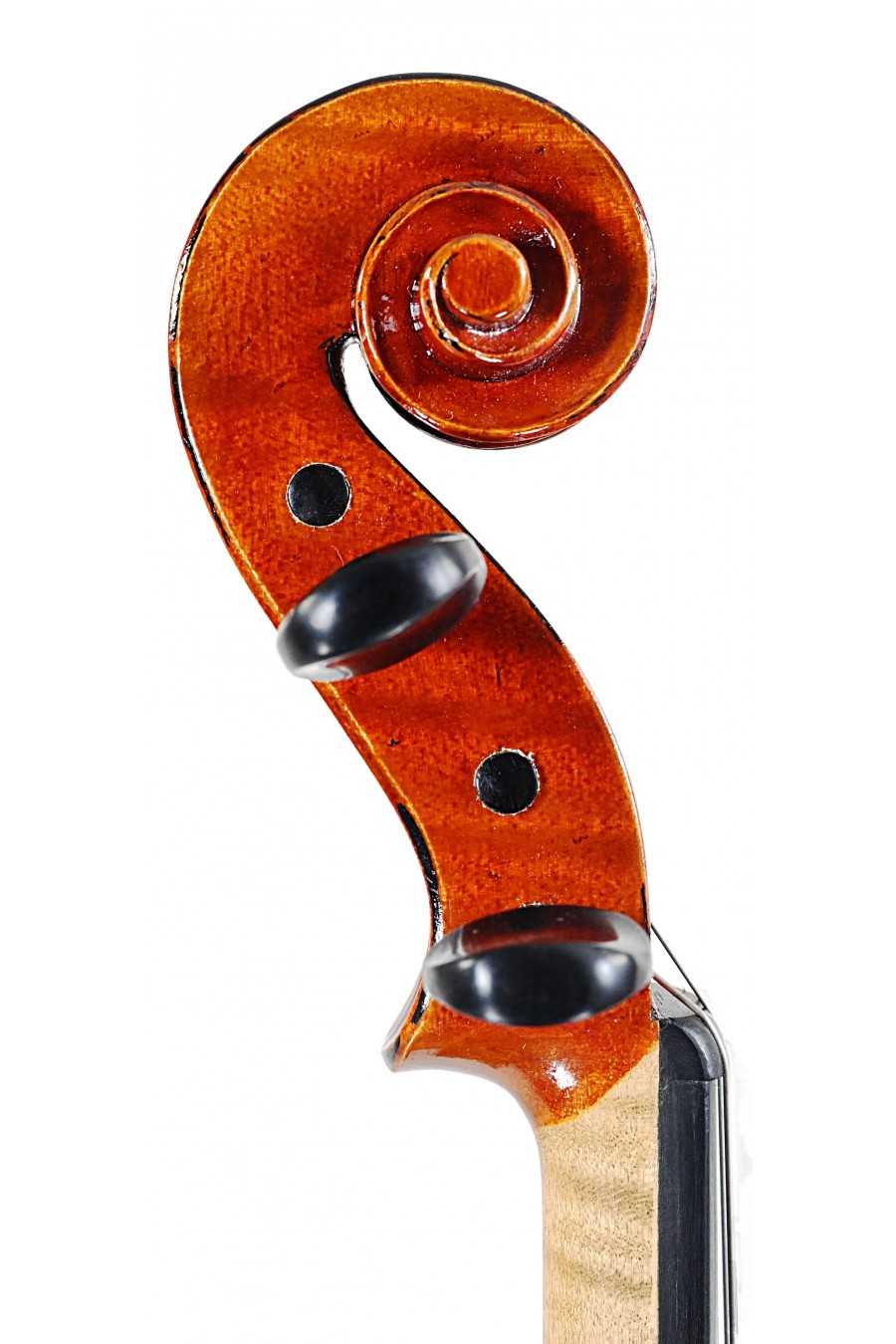
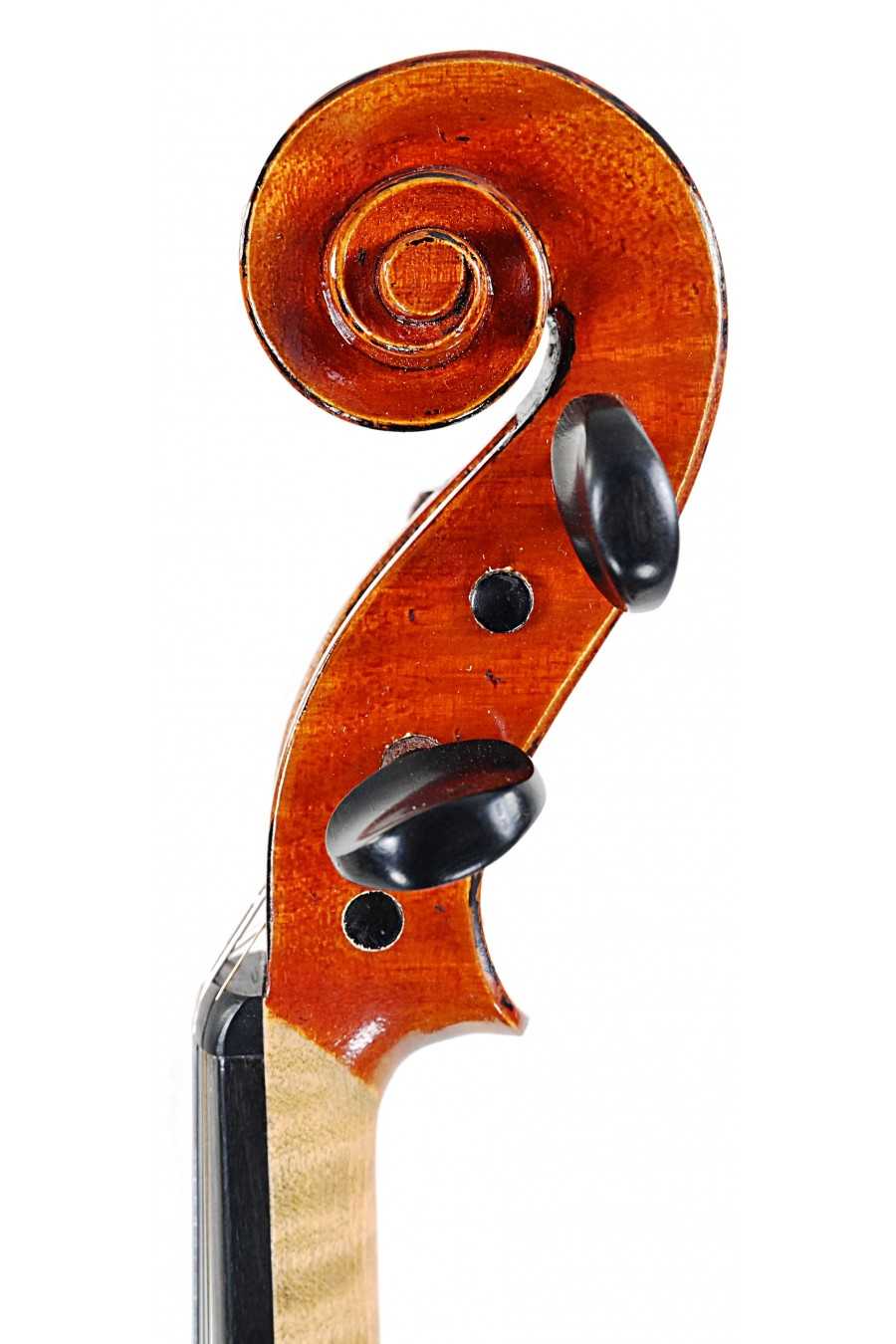
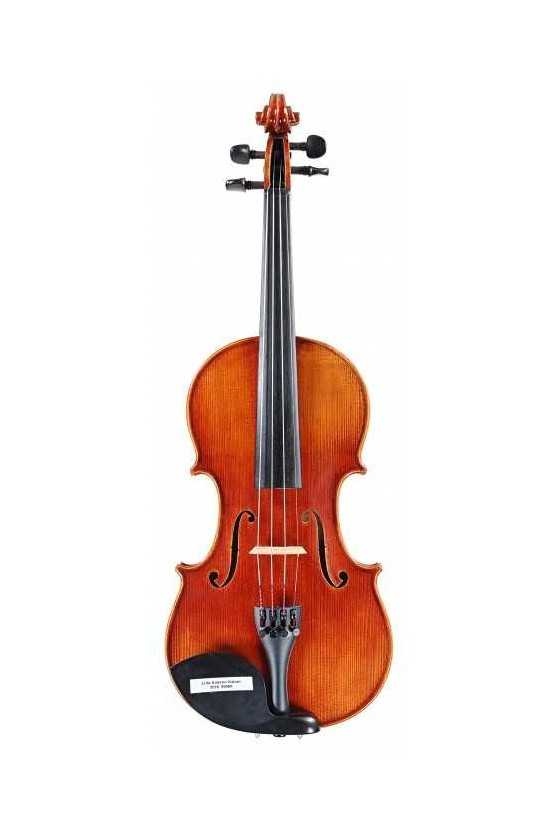
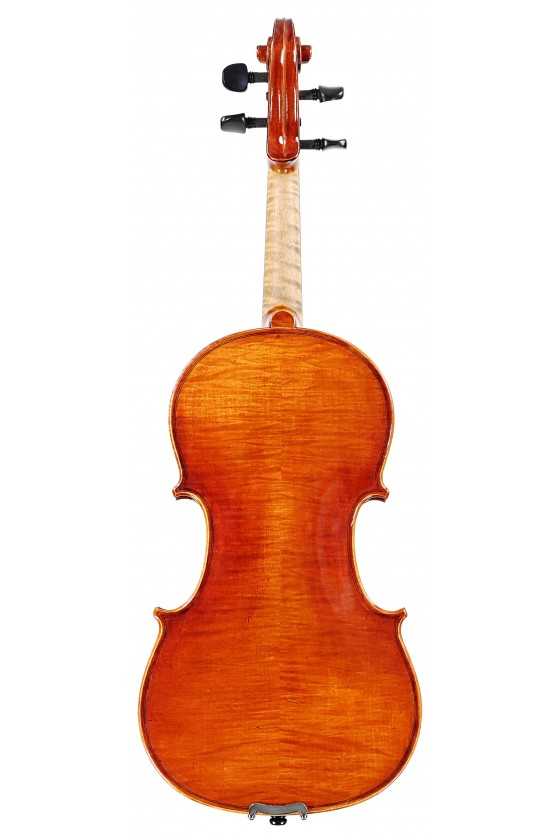
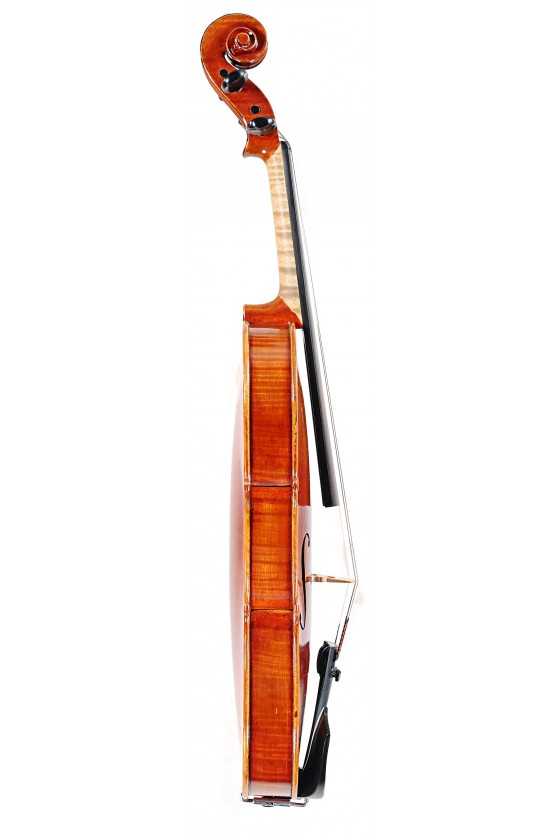
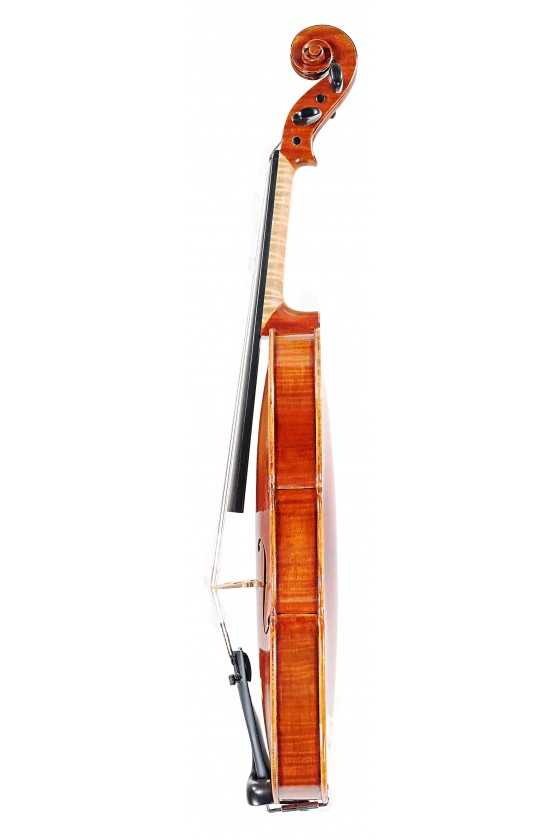
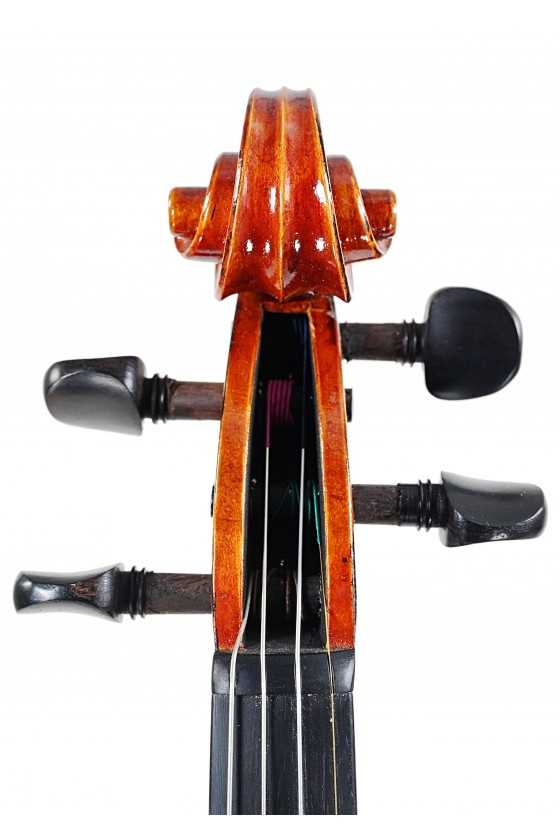
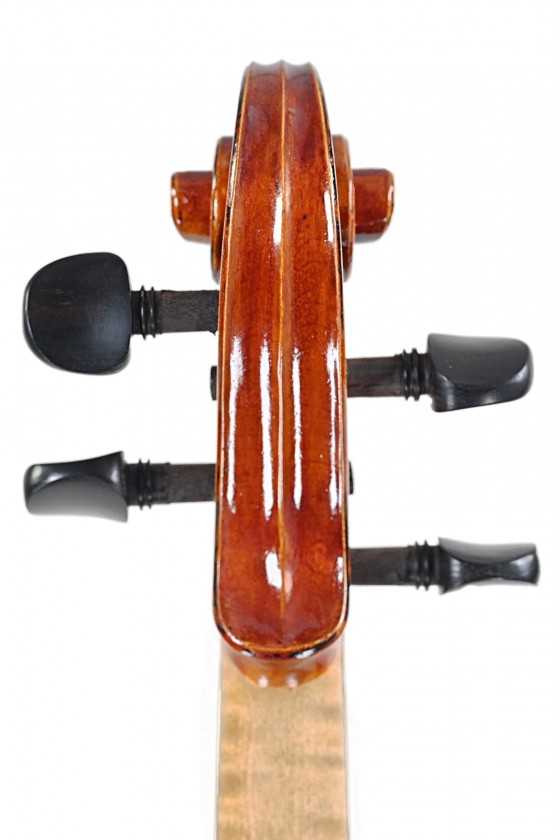
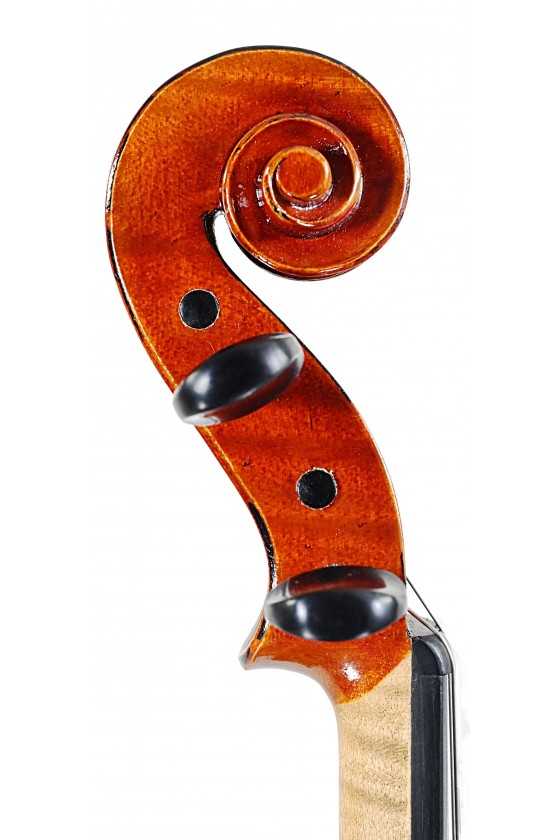
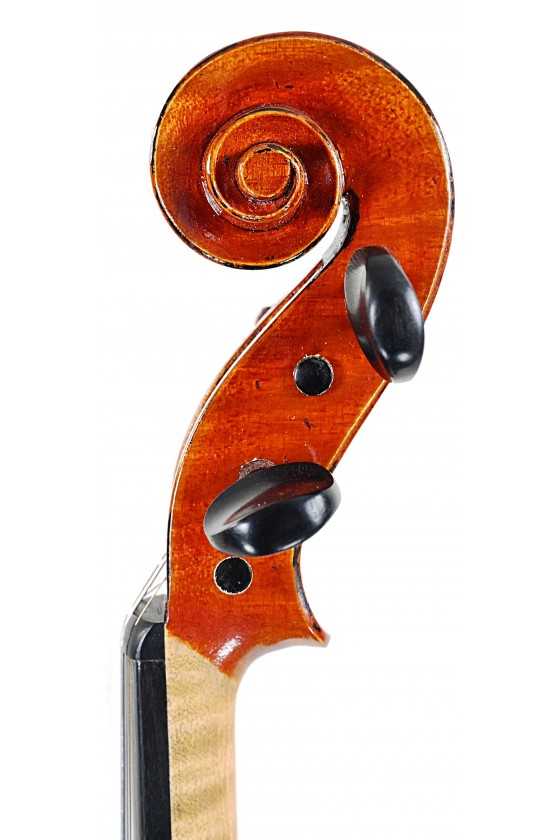
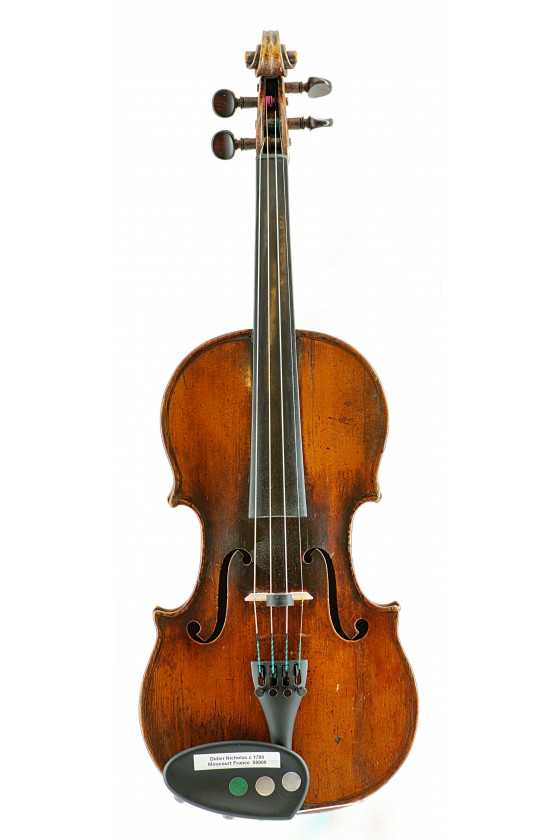
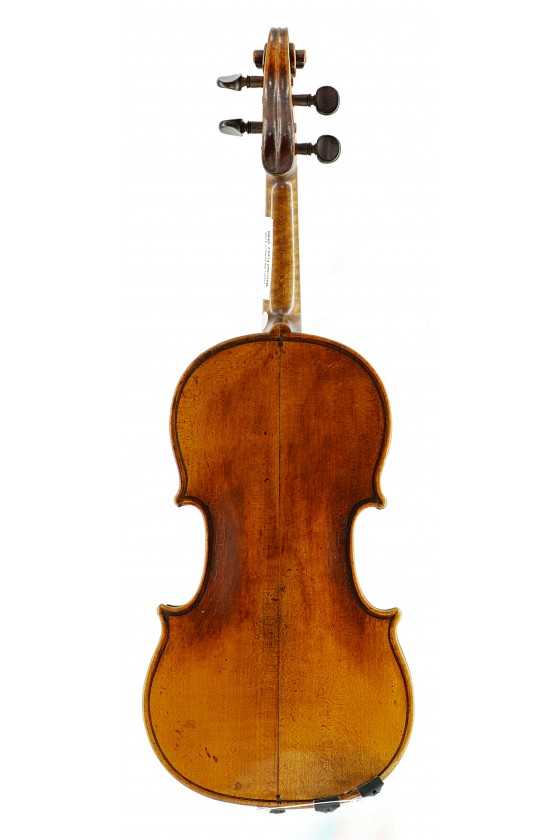
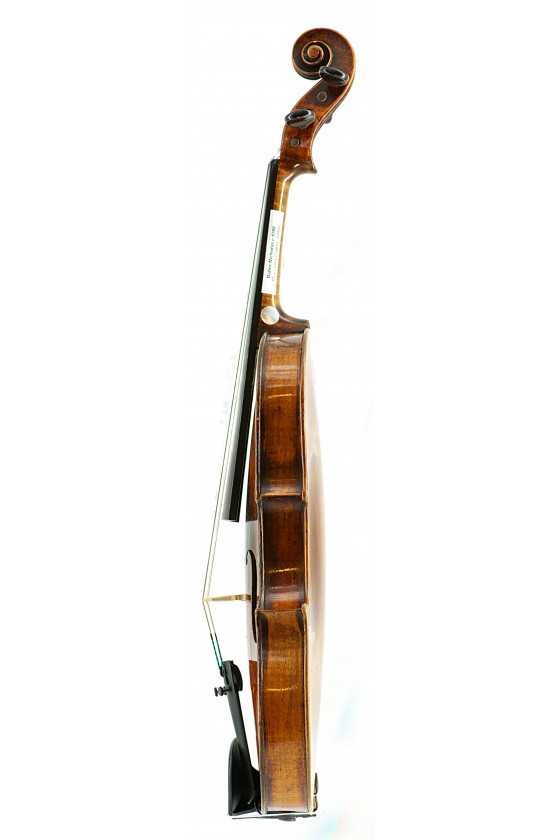
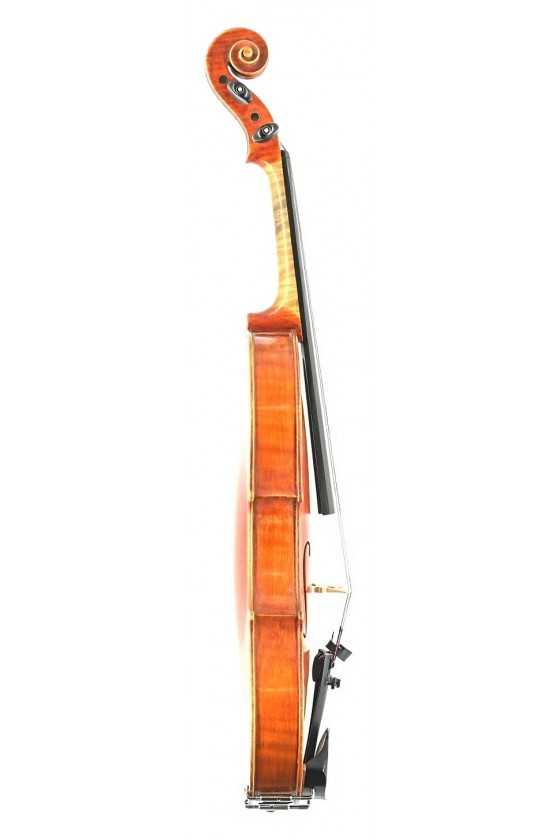
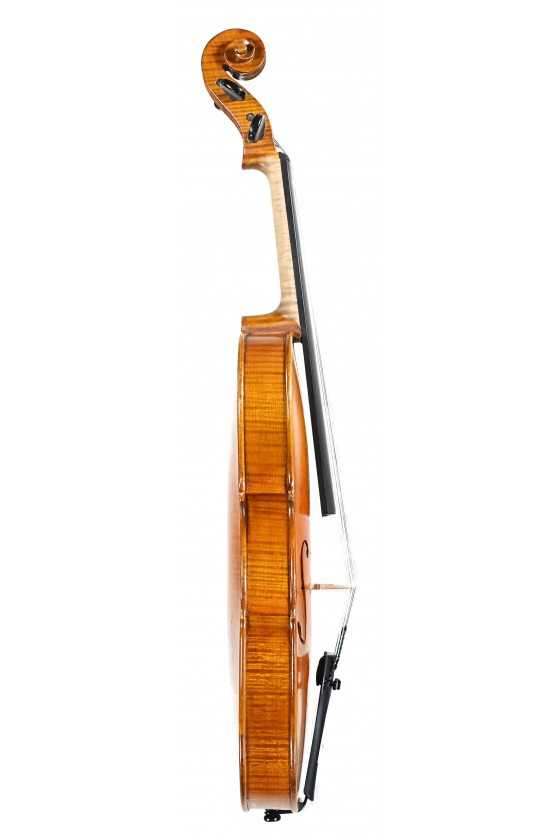
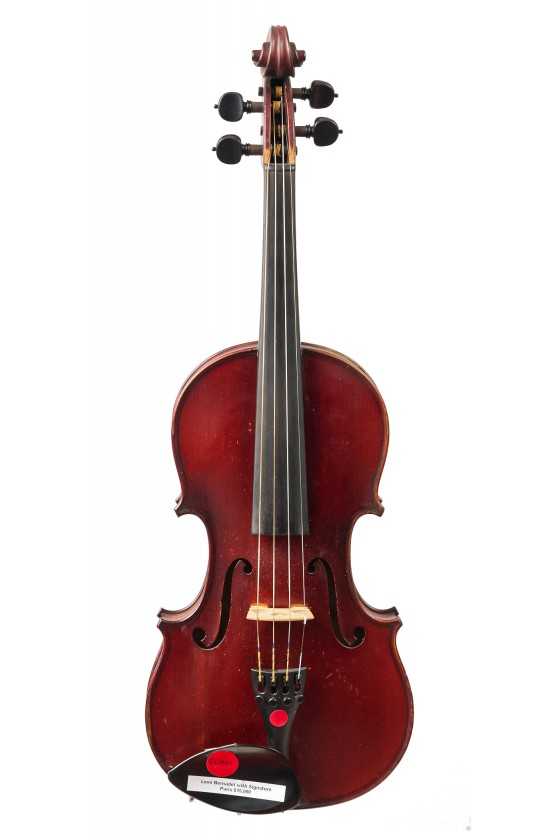
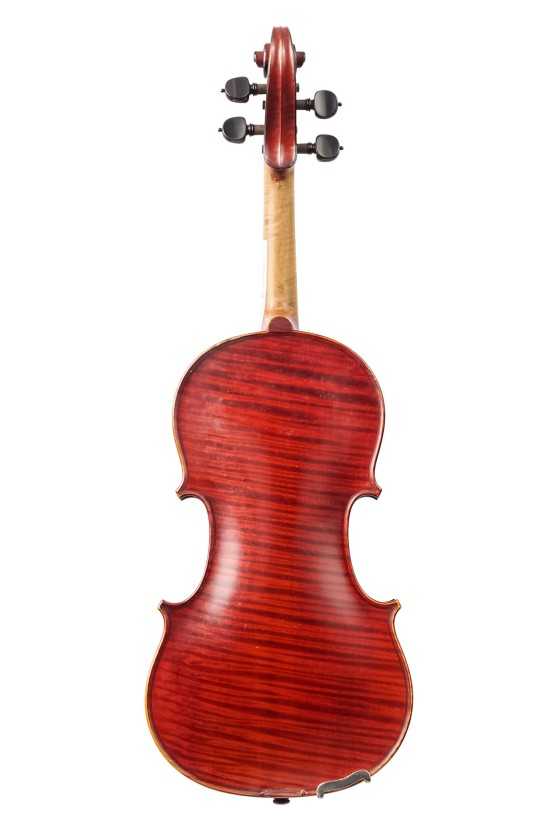
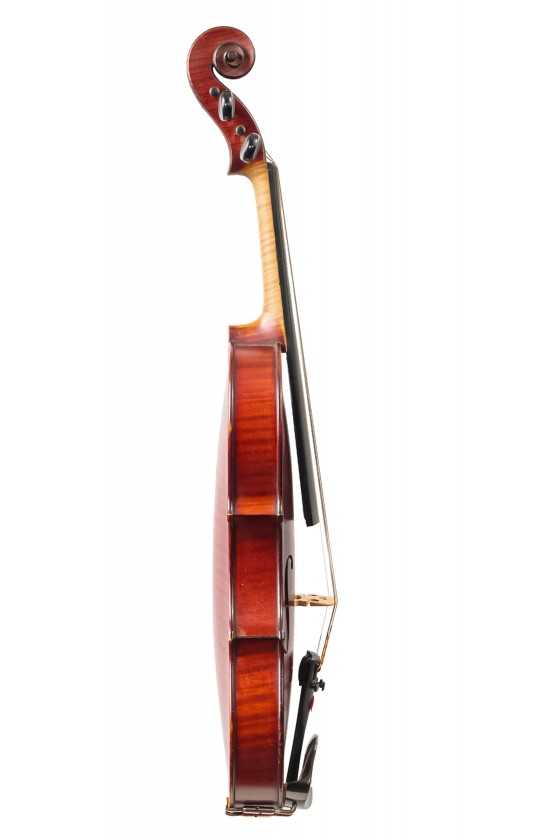
We have here a Lillo Salerno Italian violin made in 2019. Lillo Salerno is an Italian luthier born in Sicily, Italy. He went to Cremona Violin Making School then finished his studies in Mittenwald School of Violin Making in Germany in 2005.
Instrument - Violin
Model- Personalized Stradivari
Top - Italian spruce in two pieces
Back - Balkan maple in two pieces
Scroll - From the same wood as the back
Varnish - Oil and amber with a yellow background, red-brown violin.
Notes - The instrument was made with an antique and shows a black bevel on the scroll and points of the bouts.
Lillo Salerno is an Italian luthier born in Sicily, Italy. He first studied at Cremona Violin Making School then he went to the Mittenwald School of Violin Making in Germany where he finished his studies in 2005. He went to several workshops, honing his craft.
After gaining more experience and skills in various workshops, he established his own workshop in Pforzheim, Germany. His expertise reached from violin construction and design up to violin restoration and repair. A mixture of both Cremonese and German influence from traditional violin-making schools can be found in his work. Salerno's instruments were being sought after by music professors and conservatory students around Europe and by musicians from the Berliner Philharmoniker.
(I211003-4)
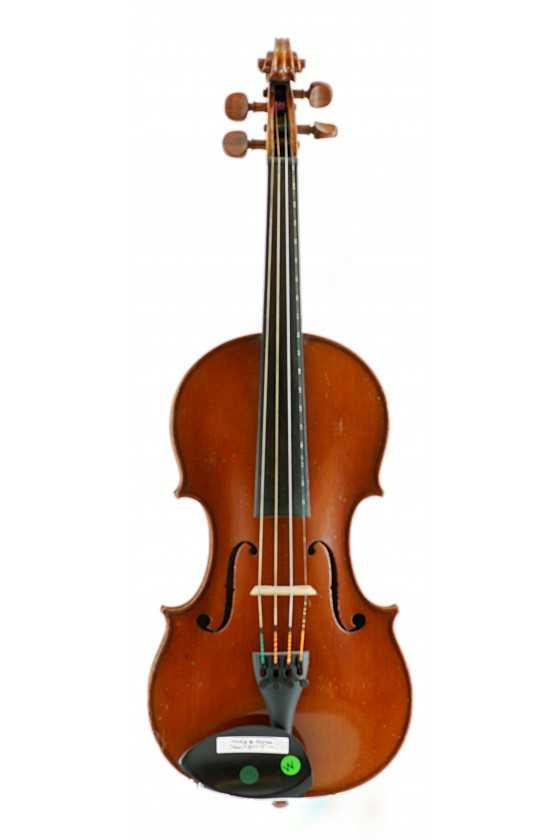
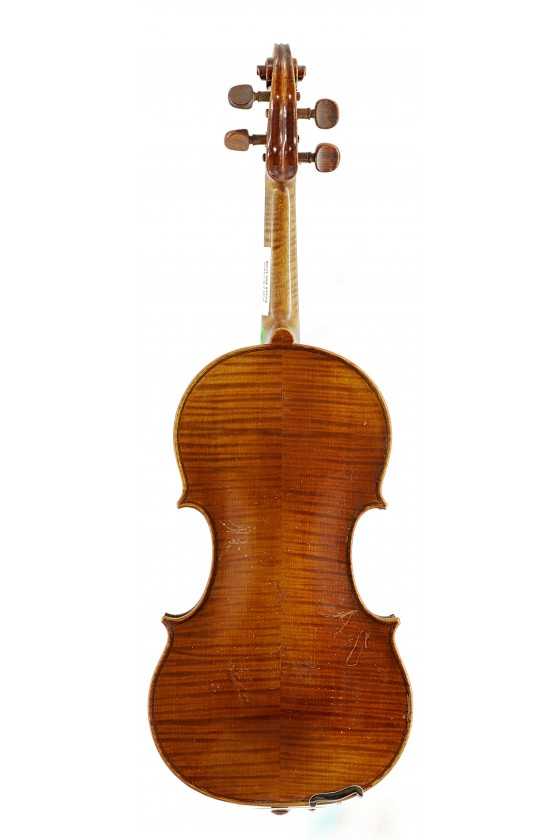
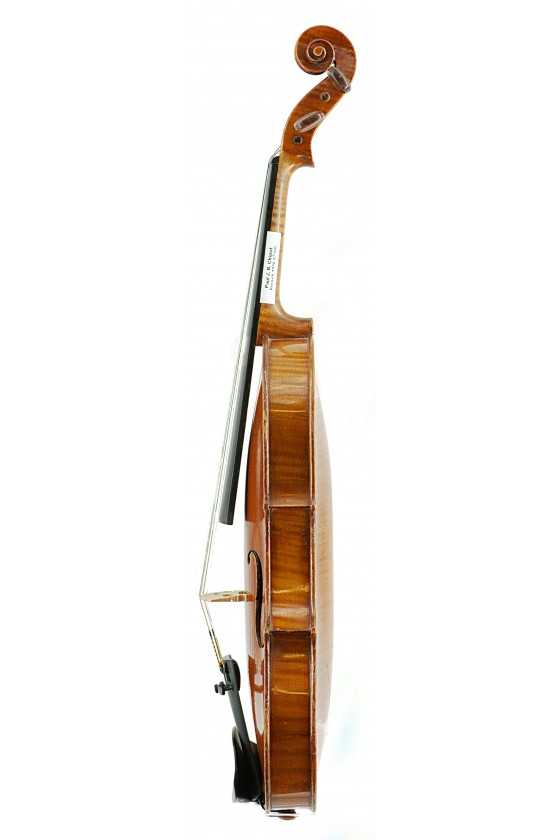
Check out this Didier Nicolas Violin made around 1780 in Mirecourt, France. Didier Nicolas is a French luthier who owns the workshop D. Nicolas Aine, one of the most successful violin companies in Mirecourt during the late 1700s and 1800s.
Check out this Copy of Giuseppe Fiorini violin 1926. Giuseppe Fiorini an Italian luthier, the son and student of Raffaele Fiorini who established the "Rieger and Fiorini" violin-making firm in Munich. A passionate teacher, donating materials and relics to the Municipality of Cremona in order to establish a violin-making school there.
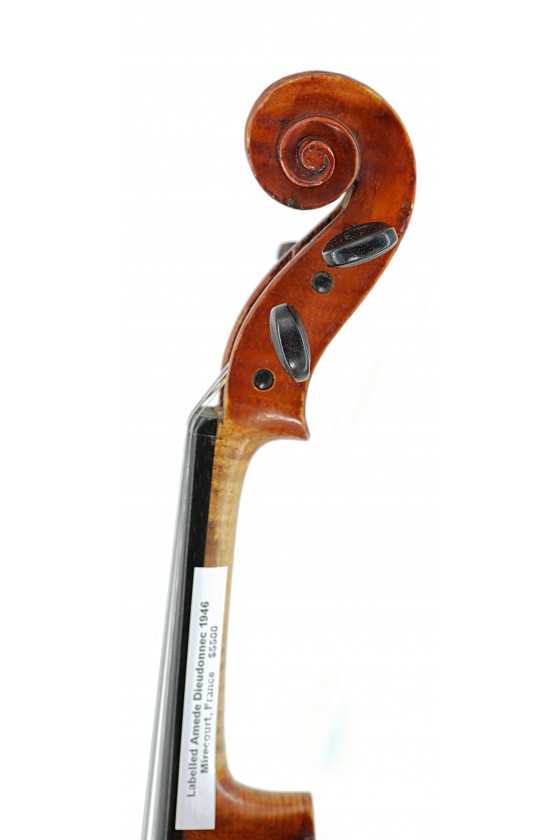
We have here a Labelled Amedee Dieudonne violin made around 1946 in Mirecourt, France. Amedee Dieudonne is a French luthier who specialized in copying Cremona Masters and was able to achieve a superior varnishing technique.
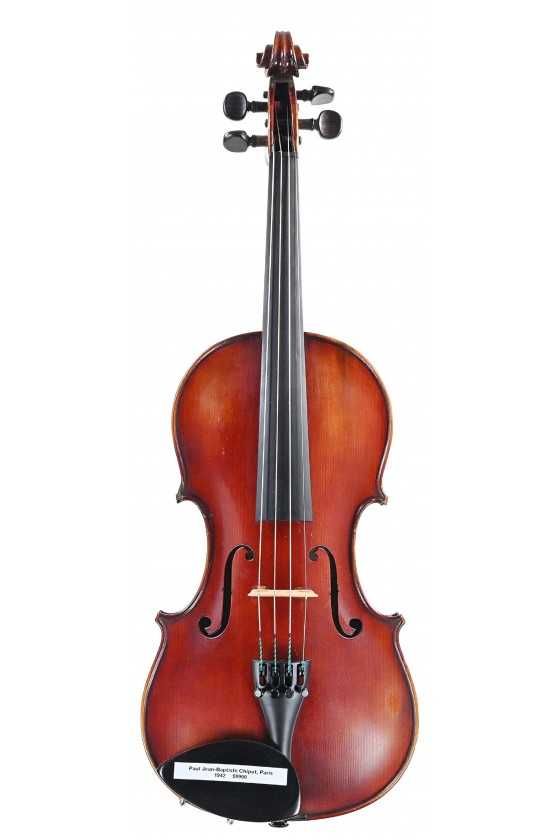
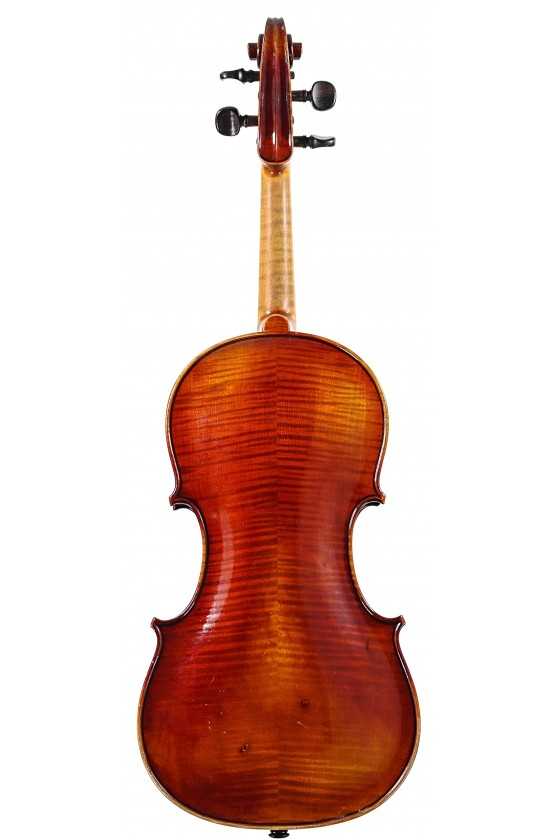
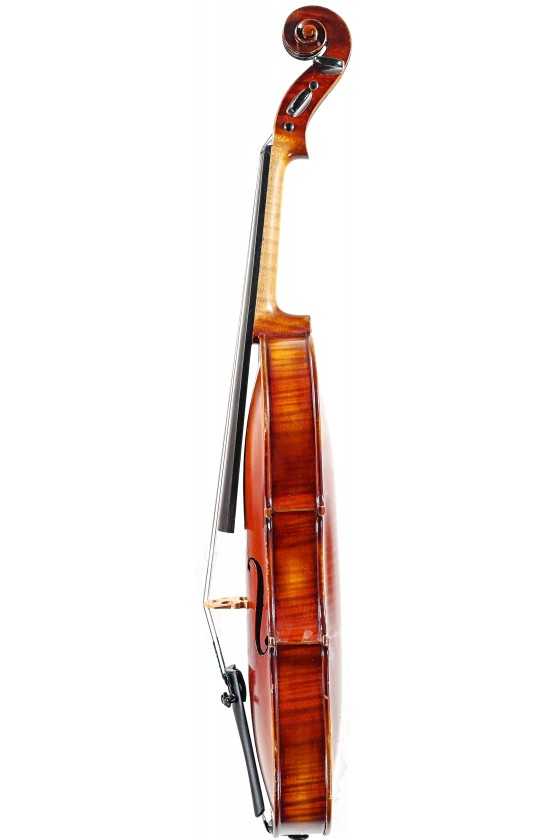
This is a Paul Jean- Baptiste Chipot Violin made in Paris in about 1942. Paul Jean Baptiste Chipot is a French luthier the son of Chipot-Vuillaume. He worked in many workshops in Mirecourt then moved to Vendome to start his own workshop.
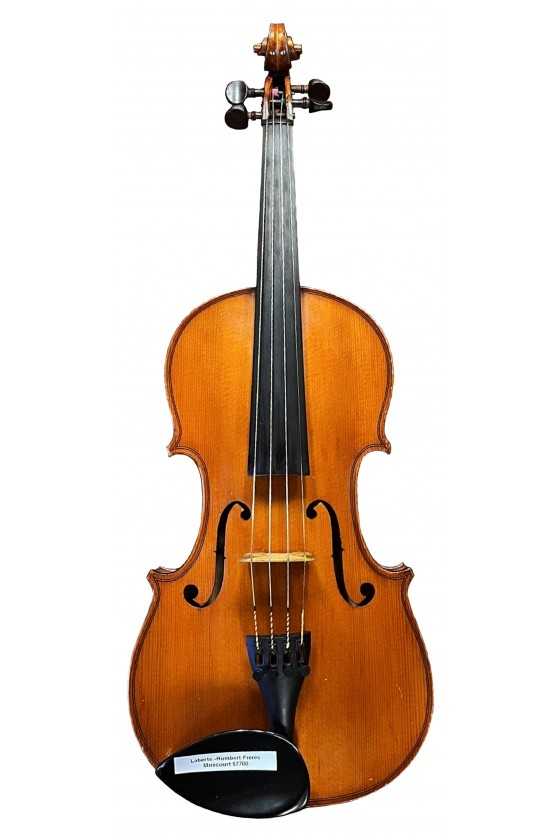
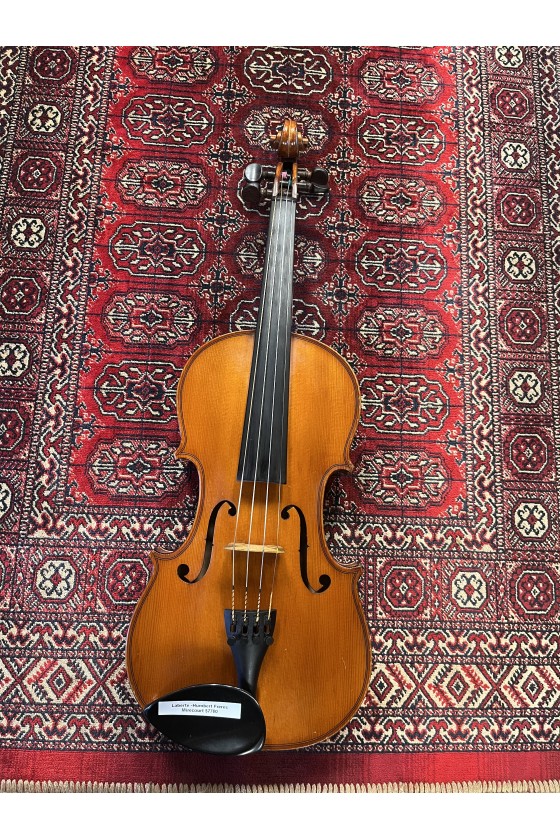
Lambert-Humbert Frères was a well-known violin manufacturer in Mirecourt from 1876 to 1969. They produced various instruments from reputable makers like Joseph Aubry and Georges Apparut. The company changed to L.F.M. in 1919 and obtained the prestigious brand “A La Ville de Cremone” in 1927. Unfortunately, the industry declined in the mid-20th century, leading to the closure of all major firms by the 1960s, including Laberte.
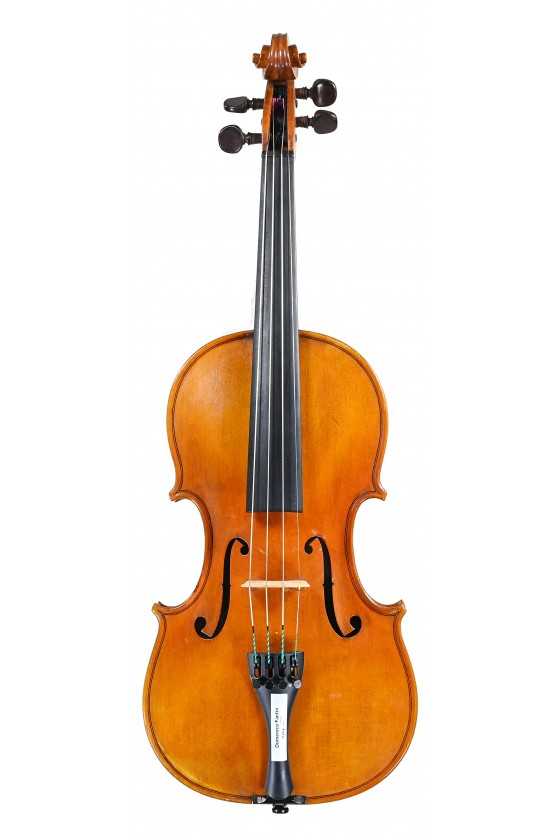
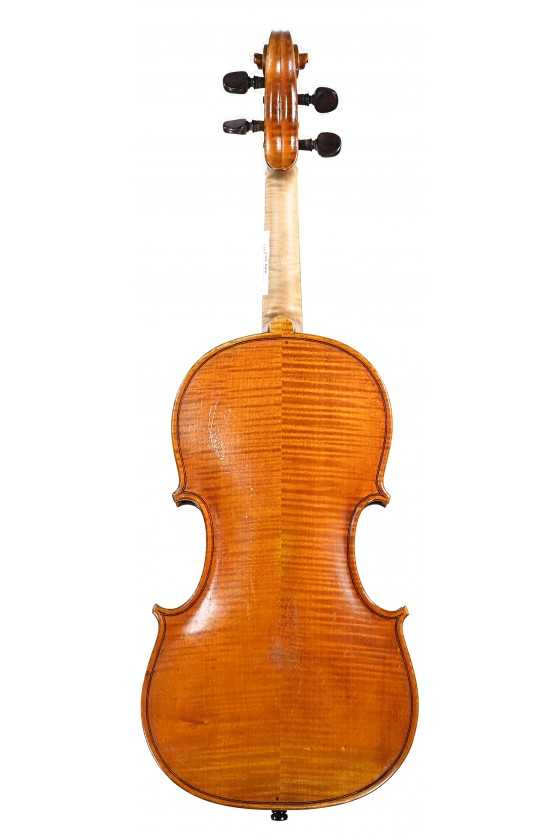
We have here the Domenico Fantin Violin made in Varese, Italy 1971. Domenico Fantin’s instruments are played in major European and American orchestras. Great soloists like Yehudi Menuhin purchased one of his violins in 1969, and Uto Ughi, who owns two of his instruments.
This is a French violin by Paul J. B. Chipot, made in 1926. Paul John Baptiste Chipot, the son of Chipot-Vuillaume, was a French luthier who established his own workshop in Vendome in 1923.