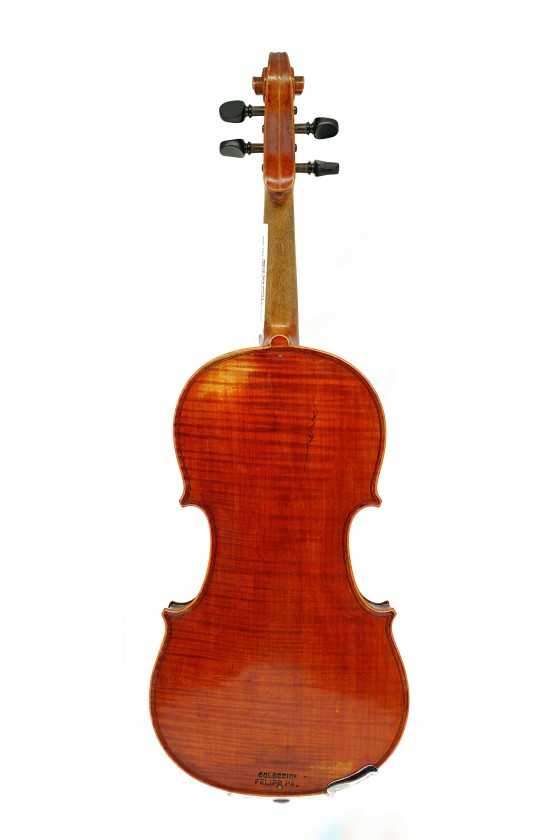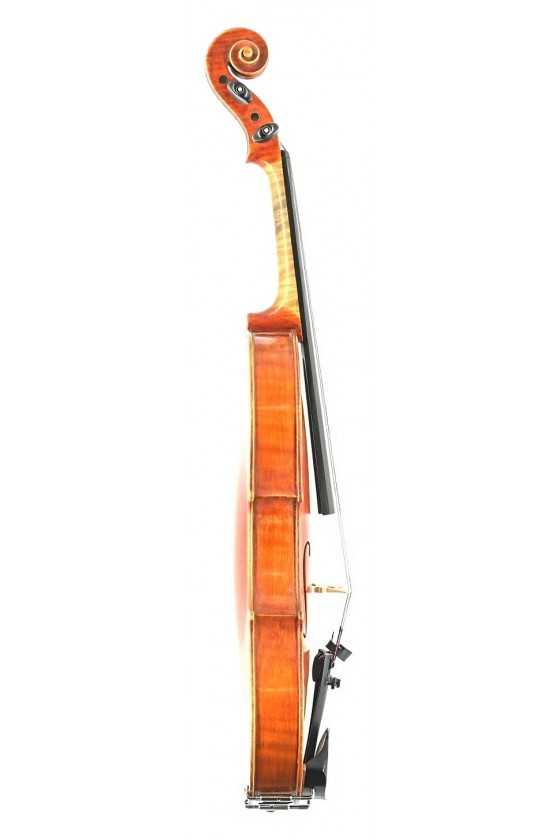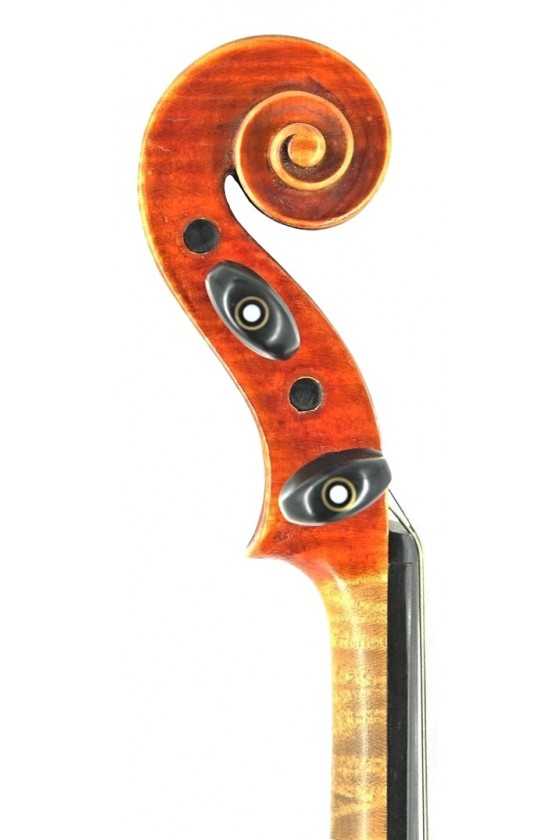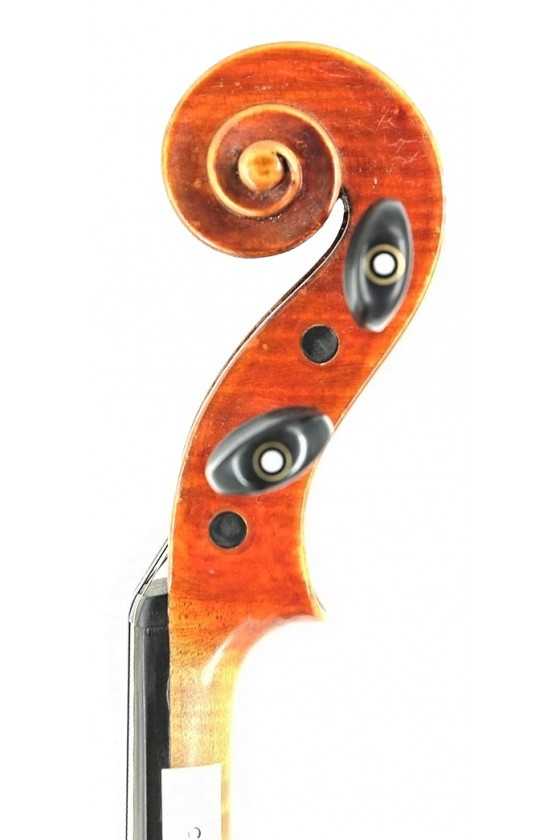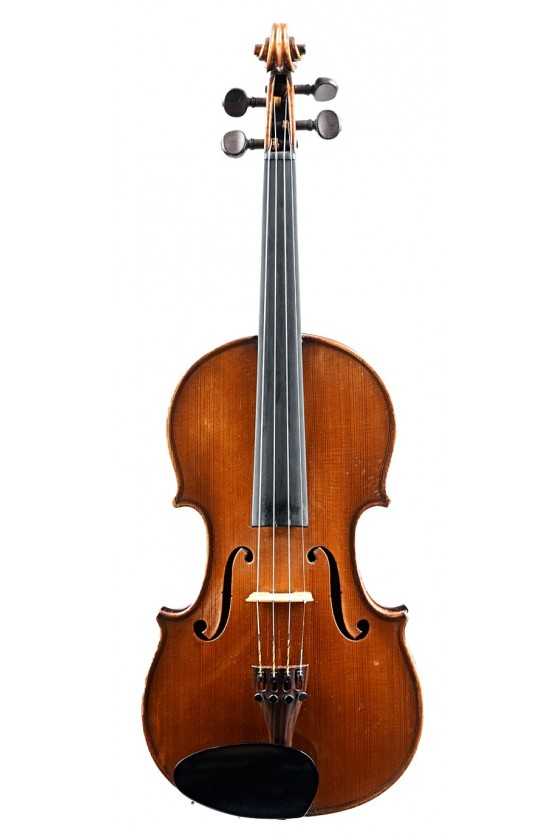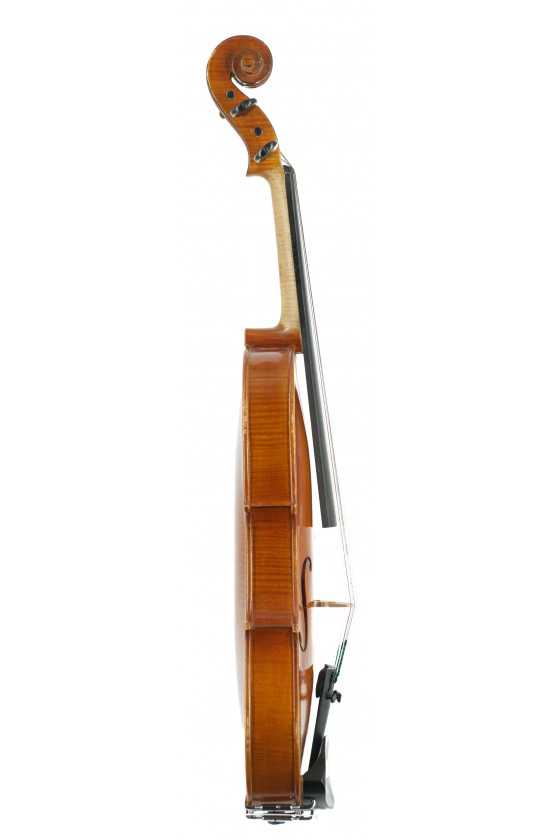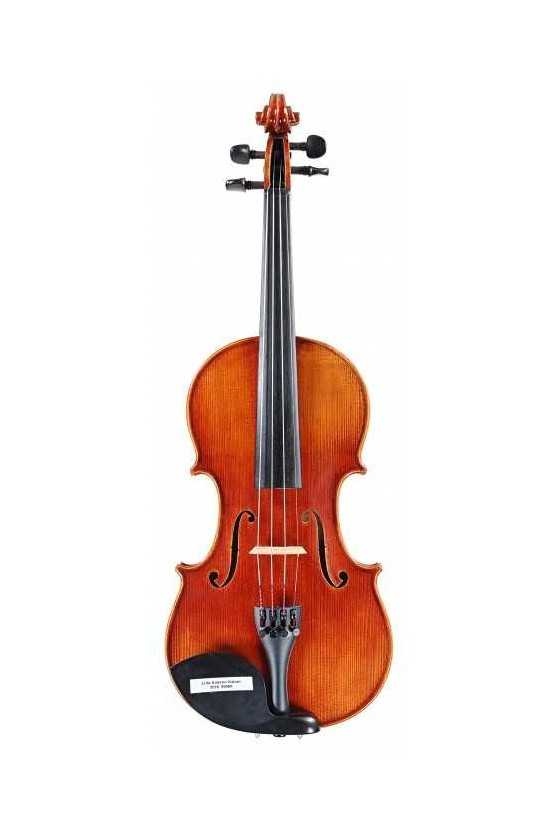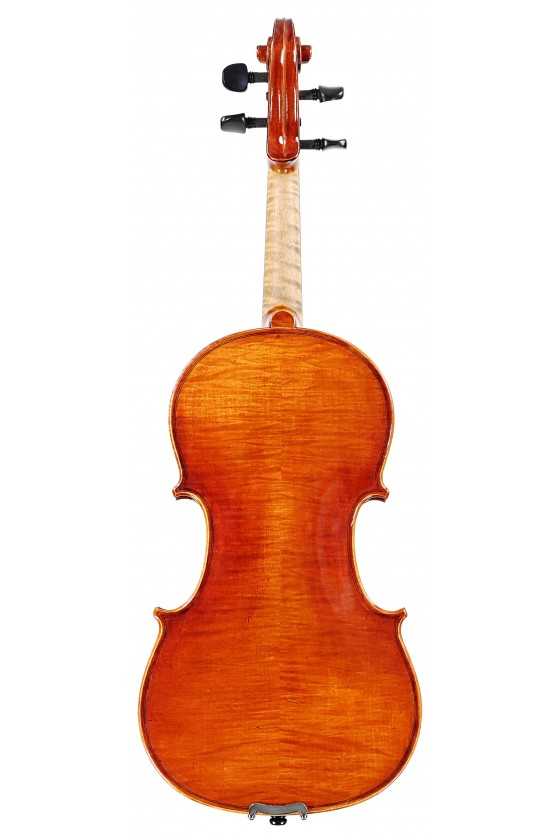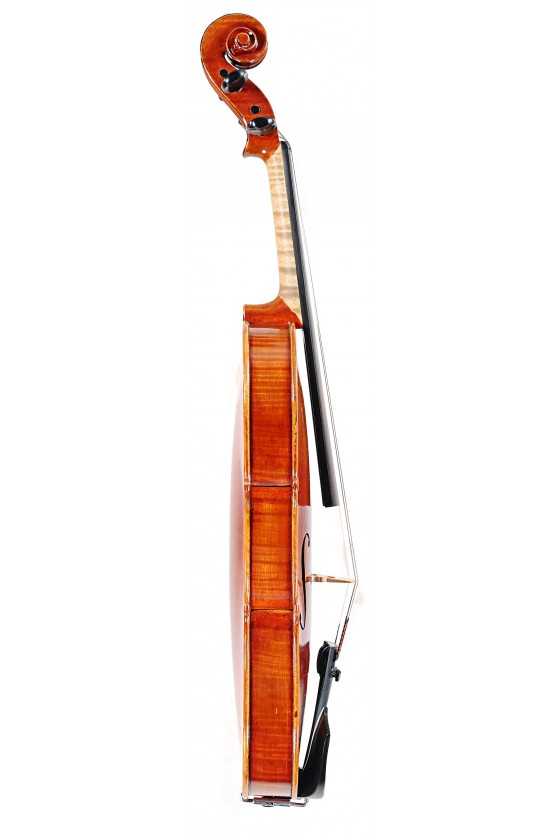
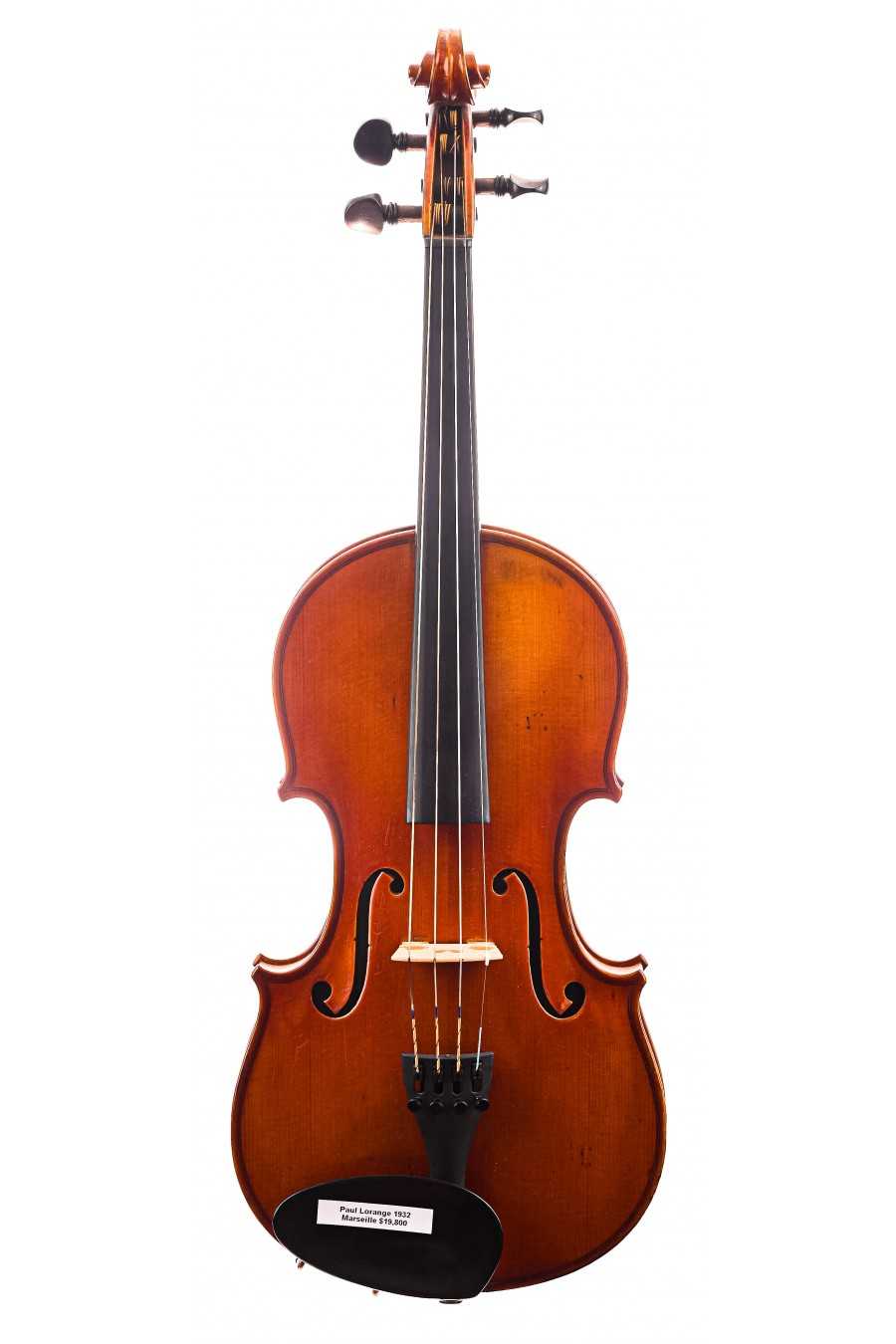
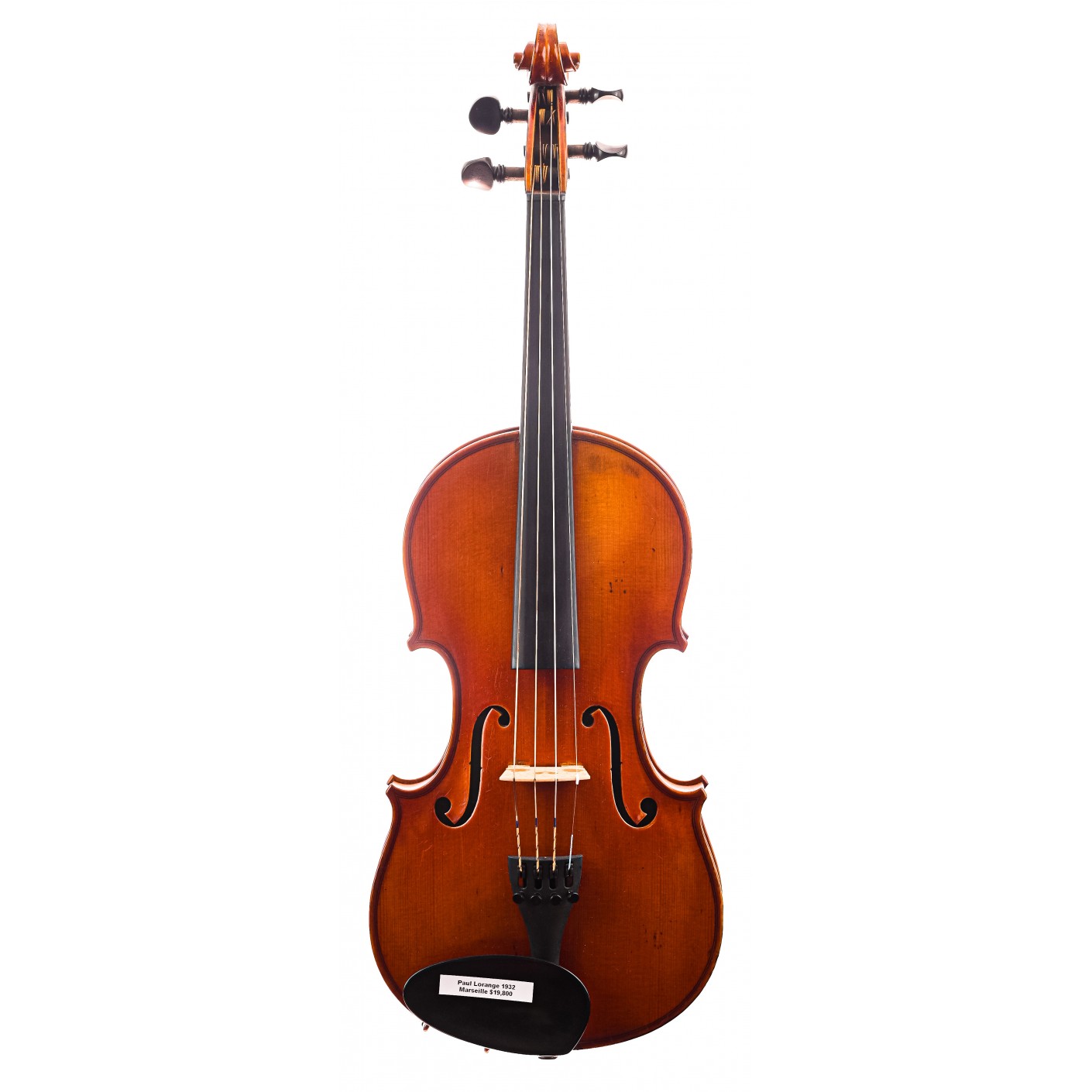
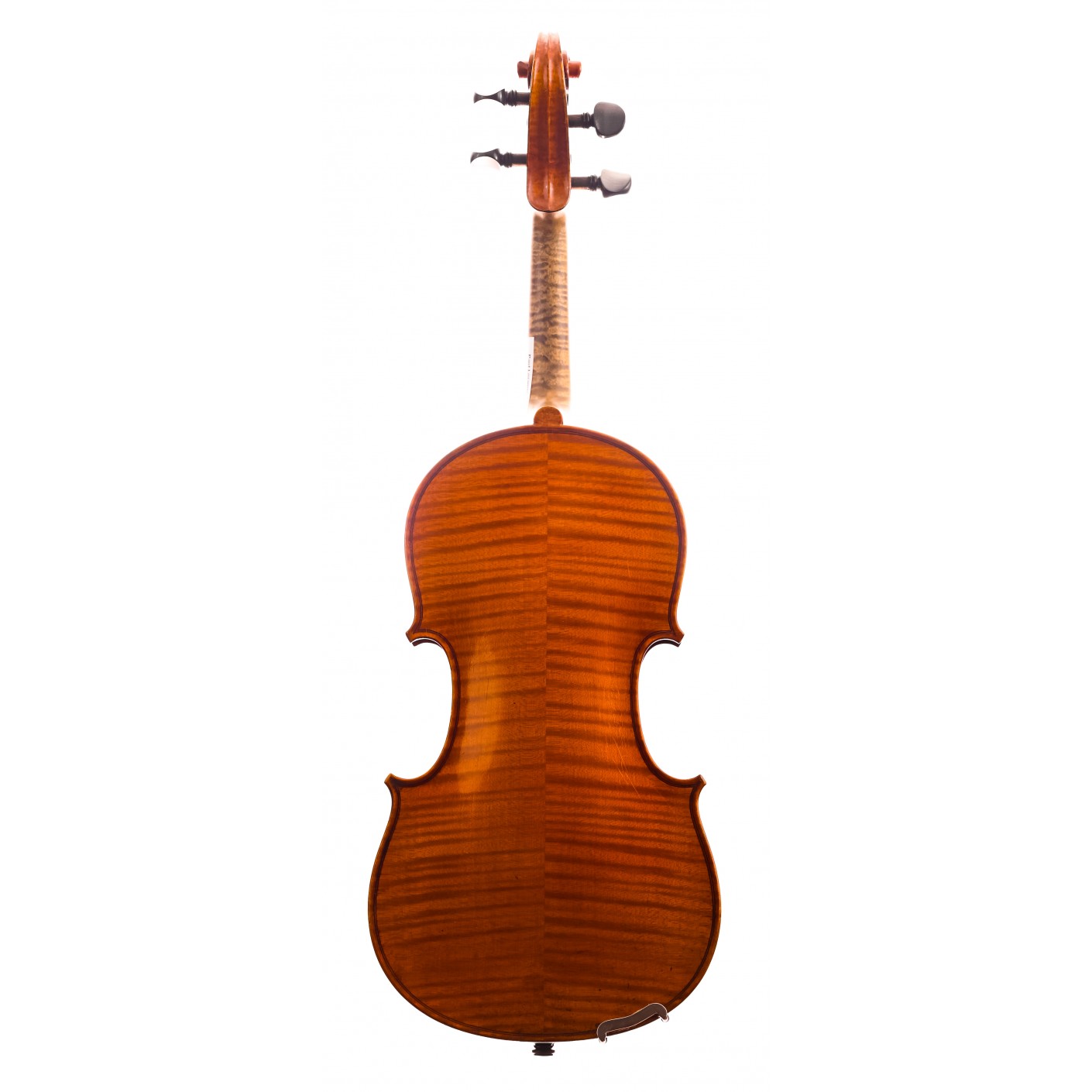
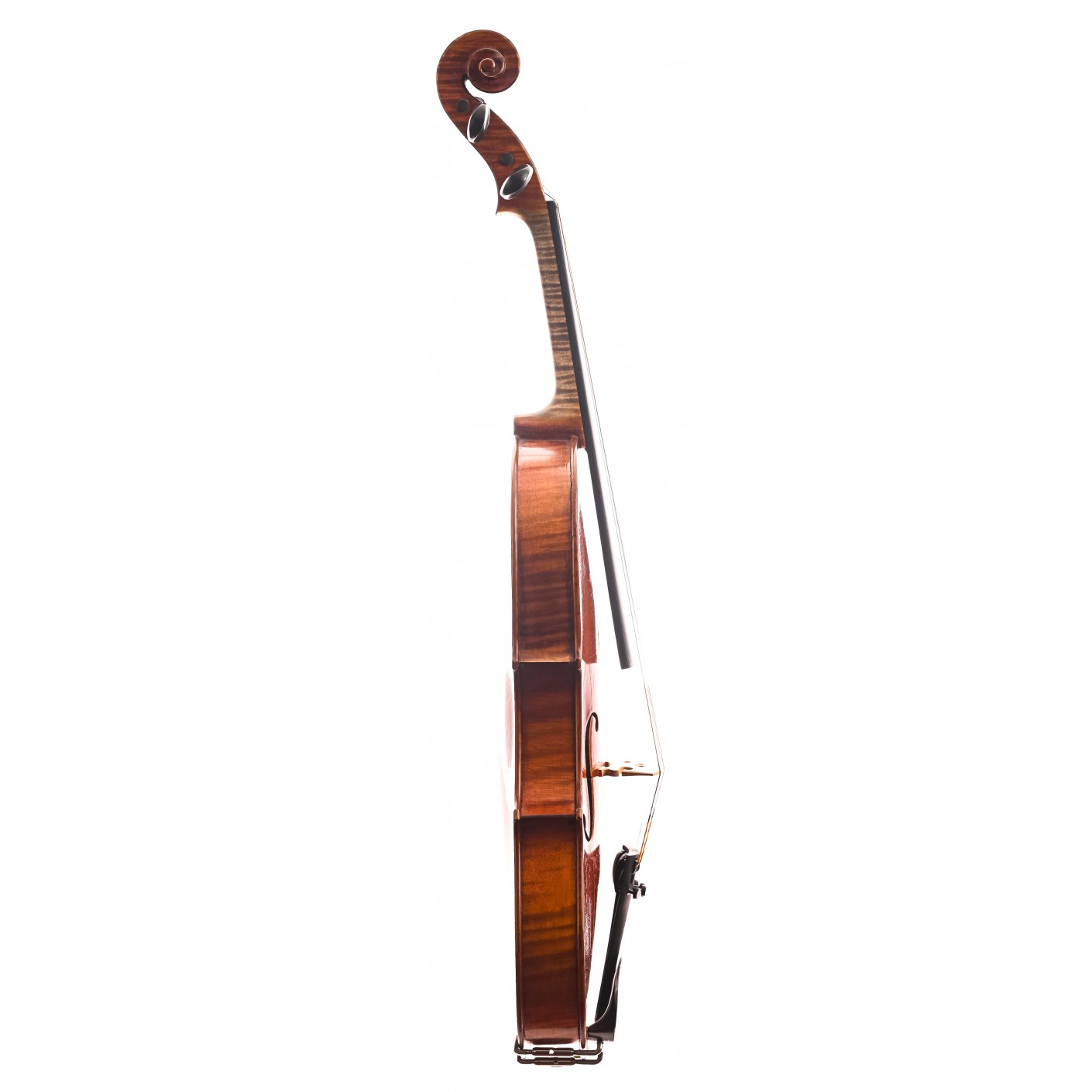
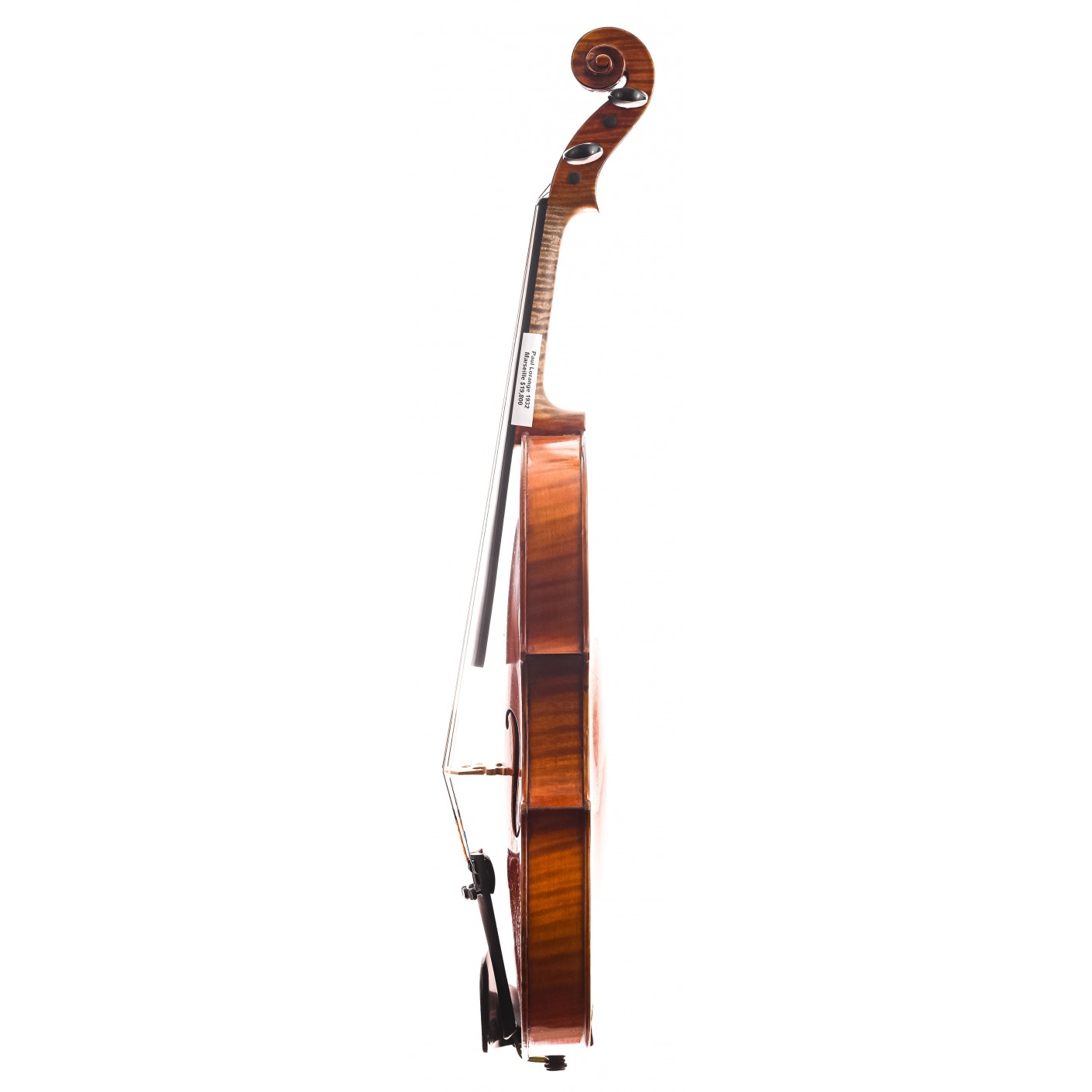
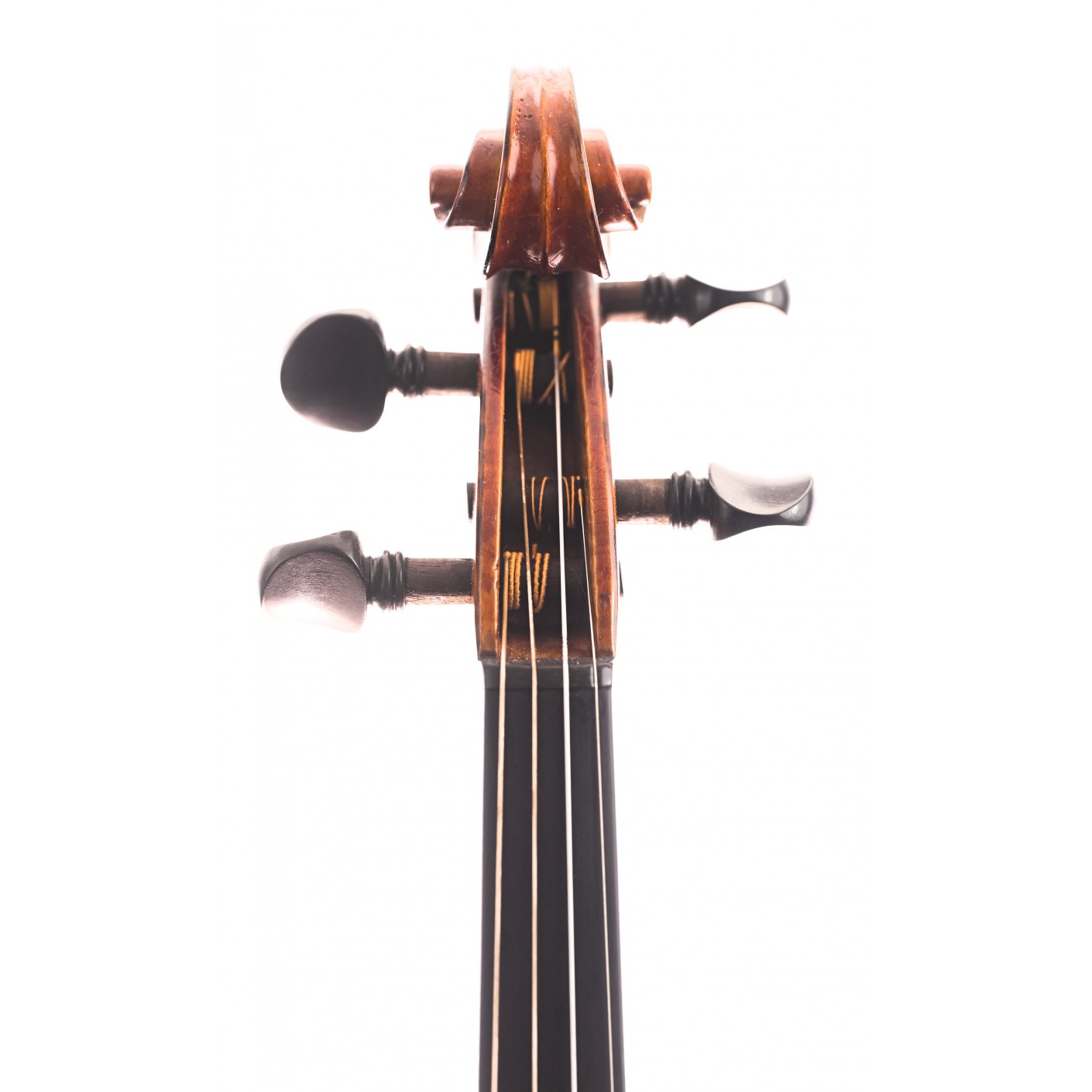
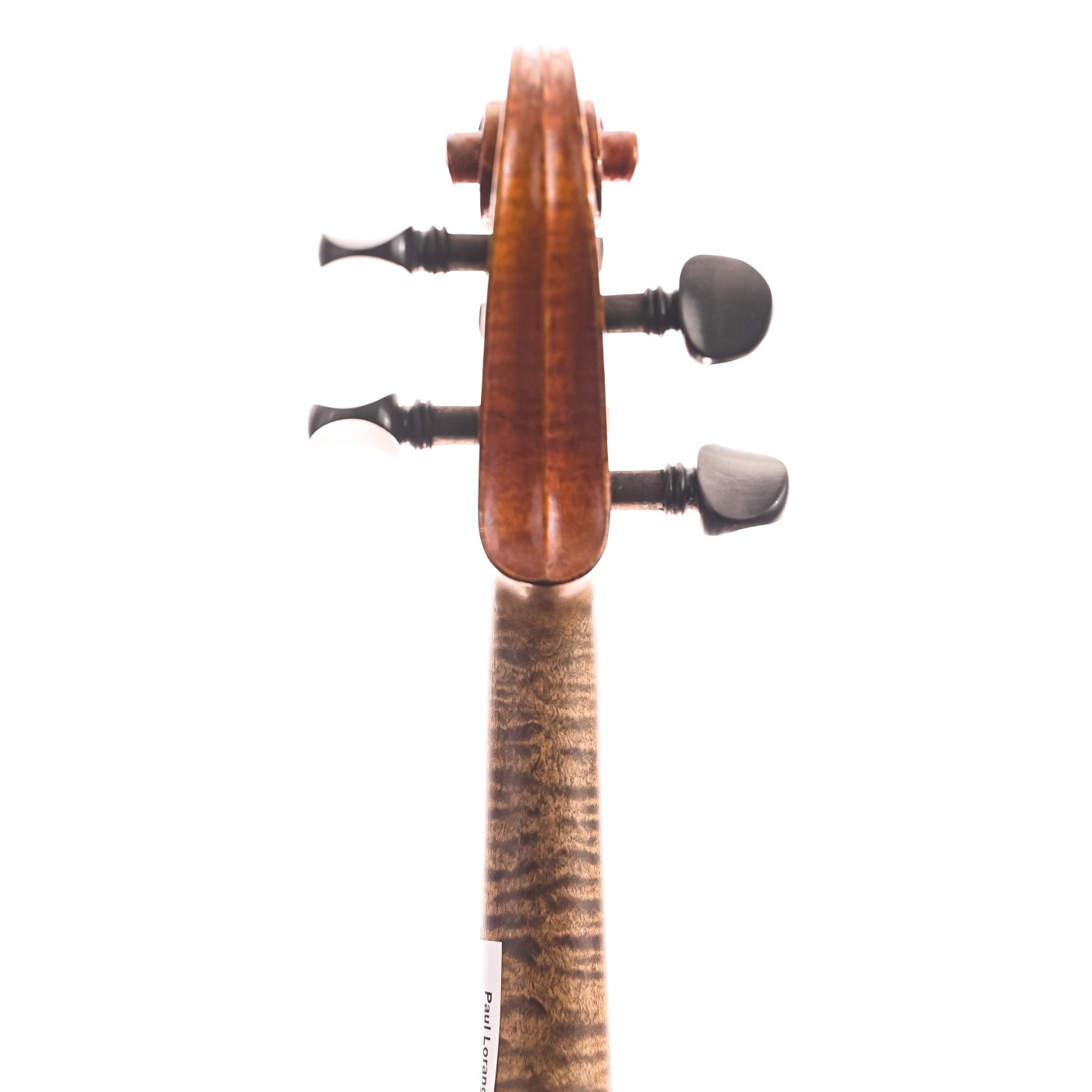
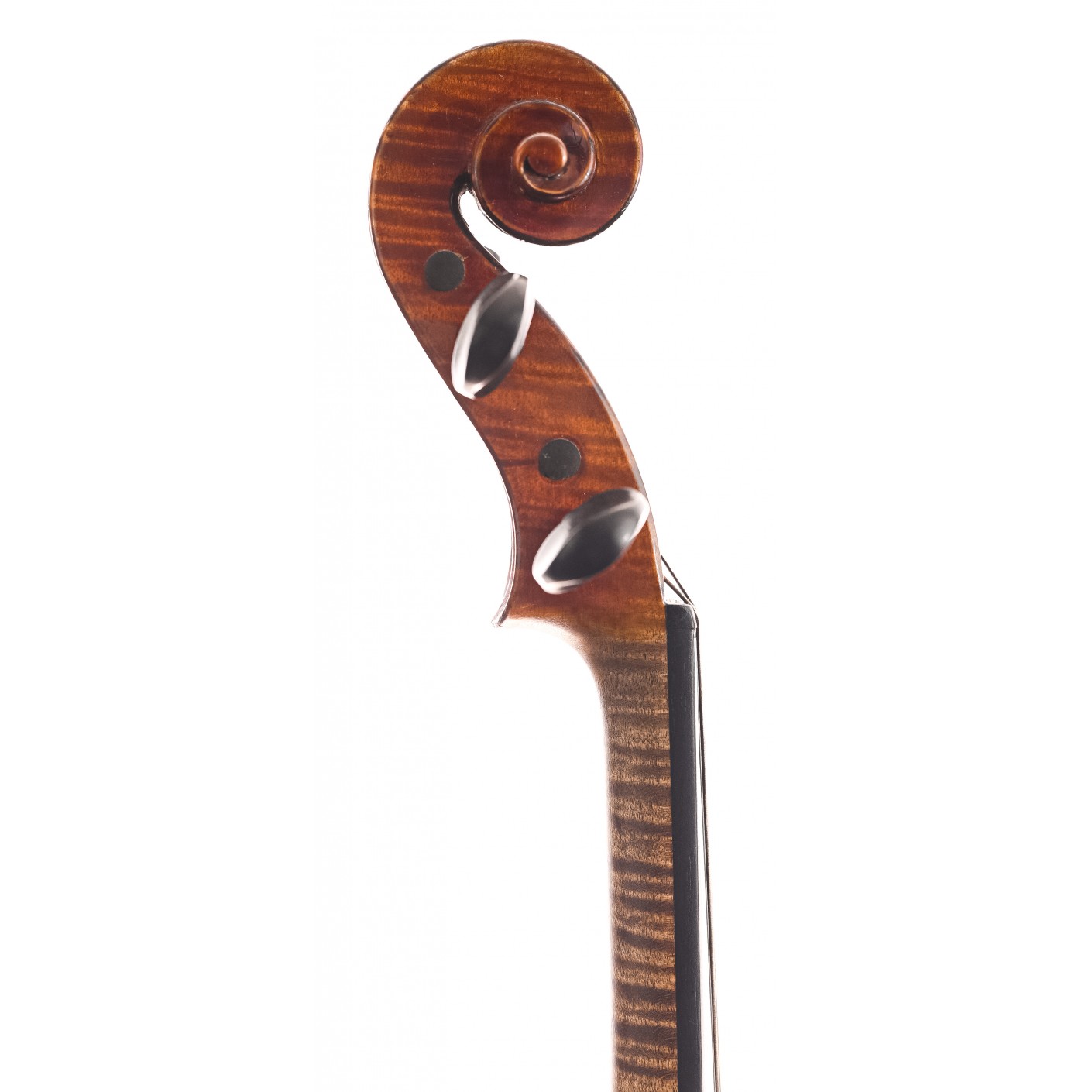
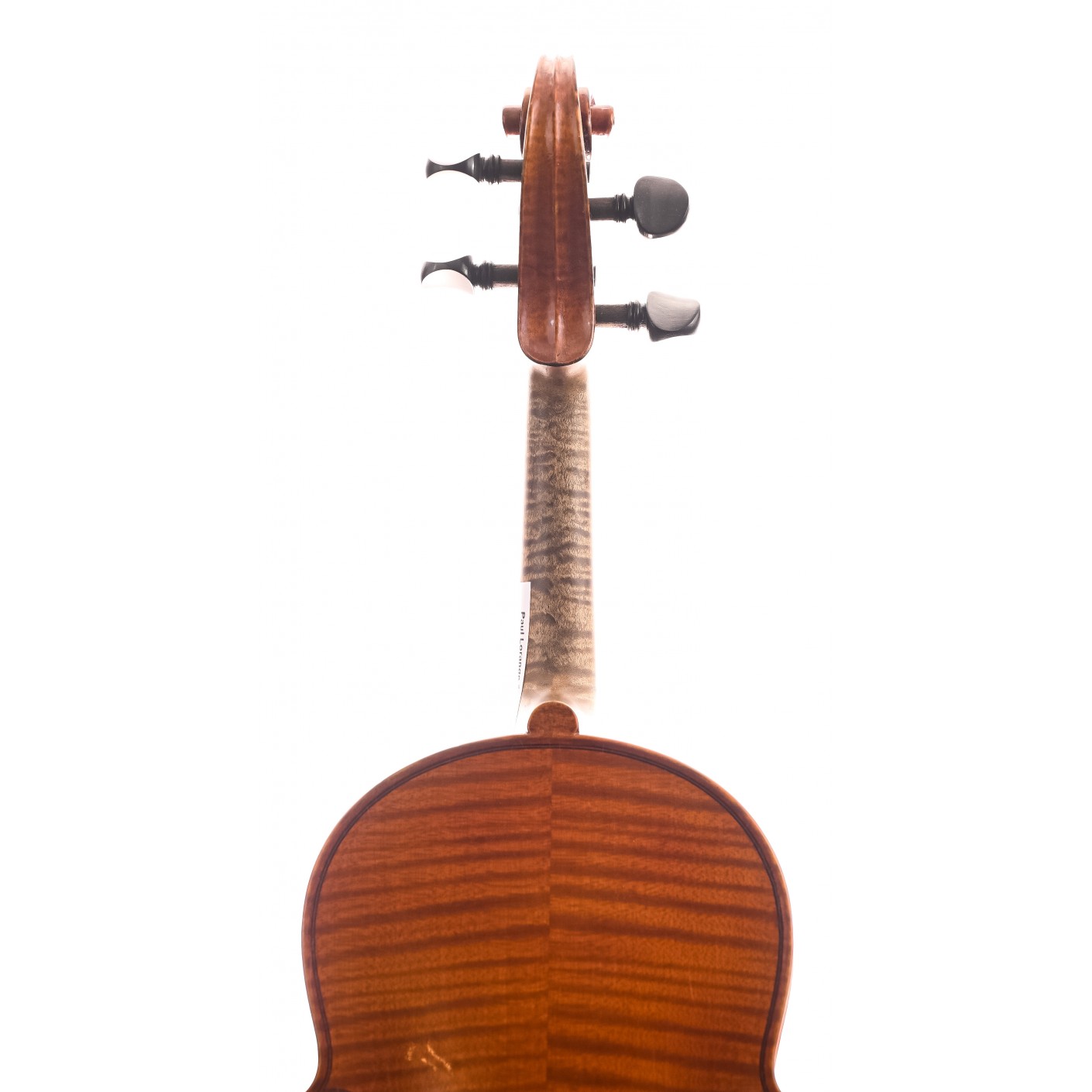
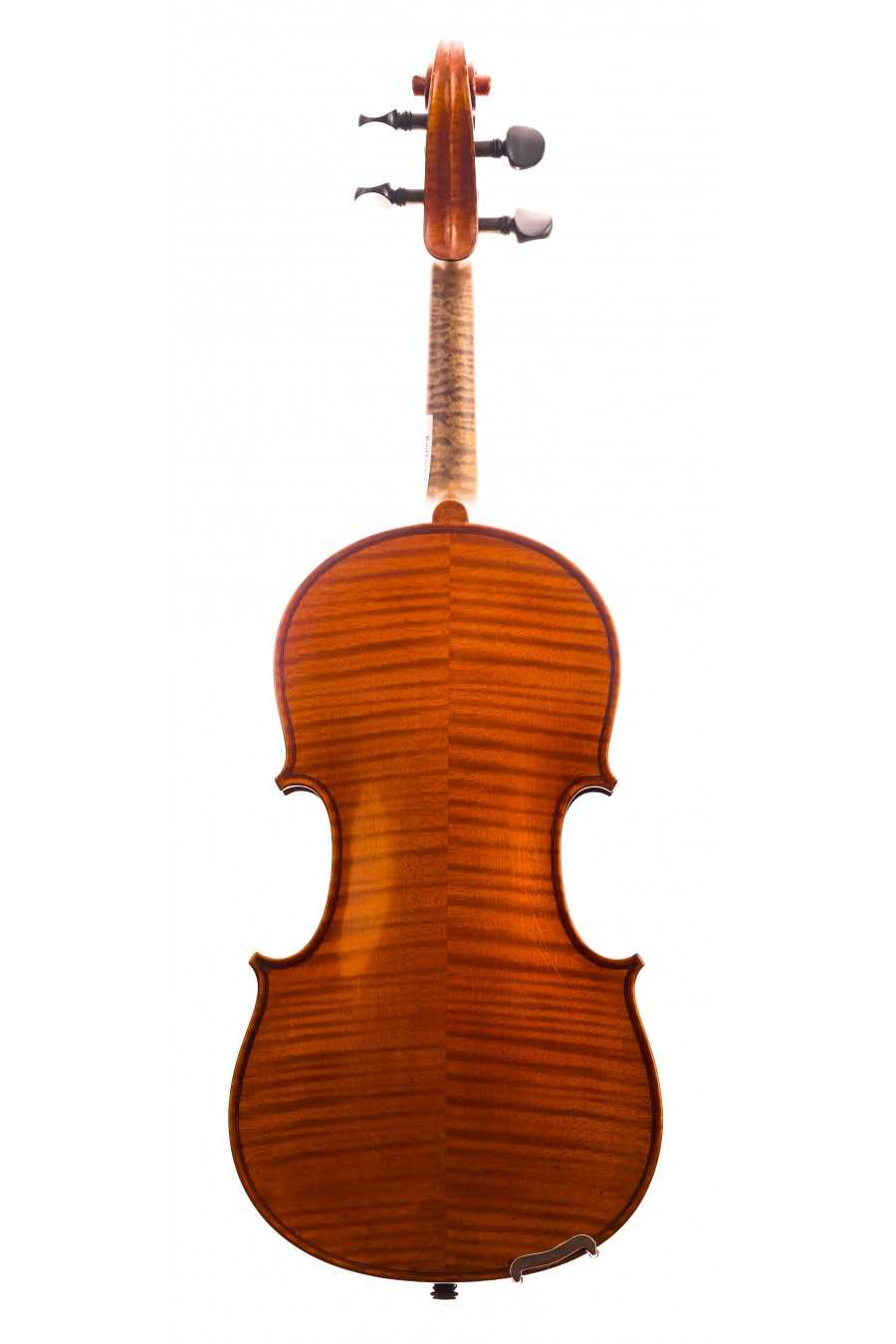
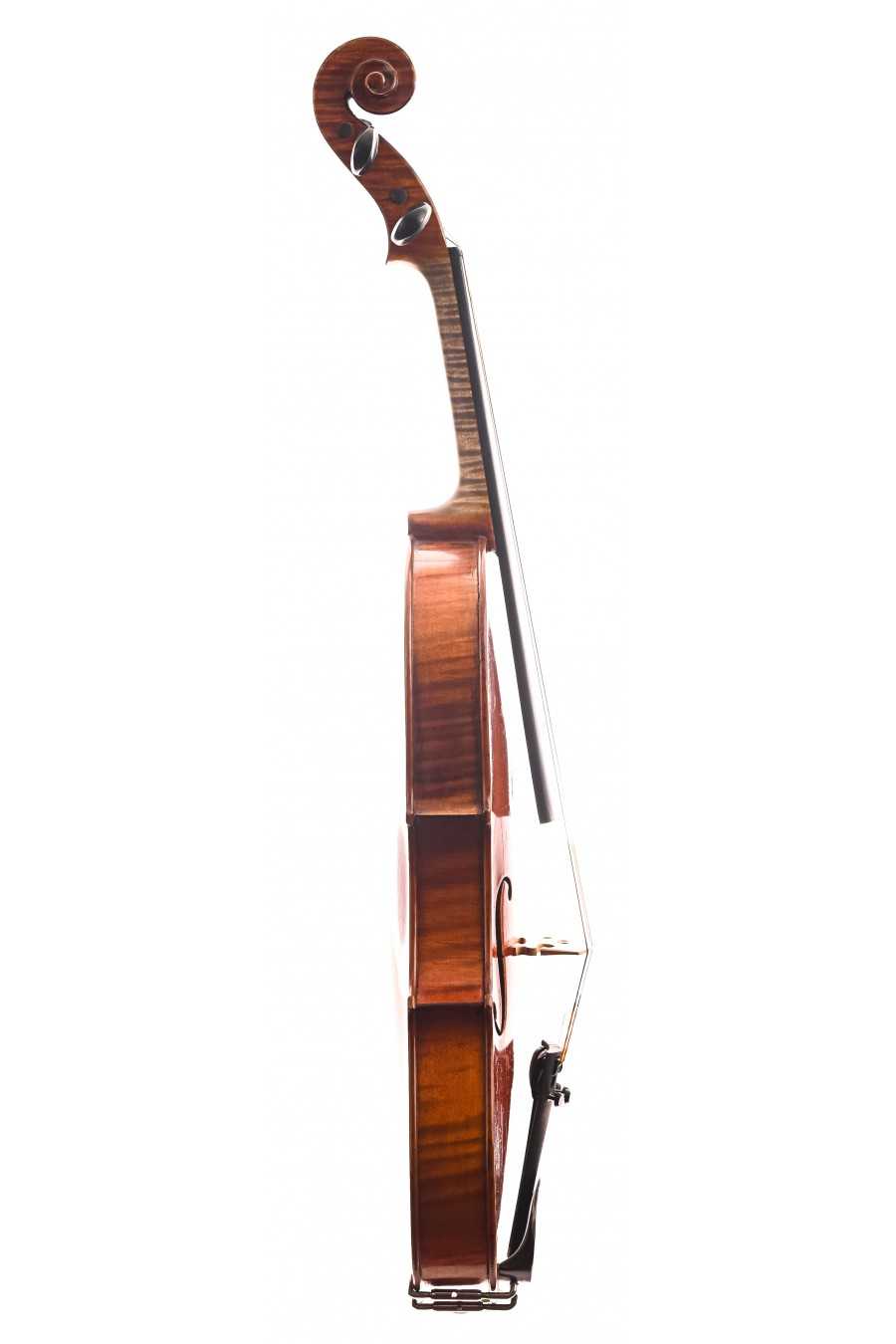
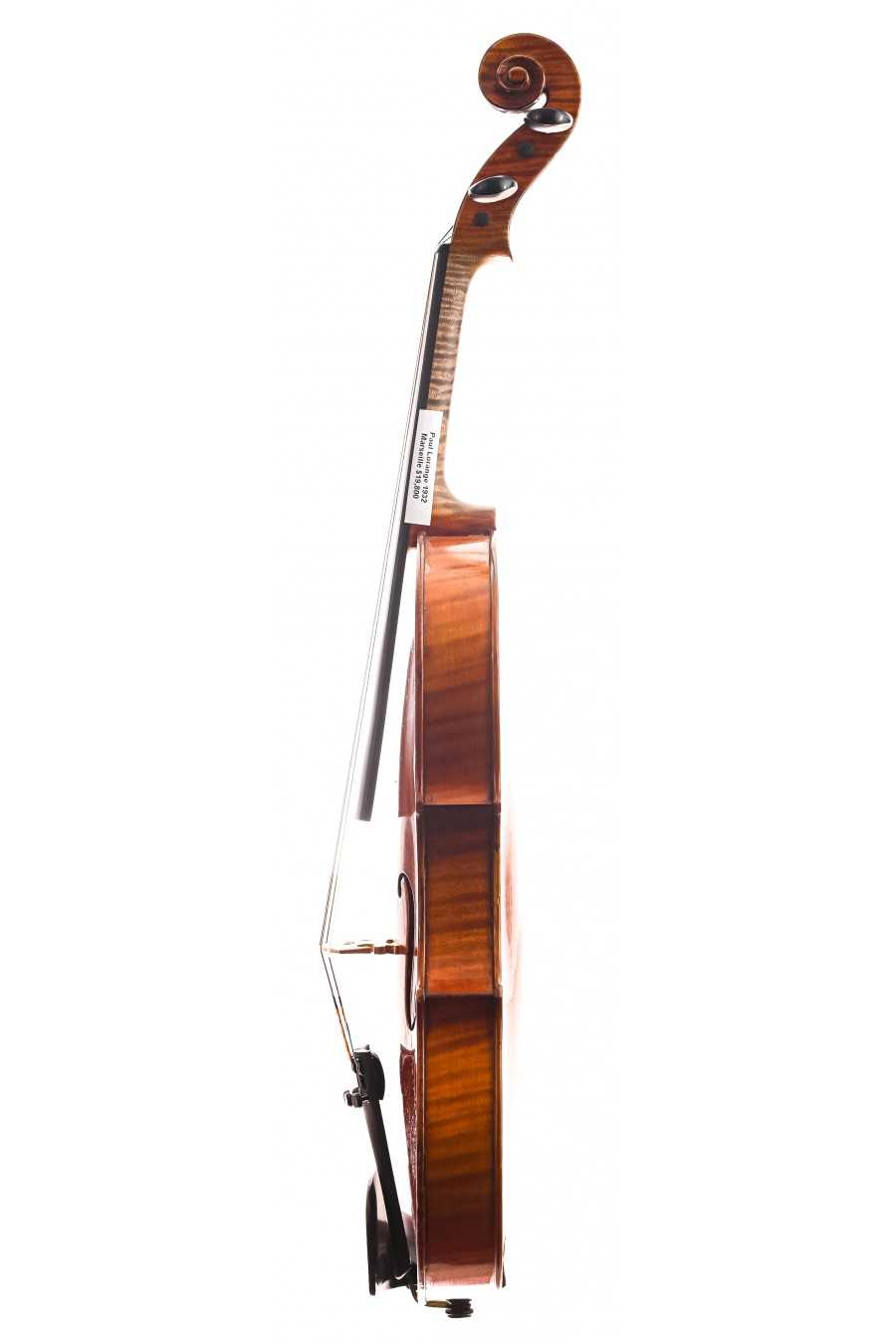
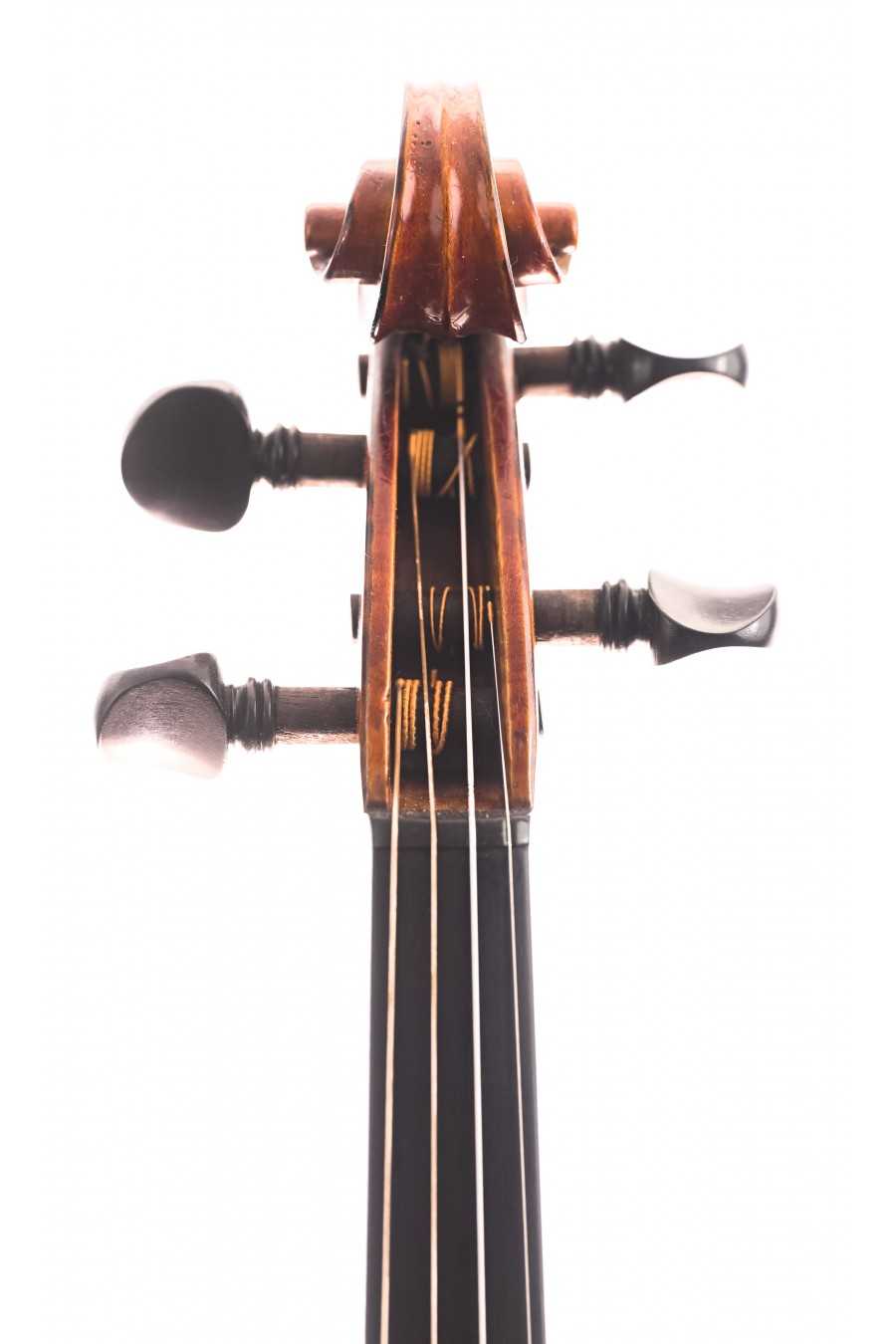
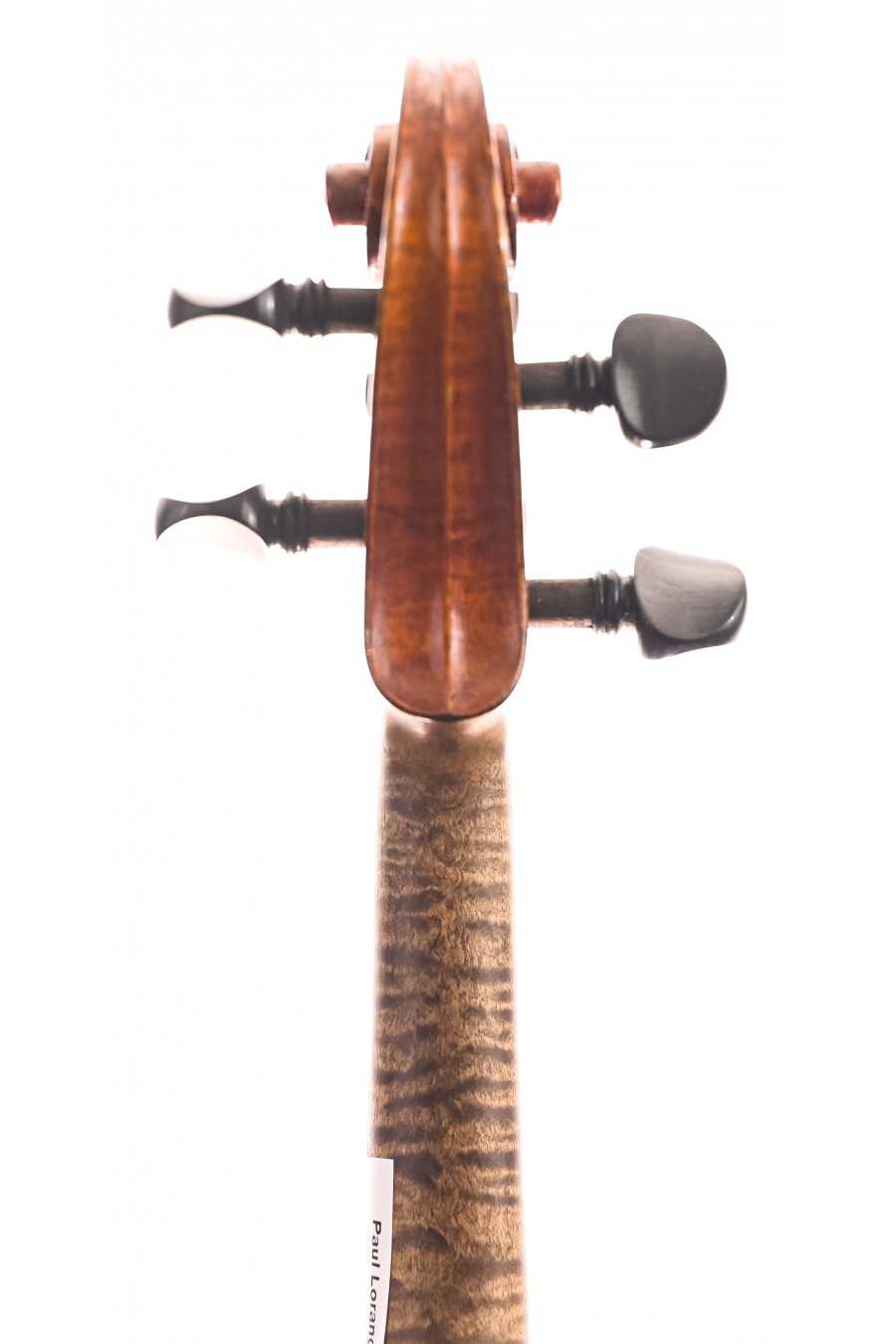
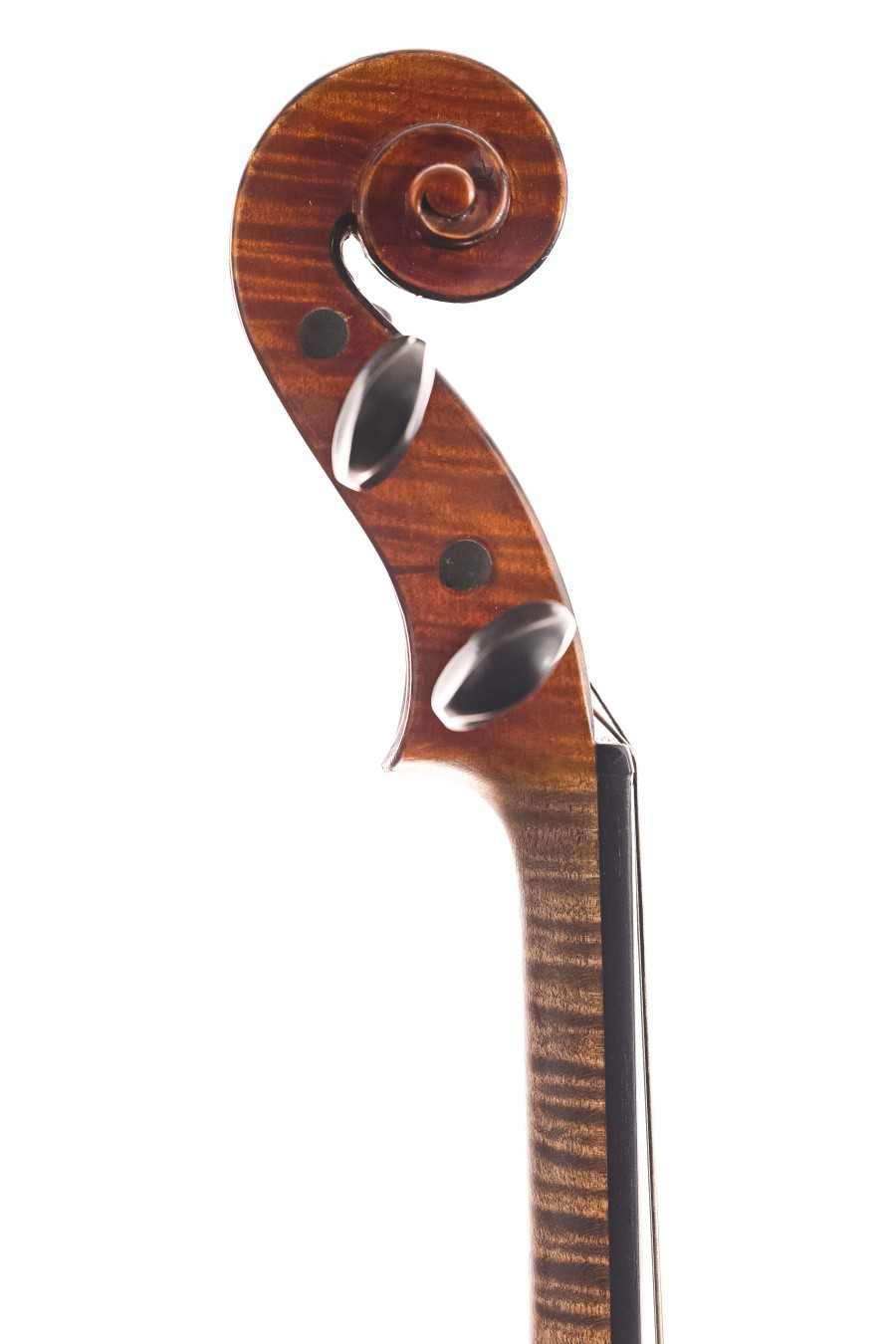
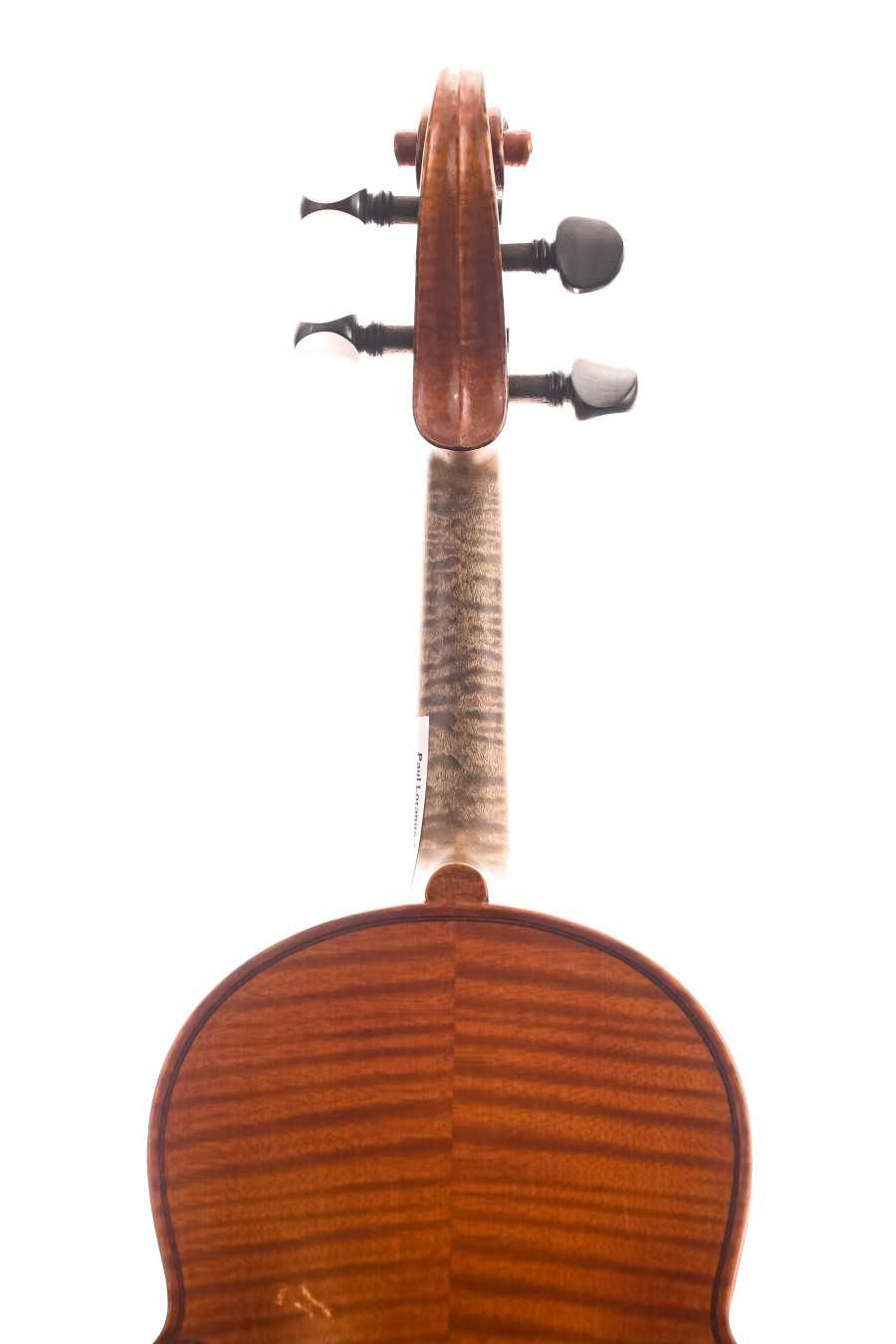
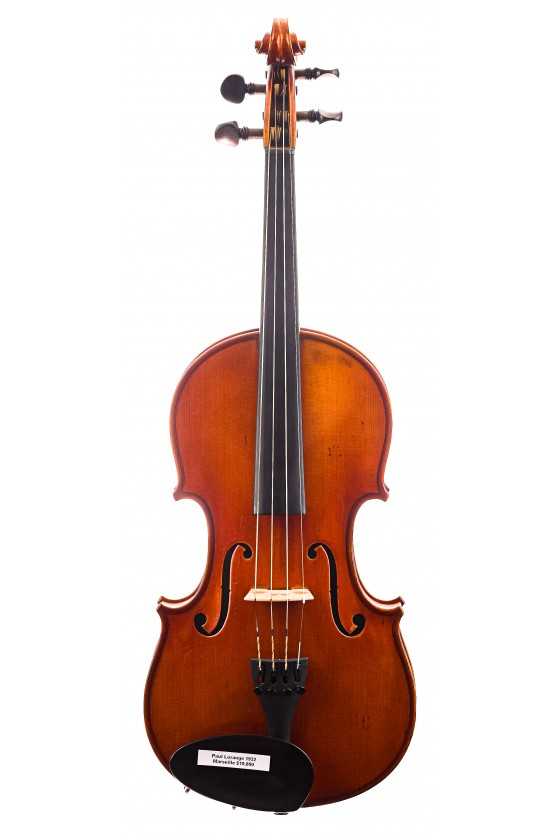
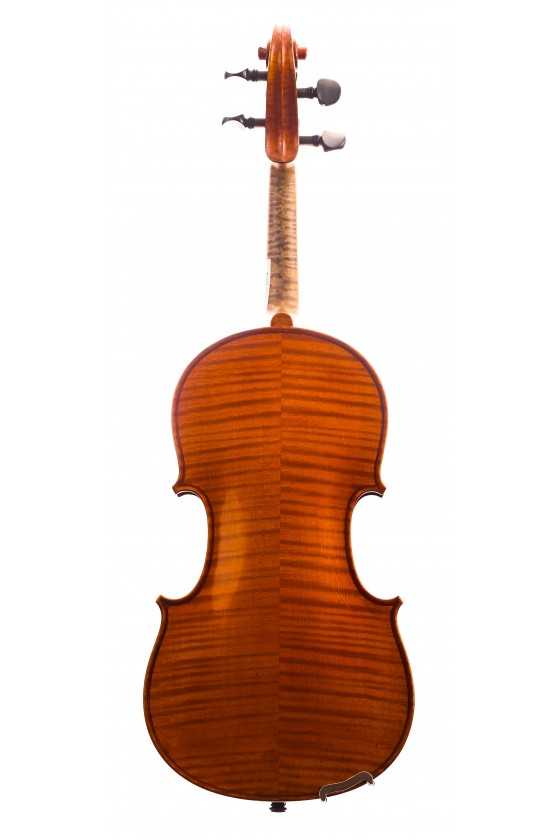
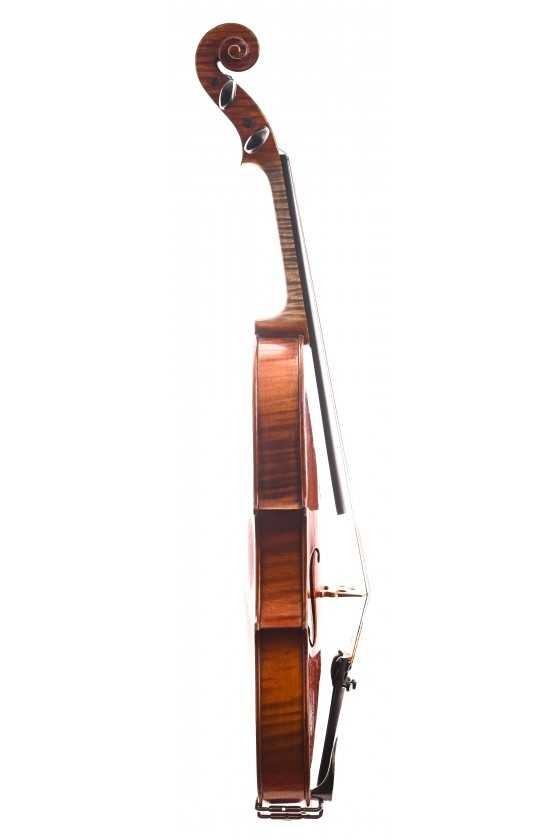
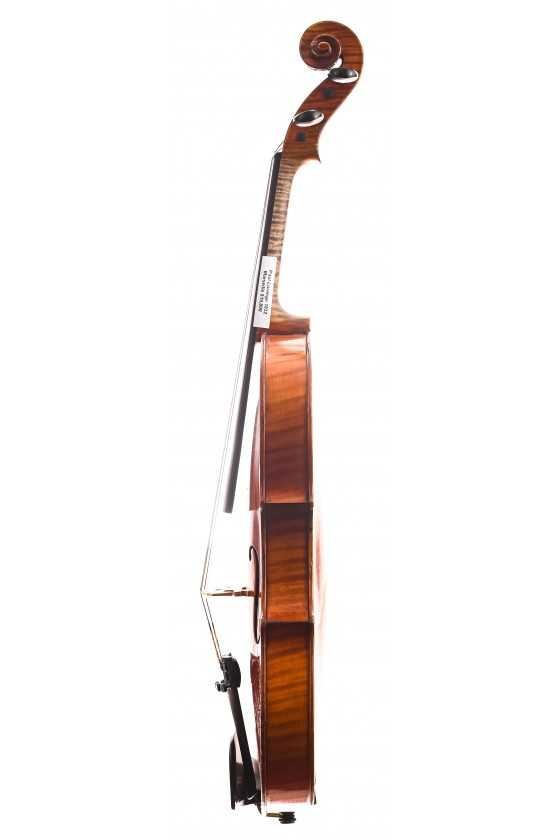
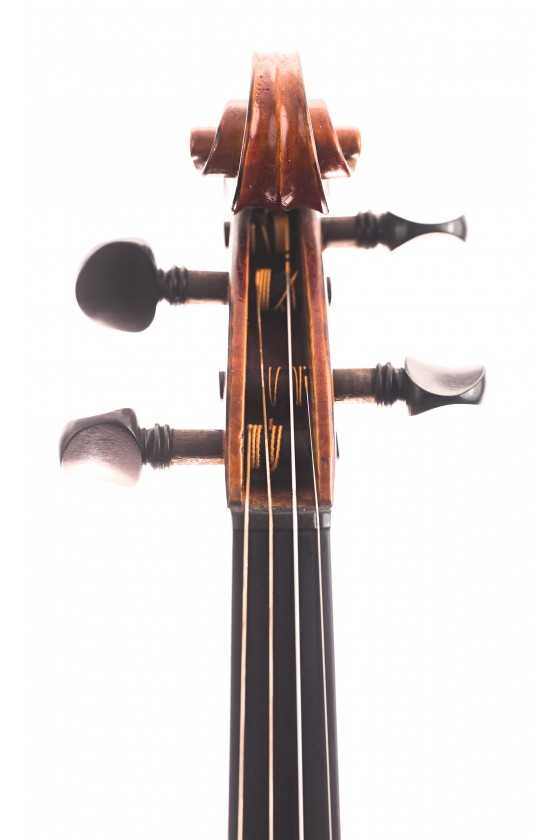
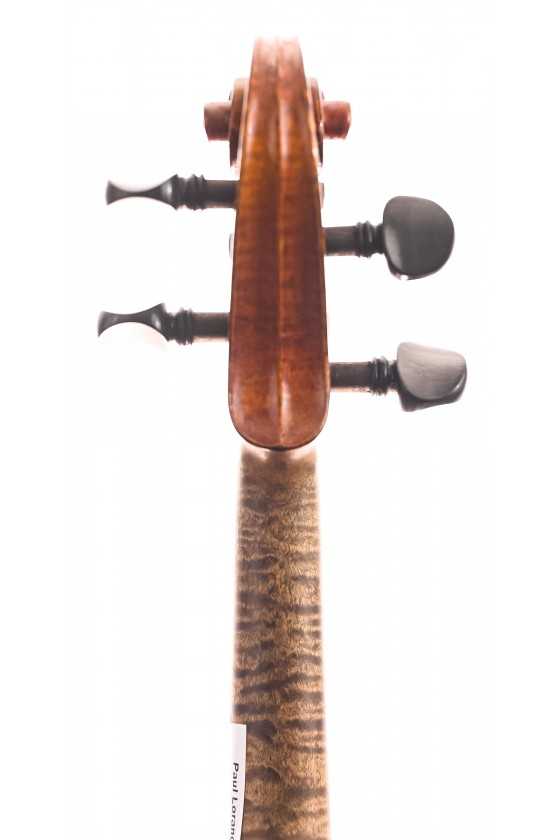
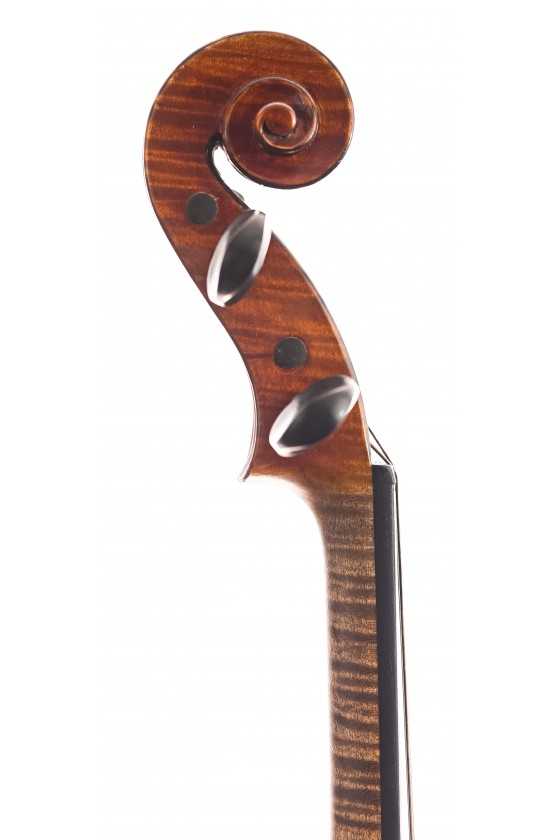
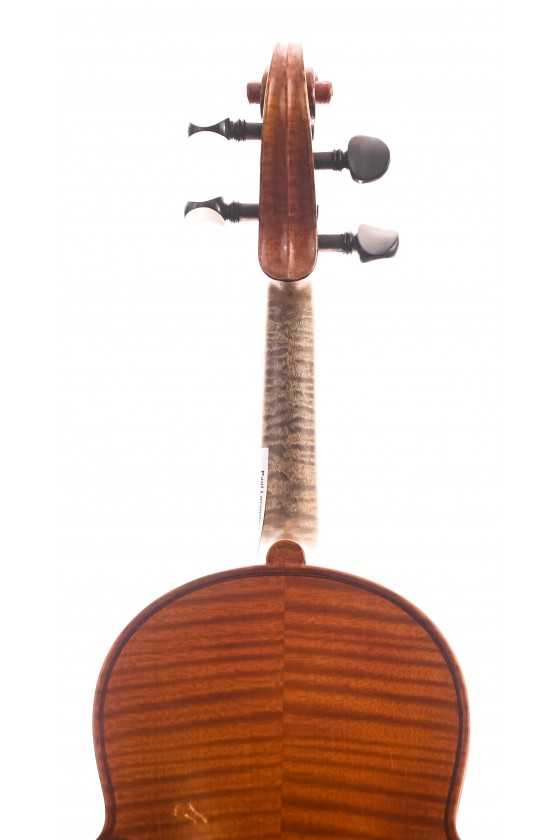
Paul Lorange, a renowned French luthier from Lyon, worked in Marseille during the early to mid-20th century. He established his independent workshop in the city in the early 1930s and was known for his fine workmanship on classical models and his use of various shades of red varnish. The violin in question was made in 1932, and it's noted that the handwriting on the violin and his original label may differ.
Paul Lorange, a well-known French luthier, was a key figure in the luthiery scene of Marseille during the early to mid-20th century. Born in Lyon, France, in 1900, he was the son of another luthier named Paul Lorange. After working with a fine luthier named Diter, he established his independent workshop in the same city in the early 1930s. Lorange was known for his fine workmanship on classical models and his use of various shades of red varnish, a signature style that added to the allure of his instruments. His violins and violas, highly regarded for their craftsmanship and tonal qualities, are a testament to his skill. The violin in question, crafted in 1932, is a prime example of his work, although it's noted that the handwriting on the violin and his original label may differ, adding a touch of mystery to his story.
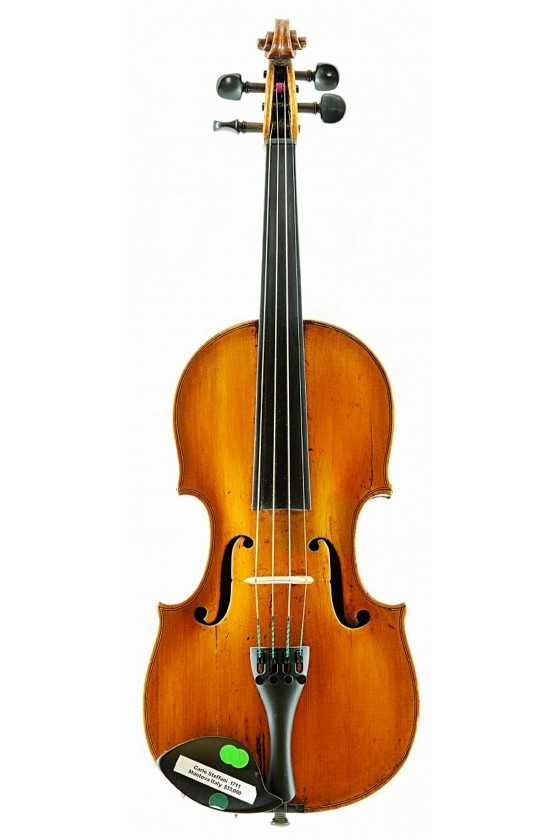
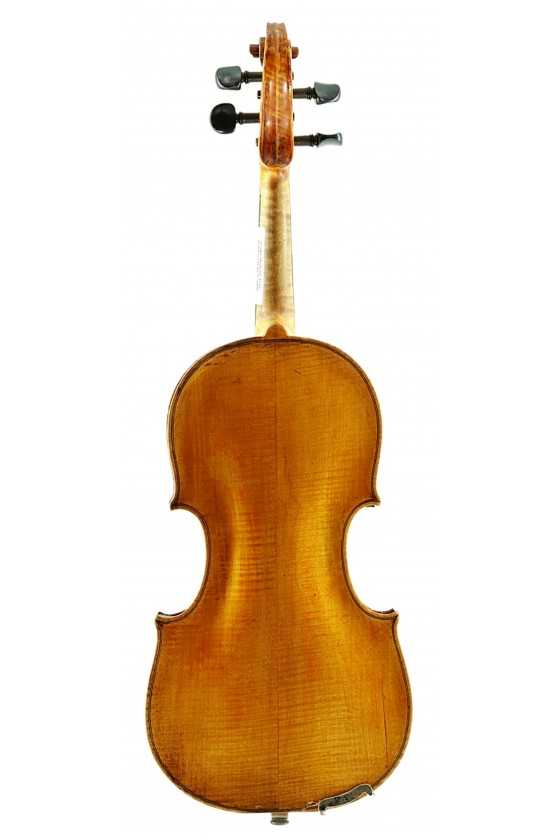
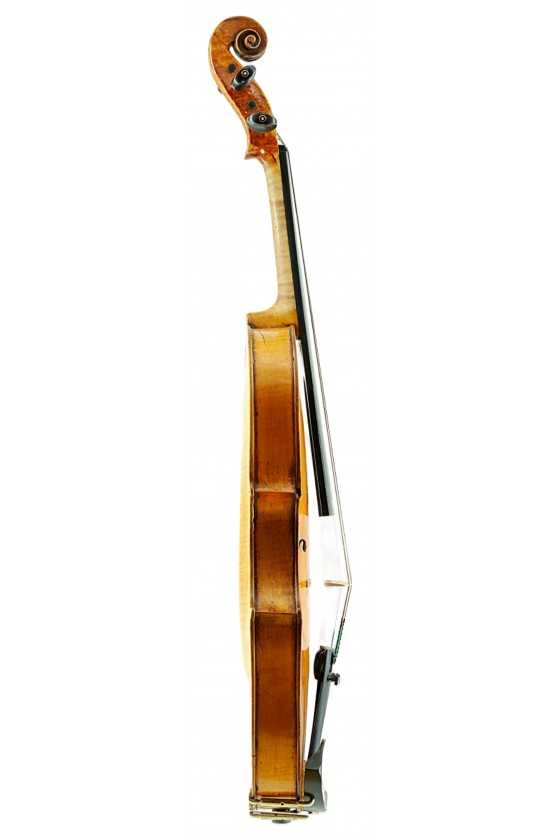
This is a violin labelled Carlo Steffani. The timber for this violin was cut around 1800 in the Southern Alps.
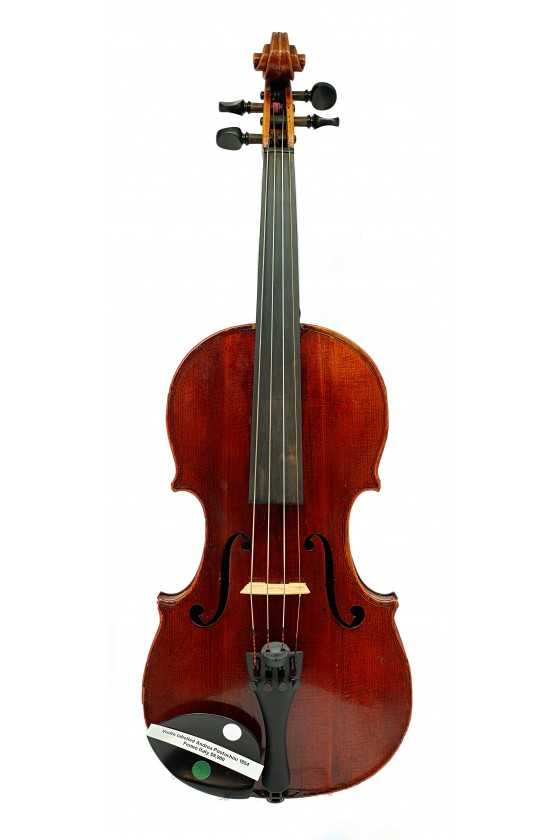
This violin (copy) bears the label 'Andrea Postacchini,' a skilled Italian luthier renowned for crafting high-quality instruments with exceptional tonal quality.
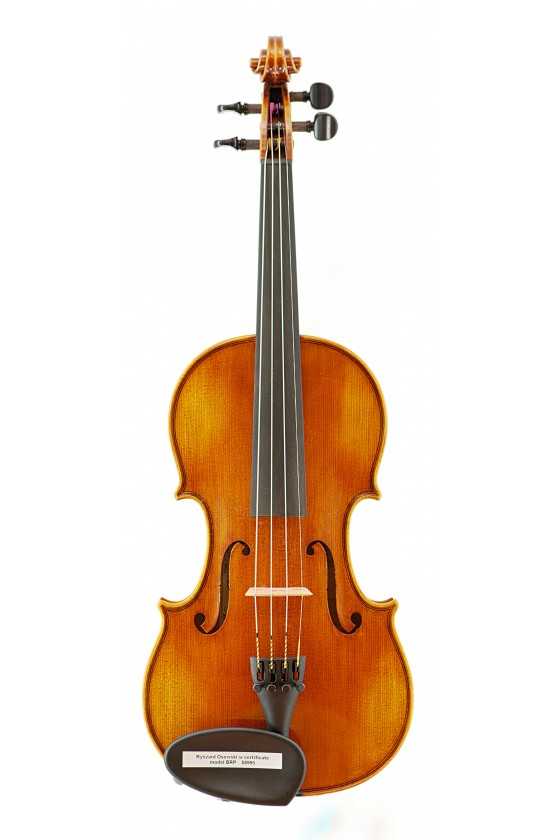
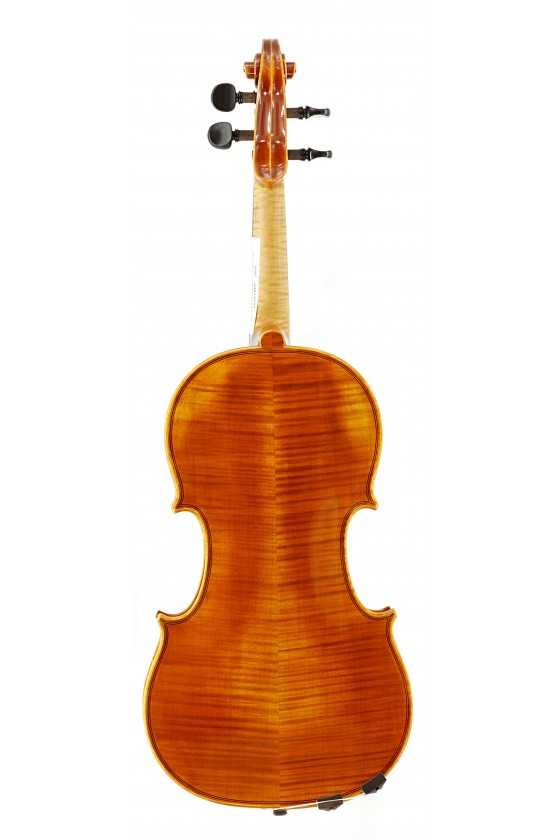
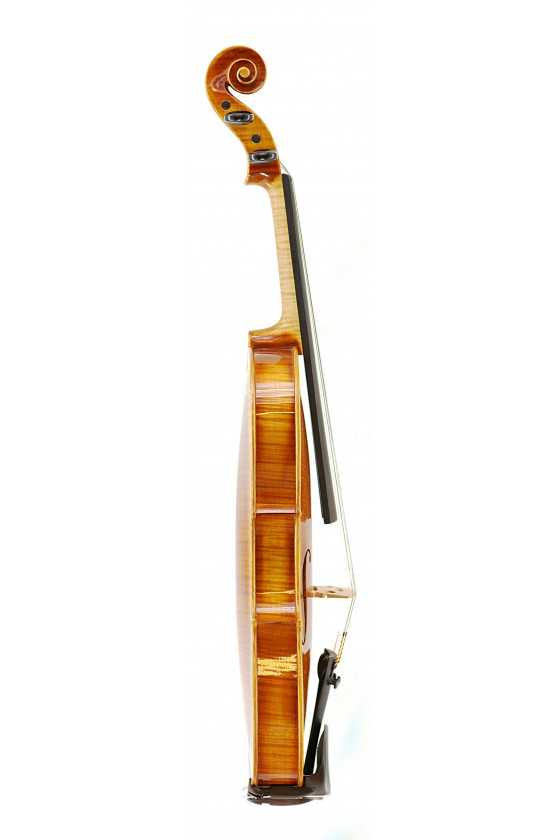
Check out this Ryszard Osowski Violin Model BR with Certificate. Ryszard Osowski is a Polish luthier who was able to gradually perfect the sound and quality of his instruments, concentrating more on building his own stringed instrument, passionately rearing towards crafting highly advanced violins.
Check out this Copy of Giuseppe Fiorini violin 1926. Giuseppe Fiorini an Italian luthier, the son and student of Raffaele Fiorini who established the "Rieger and Fiorini" violin-making firm in Munich. A passionate teacher, donating materials and relics to the Municipality of Cremona in order to establish a violin-making school there.
Lambert-Humbert Frères firm (fl. 1876 – 1969) was a major violin manufacturer in Mirecourt, offering a wide range of models and quality levels, established in 1876 by violin-making brothers Maurice-Emile and Pierre Alexis Auguste Laberte.
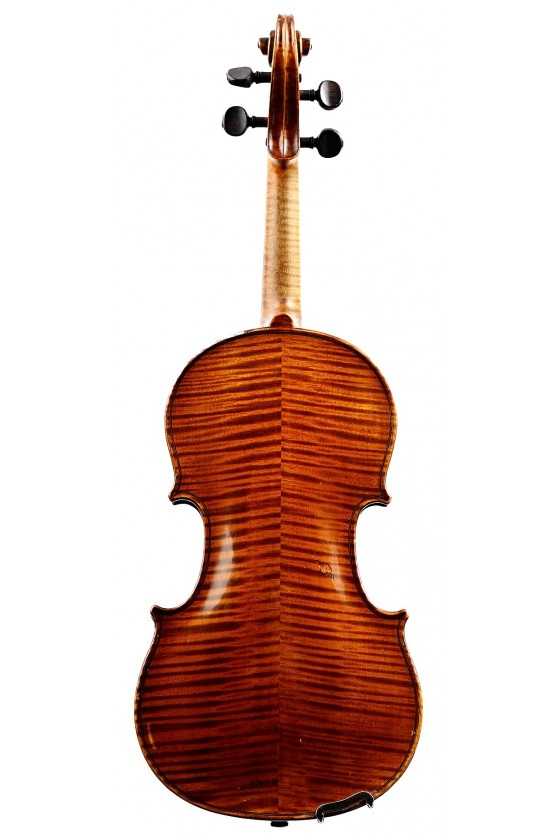
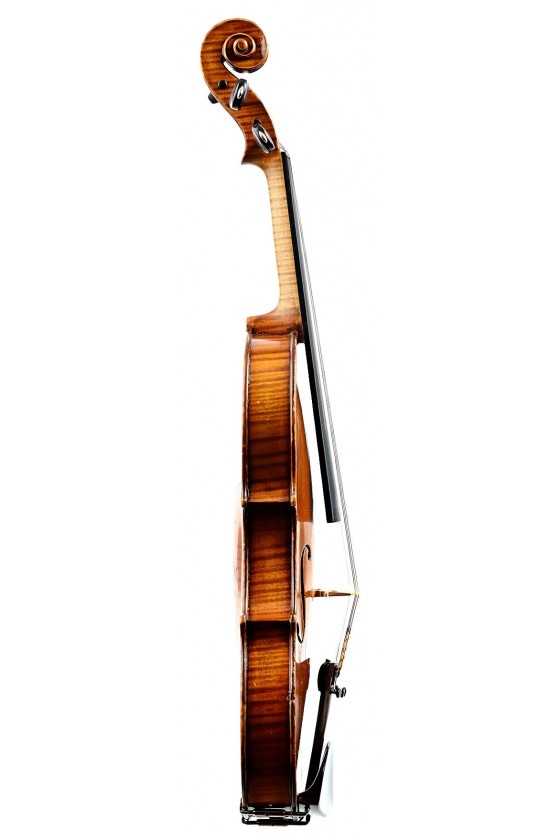
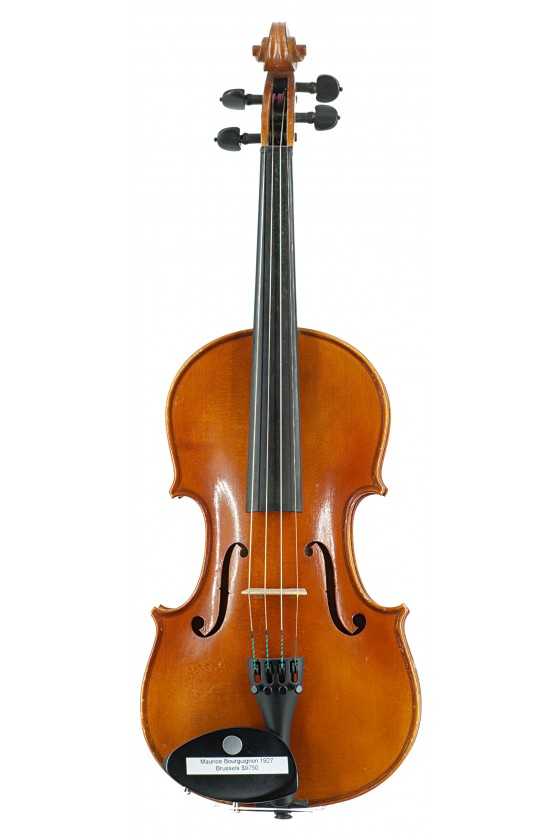
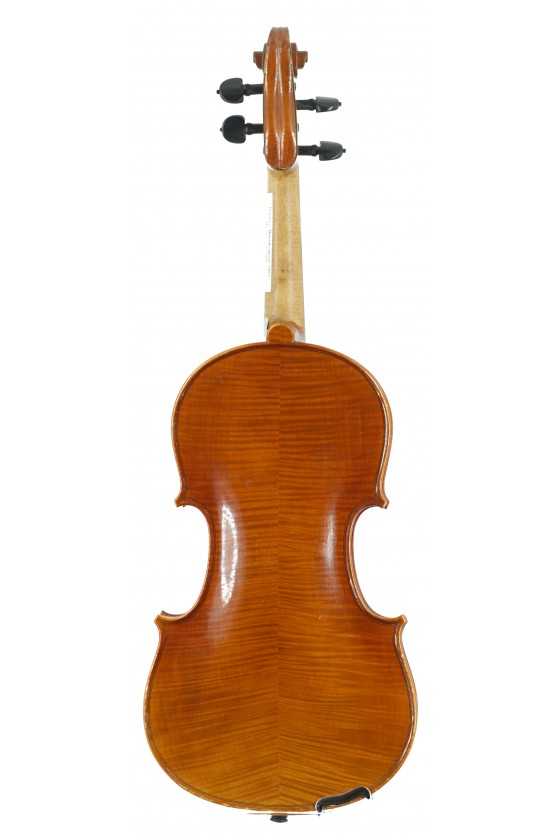
Introducing the Maurice Bourguignon Violin made in 1927 in Brussels. Maurice Bourguignon is a French luthier who received several awards, medals, and diplomas for his work in various exhibitions. He was known for his very refined work in classical models characterized by a good red varnish.
We have here a Lillo Salerno Italian violin made in 2019. Lillo Salerno is an Italian luthier born in Sicily, Italy. He went to Cremona Violin Making School then finished his studies in Mittenwald School of Violin Making in Germany in 2005.
Instrument - Violin
Model- Personalized Stradivari
Top - Italian spruce in two pieces
Back - Balkan maple in two pieces
Scroll - From the same wood as the back
Varnish - Oil and amber with a yellow background, red-brown violin.
Notes - The instrument was made with an antique and shows a black bevel on the scroll and points of the bouts.
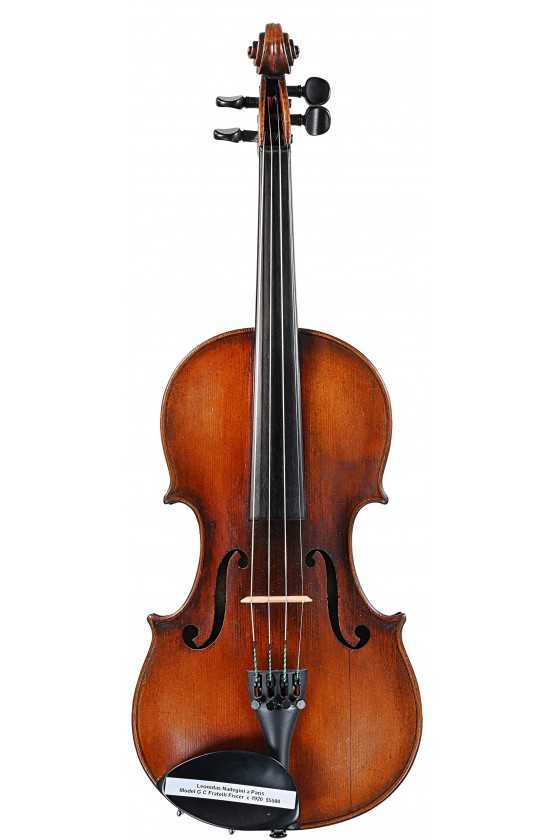
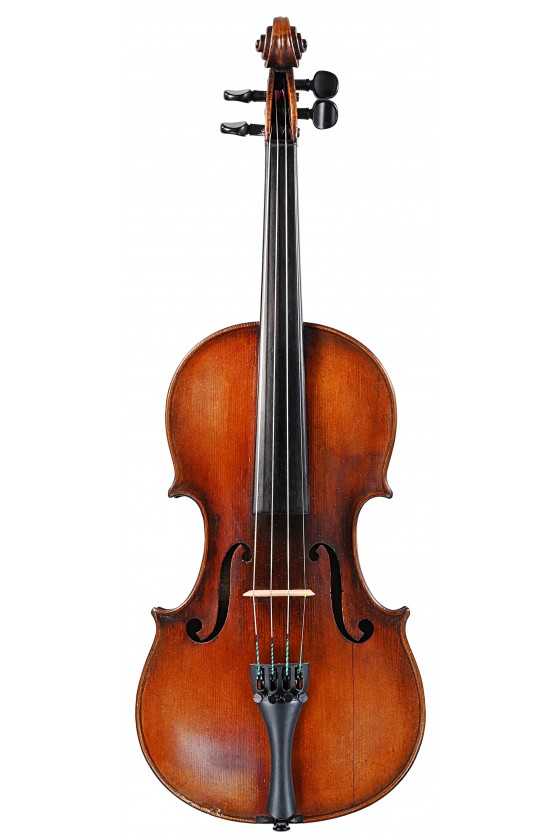
Check out this Leonidas Nadegini violin made about 1920. Jean-Baptiste Leonidas Nadegini was a Ukrainian luthier who was awarded as gold medalist for sonority in Saint Petersbourg competition in 1907.