
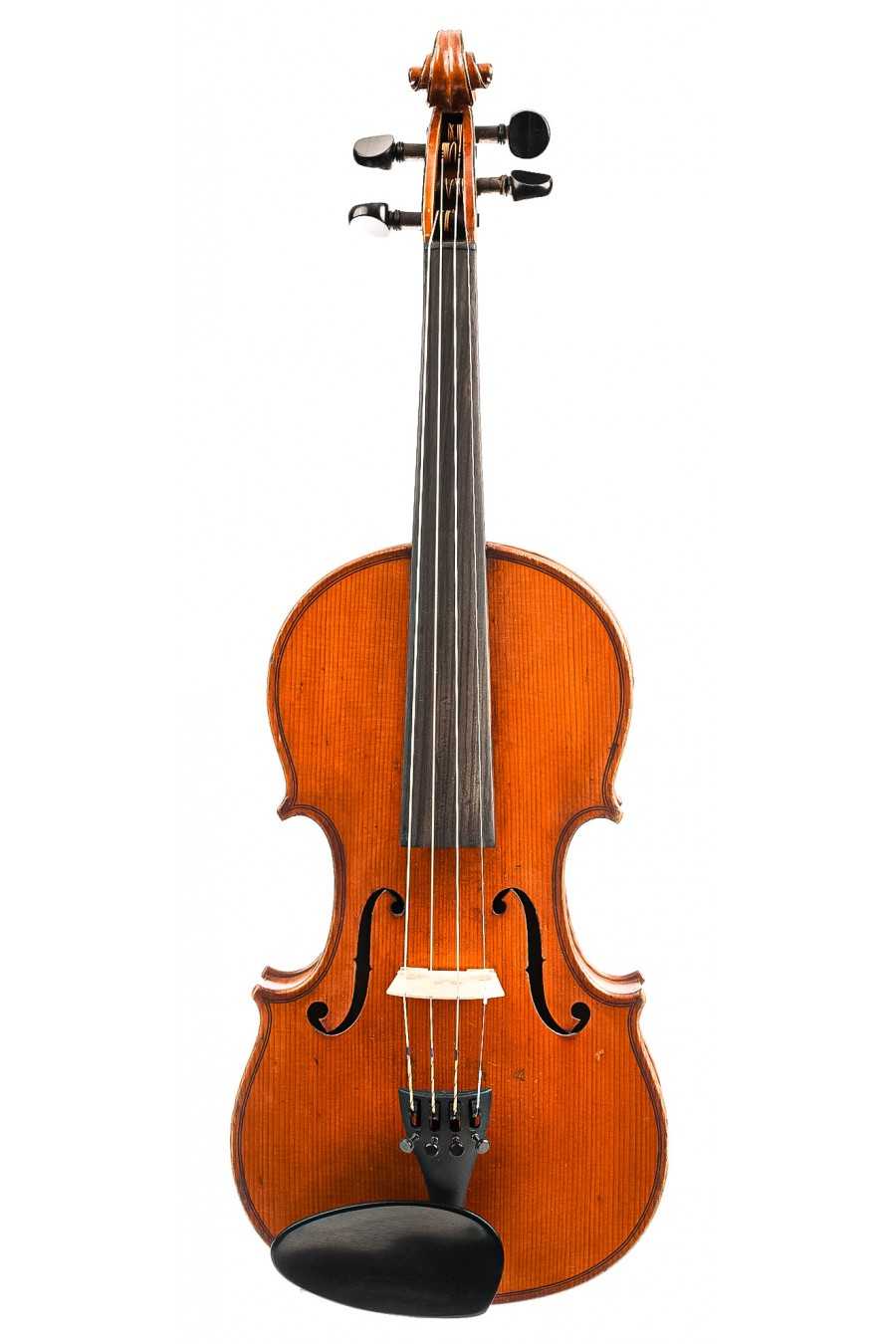
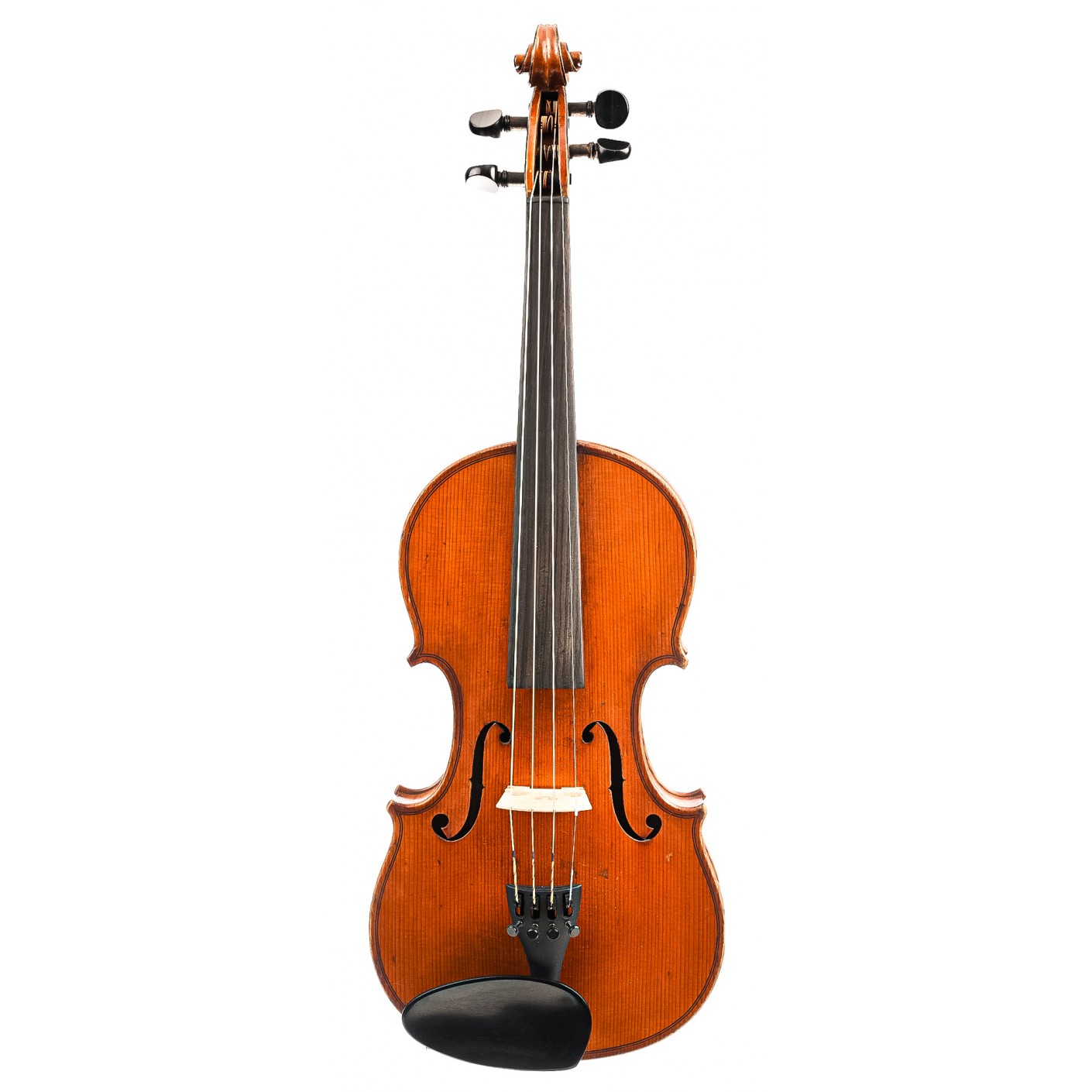
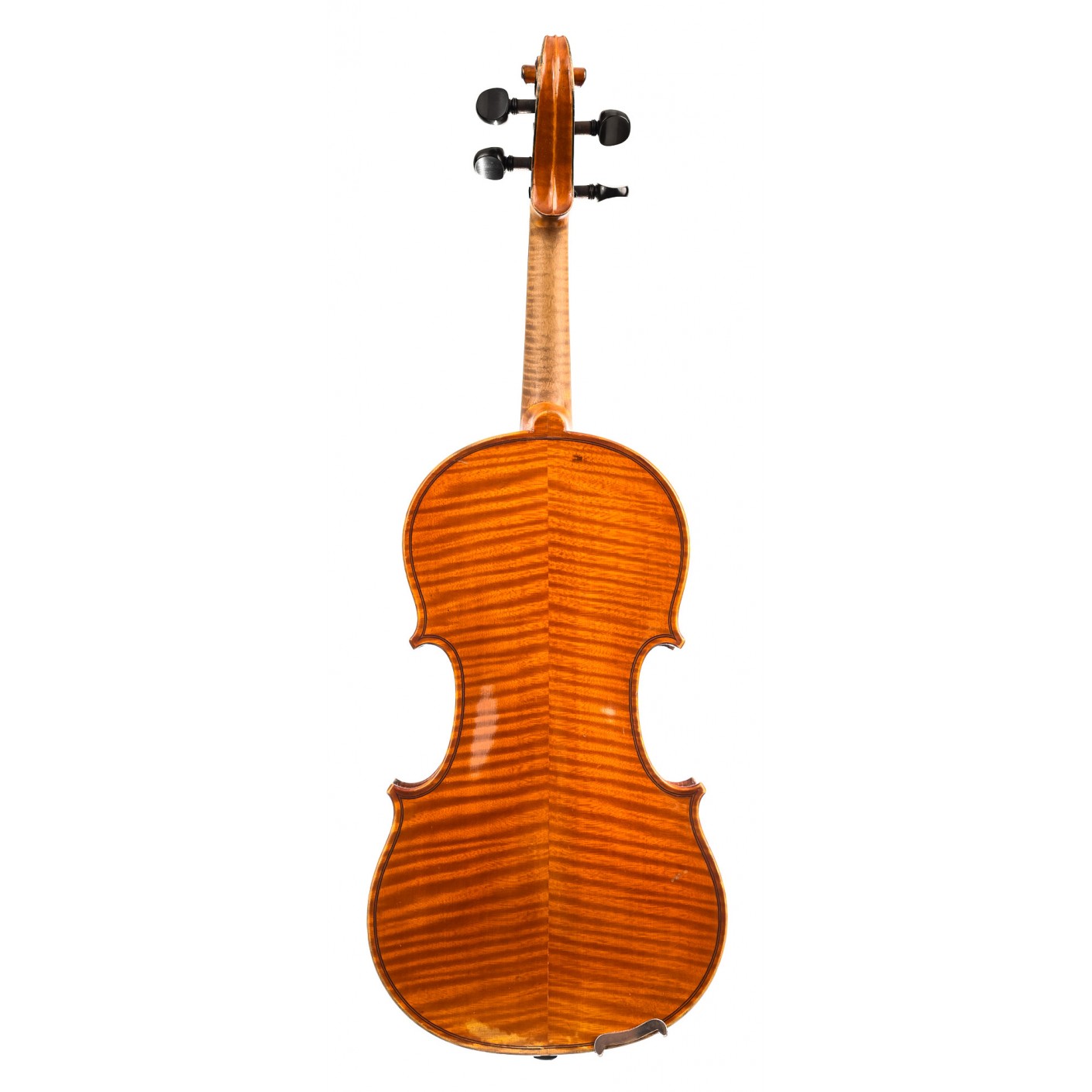
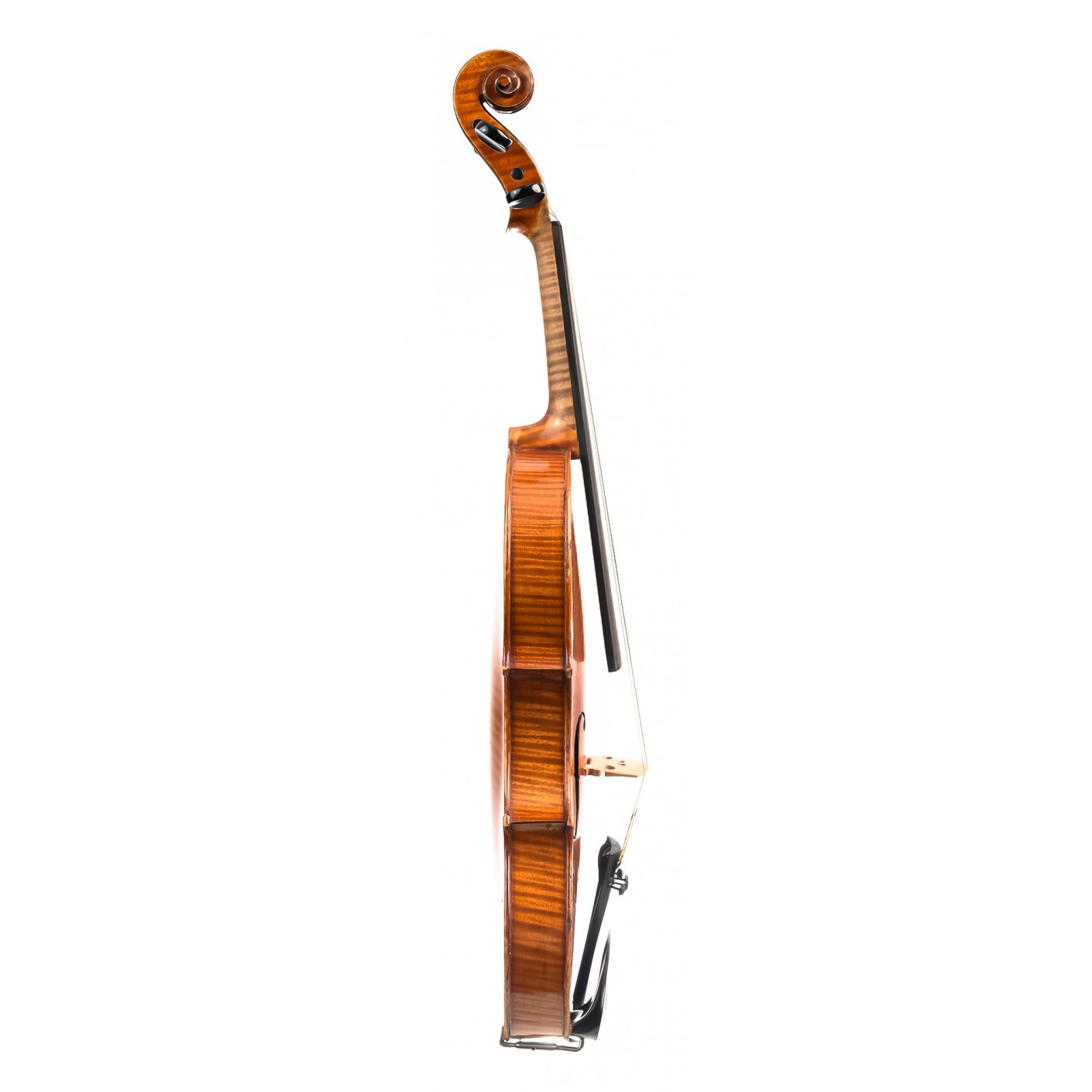
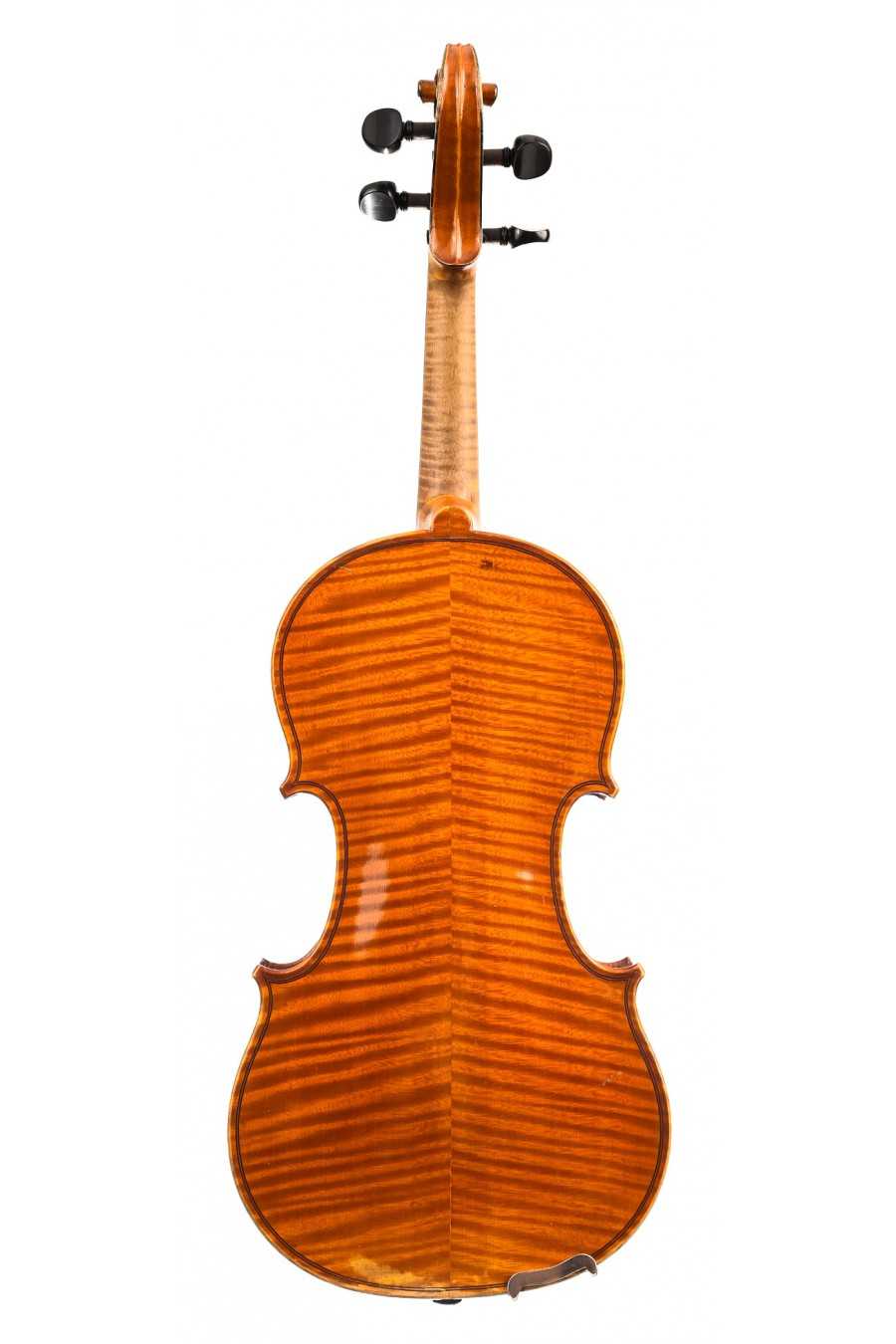
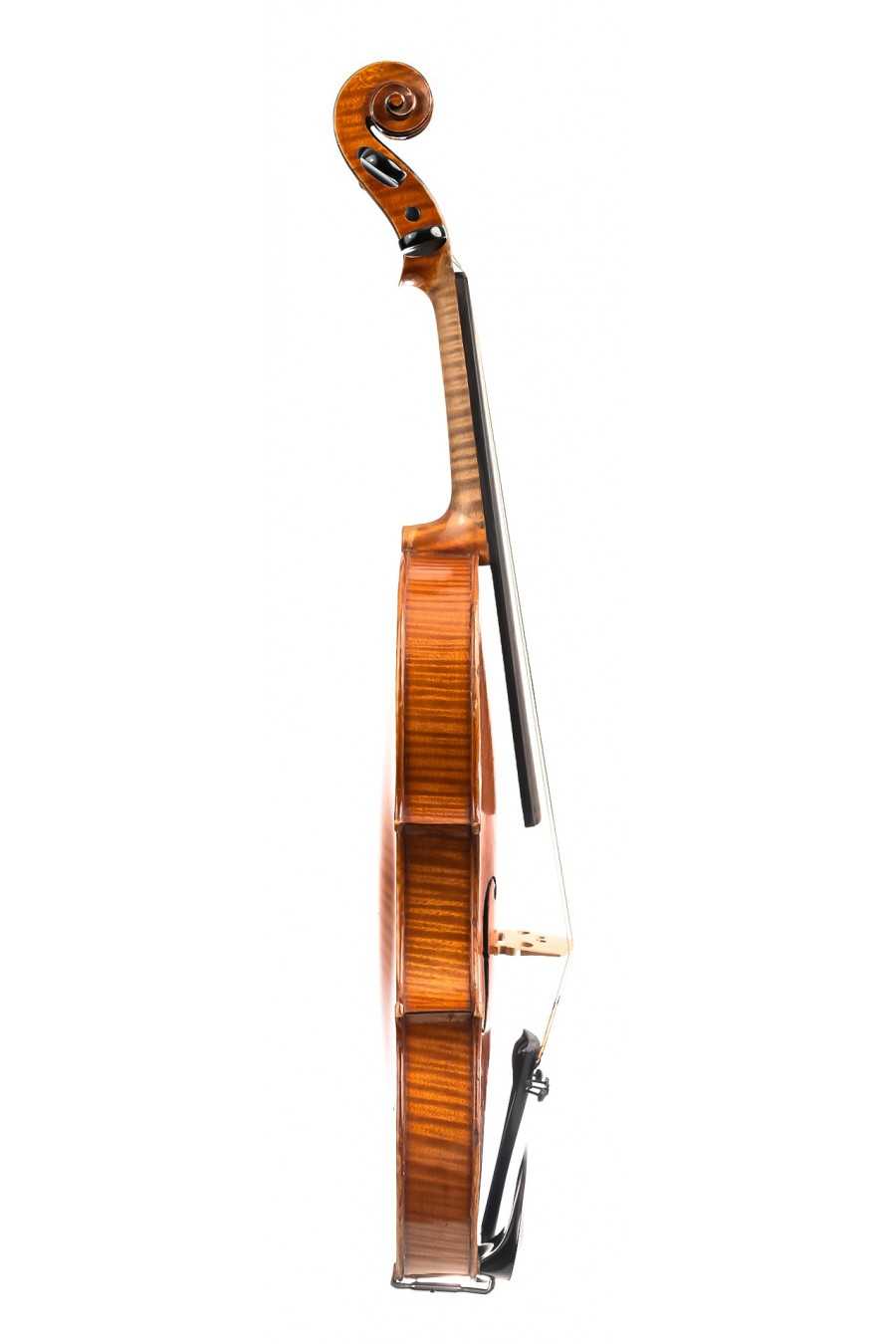
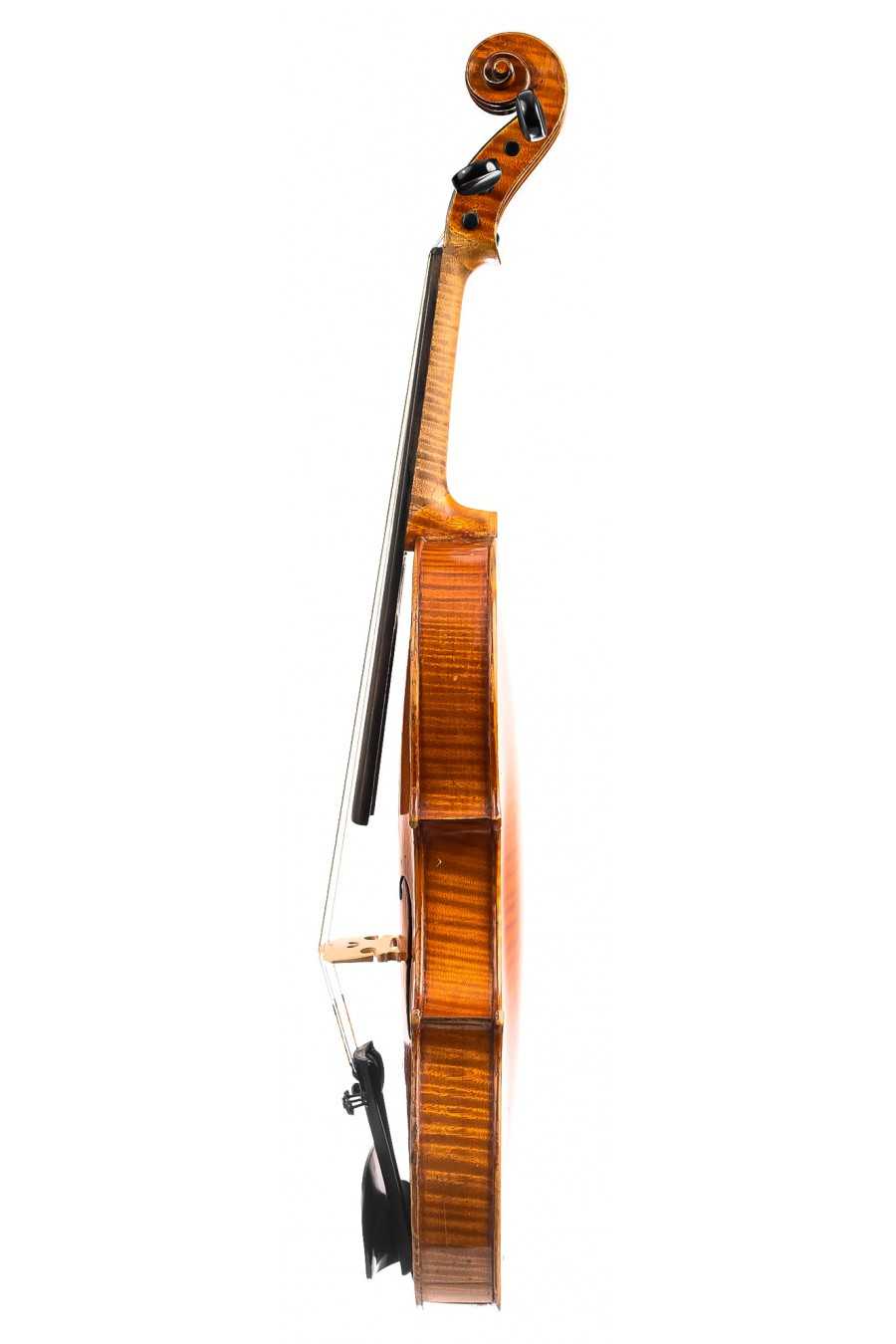
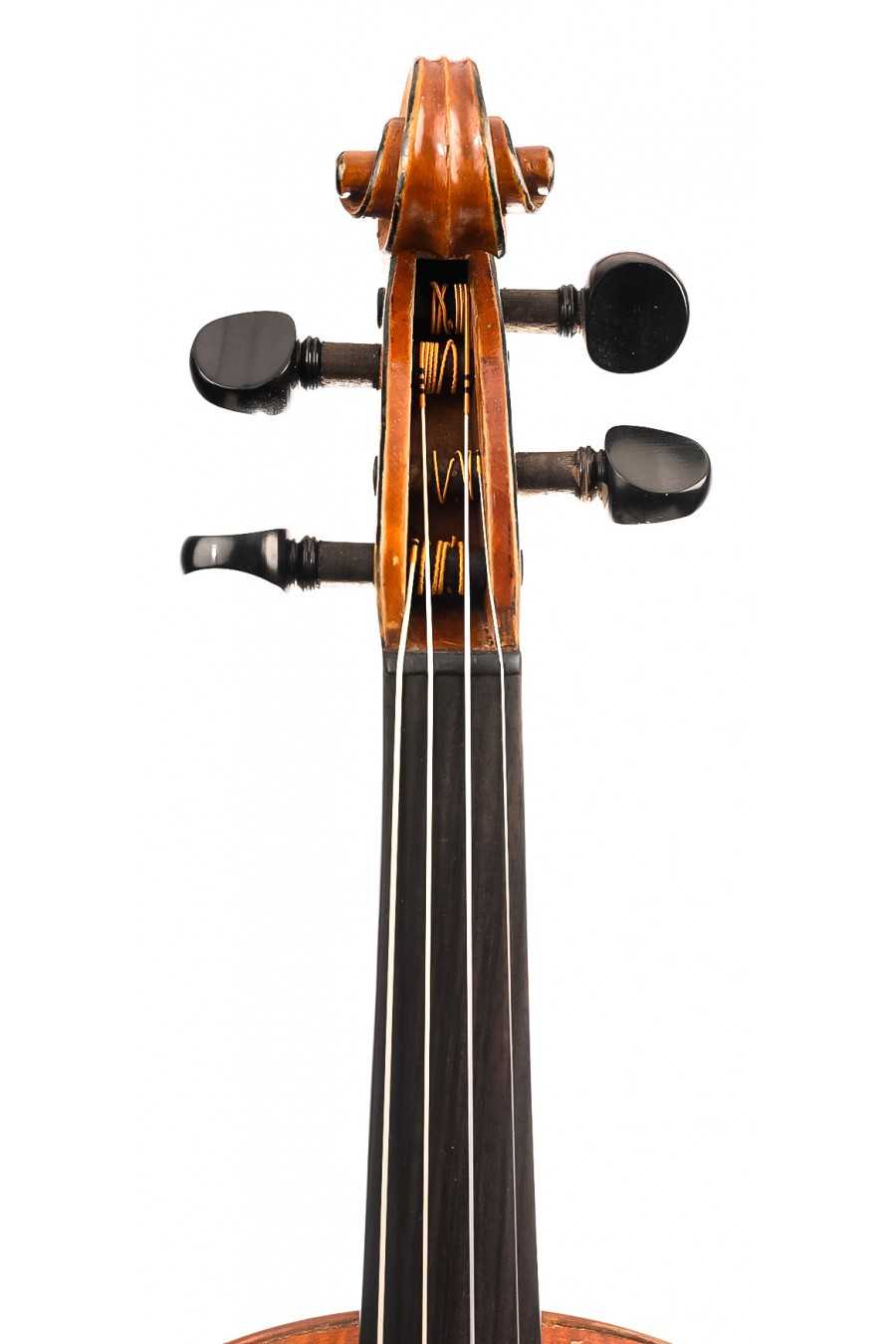
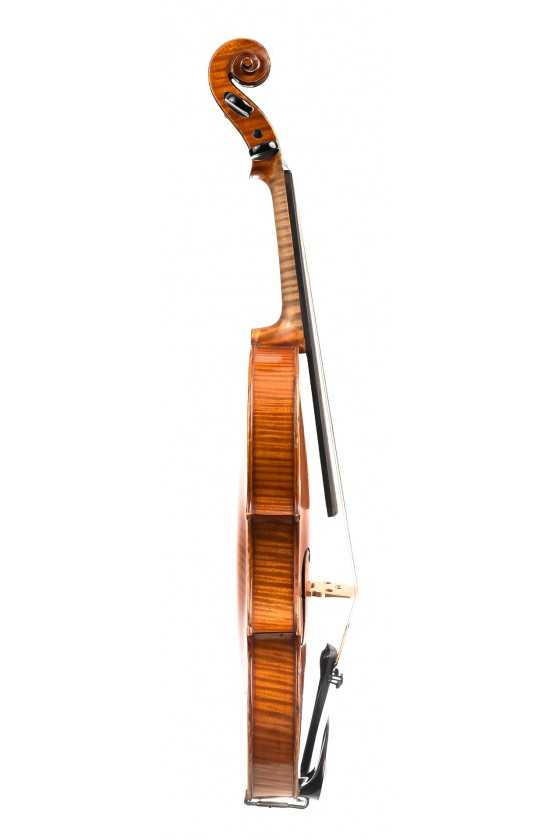
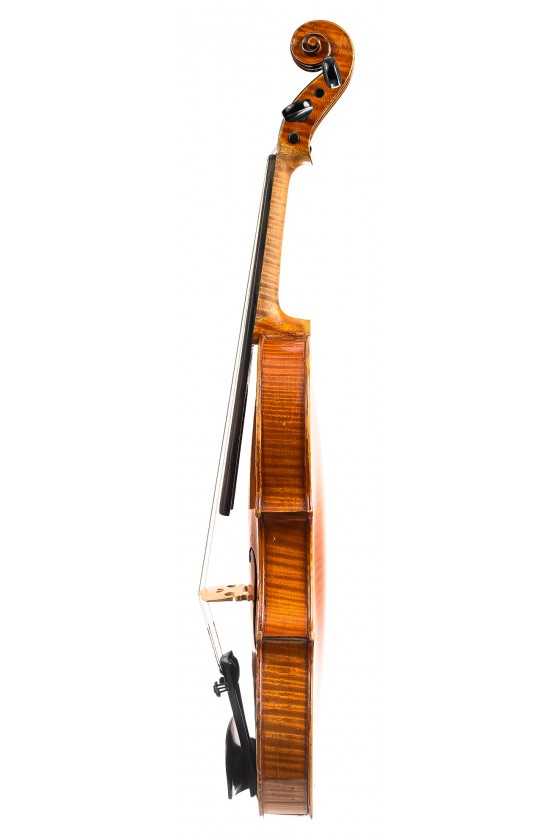
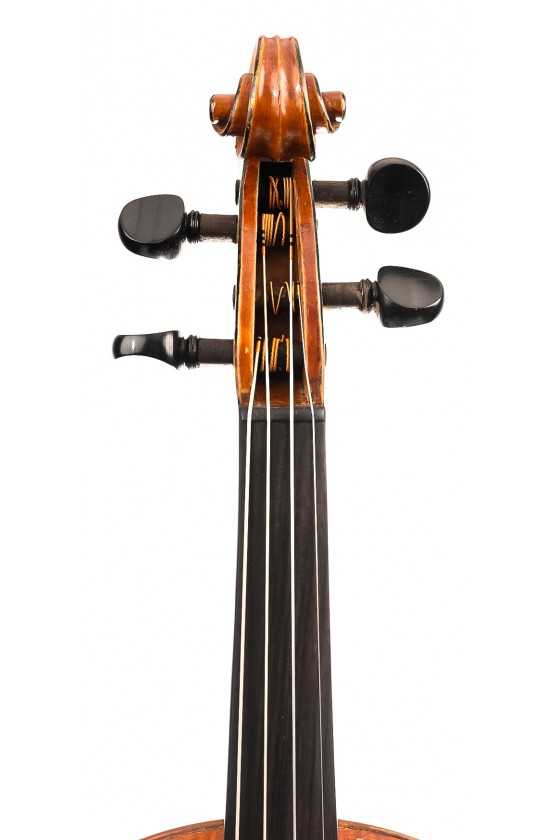
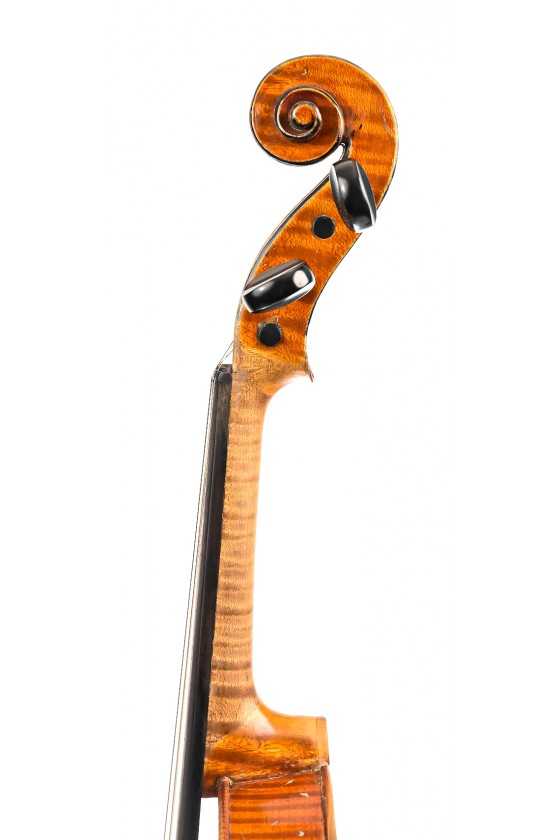
French Violin c 1920 (F17)
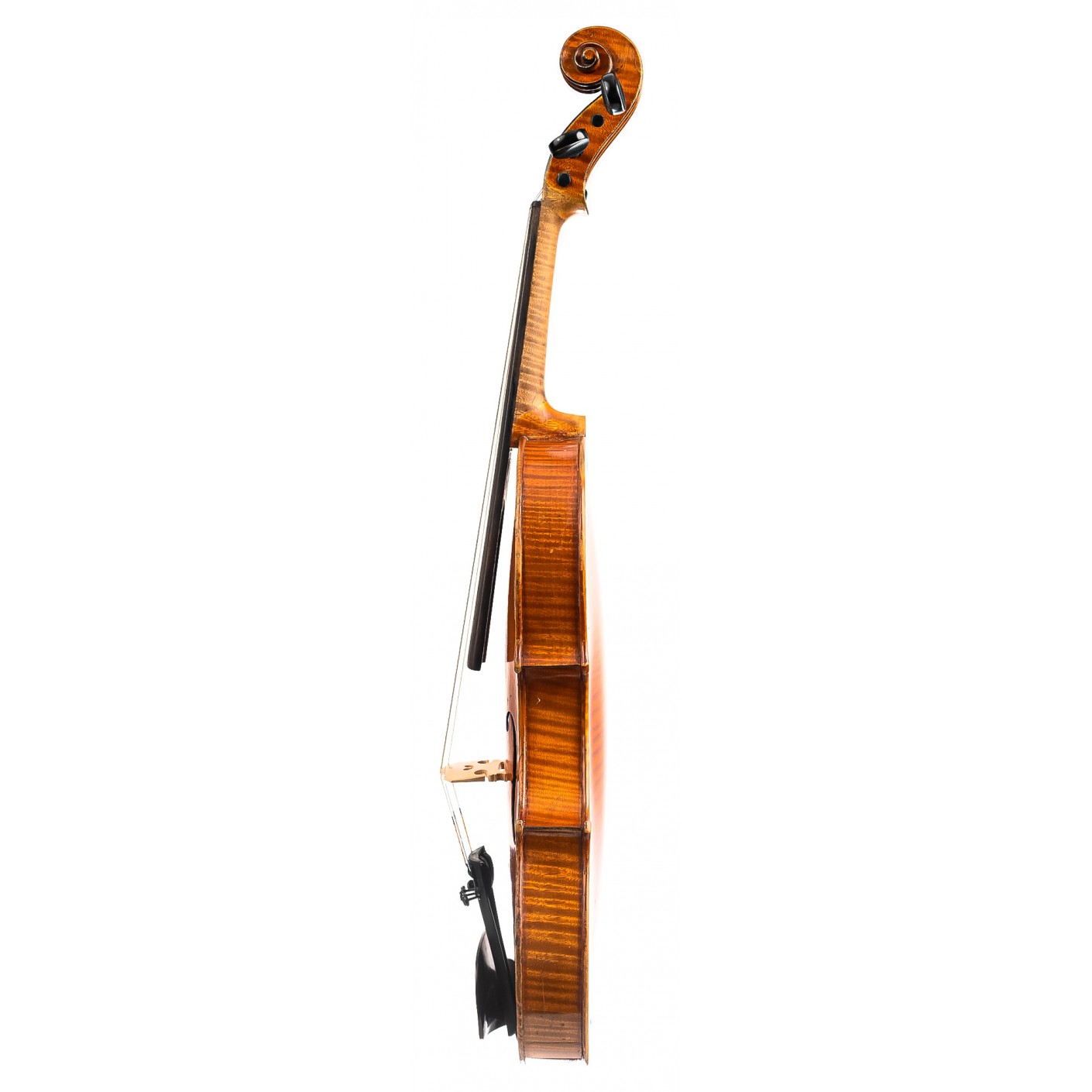
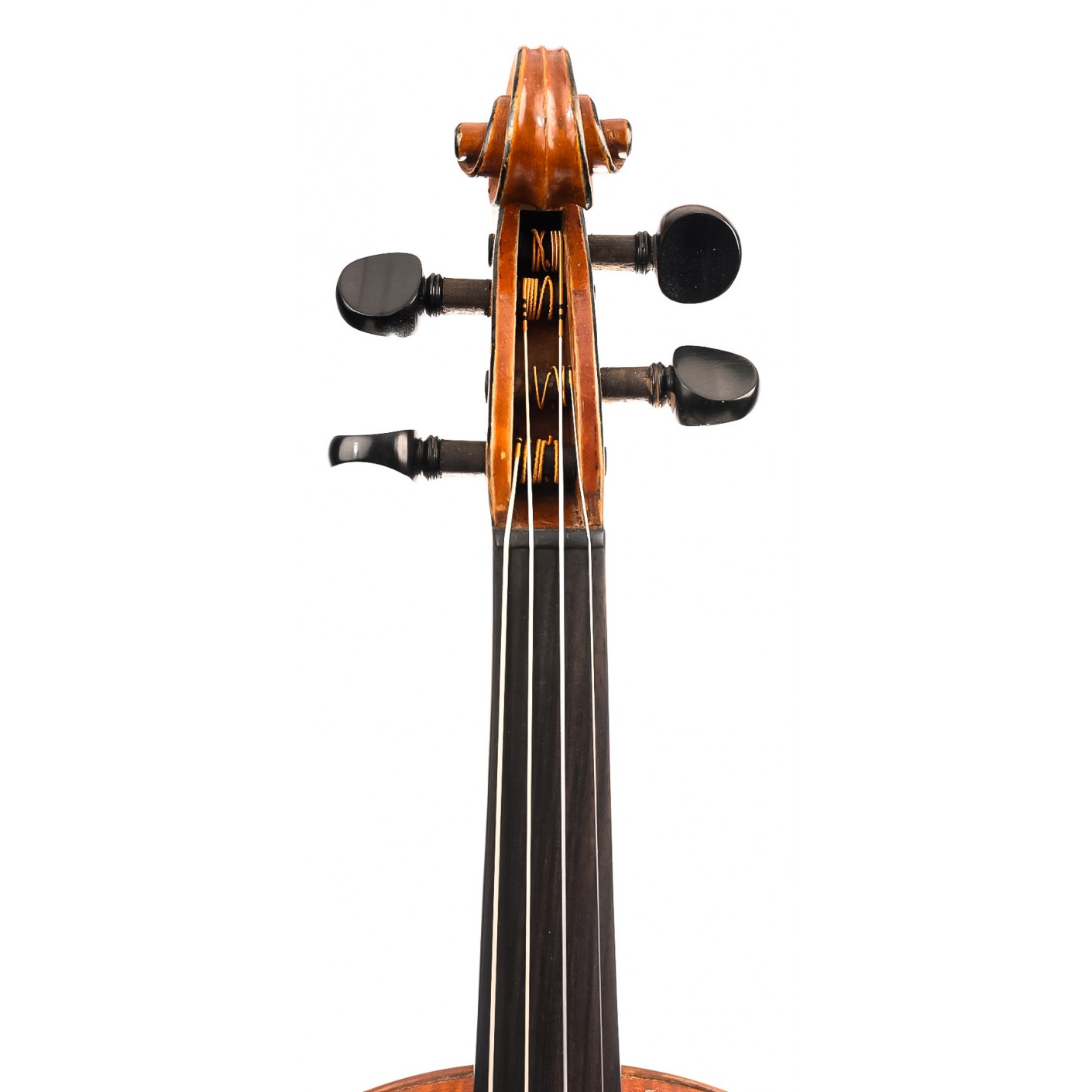
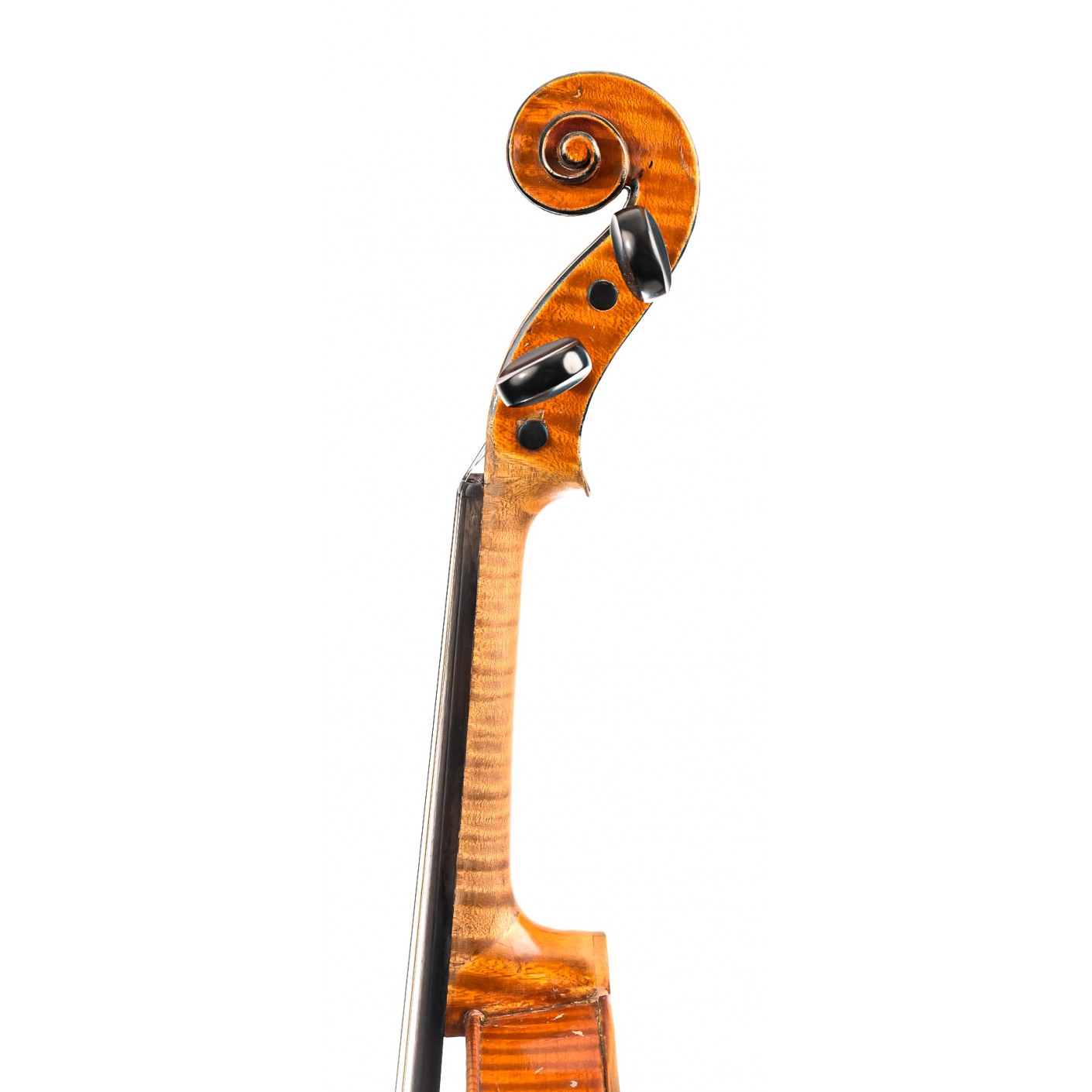
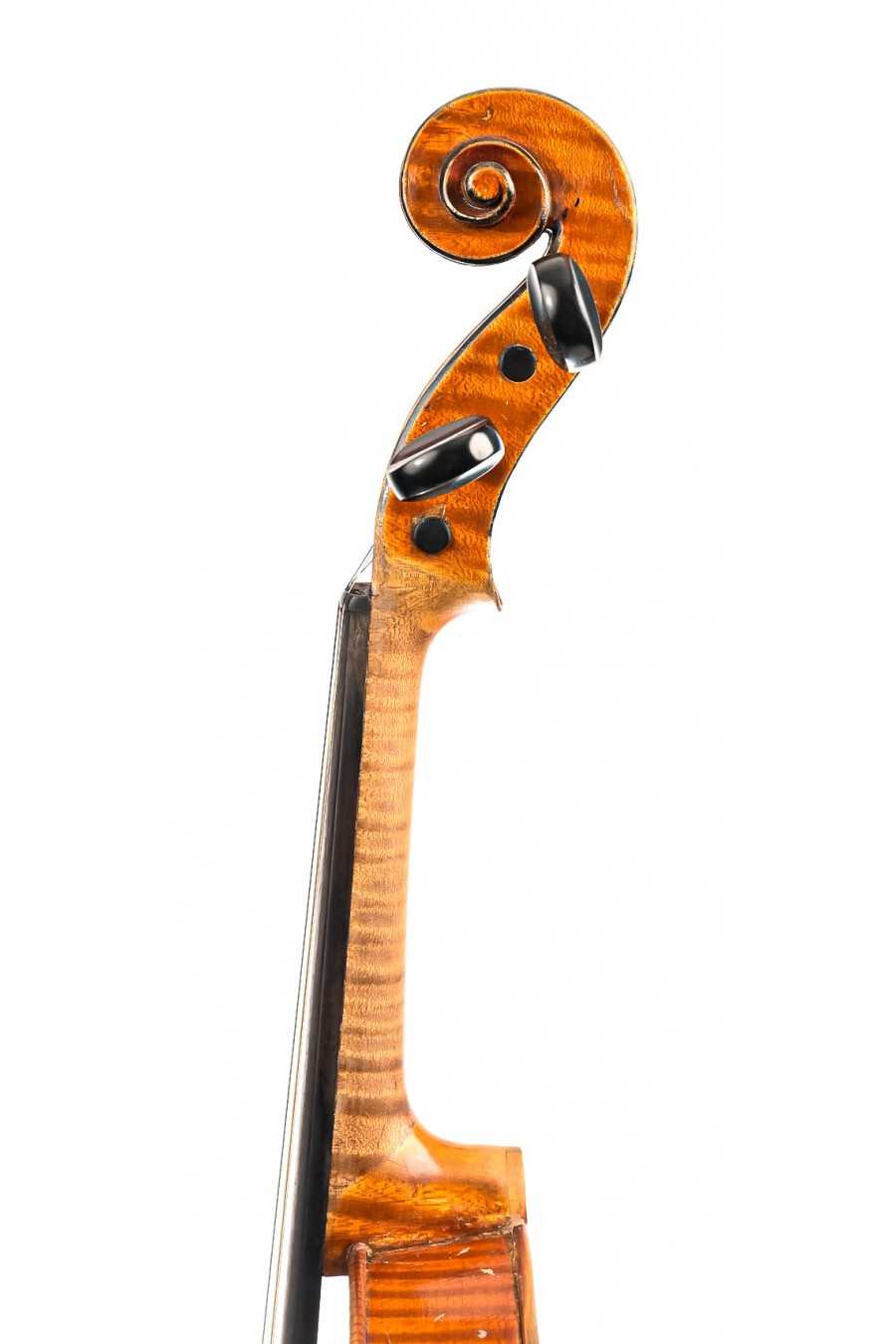
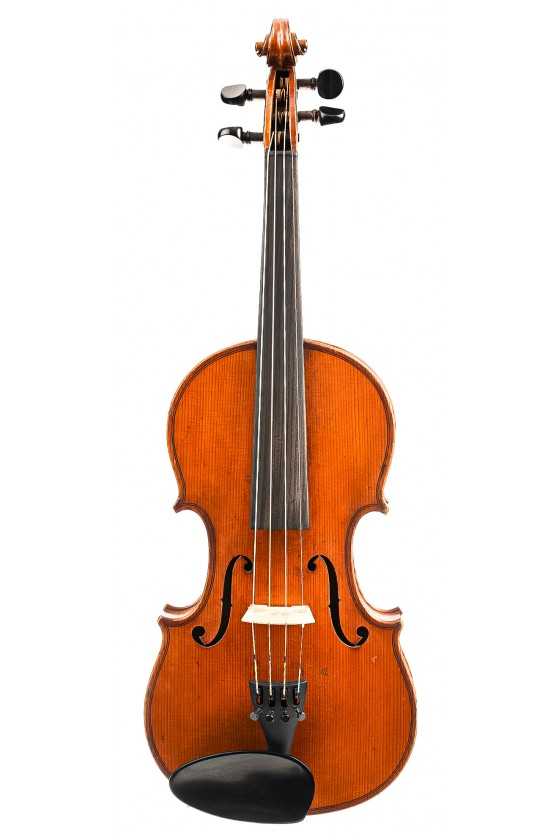
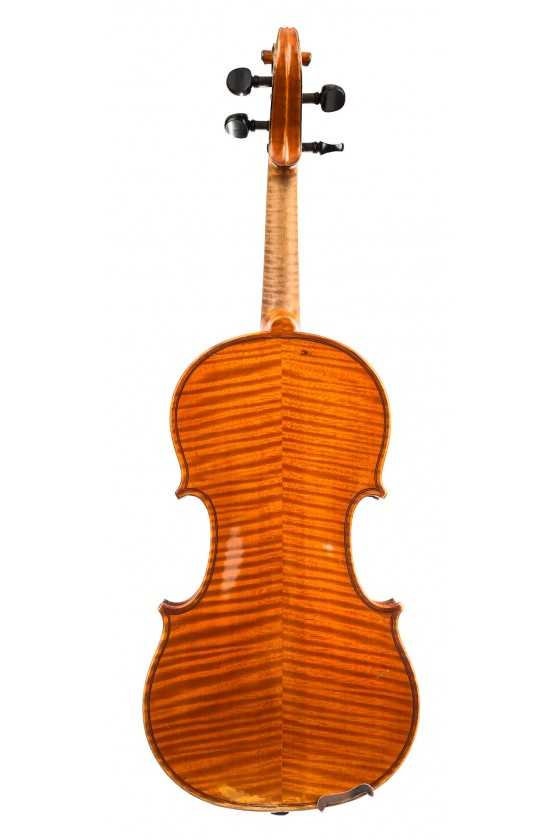
This is a French Violin made about 1920, a fine Stradivarius copy.
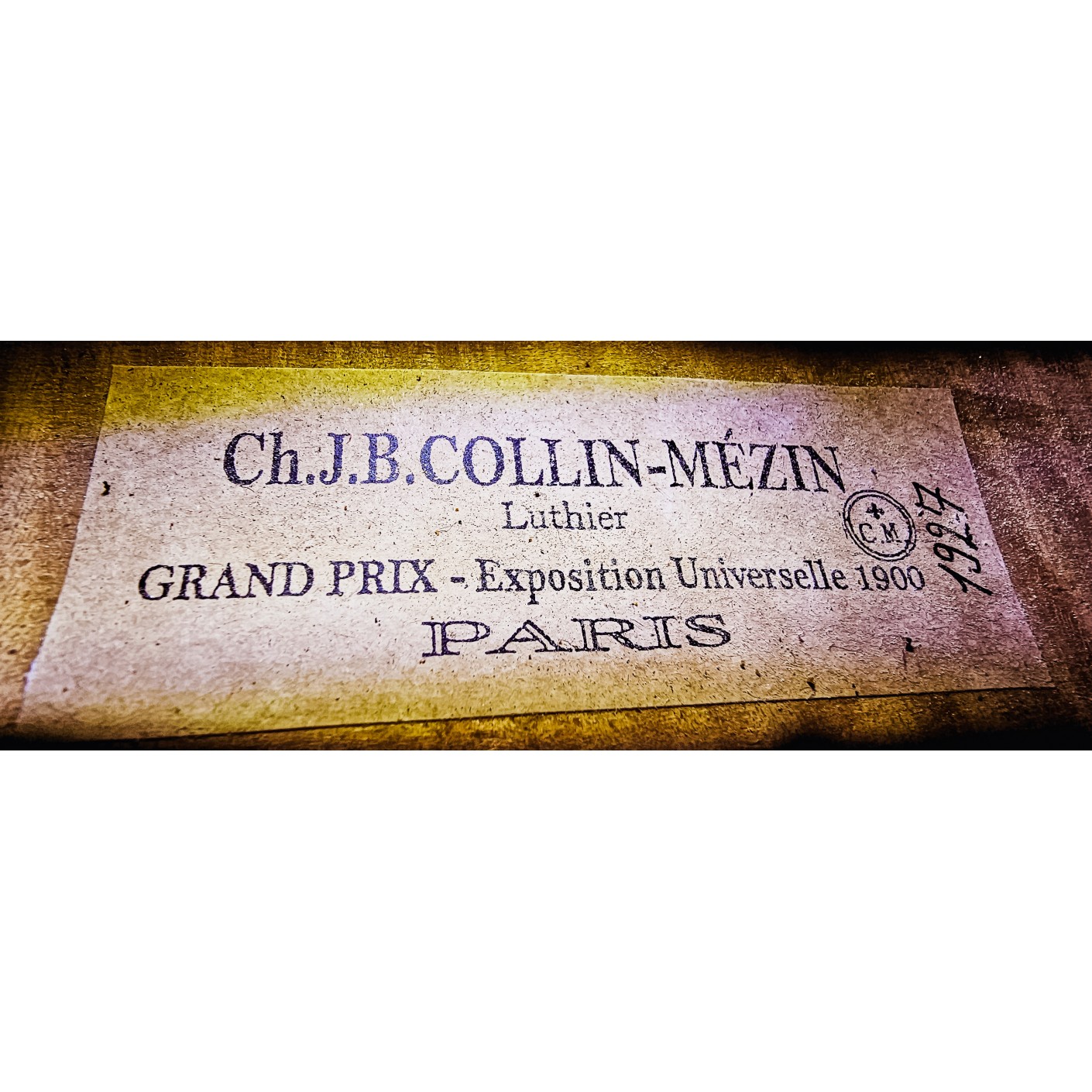
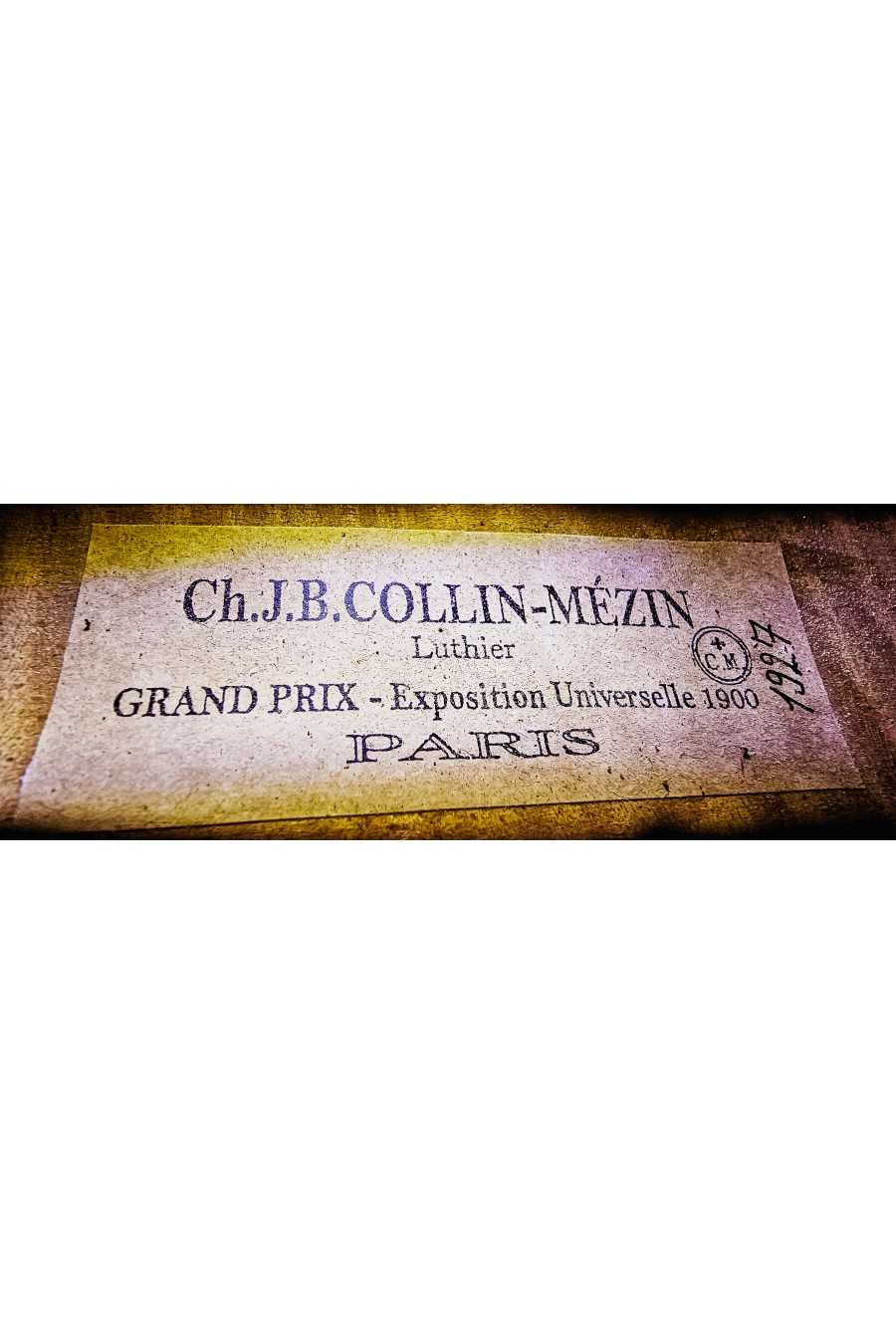
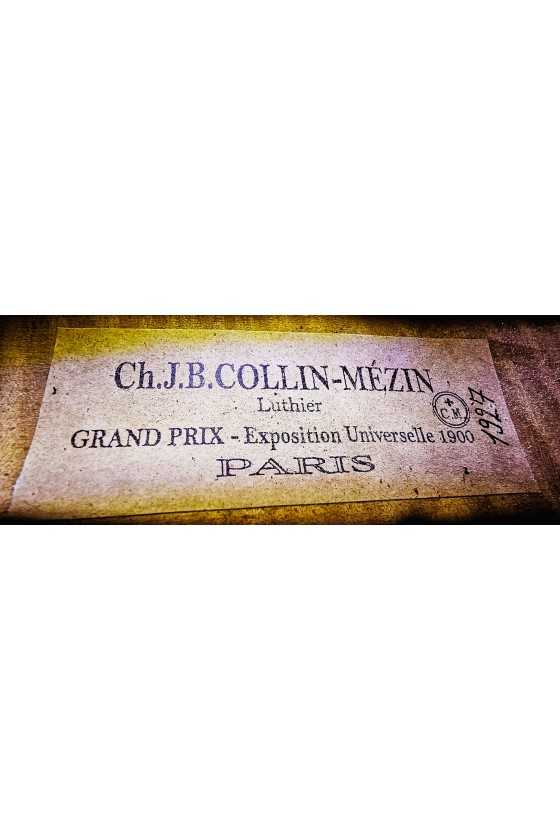
The 1927 Collin-Mezin violin is a masterpiece crafted in the renowned Collin-Mezin Workshop, established in the 19th century by Charles Jean Baptiste Collin-Mezin in Paris. After passing in 1923, his son, Charles Collin-Mezin Jr., took over the workshop. In 1925, the workshop moved to Mirecourt, France. Known for producing vibrant instruments with outstanding sound flexibility, the workshop's tradition continues with the 1927 Collin-Mezin violin.
The 1927 Collin-Mezin violin is a masterpiece crafted in the renowned Collin-Mezin Workshop, carrying the rich heritage of its origin. The workshop was established in Paris in the 19th century by Charles Jean Baptiste Collin-Mezin, showcasing his exceptional craftsmanship. Following his passing in 1923, the workshop was taken over by his son and business partner, Charles Collin-Mezin Jr. In 1925, the workshop moved to Mirecourt, France. After Charles Collin-Mezin Jr. died in 1934, the workshop was passed down to his son, Charles J.B. Collin-Mezin III, ensuring the family's violin-making tradition continued. The workshop was highly regarded for producing vibrant instruments with outstanding sound flexibility, a quality that the 1927 Collin-Mezin violin exemplifies.

This is a French Violin made about 1920, a fine Stradivarius copy.
We have here a Labelled Amedee Dieudonne violin made around 1946 in Mirecourt, France. Amedee Dieudonne is a French luthier who specialized in copying Cremona Masters and was able to achieve a superior varnishing technique.
We have here a Collin - Mezin Violin made in Paris in 1911. Charles Jean Baptiste Collin-Mezin is a French violin maker who started at a young age under the tutelage of his father, Claud-Nicolas Collin. His own workshop started in 1867 at the 14 and 18 rue du Faubourg Poissonnièr in France.
This is a French Copy of the Kloz Violin, a well-known family of violin makers from the 17th century up to this time. This violin was made around 1900 as stated on the label. You can check the images for more details on different portions of the violin.
Amati Mangenot made this violin, but he "Italianised" his name and city, resulting in Mageno and Bordo.
Amati Mangenot (1901 – 1966), a French luthier, crafted this violin. He collaborated with the Laurent brothers and later took over Emile Laurent's workshop in Bordeaux.
Marc Laberte (1880–1963) was trained as a violin maker and joined the family company in 1911. By 1919, the Laberte firm had around 400 craftsmen and was successful. However, the war in 1942 devastated the business, leading to its closure. Despite this, Laberte was known for his exceptional instruments and bows, earning several honours and medals.
This violin has the original Marc Laberte label and bears the number #3010. A second label states Grand Prix Paris 1931, Exposition Internationale Bruxelles 1935 Membre Du Jury, and Exposition Internationale New York 1939. The prices they won before and during the start of the world war 2.
This is the Paul Kaul violin made in France dated 1918. Paul Kaul is a French violin maker who joined several workshops such as Thibouville Lamy, Silvestre and Maucotel, Vuillemin-Didion. He started several workshops on rue Racine, Nantes in 1907, rue du Pont Communeau in 1908, and at 130 Boulevard Brune in 1926.
This violin was made by Emile L'Humbert in Paris in 1926. Emile L'Humbert is a French luthier (1872-1933) who became a pupil of Derazey and Mougenot and was a worker of Blanchard in Lyon.