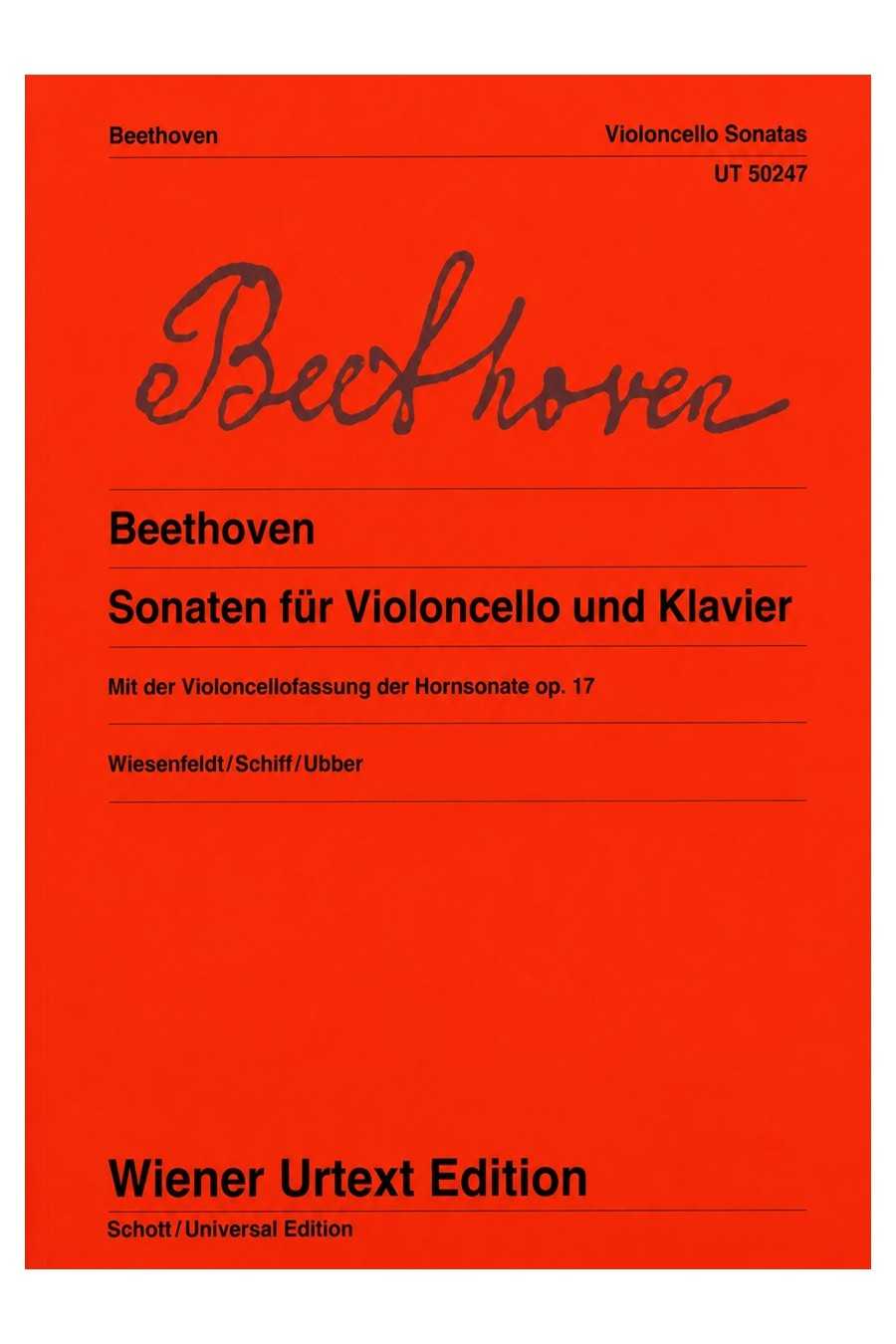
Beethoven’s Sonatas for Cello and Piano in the Wiener Urtext Edition combines his five essential cello sonatas with the authentic cello version of the Horn Sonata, Op. 17. Featuring a critically prepared musical text, performance guidance by Heinrich Schiff, historical comments by Carl Czerny, and practical fold-out pages, this is an outstanding edition for advanced study and performance.
Key Features:
• Five complete Beethoven cello sonatas
• Includes Horn Sonata, Op. 17 in its cello version
• Wiener Urtext Edition
• Cello part prepared by Heinrich Schiff
• Historical interpretation notes by Carl Czerny
• Separate cello part with alternative readings
• Fold-out pages and optimised page turns
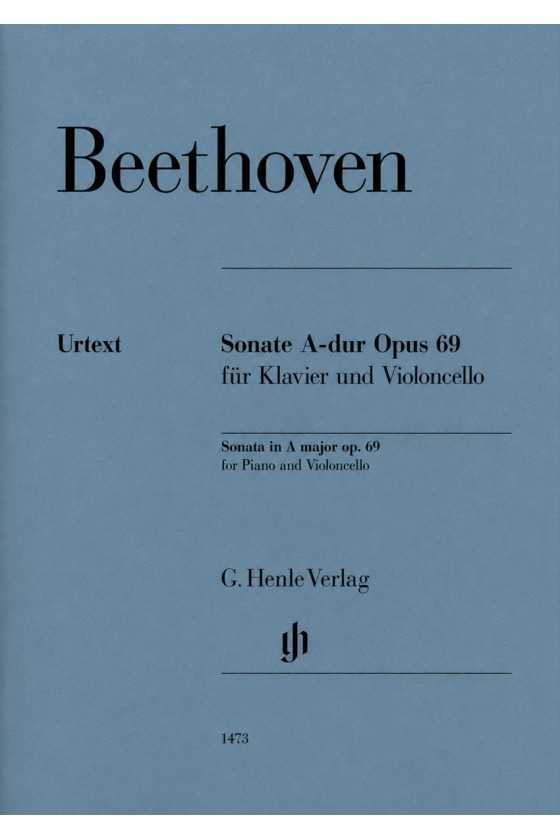
Beethoven’s Cello Sonata No. 3 in A Major, Op. 69 is a cornerstone of the cello repertoire, renowned for its sophisticated and equal partnership between cello and piano. This Henle Urtext Edition, edited by Jens Dufner, includes cello fingering and bowing by David Geringas, piano fingering by Ian Fountain, and both marked and unmarked cello parts.
Key Features:
• For cello and piano
• Henle Urtext Edition
• Edited by Jens Dufner
• Cello fingering and bowing by David Geringas.
• Piano fingering by Ian Fountain
• Marked and unmarked cello parts included
• Catalogue No. HN 1473
• Ideal for advanced study and performance
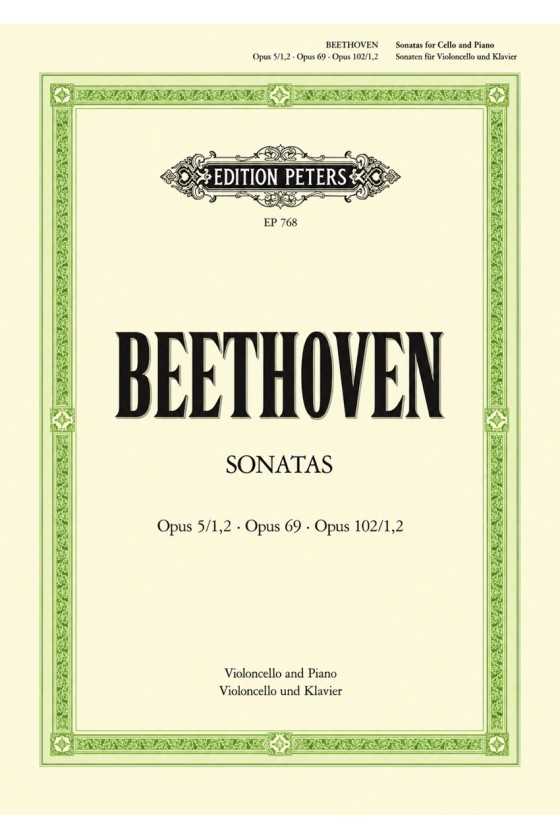
Beethoven’s Cello Sonatas, Op. 5, Op. 69 and Op. 102 are cornerstone works for cello and piano, spanning the composer’s early through late periods. This Edition Peters collection is especially useful for advanced players, with selected movements appearing in the AMEB Associate, Certificate of Performance, and Licentiate syllabuses.
Key Features:
• Beethoven Cello Sonatas for cello and piano
• Includes Op. 5, Op. 69 & Op. 102
• Published by Edition Peters
• AMEB syllabus repertoire
• Suitable for advanced-level cellists
• Ideal for examinations, study, and recitals
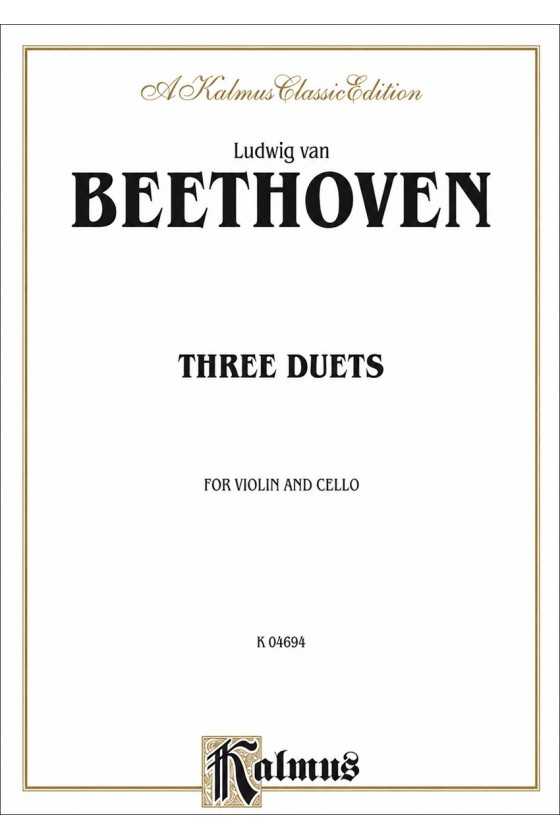
Beethoven’s Three Duets, WoO 27 presents three engaging works in C major, F major, and B-flat major for violin and cello. Published in the Kalmus Edition, this 32-page collection includes separate parts for both instruments and offers excellent Classical repertoire for developing ensemble skills, phrasing, and musical communication.
Key Features:
• Three duets for violin and cello
• WoO 27 Nos. 1–3
• Keys of C, F and B-flat major
• Separate violin and cello parts
• Kalmus Edition
• 32 pages
• Catalogue No. K04694
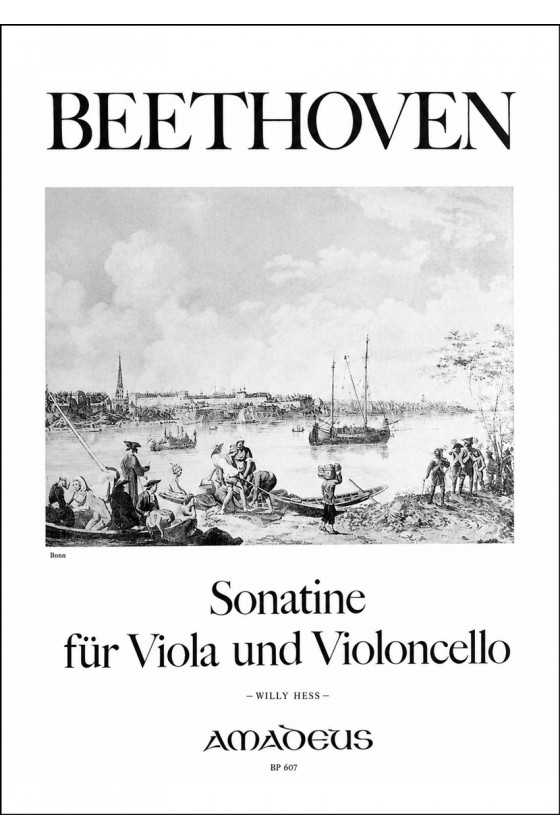
Sonatine for Viola and Cello by Ludwig van Beethoven, published by Amadeus Verlag, is a charming Classical chamber work that highlights the rich musical partnership between viola and cello. Combining lyrical melodies with engaging ensemble writing, it is an excellent choice for developing chamber musicians.
Key Features:
• Music by Ludwig van Beethoven
• Published by Amadeus Verlag
• For viola and cello
• Classical chamber music repertoire
• Suitable for intermediate and advancing players
• Develops ensemble playing, tone, phrasing, and intonation
• Ideal for lessons, examinations, recitals, and chamber music
• Equal musical roles for both instruments
• Encourages expressive Classical interpretation
• Valuable addition to every chamber music library
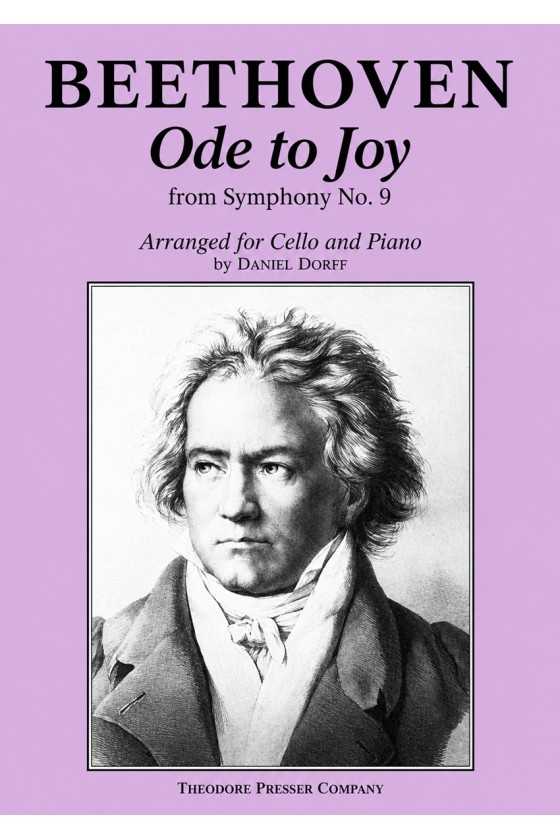
Beethoven’s beloved Ode to Joy from Symphony No. 9 is presented here in an accessible arrangement for cello and piano by Daniel Dorff. Published by Theodore Presser Company, this student-level edition offers a rewarding introduction to Beethoven’s iconic melody and is easily recognised by its distinctive purple cover.
Key Features:
• For cello and piano
• Arranged by Daniel Dorff
• From Beethoven’s Symphony No. 9
• Student-level arrangement
• Score and cello part included
• Published by Theodore Presser Company
• Distinctive purple cover
Beethoven’s Variations for Cello and Piano features three celebrated variation sets based on themes by Handel and Mozart. Published by Edition Peters, the collection combines lyrical writing, technical variety, and sophisticated interplay between cello and piano, with selections included in the AMEB syllabus.
Key Features:
• Three variation sets for cello and piano
• Themes by Handel and Mozart
• Includes WoO 45, Op. 66 & WoO 46
• Published by Edition Peters
• Includes AMEB syllabus repertoire
• Ideal for advanced study and performance
Beethoven’s Cello Sonata No. 3 in A Major, Op. 69 is a landmark work for cello and piano, renowned for its lyrical writing and the balanced partnership between the two instruments. This Zen-On Music Company edition provides advanced cellists with an excellent performance edition of one of Beethoven’s essential chamber works.
Key Features:
• For cello and piano
• A Major, Op. 69
• Published by Zen-On Music Company
• Catalogue No. 337023
• ISMN M-2233-2167-9
• Advanced Classical cello repertoire
• Ideal for study and performance
Beethoven’s Variations for Cello and Piano brings together three popular variation sets based on themes by Handel and Mozart. This G. Henle Urtext Edition, edited by Jens Dufner, features cello fingerings and bowings by David Geringas and includes works listed in the AMEB Cello syllabus.
Key Features:
• Three variation sets for cello and piano
• WoO 45, Op. 66 & WoO 46
• G. Henle Urtext Edition
• Edited by Jens Dufner
• Fingering and bowing by David Geringas
• Includes AMEB syllabus repertoire
• Ideal for advanced study and performance