Beethoven Violin Concerto in D major Op. 61 by Ludwig van Beethoven, published by Edition Peters, is a cornerstone of the violin repertoire, celebrated for its symphonic scope, lyrical nobility, and profound artistic demands.
Key features
• A monument of the violin literature
• Demands musical maturity over virtuosity
• Noble, expansive, and deeply lyrical
• Essential repertoire for advanced and professional violinists
Beethoven Violin Concerto in D major Op. 61 by Ludwig van Beethoven, published by Edition Peters, presents one of the most monumental and noble works in the violin repertoire; conceived on a symphonic scale, this concerto redefines the role of the soloist as a poetic and philosophical voice rather than a mere virtuoso, demanding from the violinist profound musical maturity, architectural vision, and sustained lyrical control, while rewarding those qualities with music of unmatched dignity, serenity, and emotional breadth.
Key features:
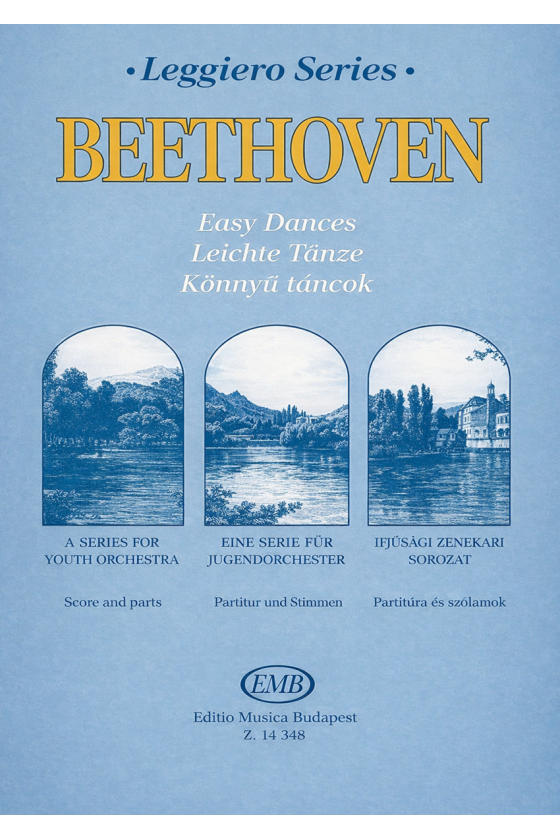
Beethoven Easy Dances for String Orchestra by Ludwig van Beethoven, published by Editio Musica Budapest, is a lively and engaging collection that introduces Beethoven’s music through rhythm, movement, and ensemble play.
Key features
• Cheerful, dance-inspired Beethoven repertoire
• Builds ensemble cohesion and rhythmic confidence
• Accessible yet musically authentic
• Ideal for developing string orchestras
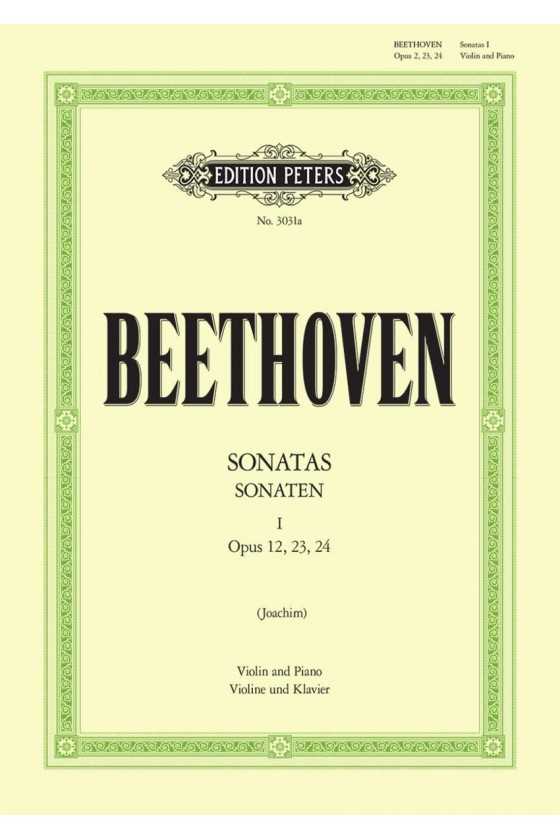
Beethoven Sonatas for Violin and Piano, Volume 1 by Ludwig van Beethoven, published by Edition Peters, presents Beethoven’s early violin sonatas, where Classical poise meets the first sparks of his revolutionary chamber-music voice.
Key features
• Establishes true partnership between violin and piano
• Energetic, elegant, and rhythmically alive
• Ideal foundation for Beethoven sonata study
• Essential early repertoire for chamber musicians
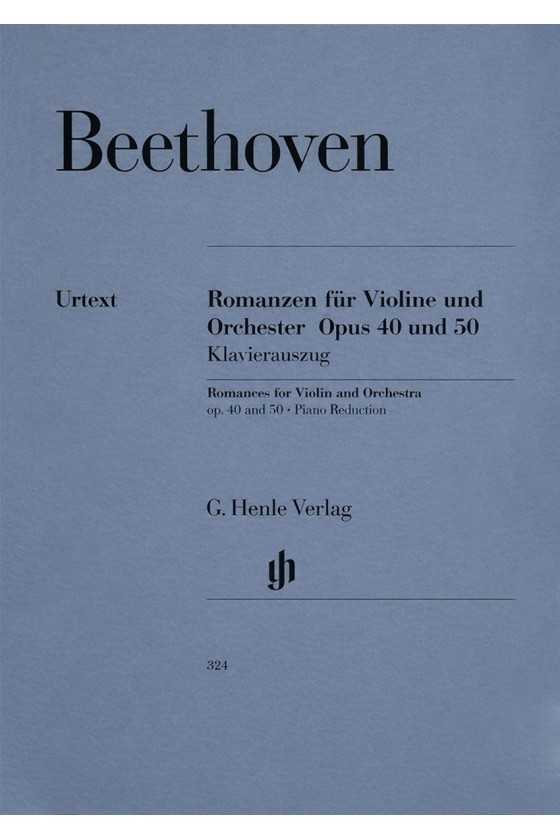
Beethoven Romances in G major Op. 40 and F major Op. 50 for Violin and Piano by Ludwig van Beethoven, published by G. Henle Verlag, are two lyrical masterpieces that showcase Beethoven’s most tender and expressive violin writing.
Key features
• Warm, singing melodic lines
• Emphasis on tone, phrasing, and expressive restraint
• Urtext clarity enabling personal musical voice
• Essential lyrical repertoire for violinists
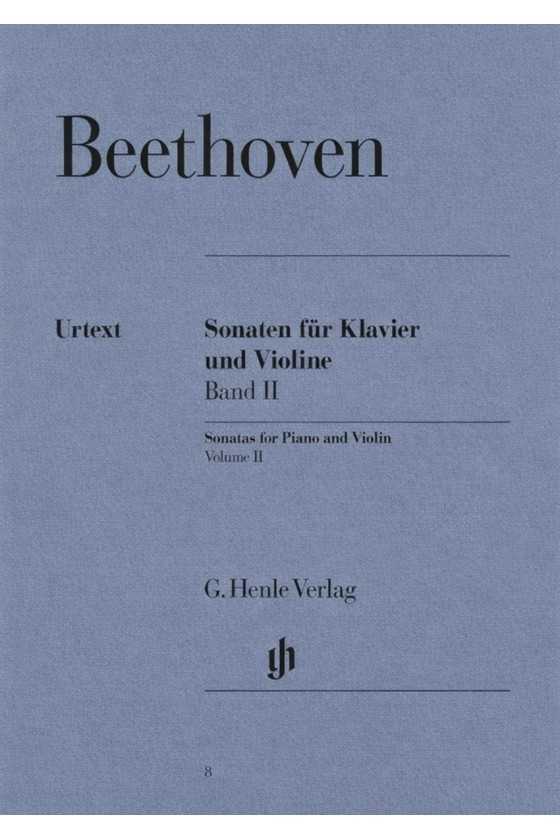
Beethoven Sonatas for Violin and Piano, Book 2 by Ludwig van Beethoven, published by Verlag, presents Beethoven’s violin sonatas at a more dramatic and expressive stage of his creative evolution.
Key features
• Greater emotional depth and contrast
• Strengthens true violin–piano dialogue
• Demands increased interpretative maturity
• Essential middle-period Beethoven repertoire
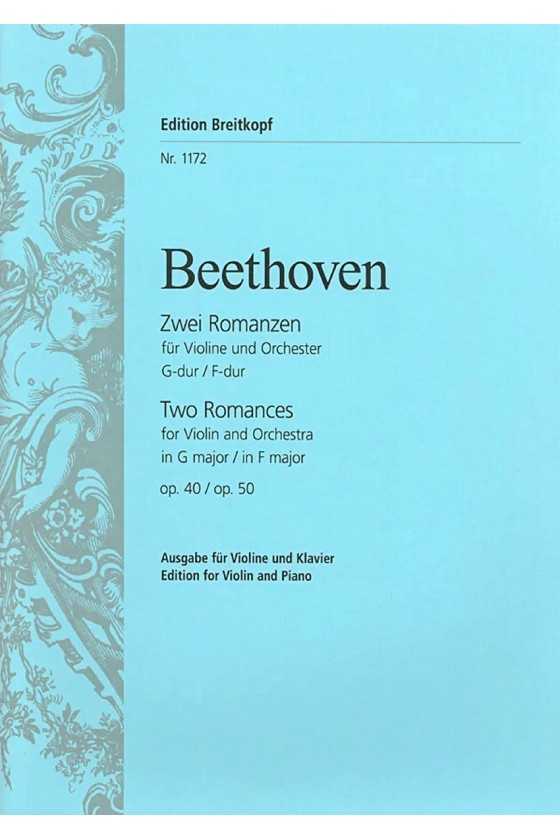
Beethoven Two Romances for Violin Op. 40 and Op. 50 by Ludwig van Beethoven, published by Breitkopf & Härtel, are two timeless masterpieces that showcase Beethoven’s most tender and expressive violin writing.
Key features
• Warm, singing melodic lines
• Emphasis on tone, phrasing, and emotional depth
• Ideal for reflective concert moments
• Essential lyrical repertoire for violinists
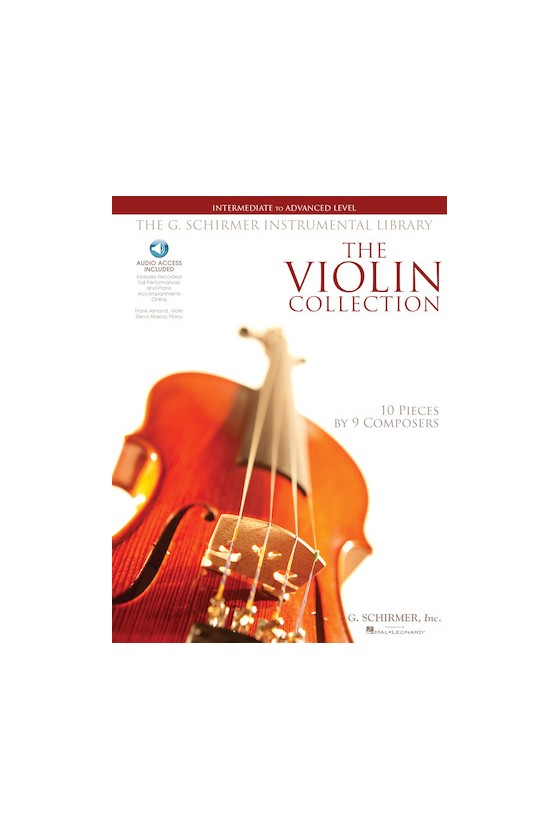
A collection of 10 pieces, ranging between Bach, Barber, Beethoven, Dvorak, Franck, Mozart, Previn, Tchaikovsky and John Williams.
Beethoven Violin Concerto in D major Op. 61 – Special Edition by Ludwig van Beethoven, published by G. Henle Verlag, is a definitive presentation of one of the violin repertoire’s greatest masterpieces, emphasizing musical depth, lyrical nobility, and interpretative maturity.
Key features
• A monument of violin literature
• Symphonic in scale and philosophical in spirit
• Rewards patience, balance, and musical wisdom
• Essential repertoire for advanced and professional violinists
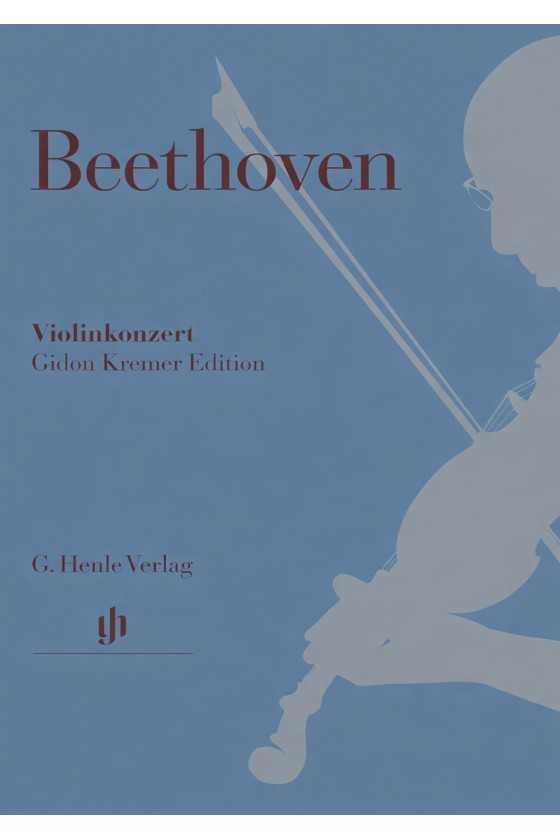
Beethoven Violin Concerto in D major Op. 61 – Kremer Edition by Ludwig van Beethoven, edited by Gidon Kremer and published by G. Henle Verlag, offers a profound and reflective perspective on one of the greatest works in the violin repertoire.
Key features
• Guided by Kremer’s artistic insight
• Symphonic, poetic, and philosophically rich
• Encourages personal, thoughtful interpretation
• Essential edition for advanced and professional violinists