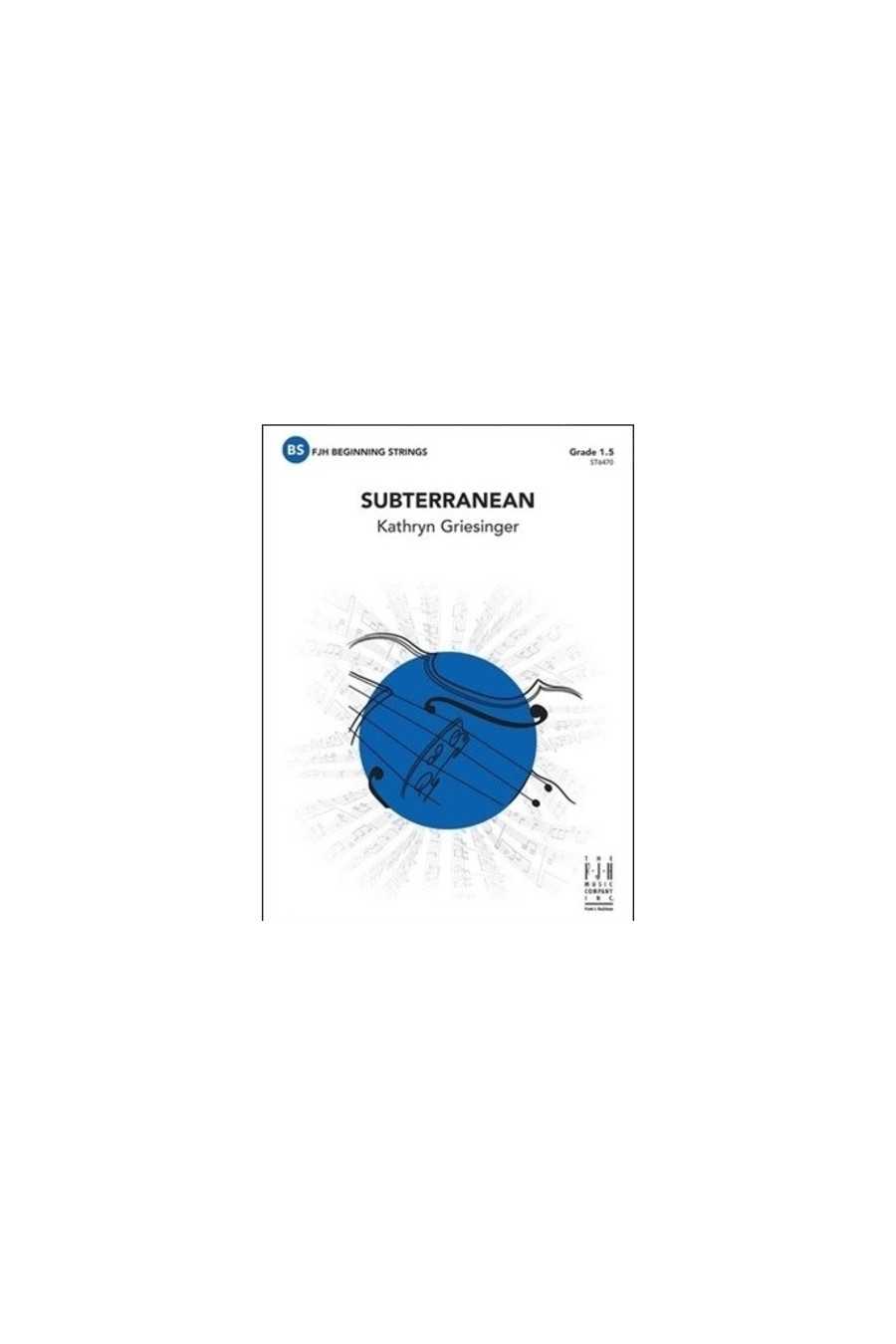
Composer Kathyrn Griesinger
Publisher FJH Music Company
Series FJH Beginning Strings
Stock Code ST6470
Go underground to explore the deep, dark sounds of the orchestra's lowest strings. A ponderous, minor theme weaves through every section of the orchestra along with a few easy off-beat rhythms. The absence of low 2 finger patterns make this helpful for teaching and reinforcing note reading on the G, C, and E (bass) strings, while also being extremely satisfying musically. (2:00)
Bringer of War (After Holst) by Balmages (FJH)
For adaptable string ensemble. An exciting venture into the world of bluegrass based on one of the composer's most popular works for band. (2:45)
In a world of sorcerers, magic, elven warriors, and fantastical creatures, anything is possible. This musical adventure continues the story from Thomas's popular Land of Dragons. In this chapter, a lively band of warriors join the quest. The music includes fierce rhythmic interplay, syncopation, and soaring melodies. A solo ocarina (optional violin or flute) and a lively percussion section add to the cinema-style orchestration. An entrancing addition to your concert program! (3:30)
Contemporary and fresh, this energetic romp is shrouded in a sense of excitement and anticipation. Highly rhythmic with a pop flair, the melody combines with an infectious rhythmic groove and hip bass line to keep everything driving forward. A rousing ensemble ending pulls out all the stops - a sure crowd pleaser! (3:45)
Electric Sinfonia for String Orchestra (Grade 2.5) by Lauren Bernofsky
This outstanding pair of contrasting movements moves from a plaintive and pleading Larghetto to an Allegro with all the cheer and sparkle one can imagine. An exceptional opportunity to work on the music of Handel while providing a wealth of opportunities for musical development! (5:15)