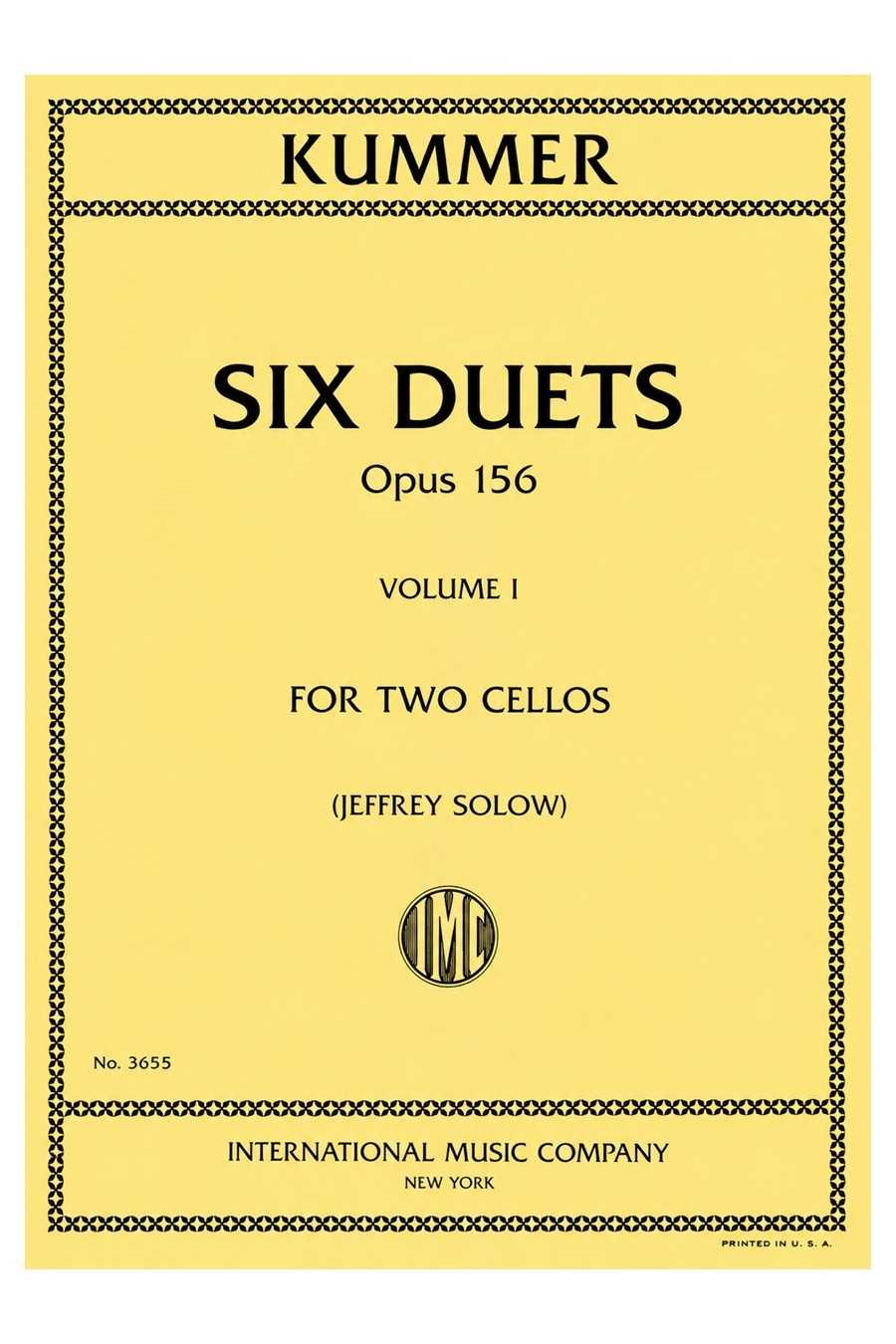
The Kummer Six Duos for Cello, Op. 156, Volume I (Nos. 1–3) – IMC contains the first three duets from Kummer’s set of six works for two cellos. These Romantic duets give both players active parts while developing intonation, phrasing, bowing, rhythmic accuracy, and ensemble skills.
Key Features:
• Composer: F. A. Kummer
• Opus: Op. 156
• Volume: I
• Contents: Nos. 1–3
• For: Two Cellos
• Publisher: IMC
• Period: Romantic
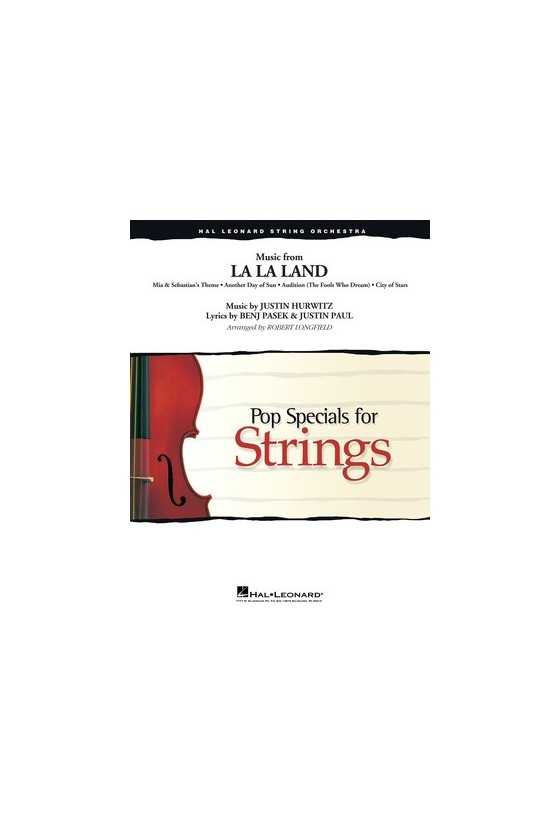
Music from La La Land for String Orchestra Grade 3-4
With 14 nominations and 6 Oscars, La La Land and its charismatic cast cultivated a new worldwide audience for film musicals. With memorable songs by composer Justin Hurwitz (including Oscar winner “City of Stars”), Larry Moore's superb arrangement is great entertainment for most any performance.
Melodies from Another Day of Sun, City of Stars, Mia and Sebastian's Theme, Audition (The Fools Who Dream).
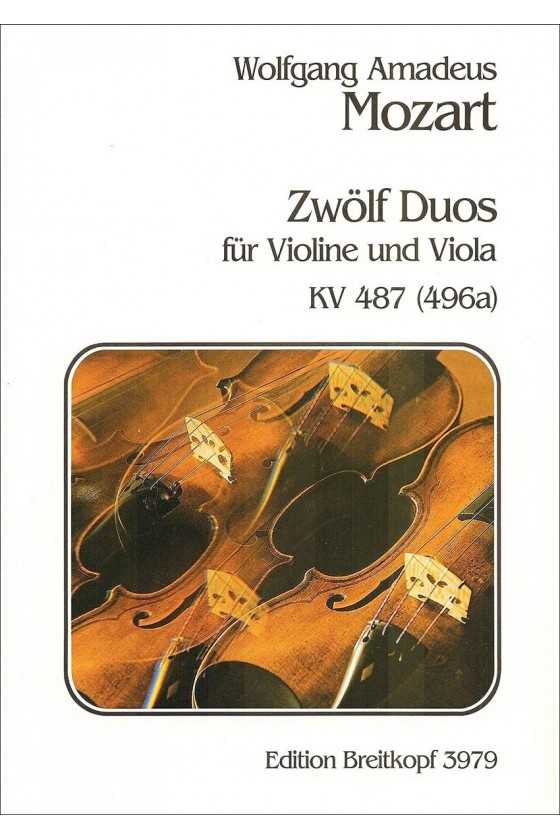
Mozart’s 12 Duets for Violin and Viola (Breitkopf & Härtel), known as the “Kegel-Duette,” charm with lively interplay, melodic inventiveness, and a playful spirit—an essential set for chamber music enthusiasts.
Key Features:
• 12 expressive violin and viola duets
• Nicknamed the “Skittles Duets”
• Clear, performer-friendly Breitkopf & Härtel edition
• Perfect for study, recitals, and classical fans