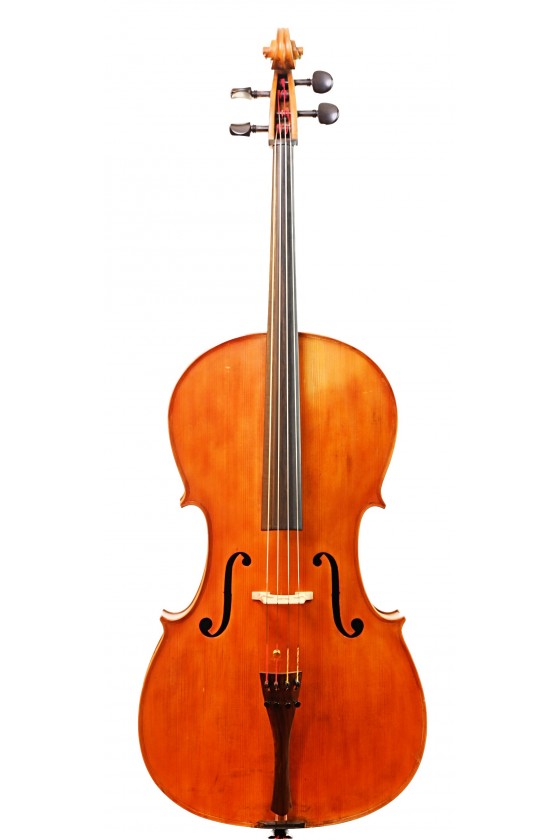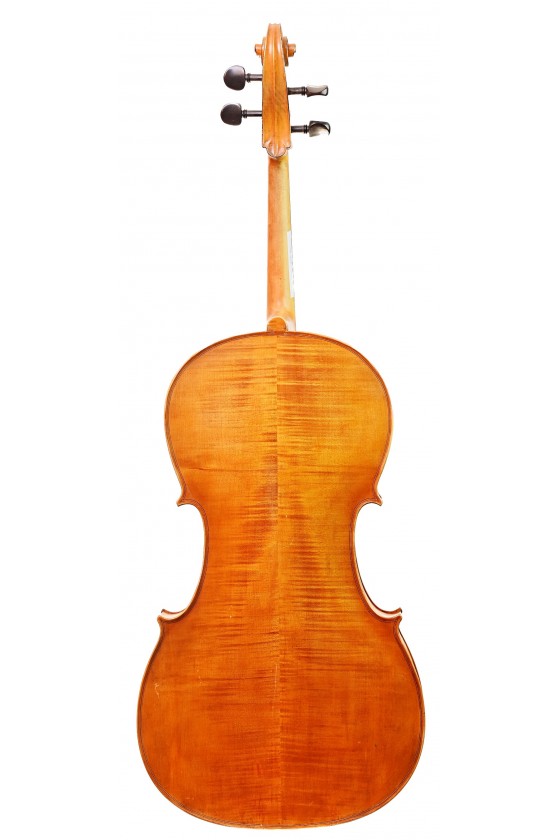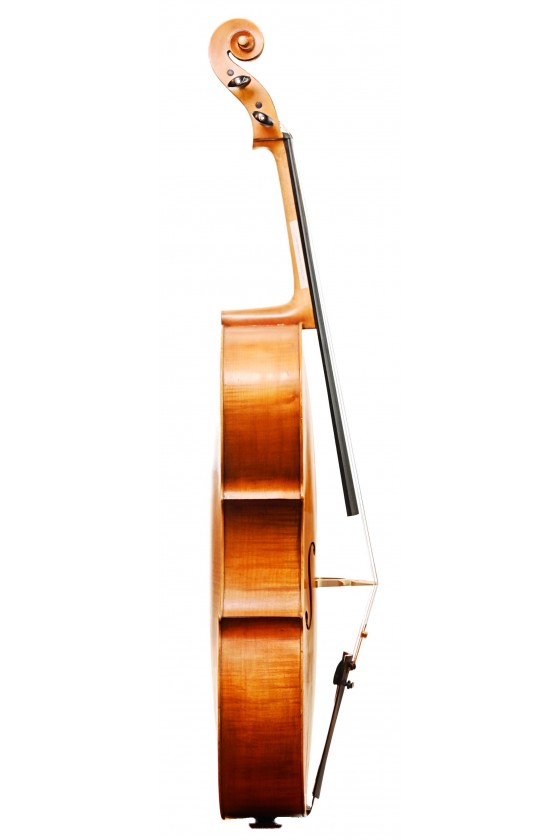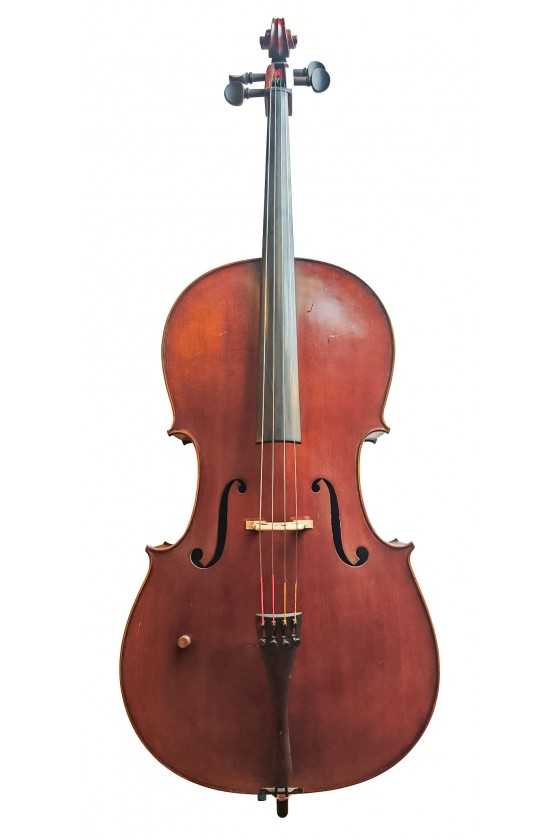
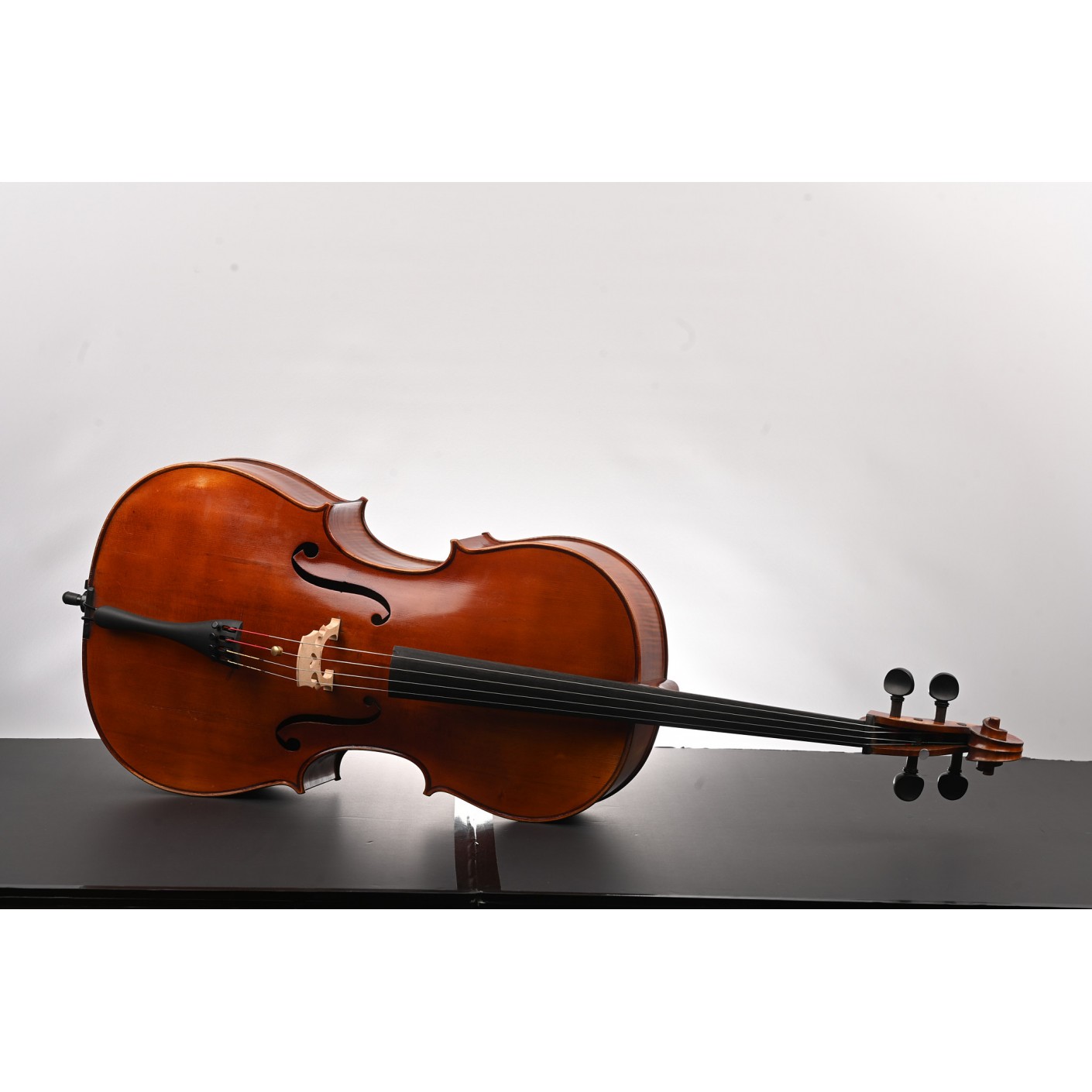
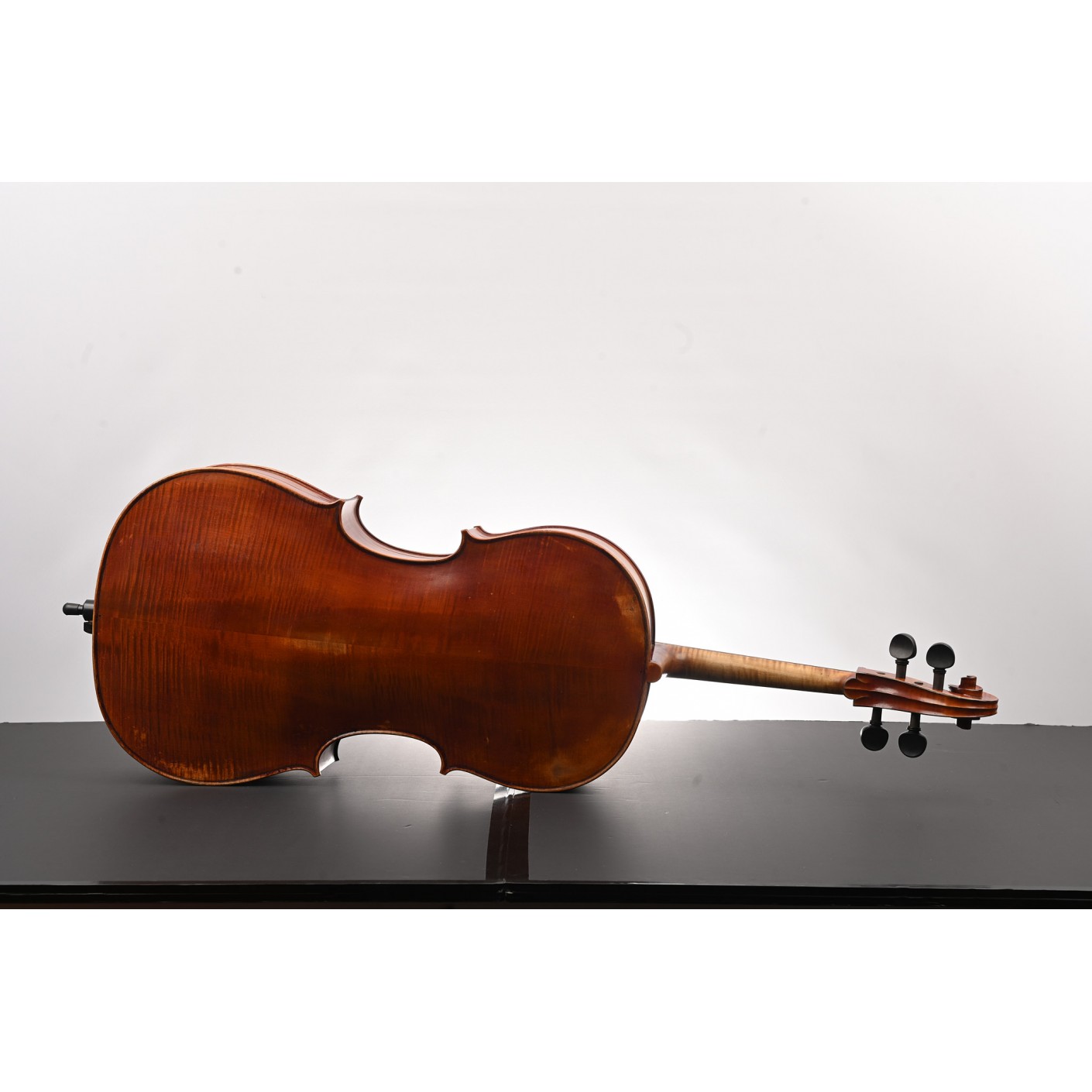
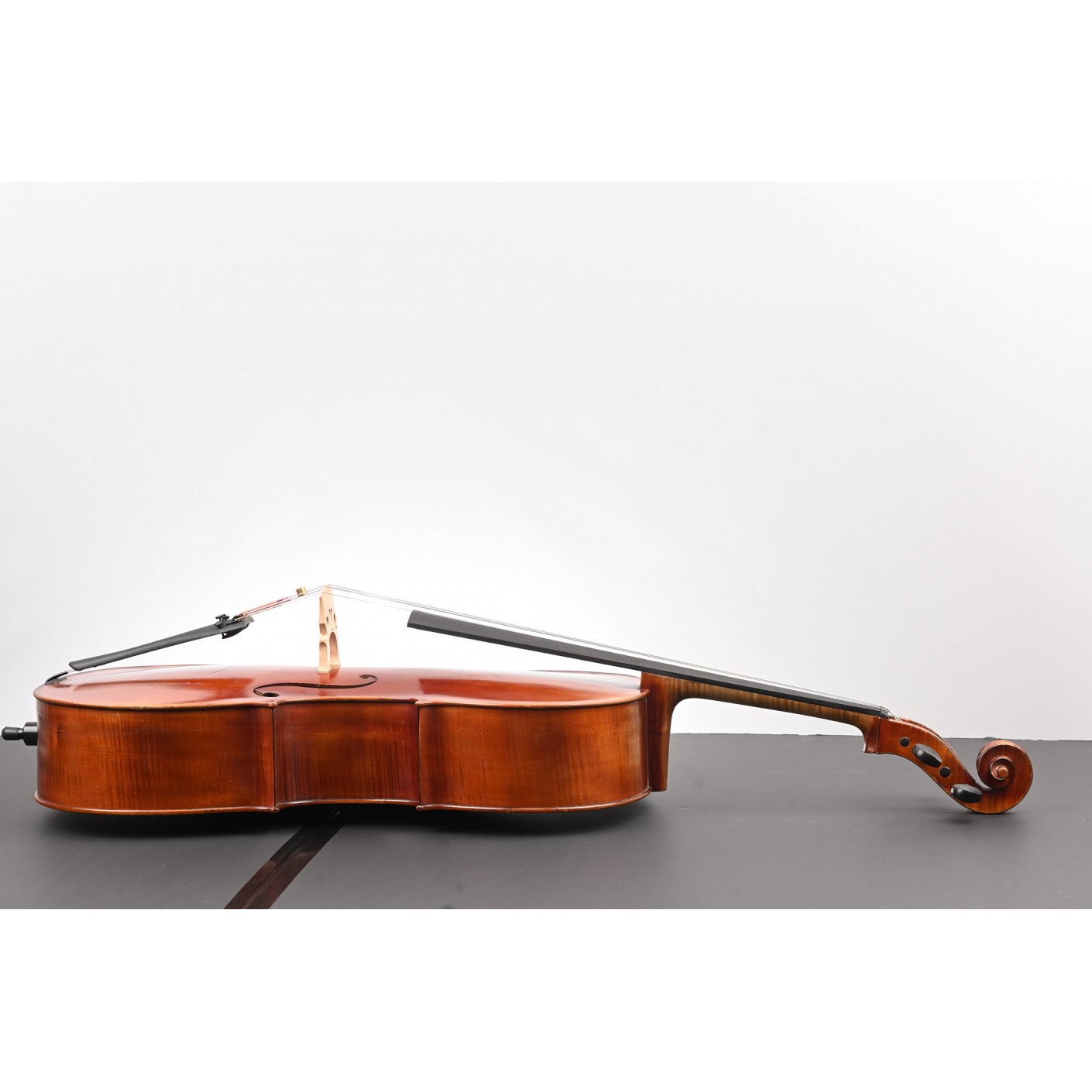
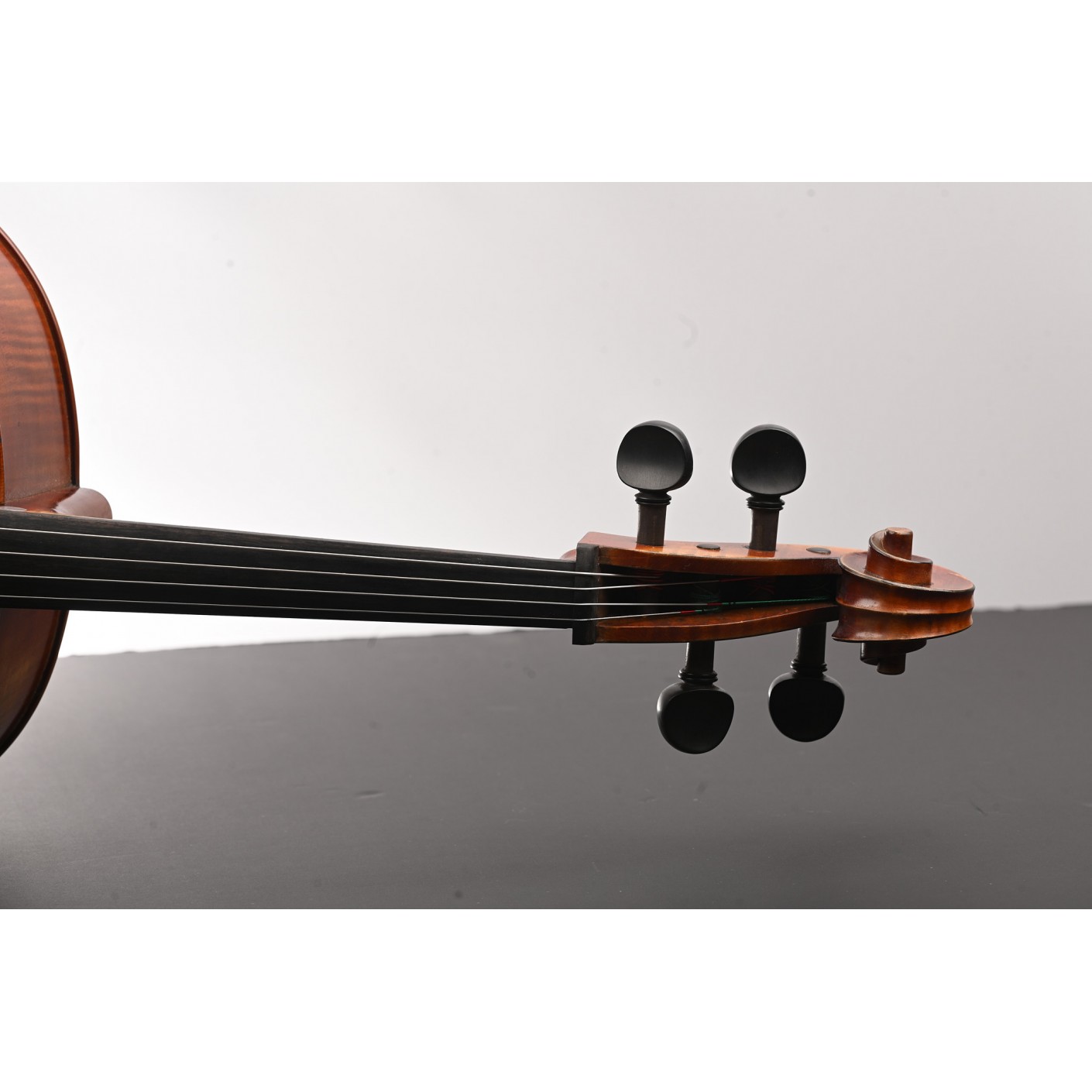
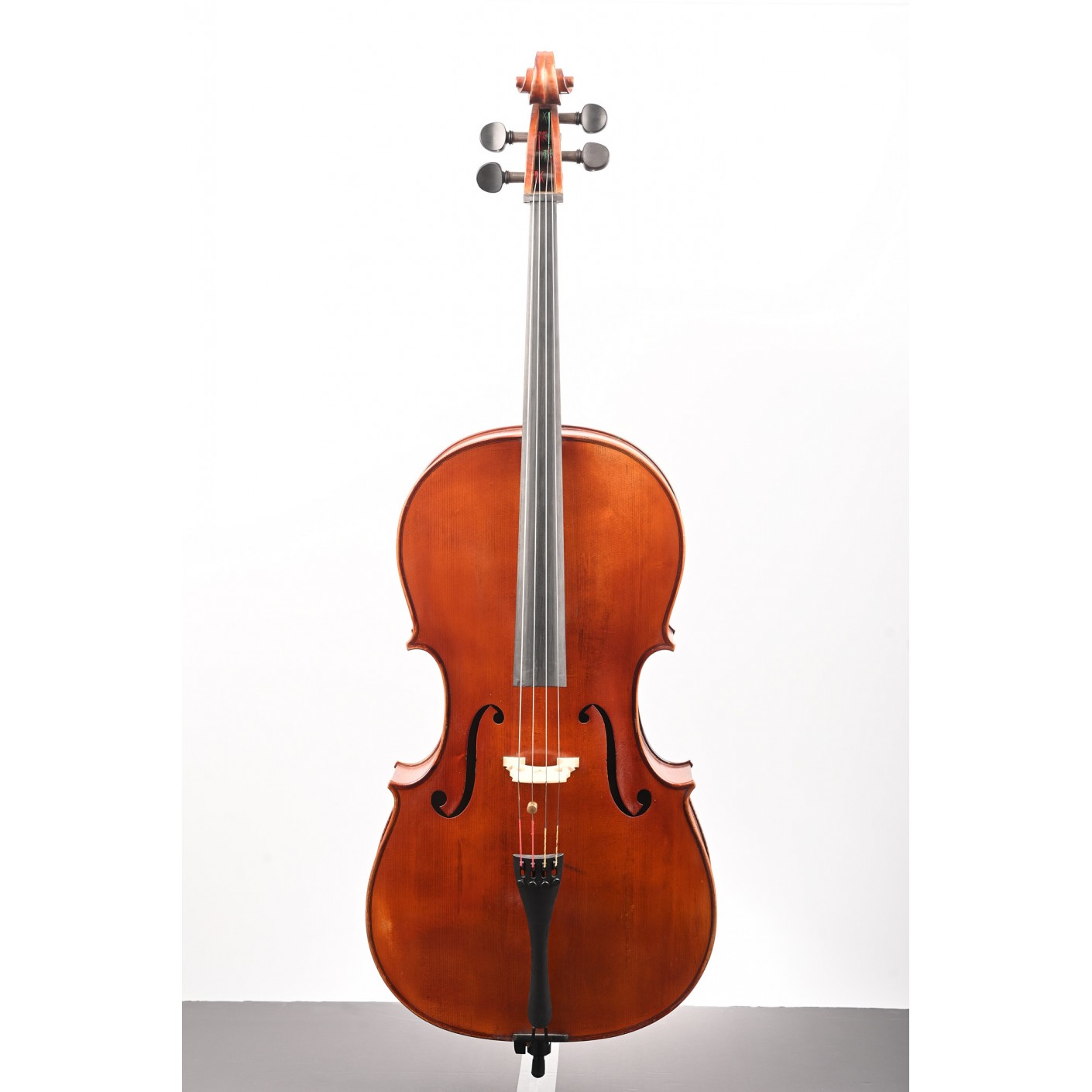
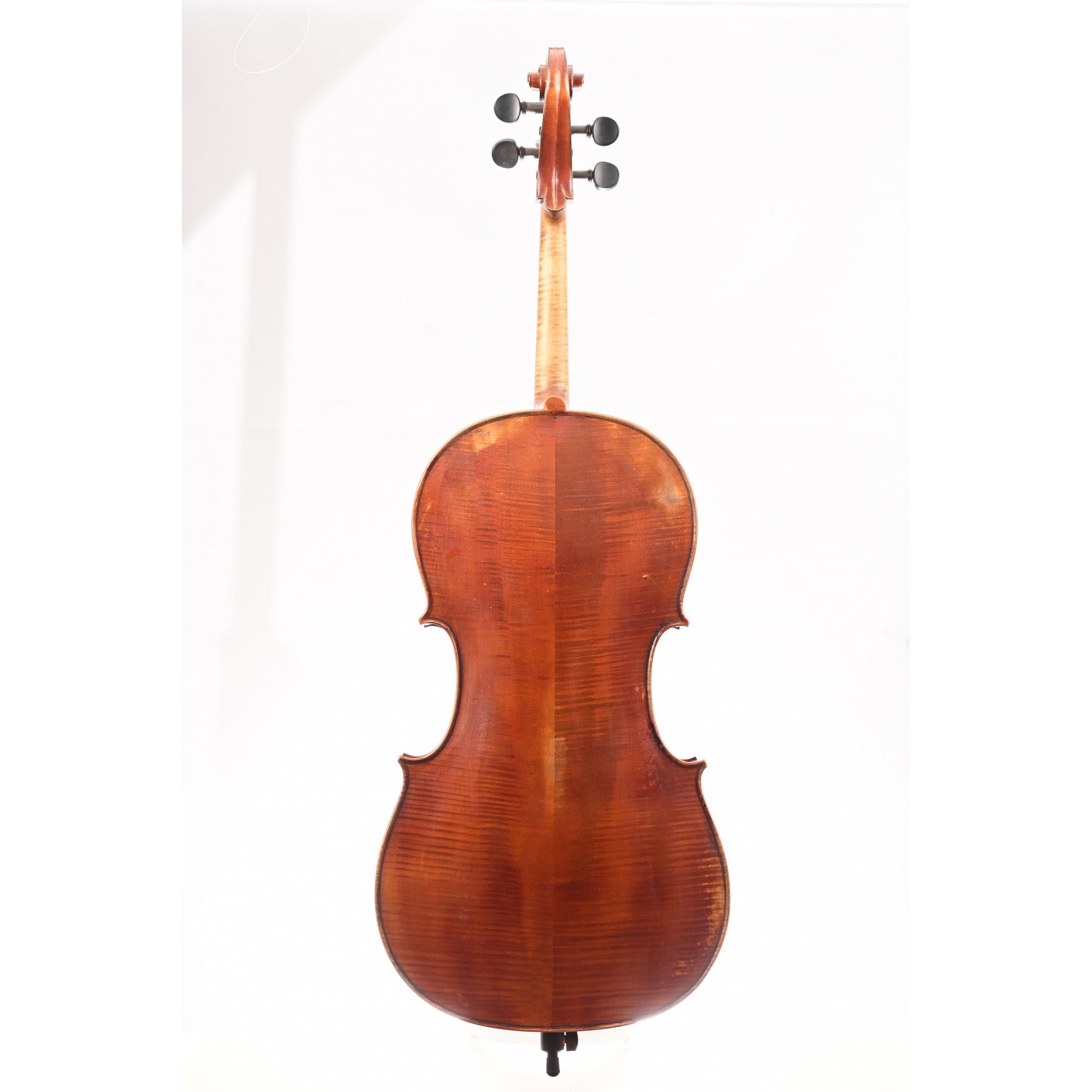
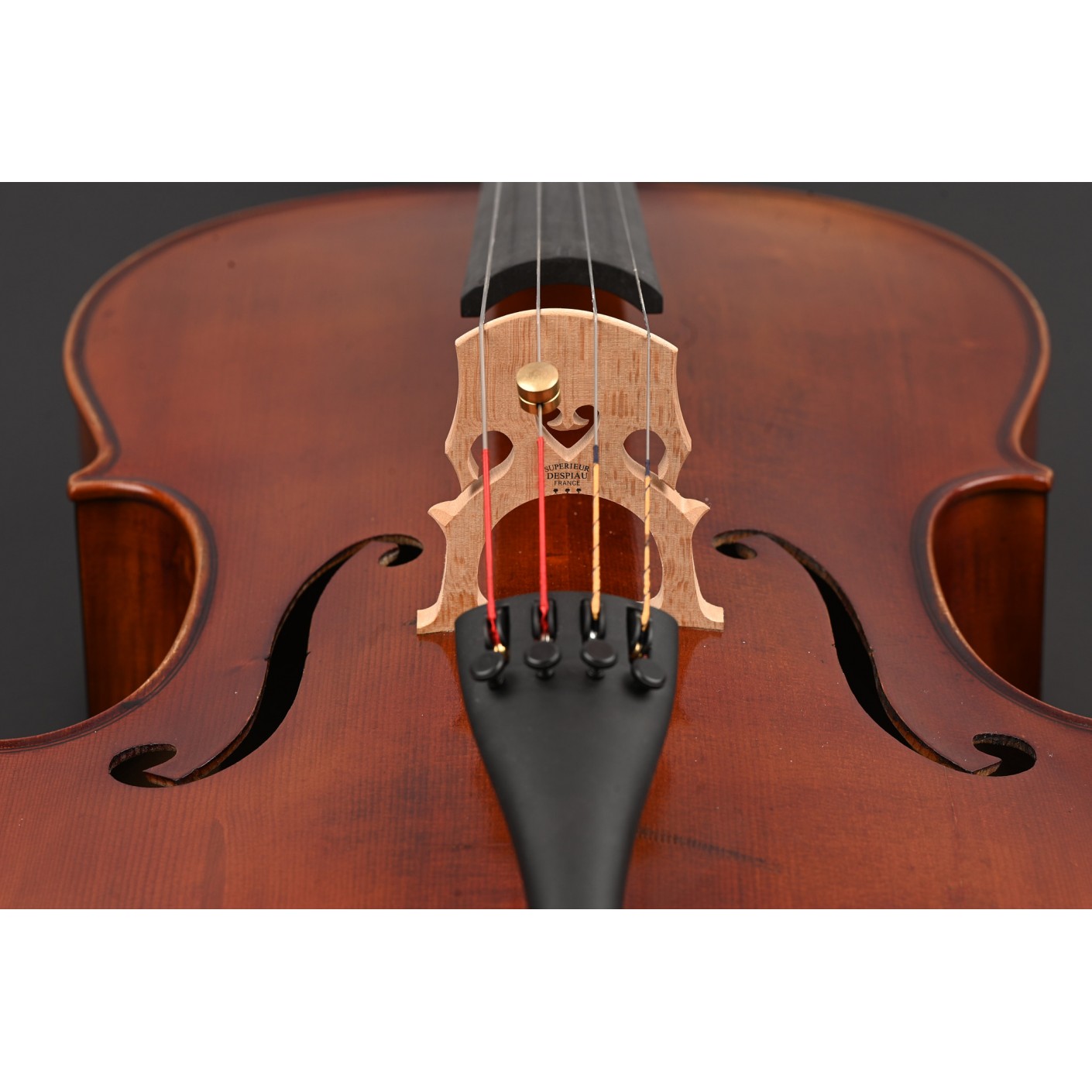
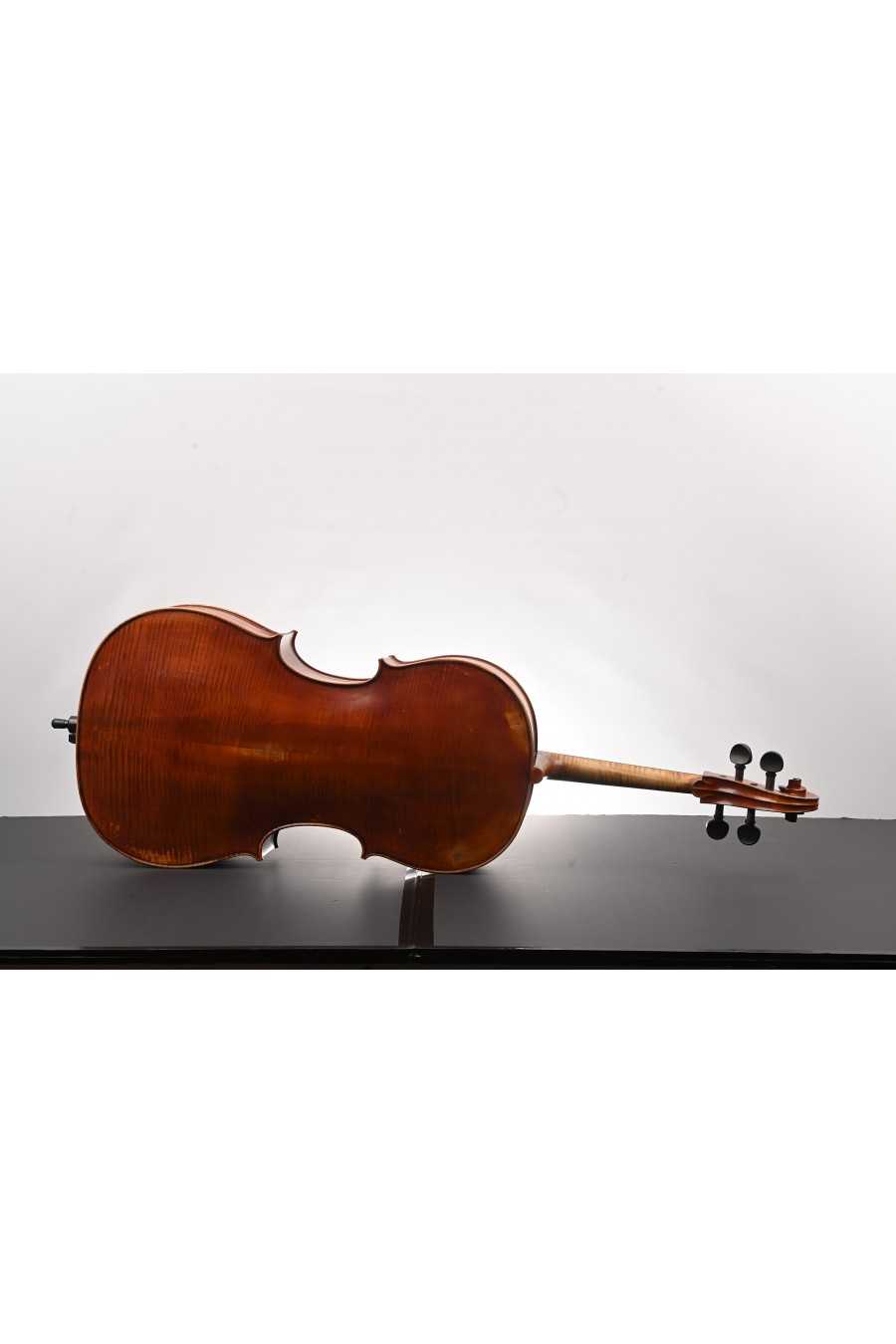
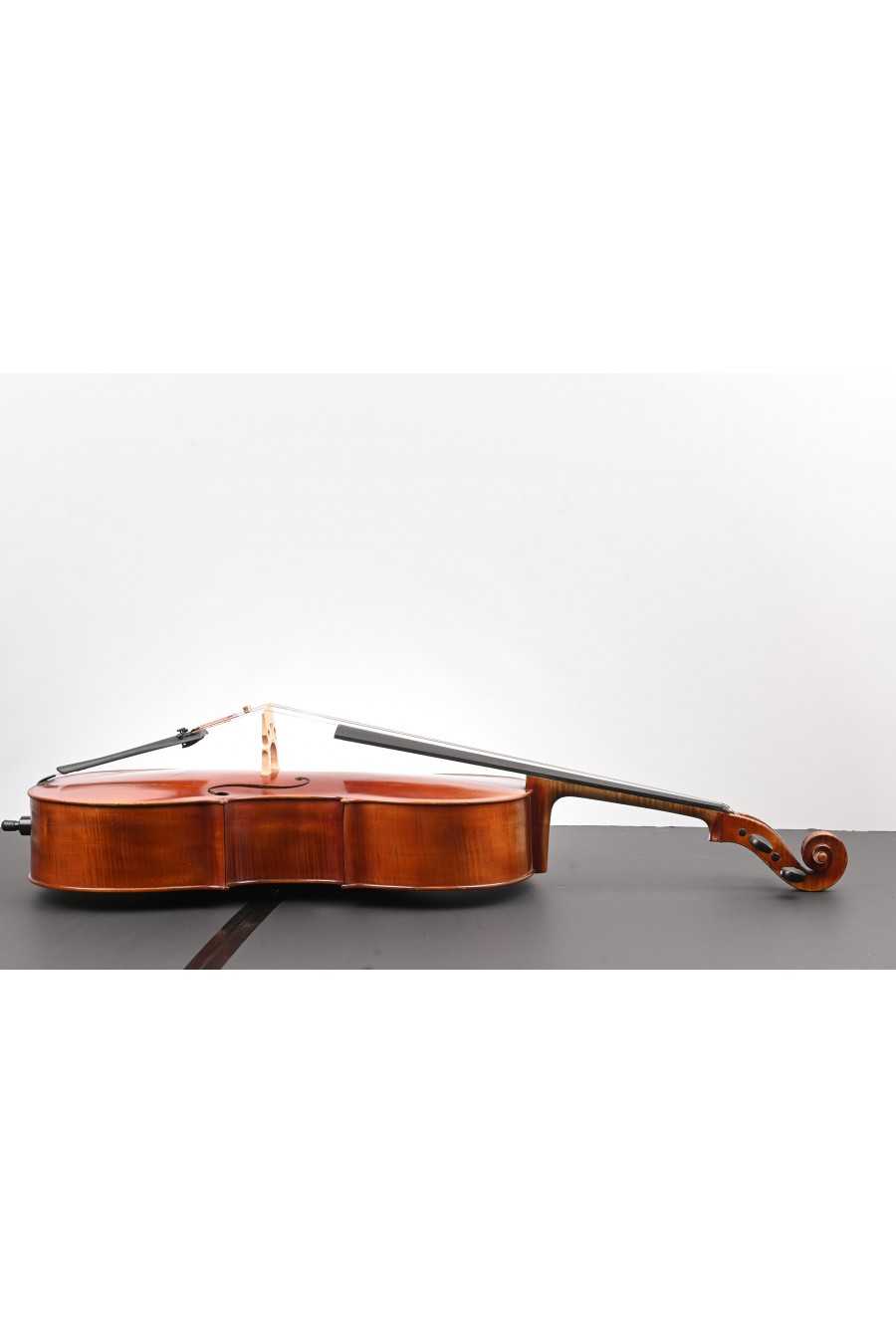
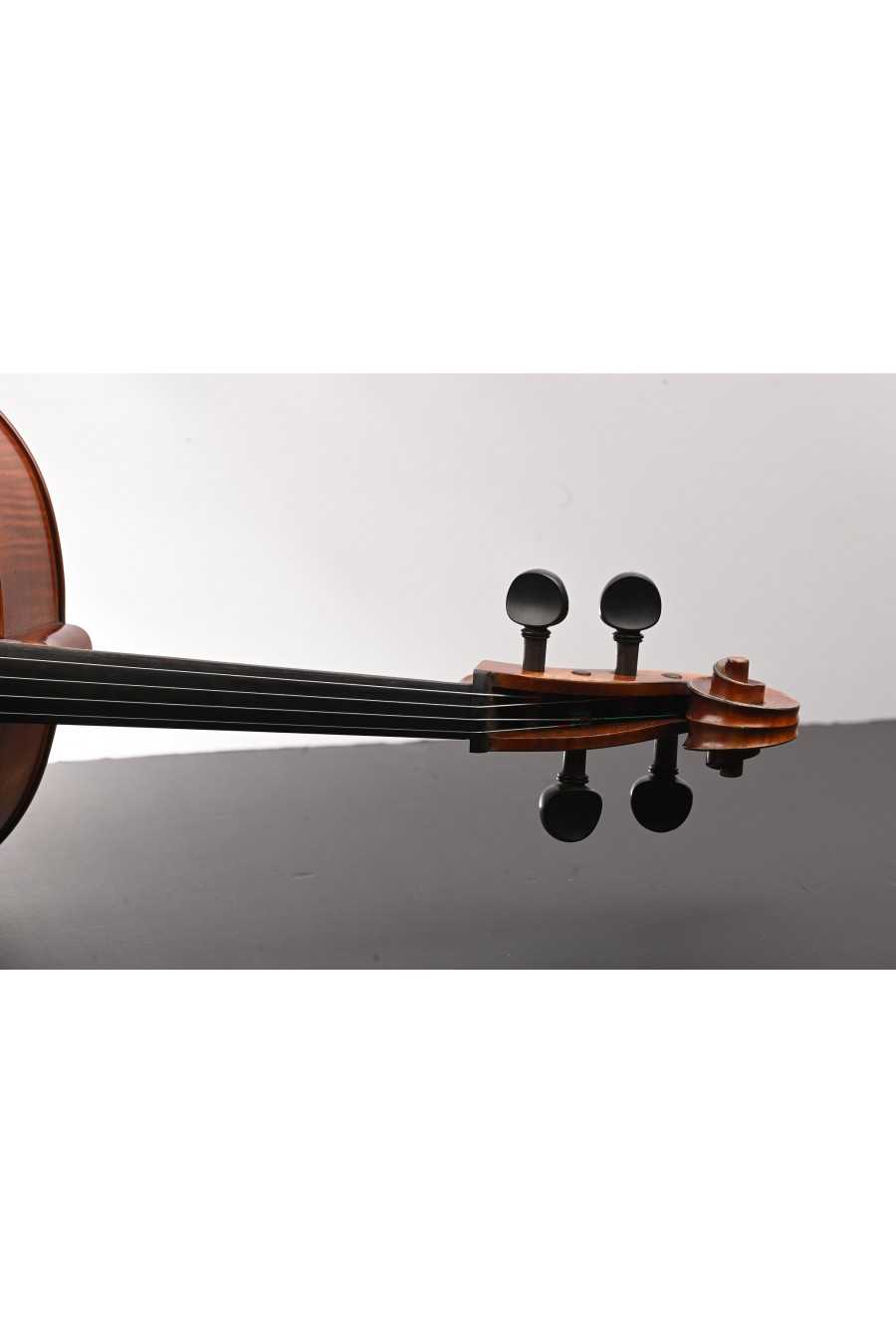
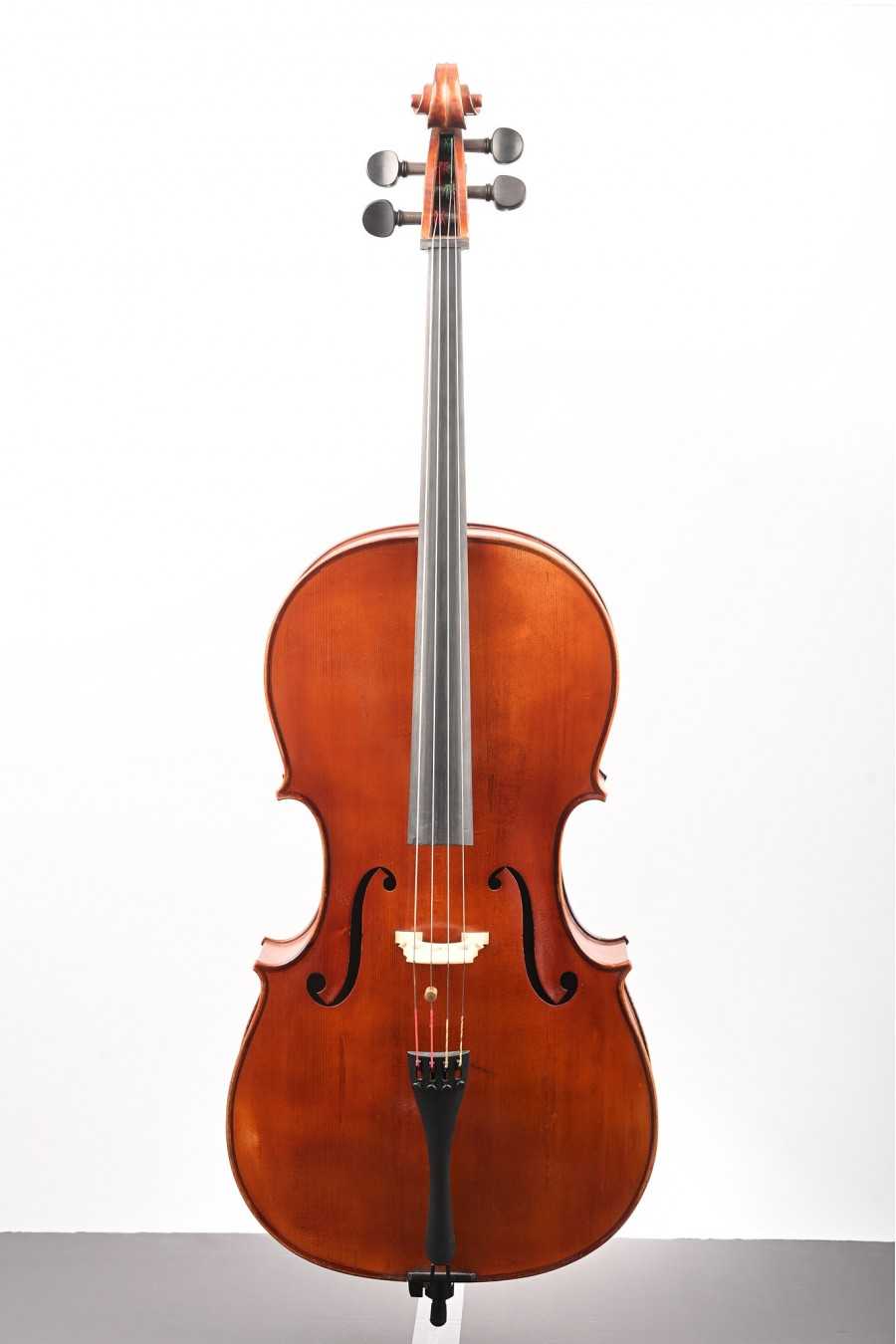
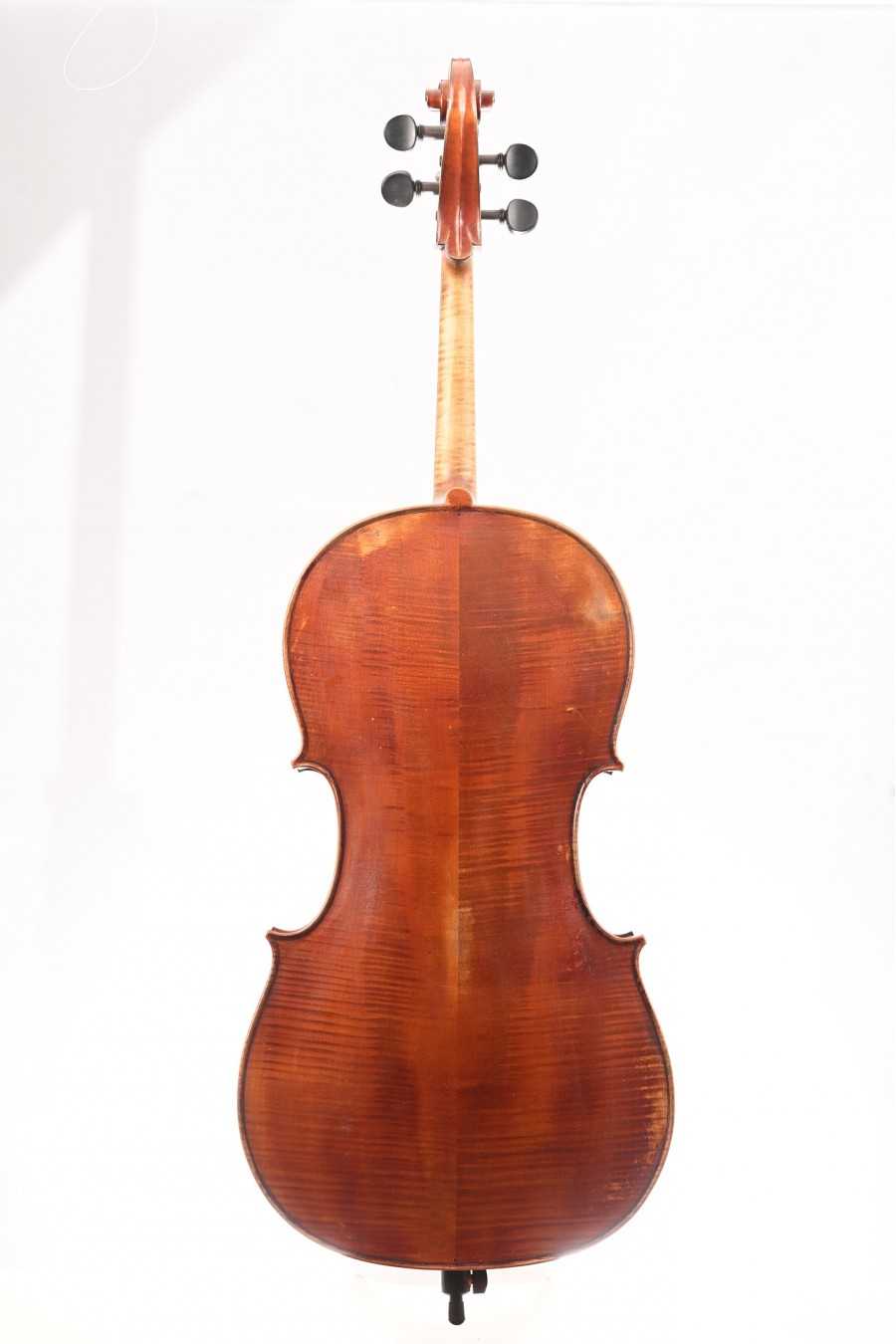
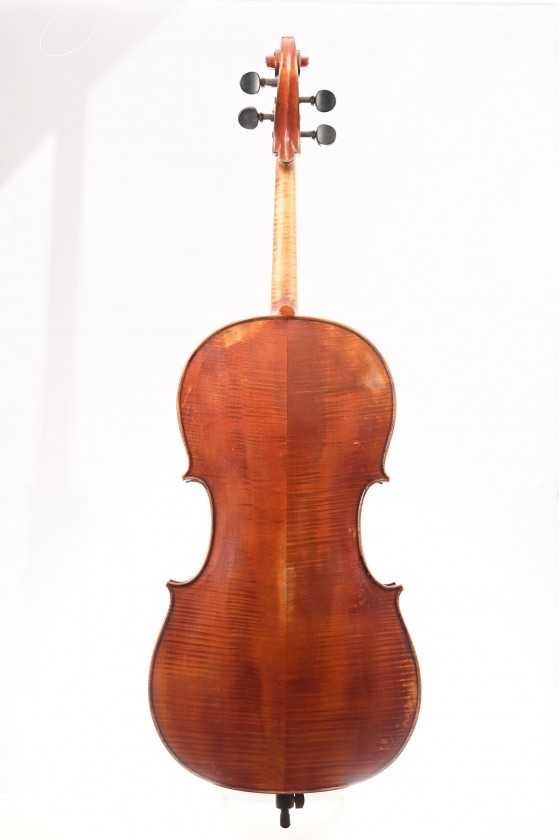
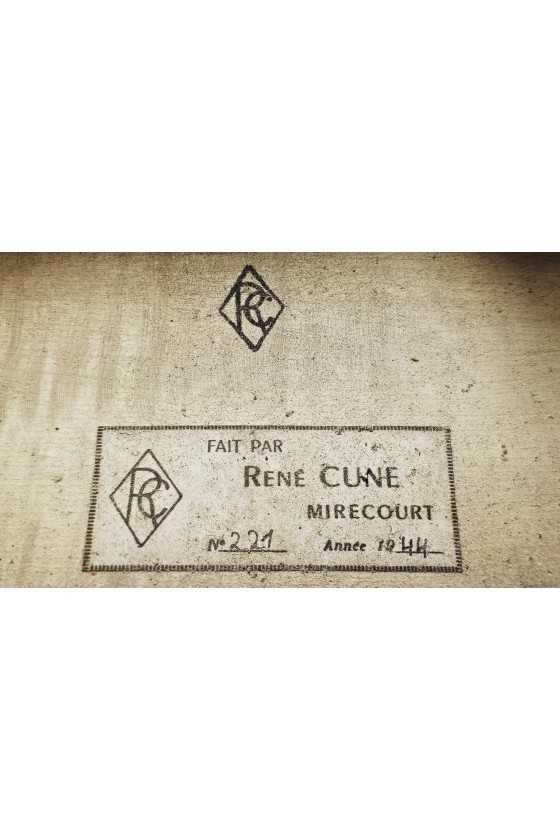
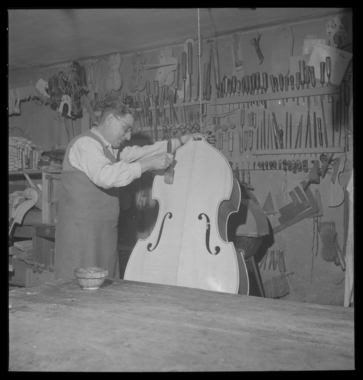
René Cune was born in Mirecourt, Vosges, France in 1905. He studied violinmaking under two prominent Mirecourt makers, Emile Audinot and George Apparut, and settled in his hometown, establishing his own atelier. He is one of the few Mirecourt violinmakers who survived both world wars. Fortunately, he was not employed to fight in the Second World War, and he was still too young to fight in the First World War. He made violins and cellos and specialised later in making double basses (see photo, taken in 1957).
(Ref: René Vannes: Dictionery Universelle des Luthiers.)
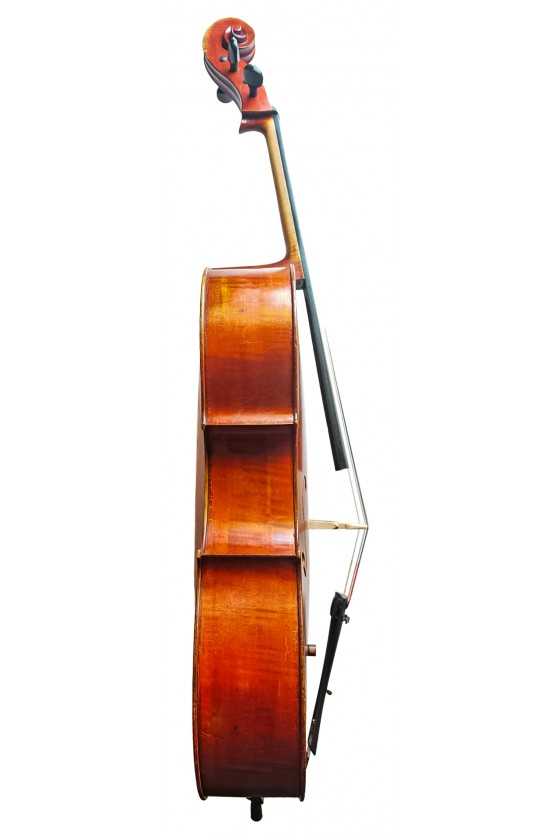
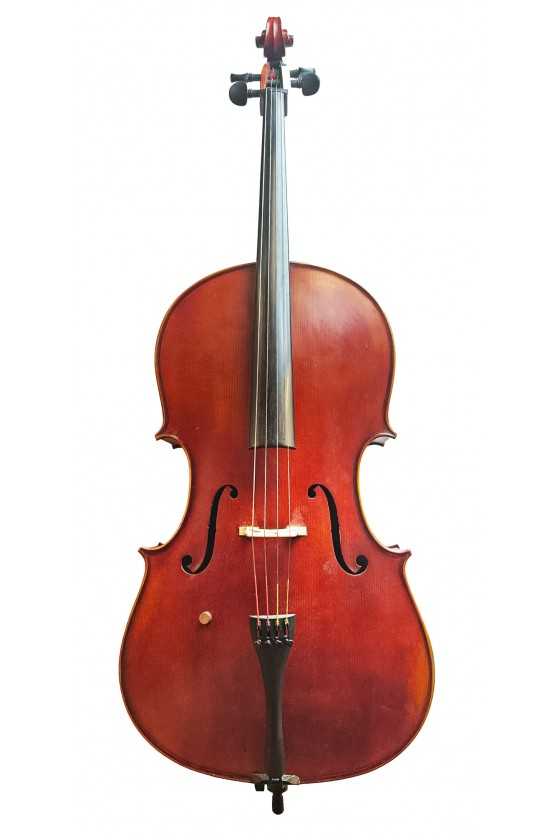
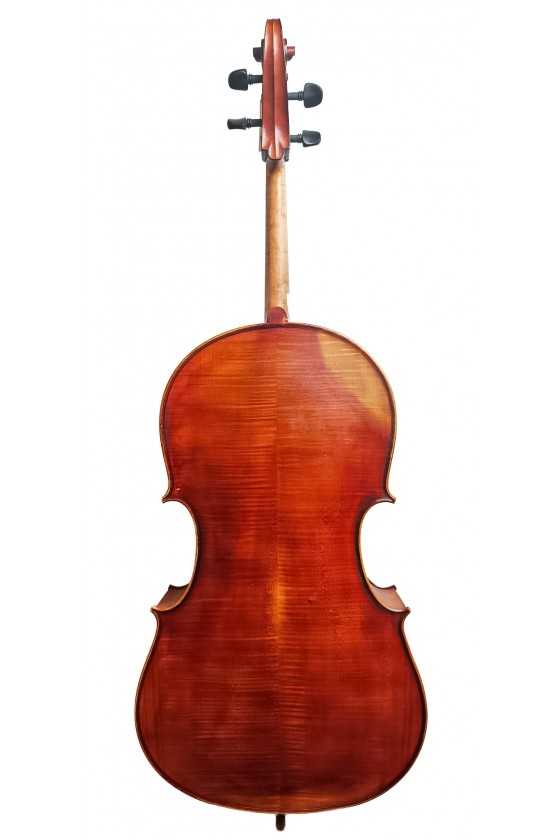
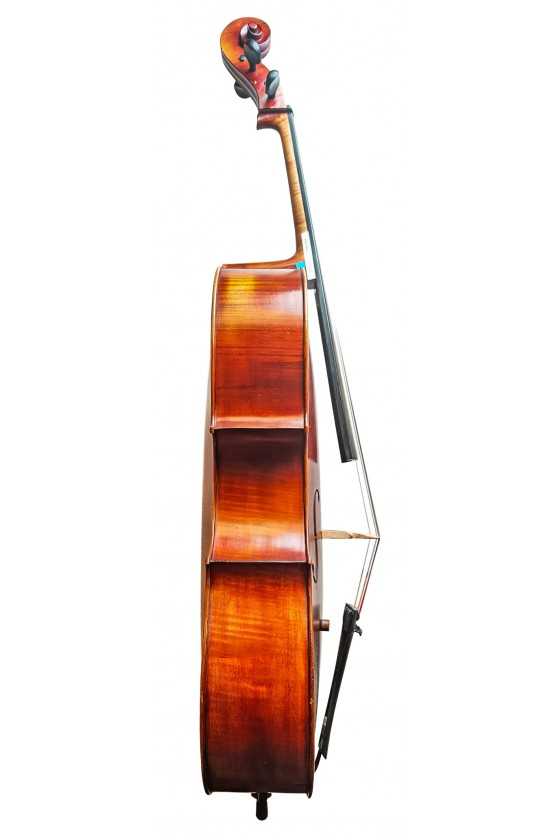
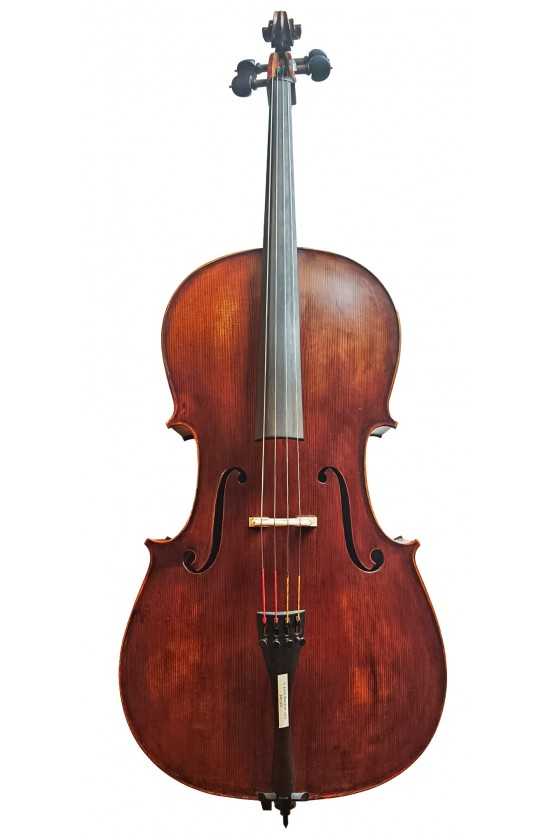
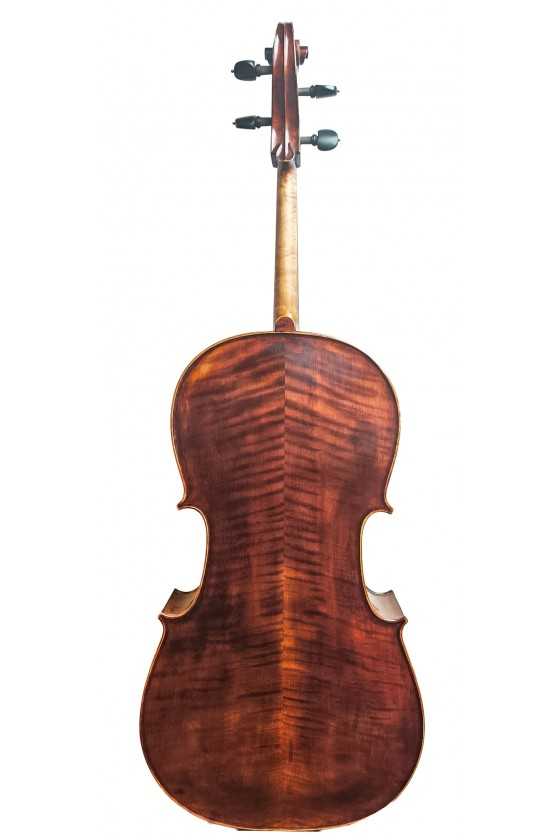
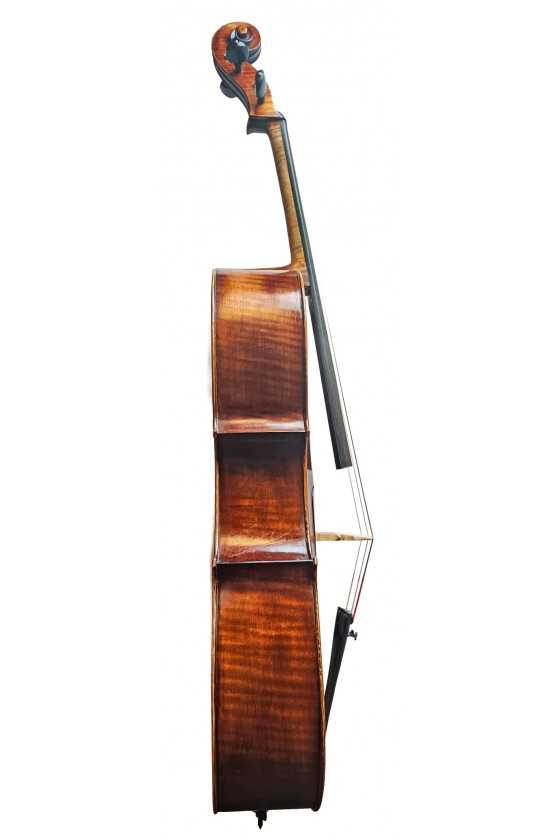
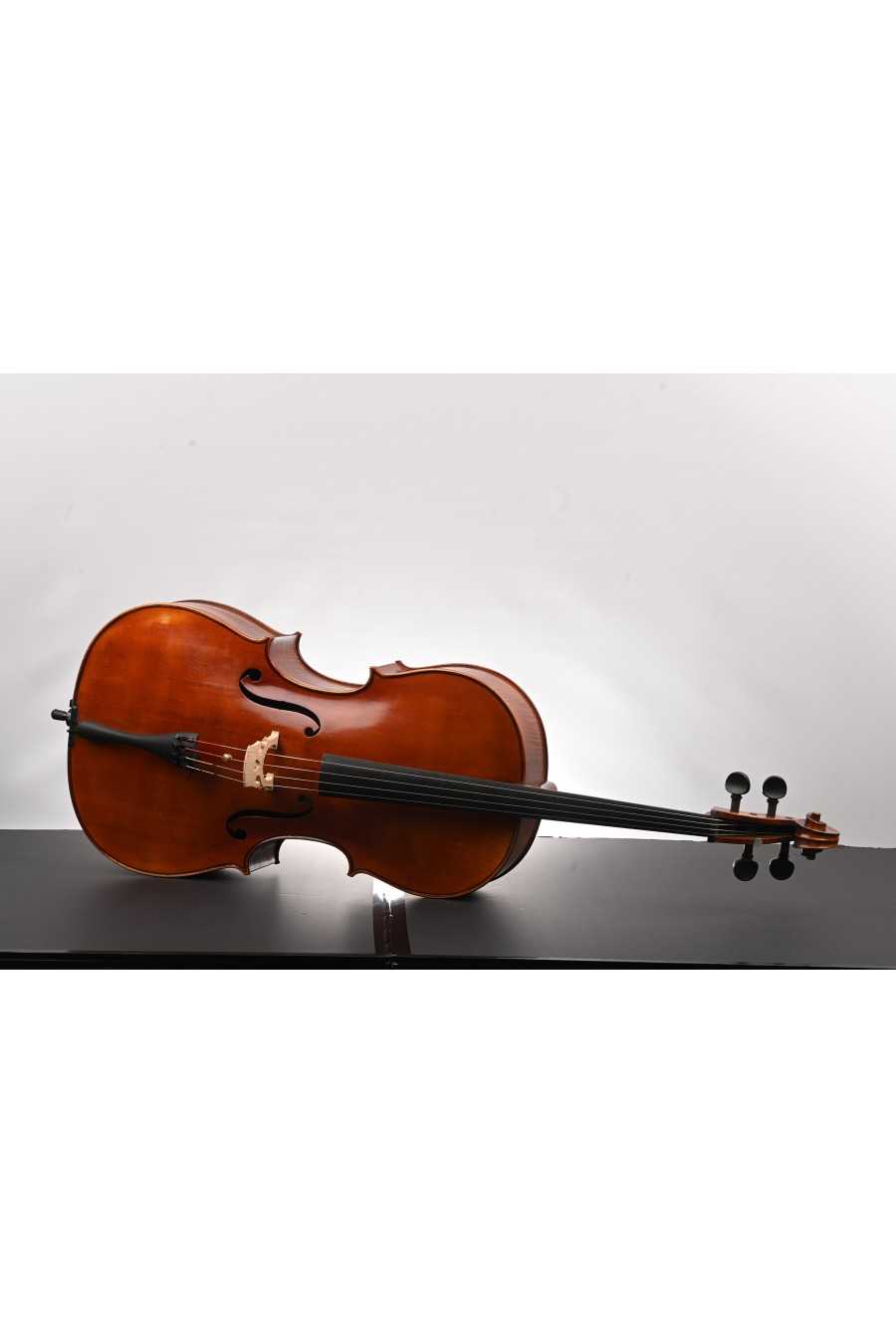
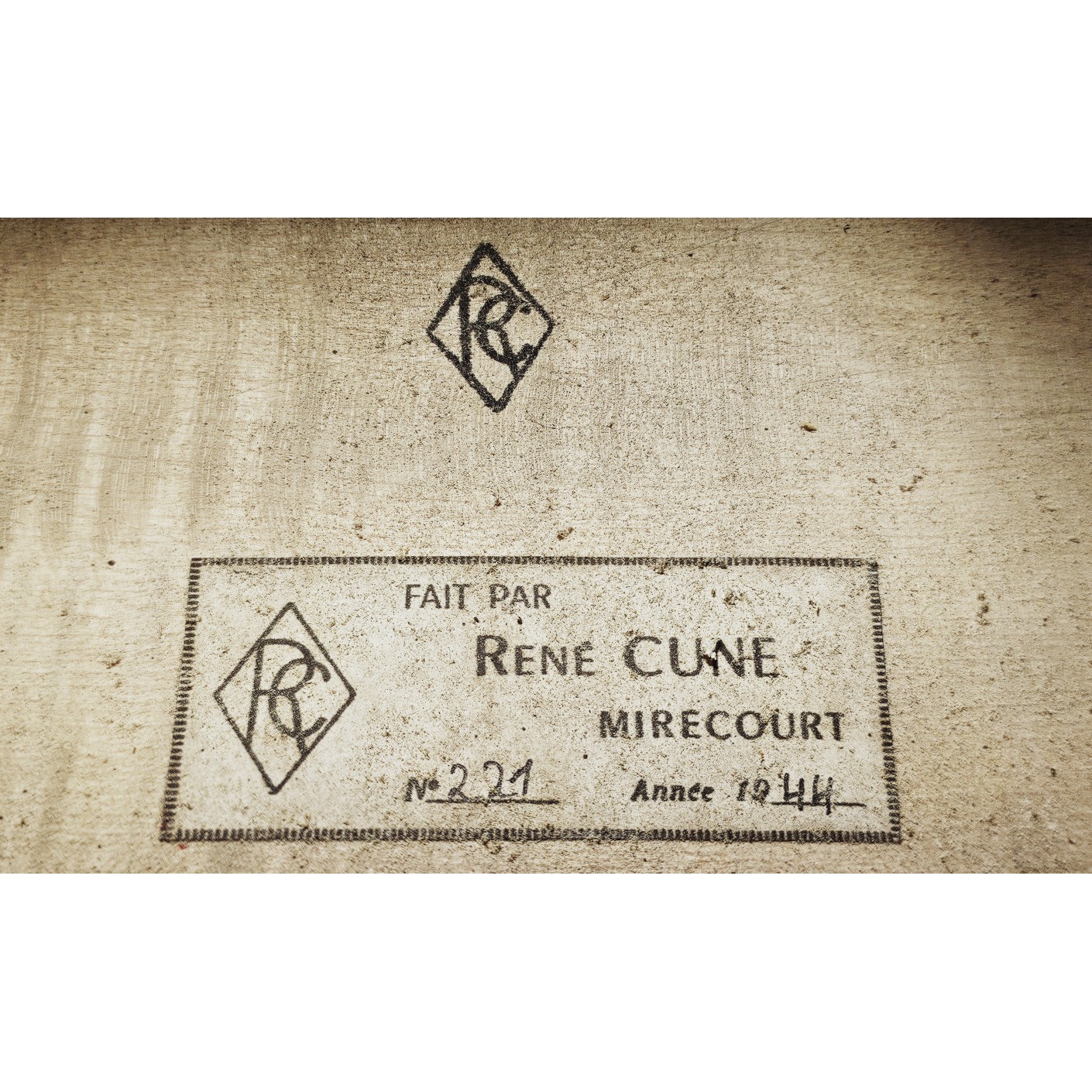
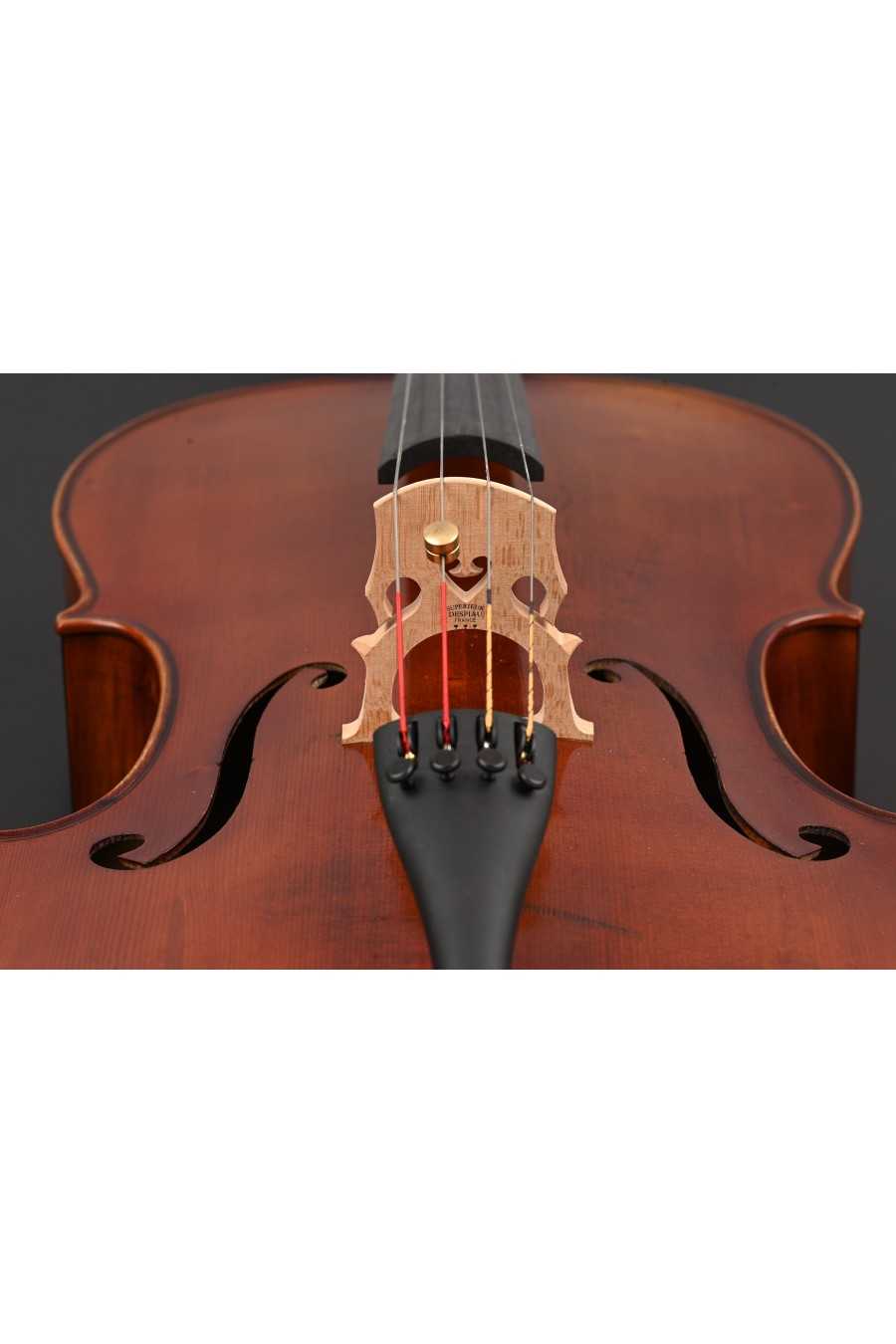
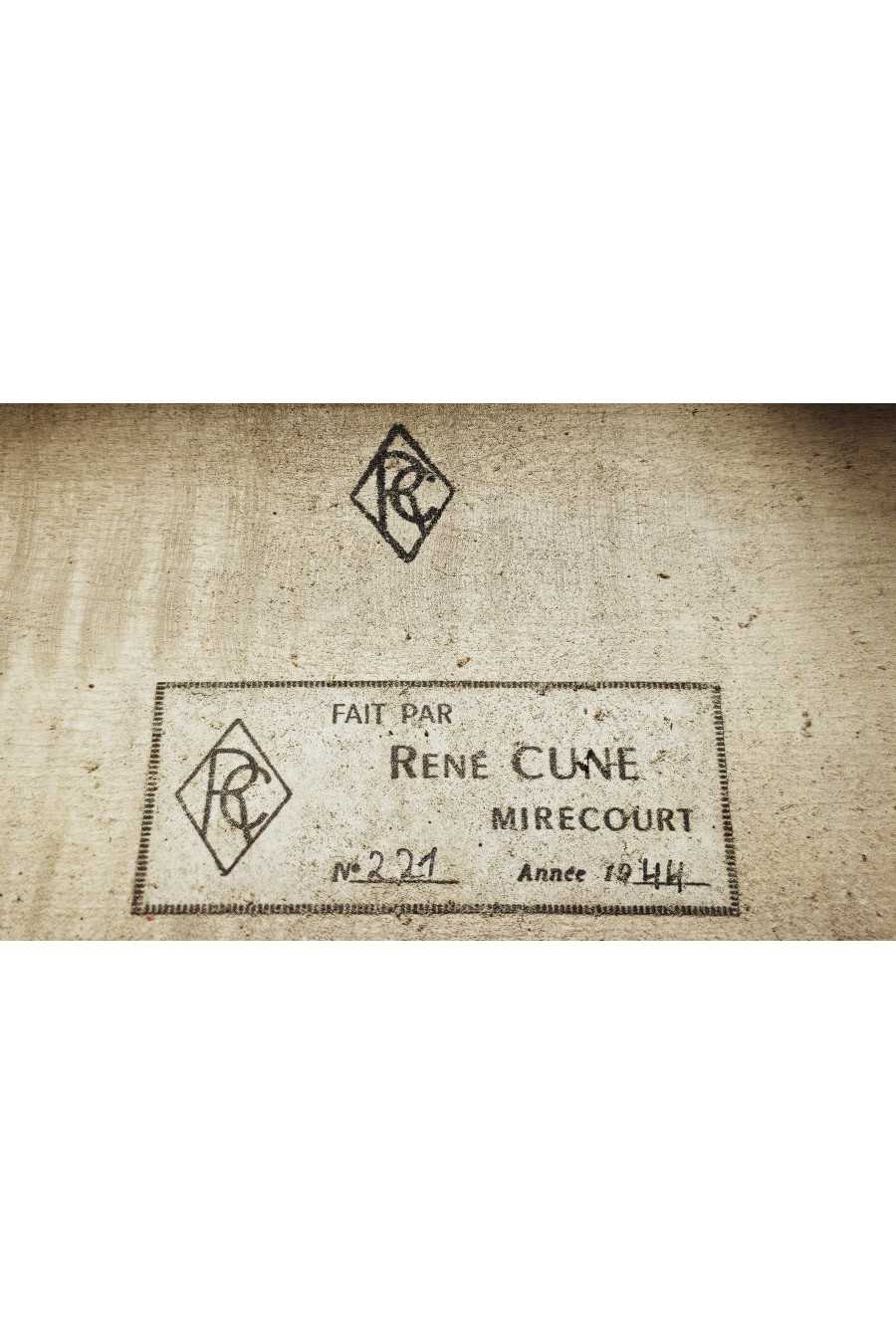
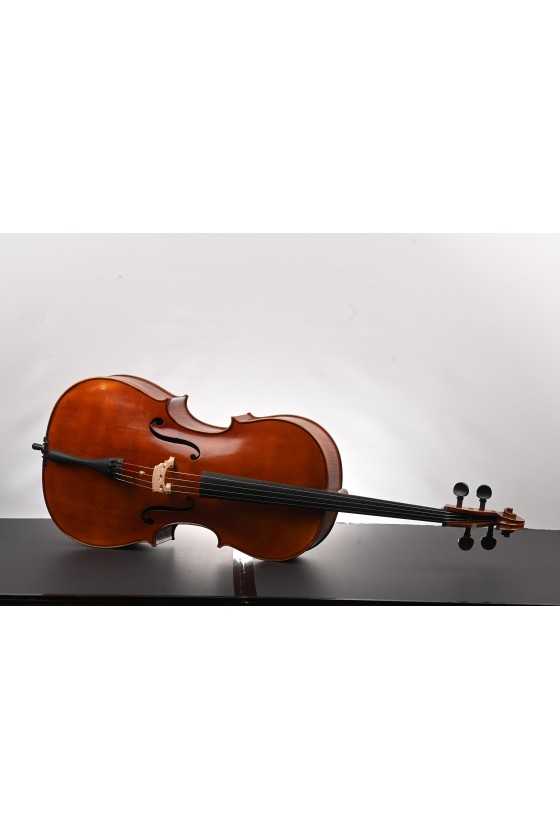
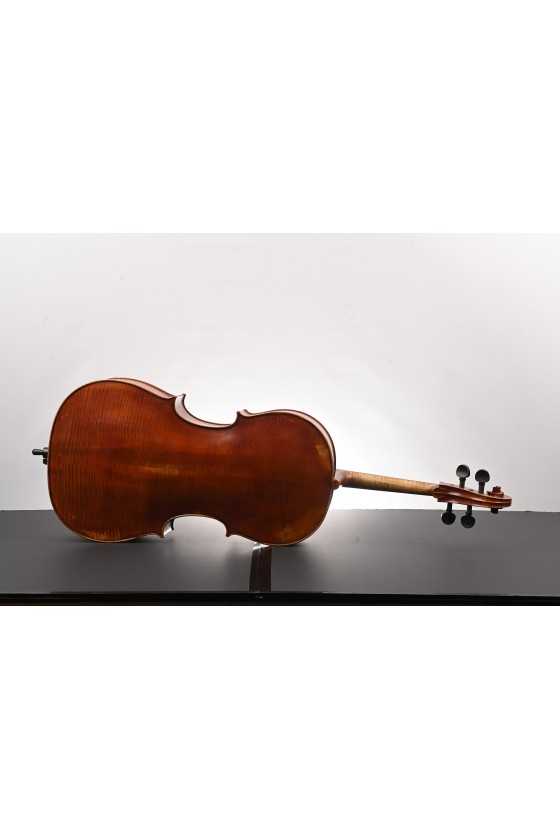
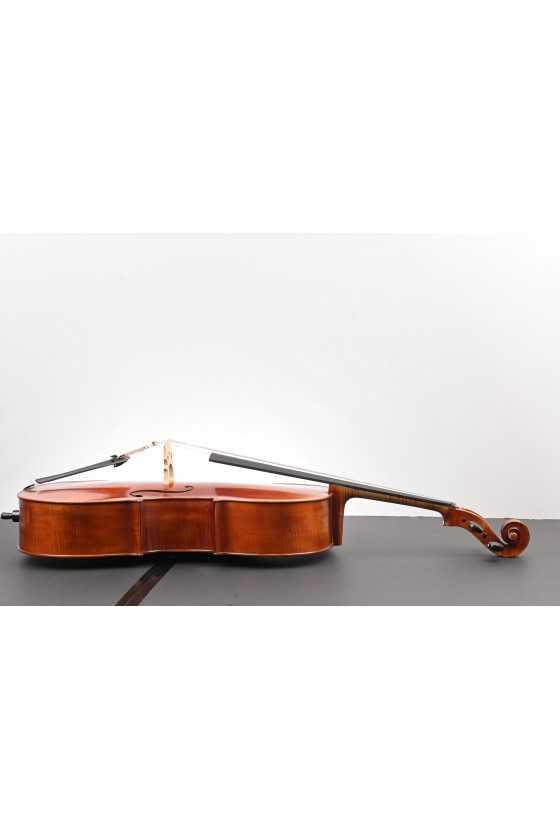
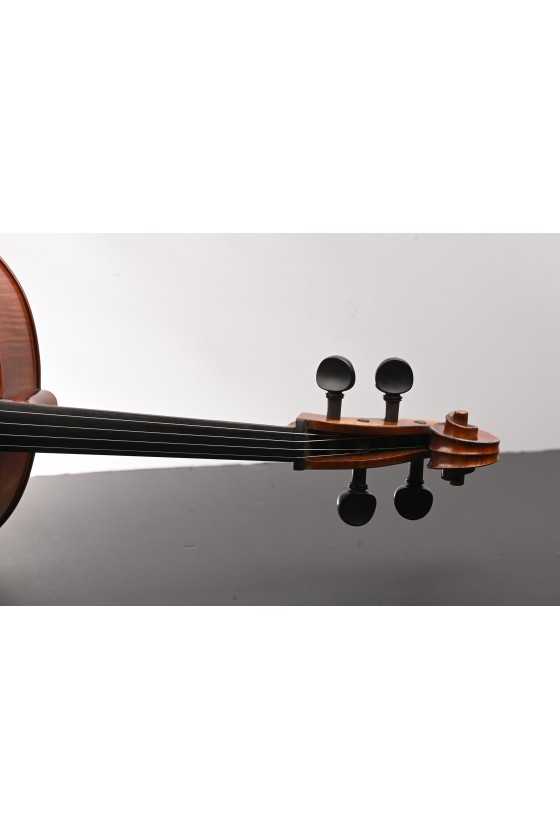
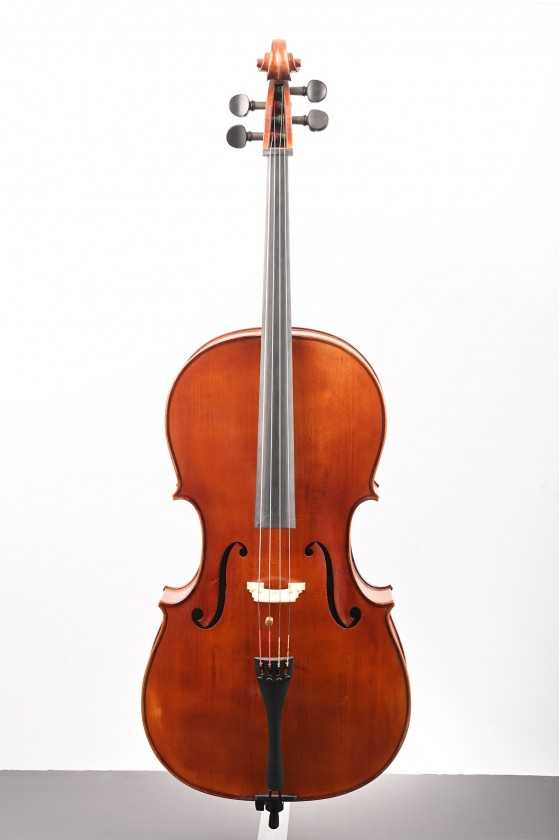
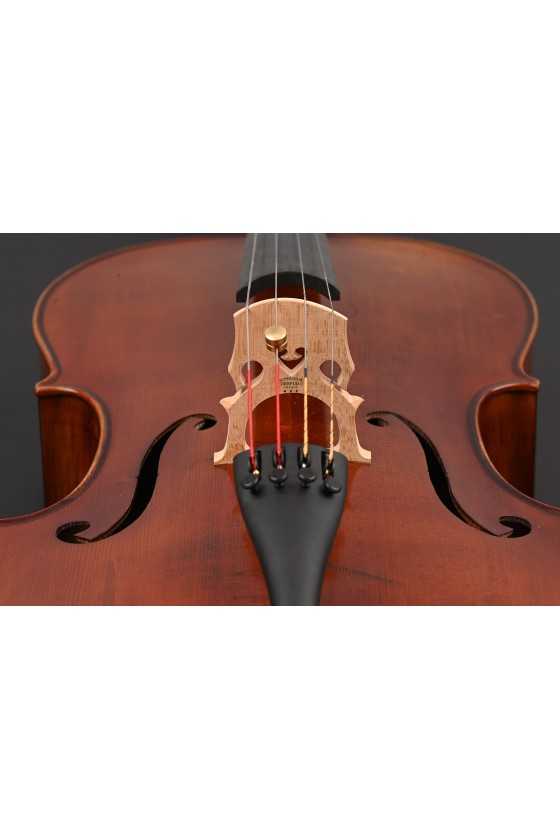
This rare cello, made in 1944(!) while the Second World War was still raging, impresses with a rich, deep, silk-like sound that speaks easily and is balanced across all strings. There are no soundpost cracks! The cello carries the maker's label, and his logo is stamped inside the back in several places to warrant authenticity in the future (such as now!).
This Antique French violin was made by the famous luthier Jean Baptiste Colin at Mirecourt, Paris, in 1903, a superb example of a quality French instrument.
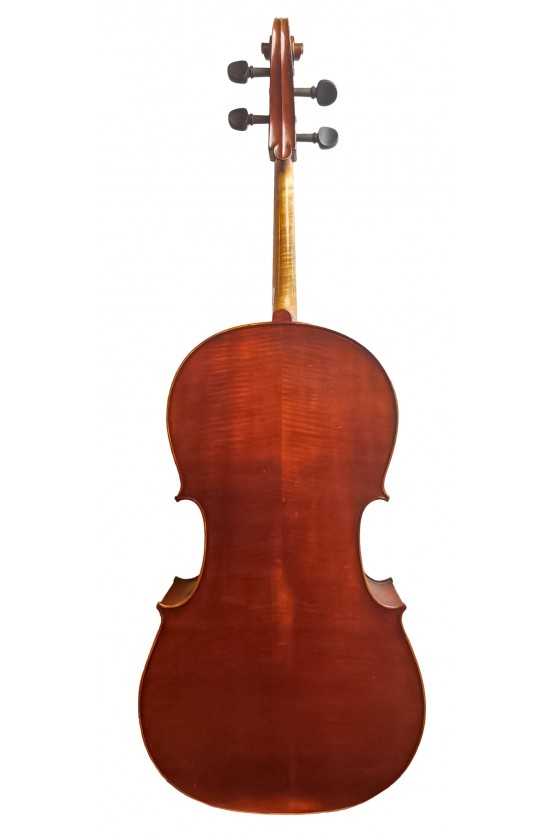
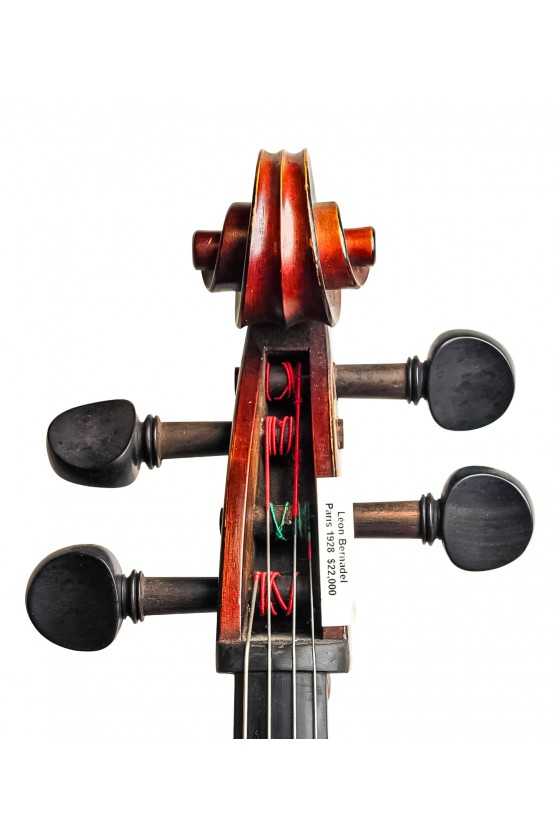
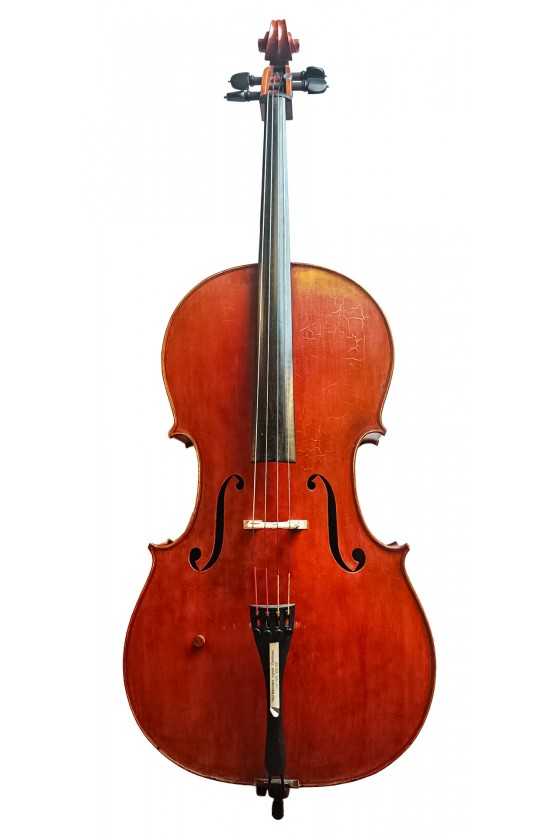
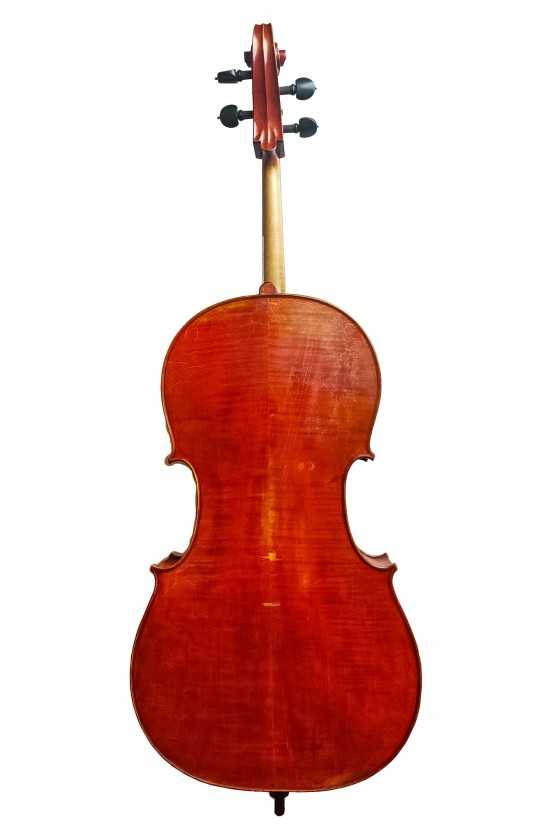
The Léon Bernardel Cello, Paris 1928, is a late-period French instrument bearing the label of Léon Bernardel (1853–1931), numbered 1108, and featuring a 2200 back. Bernardel was a respected Parisian luthier from the celebrated Bernardel family, trained by Justin Derazey, and worked with Gand & Bernardel Frères before establishing his own workshop at 40 bis Faubourg Poissonnière. His instruments continued the family's distinguished French tradition and were frequently inspired by Lupot and Stradivari models.
Key Features:
• Maker: Léon Bernardel
• Dates: 1853–1931
• Year: 1928
• Place: Paris
• No.: 1108
• Back: 2200
The Paul Blanchard Workshop Cello, Lyon 1906, is an early 20th-century French instrument bearing the label “Fait dans l’Atelier de P. Blanchard Lyon 1906.” Paul François Blanchard (1851–1912) was a distinguished Mirecourt-born luthier who established an important workshop in Lyon and served as luthier to the Lyon Conservatoire. Significantly, the label identifies this cello as made in Blanchard’s workshop, rather than specifically claiming manufacture by Blanchard himself. Dating from the mature period of his atelier, it represents the respected tradition of early 20th-century Lyon violin making.
Key Features:
• Workshop: Paul Blanchard
• Dates: 1851–1912
• Year: 1906
• Place: Lyon, France
• Type: Workshop cello
• Origin: French
The 7/8 Amati-Mangenot Cello, Bordeaux 1932, is an early 20th-century French instrument bearing the label of Paul Amati Mangenot (1901–1966). Born in Mirecourt, Mangenot trained with his father, Paul Alexandre Mangenot, and the Laurent family before taking over Émile Laurent’s Bordeaux workshop in 1925. This cello’s comfortable 7/8 dimensions and historical French character make it an appealing choice for players seeking a mature instrument in a slightly smaller format.
Key Features:
• Maker: Amati Mangenot
• Dates: 1901–1966
• Size: 7/8
• Year: 1932
• Place: Bordeaux
• Origin: France
• Teacher: Émile Laurent
• Early 20th century
The H. Émile Blondelet Cello, Paris 1923, is an early 20th-century French instrument bearing the label of Hugues Émile Blondelet (1875–1928) and numbered B 616. Born in Mirecourt, Blondelet joined the renowned JTL workshop at fifteen and became co-director in 1908. Known for finely crafted instruments inspired by Amati and Stradivari models, he was made a Chevalier of the Legion of Honour in 1923, the same year this cello is dated. Its Paris provenance and association with Blondelet's mature working period make it an appealing historic French cello.
Key Features:
• Maker: H. Émile Blondelet
• Dates: 1875–1928
• Instrument: Cello
• Year: 1923
• No.: B 616
• Place: Paris
• Origin: France
• School: Mirecourt
• Early 20th century