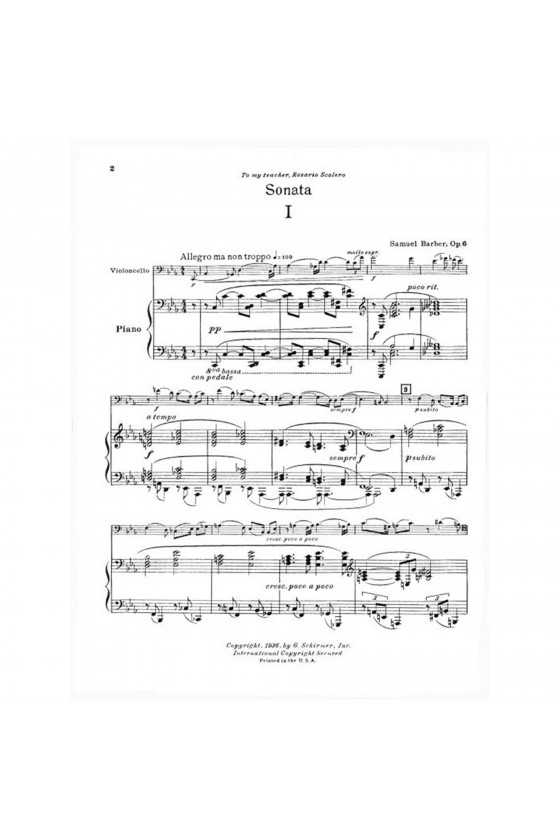
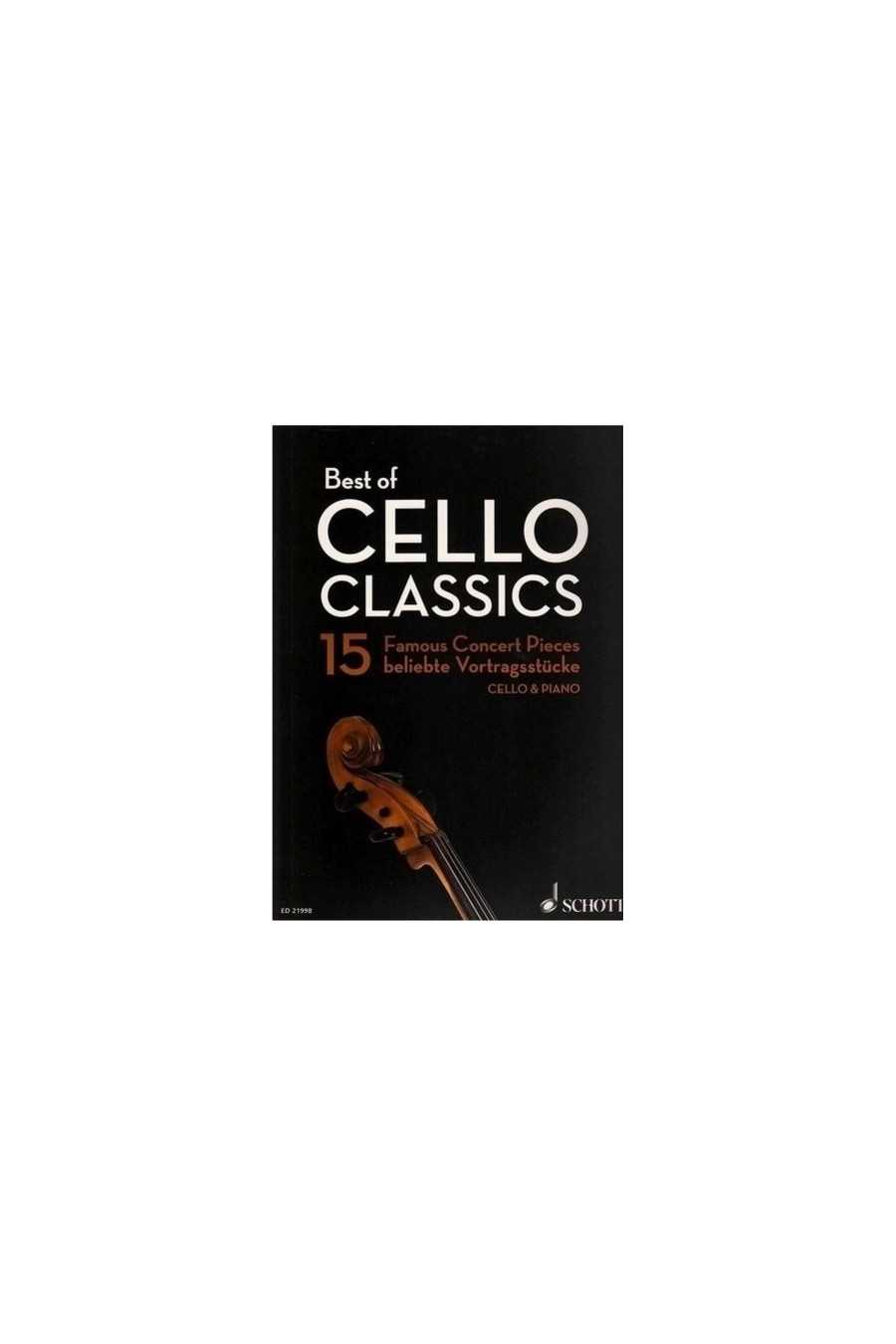
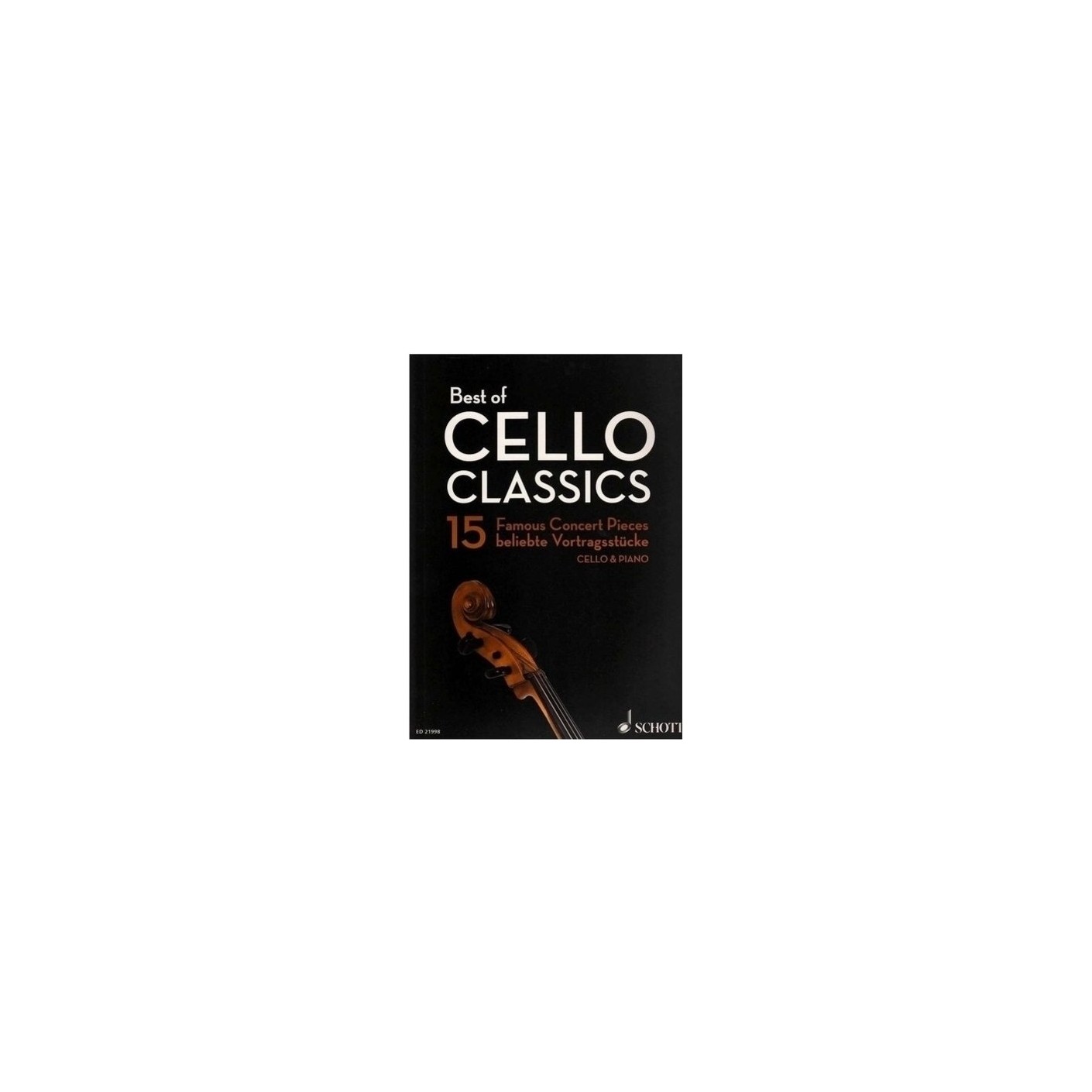
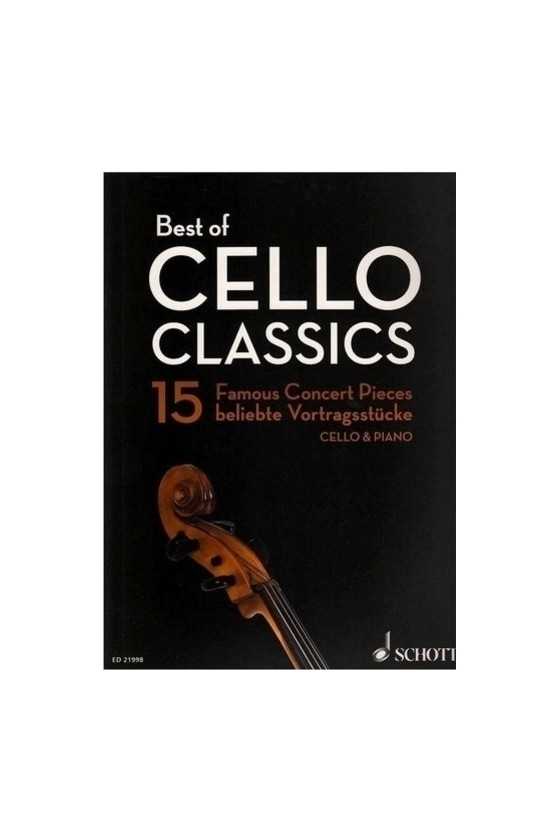
115 Famous Concert Pieces for Violoncello and Piano with Soft Cover
15 Famous Concert Pieces for Violoncello and Piano with Soft Cover Best of Cello Classics' contains 15 popular performance pieces for cello and piano from four centuries. The Baroque works also contain a continuous bass part. Apart from standard works and 'classics' such as the famous sonatas by Breval (C major), de Fesch (D minor), Vivaldi (E minor) or Saint-Saëns' 'The Swan' from 'The Carnival of Animals', this volume also contains lesser known works, like Recercada Primera by Ortiz, Sonatas by Cirri and Romberg, as well as some charming little character pieces by Lee, Goltermann, Nölck and Trowell. The majority of the works can, for the most part, be played in the first four positions. Some pieces containing a few notes in the neck positions are nevertheless easily playable as well. Composer :Various Editor :Rainer Mohrs, Elmar Preusser Publisher :Schott Music
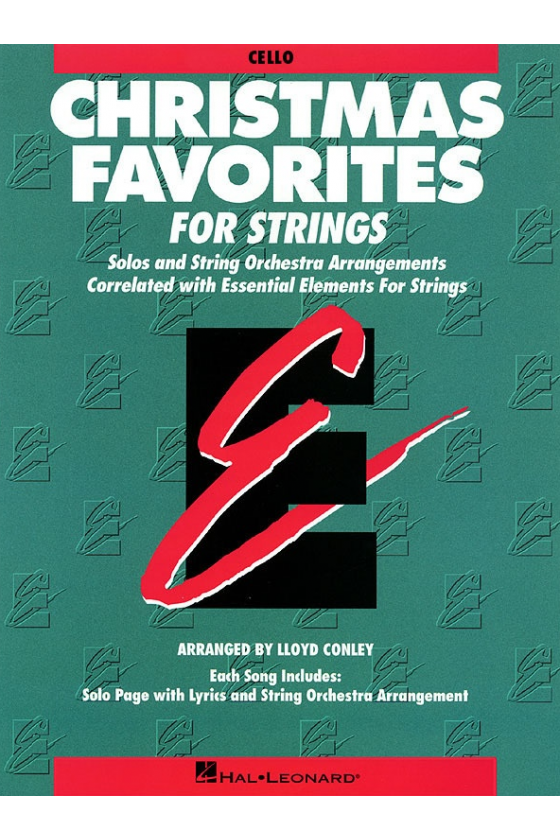
A collection of Christmas arrangements which can be played by the entire string group or by individual soloists. Each song is correlated with a specific level in the Essential Elements Method books. Includes: Frosty the Snowman · A Holly Jolly Christmas · Jingle-Bell Rock · Jingle Bells ·Let It Snow! Let It Snow! Let It Snow! ·Rockin' Around the Christmas Tree · Silver Bells · The Hanukkah Song · Up on the Housetop · We Wish You a Merry Christmas · White Christmas.
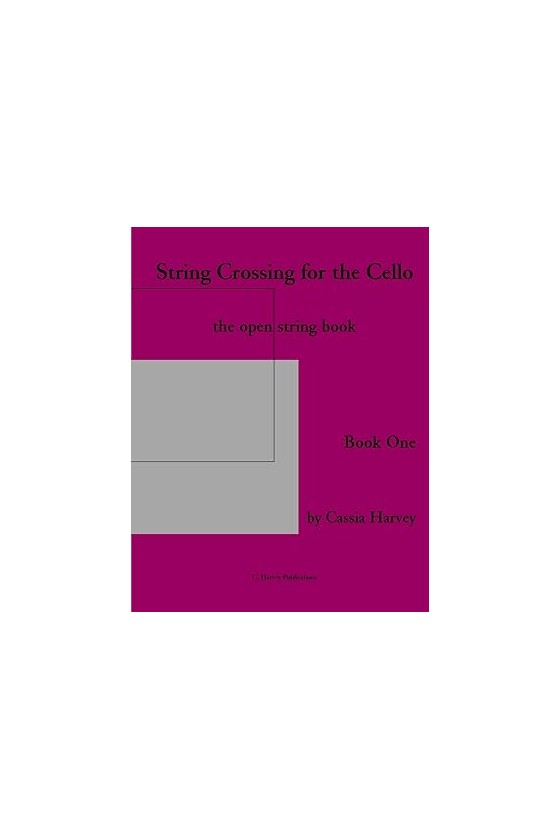
Improve your cello bowing technique! This book teaches string-crossing technique on the cello with open-string studies that allow you to focus on the right hand.
Through the use of staccato bowing to encourage precisely-timed string crossing, these cello studies can help you develop bow control, smooth and even string crossing, and a more beautiful tone.
This book could be followed by String Crossing for the Cello, Book Two, which uses double stops to work on balance between two strings as a fundamental principle behind string crossing.
Chin, Twelve Marvellous Miniatures for String Orchestra
String ensemble pieces by renowned Brisbane composer, Stephen Chin. Includes all parts.
Adaptable Trios for Strings - Violin Trio arranged & composed by Arcari/Putnam