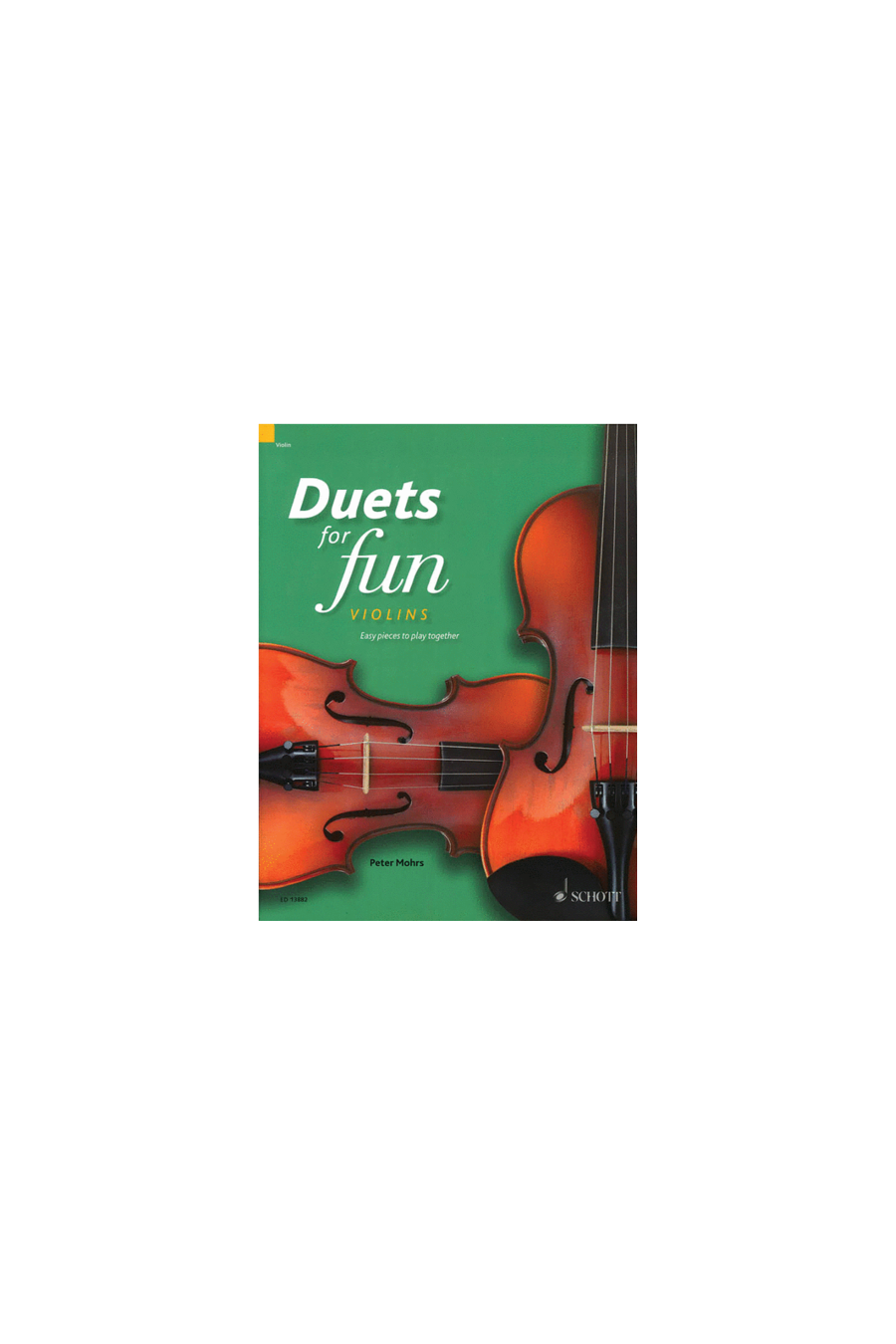

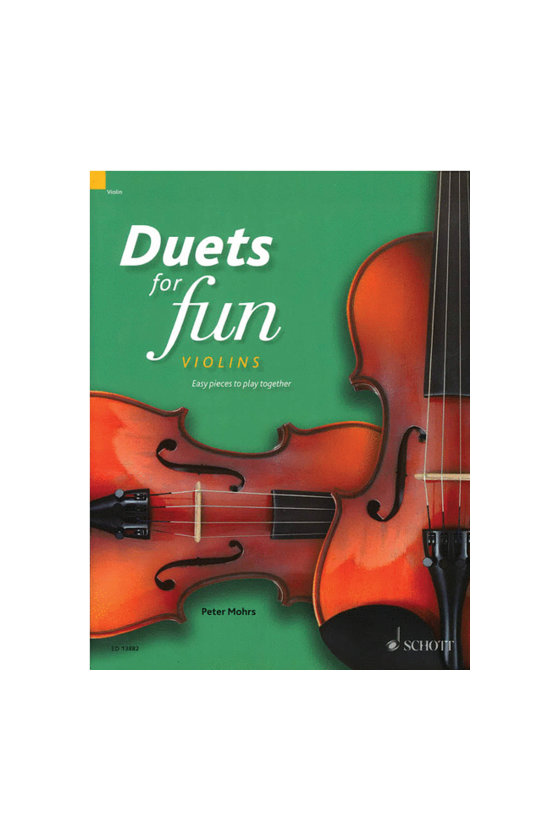
Duets for Fun - violins Easy pieces to play together By Peter Mohrs (Schott) Features works from the Renaissance, Baroque, Classical and Romantic repertoire. Both parts mostly at the same difficulty level, and all possible to play in the first position. Suitable for violinists with sound basic playing skills
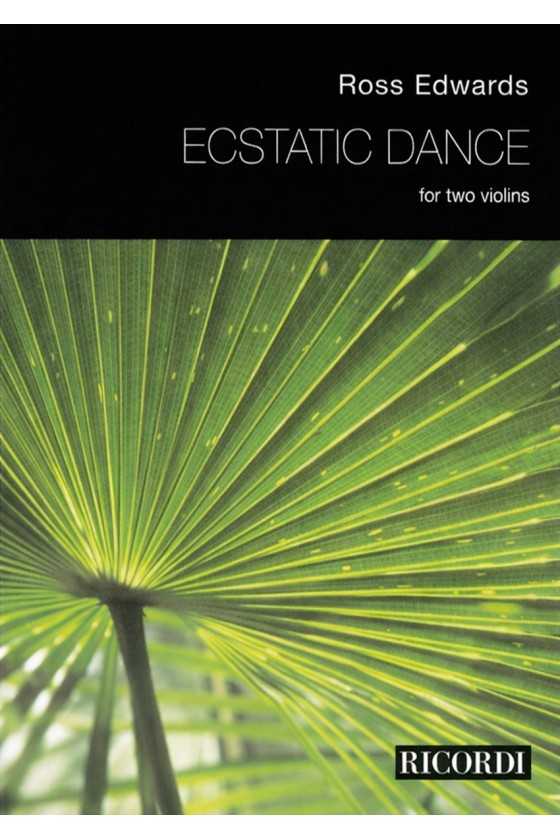
Edwards: Ecstatic Dance for Two Violins by Ross Edwards is an energetic contemporary duet infused with rhythmic vitality and ritual-inspired character.
Key features
• Dynamic two-violin interplay
• Strong rhythmic pulse and modal color
• Ideal modern chamber repertoire
• Demands precision and expressive intensity
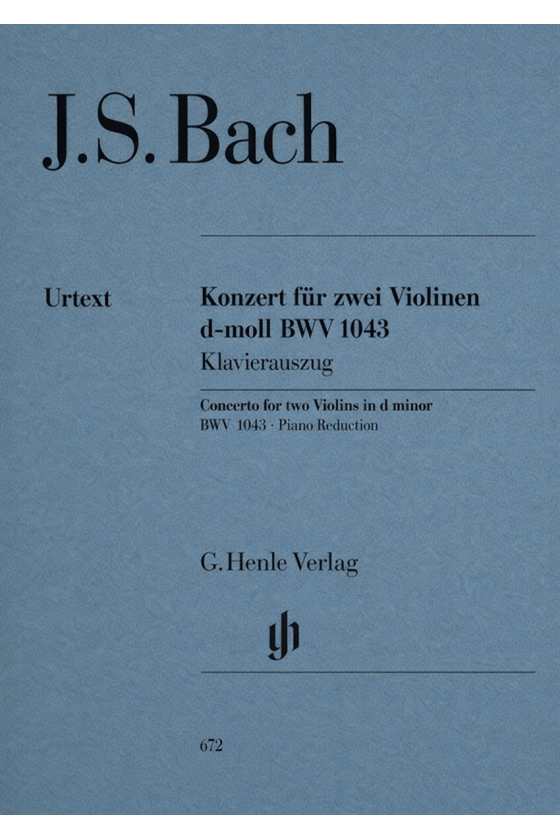
Bach Concerto in D minor BWV 1043 for Two Violins and Orchestra by Johann Sebastian Bach, published by G. Henle Verlag, is a masterwork of musical conversation, celebrated for its lyrical beauty and perfectly balanced dialogue between two solo violins.
Key features
• One of the greatest double concertos ever written
• Renowned for its intimate, expressive slow movement
• Develops ensemble unity and musical dialogue
• Essential Baroque repertoire for serious violinists
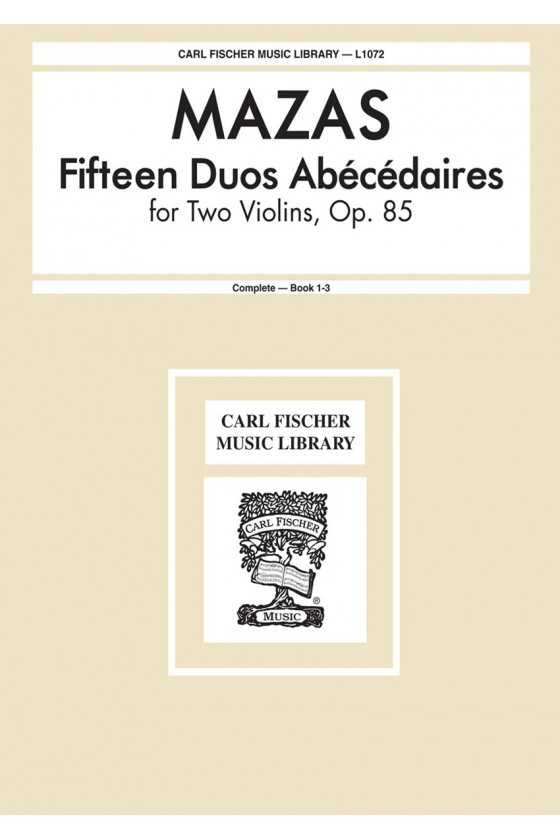
Mazas’ 15 Duos Abécédaires (Fischer) is a complete set of progressive duets for two violins, perfect for building ensemble skills and musicality in students.
Key Features:
• Fifteen progressive violin duets
• Emphasis on technique and ensemble
• Ideal for teaching and study
• Fischer edition