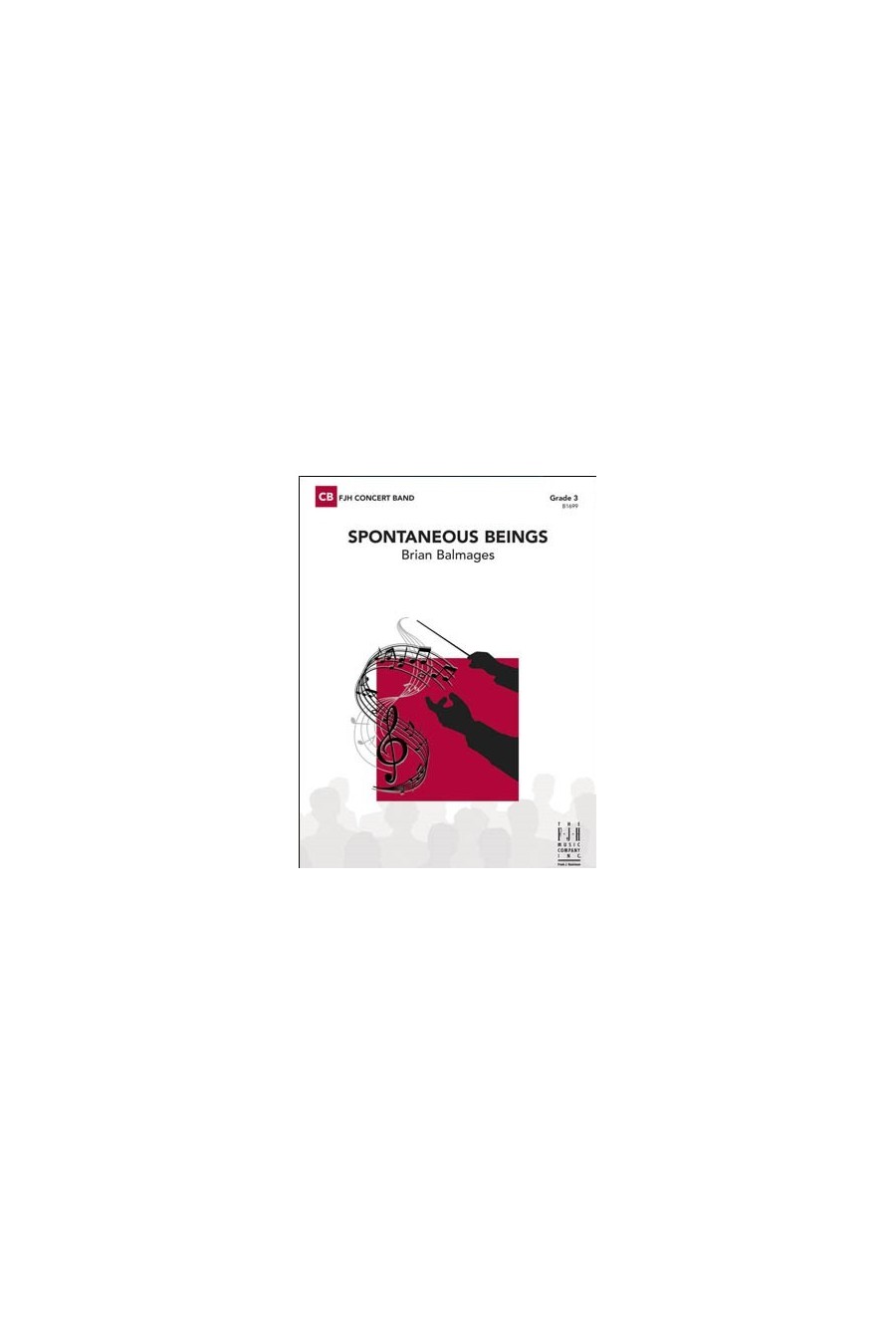
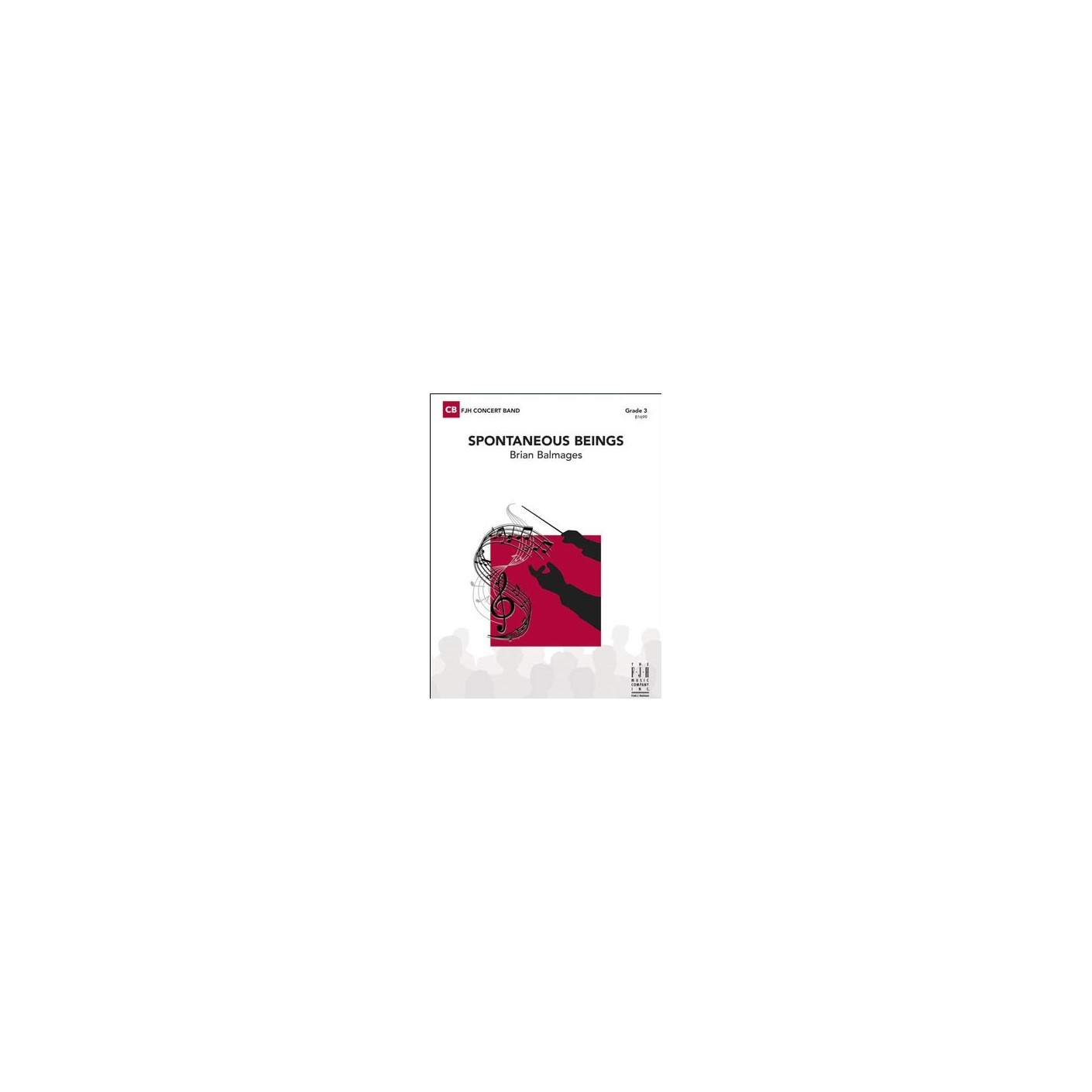
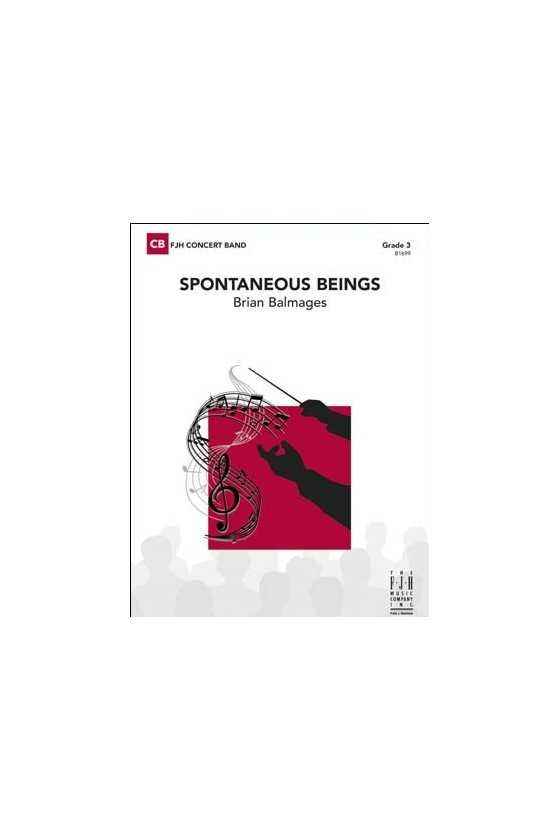
Spontaneous Beings by Balmages (FJH)
Spontaneous Beings by Brian Balmages (FJH)
Grade 3
Publisher: FJH Music Company
Based on oral history of the Anishinaabeg, this piece draws its name from Ojibwe historian Basil Johnston, who offered the literal translation of the name as “Spontaneous Beings.” Based on authentic folk music and steeped in tradition, the piece relies heavily on traditional percussion instruments (with optional substitutes suggested). Very approachable, yet extremely powerful.
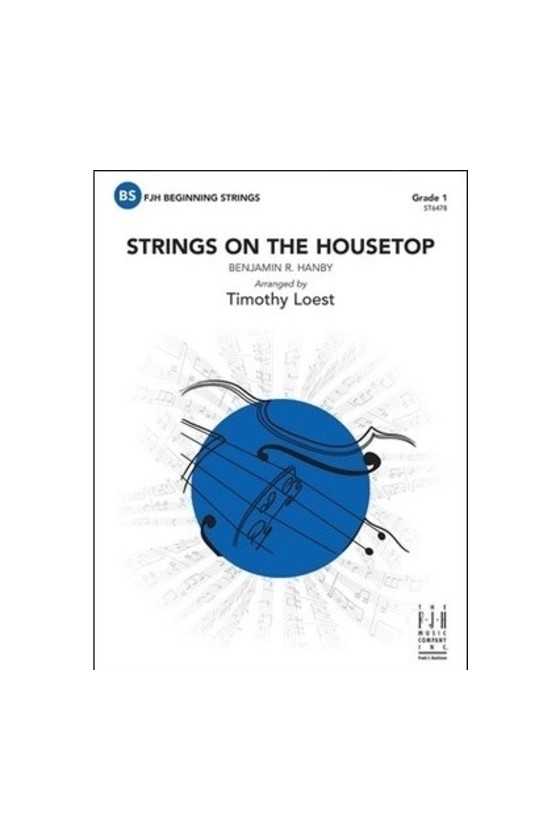
Composer Benjamin R. Hanby
Arranger Timothy Loest
Publisher FJH Music Company
Series FJH Beginning Strings
Stock Code ST6478
Embark on a journey across the high seas with Neridah Oostenbroek's gusty piece that captures the rogue nature of Caribbean pirates. Featuring contrasting sections and techniques such as harmonics, pizzicato, and double stops, there is never a dull moment. Sure to be a student favorite! (2:45)
For adaptable string ensemble. An exciting venture into the world of bluegrass based on one of the composer's most popular works for band. (2:45)