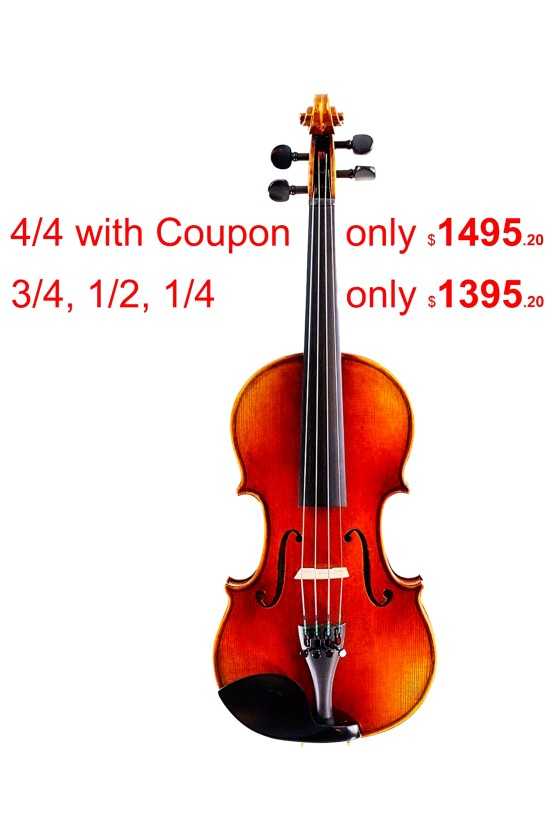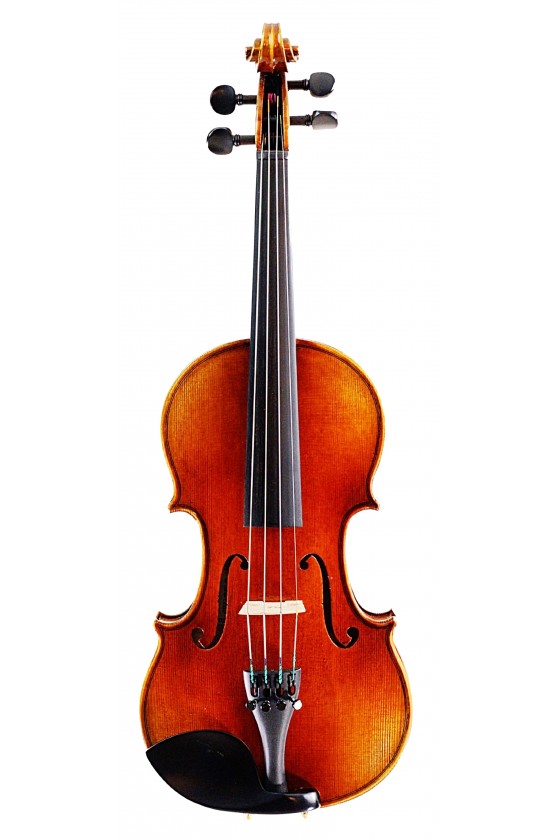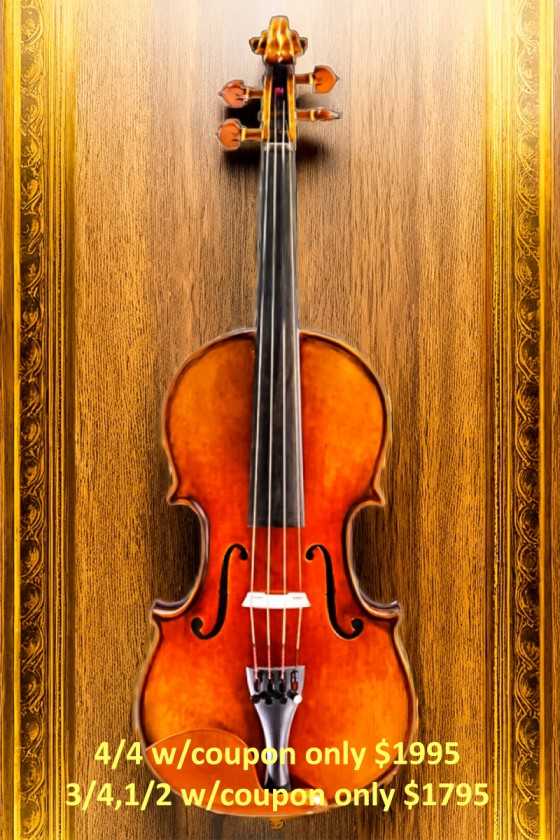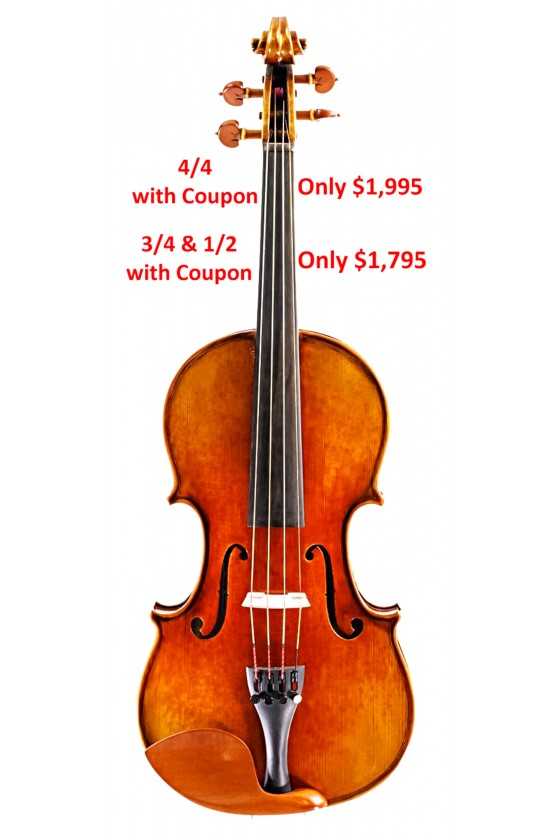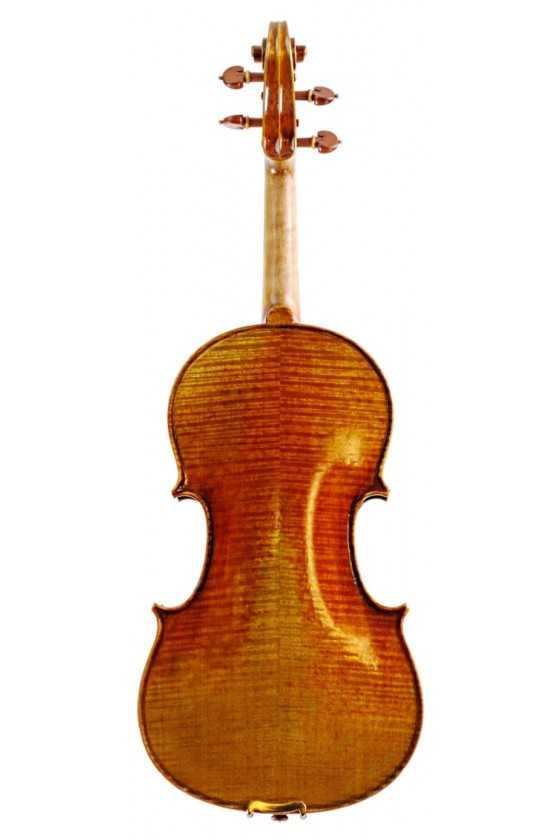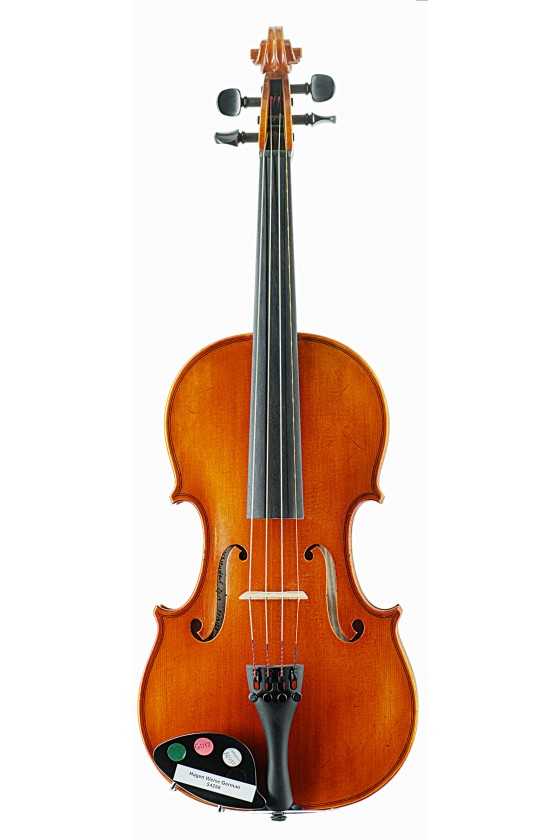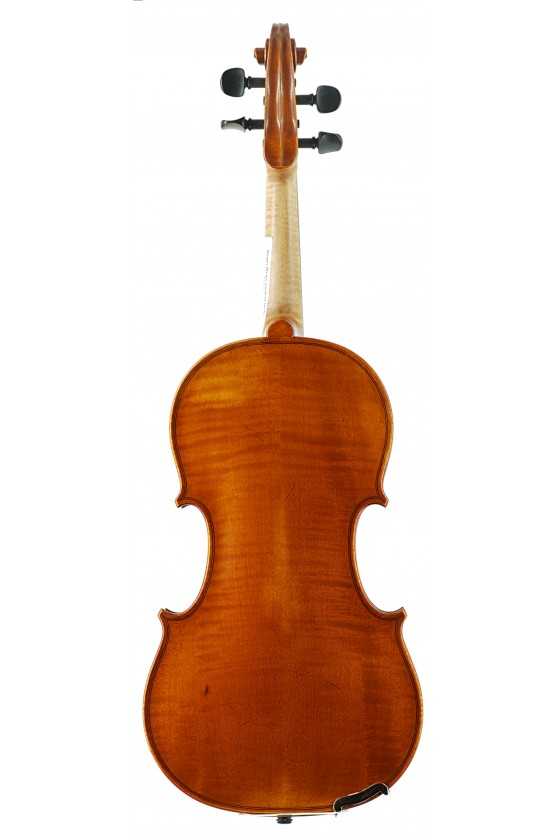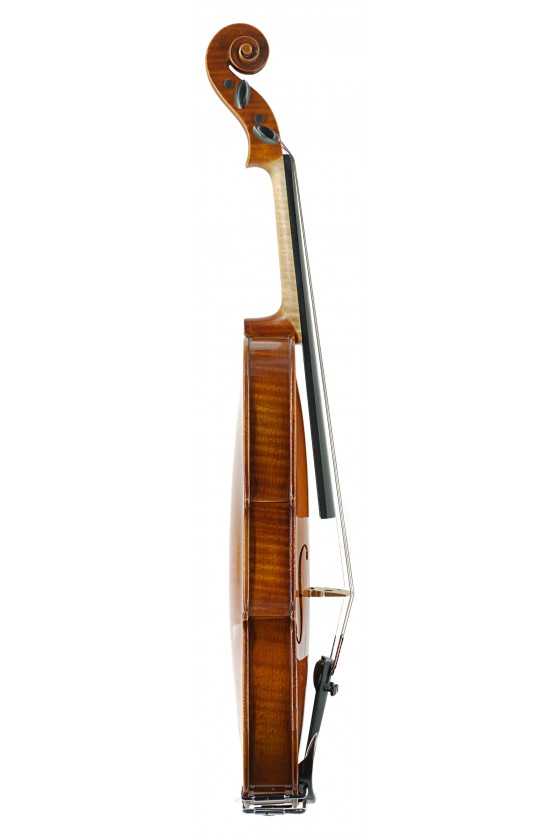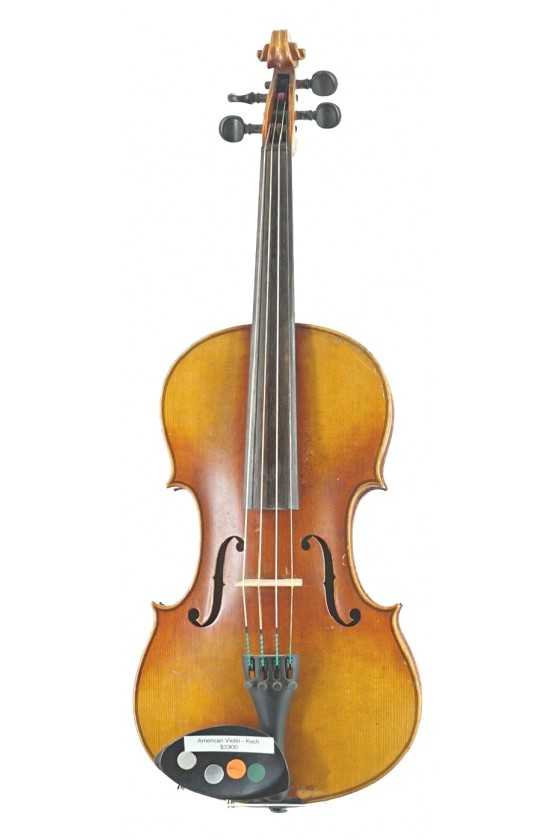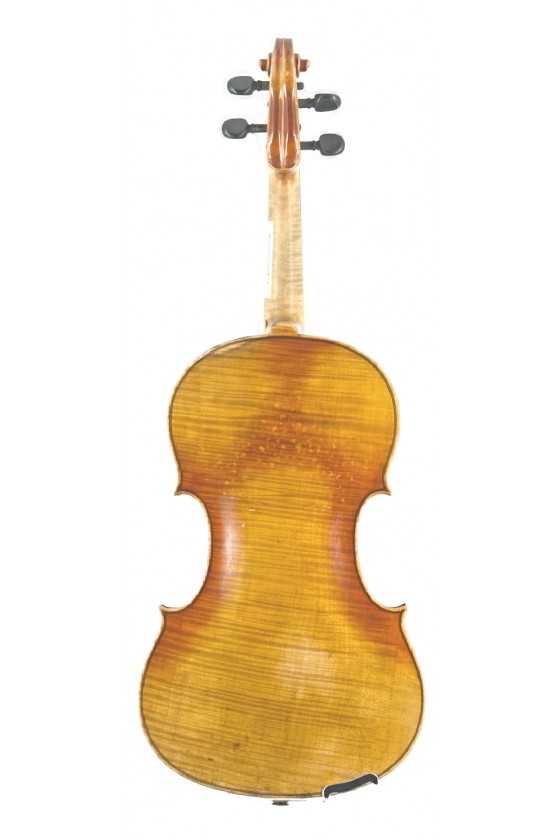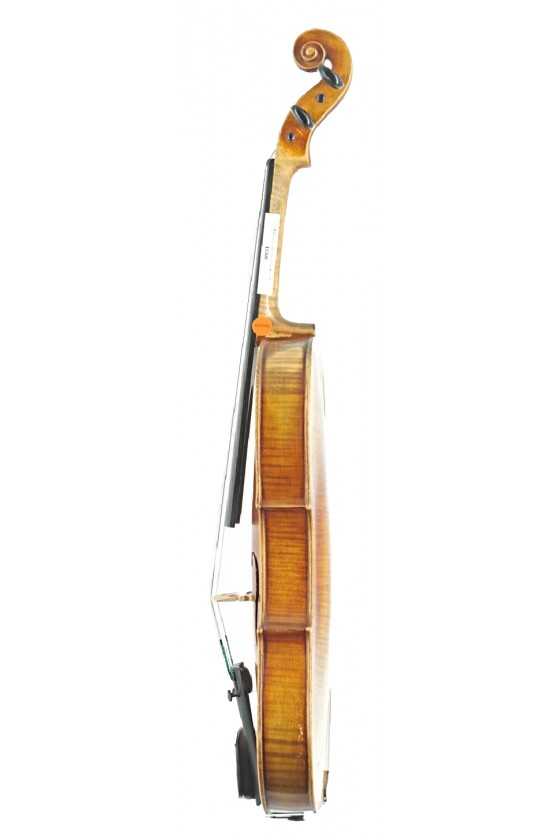
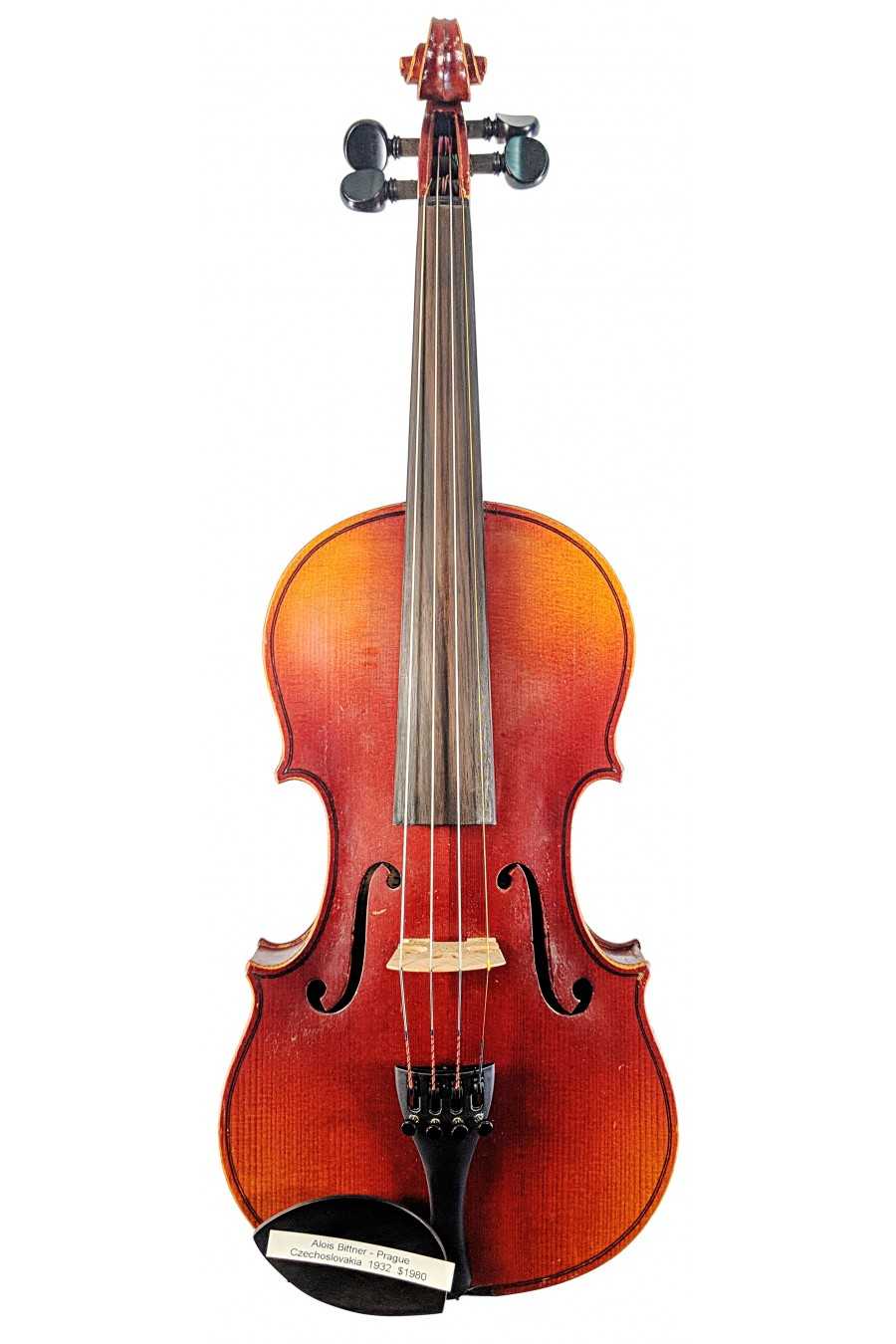
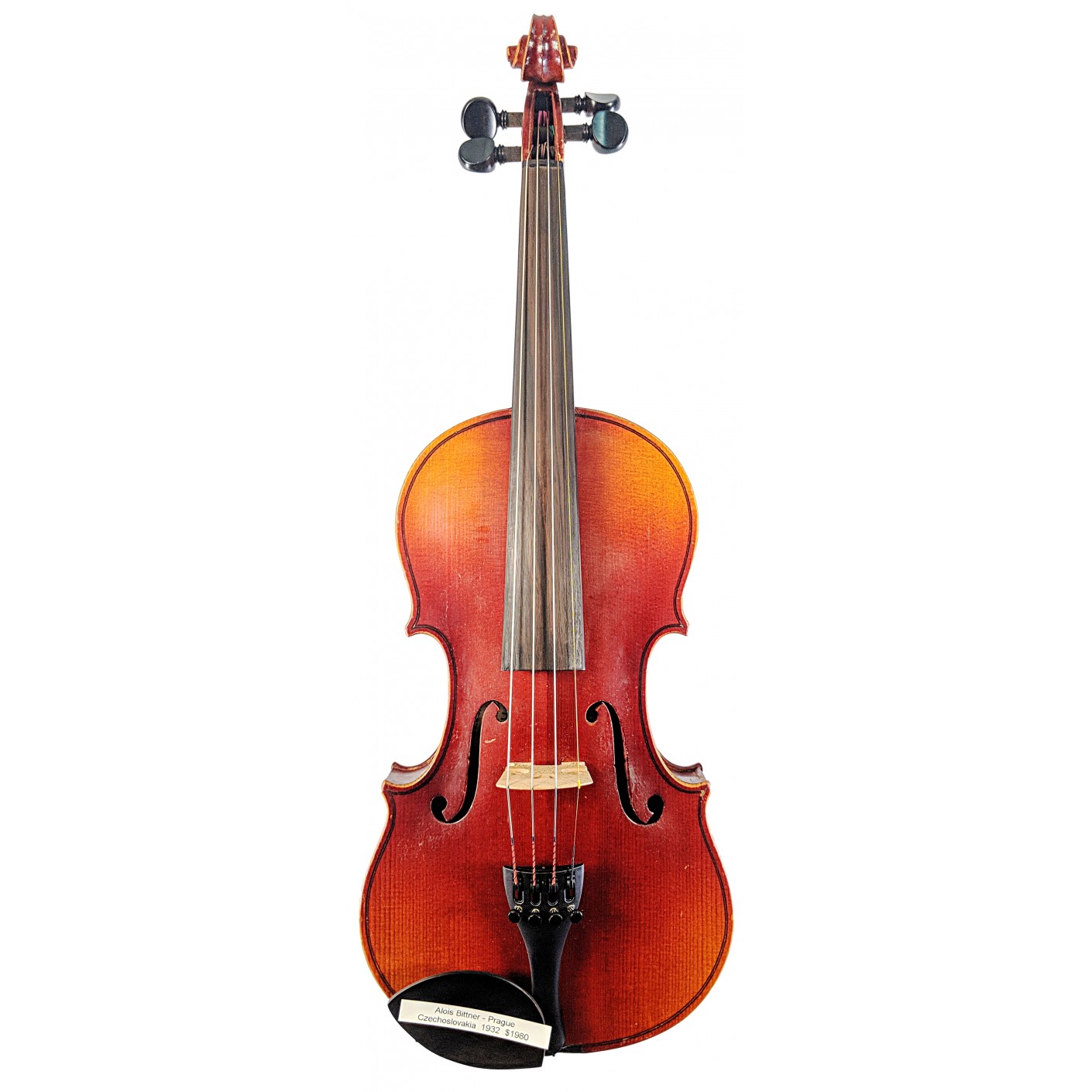
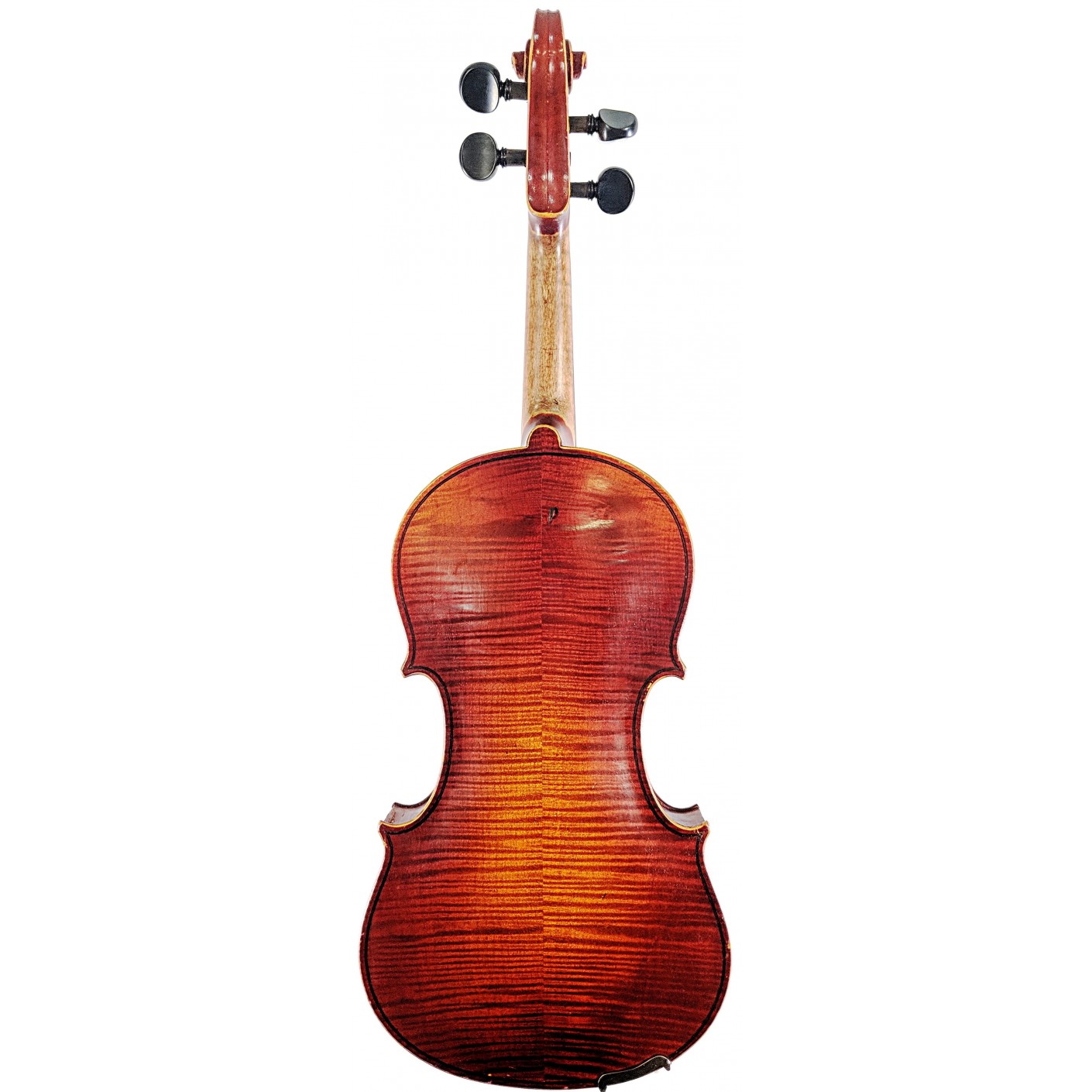
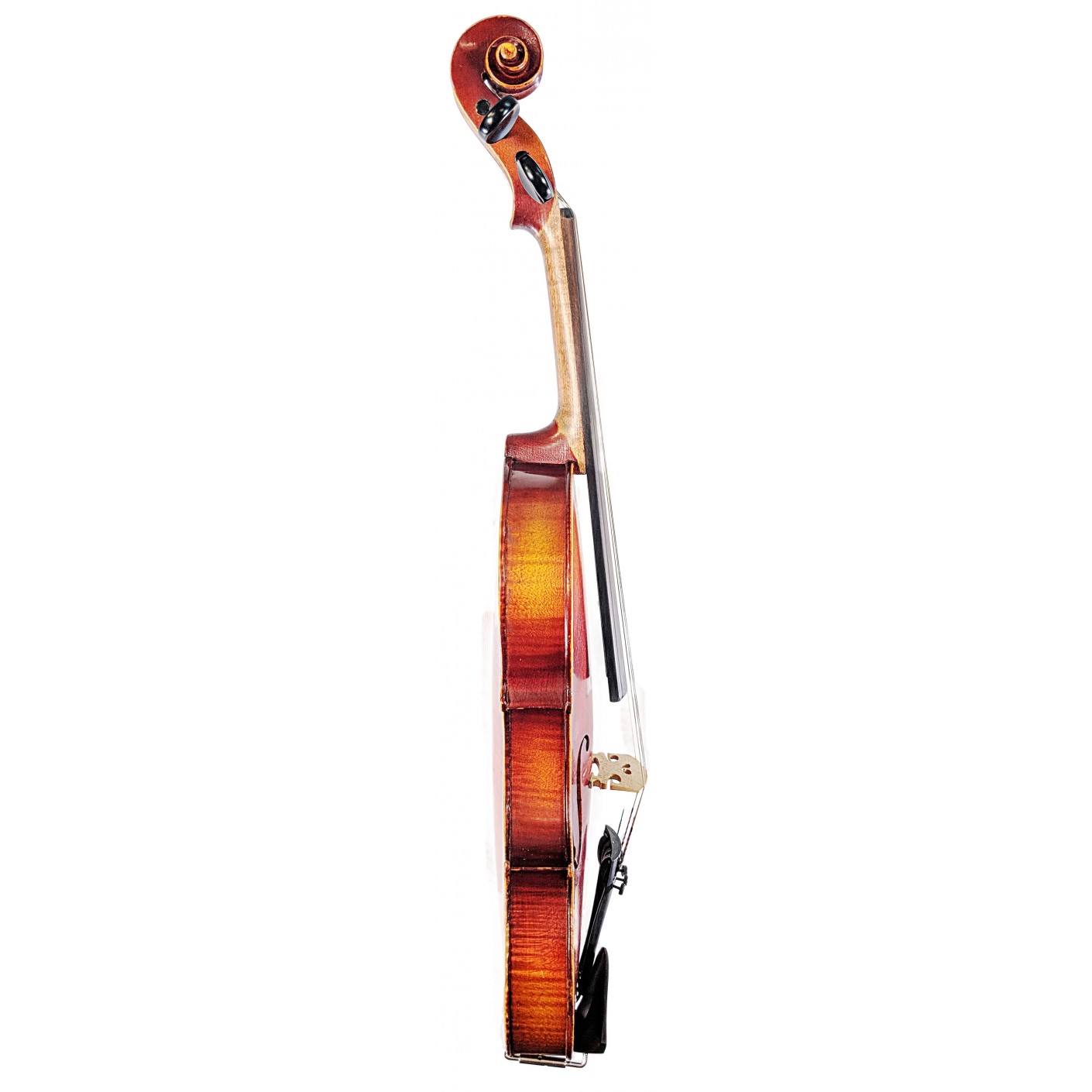
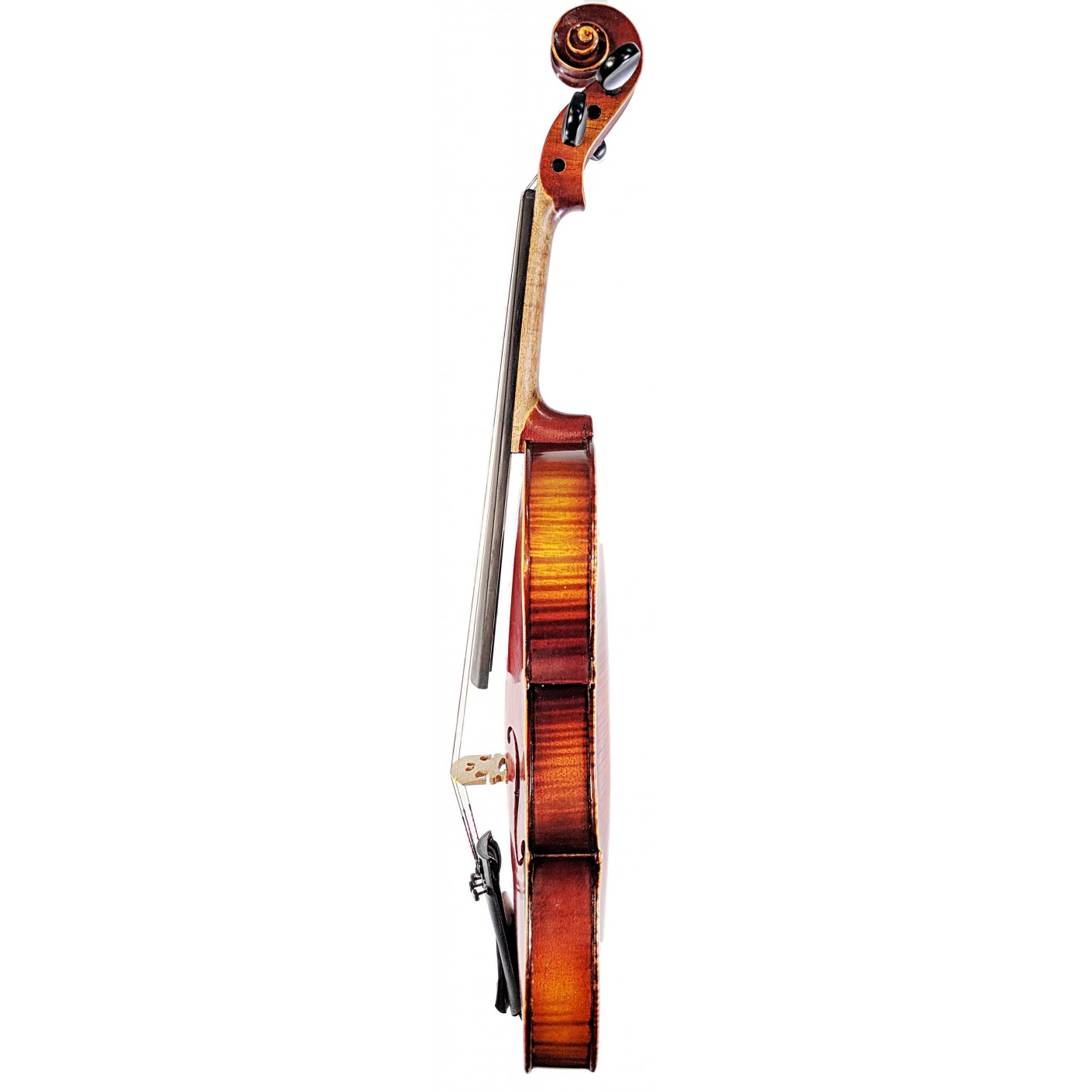
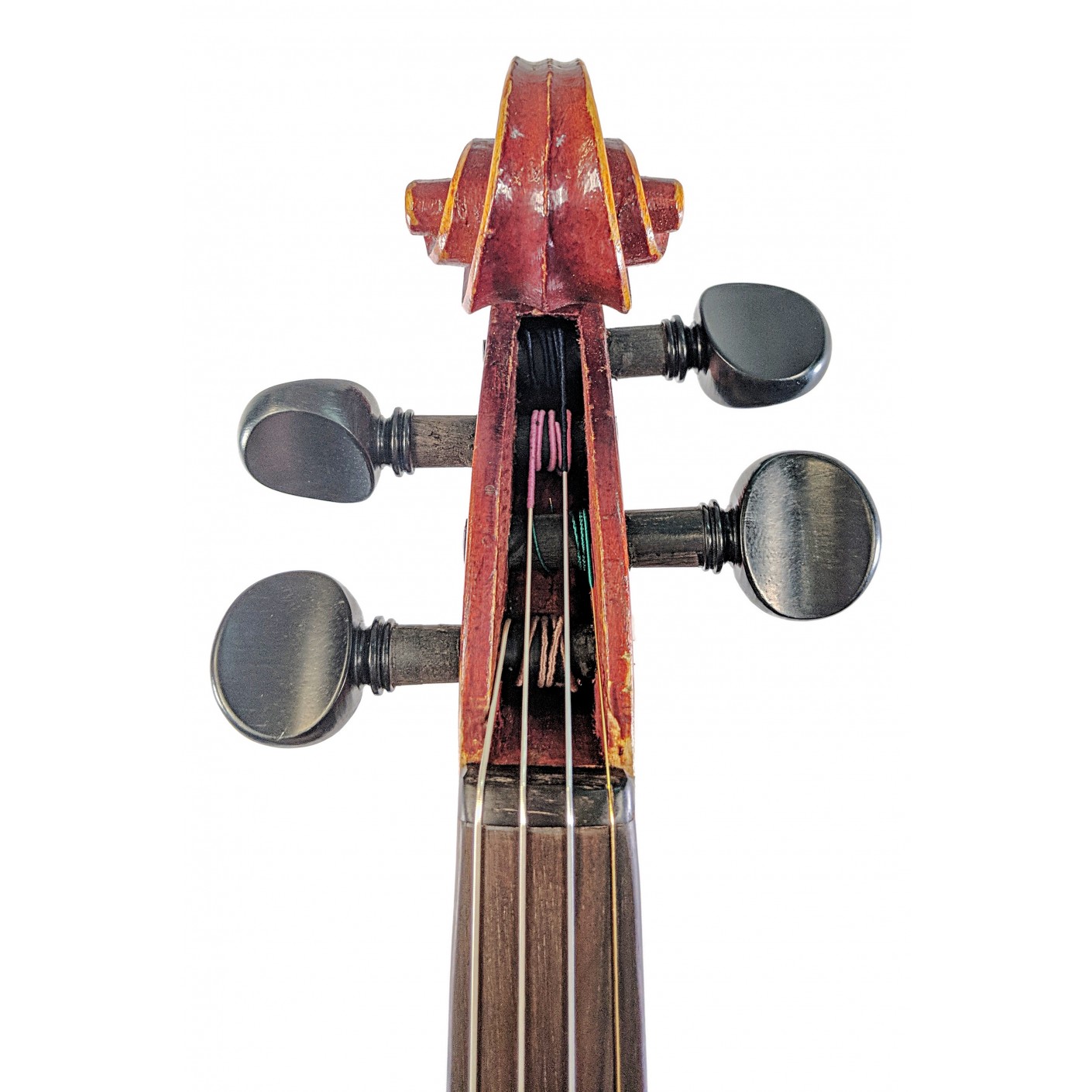
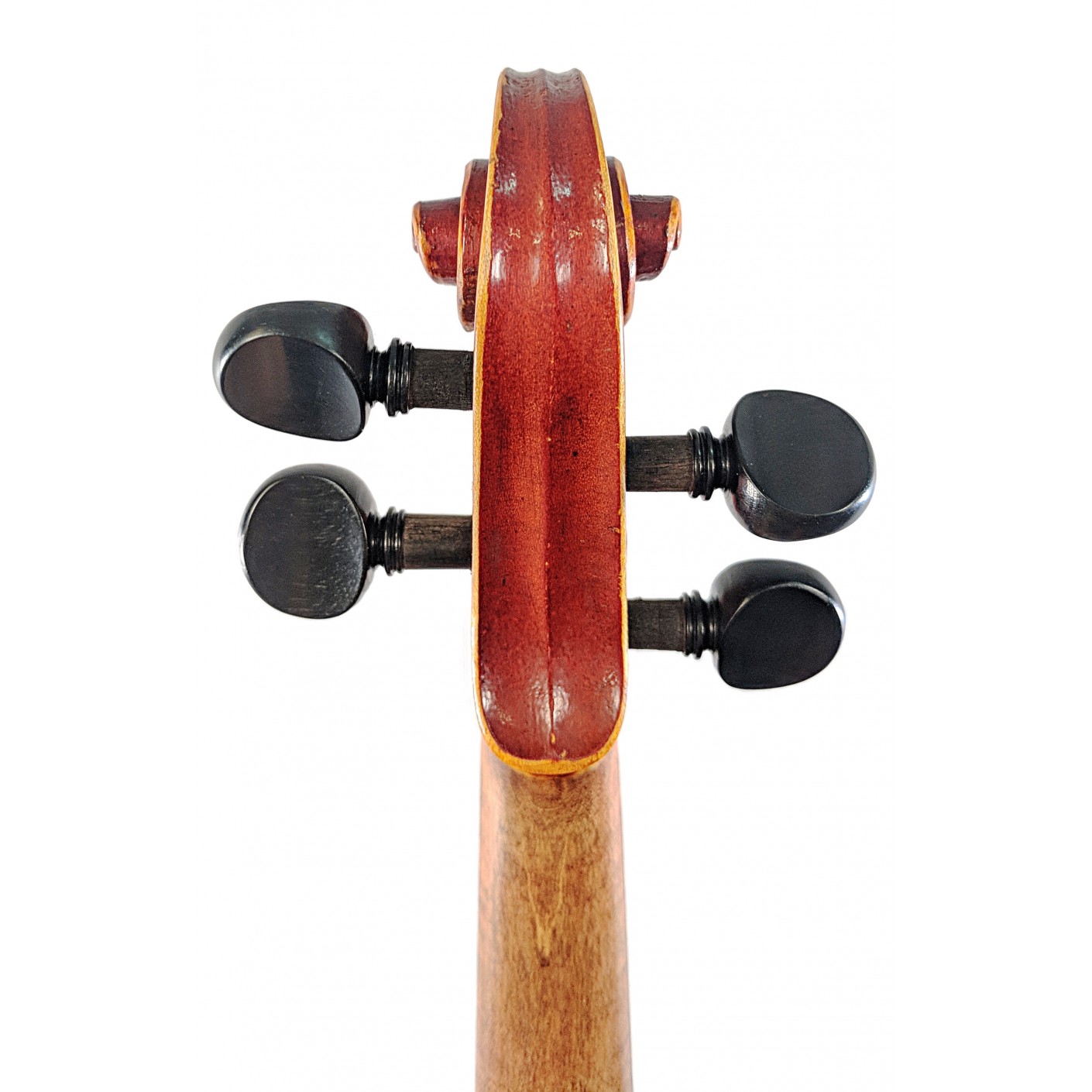
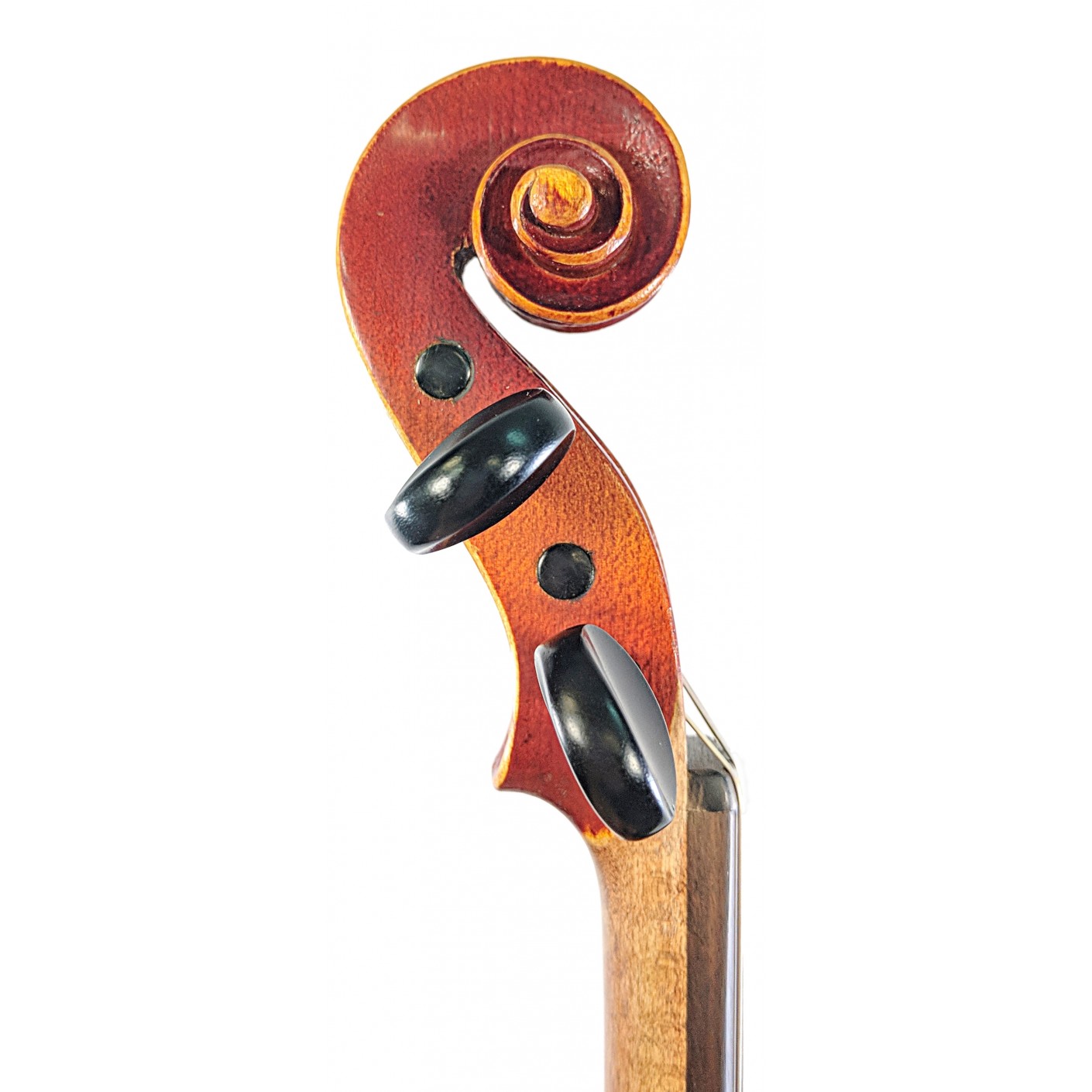
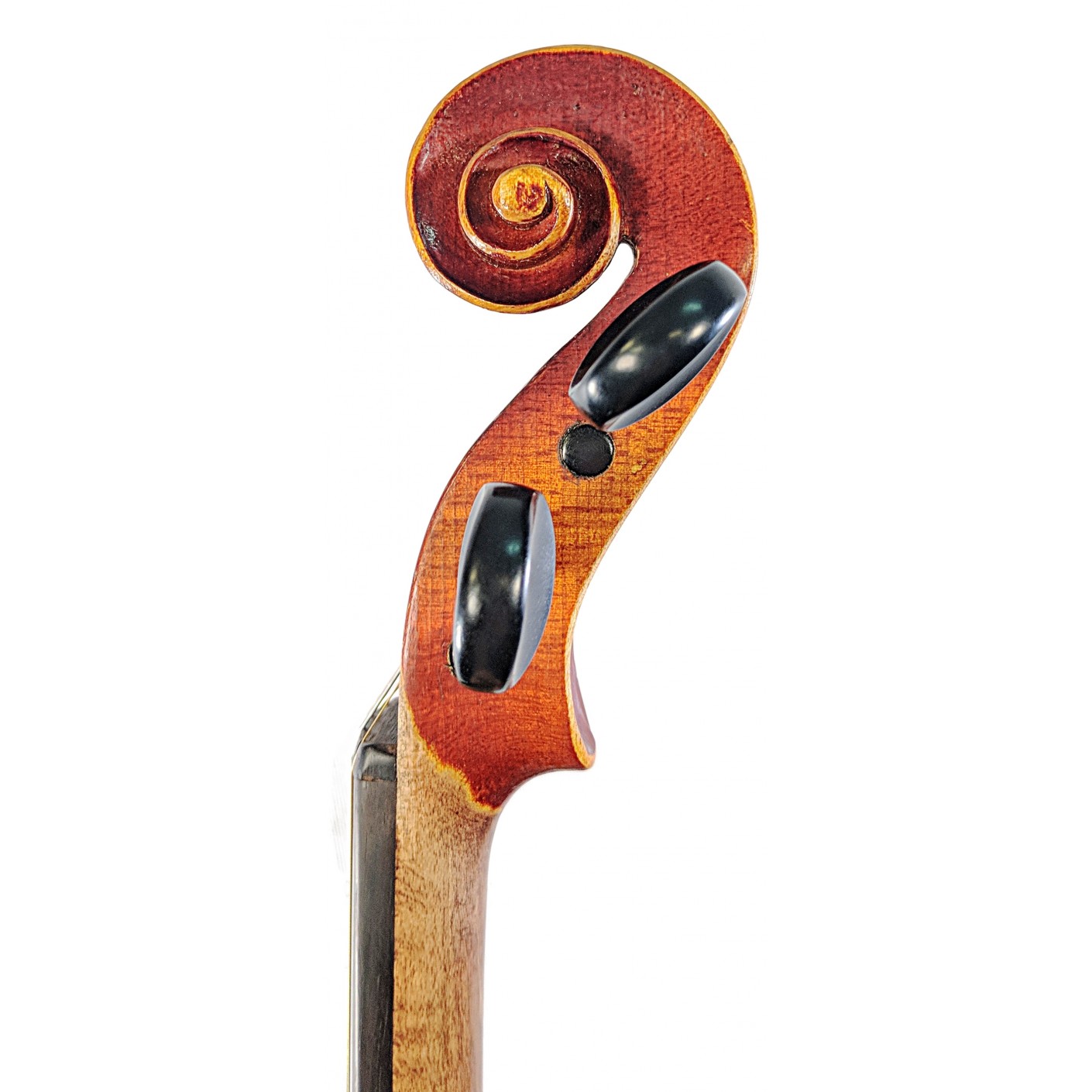
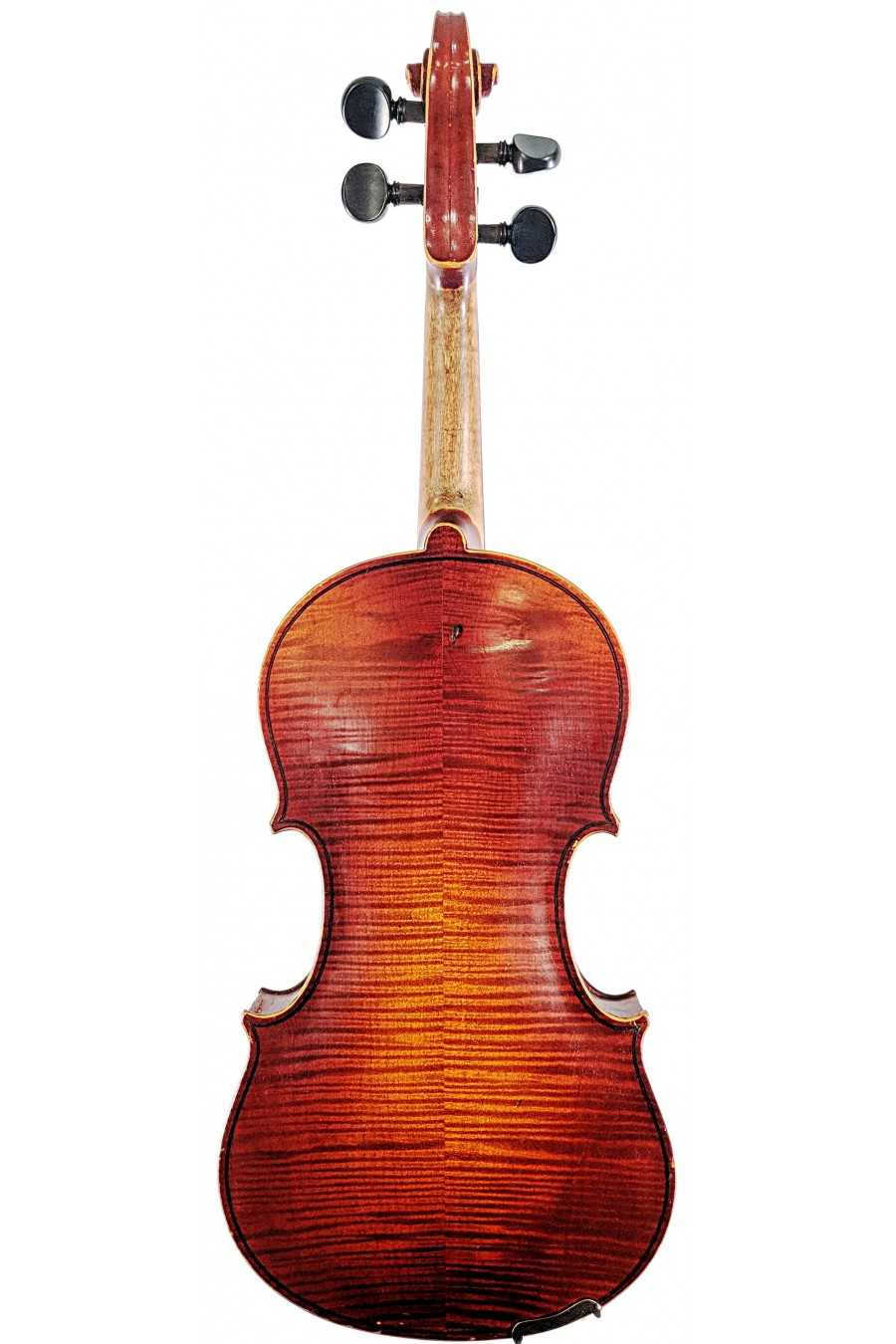
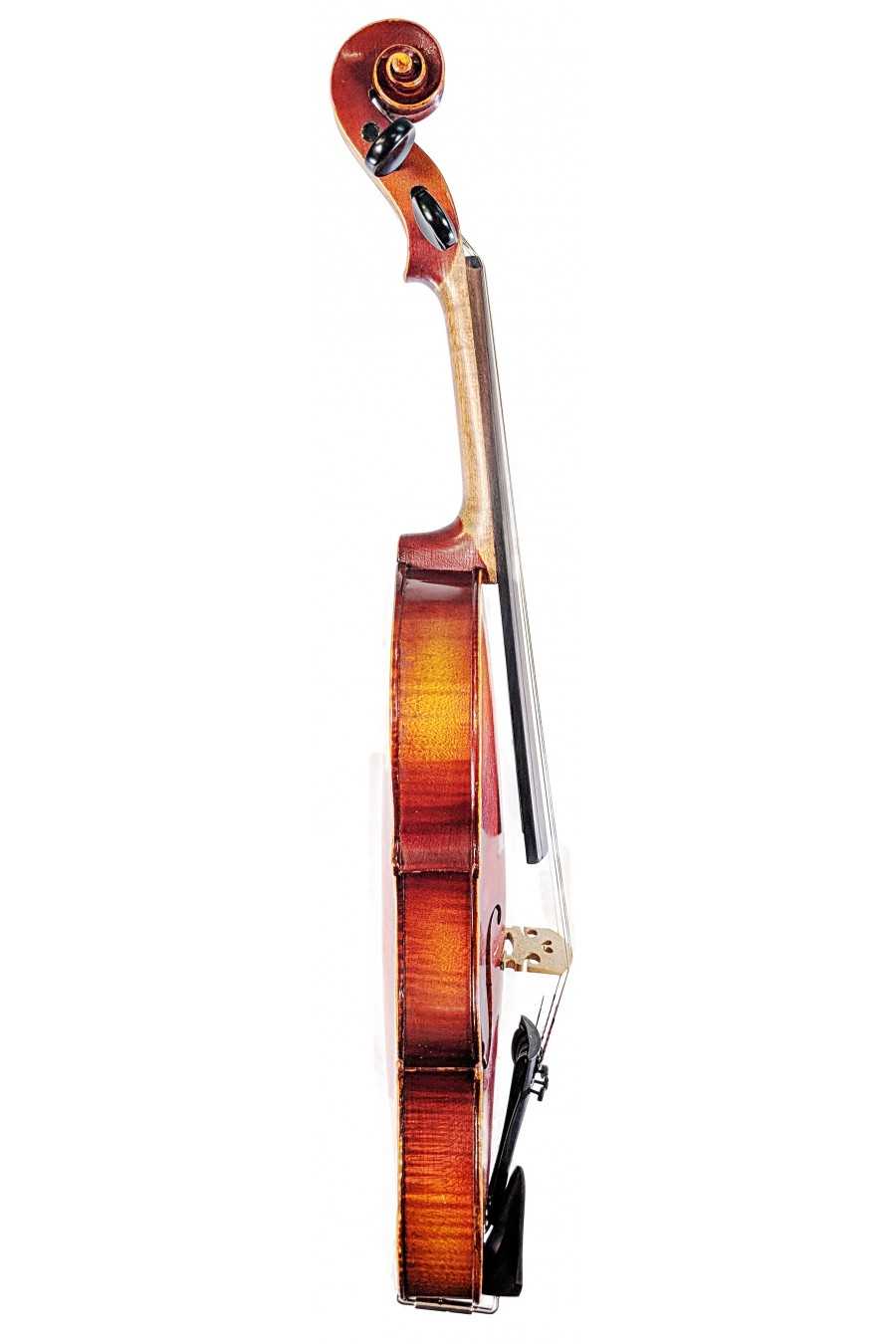
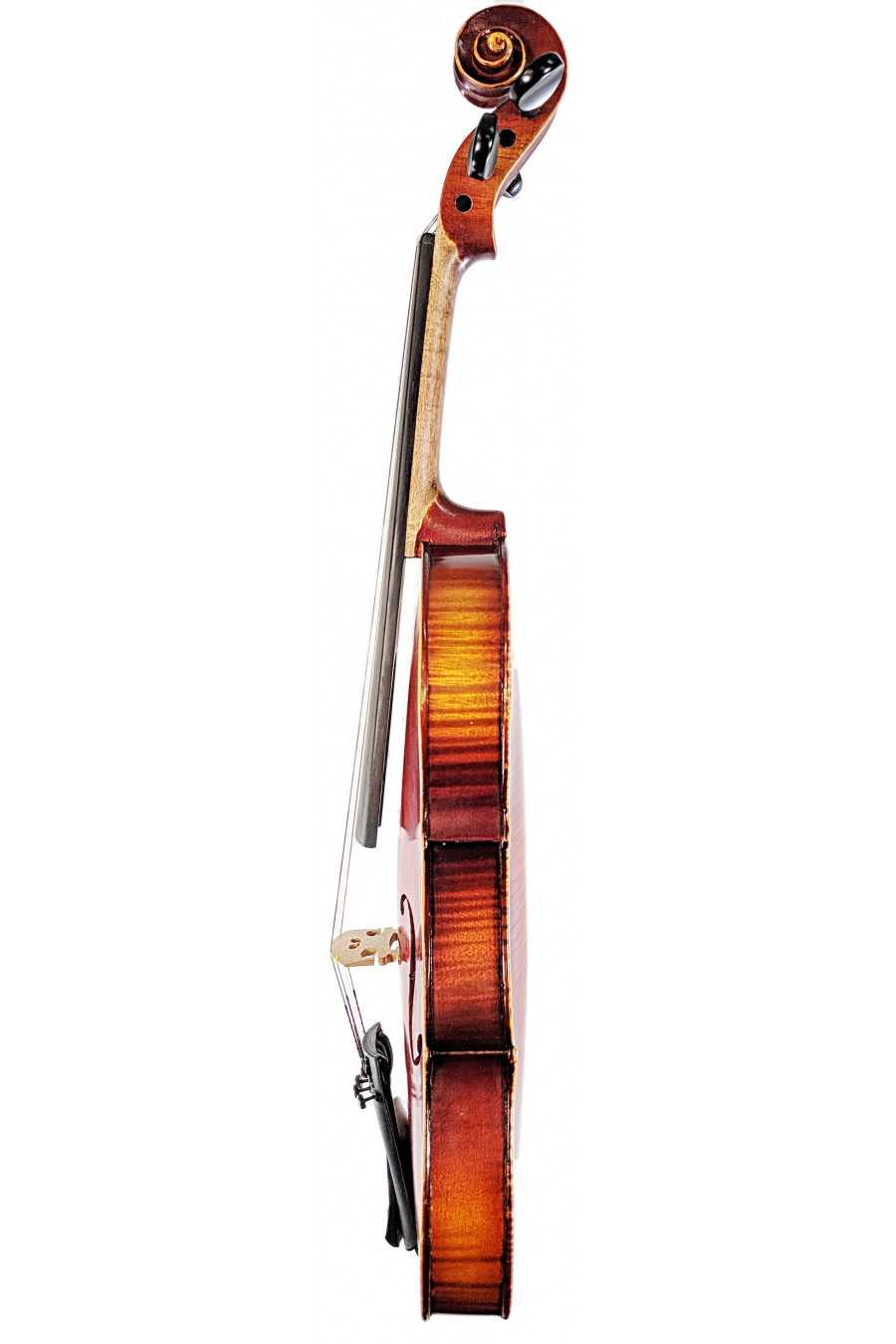
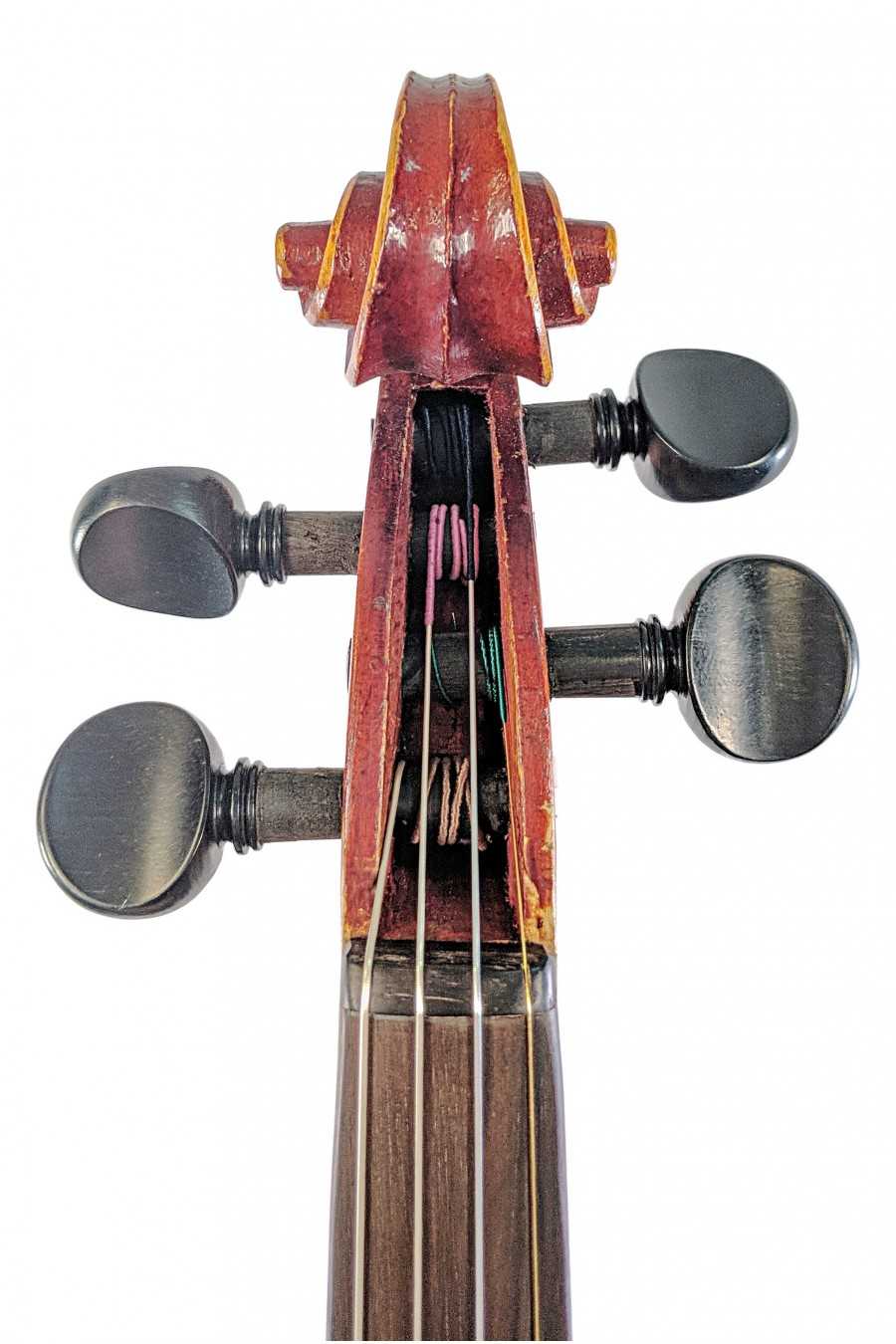
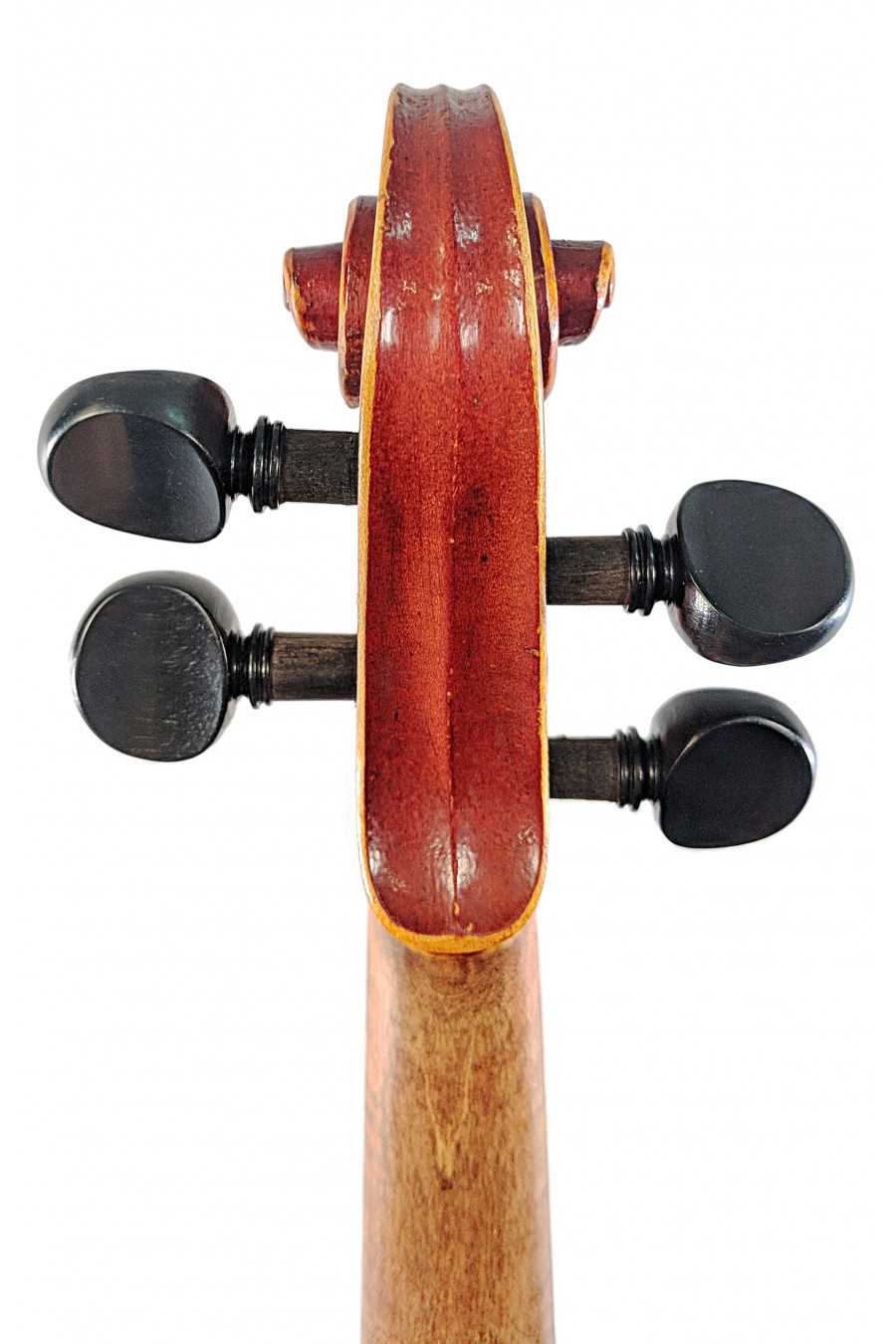
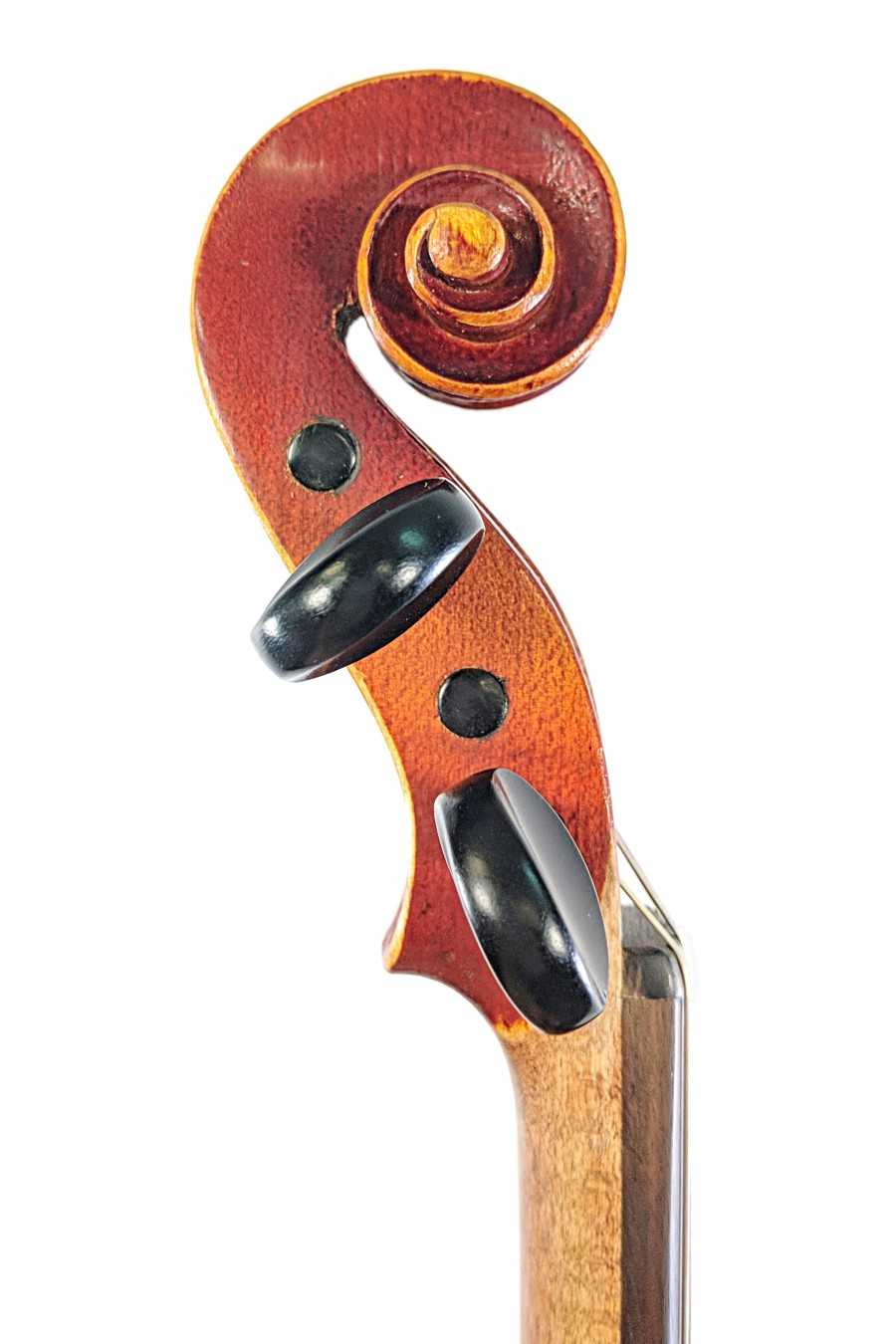
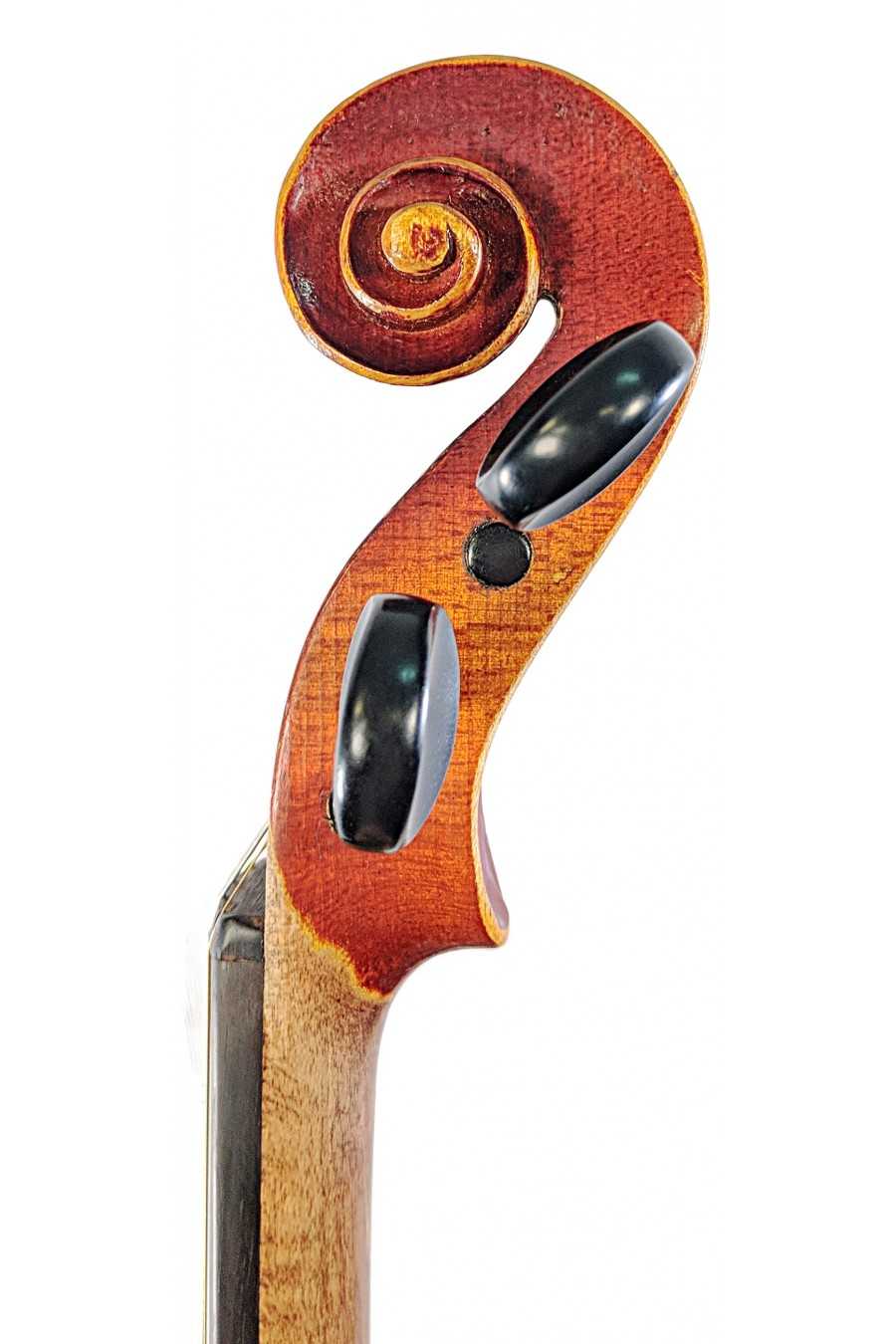
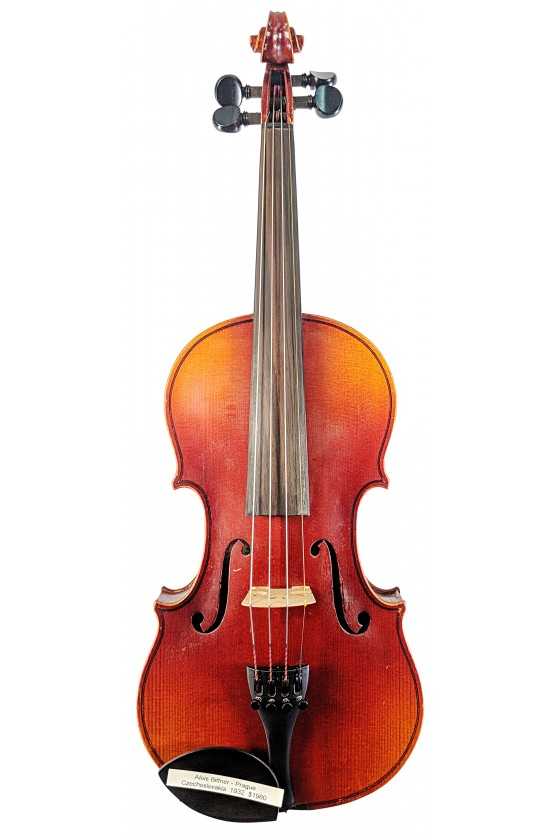
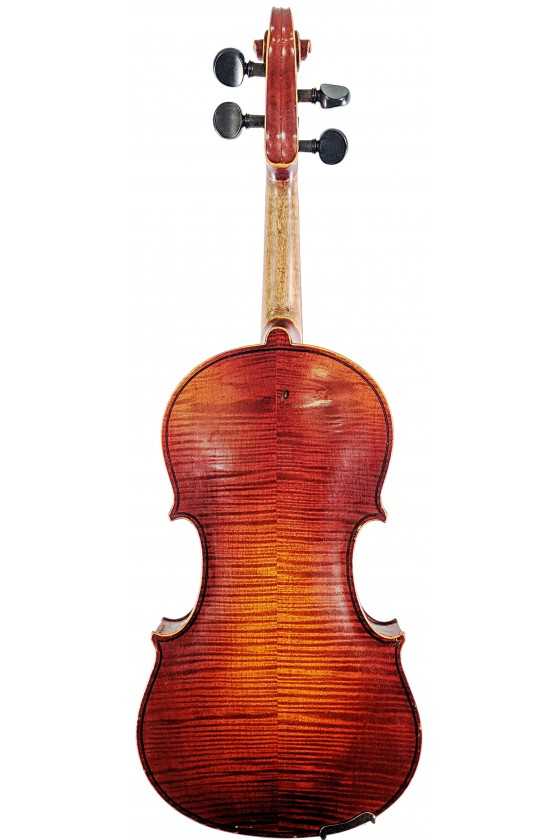
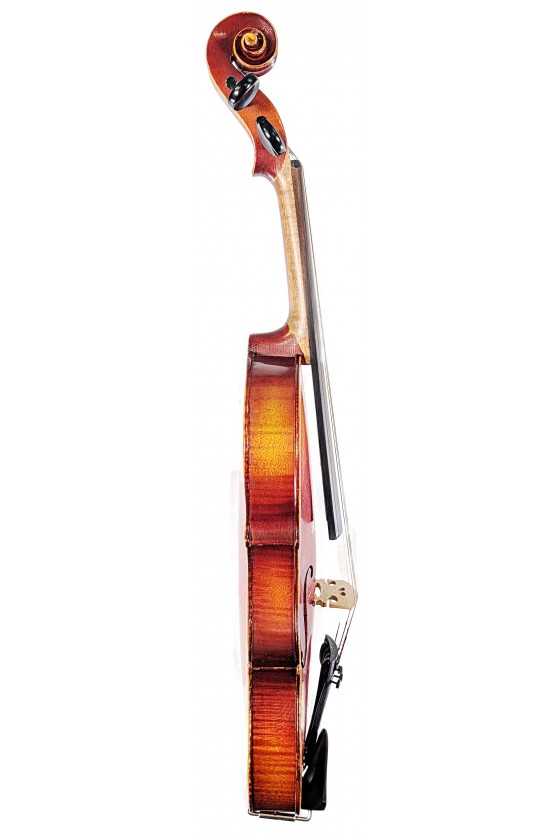
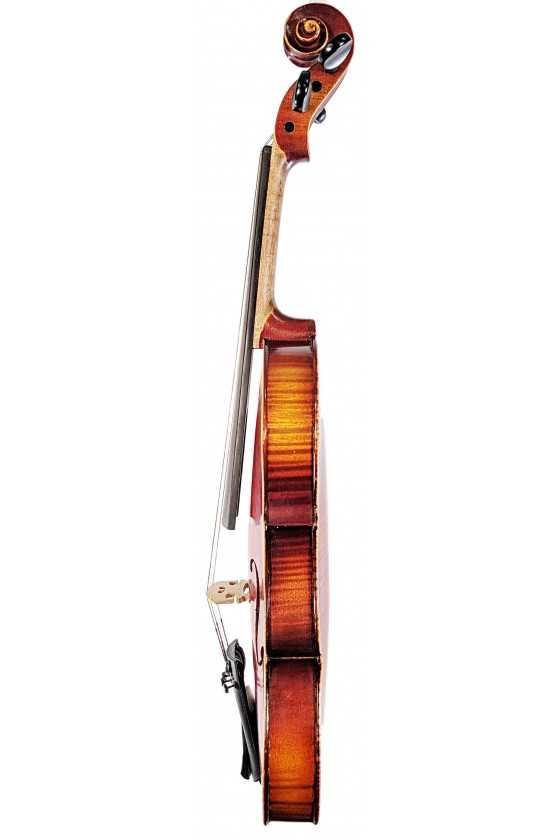
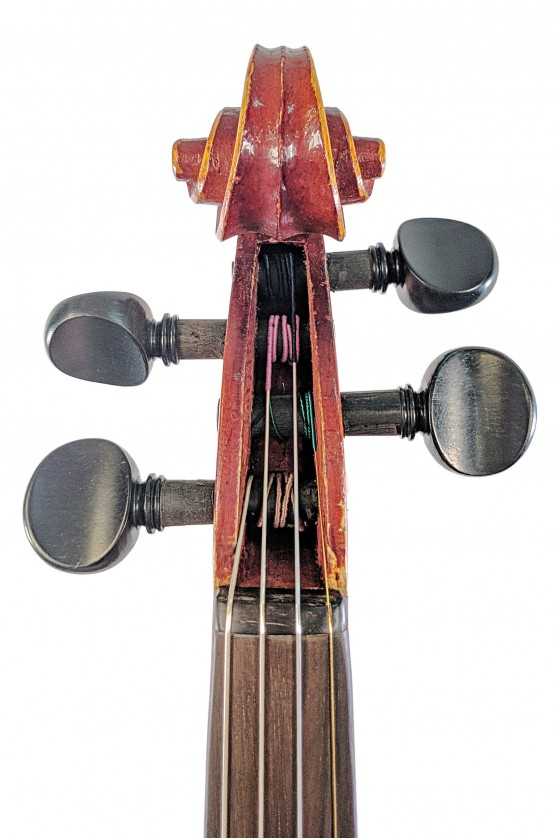
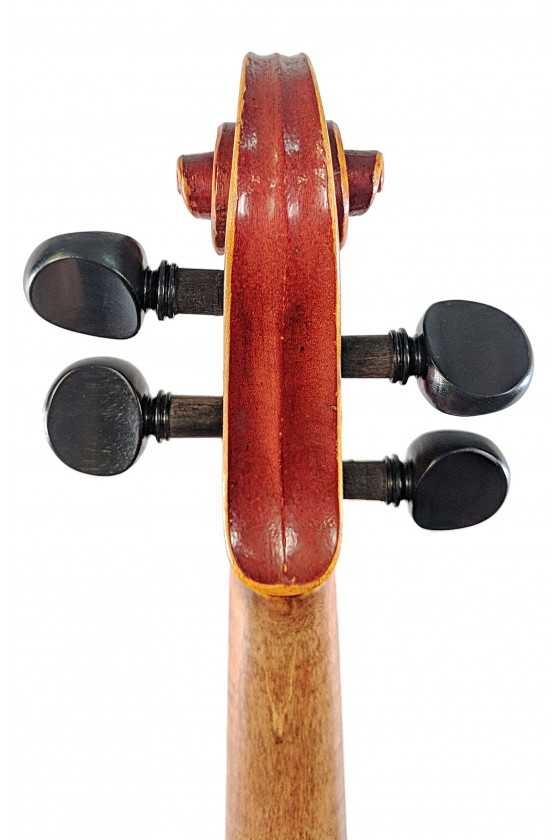
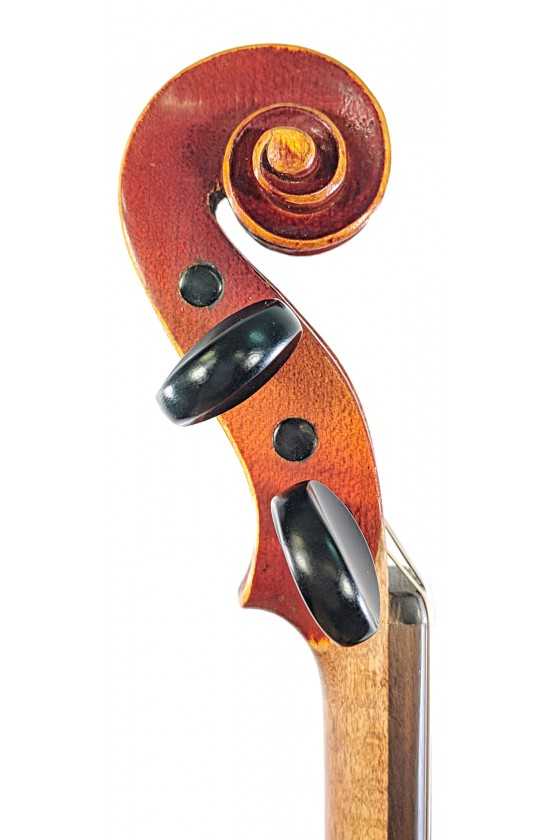
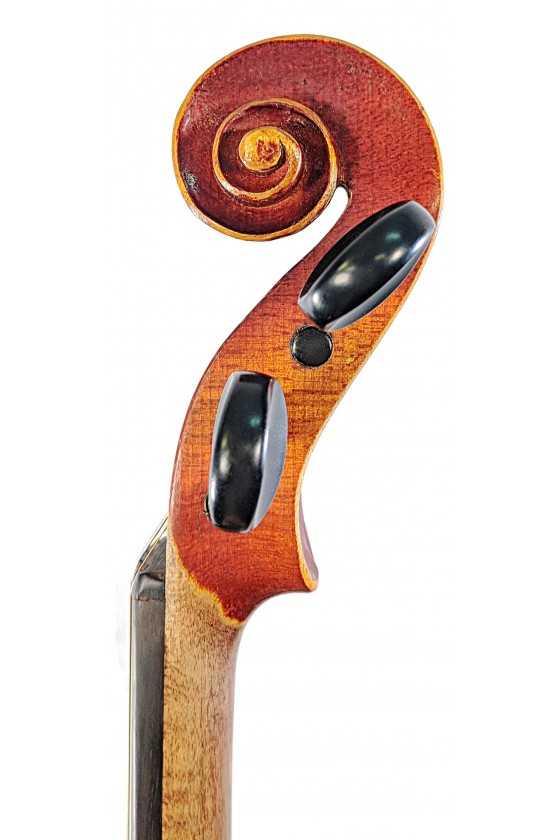
The Alois Bittner Violin made in 1932 in Prague, Czechoslovakia. Alois Bittner Alois Bittner was born in 1880 in Kral Pola, Czech Republic. He was a student of Franz Angerer and was awarded at various exhibitions with numerous distinctions due to his strong personal style and still very clean craftsmanship.
Alois Bittner was born in 1880 in Kral Pola. He died in 1950 in Kladne Czech Republic. He was a student of Franz Angerer in Vienna where he was trained as a luthier. He apprenticed at various violin makers in Moravia, Bohemia, in Leipzich, Berlin, Dresden, and at Jindřich Zazvonil in Kladno. After he worked in Kladno he went independent in 1909 working for 41 years until his death. He was taken captive in Russia in 1915 during the world war 1 where he worked in Moscow at Gregorovič Mach. He taught a lot of students when he returned home. His work started with an unusual personal model then finally stayed at models of Amati, Guarneri, Maggini, and Stradivari. He completed about 140 violins, violas and violoncellos and spent mostly on repairs and restauration during his final years. Alois Bittner was awarded at various exhibitions with numerous distinctions due to his strong personal style and still very clean craftsmanship.
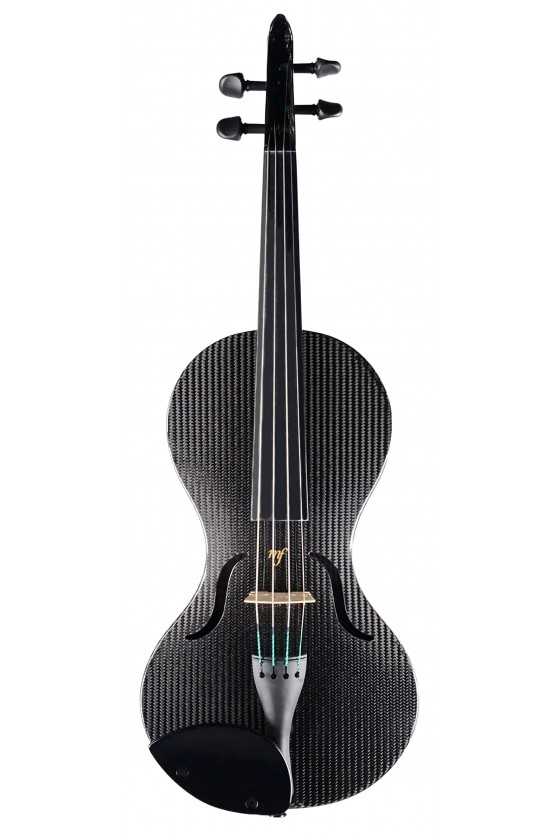
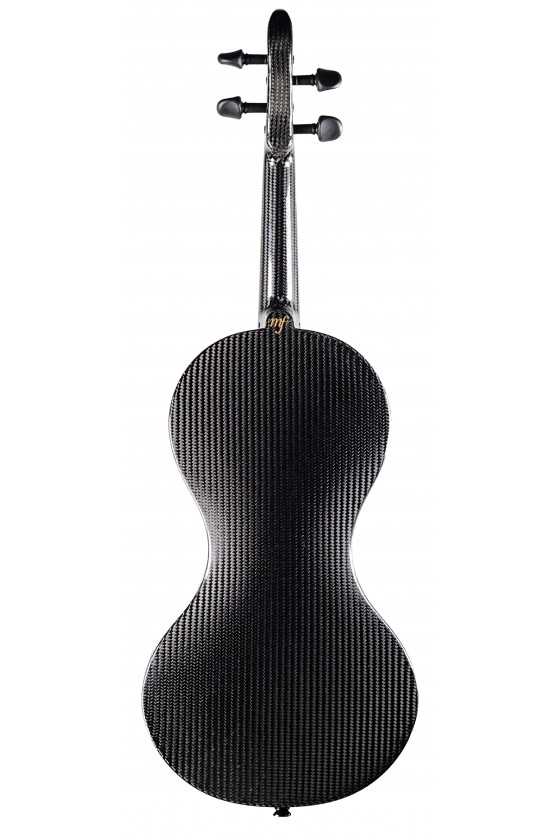
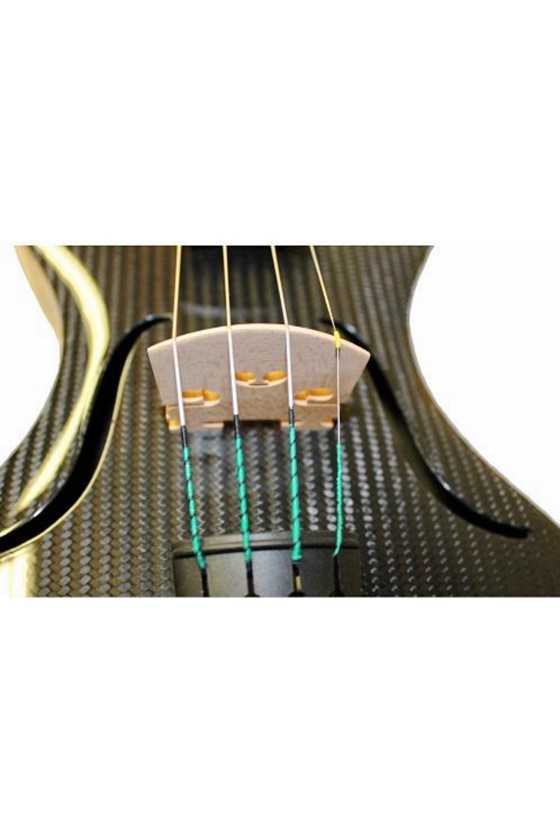
Mezzoforte carbon fibre violins are carefully assembled by an expert luthier in the Mezzoforte workshop in Germany and undergo rigorous testing before being sold.
• Amazing projection
• Striking dark appearance
• Warm and Brilliant sound
• Strong and stable carbon fibre material
• Comfortable playability even in higher positions
The Marcello violin outfit includes:
• Upgraded Strings (Il Canone Solo by Larsen for the 4/4 size and Evah Pirazzi for the smaller sizes)
* Titanium/ebony chin rest
• Very good Rosin
• Good Standard Bow
• Oblong case
Setup & Warranty:
Animato has set up this instrument and it has one year warranty.
* Upgraded Strings (Larsen Il Cannone Violin Strings)
* Rosin
* Good Standard Bow
* Good Standard Case
This instrument has been set up by Animato, and it has a 12-month warranty.
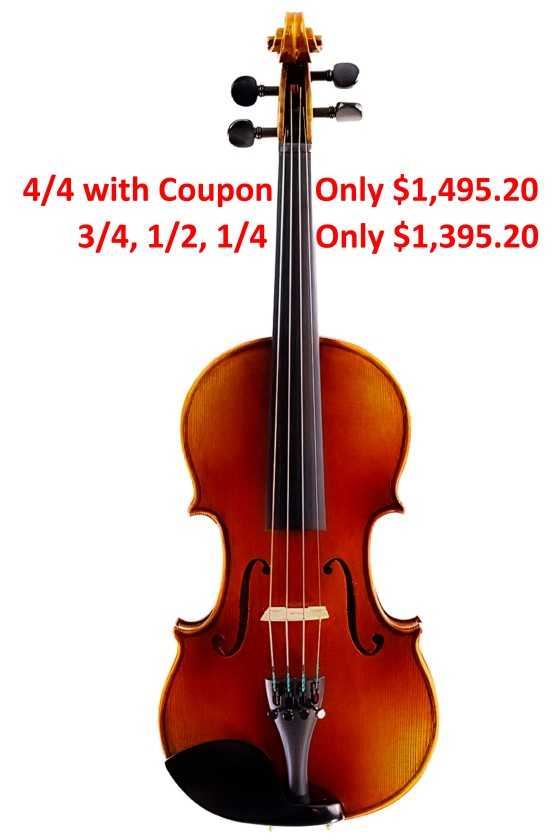
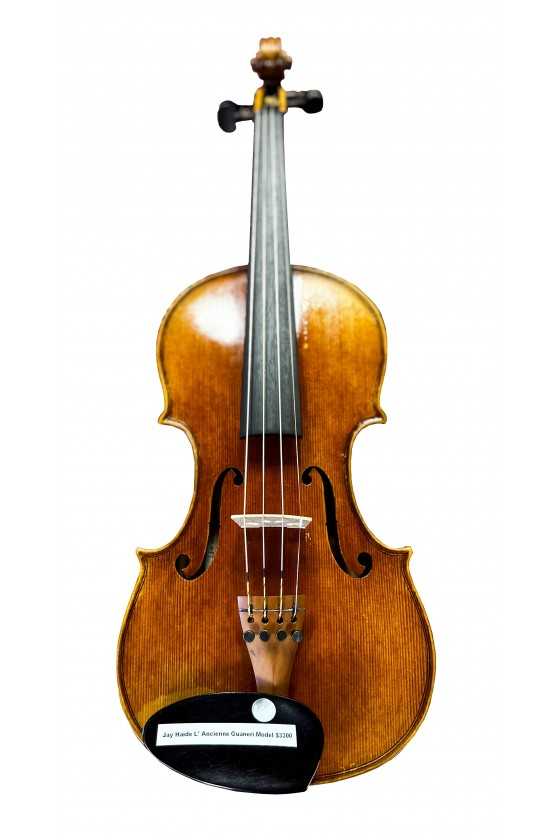
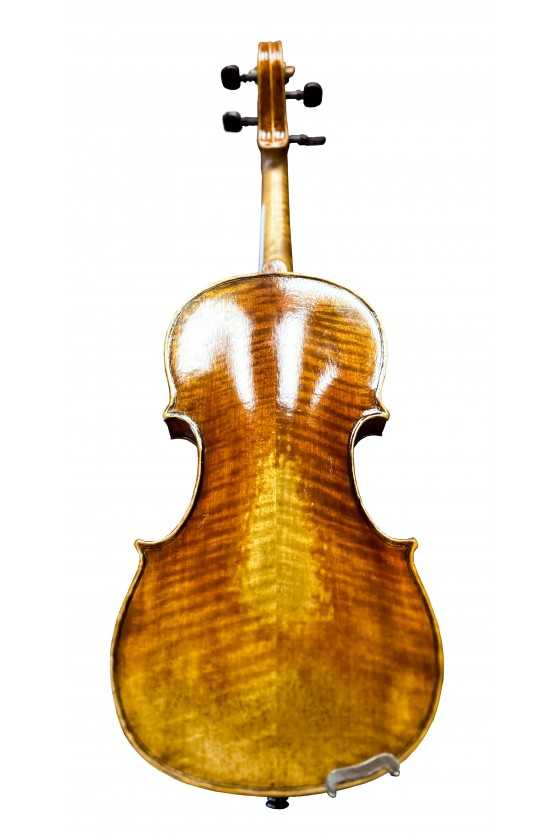
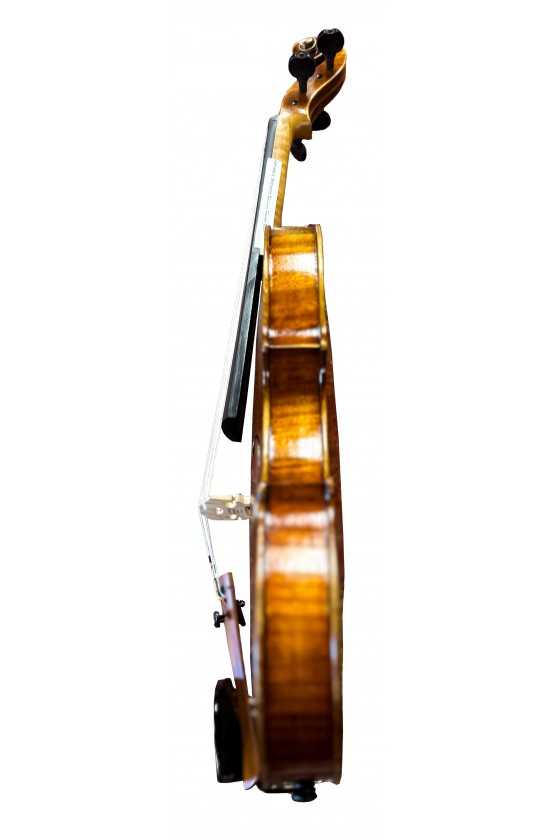
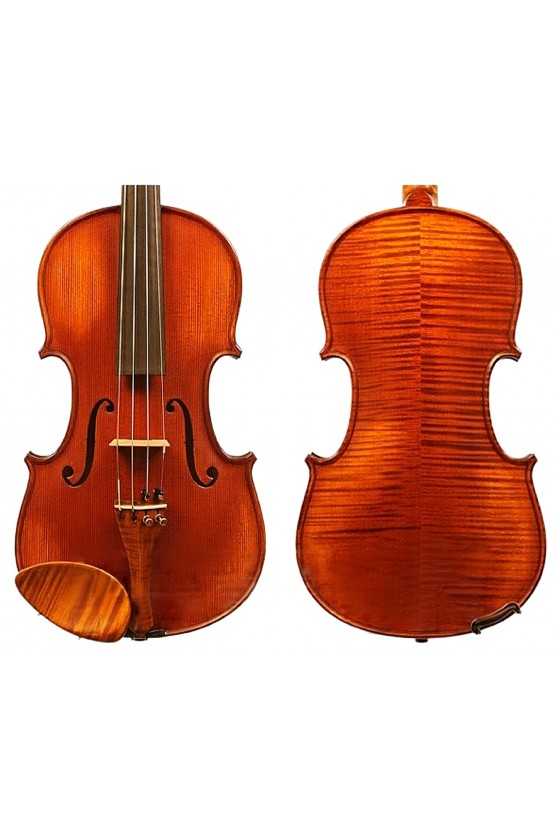
The Jay Haide Violin L’Ancienne Guarneri Model is a high-quality, handcrafted violin inspired by the classic Guarneri del Gesù design. Renowned for its rich, powerful tone and elegant, antiqued appearance, this model is ideal for advancing students and professional musicians seeking exceptional performance at an accessible price. Its premium materials, expert craftsmanship, and balanced sound make it a top choice among Guarneri-style violins.
This is the German Violin Hagen Weise 2019. Hagen Weise dedicated himself to making fine violins and other instruments in his shop, producing 150 to 200 violins per day.
Gliga Vasile Genova 4/4 Violin (Instrument Only) is handcrafted in workshops directly supervised by Mr. Vasile Gliga.
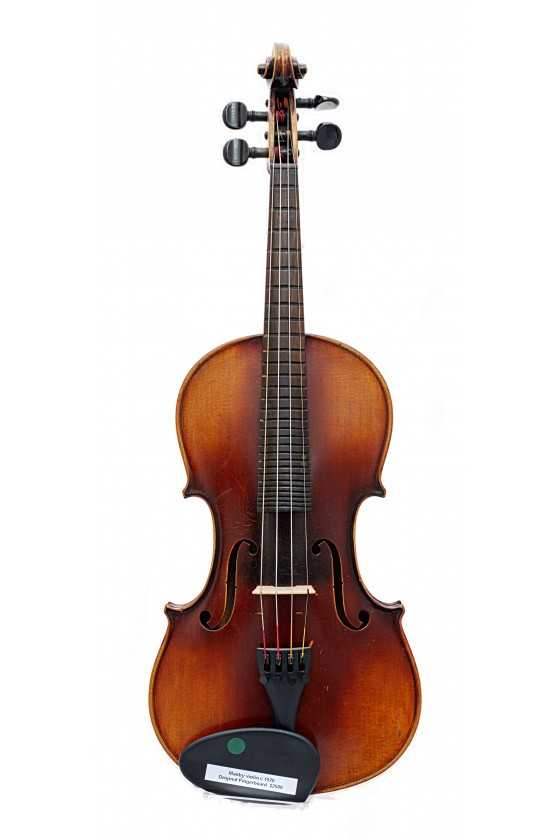
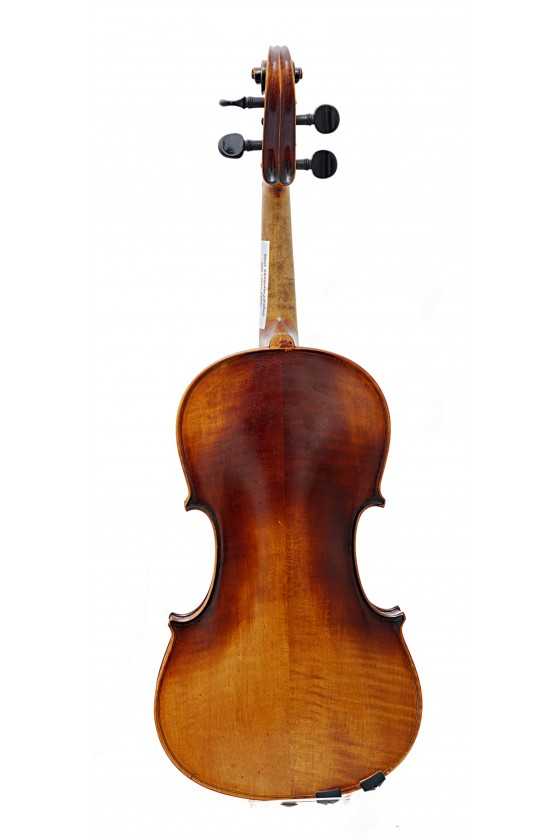
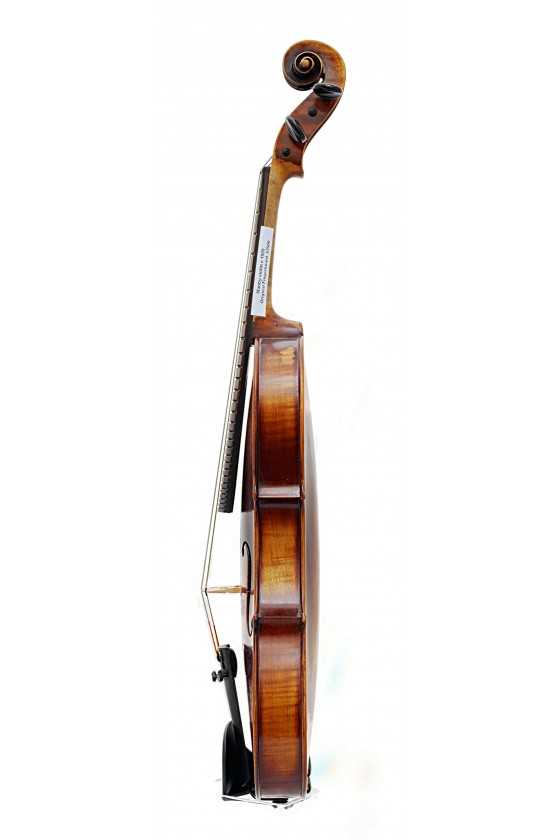
Manby Violin with Original Fretted Fingerboard made about 1920. This Violin is of the highest quality, crafted by Manby - who has workshops in Italy, London, New York, Paris, Melbourne and Sydney.