
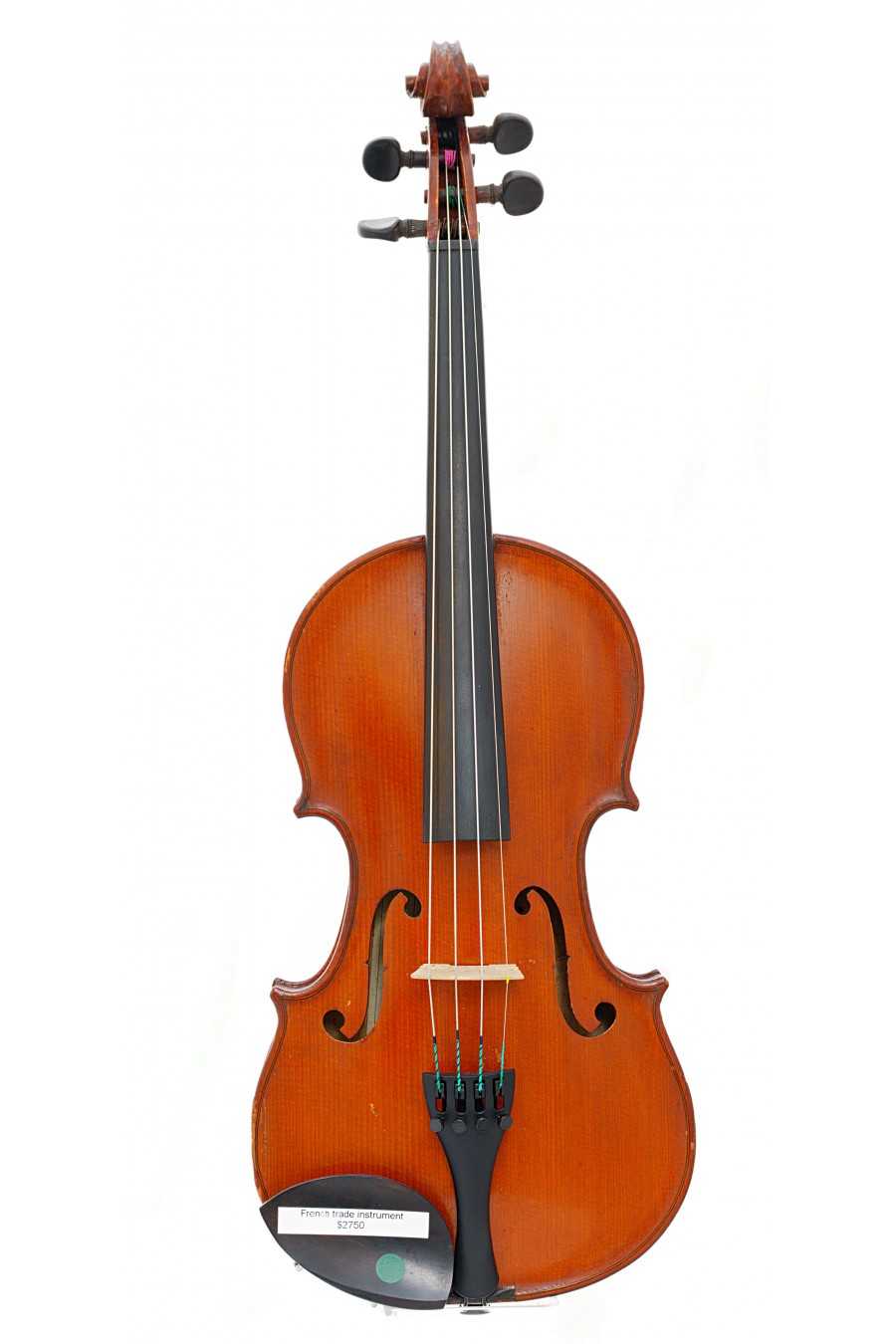
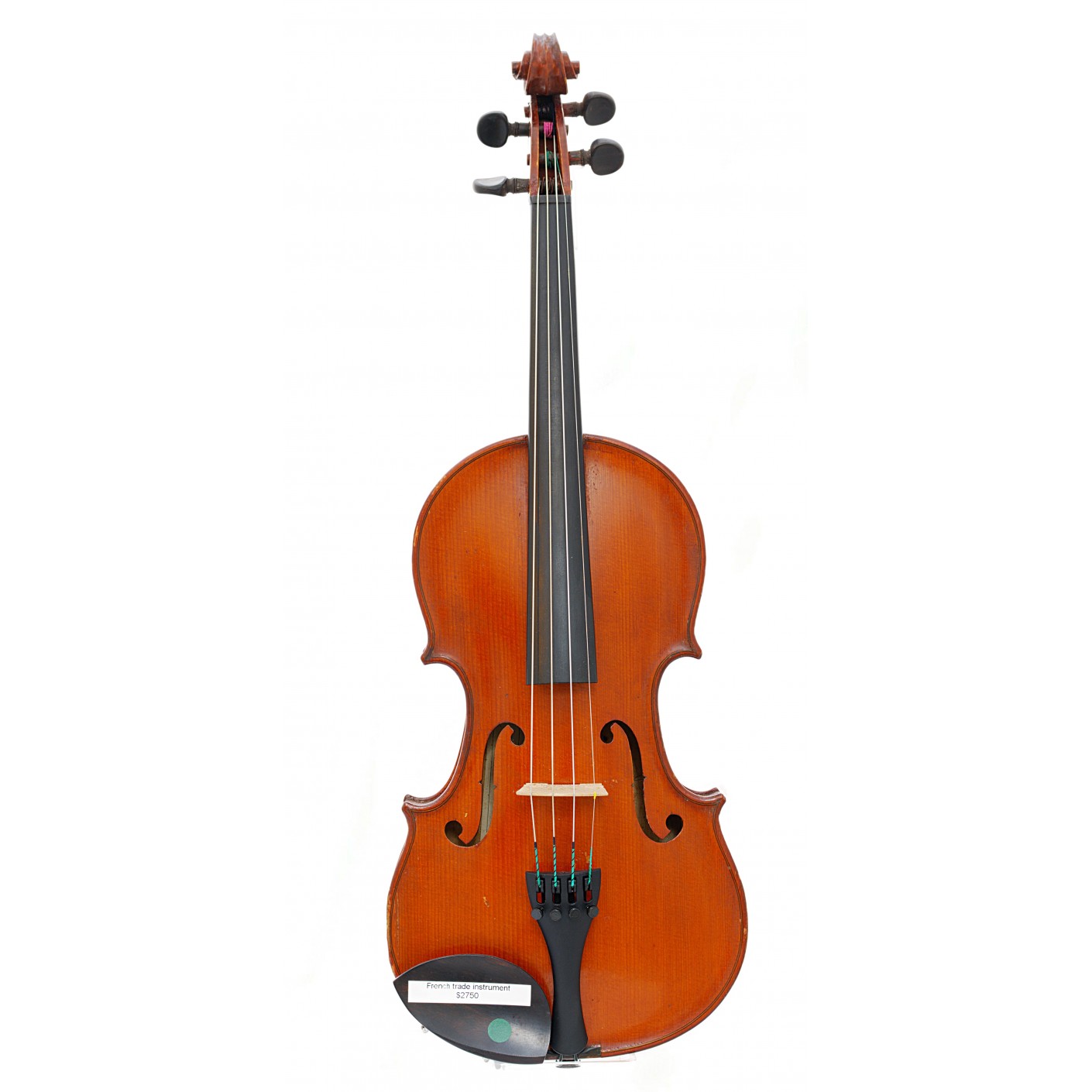
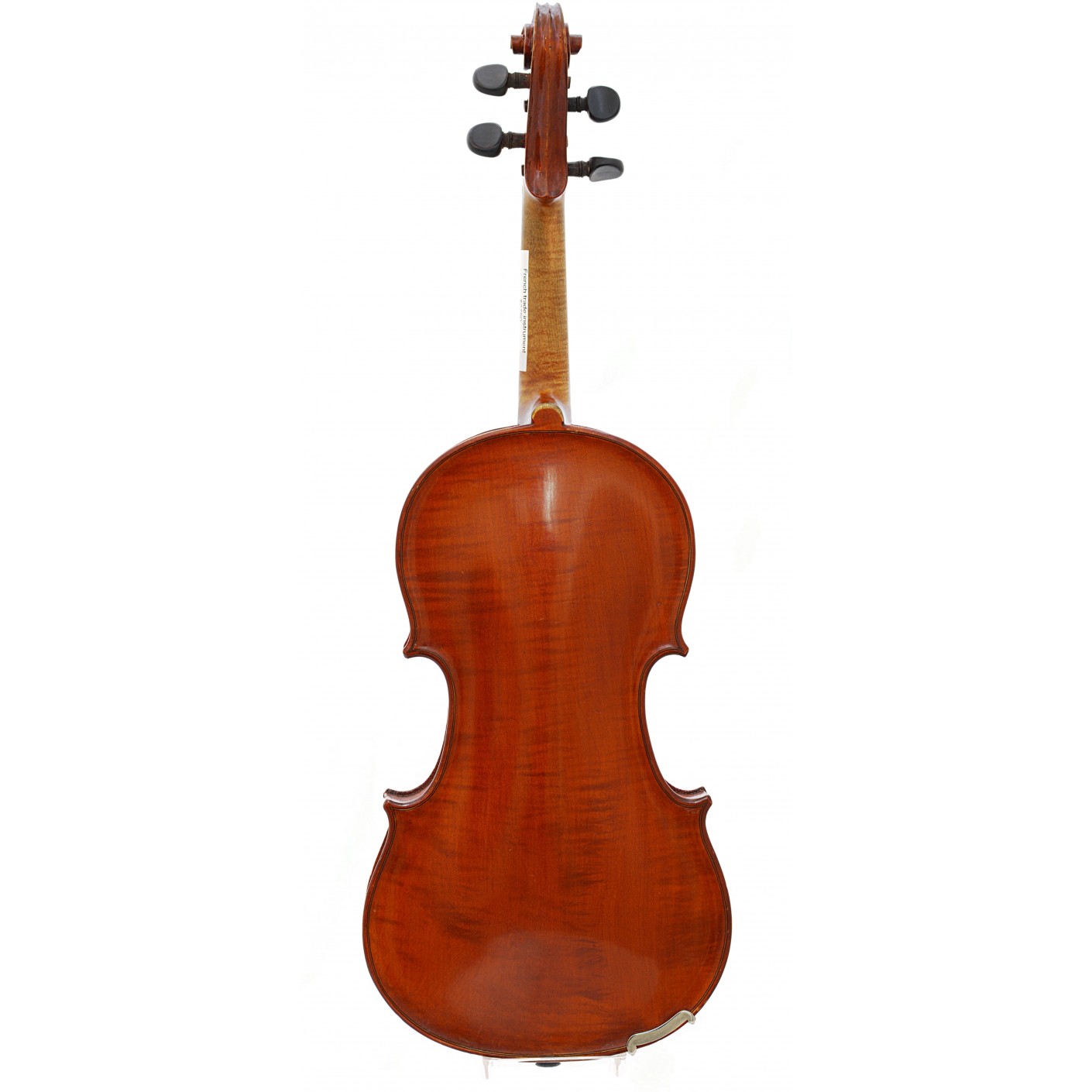
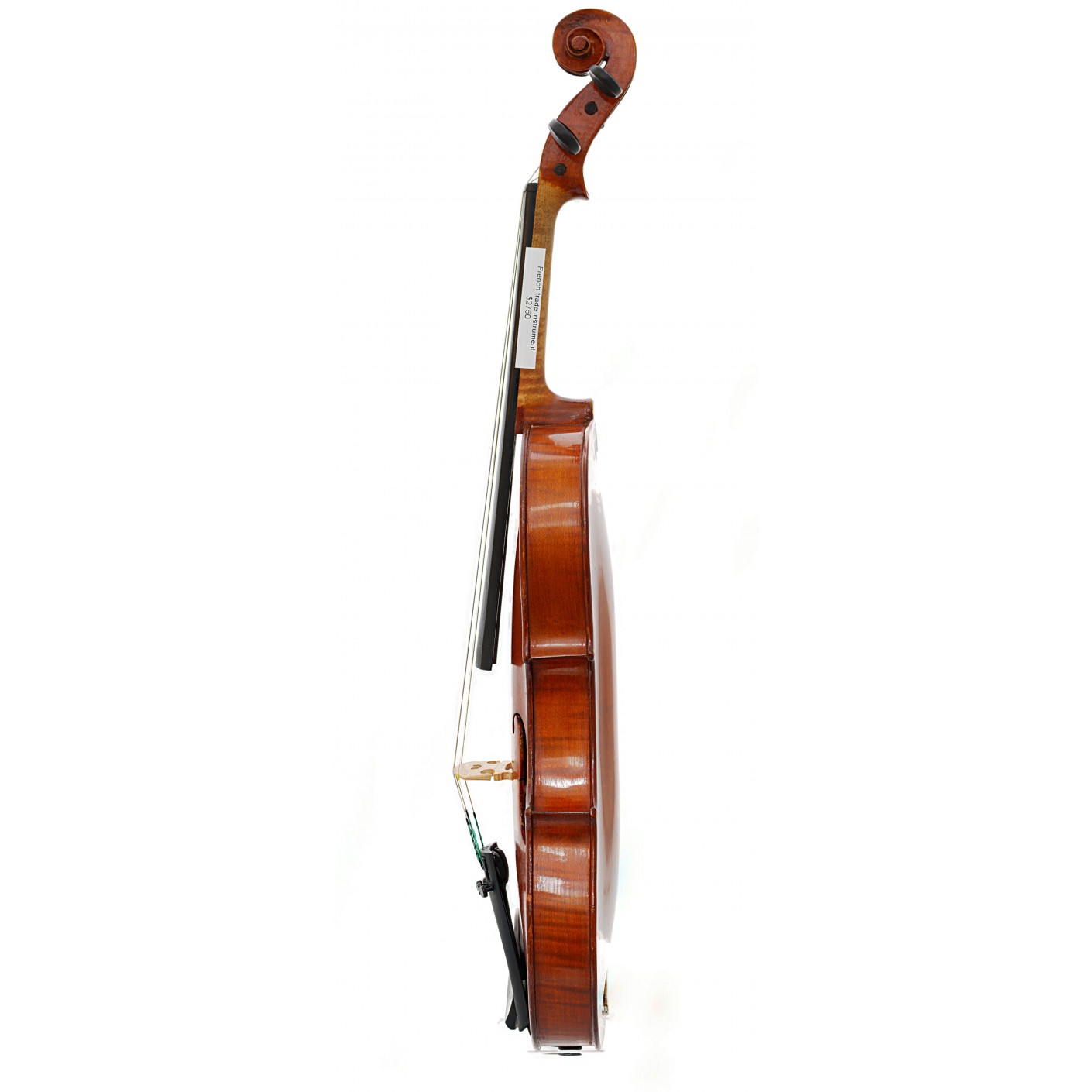
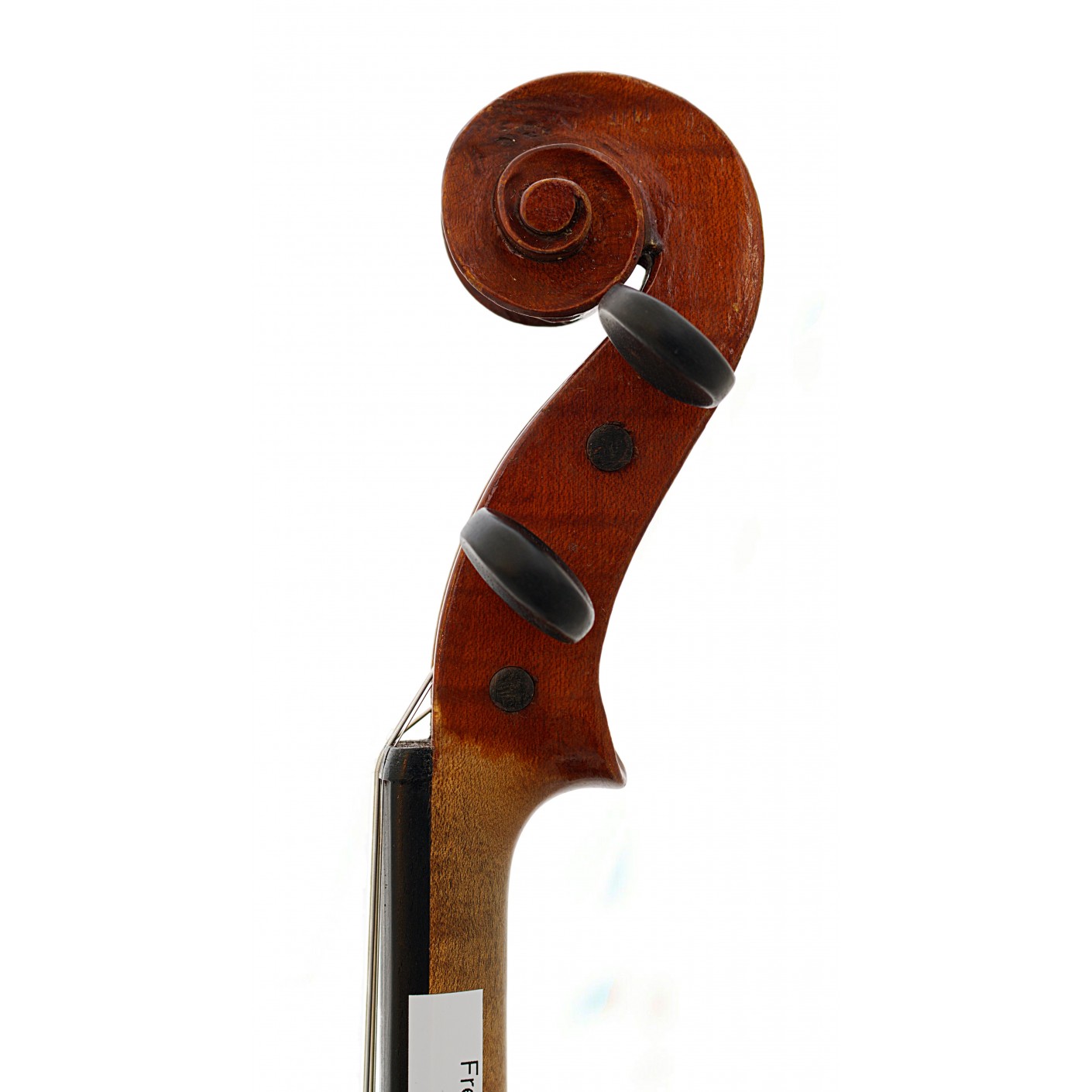
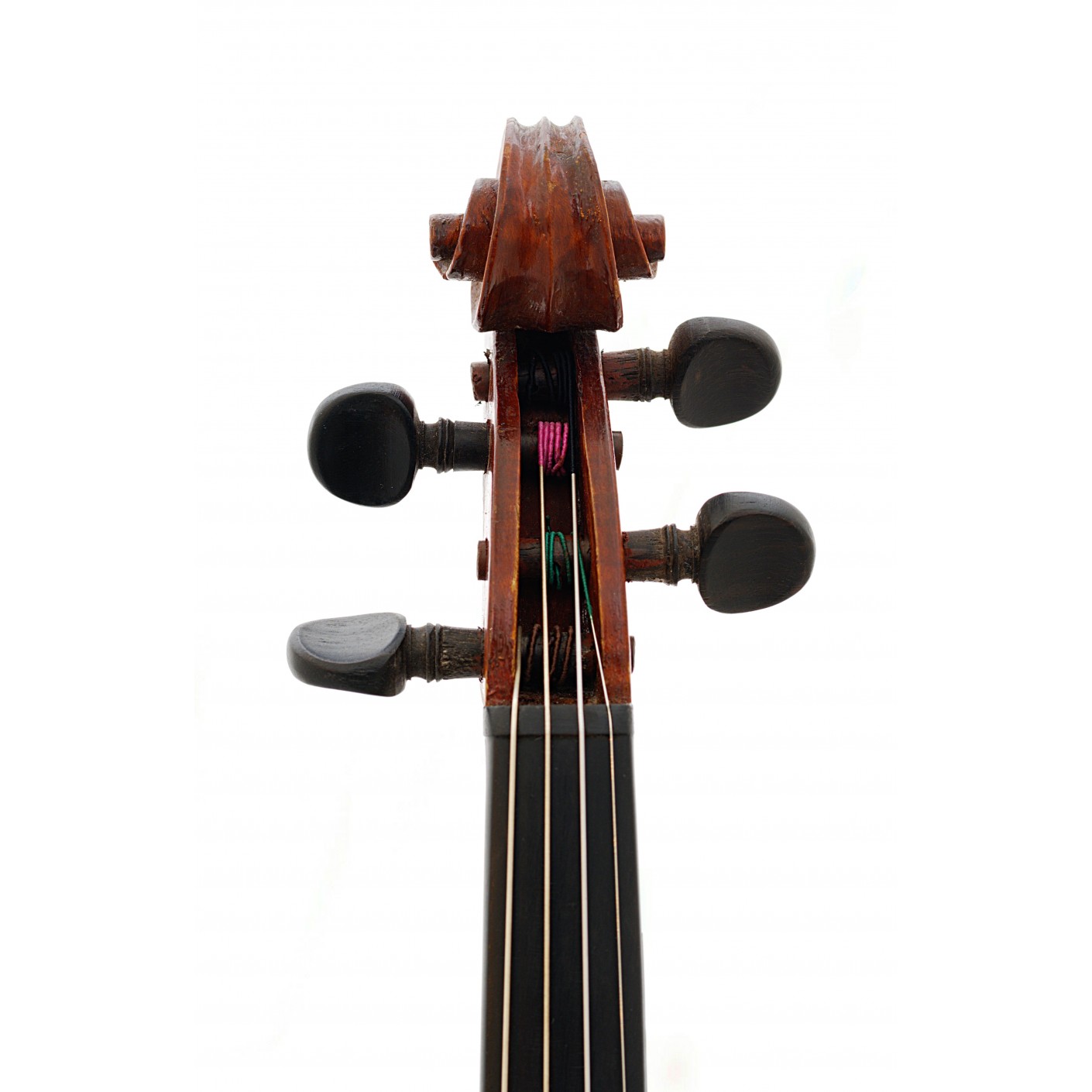
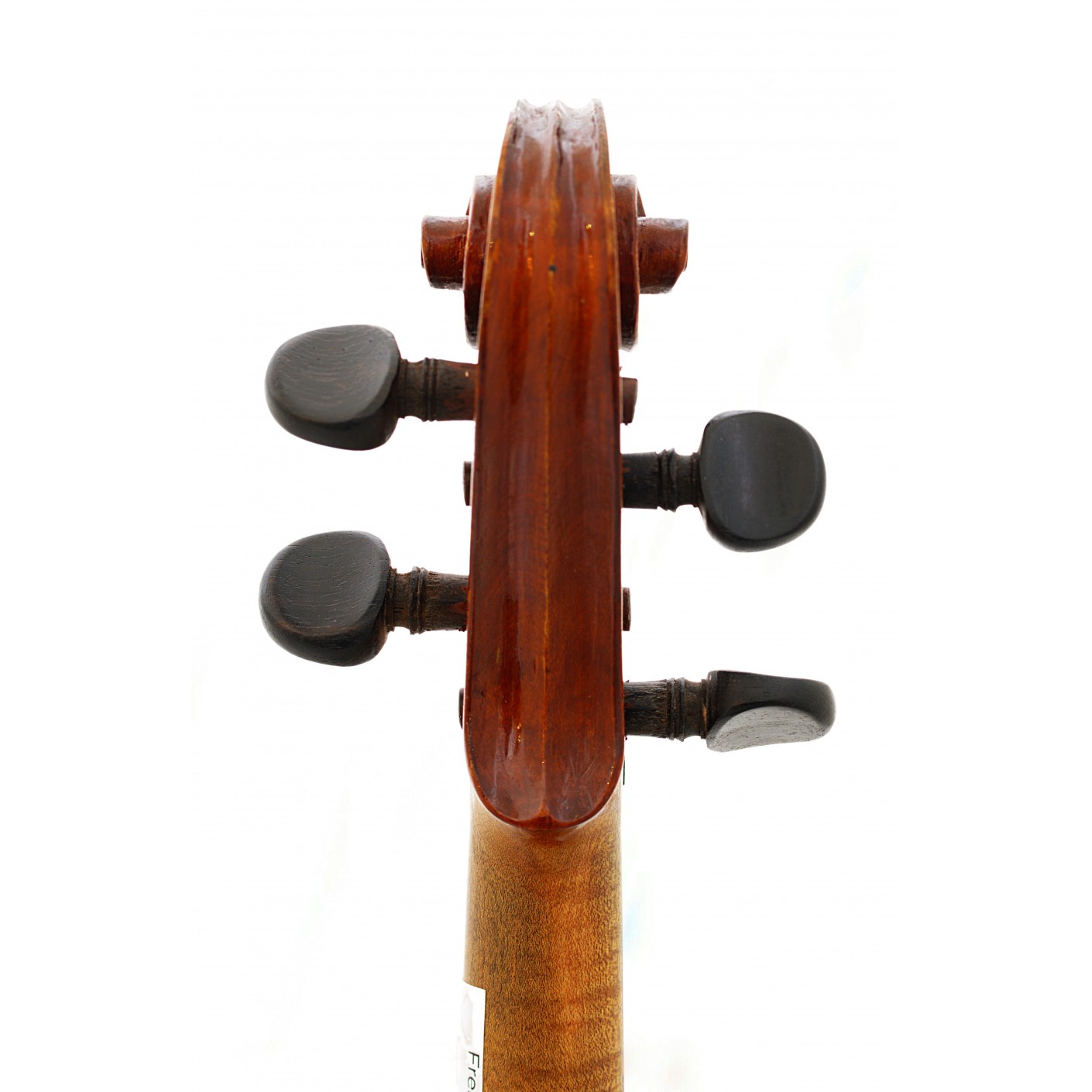
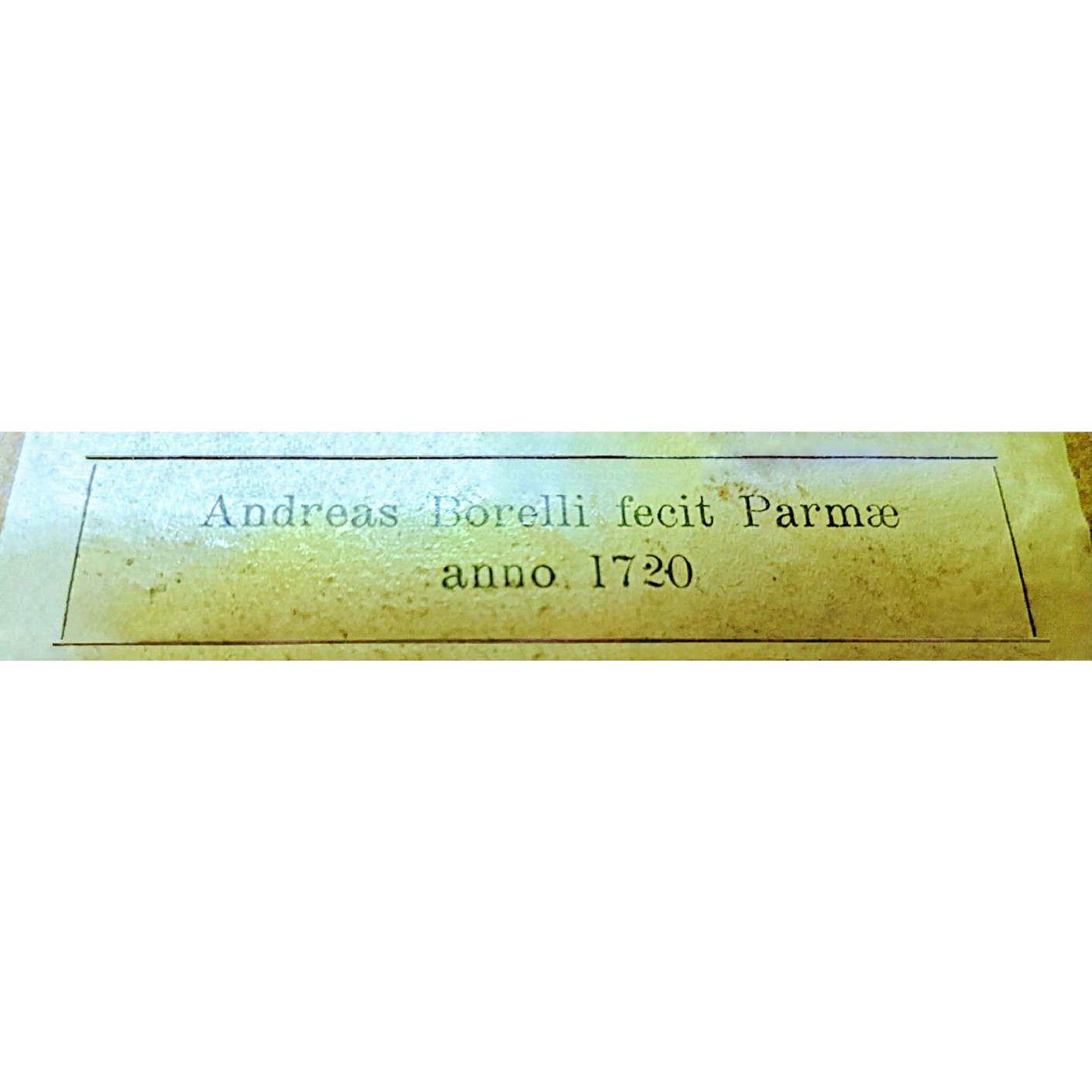
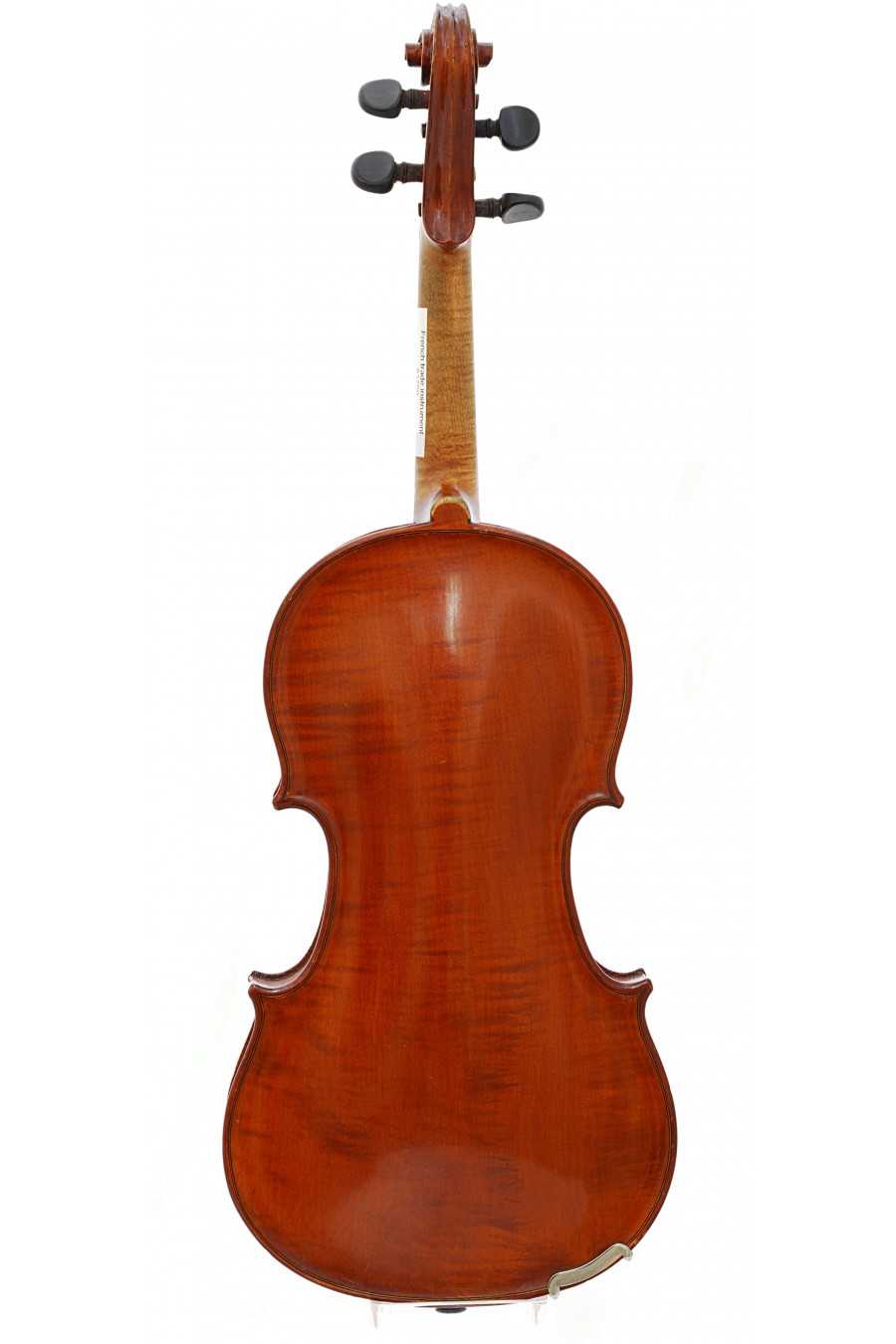
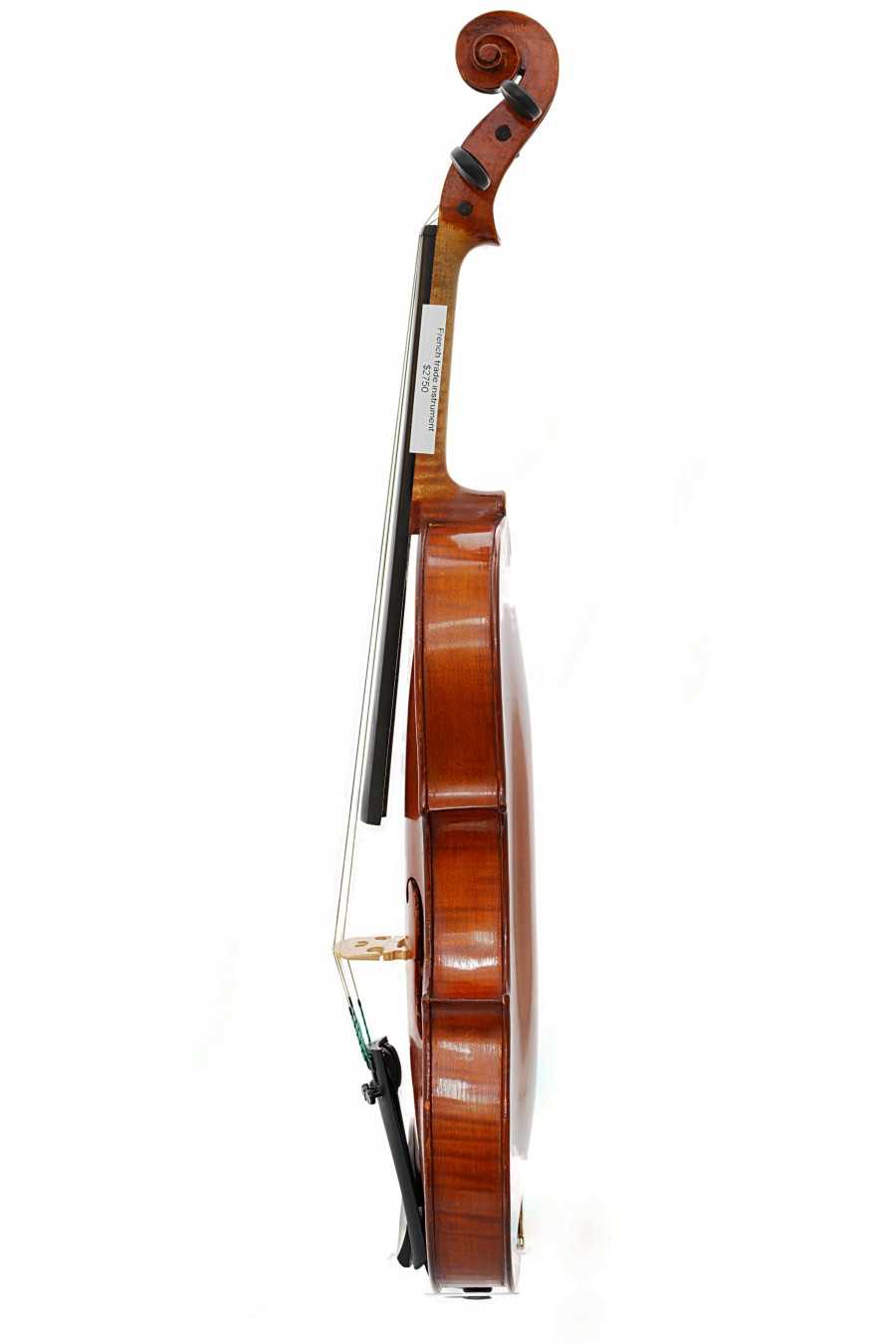
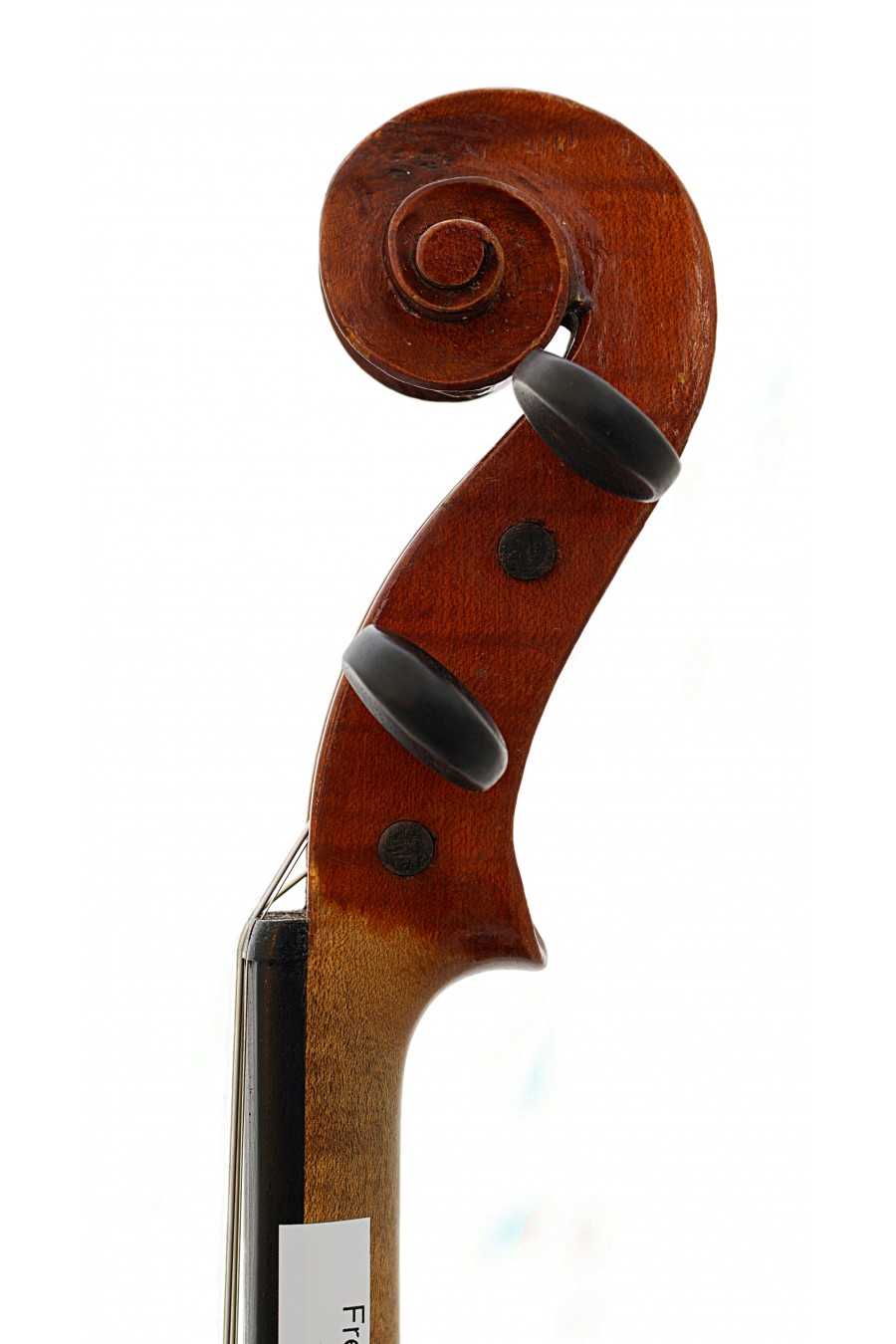
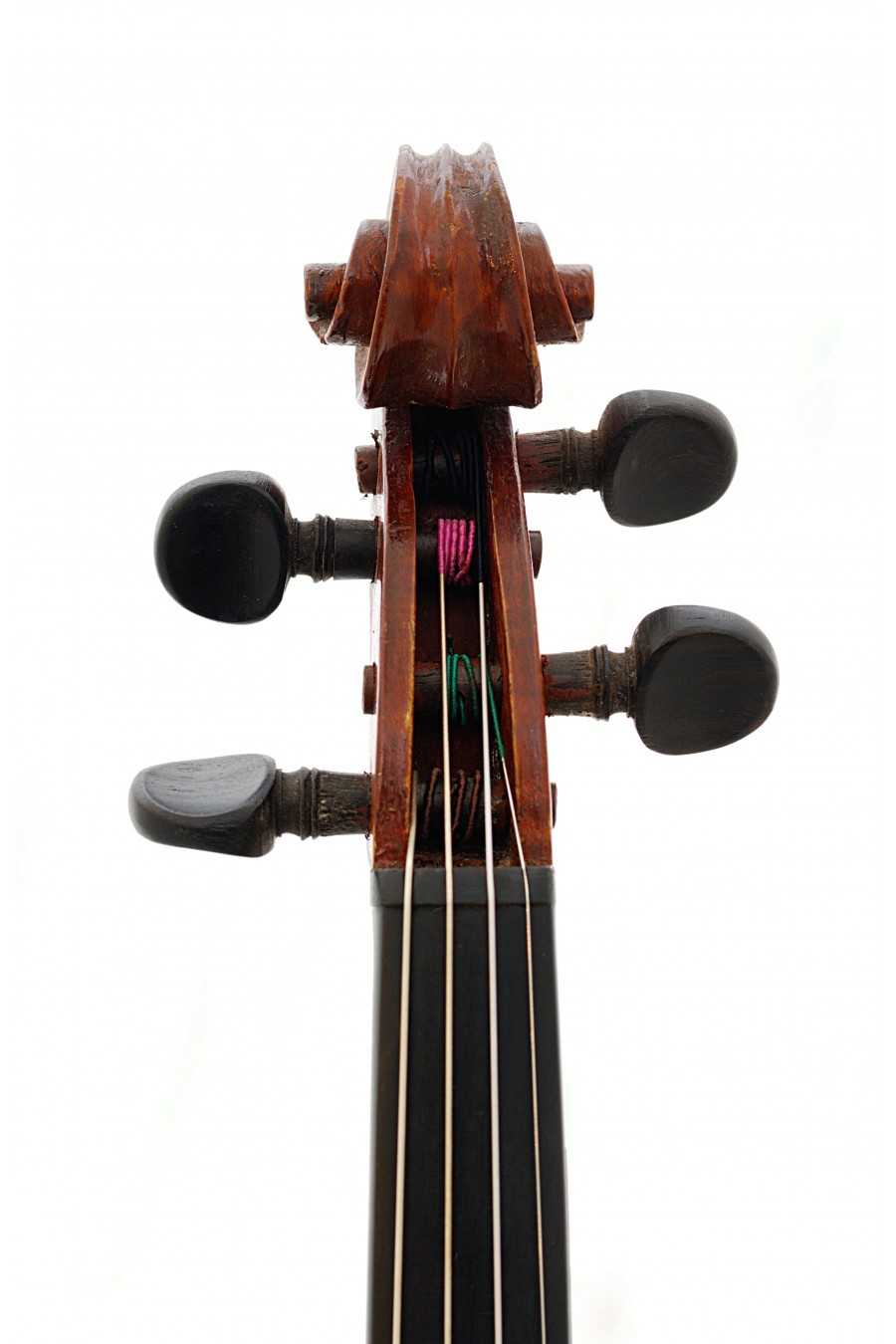
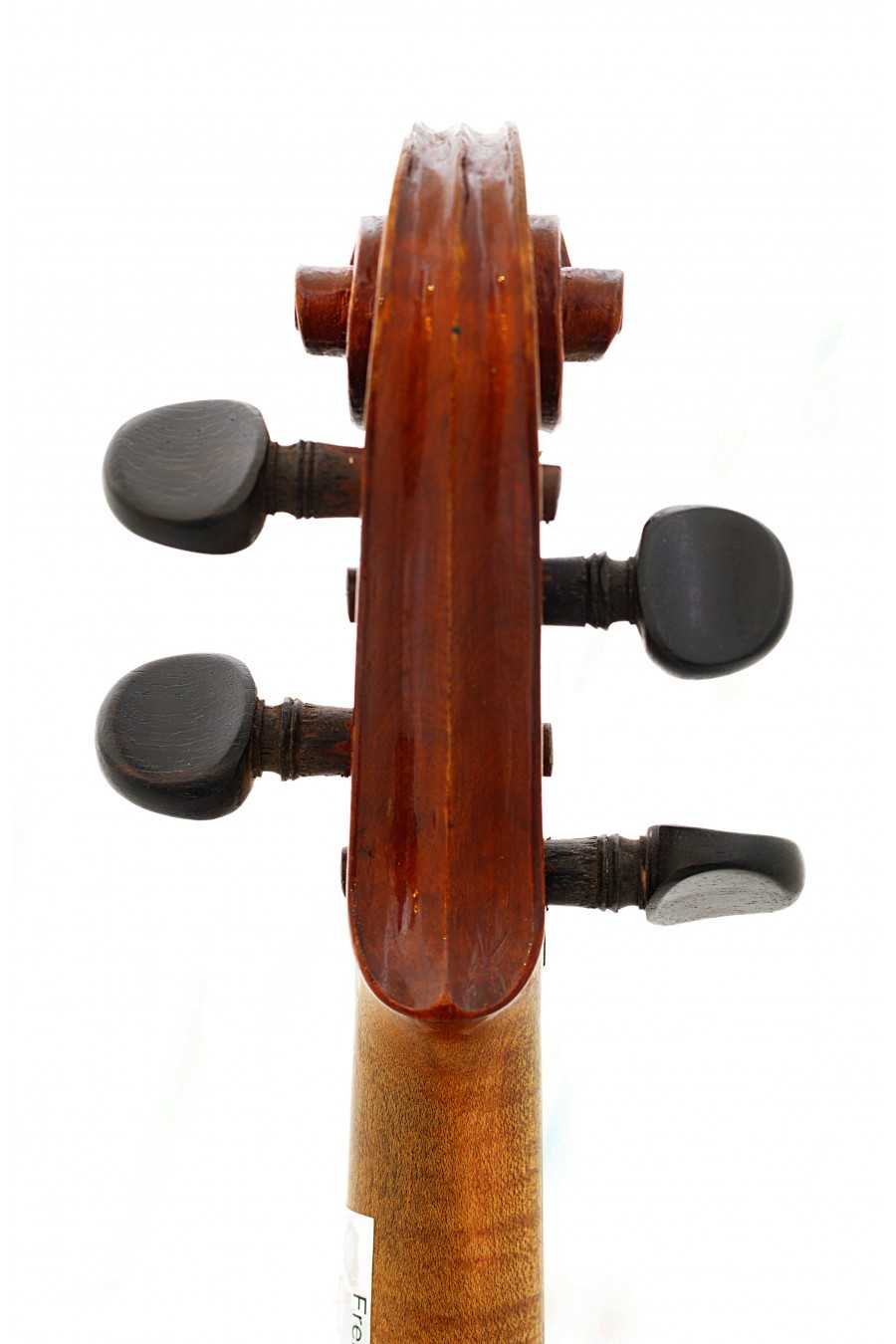
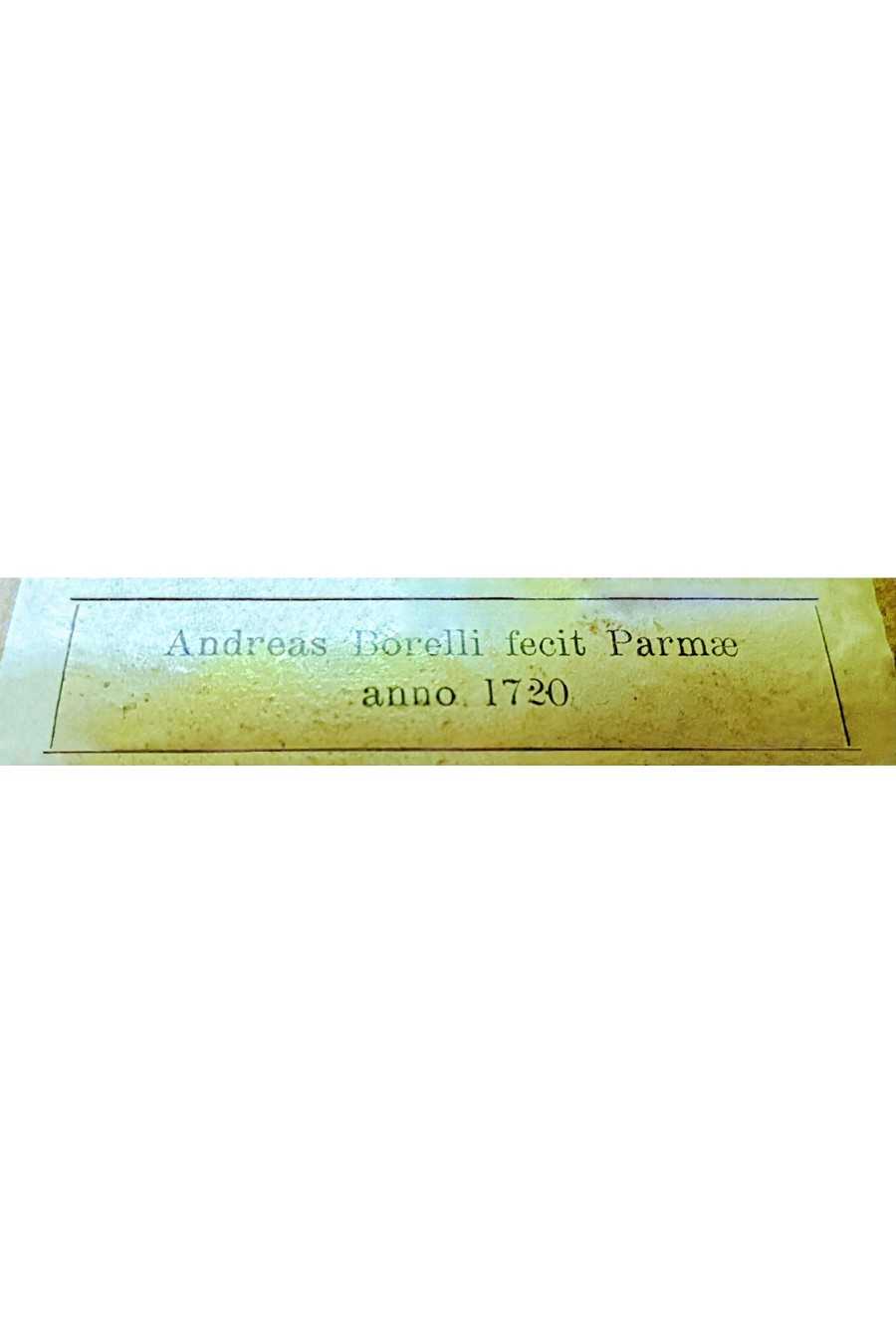
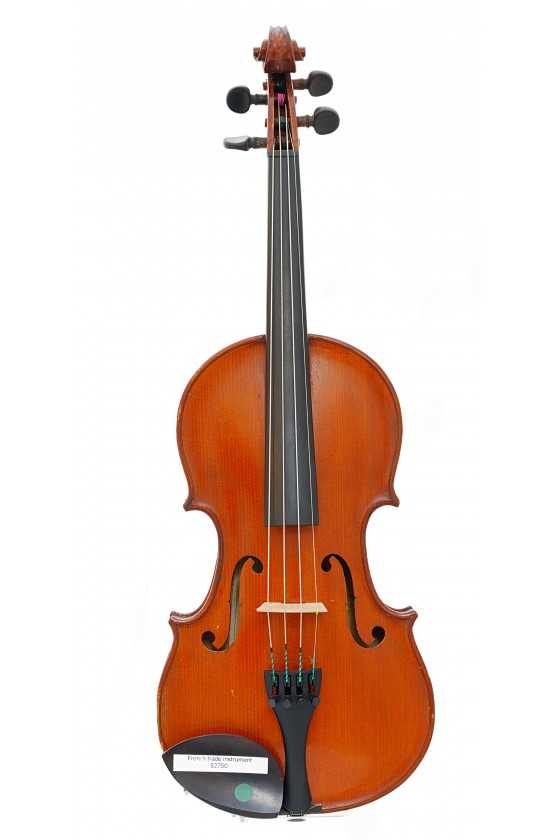
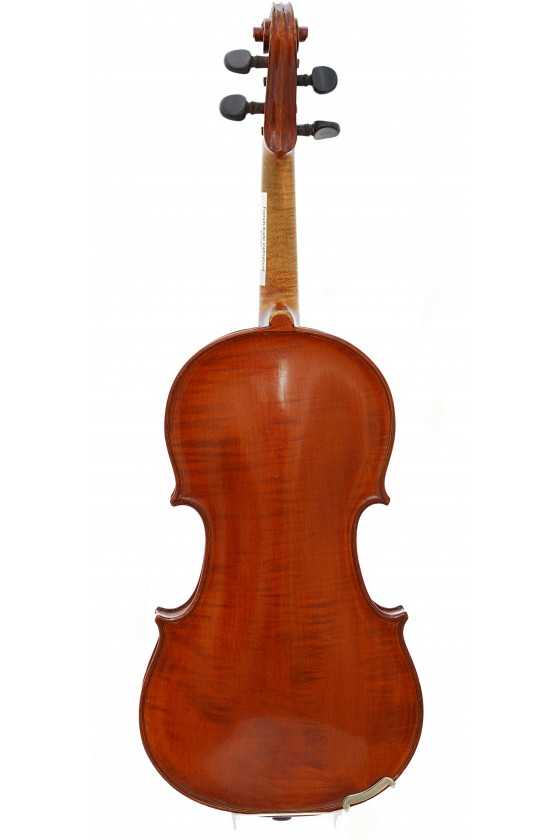
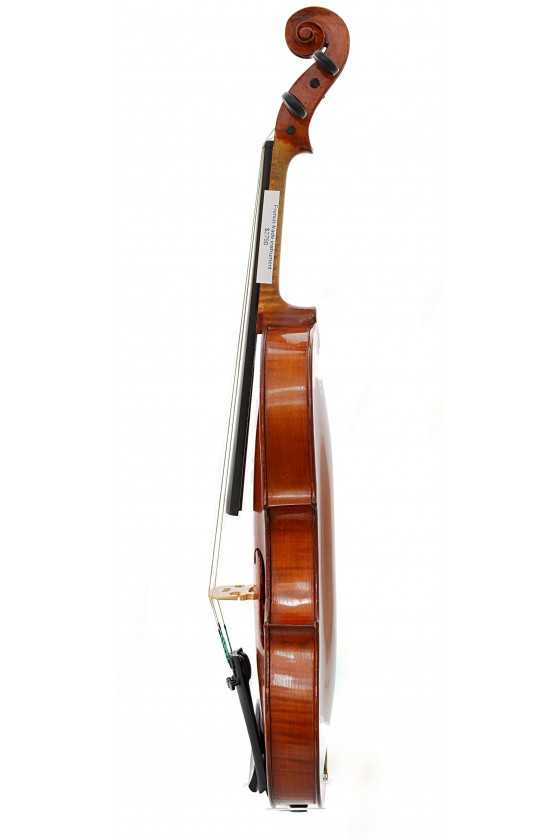
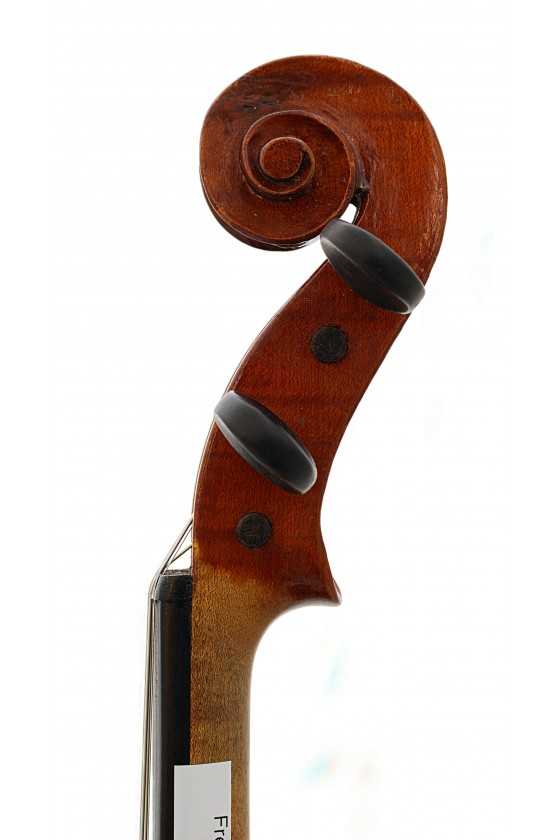
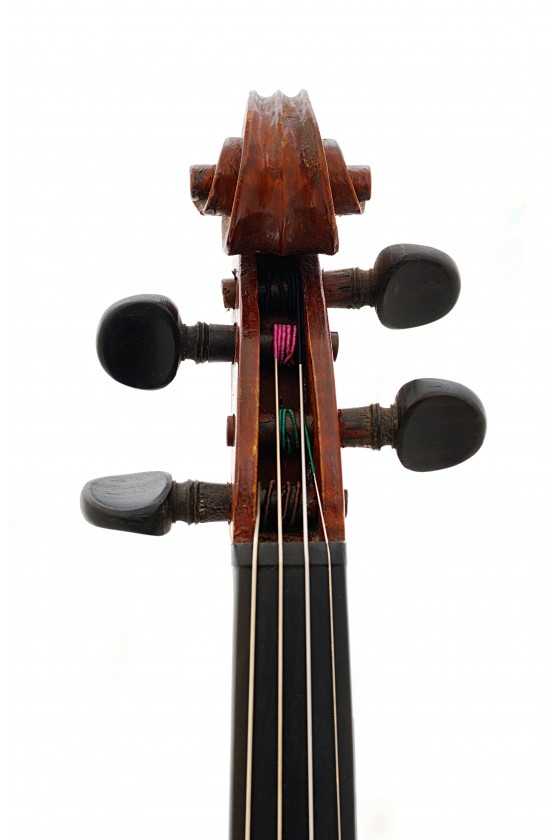
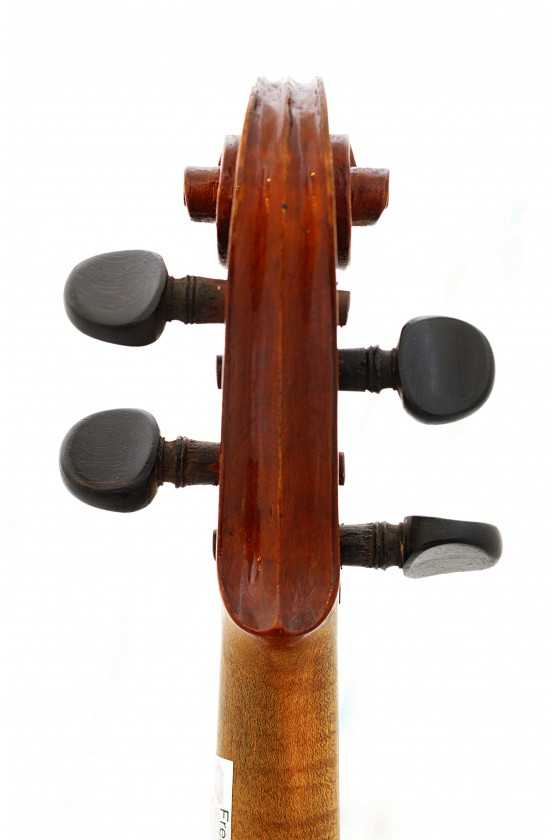
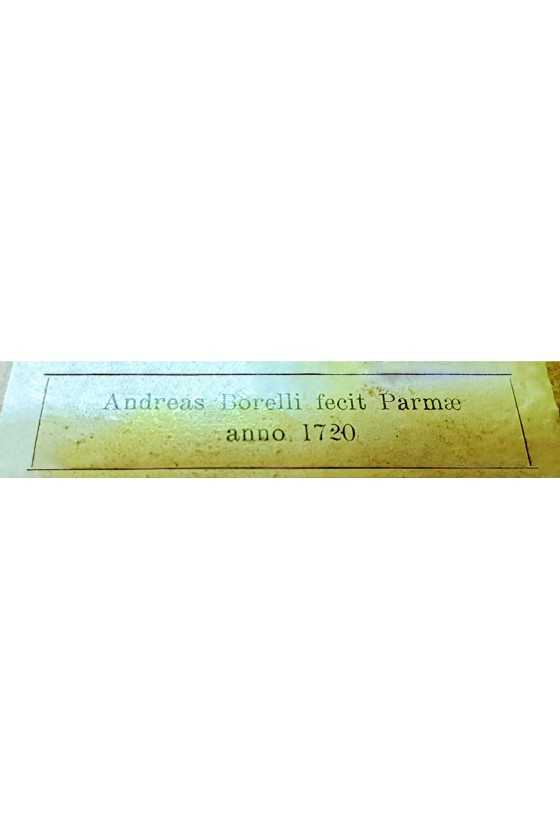
This is a French Trade Violin Instrument bearing the label of Andreas Borelli dated 1720. Andreas Borelli an Italian-born violin maker whose style developed the Borelli School of Violin Making which was later adopted by the workshops in Mirecourt France.
The label states that this French Trade Violin is from Andreas Borelli (1720 – 1746) an Italian-born violin maker who was active during the early-mid 1700s in Parma. His style developed the Borelli School of Violin Making which was later adopted by the workshops in Mirecourt France. We can find his trade name on models coming from Paul Mangenot’s workshop and the Thibouville-Lamy violin company dating up to the early and mid-1900s.

This exceptional French violin is a masterpiece crafted by the renowned luthier Jean Baptiste Colin in Mirecourt, Paris, back in 1901. The violin's exceptional characteristics contribute to the continued popularity of his violins in modern times.
This French violin (copy) has a powerful sound and was made after Roger & Max Millant in Paris. It has a subtle and radiant voice. This violin is in excellent condition, making it suitable for professional musicians.
Check out this Mast Fils Violin Dated 1827. Joseph Laurent Mast a French violin maker who branded his violins with the inscription inside that says “Mast Fils Toulouse."
This is a French-made Violin crafted around 1880. This is one of the Animato Strings' largest selections of new and old instruments in Australia including Asian-handcrafted instruments, new European instruments, and a wide range of antique stringed instruments such as this one.
This violin was made under the supervision of French violin maker Paul Jombar in Paris in the year 1920. Paul Jombar is a French violin maker born in Saint-Quentin. He set up his own workshop in 1892 at 20, rue Rochechouart in Paris.
This is a Mirecourt Violin made around the 1930s with the label of a French luthier named L'Humbert. Emile L'Humbert is a French luthier who settled in rue de Passy in Paris in 1906 and began to make beautiful instruments until 1920 for Parisian luthiers.
Marc Laberte (1880–1963) was trained as a violin maker and joined the family company in 1911. By 1919, the Laberte firm had around 400 craftsmen and was successful. However, the war in 1942 devastated the business, leading to its closure. Despite this, Laberte was known for his exceptional instruments and bows, earning several honours and medals.
This violin has the original Marc Laberte label and bears the number #3010. A second label states Grand Prix Paris 1931, Exposition Internationale Bruxelles 1935 Membre Du Jury, and Exposition Internationale New York 1939. The prices they won before and during the start of the world war 2.
Léon Bernardel (1853–1931) learned violin making under his father, Ernest Auguste Bernardel, and later worked with Derazey before joining the family’s shop, Gand et Bernardel Frères. In 1899, he established his firm, collaborating with his son, Léon (II). Bernardel’s violins are highly celebrated for their rich, warm tone and exceptional projection, a result of his innovative craftsmanship and attention to detail. His instruments remain sought after by musicians and collectors, and his work continues to inspire luthiers to this day.