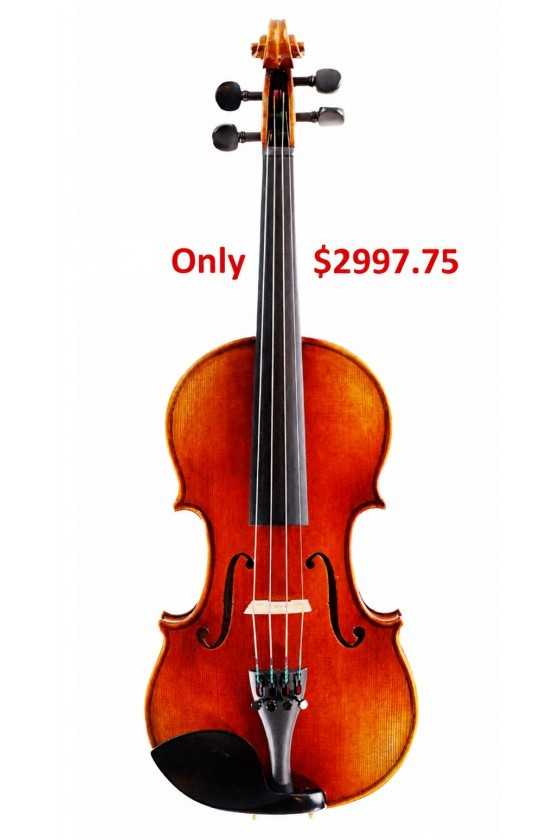
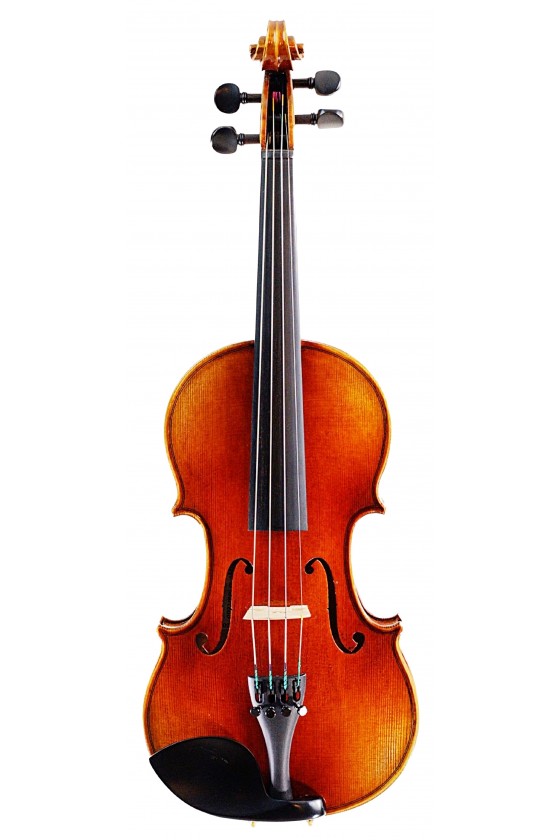
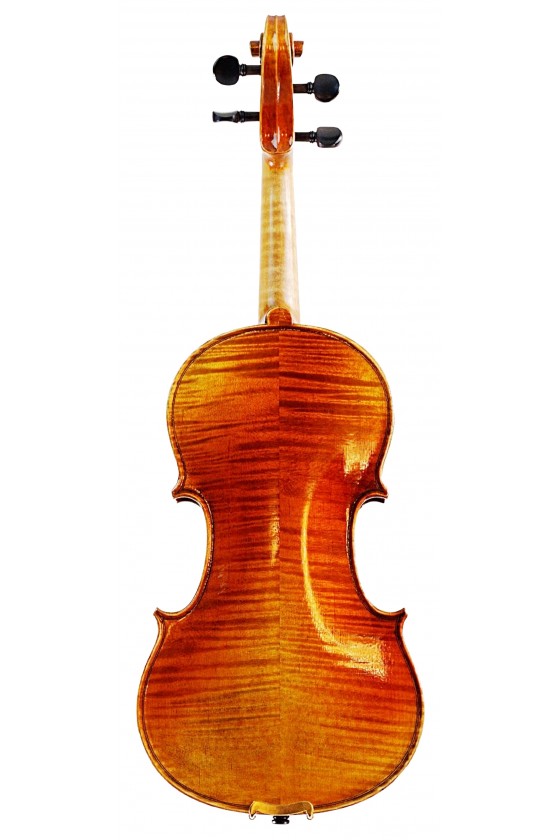
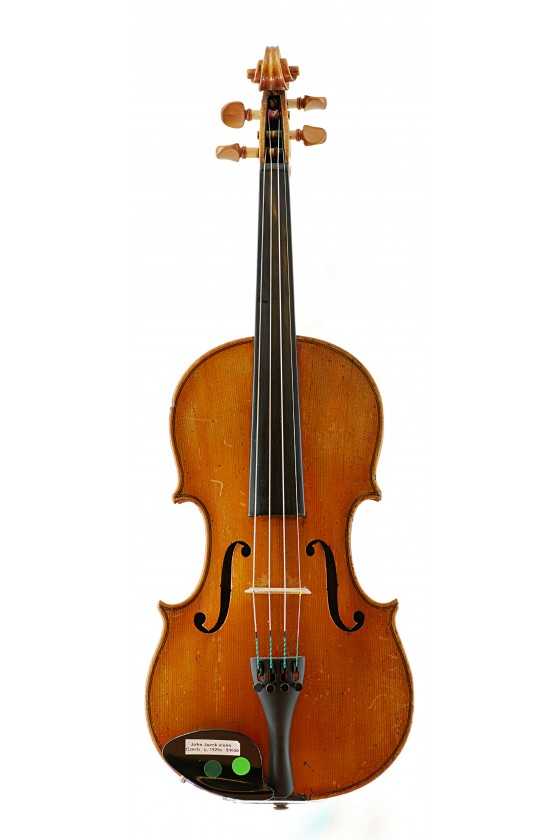
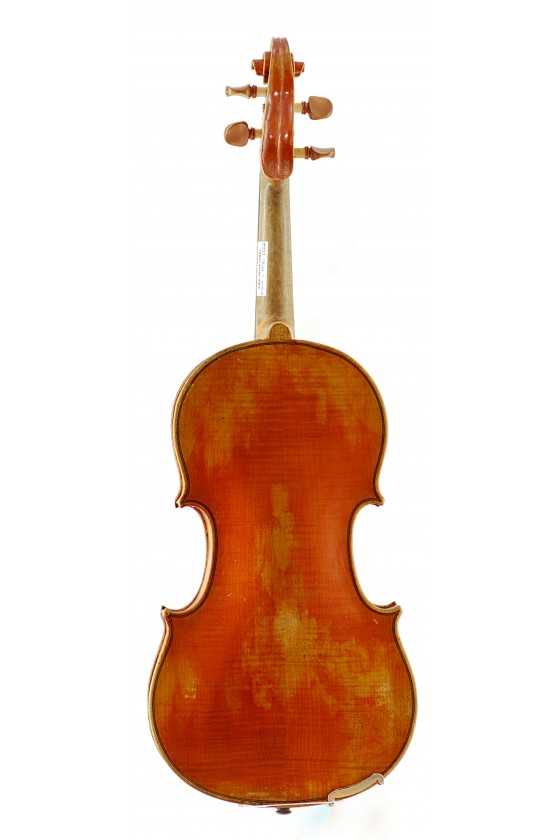
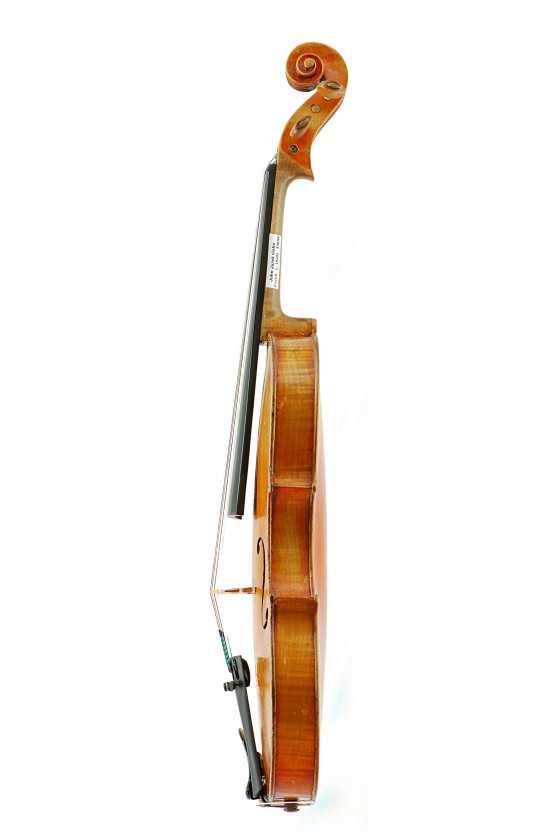
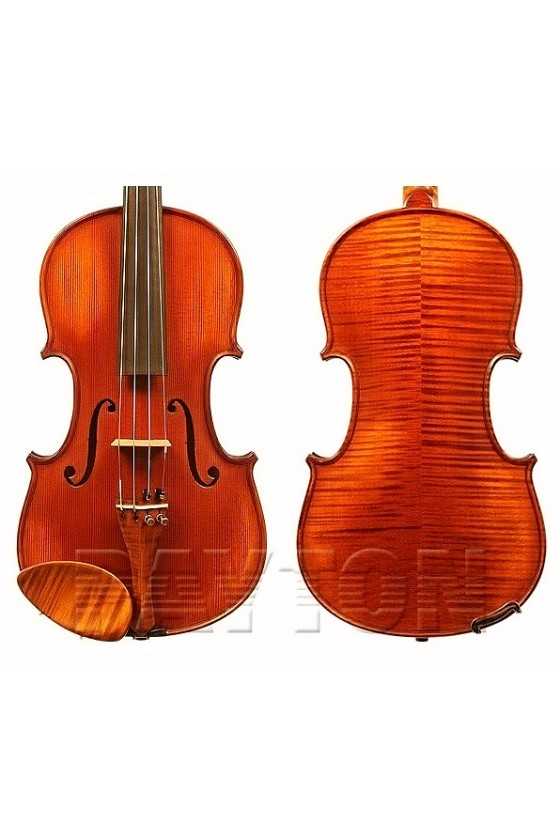
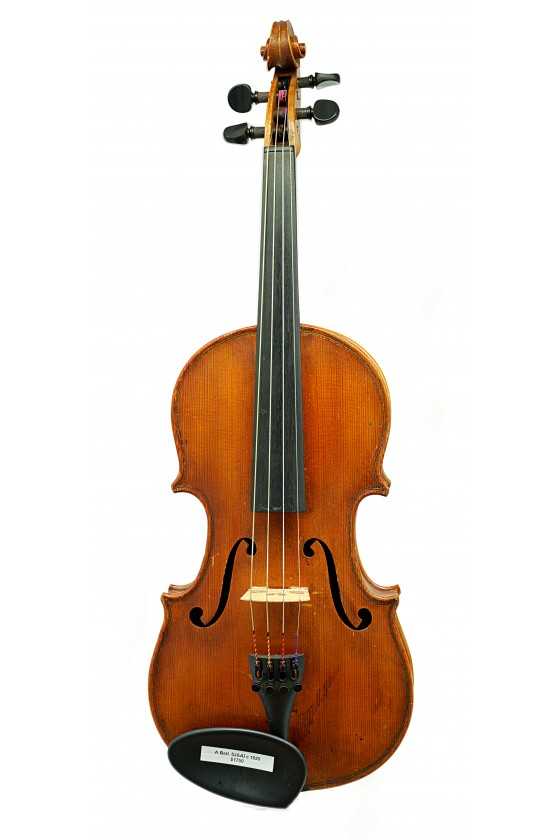
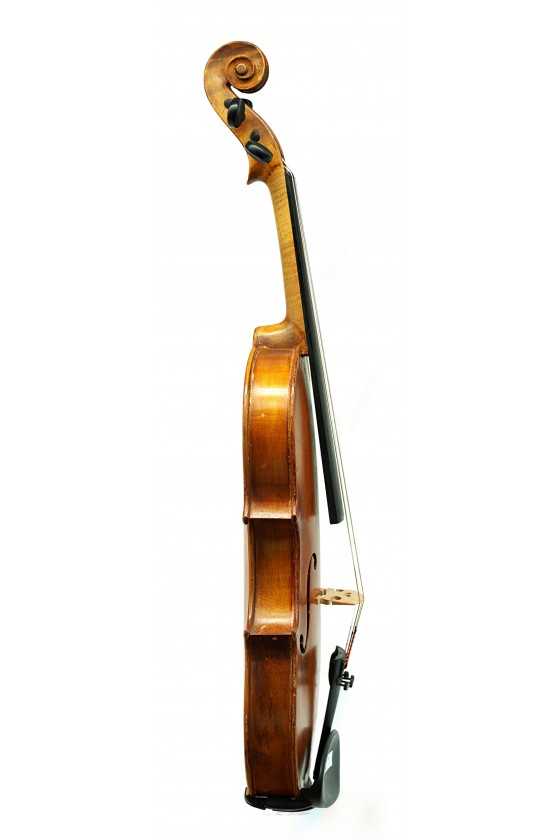
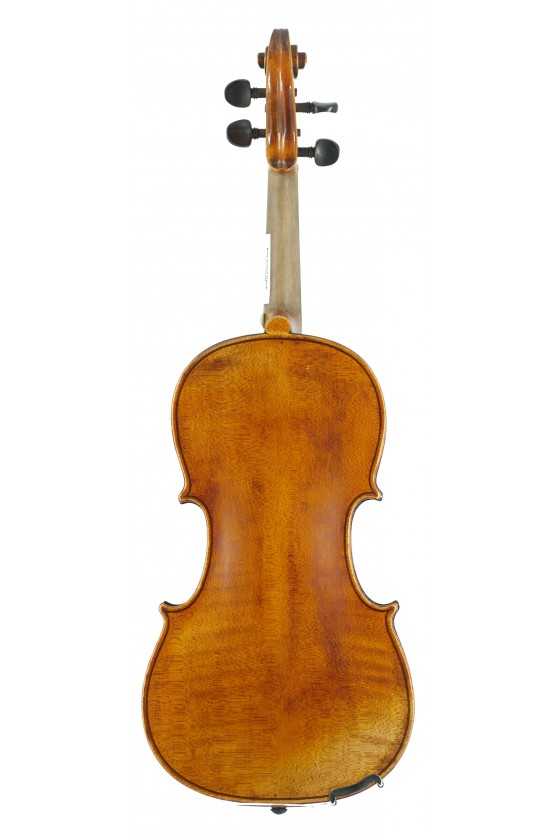
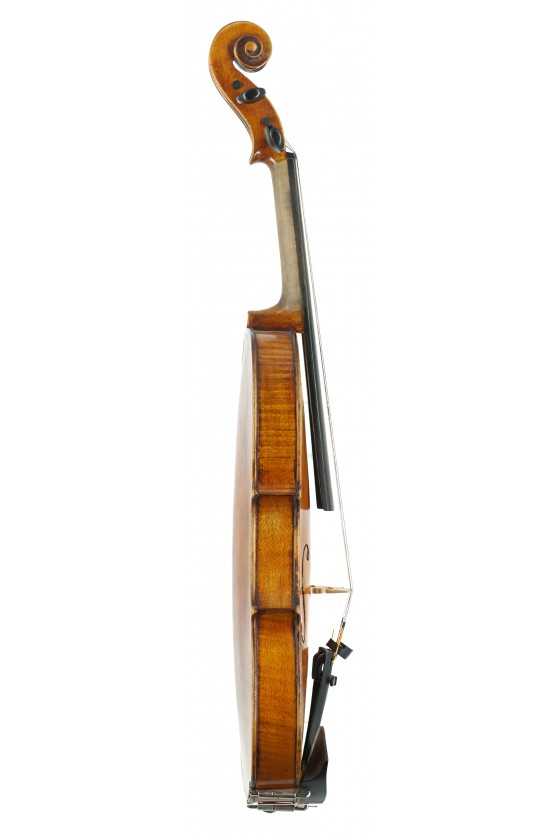
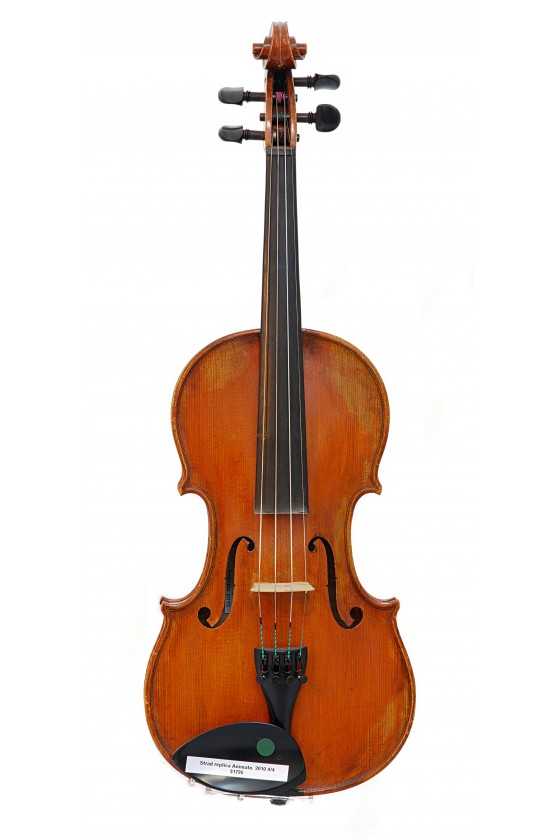
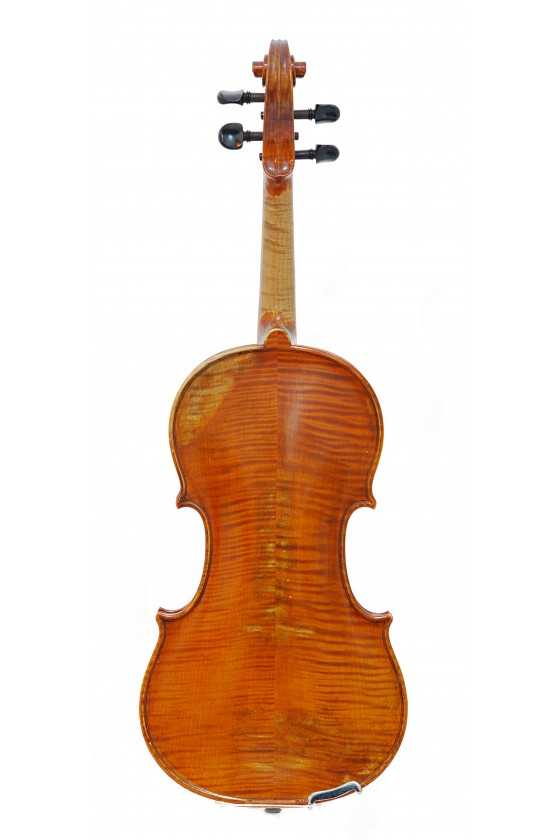
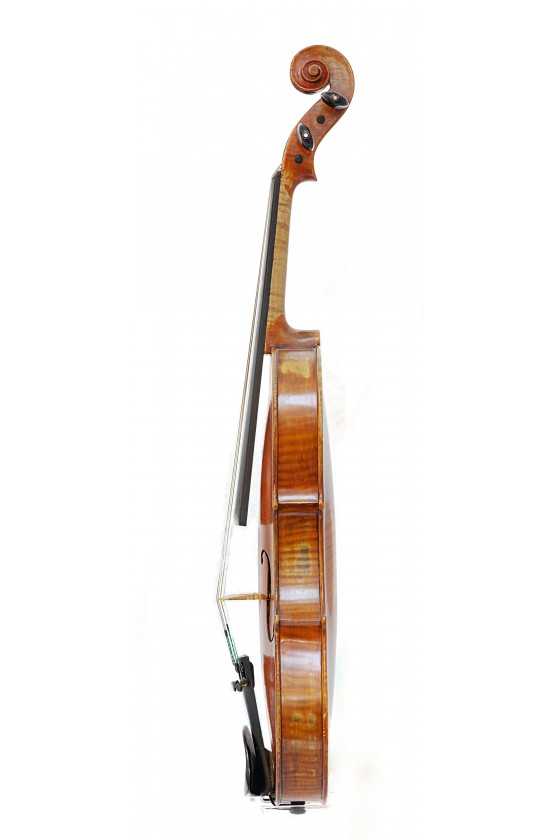
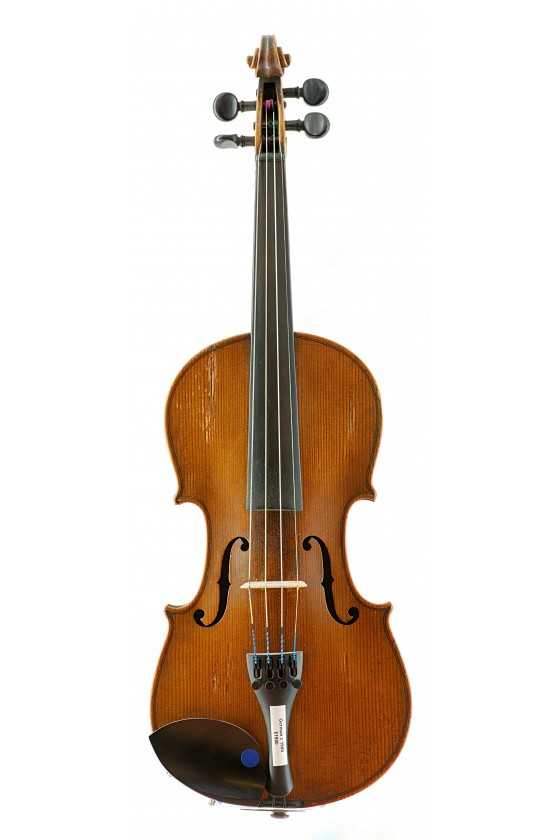
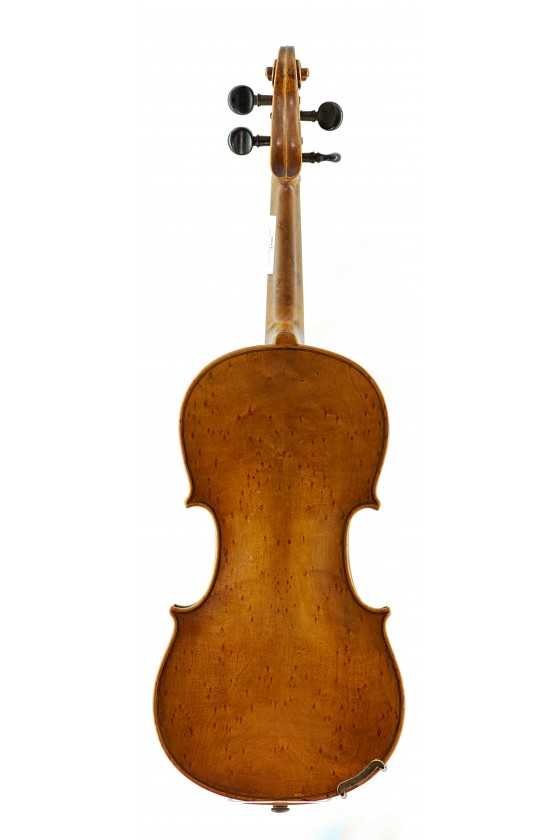
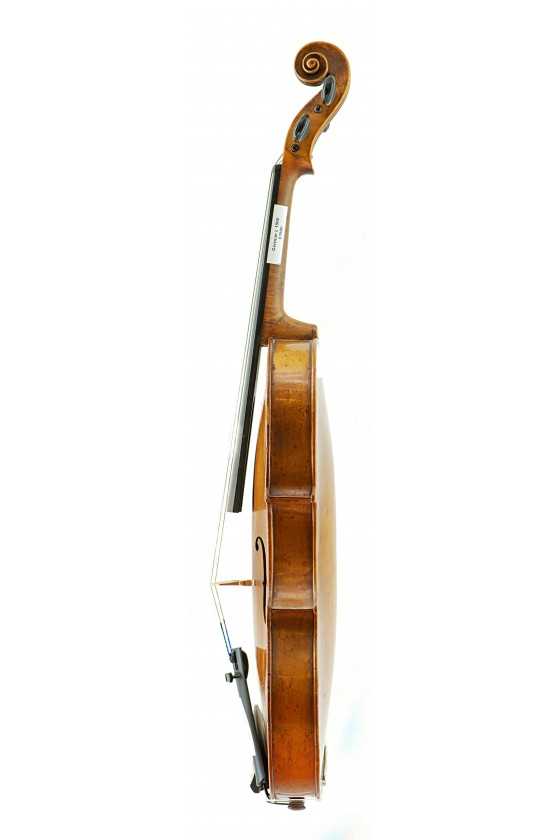
Are you looking for a high-quality violin within your budget? Explore our range of violins priced between $1501 and $5000. Crafted with precision and attention to detail, these violins offer superior sound quality and playability. Made from high-quality materials, each violin ensures optimal performance and boasts beautiful craftsmanship. Invest in a violin from our range to enhance your playing experience. Examples of these types of violins are the Johann Baptiste Schweitzer Fine Copy Violin c 1890, Paul Beuscher Violin 1934, and Eastman Albert Nebel VL601 Violin.
This is a John Jusek Violin made in Czechoslovakia around 1920 with its label and signature inside. This is one of the finest exported violins of the Czechoslovakian string instrument merchant John Juzek.
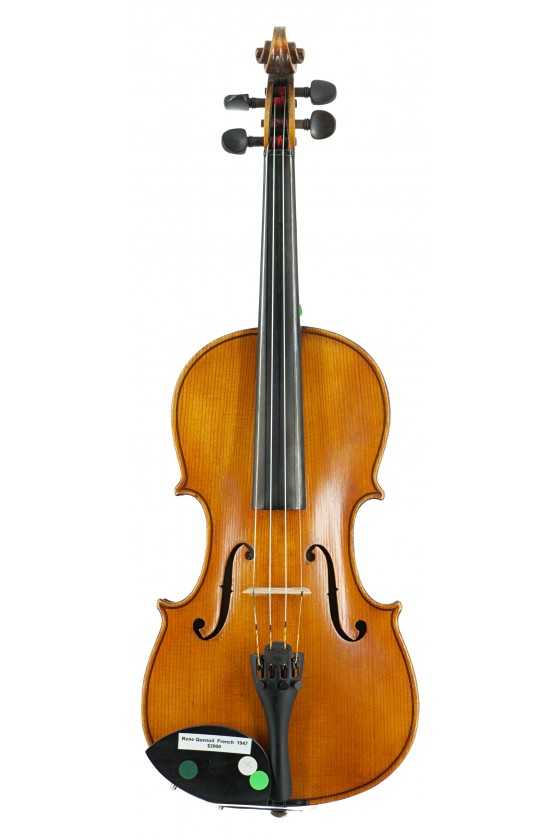
This is a René Quenoil-labelled violin, dated 1947. It was probably made in Eastern Europe. René Quenoil is a multi-awarded and recognized French luthier, a highly respected Parisian stringed instrument maker, luthier, and repairer.
This 4/4-size Stradivarius Violin Replica was made for Animato Strings Australia in 2010. Antonio Stradivari is a world-renowned violin maker known for creating some of the most famous and expensive violins. Animato Strings offers the largest selection of new and antique instruments in Australia. Their on-site workshop is staffed with experts who can cater to your specific needs.
Item comes with a violin instrument only. Bow, case, rosin, and other accessories are sold separately. If you want this to be shipped, please purchase a case to safeguard the instrument.
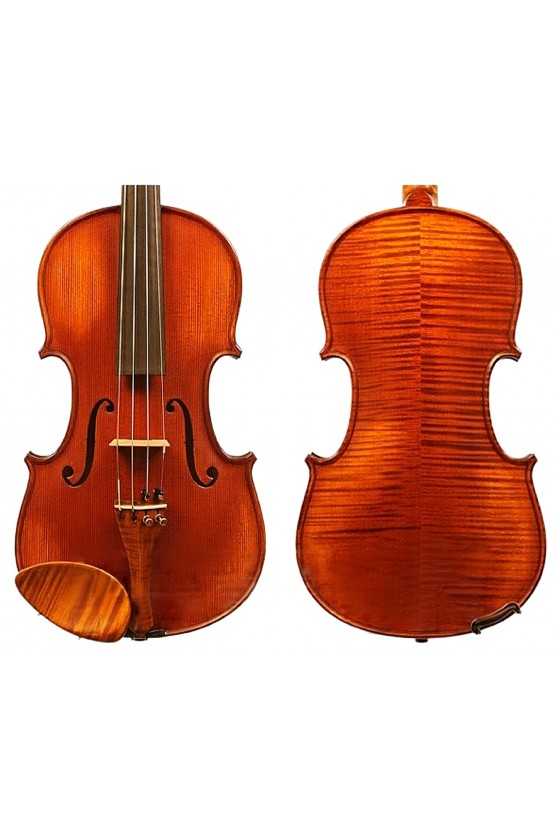
Gliga Vasile Genova 4/4 Violin (Instrument Only) is handcrafted in workshops directly supervised by Mr. Vasile Gliga.
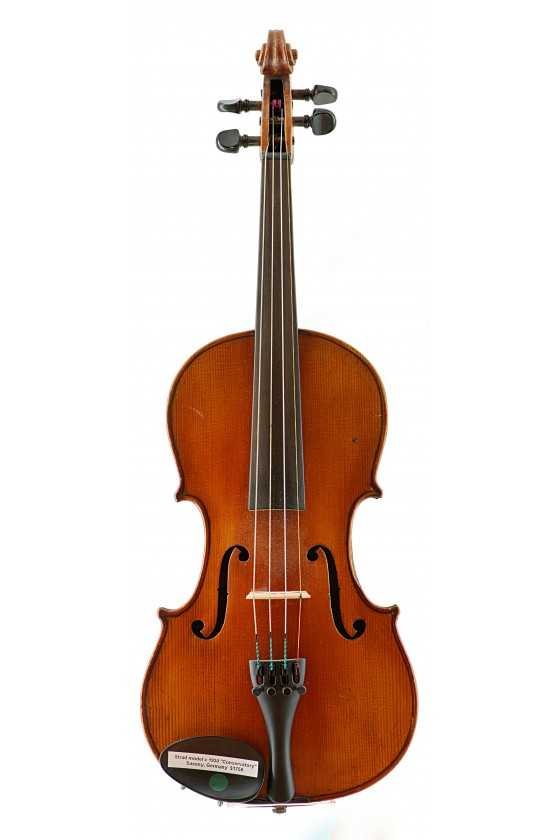
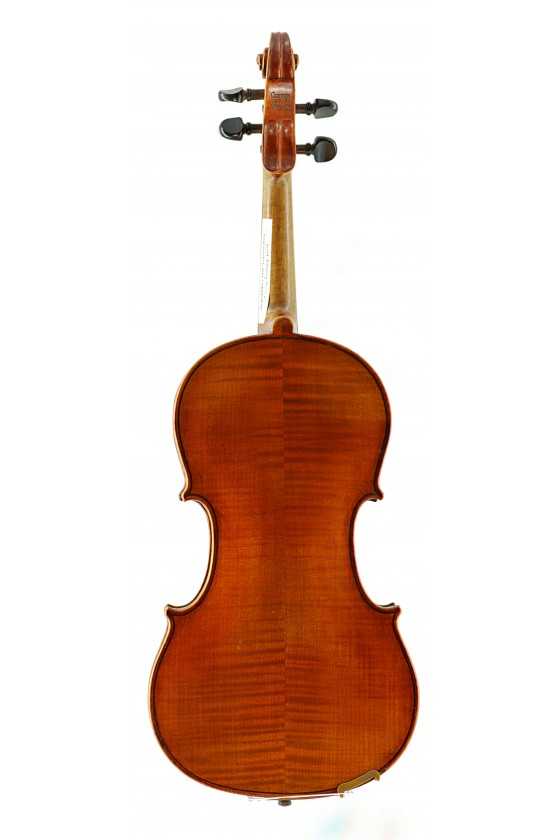
This Strad Model violin was made around 1930 in the "Conservatory" of Saxony, Germany. Antonio Stradivari is a renowned Italian violin maker who was said to have brought the craft of violin-making into its highest pitch of perfection.
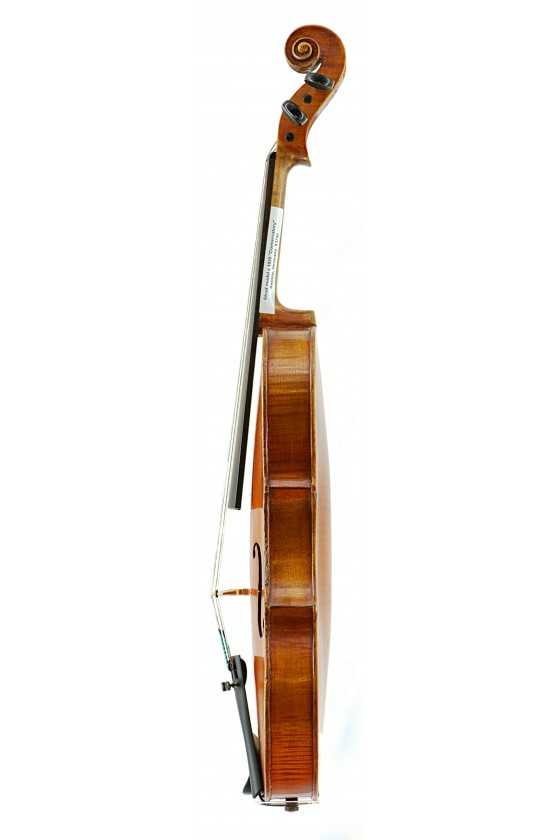
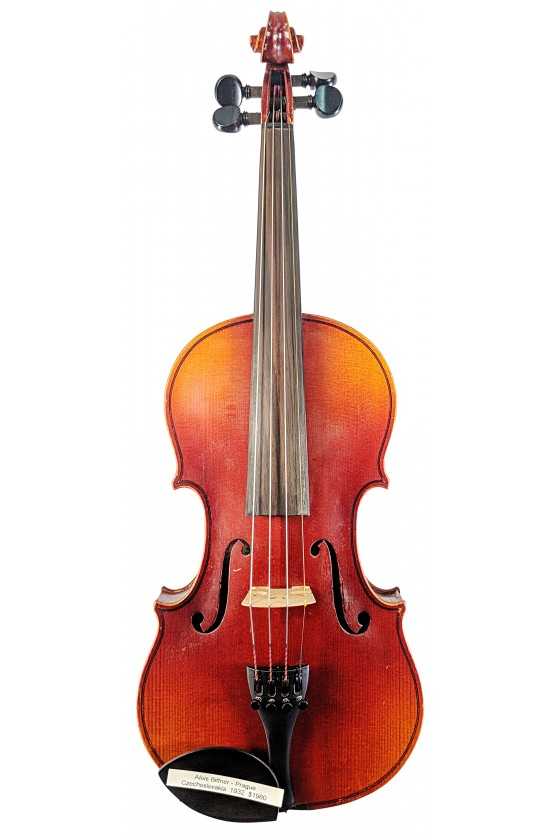
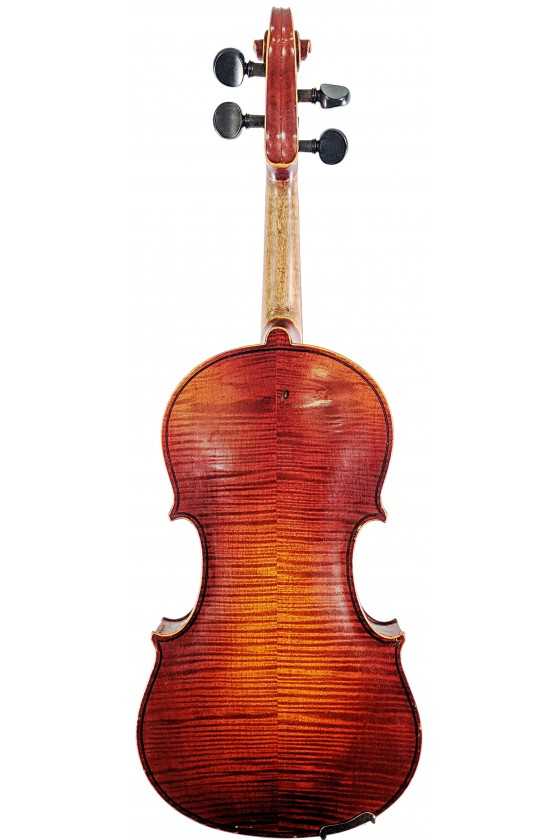
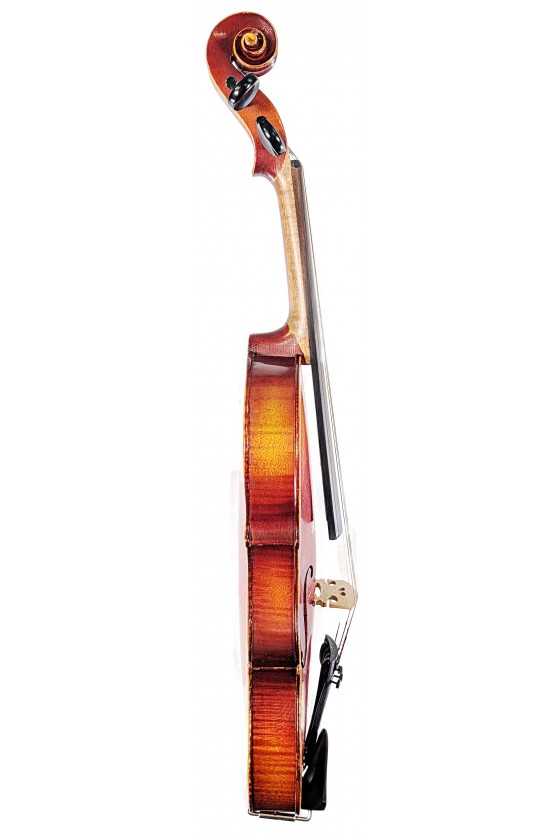
The Alois Bittner Violin made in 1932 in Prague, Czechoslovakia. Alois Bittner Alois Bittner was born in 1880 in Kral Pola, Czech Republic. He was a student of Franz Angerer and was awarded at various exhibitions with numerous distinctions due to his strong personal style and still very clean craftsmanship.
This is a German Violin made around 1900. This is one of many of Animato Strings largest selections of new and old stringed instruments in Australia, including Asian-hand-made, European, U.S., Australian, and Antique stringed instruments.