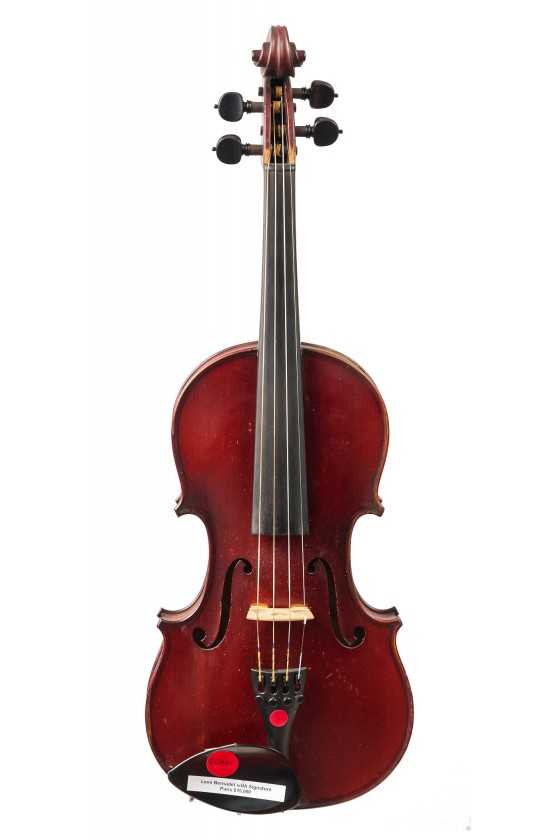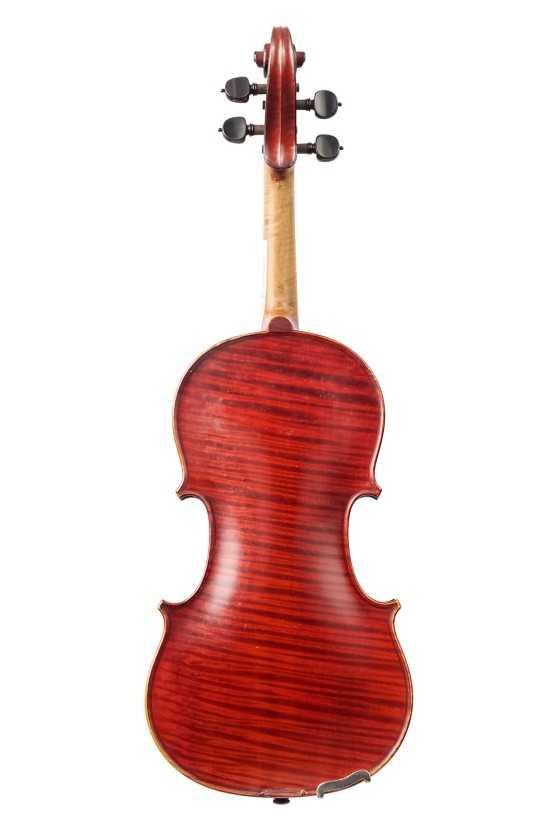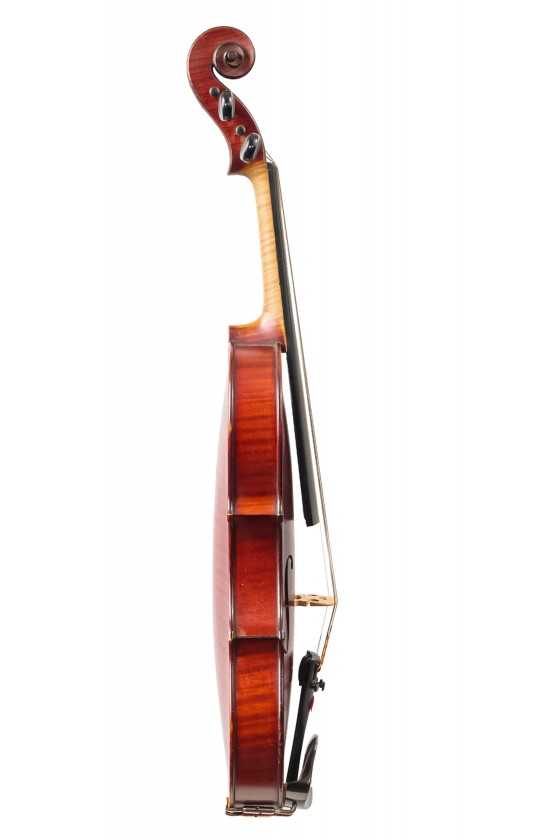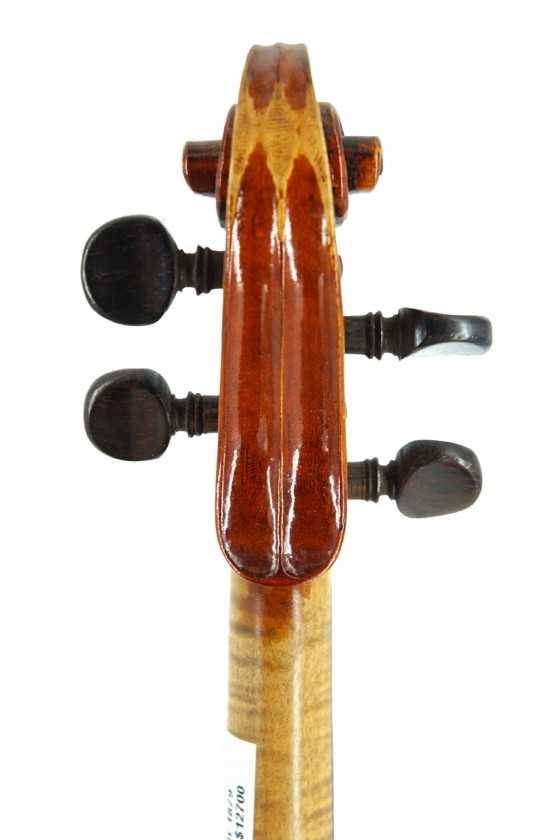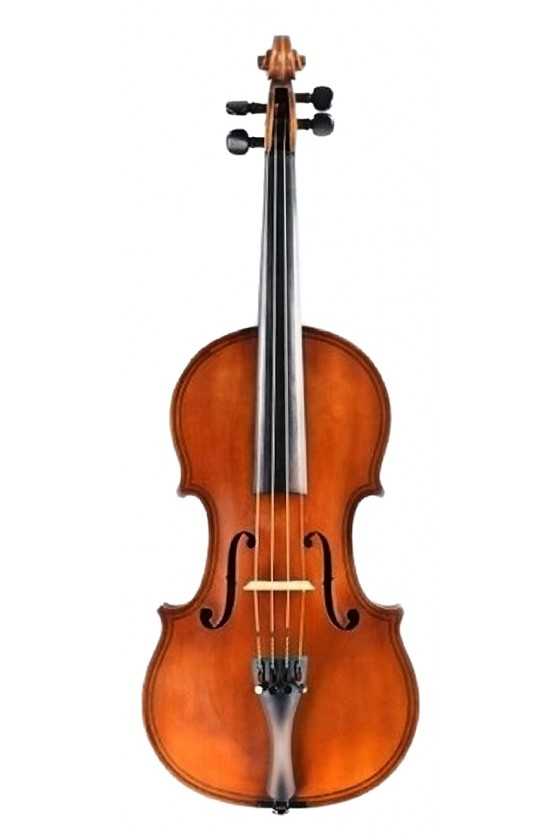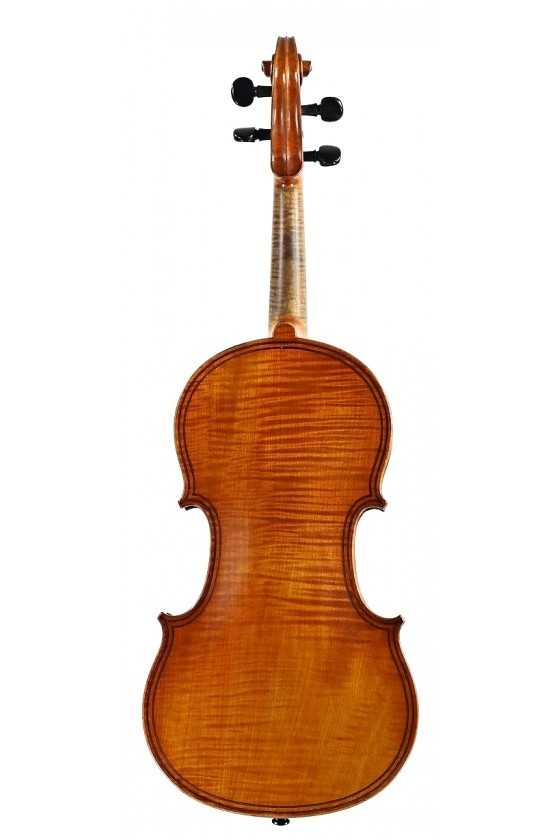


We have here a Carl Ertl violin Made in 1870 in Presburg, Hungary. Carl Ertl is a luthier from Presburg, Hungary whose instruments show the style and designs of Schweitzer and Leeb.
Carl Ertl is a luthier from Pressburg, Hungary who worked there from 1835 until he died in 1870. He was believed to be the pupil and son of Jacob Ertl. His instruments show the style and designs of Schweitzer and Leeb.
(A211003-1)
This is the Paul Kaul violin made in France dated 1918. Paul Kaul is a French violin maker who joined several workshops such as Thibouville Lamy, Silvestre and Maucotel, Vuillemin-Didion. He started several workshops on rue Racine, Nantes in 1907, rue du Pont Communeau in 1908, and at 130 Boulevard Brune in 1926.
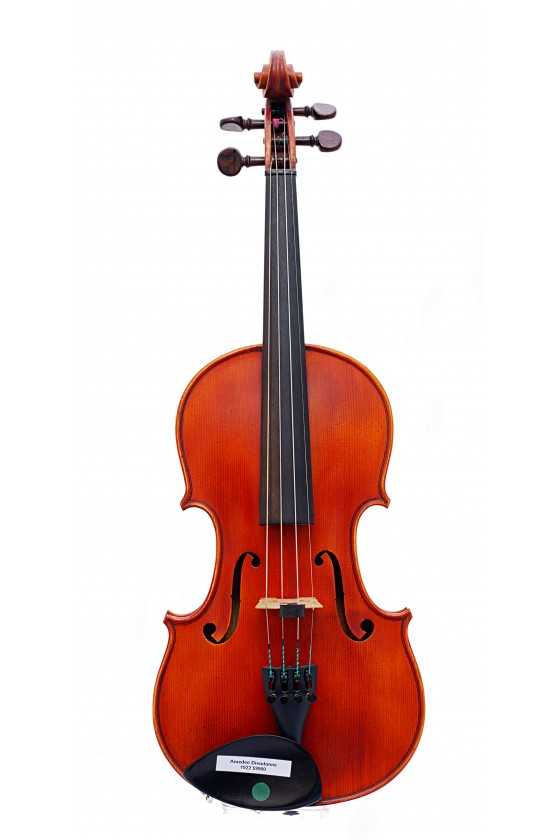
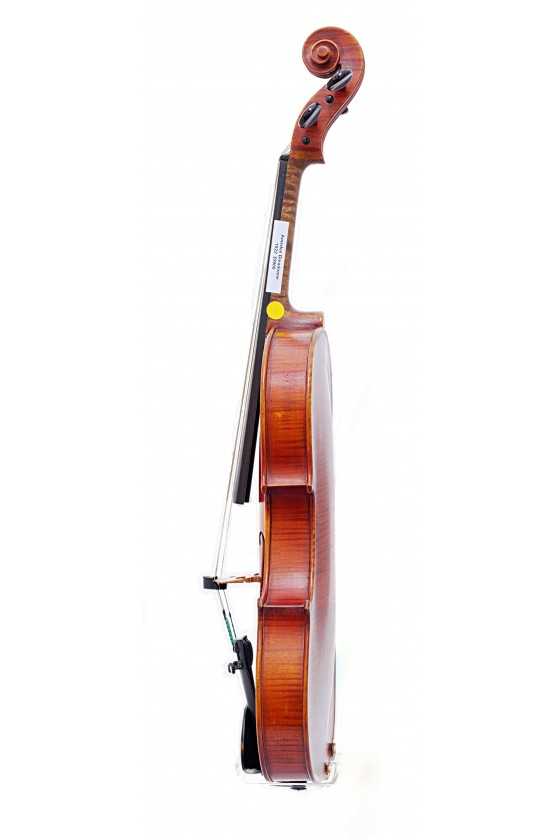
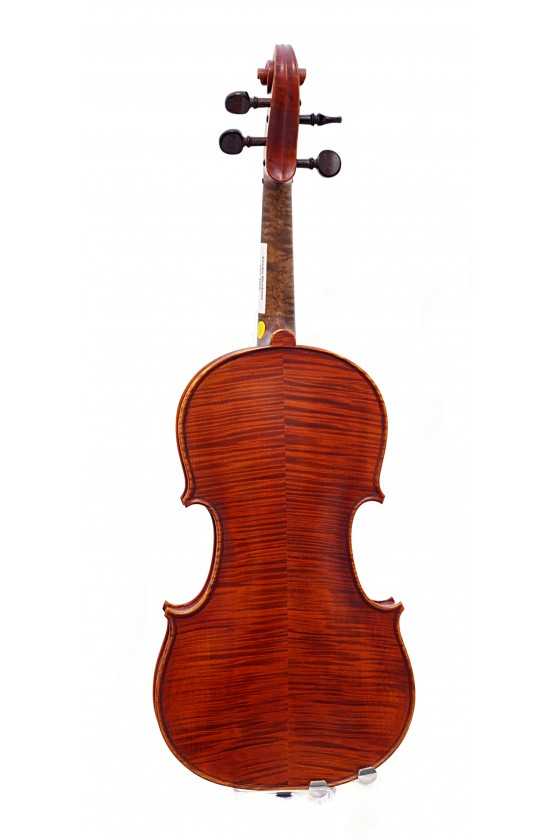
This French violin was made in 1922 by Amédée Dominique Dieudonné, who specialized in copying Cremona Masters and achieved a superior varnishing technique. He started his own workshop in Mirecourt after the First World War in the 1920s.
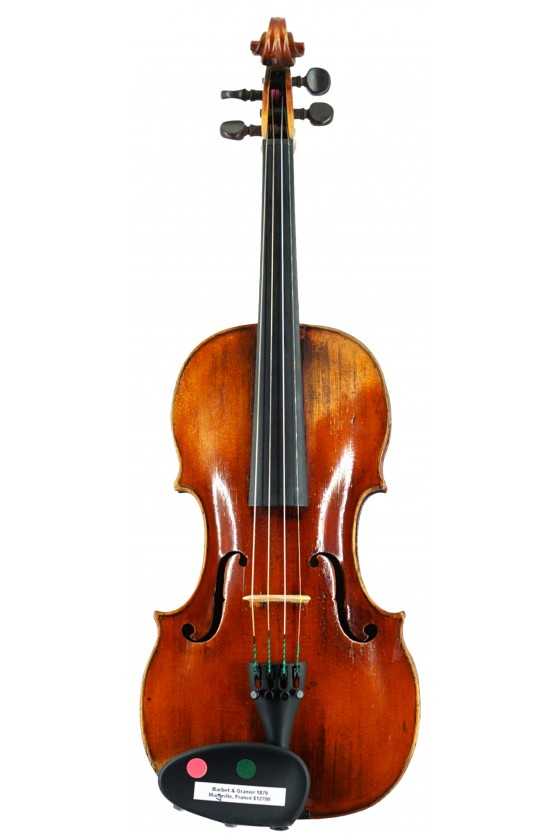
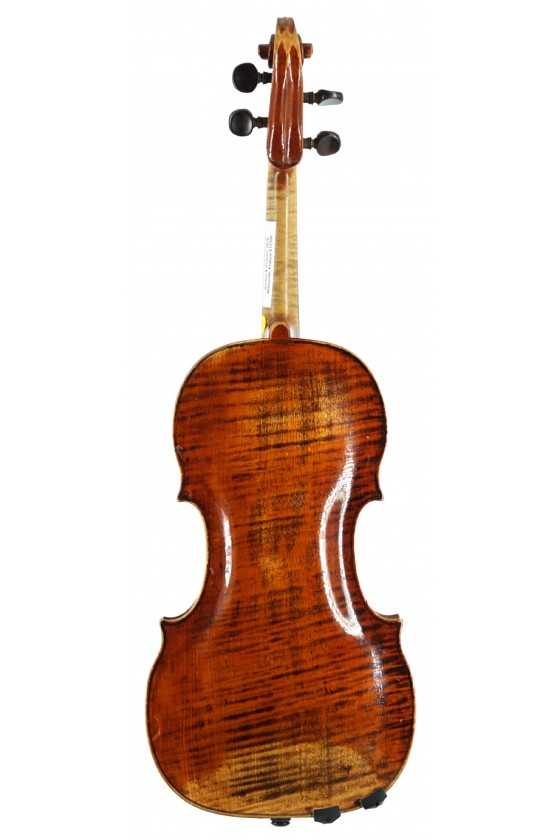
This is the Barbet & Granier dated 1879 Violin from Marseille France. Charles Barbet and Edmund Granier of Marseille were at the forefront of outstanding makers at the turn of the 19th century.
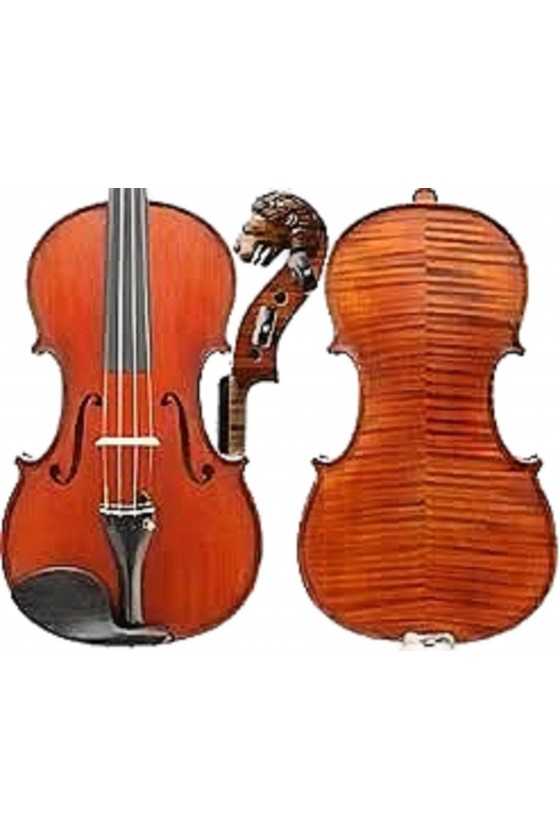
This is the Gliga Vasile with Lion Head Scroll 4/4 Violin (Instrument Only) Supplied with certificate of authenticity, including photographs, date, measurements, materials with the stamp and signature of the maker, Vasile Gliga.
This is a Charles Claudot Violin. The name Claudot was a popular clan of luthiers in France who have been making violins from the 16th up to the 20th century.
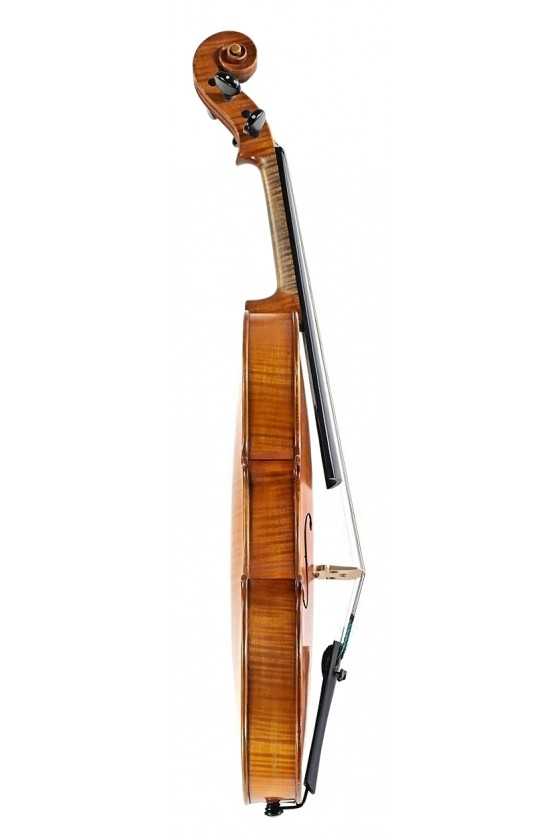
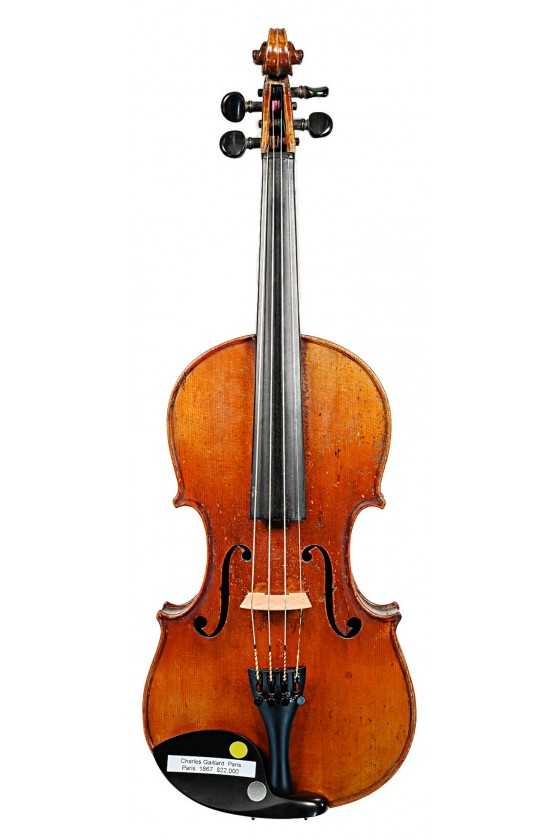
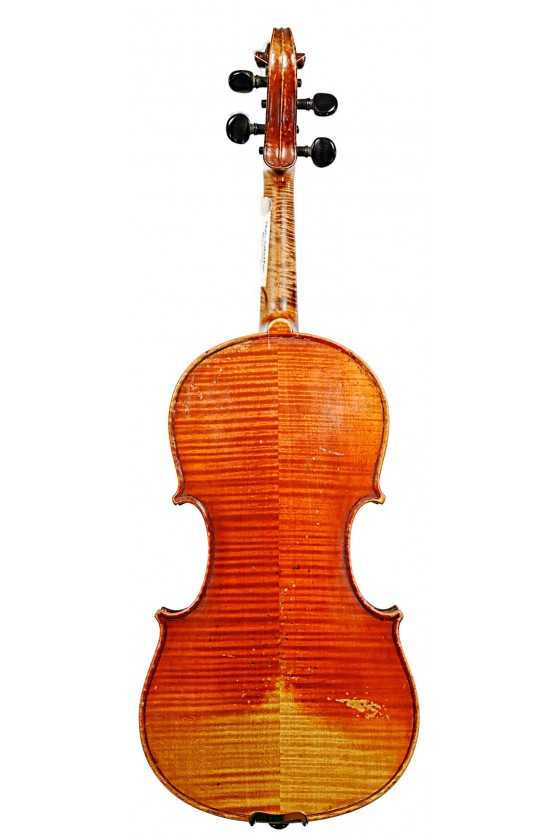
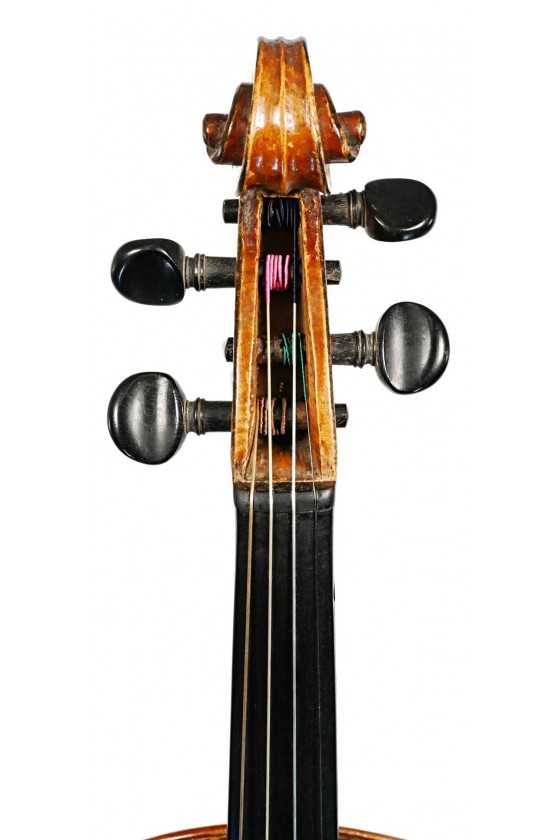
This is a Charles Gaillard 1867 Violin. Charles Gaillard was an apprentice of the prominent French violinmaker and restorer, Charles Adolphe Gand.
Ref. F007
Over 25 years, Ryszard conducted numerous experiments, conducted intensive studies, gained valuable experiences, and was influenced by his colleagues, all of which contributed to his gradual perfection of the sound and quality of his instruments.